AI Gateway: Unlock Seamless & Secure AI Integration
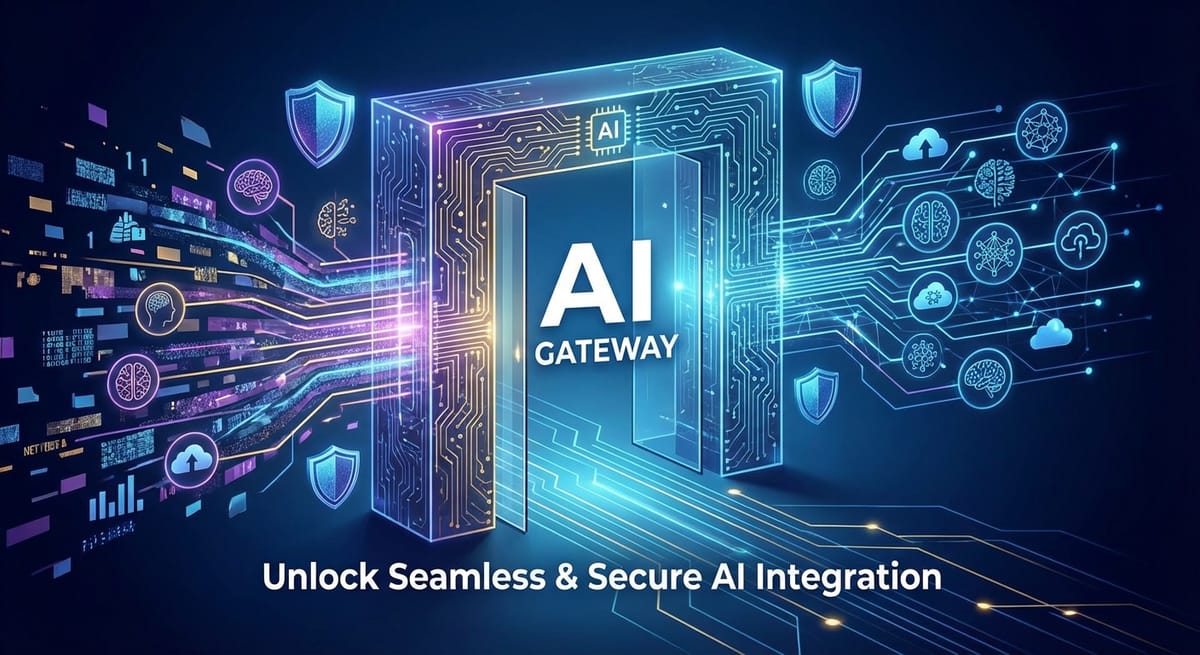


The dawn of artificial intelligence has ushered in an era of unprecedented innovation, fundamentally reshaping industries and driving digital transformation across the globe. From sophisticated machine learning models predicting market trends to generative AI crafting compelling content, the power of AI is no longer a distant future but a present-day reality. However, harnessing this power effectively within enterprise architectures presents a unique set of challenges. Integrating a myriad of disparate AI services, managing their lifecycle, ensuring robust security, and optimizing their performance are complex undertakings that can often hinder adoption and scalability. This is where the concept of an AI Gateway emerges as an indispensable architectural component, acting as the intelligent nexus that unlocks seamless and secure AI integration.
Historically, organizations have relied on traditional API Gateway solutions to manage their microservices and RESTful APIs, providing essential functionalities like routing, authentication, and rate limiting. While these traditional gateways laid a crucial foundation for modern application development, the distinct characteristics and demands of AI models, particularly Large Language Models (LLMs), necessitate a more specialized and intelligent intermediary. An AI Gateway is not merely an extension of its predecessor; it is a purpose-built orchestrator designed to address the intricacies of AI deployments, offering advanced capabilities that transcend the scope of a conventional API gateway. It acts as a single, intelligent entry point for all AI-related interactions, transforming fragmented AI services into a cohesive, manageable, and secure ecosystem. By centralizing control, optimizing performance, and enhancing security, an AI Gateway empowers enterprises to fully realize the transformative potential of artificial intelligence without succumbing to the complexities of its underlying infrastructure.
I. The Dawn of AI-Driven Integration: Navigating the New Frontier
The relentless pace of innovation in artificial intelligence has propelled us into a transformative age, where AI is no longer a niche technology but a pervasive force influencing every facet of business and daily life. Enterprises across sectors are enthusiastically exploring and adopting AI solutions to gain competitive advantages, enhance operational efficiencies, and deliver unparalleled customer experiences. From automating intricate business processes and deriving profound insights from vast datasets to empowering next-generation customer service with intelligent chatbots and personalizing consumer interactions on an unprecedented scale, the applications of AI are as diverse as they are impactful. This widespread adoption, however, inherently brings with it a complex tapestry of integration challenges. The sheer variety of AI models, ranging from traditional machine learning algorithms to cutting-edge generative AI, each with its unique API specifications, deployment requirements, and operational nuances, can quickly become an insurmountable hurdle for organizations striving for agile and scalable AI adoption.
A. The AI Revolution and its Integration Imperative
The AI revolution is not just about the creation of smarter algorithms; it's about the ability to seamlessly embed these intelligent capabilities into existing systems and workflows. Enterprises are facing an imperative to integrate AI models from various sources – be it proprietary models developed in-house, third-party services accessed via cloud providers, or open-source solutions customized for specific needs. This integration isn't a mere technical task; it's a strategic necessity that dictates an organization's agility, responsiveness, and capacity for innovation. Without effective integration, even the most groundbreaking AI models remain isolated islands of intelligence, unable to contribute to the holistic value chain of the business. The goal is to move beyond siloed AI experiments and transition towards enterprise-wide AI adoption, where intelligence flows freely and securely across applications, departments, and user interfaces, thereby unlocking exponential value.
The journey towards this pervasive intelligence is paved with the complexities of managing diverse APIs, ensuring consistent data formats, handling authentication across multiple platforms, and monitoring the health and performance of an ever-growing array of AI services. Each AI model might have different input/output schemas, authentication mechanisms, rate limits, and latency characteristics. Harmonizing these disparate elements into a unified, coherent system is crucial for achieving the promise of AI-driven transformation. An organization might use one AI model for natural language understanding, another for image recognition, and yet another for predictive analytics, all within a single application workflow. The ability to orchestrate these diverse intelligences seamlessly and securely is the integration imperative that defines success in the age of AI.
B. The Challenge of AI Integration: Complexity, Security, Scalability
Integrating AI into enterprise systems is fraught with significant challenges that often overshadow the exciting prospects of the technology itself. The complexity stems from several factors. Firstly, the sheer diversity of AI models and frameworks means that developers often encounter inconsistent APIs, varying data formats, and different programming paradigms. A machine learning model trained on PyTorch might expose an API differently than one built with TensorFlow, and a third-party generative AI service will have its own unique interface. This fragmentation creates significant development overhead, as engineers must adapt their code for each distinct AI service, leading to increased development time and maintenance costs. The absence of a standardized invocation layer forces application developers to delve into the specifics of each AI model, diverting focus from core business logic.
Secondly, security concerns are paramount. AI models, particularly those handling sensitive data for training or inference, represent potential attack vectors. Exposing AI endpoints directly to external applications without proper security measures can lead to unauthorized access, data breaches, intellectual property theft, or model poisoning attacks. Ensuring robust authentication, authorization, data encryption, and threat protection across a distributed AI ecosystem is a monumental task. Traditional security measures applied at the application layer might not be sufficient to safeguard the specialized vulnerabilities inherent in AI models, such as prompt injection attacks or adversarial examples. Organizations need a centralized and intelligent security layer that understands the nuances of AI interactions.
Thirdly, scalability is a continuous challenge. As AI adoption grows, the volume of requests to AI models can rapidly escalate, demanding flexible and resilient infrastructure. Simply deploying more instances of an AI model might not be enough; intelligent load balancing, efficient resource allocation, and dynamic scaling based on real-time demand are critical. Furthermore, monitoring the performance, latency, and cost of numerous AI models in production requires sophisticated observability tools that can provide granular insights into each interaction. Without a robust and scalable integration layer, organizations risk performance bottlenecks, service disruptions, and spiraling operational costs as their AI footprint expands. These multifaceted challenges underscore the urgent need for a dedicated solution that can abstract away the complexities, fortify security, and ensure the scalability of AI deployments.
C. Introducing the AI Gateway: A New Paradigm for Seamless Connectivity
In response to the multifaceted integration challenges posed by the proliferation of AI, the AI Gateway has emerged as a transformative architectural pattern. Unlike a generic API Gateway, which primarily focuses on HTTP routing and basic security for RESTful services, an AI Gateway is specifically engineered to understand, mediate, and optimize interactions with artificial intelligence models. It acts as a sophisticated intermediary, providing a unified and intelligent interface between applications and diverse AI services, regardless of their underlying technology, deployment location, or API specifics. This specialized gateway intelligently handles the complexities inherent in AI integration, abstracting away the idiosyncrasies of individual models and presenting a consistent, standardized API to consuming applications.
The fundamental shift offered by an AI Gateway lies in its ability to introduce intelligence into the integration layer itself. It's not just about forwarding requests; it's about making informed decisions about which AI model to use, how to format data for optimal performance, how to manage prompts, and how to apply security policies specific to AI workloads. By centralizing these critical functions, an AI Gateway streamlines development workflows, reduces operational overhead, and significantly enhances the security posture of an AI ecosystem. It acts as a single pane of glass for AI API management, enabling developers to integrate new AI capabilities with unprecedented speed and efficiency, while ensuring that operations teams maintain comprehensive control and visibility over every AI interaction. This new paradigm for connectivity is essential for any organization aspiring to build resilient, scalable, and secure AI-powered applications that can adapt to the rapidly evolving landscape of artificial intelligence.
D. Differentiating AI Gateway from Traditional API Gateways and LLM Gateways
To fully appreciate the value of an AI Gateway, it's crucial to understand how it differentiates itself from traditional API Gateway solutions and, more specifically, from an LLM Gateway. While there's some overlap in their foundational principles, their core focus and advanced capabilities diverge significantly to address distinct integration challenges.
A traditional API Gateway serves as the primary entry point for all API requests, typically offering functionalities such as request routing, load balancing, authentication/authorization, rate limiting, and basic analytics for general microservices and REST APIs. Its strength lies in managing the sheer volume and diversity of traditional application interfaces, ensuring reliability and security across a broad spectrum of services. However, it often operates at a layer agnostic to the specific semantic content or operational nuances of AI models. It might treat an AI model's endpoint just like any other REST endpoint, without understanding the unique requirements of AI inferences, data transformations for model compatibility, or the specific security vulnerabilities pertinent to AI.
An AI Gateway, on the other hand, builds upon the foundational capabilities of an API Gateway but introduces an intelligent layer specifically designed for AI workloads. It understands that different AI models may require different input formats, have varying inference times, and possess distinct security considerations. Beyond basic routing, an AI Gateway can perform sophisticated data transformations to standardize requests for heterogeneous AI models, manage model versions, apply AI-specific security policies (like detecting prompt injection attempts for LLMs), and intelligently route requests based on model performance, cost, or even ethical guidelines. It provides a unified invocation interface for any type of AI model—be it computer vision, natural language processing, predictive analytics, or generative AI—offering advanced observability and cost optimization tailored for AI inferences.
An LLM Gateway is a specialized subset of an AI Gateway, specifically optimized for Large Language Models. While an AI Gateway covers the full spectrum of AI models, an LLM Gateway hones in on the unique challenges and opportunities presented by generative AI. It offers features like centralized prompt management, enabling versioning, A/B testing, and dynamic injection of prompts across different LLM providers. It can abstract away the API differences between models like OpenAI's GPT, Anthropic's Claude, and Google's Gemini, allowing developers to switch between them effortlessly. Furthermore, LLM Gateways often incorporate advanced capabilities for cost optimization (e.g., routing to the cheapest model, caching common prompts), enhanced observability for prompt-response pairs, and content moderation to ensure responsible AI usage.
In essence, a traditional API Gateway is a general-purpose traffic cop; an AI Gateway is an intelligent AI traffic controller that understands the intricacies of AI; and an LLM Gateway is a hyper-specialized AI traffic controller specifically for language models. While an LLM Gateway is a powerful tool for organizations heavily reliant on generative AI, an AI Gateway provides a broader, more comprehensive solution for managing an entire portfolio of diverse AI services, often encompassing the functionalities of an LLM Gateway within its wider scope. Platforms like ApiPark, an open-source AI gateway and API management platform, exemplify this comprehensive approach by providing features that cater to both general API management and specialized AI integration needs, including support for 100+ AI models and prompt encapsulation into REST APIs.
II. Deconstructing the AI Gateway: Core Functionalities and Architecture
An AI Gateway is far more than just a proxy; it is a sophisticated architectural component designed to be the central nervous system for all AI interactions within an enterprise. Its power lies in a rich suite of functionalities that intelligently mediate, secure, and optimize the flow of data to and from various AI models. By centralizing these critical services, an AI Gateway transforms the complex landscape of AI integration into a streamlined, manageable, and highly performant ecosystem. This section delves into the core functionalities that define a robust AI Gateway, highlighting how each capability contributes to unlocking seamless and secure AI integration.
A. Unified Access Point and Centralized Management
One of the foundational benefits of an AI Gateway is its ability to establish a unified access point for all AI services. In a typical enterprise environment, AI models might be deployed on different cloud platforms, on-premise servers, or accessed via third-party APIs, each with its own unique endpoint and access mechanism. This fragmentation can lead to significant operational overhead and inconsistencies in how AI resources are consumed.
1. Single Entry Point for Diverse AI Services
An AI Gateway consolidates these disparate endpoints into a single, cohesive interface. Instead of applications needing to know the specific URL, port, and protocol for each individual AI model, they interact solely with the gateway. The gateway then intelligently routes the requests to the appropriate backend AI service. This abstraction simplifies client-side development, as applications only need to be configured to communicate with the gateway, regardless of how many AI models are behind it or where they are physically located. It drastically reduces the complexity of managing client configurations and enhances developer productivity by providing a consistent interaction pattern across all AI capabilities. This consolidation also makes it easier to onboard new AI models, as the gateway can be updated without requiring changes to every consuming application.
2. Centralized Authentication and Authorization
Managing authentication and authorization across multiple AI services, especially those from different providers, can be a security and operational nightmare. Each service might have its own API keys, OAuth tokens, or proprietary authentication schemes. An AI Gateway centralizes this critical security function, acting as the sole point where client identities are verified and their access rights are determined. It can integrate with existing enterprise identity providers (e.g., OAuth 2.0, OpenID Connect, LDAP, SAML), enforcing consistent security policies across all AI models. When a request comes in, the gateway authenticates the client once and then uses its own internal mechanisms (e.g., short-lived tokens, API keys specific to the backend) to securely communicate with the target AI model. This eliminates the need for applications to manage multiple credentials and ensures that only authorized entities can invoke AI services, significantly reducing the attack surface and simplifying security audits.
3. Policy Enforcement and Access Control
Beyond basic authentication, an AI Gateway provides granular control over access policies. It allows administrators to define sophisticated rules based on various parameters: the requesting user or application, the specific AI model being invoked, the type of operation (e.g., inference, training), the time of day, or even the data content of the request. For example, an organization might restrict access to a highly sensitive AI model only to specific internal teams during business hours, or limit the number of requests a particular application can make to a generative AI model within a given timeframe. These policies can be configured and managed centrally within the gateway, ensuring consistent enforcement across the entire AI ecosystem. This centralized policy enforcement is crucial for maintaining compliance with regulatory requirements, internal governance standards, and ethical AI guidelines, providing a robust framework for managing who can access what AI capability, when, and under what conditions.
B. Intelligent Routing and Load Balancing
The effectiveness of an AI Gateway hinges on its ability to intelligently direct traffic to the most appropriate and available AI models. This goes beyond simple round-robin distribution, incorporating advanced logic tailored to the unique characteristics of AI workloads.
1. Dynamic Routing Based on Model Performance, Cost, and Availability
A key differentiator of an AI Gateway is its capacity for dynamic routing. This means the gateway doesn't simply send requests to a predefined endpoint; it intelligently evaluates multiple factors in real-time to determine the optimal destination. For instance, if an organization uses several similar AI models from different providers (e.g., various LLMs for text generation), the gateway can route requests based on which model offers the lowest latency, the highest accuracy for a particular input, or the most cost-effective pricing at that moment. It can monitor the current load and performance metrics of each backend AI service and dynamically steer traffic away from overloaded or underperforming instances. This dynamic capability ensures that applications always receive the best possible AI service quality while simultaneously optimizing resource utilization and minimizing operational expenditures. This is particularly valuable for LLMs, where prompt complexity can significantly impact response time and token cost.
2. Advanced Load Balancing Strategies for AI Workloads
Traditional load balancing distributes requests evenly or based on simple metrics. However, AI workloads often exhibit diverse resource consumption patterns, with some inference requests being computationally heavier than others. An AI Gateway implements advanced load balancing algorithms that are sensitive to these nuances. It can employ session persistence for stateful AI interactions, weighted round-robin based on server capacity, or even content-aware routing where requests are directed to specific model versions or instances best suited for the input data. For example, an image processing AI Gateway might direct requests containing high-resolution images to more powerful GPU-backed instances, while simpler requests go to CPU-based instances. This granular approach ensures that each AI model instance is utilized efficiently, preventing bottlenecks and guaranteeing consistent service levels even during peak demand.
3. Failover Mechanisms and Resilience
No system is entirely immune to failures, and AI services, especially complex ones, can occasionally experience outages or performance degradation. A robust AI Gateway incorporates sophisticated failover mechanisms to ensure the continuous availability of AI capabilities. If a primary AI model instance or even an entire AI provider becomes unresponsive, the gateway can automatically detect the failure and reroute traffic to a healthy backup instance or an alternative AI model, often with minimal to no impact on the consuming applications. This proactive approach to resilience prevents service disruptions, ensuring that critical business processes powered by AI remain operational. Features like circuit breakers and retry mechanisms can further enhance fault tolerance, preventing cascading failures and allowing backend AI services time to recover gracefully. This level of reliability is paramount for mission-critical AI applications in areas like fraud detection or autonomous systems.
C. Security at the Forefront
Security is an uncompromisable aspect of any enterprise integration, and it takes on even greater significance when dealing with AI models, which often process sensitive data or underpin critical decision-making processes. An AI Gateway acts as a formidable bulwark, centralizing and enforcing a comprehensive suite of security measures that protect the entire AI ecosystem.
1. Threat Protection and API Security Best Practices
An AI Gateway implements a range of advanced threat protection mechanisms to safeguard against common API vulnerabilities and AI-specific attacks. This includes protection against OWASP API Security Top 10 threats such as broken authentication, excessive data exposure, and security misconfigurations. Beyond generic API threats, an AI Gateway can incorporate specialized defenses against AI-specific vulnerabilities like prompt injection (for LLMs), adversarial attacks (where subtly modified inputs trick models into incorrect outputs), or model extraction attempts. It can validate incoming payloads for malicious content, filter out suspicious requests, and detect abnormal usage patterns indicative of a cyberattack. By acting as the first line of defense, the gateway significantly reduces the risk of malicious actors compromising AI services or exploiting their vulnerabilities.
2. Data Encryption in Transit and at Rest
Protecting data confidentiality is paramount, especially when AI models handle personally identifiable information (PII), proprietary business data, or intellectual property. An AI Gateway ensures that all data exchanged between clients and the gateway, and between the gateway and backend AI models, is encrypted in transit using industry-standard protocols such as TLS/SSL. This prevents eavesdropping and tampering during data transmission. Furthermore, for any data that the gateway might temporarily store (e.g., for caching purposes or logging), it enforces encryption at rest, ensuring that even if storage systems are compromised, the data remains unreadable. This end-to-end encryption strategy provides a robust layer of defense, meeting stringent privacy regulations and protecting sensitive information throughout its lifecycle within the AI integration pipeline.
3. Compliance and Regulatory Adherence
Adhering to a growing number of data privacy regulations (e.g., GDPR, CCPA, HIPAA) and industry-specific compliance standards is a non-negotiable requirement for enterprises. An AI Gateway plays a critical role in facilitating compliance by centralizing control over data flows and access policies. It enables organizations to implement granular access controls, enforce data residency requirements by routing requests to AI models in specific geographical regions, and maintain comprehensive audit trails of all AI interactions. For instance, it can ensure that certain types of sensitive data are never sent to AI models that lack appropriate certifications or are hosted in non-compliant jurisdictions. The gateway provides the necessary enforcement points and logging capabilities to demonstrate adherence to regulatory mandates, thereby reducing legal and reputational risks associated with AI deployments.
4. API Key Management and Revocation
Effectively managing API keys, tokens, and credentials for accessing numerous AI services can be a complex and error-prone process. An AI Gateway centralizes API key management, providing a secure repository for storing and issuing access credentials. It enables administrators to generate, distribute, and revoke API keys with ease, offering granular control over their permissions and validity periods. If an API key is compromised or an application's access needs to be terminated, the gateway allows for instant revocation, immediately cutting off access to the protected AI services. This centralized system enhances security by minimizing the exposure of sensitive credentials, simplifying the lifecycle management of access tokens, and providing a rapid response mechanism in the event of a security incident, ensuring that only trusted entities can interact with valuable AI assets.
D. Request and Response Transformation
AI models often have specific data format requirements for their inputs and outputs, which may not align with the formats used by consuming applications. An AI Gateway excels at mediating these differences through intelligent request and response transformation, acting as a universal translator in the AI ecosystem.
1. Standardizing Input/Output for Heterogeneous AI Models
Different AI models, especially those from various providers or built using different frameworks, will almost certainly have distinct API specifications. One model might expect a JSON payload with specific field names, while another requires a different structure or even a different encoding (e.g., Protobuf). An AI Gateway can dynamically transform incoming requests from a standardized client format into the specific format required by the target AI model. Similarly, it can take the varied responses from backend AI models and transform them back into a consistent, unified format that consuming applications expect. This standardization dramatically simplifies client-side development, as applications can interact with a single, consistent API schema, without needing to implement custom parsers or formatters for each individual AI model. This capability is fundamental to achieving true model agnosticism and significantly reduces integration overhead.
2. Data Sanitization and Validation
Beyond formatting, an AI Gateway can perform crucial data sanitization and validation on both incoming requests and outgoing responses. Before a request reaches an AI model, the gateway can validate the input data against predefined schemas, ensuring that it adheres to expected types, ranges, and structures. This proactive validation helps prevent errors, malicious injections, and unexpected behavior in the AI model. For example, it can remove potentially harmful characters, truncate oversized inputs, or ensure that numerical values fall within acceptable bounds. Similarly, on the response side, the gateway can validate the output generated by the AI model, ensuring its integrity and conformance to expected schemas before it's delivered to the client application. This dual-layer validation enhances the reliability and security of AI interactions, protecting both the AI model from invalid inputs and the consuming application from malformed or malicious outputs.
3. Payload Manipulation for Optimal Performance
Intelligent payload manipulation can also contribute to performance optimization. An AI Gateway can compress large request or response payloads to reduce network bandwidth usage and latency, especially critical for high-volume or real-time AI inferences. It can also selectively remove unnecessary data fields from requests or responses, minimizing the amount of data processed and transmitted, thereby improving efficiency. For instance, if an AI model's response contains verbose diagnostic information that the client application doesn't need, the gateway can filter this out before sending the response. This capability ensures that only the essential data is exchanged, leading to faster response times, reduced operational costs (especially for cloud-based AI services), and a more streamlined user experience. The ability to perform these transformations on the fly, without modifying client applications or backend AI models, underscores the gateway's power as an intelligent intermediary.
E. Rate Limiting, Throttling, and Quota Management
Managing the flow and volume of requests to AI models is essential for preventing abuse, ensuring fair usage, and controlling operational costs. An AI Gateway provides sophisticated mechanisms for rate limiting, throttling, and quota management, acting as a traffic controller to maintain system stability and optimize resource allocation.
1. Preventing Abuse and Ensuring Fair Usage
Without proper controls, a single misbehaving application or a malicious actor could overwhelm an AI model with excessive requests, leading to denial-of-service (DoS) or degraded performance for all other users. An AI Gateway implements robust rate limiting capabilities that restrict the number of requests an individual client or application can make within a specified timeframe (e.g., 100 requests per minute). This prevents abuse and ensures that AI resources are fairly distributed among all legitimate consumers. Different rate limits can be applied based on the client's identity, the type of AI service being invoked, or even the tier of service agreement (e.g., premium users get higher limits). When a client exceeds their allocated rate limit, the gateway can either queue subsequent requests (throttling) or reject them with an appropriate error message, protecting the backend AI models from being overloaded.
2. Cost Optimization through Controlled Access
Many commercial AI services, particularly advanced generative AI models, are priced based on usage, often by the number of requests or tokens processed. Uncontrolled access can quickly lead to spiraling operational costs that exceed budgeted amounts. An AI Gateway plays a critical role in cost optimization by enforcing quotas and budgets. It can track the usage of each client or application against predefined spending limits or request volumes. For instance, an organization might allocate a monthly budget for a specific LLM to a particular team; the gateway will monitor their token usage and alert them (or even temporarily block access) once they approach or exceed their limit. This proactive cost management capability provides financial predictability and prevents unexpected expenditures, making AI adoption more sustainable and manageable within an enterprise context.
3. Granular Quotas for Different Users/Applications
The ability to set granular quotas is vital in diverse enterprise environments. An AI Gateway allows administrators to define different quotas for various teams, projects, or individual applications based on their specific needs and allocated budgets. For example, a development team might have a higher quota for testing AI models, while a production application has a more conservative, yet consistent, quota. A business partner might be granted a specific number of AI inferences per month as part of a service-level agreement. These granular controls ensure that valuable AI resources are allocated efficiently according to business priorities, preventing any single entity from monopolizing resources and ensuring that all critical applications receive the necessary access without contention. This level of fine-grained control is essential for managing a complex AI ecosystem with diverse stakeholders.
F. Observability: Monitoring, Logging, and Analytics
Understanding the performance, usage patterns, and health of AI models is crucial for operational excellence and continuous improvement. An AI Gateway provides unparalleled observability into the entire AI integration layer through comprehensive monitoring, detailed logging, and powerful analytics.
1. Real-time Performance Monitoring
An AI Gateway continuously monitors the performance of all AI services under its management in real-time. This includes tracking key metrics such as request latency, throughput (requests per second), error rates, and resource utilization (CPU, memory, GPU) of backend AI models. Dashboards within the gateway provide a centralized view of the AI ecosystem's health, allowing operations teams to quickly identify performance bottlenecks, detect anomalies, and preempt potential issues before they impact end-users. For instance, a sudden spike in latency for an LLM could indicate an issue with the underlying service provider, prompting quick investigation and potential failover. This proactive monitoring ensures that AI-powered applications remain responsive and reliable, maintaining a high quality of service for all consumers.
2. Comprehensive Request/Response Logging
Every interaction passing through the AI Gateway is meticulously logged, creating a rich audit trail of all AI API calls. This includes details such as the requesting client, the target AI model, the request payload (or a masked version for sensitive data), the response payload, timestamps, latency metrics, and any errors encountered. This comprehensive logging is invaluable for troubleshooting, debugging, and post-mortem analysis. If an application encounters an unexpected response from an AI model, the logs provide the exact context of the interaction, helping developers pinpoint the root cause quickly. For compliance and security audits, these logs serve as an irrefutable record of all AI resource consumption and access attempts. Platforms like ApiPark offer powerful logging capabilities, recording every detail of each API call, enabling businesses to quickly trace and troubleshoot issues, ensuring system stability and data security.
3. Advanced Analytics for Usage Patterns and Cost Tracking
Beyond raw logs, an AI Gateway performs advanced analytics to extract meaningful insights from the vast amounts of telemetry data it collects. It can generate reports on API usage patterns, identifying peak usage times, most frequently invoked AI models, and top consumers. This data is critical for capacity planning, allowing organizations to scale their AI infrastructure efficiently. Furthermore, for commercial AI services, the gateway can track detailed cost metrics, breaking down expenditures by application, team, or individual AI model. This granular cost tracking, combined with usage analytics, empowers businesses to optimize their AI spending, renegotiate contracts with providers, and ensure that AI investments deliver maximum return. The ability to visualize these trends and performance changes, as offered by APIPark's powerful data analysis, helps businesses with preventive maintenance and strategic decision-making.
4. Alerting and Anomaly Detection
To ensure proactive management, an AI Gateway integrates robust alerting and anomaly detection capabilities. Administrators can configure alerts to be triggered when specific thresholds are breached—for example, if an error rate for an AI model exceeds a certain percentage, if latency spikes beyond an acceptable limit, or if an application approaches its monthly usage quota. The gateway can also employ machine learning to detect unusual patterns in API traffic or AI model behavior that might indicate a security threat, a performance issue, or an impending outage. These alerts can be integrated with existing incident management systems, ensuring that operations teams are immediately notified of critical events, allowing for rapid response and minimal disruption to AI-powered services.
III. The Specifics of LLM Gateway: Mastering Large Language Models
While an AI Gateway provides a comprehensive solution for managing diverse AI models, the emergence and rapid proliferation of Large Language Models (LLMs) present a unique set of challenges and opportunities that warrant a specialized focus. An LLM Gateway is a specialized variant or a dedicated module within an AI Gateway, meticulously engineered to address the distinct intricacies of integrating, securing, and optimizing generative AI. It recognizes that interacting with models capable of complex text generation, understanding, and transformation requires a more nuanced approach than traditional machine learning models.
A. Why a Dedicated LLM Gateway? The Unique Challenges of LLMs
Large Language Models, such as OpenAI's GPT series, Anthropic's Claude, or Google's Gemini, possess capabilities that transcend those of conventional AI models. They can understand context, generate creative text, translate languages, answer complex questions, and even write code. However, integrating and managing these powerful models introduces several unique challenges:
- Rapid Evolution and API Inconsistencies: The LLM landscape is evolving at an astonishing pace, with new models and updates being released frequently. Each provider might have slightly different API endpoints, request/response formats, and authentication mechanisms, making direct integration cumbersome and prone to breakages with every update.
- Prompt Engineering Complexity: The quality of an LLM's output heavily depends on the "prompt"—the input instruction provided to the model. Crafting effective prompts ("prompt engineering") is an art and a science, and managing, versioning, and testing these prompts across different applications and models is a significant challenge.
- High and Variable Costs: LLM usage is typically billed per token, and complex queries can quickly accumulate high costs. Managing these costs, optimizing token usage, and potentially switching between models based on price and performance are critical for financial sustainability.
- Content Moderation and Safety: Generative AI can sometimes produce biased, harmful, or inappropriate content. Ensuring responsible AI usage requires robust content moderation and safety mechanisms at the integration layer to filter undesirable outputs before they reach end-users.
- Observability for Non-deterministic Outputs: Unlike deterministic rule-based systems, LLMs can produce varied outputs for similar inputs. Monitoring the quality, consistency, and safety of these non-deterministic outputs requires specialized logging and analytics.
- Vendor Lock-in Concerns: Relying heavily on a single LLM provider can lead to vendor lock-in, making it difficult to switch to alternative models if performance, cost, or features change.
An LLM Gateway is purpose-built to tackle these specific challenges, providing a layer of abstraction and intelligence that streamlines the adoption and responsible use of generative AI within the enterprise.
B. Prompt Engineering and Management
Prompt engineering is the art of crafting effective inputs to guide LLMs towards desired outputs. As LLMs become central to many applications, managing these prompts becomes a critical operational task.
1. Centralized Prompt Repository
An LLM Gateway provides a centralized repository for storing, organizing, and retrieving prompts. Instead of embedding prompts directly into application code, developers can define and manage them within the gateway. This repository acts as a single source of truth for all prompts used across an organization, ensuring consistency and preventing duplication. It also simplifies updates; modifying a prompt in the gateway automatically propagates the change to all applications using it, without requiring code deployments. This approach accelerates development cycles and significantly reduces maintenance overhead, allowing teams to iterate on prompts more efficiently.
2. Versioning and A/B Testing of Prompts
Just like code, prompts evolve. An LLM Gateway supports robust versioning of prompts, allowing teams to track changes, revert to previous versions, and understand the impact of prompt modifications. This is crucial for maintaining performance and consistency over time. Furthermore, the gateway can facilitate A/B testing of different prompt versions. For instance, it can route a percentage of requests to an LLM with "Prompt A" and another percentage with "Prompt B," then collect metrics on their respective outputs (e.g., quality scores, response times). This empirical approach enables data-driven optimization of prompts, ensuring that the most effective and efficient prompts are deployed to production, thereby maximizing the value derived from LLMs.
3. Dynamic Prompt Injection and Templating
The gateway can dynamically inject and template prompts based on contextual information from the incoming request. Instead of sending a static prompt, applications can send specific data points, and the gateway will combine these with predefined templates to construct the final, optimized prompt sent to the LLM. For example, a customer service application might send customer details and query keywords, and the gateway automatically inserts these into a "customer support response" template prompt. This dynamic prompt injection allows for highly personalized and contextually relevant LLM interactions without burdening the application with complex prompt construction logic. It also helps in abstracting the LLM interaction from the core application logic, making the system more modular and adaptable.
C. Model Agnostic Abstraction
The diversity of LLM providers and models can lead to significant vendor lock-in and integration complexity. An LLM Gateway solves this by providing a powerful layer of model-agnostic abstraction.
1. Switching Between Different LLM Providers (OpenAI, Anthropic, Google, etc.)
An LLM Gateway can abstract away the API differences between various LLM providers. Developers write their application code once, interacting with the gateway's standardized API, without needing to worry about the specific implementation details of OpenAI, Anthropic, Google, or other LLMs. The gateway handles the necessary transformations and communication protocols for each backend provider. This capability is incredibly powerful as it allows organizations to switch LLM providers dynamically based on performance, cost, feature set, or even regulatory requirements, without altering a single line of application code. It fosters agility and responsiveness to the rapidly changing LLM landscape.
2. Abstracting API Differences for Seamless Integration
Beyond switching providers, the gateway can also abstract differences between various versions or models from the same provider. For example, migrating from GPT-3.5 to GPT-4 might involve subtle API changes or new parameters. The LLM Gateway can handle these variations internally, presenting a consistent interface to the consuming application. This greatly simplifies upgrades and maintenance, ensuring that applications remain functional and robust even as the underlying LLMs evolve. It minimizes the development effort required for integrating new LLMs and enables a plug-and-play approach to leveraging the latest advancements in generative AI.
3. Reducing Vendor Lock-in
By providing a layer of abstraction between applications and specific LLM providers, an LLM Gateway significantly reduces the risk of vendor lock-in. Organizations are no longer beholden to a single provider's pricing, policies, or technology roadmap. They can strategically choose the best LLM for each specific task based on real-time evaluation, cost-effectiveness, and performance. This freedom empowers businesses to negotiate better terms, leverage competitive markets, and diversify their AI infrastructure, ensuring long-term flexibility and resilience in their AI strategy. This independence is a crucial strategic advantage in the dynamic world of generative AI.
D. Cost Optimization Strategies
LLM usage can be expensive, with costs scaling rapidly with token count and model complexity. An LLM Gateway implements sophisticated strategies to optimize these expenditures without compromising on performance or quality.
1. Intelligent Model Selection Based on Cost vs. Performance
The gateway can dynamically select the most cost-effective LLM for a given request, based on its complexity, required latency, and the current pricing of available models. For example, simple summarization tasks might be routed to a cheaper, faster model (e.g., a smaller GPT variant), while complex reasoning or creative writing tasks are directed to a more expensive, powerful model (e.g., GPT-4). This intelligent routing ensures that organizations pay only for the AI capabilities they truly need for each specific interaction, preventing overspending on computationally intensive models for simpler tasks. The decision-making can be configured with policies that weigh cost against performance metrics in real-time.
2. Token Usage Tracking and Budgeting
Given that most LLMs charge per token, precise tracking of token usage is paramount for cost management. An LLM Gateway accurately monitors the number of input and output tokens for every LLM call, breaking down usage by application, user, and project. This detailed tracking enables organizations to set and enforce token-based budgets, similar to the general quota management discussed earlier, but specifically tailored for LLMs. Alerts can be triggered when usage approaches budget limits, and access can be temporarily restricted to prevent budget overruns. This granular budgeting capability provides financial transparency and control, making LLM adoption predictable and sustainable.
3. Caching LLM Responses for Repeat Queries
Many LLM queries are repetitive, especially for common informational requests or frequently asked questions. An LLM Gateway can implement intelligent caching mechanisms for LLM responses. If an identical or highly similar prompt is submitted again, the gateway can serve the previously generated response from its cache, bypassing the need to call the backend LLM. This significantly reduces latency for cached queries and, more importantly, eliminates the associated token costs. Caching policies can be configured based on factors like time-to-live (TTL), cache invalidation strategies, and the determinism of the LLM's output, ensuring that cached responses remain accurate and relevant. This strategy is highly effective in optimizing costs for read-heavy LLM workloads.
E. Enhanced Observability for LLMs
Monitoring and understanding the behavior of LLMs require specialized observability tools due to their non-deterministic nature and the complexity of prompt-response interactions. An LLM Gateway provides this enhanced visibility.
1. Tracking Prompt and Response Quality
Beyond basic performance metrics, an LLM Gateway can offer insights into the quality of LLM interactions. It can log the full prompt-response pair, allowing for manual review and automated analysis of response relevance, coherence, and adherence to guidelines. Over time, this data can be used to identify trends in response quality, detect instances of hallucination, or flag prompts that consistently lead to poor outputs. Some advanced gateways might even integrate with external evaluation tools to score responses programmatically, providing a feedback loop for prompt optimization and model selection. This focus on qualitative metrics is unique to LLM observability, enabling continuous improvement in generative AI applications.
2. Latency and Throughput Monitoring for LLM Calls
While general AI Gateways monitor latency and throughput, an LLM Gateway offers more granular insights specific to token processing. It can track the time taken to process individual tokens, the "time to first token," and overall generation speed. This level of detail is crucial for optimizing user experience in interactive AI applications, where fast initial responses are highly valued. By monitoring these specific metrics across different LLMs and prompt types, organizations can identify performance bottlenecks and fine-tune their routing strategies to ensure optimal responsiveness, especially for real-time conversational AI systems.
3. Debugging and Troubleshooting LLM Interactions
Debugging issues with LLMs can be challenging due to their black-box nature. An LLM Gateway provides comprehensive logs of prompt-response interactions, including all input parameters, intermediate transformations, and the final output from the LLM. This detailed historical record is invaluable for troubleshooting problems, such as an LLM generating an unexpected response or failing to follow instructions. Developers can quickly examine the exact prompt that was sent to the model and the corresponding output, helping them to diagnose prompt engineering flaws, model limitations, or integration errors. This transparency into LLM interactions significantly reduces the time and effort required for debugging and ensures the reliability of AI-powered applications.
F. Content Moderation and Safety
The ethical implications of generative AI are significant, and an LLM Gateway plays a crucial role in ensuring responsible and safe usage by implementing robust content moderation.
1. Implementing Filters for Harmful or Inappropriate Content
An LLM Gateway can incorporate pre- and post-processing filters to detect and mitigate harmful or inappropriate content. Before sending a prompt to an LLM, the gateway can analyze it for potential misuse (e.g., hate speech, illegal requests, attempts at jailbreaking). Similarly, upon receiving a response from an LLM, the gateway can scan the generated text for objectionable content before it reaches the end-user. These filters can leverage rule-based systems, blacklists, or even specialized content moderation AI models. If harmful content is detected, the gateway can block the request, sanitize the response, or flag it for human review, thereby preventing the dissemination of undesirable outputs and ensuring compliance with ethical AI guidelines and legal requirements.
2. Compliance with Ethical AI Guidelines
Beyond preventing harmful content, an LLM Gateway helps organizations adhere to broader ethical AI guidelines. It can enforce policies related to bias detection in prompts or responses, ensuring that LLMs are not used to perpetuate stereotypes or discriminate. By providing a centralized control point, the gateway enables the consistent application of responsible AI principles across all generative AI applications. It can also log instances of flagged content, providing data for ongoing audits and improvements to responsible AI frameworks. This commitment to ethical AI, facilitated by the gateway, builds trust with users and stakeholders, mitigating reputational risks and fostering a responsible AI ecosystem within the enterprise.
IV. API Gateway for AI: Bridging Traditional and Modern Infrastructures
While the specialized functionalities of an AI Gateway and an LLM Gateway are critical for the nuances of AI integration, it's equally important to recognize their symbiotic relationship with traditional API Gateway infrastructure. In many enterprise contexts, AI services don't operate in a vacuum; they interact with existing microservices, legacy systems, and external third-party APIs. The ideal solution often involves leveraging the robust foundation of an API Gateway while extending its capabilities with AI-specific intelligence, creating a unified platform that bridges the gap between traditional enterprise architecture and the demands of modern AI-driven applications.
A. The Foundational Role of a Robust API Gateway
A traditional API Gateway serves as the bedrock for modern application connectivity. Its role is fundamental: to provide a secure, scalable, and manageable entry point for all API traffic, decoupling client applications from the complexities of backend services. Core functionalities such as uniform request routing, robust authentication and authorization, meticulous rate limiting, comprehensive logging, and performance monitoring are indispensable for any distributed system, regardless of whether it involves AI. These capabilities ensure that all API interactions are controlled, secure, and reliable, forming the essential scaffolding upon which more specialized services, including AI models, can be built and accessed. Without this foundational layer, managing a large portfolio of services, whether AI or otherwise, would quickly devolve into an unmanageable mess of point-to-point integrations and inconsistent security policies.
B. Extending Traditional API Gateway Capabilities for AI
Instead of viewing AI Gateways as entirely separate entities, it's often more practical and efficient to consider them as intelligent extensions or specialized modules within an existing or new API Gateway framework. This approach allows organizations to build upon their established API management practices and infrastructure. For instance, the core routing and authentication mechanisms of a traditional gateway can be enhanced with AI-aware logic. A request destined for an AI model might first pass through the general API Gateway for initial authentication and rate limiting (based on general API usage), and then be handed off to an specialized AI Gateway module for AI-specific transformations, prompt management, and intelligent model selection. This layering ensures that the robust, proven functionalities of a traditional gateway continue to provide base-level governance, while the specialized AI layer adds the necessary intelligence for optimal AI interaction.
C. Synergies: How an AI Gateway Enhances an Existing API Gateway Infrastructure
The synergy between a traditional API Gateway and an AI Gateway (or AI-aware API Gateway) creates a powerful, comprehensive solution. The API Gateway provides the perimeter defense, handling the broad stroke security and traffic management for all services, including AI. The AI Gateway then provides the deeper, contextual intelligence required for AI workloads: - Unified Security Posture: Security policies are enforced at both levels. The API Gateway handles network-level security, DDoS protection, and general access control, while the AI Gateway adds AI-specific threat protection, data sanitization for model inputs, and content moderation for LLM outputs. This multi-layered approach creates a more robust security envelope. - Streamlined Operations: Operations teams can manage all API services, both traditional and AI-driven, from a unified platform or integrated dashboards. This reduces tool sprawl and simplifies monitoring, logging, and incident response across the entire service landscape. - Optimized Resource Utilization: By centralizing traffic management and intelligently routing requests, the combined gateway infrastructure ensures that all backend services, including computationally intensive AI models, are utilized efficiently, preventing bottlenecks and optimizing cloud resource consumption. - Consistent Developer Experience: Developers interact with a single, coherent API exposure layer, regardless of whether they are consuming a traditional microservice or an advanced AI model. This consistency accelerates development and reduces the learning curve for integrating new capabilities.
This integrated approach leverages the strengths of both paradigms, creating a more cohesive, secure, and scalable environment for enterprise AI adoption.
D. Lifecycle Management for AI APIs
Just like any other software component, AI models and their exposed APIs have a lifecycle that needs meticulous management from inception to retirement. An AI Gateway, especially one integrated with a comprehensive API management platform like ApiPark, extends its capabilities to provide end-to-end API lifecycle management tailored for AI services.
1. Design and Development of AI-powered Services
The gateway aids in the early stages of API design by providing tools and guidelines for creating standardized interfaces for AI models. It encourages the development of model-agnostic APIs, where the underlying AI technology can be swapped out without affecting consuming applications. This includes defining consistent request/response schemas, error handling mechanisms, and versioning strategies. During development, developers can leverage the gateway's features for mock APIs, allowing them to test their application's integration with AI services even before the actual AI models are fully deployed. This iterative design and development approach, often facilitated by a developer portal within the gateway, accelerates time-to-market for AI-powered applications.
2. Publishing and Versioning AI APIs
Once an AI model is ready for consumption, the AI Gateway facilitates its publication as a managed API. This involves registering the AI service with the gateway, defining its routing rules, applying security policies, and making it discoverable through a developer portal. Crucially, the gateway supports robust versioning of AI APIs. As AI models are updated, retrained, or swapped for new ones, the gateway can manage different versions of the AI API (e.g., /v1/sentiment, /v2/sentiment). This allows developers to introduce breaking changes without disrupting existing applications, enabling a smooth migration path for consumers. Old versions can remain operational while new applications adopt the latest, more performant, or feature-rich AI models.
3. Deprecation and Retirement Strategies
Eventually, AI models and their APIs may reach the end of their useful life, becoming deprecated due to newer, more efficient models or changes in business requirements. The AI Gateway provides a structured process for deprecating and retiring AI APIs. It can issue warnings to consuming applications about upcoming deprecations, monitor usage of old API versions to identify dependencies, and eventually block access to retired APIs. This controlled deprecation process prevents unexpected outages for applications still relying on older services and ensures a clean transition to newer AI capabilities, maintaining the overall health and agility of the AI ecosystem.
E. Developer Experience and Collaboration
A crucial aspect of any successful API strategy, including AI APIs, is providing an excellent developer experience. An AI Gateway, especially when combined with a developer portal, streamlines how developers discover, understand, and integrate AI services, fostering collaboration across teams.
1. Self-service Developer Portals for AI APIs
A robust AI Gateway typically includes or integrates with a self-service developer portal. This portal acts as a centralized hub where developers can browse a catalog of available AI APIs, read comprehensive documentation (including details on input/output schemas, prompt examples, and expected responses), and test API calls interactively. They can subscribe to AI APIs, manage their API keys, and track their usage. This self-service model empowers developers to quickly onboard and integrate AI capabilities into their applications without needing extensive manual intervention from operations or AI teams, significantly accelerating development cycles. The portal can also provide SDKs and code samples in various programming languages, further simplifying integration. APIPark's comprehensive API developer portal is a prime example of this, designed to help developers and enterprises manage, integrate, and deploy AI and REST services with ease. It allows for the centralized display of all API services, making it easy for different departments and teams to find and use the required API services.
2. API Documentation and SDK Generation
Maintaining up-to-date and accurate documentation for numerous AI APIs can be a laborious task. An AI Gateway often automates the generation of API documentation (e.g., OpenAPI/Swagger specifications) directly from the registered AI services. This ensures that documentation is always synchronized with the actual API implementation, reducing discrepancies. Furthermore, some gateways can automatically generate client SDKs in various programming languages based on these specifications. These SDKs abstract away the complexities of HTTP requests and JSON parsing, allowing developers to interact with AI APIs using familiar language constructs, which drastically simplifies client-side integration and reduces boilerplate code.
3. Team Collaboration and Access Sharing
Within an enterprise, different teams often need to share access to the same AI APIs or collaborate on AI-powered projects. An AI Gateway facilitates this by enabling the creation of multiple teams (tenants), each with independent applications, data, user configurations, and security policies, while sharing underlying applications and infrastructure to improve resource utilization and reduce operational costs. This multi-tenancy support, a key feature of platforms like APIPark, allows for centralized management while providing isolated environments for different business units or projects. Teams can easily share access to specific AI APIs, manage collective quotas, and collaborate on prompt engineering or API consumption strategies, fostering a more cohesive and efficient development environment for AI initiatives. Furthermore, APIPark allows for the activation of subscription approval features, ensuring that callers must subscribe to an API and await administrator approval before they can invoke it, preventing unauthorized API calls and potential data breaches, further enhancing team collaboration securely.
APIPark is a high-performance AI gateway that allows you to securely access the most comprehensive LLM APIs globally on the APIPark platform, including OpenAI, Anthropic, Mistral, Llama2, Google Gemini, and more.Try APIPark now! 👇👇👇
V. Real-World Applications and Industry Use Cases
The transformative potential of an AI Gateway truly shines when considering its widespread applicability across diverse industries. By abstracting complexity and providing a robust integration layer, AI Gateways enable organizations to deploy AI solutions faster, more securely, and at scale, driving innovation and competitive advantage in critical business functions.
A. Financial Services: Fraud Detection, Personalized Advisory
In the highly regulated and data-intensive financial sector, AI Gateways are instrumental. For fraud detection, AI models analyze vast streams of transaction data in real-time to identify anomalous patterns indicative of fraudulent activity. An AI Gateway routes these requests to specialized fraud detection AI models, ensuring high throughput, low latency, and robust security. It can apply dynamic routing to different models based on transaction type or risk level, and log every decision for auditability. For personalized advisory, AI models offer tailored investment recommendations, loan assessments, or wealth management advice. The gateway manages access to these sensitive AI services, ensuring strict authentication and authorization based on client profiles, and anonymizes data where necessary. It can also manage multiple AI models from different vendors, allowing banks to compare recommendations and choose the best fit for a client's risk appetite.
B. Healthcare: Diagnostic Assistance, Drug Discovery, Patient Engagement
The healthcare industry benefits immensely from AI, and an AI Gateway facilitates its secure and compliant integration. For diagnostic assistance, AI models analyze medical images (X-rays, MRIs) or patient data to aid in disease diagnosis. The gateway ensures HIPAA compliance by encrypting sensitive patient data in transit and at rest, and meticulously logging all access to AI models. It can route image processing requests to high-performance GPU-backed AI services and ensure data consistency across diverse diagnostic tools. In drug discovery, AI accelerates the identification of potential drug candidates. An AI Gateway manages access to complex computational AI models, enforces data security for proprietary research, and optimizes resource allocation for intensive simulations. For patient engagement, AI-powered chatbots provide information or mental health support. The gateway routes patient queries to the appropriate LLM or conversational AI, ensuring prompt management for consistent responses and applying content moderation filters for safety and ethical guidelines.
C. Retail and E-commerce: Personalized Recommendations, Customer Service Bots
Retailers leverage AI to enhance customer experience and drive sales, with AI Gateways central to their strategy. For personalized recommendations, AI models analyze browsing history, purchase patterns, and demographics to suggest products. The gateway routes real-time requests to recommendation engines, ensuring low latency for immediate suggestions on websites and apps. It can load balance across multiple recommendation models to optimize for conversion rates or inventory levels. For customer service bots, AI-powered chatbots handle customer inquiries, order tracking, and support. An LLM Gateway manages the interaction with these bots, centralizing prompt management for consistent brand voice, dynamically routing complex queries to more sophisticated LLMs, and monitoring token usage to control operational costs, while ensuring a seamless handoff to human agents when necessary.
D. Manufacturing: Predictive Maintenance, Quality Control
In manufacturing, AI optimizes operations and reduces downtime. For predictive maintenance, AI models analyze sensor data from machinery to predict equipment failures before they occur. An AI Gateway collects and routes high-volume IoT sensor data to predictive AI models, ensuring real-time processing and intelligent load balancing across analytics engines. It also manages access for maintenance teams, providing alerts and insights to prevent costly breakdowns. For quality control, AI models analyze images or sensor data from production lines to detect defects. The gateway routes these image analysis requests to specialized computer vision AI models, ensuring high throughput and rapid processing for immediate defect identification, thereby reducing waste and improving product quality, with comprehensive logging for traceability.
E. Telecommunications: Network Optimization, Churn Prediction
Telecommunications companies utilize AI to manage complex networks and customer relationships. For network optimization, AI models analyze traffic patterns and network performance data to optimize resource allocation and prevent congestion. An AI Gateway routes real-time network telemetry to AI models, ensuring rapid analysis and decision-making for dynamic network adjustments. It manages access for various network management systems and ensures secure data exchange. For churn prediction, AI models analyze customer behavior to identify subscribers at risk of leaving. The gateway manages access to these predictive analytics AI models, ensuring data security for sensitive customer information and providing a unified API for CRM systems to retrieve churn scores, enabling targeted retention strategies.
F. Media & Entertainment: Content Generation, Recommendation Engines
The media and entertainment industry is rapidly adopting AI for creative and engagement purposes. For content generation, generative AI models create scripts, marketing copy, or even synthetic media. An LLM Gateway is crucial here, managing access to various generative AI models, allowing for A/B testing of different prompts and models, and ensuring content moderation to maintain brand safety and ethical guidelines. It can also abstract between different creative AI models, enabling producers to easily switch between text-to-image, text-to-video, or text-to-audio services. For recommendation engines, AI models suggest personalized content (movies, music, articles) to users. The gateway routes user interaction data to recommendation AI models, ensuring low latency for real-time personalization, and provides analytics on content consumption patterns to further refine AI models, enhancing user engagement and content discovery.
VI. Implementing an AI Gateway: Best Practices and Considerations
Implementing an AI Gateway effectively requires careful planning and adherence to best practices, ensuring that the chosen solution aligns with an organization's strategic goals, technical capabilities, and operational requirements. The decision points span from deployment models to scalability considerations and the choice between various solutions.
A. Cloud-Native vs. On-Premise Deployments
The choice between cloud-native and on-premise deployment for an AI Gateway is a fundamental strategic decision, often dictated by an organization's existing infrastructure, data residency requirements, and security policies.
- Cloud-Native Deployment: Deploying an AI Gateway in a cloud-native environment (e.g., AWS, Azure, GCP) offers unparalleled scalability, elasticity, and integration with other cloud services. It leverages managed services for compute, networking, and security, reducing operational overhead. Cloud-native gateways can easily scale up or down based on demand, which is ideal for bursty AI workloads. They also benefit from the robust global infrastructure of cloud providers, offering high availability and disaster recovery capabilities. This approach is generally preferred for organizations embracing modern DevOps practices, microservices architectures, and public cloud strategies. However, it requires careful consideration of cloud security best practices and potential vendor lock-in with cloud-specific services.
- On-Premise Deployment: An on-premise AI Gateway provides maximum control over infrastructure, data, and security. This is often necessary for highly regulated industries, organizations with strict data residency requirements, or those dealing with extremely sensitive data that cannot leave their private network. On-premise deployments allow for direct integration with existing enterprise systems and can leverage proprietary hardware (e.g., specialized GPUs for AI inference). However, it places the burden of infrastructure management, scaling, and maintenance entirely on the organization, requiring significant IT resources and expertise. Hybrid deployments, combining the strengths of both, are also common, where sensitive AI models remain on-premise, while less sensitive or high-volume models leverage cloud resources managed by the gateway.
B. Scalability and High Availability Design
Given the often unpredictable and resource-intensive nature of AI workloads, designing for scalability and high availability is paramount for an AI Gateway.
- Scalability: The gateway itself must be horizontally scalable, meaning it can add more instances to handle increased traffic volume. This involves stateless gateway design (or externalizing state), efficient load balancing of gateway instances, and careful resource provisioning. Furthermore, the gateway needs to be able to scale its interactions with backend AI models, dynamically provisioning or de-provisioning AI model instances as demand fluctuates. Utilizing technologies like Kubernetes for container orchestration can provide elastic scaling for the gateway and its integrated AI services. The ability to achieve high Transactions Per Second (TPS) with minimal resources, like APIPark's performance rivaling Nginx with over 20,000 TPS on modest hardware, demonstrates how efficient architecture can support large-scale traffic and cluster deployment.
- High Availability: An AI Gateway is a critical component, and its failure can bring down all AI-powered applications. Therefore, it must be designed for high availability, typically involving redundant deployments across multiple availability zones or data centers. This includes robust failover mechanisms, automatic recovery from failures, and fault-tolerant storage for configuration data. Load balancers at the gateway layer and within the gateway itself (for its internal components) ensure traffic is always directed to healthy instances. Regular disaster recovery drills are essential to validate these high availability designs and ensure business continuity for AI services.
C. Security Audits and Compliance Checks
Security is not a one-time setup; it's an ongoing process. Regular security audits and compliance checks are critical for maintaining a robust AI Gateway.
- Security Audits: Periodically auditing the AI Gateway's configuration, access policies, and underlying infrastructure is essential to identify vulnerabilities and ensure adherence to security best practices. This includes penetration testing, vulnerability scanning, and code reviews of custom gateway components. Special attention should be paid to AI-specific vulnerabilities, such as prompt injection for LLMs, and ensuring that data sanitization and content moderation filters are effective.
- Compliance Checks: For organizations operating in regulated industries (e.g., finance, healthcare), the AI Gateway must comply with relevant industry standards (e.g., PCI DSS, HIPAA) and data privacy regulations (e.g., GDPR, CCPA). Regular compliance checks and reporting ensure that data handling, access controls, and logging mechanisms meet legal and regulatory requirements. The gateway's comprehensive logging capabilities are invaluable for demonstrating compliance during audits, providing an irrefutable record of all AI interactions and access attempts.
D. Choosing the Right Solution (Open-Source vs. Commercial, Managed Services)
The market offers a variety of AI Gateway solutions, and selecting the right one depends on an organization's budget, technical expertise, customization needs, and strategic direction.
- Open-Source Solutions: Open-source AI Gateways (like ApiPark) offer flexibility, transparency, and often a vibrant community for support. They allow for deep customization and can be deployed in any environment. This option is ideal for organizations with strong in-house development and operations teams who want full control over their stack and can contribute to the community. While the open-source product meets basic API resource needs, it might require more effort for enterprise-grade features, though platforms like APIPark also offer commercial versions with advanced features and professional technical support for leading enterprises.
- Commercial Solutions: Commercial AI Gateways typically come with enterprise-grade features, professional support, service level agreements (SLAs), and often more polished user interfaces and tooling. They might offer advanced analytics, AI-specific security features, and integration with broader API management platforms out-of-the-box. This option is suitable for organizations that prioritize ease of use, comprehensive features, and dedicated vendor support, even if it comes at a higher cost.
- Managed Services: Some cloud providers or specialized vendors offer AI Gateway as a managed service. This offloads the operational burden of infrastructure management, scaling, and patching to the provider. Organizations simply configure the gateway and focus on integrating their AI models. This is ideal for teams with limited operational resources or those who prefer a hands-off approach to infrastructure management, trading some customization for operational simplicity.
E. Incremental Adoption and Phased Rollout
Implementing a complex component like an AI Gateway across an entire enterprise can be daunting. A best practice is to adopt an incremental approach and phased rollout strategy.
- Start Small: Begin by deploying the AI Gateway for a single, non-critical AI application or a small set of AI models. This allows teams to gain experience with the gateway's functionalities, understand its operational characteristics, and fine-tune configurations without impacting core business processes.
- Iterative Expansion: Once the initial deployment is stable and lessons are learned, gradually expand the scope. Onboard more AI models, integrate additional applications, and introduce more advanced gateway features. This iterative approach minimizes risk, allows for continuous feedback, and ensures a smoother transition to a fully AI-managed ecosystem.
- Pilot Programs: Implement pilot programs with specific teams or business units to demonstrate the value of the AI Gateway and gather internal champions. Their success stories can help drive broader adoption across the organization, building momentum for wider integration of AI services.
F. The Importance of a Comprehensive Platform like APIPark for End-to-End Management
In the evolving landscape of AI integration, the need for a truly comprehensive platform that transcends basic gateway functionalities becomes evident. A platform like ApiPark stands out by offering an all-in-one AI Gateway and API Management Platform. This integrated approach is crucial because AI models don't exist in isolation; they are part of a larger API ecosystem that requires end-to-end governance.
APIPark’s open-source nature under the Apache 2.0 license provides flexibility and community-driven development, while its feature set addresses the full spectrum of AI and REST service management. From quick integration of 100+ AI models and providing a unified API format for AI invocation, to prompt encapsulation into REST APIs, it simplifies the complexities unique to AI. Furthermore, its robust capabilities for end-to-end API lifecycle management, API service sharing within teams, independent access permissions for tenants, and strict API resource access approval mechanisms elevate it beyond a simple gateway. The platform’s performance, rivaling Nginx with over 20,000 TPS, combined with detailed API call logging and powerful data analysis, ensures both operational excellence and strategic insight. By providing a holistic solution from design to deployment, monitoring, and optimization, APIPark’s powerful API governance solution enhances efficiency, security, and data optimization for developers, operations personnel, and business managers alike, making it an invaluable asset for unlocking the full potential of AI integration.
VII. The Future of AI Integration and the Evolving Role of AI Gateways
The trajectory of artificial intelligence is one of relentless innovation, and as AI capabilities evolve, so too must the infrastructure that supports them. The AI Gateway is not a static solution; its role will continuously expand and adapt to meet the demands of emerging AI paradigms. The future promises even more sophisticated AI deployments, pushing the boundaries of what these intelligent intermediaries can achieve.
A. Edge AI and Distributed Architectures
The shift towards Edge AI, where AI inferences occur closer to the data source (e.g., on IoT devices, local servers), presents a new frontier for AI Gateways. In distributed architectures, the gateway will need to orchestrate AI models deployed across a vast spectrum, from centralized cloud instances to tiny edge devices. This implies more intelligent routing based on latency, local resource availability, and compliance with data sovereignty laws at the edge. The gateway might also facilitate model compression, optimization, and secure deployment to edge devices, acting as a control plane for a geographically dispersed AI mesh, ensuring consistent policy enforcement and observability across the entire continuum.
B. Autonomous Agents and Multi-Agent Systems
As AI evolves from simple models to complex autonomous agents capable of sequential decision-making and interaction, and even into multi-agent systems where multiple AIs collaborate, the AI Gateway's role will become more akin to an intelligent orchestrator. It will need to mediate communications between agents, manage their access to external tools and information, ensure secure and ethical interactions, and provide observability into the entire multi-agent workflow. The gateway could act as a 'brain' for these agents, providing them with standardized APIs to external services, managing their prompts (for LLM-powered agents), and logging their decision-making processes for auditability and debugging.
C. Continuous Learning and Adaptive Gateways
The next generation of AI Gateways will likely incorporate AI itself to become truly adaptive. This means the gateway could continuously learn from API traffic patterns, AI model performance, cost metrics, and even feedback on AI response quality. Using machine learning, the gateway could dynamically adjust routing policies, rate limits, caching strategies, and even prompt optimization in real-time. For instance, an adaptive gateway might automatically switch to a new LLM provider if it detects a consistent improvement in quality or a significant cost reduction for certain types of queries, without manual intervention. This self-optimizing capability will make AI integration even more efficient, resilient, and cost-effective.
D. The Gateway as an Intelligent Orchestrator
Ultimately, the AI Gateway is evolving into an intelligent orchestrator for enterprise AI. It will move beyond merely routing requests to actively managing complex AI workflows, chaining multiple AI models together to achieve more sophisticated outcomes. For example, a single request to the gateway could trigger a sequence: first, a speech-to-text AI, then an NLP AI for sentiment analysis, followed by an LLM for response generation, and finally a text-to-speech AI for audible output. The gateway will manage the data flow, error handling, and security across this entire chain, providing a unified, high-level API for complex AI capabilities, truly unlocking the full, composite power of artificial intelligence within the enterprise.
VIII. Conclusion: The Indispensable Nexus for AI Innovation
In the transformative landscape of artificial intelligence, the AI Gateway has rapidly transitioned from a novel concept to an indispensable architectural component. It stands as the intelligent nexus that bridges the burgeoning world of diverse AI models, particularly LLM Gateway functionalities, with the structured demands of enterprise applications. By centralizing security, optimizing performance, and streamlining the integration of complex AI services, the AI Gateway empowers organizations to navigate the complexities of AI adoption with confidence. It ensures scalability, fortifies against threats, and accelerates the development of AI-powered applications, making AI accessible, manageable, and truly transformative. As AI continues to evolve, the AI Gateway will remain at the forefront, adapting to new paradigms and acting as the foundational layer that unlocks seamless and secure AI integration, driving innovation and shaping the future of intelligent enterprise.
IX. AI Gateway vs. Traditional API Gateway vs. LLM Gateway Feature Comparison
| Feature Category | Traditional API Gateway | AI Gateway | LLM Gateway |
|---|---|---|---|
| Primary Focus | General REST/Microservices traffic management | Broad AI model integration & management | Specialized Large Language Model orchestration |
| Core Functionalities | Routing, Auth, Rate Limiting, Logging, Monitoring | All of API Gateway + AI-specific intelligence | All of AI Gateway + LLM-specific intelligence |
| Target Backend | REST APIs, Microservices, Legacy Systems | Any AI model (ML, CV, NLP, GenAI) | Primarily LLMs (GPT, Claude, Gemini, LLaMA, etc.) |
| Data Transformation | Basic JSON/XML manipulation | Intelligent input/output normalization for AI | Prompt templating & dynamic injection |
| Authentication | Standard API Keys, OAuth, JWT | Standard + AI-specific token management | Standard + fine-grained access for prompt sets |
| Routing Logic | Path, Host, Header-based, basic load balancing | Dynamic based on model cost, performance, type | Dynamic based on LLM provider, cost, prompt type |
| Security | OWASP Top 10, DDoS protection, WAF | Standard + AI-specific threat detection | Standard + prompt injection prevention, content moderation |
| Cost Management | Basic rate limiting, bandwidth usage | Granular tracking of AI inference costs | Token usage tracking, LLM budget enforcement |
| Observability | HTTP logs, API metrics, error rates | AI inference metrics, model health, data quality | Prompt/response logging, token stats, quality feedback |
| Prompt Management | N/A | Limited/Generic (as request body) | Centralized repository, versioning, A/B testing |
| Model Agnosticism | N/A (service-specific) | High (abstracts model type & provider) | Very High (abstracts LLM provider & version) |
| Caching | General HTTP caching | Intelligent AI response caching | LLM response caching for specific prompts |
| Developer Experience | General API Portal, Docs | AI API Catalog, AI-specific examples | Prompt Library, LLM-specific SDKs |
| Example Value | Stable microservice access | Secure & scalable AI service access for diverse models | Agile & cost-optimized integration of generative AI |
X. Frequently Asked Questions (FAQs) about AI Gateways
1. What is an AI Gateway and how does it differ from a traditional API Gateway? An AI Gateway is a specialized type of API Gateway specifically designed to manage, secure, and optimize interactions with artificial intelligence models. While a traditional API Gateway handles general RESTful API traffic with functionalities like routing, authentication, and rate limiting, an AI Gateway extends these capabilities with AI-specific intelligence. This includes dynamic routing based on AI model performance or cost, data transformation to standardize inputs for heterogeneous AI models, prompt management for LLMs, AI-specific security features (like prompt injection prevention), and granular cost tracking for AI inferences. It acts as an intelligent intermediary, abstracting away the complexities unique to AI model integration.
2. Why do I need an AI Gateway for my Large Language Models (LLMs)? LLMs, while powerful, introduce unique challenges that a dedicated LLM Gateway (a subset of an AI Gateway) addresses effectively. You need an LLM Gateway to: * Centralize Prompt Management: Store, version, and A/B test prompts, ensuring consistent and optimized interactions. * Achieve Model Agnosticism: Easily switch between different LLM providers (e.g., OpenAI, Anthropic, Google) or models without changing application code, reducing vendor lock-in. * Optimize Costs: Intelligently route requests to the most cost-effective LLM, track token usage, and cache common responses. * Enhance Security & Safety: Implement content moderation, detect prompt injection attacks, and ensure ethical AI usage. * Improve Observability: Gain specific insights into prompt-response quality, token latency, and troubleshooting of LLM interactions.
3. How does an AI Gateway improve security for AI applications? An AI Gateway significantly bolsters security by acting as a central enforcement point. It provides: * Centralized Authentication and Authorization: Enforcing consistent access policies across all AI models, integrating with enterprise identity systems. * Threat Protection: Defending against common API vulnerabilities and AI-specific attacks like prompt injection or adversarial attacks. * Data Encryption: Ensuring data is encrypted both in transit (TLS/SSL) and at rest (for cached data or logs). * Compliance & Auditability: Facilitating adherence to data privacy regulations (e.g., GDPR, HIPAA) through granular controls and comprehensive logging of all AI interactions. * API Key Management: Securely managing and revoking access credentials for AI services.
4. Can an AI Gateway help me reduce the cost of using AI models? Yes, cost optimization is a major benefit of an AI Gateway. It achieves this through several mechanisms: * Intelligent Model Selection: Dynamically routing requests to the most cost-effective AI model based on the specific task and current pricing. * Token Usage Tracking & Budgeting: Meticulously tracking usage (especially tokens for LLMs) and enforcing budgets at granular levels for teams or applications. * Response Caching: Storing and serving previously generated AI responses for repetitive queries, bypassing expensive calls to backend AI models. * Rate Limiting & Quotas: Preventing excessive or unauthorized usage that could lead to unexpected high costs.
5. Is an AI Gateway difficult to implement and integrate with existing systems? While integrating any new architectural component requires planning, modern AI Gateways are designed for ease of implementation and integration. Many solutions, including open-source options like ApiPark, offer quick-start guides and deployment scripts to get up and running rapidly (e.g., within minutes). They typically provide standardized APIs, robust documentation, and self-service developer portals to simplify client-side integration. Furthermore, many AI Gateways are built to seamlessly extend or integrate with existing API Gateway infrastructures and enterprise identity providers, minimizing disruption and leveraging existing investments, thereby streamlining the overall process of enhancing your systems with AI capabilities.
🚀You can securely and efficiently call the OpenAI API on APIPark in just two steps:
Step 1: Deploy the APIPark AI gateway in 5 minutes.
APIPark is developed based on Golang, offering strong product performance and low development and maintenance costs. You can deploy APIPark with a single command line.
curl -sSO https://download.apipark.com/install/quick-start.sh; bash quick-start.sh

In my experience, you can see the successful deployment interface within 5 to 10 minutes. Then, you can log in to APIPark using your account.

Step 2: Call the OpenAI API.