API Governance Explained: Key Principles & Best Practices
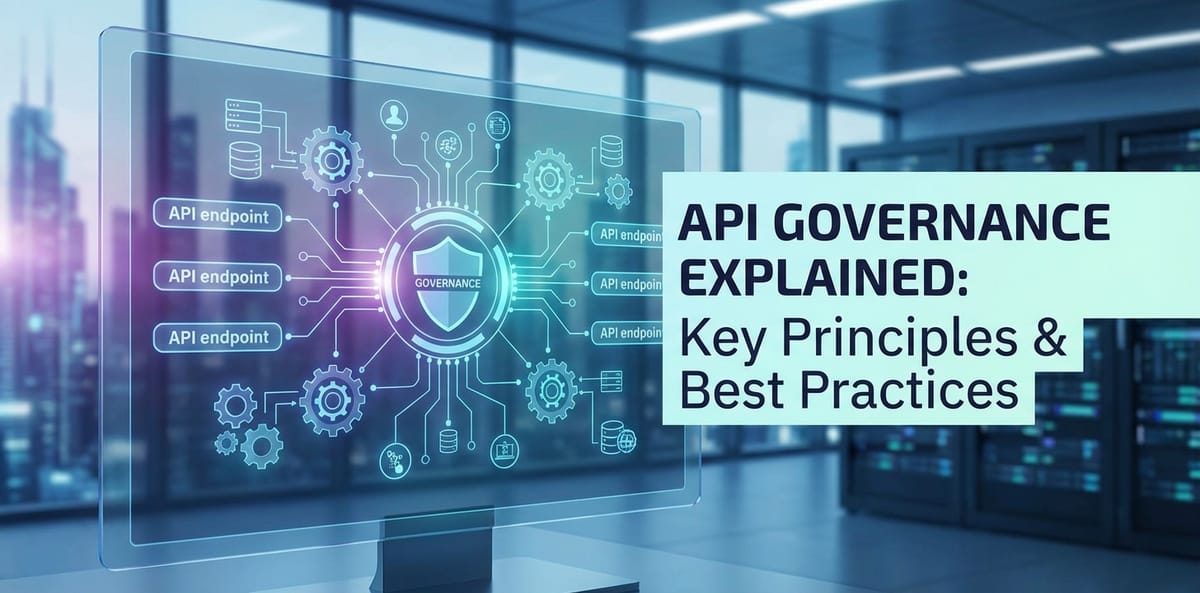


The digital economy of today is fundamentally built upon the intricate web of Application Programming Interfaces (APIs). From enabling seamless mobile applications and sophisticated cloud services to powering the backbone of modern microservices architectures, APIs serve as the crucial connective tissue that allows disparate systems to communicate, share data, and unlock unprecedented levels of innovation. However, the sheer proliferation of these digital conduits, while a testament to their utility, has also introduced a complex array of challenges, ranging from security vulnerabilities and inconsistent development practices to operational complexities and compliance hurdles. In this landscape, the discipline of API Governance emerges not merely as a best practice, but as an indispensable strategic imperative for any organization aiming to harness the full potential of its digital assets.
This comprehensive guide will delve deep into the multifaceted world of API Governance, elucidating its core principles, dissecting its vital components, and outlining the actionable best practices that can transform an unwieldy collection of APIs into a cohesive, secure, and highly effective digital ecosystem. We will explore why a robust governance framework is paramount for long-term success, how it impacts various stakeholders, and the technological enablers that support its implementation, including the critical role of an api gateway and comprehensive api management platforms.
The Evolving Landscape of APIs: A Foundation for Governance
To truly appreciate the significance of API Governance, it is essential to first understand the dynamic evolution of APIs themselves. What began as relatively simple integration points for internal systems has blossomed into the primary mechanism for digital interaction, extending across enterprise boundaries to partners, customers, and even competitors. This shift is driven by several powerful forces:
Firstly, the relentless march of digital transformation has compelled businesses across all sectors to re-architect their operations around agile, services-oriented principles. Legacy monolithic applications are being broken down into smaller, independently deployable microservices, each communicating predominantly via APIs. This modularity promises greater flexibility, faster development cycles, and enhanced resilience, but it also means a dramatic increase in the number and variety of APIs that need to be managed.
Secondly, the rise of cloud computing and Software-as-a-Service (SaaS) offerings has further accelerated API adoption. Organizations now routinely integrate with dozens, if not hundreds, of external services, each exposed through its own set of APIs. Managing these external dependencies, ensuring their security, performance, and adherence to contractual agreements, adds another layer of complexity. The concept of "API-first" development has permeated the industry, where APIs are no longer afterthoughts but the primary interface through which products and services are consumed, internally and externally. This mindset mandates a proactive approach to their design, documentation, and lifecycle management.
Thirdly, the emergence of platform economies relies entirely on APIs to enable third-party developers to build innovative applications on top of existing platforms. Think of mobile app stores, payment gateways, or e-commerce marketplaces – all are fueled by accessible, well-documented, and robust APIs. For these platforms to thrive, the APIs must be consistent, reliable, and secure, underscoring the need for rigorous governance.
Finally, the increasing focus on data-driven decision-making means that APIs are the conduits through which valuable data flows across systems. Ensuring data quality, integrity, and compliance with privacy regulations like GDPR and CCPA becomes an inherent responsibility of API providers.
This intricate web of internal, external, and partner APIs, coupled with the imperative for speed, security, and compliance, creates a formidable challenge. Without a structured approach, organizations risk descending into API sprawl, where inconsistencies breed inefficiency, security vulnerabilities multiply, and innovation is stifled by technical debt. This is precisely where the robust framework of API Governance steps in.
What is API Governance? Beyond Mere Management
While often conflated with API Management, API Governance is a distinct, broader discipline. API Management typically refers to the tools and processes involved in managing the lifecycle of an API, from design and publication to monitoring and deprecation. It encompasses elements like API gateways, developer portals, analytics dashboards, and monetization features. These are tactical and operational concerns.
API Governance, on the other hand, is a more strategic and holistic discipline. It encompasses the set of principles, standards, policies, processes, and organizational structures that guide the entire lifecycle of an organization's APIs. Its primary objective is to ensure that APIs are designed, developed, deployed, and managed in a consistent, secure, efficient, and compliant manner, aligning with the organization's overarching business strategy and technical vision.
Think of it this way: API Management provides the "how-to" (the tools and immediate operational steps), while API Governance provides the "what-to" and "why-to" (the overarching rules, principles, and strategic objectives). A powerful analogy is urban planning: API Management is like building individual houses and roads, while API Governance is like establishing zoning laws, building codes, traffic regulations, and urban development plans that ensure the city grows coherently, safely, and sustainably. Without proper governance, even with the best construction tools, you might end up with a chaotic, unmanageable metropolis.
Effective API Governance seeks to answer critical questions such as: * How do we ensure all our APIs adhere to consistent design standards? * What security measures must be universally applied to all APIs? * How do we manage different versions of an API without breaking existing client applications? * What processes are in place for API review, approval, and deployment? * How do we foster API reuse and discoverability within the organization? * How do we ensure our APIs comply with relevant industry regulations and data privacy laws? * Who owns the responsibility for API quality, security, and performance?
By addressing these questions systematically, API Governance aims to minimize risk, maximize value, and promote a disciplined approach to API creation and consumption across the enterprise.
Why is API Governance Essential? Unlocking Strategic Value
The absence of a robust API Governance framework can lead to a multitude of issues, ranging from minor inconveniences to catastrophic failures. Conversely, its presence can unlock significant strategic advantages. Here's a deeper look into why API Governance is not just good practice, but an essential component of modern digital strategy:
- Enhanced Security Posture: APIs represent potential entry points into an organization's systems and data. Without standardized security policies, authentication mechanisms, authorization checks, and threat mitigation strategies, APIs become prime targets for malicious actors. Governance ensures that security is baked into the API lifecycle from design, through development, to deployment and monitoring, significantly reducing the attack surface and protecting sensitive data. This includes mandating token-based authentication (like OAuth2), strict input validation, proper error handling, and regular security audits.
- Consistency and Standardization: In a world of hundreds or thousands of APIs, consistency is paramount. Disparate design patterns, inconsistent naming conventions, varied authentication methods, and non-standard error codes create a nightmare for developers trying to integrate with these APIs, leading to slower development cycles, increased frustration, and higher integration costs. API Governance establishes clear design guidelines, style guides, and best practices, ensuring a uniform and predictable developer experience across all APIs. This standardization improves discoverability, promotes reuse, and drastically reduces cognitive load for both internal and external API consumers.
- Improved Operational Efficiency and Agility: When API development teams operate in silos without common standards or processes, redundancy flourishes, and efforts are duplicated. Governance streamlines the API lifecycle, from initial design review to deployment and deprecation, through defined workflows and automated tools. This efficiency allows teams to develop and deploy new APIs faster, respond more quickly to market demands, and allocate resources more effectively. Consistent practices also simplify troubleshooting and maintenance, freeing up valuable developer time.
- Accelerated Innovation and Reuse: Well-governed APIs are discoverable, reliable, and easy to consume. This fosters a culture of reuse, where developers can quickly leverage existing functionalities rather than building from scratch. An internal "API marketplace" or developer portal, driven by governance, allows teams to showcase their APIs, encouraging cross-functional collaboration and accelerating the pace of innovation throughout the organization. When developers trust the quality and reliability of internal APIs, they are more likely to build upon them, fostering a synergistic environment.
- Simplified Compliance and Risk Management: Regulatory landscapes are constantly evolving, with new data privacy laws (e.g., GDPR, CCPA, HIPAA) and industry-specific regulations impacting how data is accessed and shared via APIs. API Governance provides the framework to embed compliance requirements directly into API design and development processes. It ensures that audit trails are maintained, access controls are rigorously enforced, and data handling practices meet legal and ethical standards, thereby significantly reducing regulatory risk and potential penalties.
- Enhanced Developer Experience: Ultimately, the success of APIs hinges on their usability. Poorly governed APIs lead to frustration, abandoned integrations, and a negative perception of the organization's technical capabilities. Governance ensures clear, comprehensive documentation, intuitive design, reliable performance, and proactive communication regarding changes, all of which contribute to a superior developer experience. Happy developers are productive developers, and they become advocates for your API ecosystem.
- Scalability and Future-Proofing: As an organization grows and its digital footprint expands, the number of APIs will inevitably increase. Without governance, this growth can quickly become chaotic and unsustainable. A well-defined governance strategy ensures that APIs are built with scalability in mind, using consistent architectures and practices that can adapt to future demands and technological shifts without requiring massive re-engineering efforts. It provides a roadmap for sustainable API ecosystem growth.
In essence, API Governance transforms APIs from mere technical interfaces into strategic business assets. It moves beyond tactical concerns to embed APIs deeply within the organization's business model, ensuring they contribute directly to innovation, market leadership, and operational excellence.
Key Principles of Effective API Governance
Establishing a robust API Governance framework requires adherence to several foundational principles that guide decision-making and ensure consistent application across the organization. These principles are not merely theoretical constructs but actionable tenets that, when integrated into the API lifecycle, foster a mature and sustainable API ecosystem.
1. Standardization: The Blueprint for Consistency
Standardization is arguably the cornerstone of effective API Governance. It dictates that all APIs within an organization should adhere to a common set of design patterns, conventions, and technical specifications. This principle extends beyond merely aesthetic consistency; it underpins usability, maintainability, and interoperability.
- API Design Guidelines: Establish clear rules for URI structures, naming conventions (e.g., camelCase for fields, kebab-case for paths), HTTP methods usage, resource modeling, and pagination strategies. This ensures that a developer interacting with one of your APIs can instinctively understand and interact with others without a steep learning curve.
- Data Formats and Payloads: Standardize on common data serialization formats, predominantly JSON, but also specify consistent data structures, types, and validation rules for requests and responses. This minimizes parsing errors and simplifies data processing across consuming applications.
- Error Handling and Status Codes: Define a universal approach to error reporting, including standardized HTTP status codes, error payload structures, and clear, actionable error messages. This allows client applications to handle failures gracefully and consistently, irrespective of the specific API they are calling.
- Authentication and Authorization Mechanisms: Mandate the use of consistent security protocols, such as OAuth 2.0 for authorization and OpenID Connect for authentication, across all APIs. This simplifies security implementation for developers and enhances overall system security by reducing the surface area for misconfiguration.
- Documentation Standards: Enforce a consistent format and level of detail for API documentation (e.g., using OpenAPI/Swagger specifications). This ensures that all necessary information, from endpoint descriptions to example requests and responses, is readily available and uniformly presented.
2. Security: Protection by Design
Security is not an add-on; it is an intrinsic part of API Governance. This principle mandates that security considerations are integrated into every stage of the API lifecycle, from the initial design phase to ongoing operations and eventual deprecation.
- Threat Modeling: Conduct proactive threat modeling during API design to identify potential vulnerabilities and design appropriate countermeasures before development begins.
- Authentication & Authorization: Implement robust authentication (e.g., JWT, API keys, OAuth 2.0) and fine-grained authorization (e.g., role-based access control, scope-based authorization) for every api endpoint. Access to sensitive resources, for instance, should always require explicit approval, a feature often managed by platforms like APIPark which enables subscription approval features to prevent unauthorized API calls.
- Input Validation & Output Sanitization: Strictly validate all incoming request data to prevent common attacks like injection flaws (SQL injection, XSS) and ensure all outgoing data is properly sanitized.
- Rate Limiting & Throttling: Implement policies to prevent abuse, brute-force attacks, and denial-of-service (DoS) attacks by limiting the number of requests an individual client can make within a defined period. This is a core function of an api gateway.
- Encryption in Transit and at Rest: Ensure sensitive data is encrypted both when being transmitted over networks (HTTPS/TLS) and when stored in databases.
- Security Audits & Penetration Testing: Regularly conduct security audits, vulnerability assessments, and penetration tests to identify and remediate weaknesses in APIs and the surrounding infrastructure.
- API Gateway Security Features: Leverage the capabilities of an api gateway to enforce security policies globally, including API key validation, JWT validation, IP whitelisting/blacklisting, and basic attack protection.
3. Lifecycle Management: From Conception to Retirement
Effective governance spans the entire lifespan of an API, providing structured processes for each phase, ensuring that APIs remain relevant, reliable, and well-supported throughout their existence.
- Design & Development: Establish processes for API design reviews, ensuring adherence to standards, security requirements, and business objectives. Define clear development guidelines and code review processes.
- Testing: Mandate comprehensive testing strategies, including unit tests, integration tests, performance tests, and security tests, to ensure API quality and reliability before deployment.
- Deployment & Release Management: Define standardized procedures for deploying APIs to various environments (dev, test, production), including versioning strategies, rollback plans, and continuous integration/continuous delivery (CI/CD) pipelines.
- Versioning: Implement a clear and consistent versioning strategy (e.g., URI versioning, header versioning) to manage changes and evolve APIs without breaking existing client applications. Define policies for supporting older versions.
- Monitoring & Analytics: Establish robust monitoring capabilities to track API performance, availability, error rates, and usage patterns. This data is crucial for proactive problem detection and capacity planning. Platforms like APIPark provide detailed API call logging and powerful data analysis tools to support this principle.
- Deprecation & Retirement: Define a formal process for deprecating and retiring APIs, including clear communication to consumers, sufficient notice periods, and guidance on migrating to newer versions or alternative services.
4. Performance and Reliability: Meeting Expectations
APIs are only valuable if they are consistently available and performant. This principle focuses on ensuring that APIs meet defined service level objectives (SLOs) and service level agreements (SLAs).
- Service Level Objectives (SLOs) & Agreements (SLAs): Define clear targets for API uptime, response times, error rates, and throughput. Ensure these are communicated to consumers and continuously monitored.
- Capacity Planning: Proactively plan for API traffic growth and ensure the underlying infrastructure can scale to meet demand without compromising performance.
- Fault Tolerance & Resilience: Design APIs with fault tolerance in mind, incorporating strategies like circuit breakers, retries, and bulkheads to prevent cascading failures.
- Monitoring & Alerting: Implement comprehensive monitoring tools that track key performance indicators (KPIs) and trigger alerts when performance thresholds are breached or anomalies are detected.
- Caching Strategies: Leverage caching at various layers (client, api gateway, backend) to reduce latency and load on backend systems, improving overall API performance.
5. Discoverability and Usability: Fostering Adoption
For APIs to be truly valuable, they must be easily found, understood, and integrated. This principle emphasizes making APIs accessible and developer-friendly.
- Comprehensive Documentation: Provide up-to-date, accurate, and example-rich documentation that adheres to standards (e.g., OpenAPI). This should include clear descriptions of endpoints, request/response formats, authentication methods, and common use cases.
- Developer Portal: Implement a centralized developer portal that serves as a single source of truth for all APIs. This portal should offer interactive documentation, code samples, SDKs, tutorials, and a mechanism for developers to manage their API keys and subscriptions. APIPark serves as an API developer portal, centralizing API service display for easy team sharing.
- Support Channels: Provide clear channels for developer support, including forums, FAQs, and direct contact information for technical assistance.
- SDKs and Code Samples: Offer language-specific SDKs and comprehensive code samples to accelerate integration efforts for popular programming languages.
6. Compliance and Regulatory Adherence: Navigating the Legal Landscape
In an increasingly regulated world, APIs must be designed and operated in compliance with various legal, industry, and organizational mandates.
- Data Privacy Regulations: Ensure APIs handle personal and sensitive data in accordance with regulations like GDPR, CCPA, and HIPAA, including data anonymization, consent management, and access controls.
- Industry Standards: Adhere to industry-specific standards and best practices (e.g., PCI DSS for financial services, FHIR for healthcare).
- Auditing and Logging: Maintain detailed audit logs of all API calls, including who accessed what data, when, and from where. This is critical for forensic analysis and regulatory compliance, a feature offered by platforms such as APIPark with its detailed API call logging.
- Legal Review: Establish a process for legal review of API terms of service, data sharing agreements, and privacy policies.
7. Ownership and Accountability: Defining Responsibility
Clear lines of ownership and accountability are crucial for preventing "API orphans" – APIs that no one is responsible for, leading to neglect and potential security risks.
- API Product Owners: Assign clear product ownership to each API or API domain, responsible for its entire lifecycle, business value, and developer experience.
- Governance Team/Board: Establish a dedicated API Governance team or board responsible for setting policies, reviewing designs, arbitrating disputes, and evolving the governance framework.
- Cross-Functional Collaboration: Foster collaboration between development, operations, security, legal, and business teams to ensure a holistic approach to API governance.
8. Scalability and Future-Proofing: Building for Tomorrow
APIs should be designed not just for current needs but with an eye towards future growth and evolving technological landscapes.
- Architectural Flexibility: Design APIs to be loosely coupled, allowing for independent evolution and scaling of backend services.
- Technology Agnosticism: Promote API designs that are not tightly bound to specific technologies, enabling easier migration or replacement of underlying systems.
- Evolutionary Design: Embrace an evolutionary approach to API design, anticipating future changes and designing APIs that can adapt without significant re-architecture.
By systematically addressing each of these principles, organizations can build a resilient, secure, and highly effective API ecosystem that actively contributes to their strategic objectives.
Core Components of an API Governance Framework
An effective API Governance framework is not a single tool or a one-time project; it is a living system composed of interconnected elements spanning people, processes, technology, and policies. Understanding these core components is crucial for designing and implementing a comprehensive governance strategy.
1. People: Defining Roles and Responsibilities
The human element is central to successful API Governance. Clear roles, responsibilities, and a culture of collaboration are essential.
- API Governance Board/Council: This cross-functional group is typically responsible for defining the overarching API strategy, setting governance policies and standards, arbitrating conflicts, and ensuring alignment with business objectives. Members might include senior architects, product managers, security leads, and representatives from legal and compliance departments.
- API Product Owners: For each API or API domain, a product owner is responsible for its business value, roadmap, user experience, and ongoing health. They bridge the gap between business needs and technical implementation.
- API Architects/Designers: These individuals are responsible for designing APIs according to established standards, ensuring consistency, scalability, and maintainability. They often contribute to defining design guidelines.
- API Developers: The teams responsible for implementing, testing, and deploying APIs. They must adhere to governance standards and provide feedback on the practicality of policies.
- API Security Specialists: Experts who focus on identifying vulnerabilities, designing security controls, conducting audits, and responding to incidents related to APIs.
- API Operations/Site Reliability Engineers (SREs): Responsible for the production health, performance, monitoring, and availability of APIs. They ensure that APIs meet their SLOs and SLAs.
- Legal & Compliance Teams: Crucial for reviewing API terms of service, data privacy implications, and ensuring adherence to regulatory requirements.
- Developer Advocates: For external APIs, these individuals champion the API, provide support to developers, gather feedback, and create resources (documentation, SDKs).
2. Process: Structured Workflows for the API Lifecycle
Well-defined processes ensure that APIs are consistently designed, developed, deployed, and managed according to established standards.
- API Design Review Process: A formal gate that APIs must pass before development begins, ensuring adherence to design guidelines, security standards, and business requirements. This might involve peer reviews, architectural reviews, or a review by the API Governance Board.
- API Development & Testing Workflow: Standardized practices for coding, testing (unit, integration, performance, security), and code review. Integration with CI/CD pipelines to automate testing and deployment.
- API Publishing & Onboarding Process: A clear workflow for making APIs discoverable and consumable, often involving a developer portal, subscription management, and potentially approval steps. This is where features like API resource access requiring approval, as seen in APIPark, become critical for controlled access.
- API Versioning & Change Management: A defined strategy for managing changes to APIs, communicating updates to consumers, and supporting older versions for a specified period. This includes a clear process for deprecating and retiring APIs.
- API Monitoring & Incident Management: Processes for continuous monitoring of API performance and security, including alert mechanisms, incident response plans, and post-mortem analysis.
- API Audit & Compliance Review: Regular processes to audit APIs against security policies, regulatory requirements, and internal standards.
3. Technology: Enabling Tools and Platforms
The right technology stack is vital for automating, enforcing, and streamlining API Governance.
- API Gateway: A critical component that acts as a single entry point for all API traffic, sitting between clients and backend services. An api gateway is instrumental in enforcing security policies (authentication, authorization, rate limiting), routing requests, transforming protocols, monitoring traffic, and caching responses. Platforms like APIPark offer high-performance AI gateway capabilities, rivaling solutions like Nginx, providing critical infrastructure for enforcing governance rules. It can manage traffic forwarding, load balancing, and versioning, which are all aspects of robust governance.
- API Management Platform: A broader solution that typically includes an API gateway along with other features like a developer portal, API lifecycle management tools, analytics dashboards, and sometimes monetization capabilities. APIPark is an excellent example, offering end-to-end API lifecycle management, unified API formats, prompt encapsulation into REST API, and detailed call logging, all contributing to a comprehensive governance solution.
- API Design Tools: Tools that assist in designing APIs using specifications like OpenAPI/Swagger, often with linting capabilities to enforce style guides.
- CI/CD Pipelines: Automation tools for building, testing, and deploying APIs consistently and rapidly.
- Monitoring & Logging Tools: Solutions for collecting, aggregating, analyzing, and visualizing API logs and metrics (e.g., Prometheus, Grafana, ELK Stack). APIPark, for instance, provides detailed API call logging and powerful data analysis to display long-term trends and performance changes.
- Security Tools: Static Application Security Testing (SAST), Dynamic Application Security Testing (DAST), and API Security Firewalls (API WAFs) to identify and protect against vulnerabilities.
- Developer Portals: Web-based platforms where developers can discover, learn about, and subscribe to APIs. They typically host interactive documentation, tutorials, and client application management features.
4. Policies and Guidelines: The Rules of Engagement
These are the documented rules, standards, and best practices that govern API creation and consumption.
- API Style Guide: A comprehensive document outlining all design conventions, naming standards, error handling patterns, and data format specifications.
- Security Policy: Detailed requirements for API authentication, authorization, data protection, vulnerability management, and incident response.
- Versioning Policy: Guidelines on how API versions are managed, how changes are communicated, and the support lifecycle for older API versions.
- Documentation Standards: Templates and requirements for consistent and comprehensive API documentation.
- Compliance Checklists: Checklists to ensure APIs adhere to relevant industry regulations and data privacy laws.
- Access Control Policies: Rules dictating who can access which APIs and under what conditions, often managed at the tenant level for platforms like APIPark, which enables independent API and access permissions for each tenant.
These four pillars—People, Process, Technology, and Policies—must work in concert to form a coherent and effective API Governance framework. Neglecting any one of them can undermine the entire structure, leading to gaps in security, inconsistencies in design, or inefficiencies in operations.
APIPark is a high-performance AI gateway that allows you to securely access the most comprehensive LLM APIs globally on the APIPark platform, including OpenAI, Anthropic, Mistral, Llama2, Google Gemini, and more.Try APIPark now! 👇👇👇
Best Practices for Implementing API Governance
Implementing API Governance is an evolutionary journey, not a static destination. It requires careful planning, continuous adaptation, and consistent effort. Here are best practices to guide organizations in establishing and maturing their API Governance capabilities:
1. Start Small, Scale Gradually, and Show Value
Don't attempt to implement a comprehensive, Big Bang governance framework across your entire enterprise overnight. This often leads to resistance and failure. Instead: * Pilot Program: Start with a few critical APIs or a specific business domain. Demonstrate the value and benefits of governance in a controlled environment. * Iterative Approach: Implement governance incrementally, adding policies and processes over time based on lessons learned and evolving needs. * Quick Wins: Identify areas where governance can deliver immediate, tangible benefits (e.g., standardizing security for a high-risk API, improving documentation for a popular internal API) to build momentum and buy-in.
2. Establish a Centralized API Governance Board/Team
A dedicated entity is crucial for driving governance initiatives. * Cross-Functional Representation: Ensure the board comprises representatives from diverse stakeholders: architecture, security, development, product, operations, and legal. * Clear Mandate: Define the board's scope, responsibilities, decision-making authority, and escalation paths. It should be empowered to set standards, review designs, and arbitrate disputes. * Regular Meetings: Conduct regular meetings to review API proposals, discuss policy updates, assess compliance, and address emerging challenges.
3. Automate Where Possible
Manual processes are prone to errors and slow down development. Leverage automation to enforce standards and streamline workflows. * CI/CD Pipelines: Integrate API linting, security scanning, automated testing, and deployment into your continuous integration/continuous delivery pipelines. * Policy Enforcement: Use API gateways to automatically enforce policies such as authentication, authorization, rate limiting, and input validation. * Documentation Generation: Automate the generation of API documentation from OpenAPI specifications to ensure it's always up-to-date.
4. Invest in the Right Tools
The right technology stack can significantly reduce the burden of governance and enhance its effectiveness. * Comprehensive API Management Platform: Select a platform that offers end-to-end capabilities, including an api gateway, developer portal, lifecycle management, analytics, and security features. An open-source solution like APIPark can be an excellent starting point, offering quick integration of AI models, unified API formats, and robust API lifecycle management. For advanced features and enterprise support, commercial versions are often available. * Design Tools with Linting: Utilize tools that help designers and developers adhere to API style guides in real-time. * Monitoring and Analytics Solutions: Invest in tools that provide deep insights into API performance, usage, and health, enabling proactive problem resolution.
5. Foster an API-First Culture
Governance is most effective when it is embraced by the entire organization. * Education and Training: Provide training to developers, architects, and product owners on API design principles, security best practices, and governance policies. * Internal Evangelism: Promote the benefits of API governance, highlighting how it streamlines development, reduces risk, and accelerates innovation. * Collaboration: Encourage communication and collaboration between API providers and consumers.
6. Regular Audits and Reviews
Governance is not a static state; it requires continuous monitoring and adaptation. * Compliance Audits: Periodically audit existing APIs against established governance policies, security standards, and regulatory requirements. * Performance Reviews: Regularly assess API performance against SLOs and identify areas for optimization. * Feedback Loops: Establish mechanisms for gathering feedback from API consumers to continuously improve API design, documentation, and support.
7. Continuous Improvement
Treat API Governance as an evolving capability. * Retrospectives: Conduct regular retrospectives to evaluate the effectiveness of governance policies and processes, identifying what works well and what needs improvement. * Adaptability: Be prepared to adapt governance policies and tools as technology evolves, business needs change, and new threats emerge. * Stay Informed: Keep abreast of industry trends, emerging security threats, and new best practices in API development and governance.
8. Effective Communication and Training
Governance policies need to be communicated clearly and effectively to all stakeholders. * Centralized Knowledge Base: Maintain a readily accessible and up-to-date repository for all API governance policies, guidelines, and documentation. * Workshops and Brown Bags: Conduct regular workshops and informational sessions to explain new policies, share best practices, and address questions. * Community of Practice: Foster an internal community of practice around APIs to encourage knowledge sharing and peer support.
9. Security by Design
Embed security considerations into every phase of the API lifecycle, rather than treating it as an afterthought. * Threat Modeling: Systematically identify and mitigate potential security threats during the API design phase. * Secure Coding Practices: Enforce secure coding guidelines and conduct regular code reviews focused on security. * Vulnerability Scanning: Integrate automated vulnerability scanning into CI/CD pipelines and perform regular penetration testing. * Security Configuration Baselines: Define and enforce secure configuration baselines for API gateways, backend services, and cloud infrastructure.
10. Clear Versioning Strategy
A well-defined strategy for API versioning is crucial for maintaining compatibility and enabling evolutionary changes. * Semantic Versioning: Adopt a clear versioning scheme (e.g., v1, v2) and define what constitutes a major, minor, or patch change. * Backward Compatibility: Prioritize backward compatibility for minor changes to minimize disruption for consumers. * Deprecation Policy: Establish a formal deprecation policy, including notice periods, alternative API recommendations, and eventual retirement plans.
11. Robust Monitoring and Analytics
Continuous monitoring provides the intelligence needed for effective governance. * Key Performance Indicators (KPIs): Track critical metrics such as response times, error rates, throughput, latency, and resource utilization. * Usage Analytics: Understand how APIs are being consumed, by whom, and for what purpose. This data informs API roadmap decisions and identifies potential abuse patterns. * Anomaly Detection: Implement systems to detect unusual API usage patterns that might indicate security threats or performance issues. * Centralized Logging: Aggregate all API logs into a centralized system for easier analysis, troubleshooting, and compliance auditing. APIPark's detailed API call logging and powerful data analysis features are directly aligned with this best practice.
By diligently applying these best practices, organizations can build an API Governance framework that is not only robust and secure but also agile and supportive of rapid innovation, allowing their digital initiatives to flourish sustainably.
The Role of an API Gateway in API Governance
An api gateway is a crucial technological component within any comprehensive API Governance framework. It acts as the single entry point for all client requests, routing them to the appropriate backend services. More than just a traffic manager, the API gateway is a policy enforcement point, a security guard, and a data collector, making it indispensable for implementing many governance principles.
Here's how an API Gateway directly supports and enables API Governance:
- Centralized Security Enforcement:
- Authentication & Authorization: The api gateway can be configured to enforce authentication (e.g., API keys, OAuth tokens, JWT validation) and fine-grained authorization policies before requests even reach backend services. This offloads security logic from individual APIs, ensures consistency, and reduces the attack surface.
- Threat Protection: It can provide basic security features like IP whitelisting/blacklisting, WAF (Web Application Firewall) capabilities, and protection against common API attacks such as SQL injection or XSS.
- SSL/TLS Termination: Manages SSL/TLS encryption, securing communication between clients and the gateway, centralizing certificate management.
- Traffic Management and Control:
- Rate Limiting & Throttling: Crucial for preventing API abuse, DoS attacks, and ensuring fair usage. The gateway can enforce limits on the number of requests a client can make within a given timeframe.
- Load Balancing: Distributes incoming API traffic across multiple instances of backend services, ensuring high availability and optimal resource utilization.
- Routing & Proxying: Intelligently routes requests to the correct backend service based on URL paths, headers, or other criteria, abstracting the underlying microservices architecture from clients.
- Caching: Caches API responses to reduce latency, decrease load on backend services, and improve overall performance, especially for frequently accessed static data.
- Policy Enforcement and Transformation:
- Protocol Translation: Can translate between different communication protocols (e.g., REST to SOAP) or data formats (XML to JSON), allowing clients to interact with diverse backend services uniformly.
- Request/Response Transformation: Modifies request headers, body, or query parameters before forwarding to the backend, or transforms responses before sending them back to the client. This helps enforce data format standards or mask internal service details.
- Versioning: An api gateway can manage different versions of an API, directing traffic to the appropriate backend service version based on client requests (e.g.,
/v1/usersvs./v2/users).
- Monitoring, Logging, and Analytics:
- Centralized Logging: The gateway acts as a central point for logging all API calls, including request/response details, client information, and execution metrics. This provides a unified audit trail essential for compliance and troubleshooting. Platforms like APIPark excel here, offering detailed API call logging for every single call.
- Performance Metrics: Collects valuable metrics on API latency, error rates, throughput, and resource utilization, feeding into monitoring and alerting systems.
- Usage Analytics: Provides insights into API consumption patterns, helping API product owners understand how their APIs are being used and plan future enhancements. APIPark's powerful data analysis capabilities, which analyze historical call data, directly support this, helping businesses with preventive maintenance.
An advanced api gateway like APIPark further extends these capabilities, especially in modern contexts with AI. Its ability to quickly integrate 100+ AI models and provide a unified API format for AI invocation is a governance boon, standardizing access to diverse AI capabilities. Furthermore, its feature to encapsulate prompts into REST APIs allows for governance over how AI models are exposed and consumed, creating structured, manageable APIs out of complex AI interactions. Its performance rivaling Nginx underscores its capability to handle large-scale traffic, ensuring governance policies are enforced effectively even under heavy load.
In essence, the api gateway is the frontline enforcer of API Governance, providing a tangible layer where policies established by the governance framework are put into action. It ensures consistency, enhances security, optimizes performance, and provides the necessary visibility for managing an extensive API ecosystem.
The Role of API Management Platforms
While an API Gateway focuses on traffic control and policy enforcement at the entry point, an api Management platform provides a much broader set of tools and services to manage the entire lifecycle of an API. It encompasses the gateway's functionalities but extends significantly beyond them to address the strategic and operational aspects of API governance.
A comprehensive API Management platform, such as APIPark, plays a pivotal role in operationalizing API Governance principles:
- End-to-End API Lifecycle Management:
- Design and Development: Supports the initial API design phase, often through integration with design tools and by hosting API specifications (like OpenAPI). It provides tools for versioning and managing API evolution. APIPark explicitly assists with managing the entire lifecycle of APIs, including design, publication, invocation, and decommission, directly supporting the "Lifecycle Management" principle of governance.
- Publishing and Discovery: Facilitates the publication of APIs to internal and external developer portals, making them discoverable and consumable. This aligns with the "Discoverability and Usability" principle.
- Testing and Deployment: Often integrates with CI/CD pipelines to automate testing and deployment processes, ensuring quality and consistency.
- Developer Portal:
- Centralized API Catalog: Provides a single, branded portal where developers can browse, search, and understand available APIs. This is critical for encouraging API reuse and adoption. APIPark centralizes the display of all API services, making it easy for different departments and teams to find and use required APIs, fostering "Service Sharing within Teams."
- Interactive Documentation: Hosts rich, interactive API documentation (e.g., Swagger UI), code samples, SDKs, and tutorials, enhancing the developer experience.
- Subscription Management: Allows developers to register applications, subscribe to APIs, and manage their API keys. This is where governance policies around access control (like API resource access requiring approval, a feature in APIPark) are enforced.
- Security and Access Control:
- Unified Authentication & Authorization: Extends the gateway's capabilities by providing centralized management for API keys, OAuth 2.0 clients, and user roles.
- Access Policies: Enables the definition of granular access policies, allowing administrators to control which users or applications can access specific APIs. APIPark's ability to create multiple teams (tenants), each with independent API and access permissions, directly supports secure and governed multi-tenancy.
- Compliance Tools: Helps enforce compliance with data privacy regulations by managing consent, data masking, and access logging.
- Monitoring, Analytics, and Reporting:
- Comprehensive Dashboards: Provides dashboards that display real-time and historical data on API usage, performance, errors, and availability.
- Custom Reporting: Allows organizations to generate custom reports for business intelligence, compliance auditing, and stakeholder communication.
- Alerting: Configures alerts based on predefined thresholds for performance or security incidents, ensuring proactive responses. APIPark's detailed API call logging and powerful data analysis for long-term trends are invaluable for this aspect of governance.
- Monetization (Optional but Common):
- Pricing Plans: Supports various pricing models (e.g., pay-per-call, tier-based, freemium) for commercializing APIs.
- Billing and Usage Tracking: Tracks API consumption and integrates with billing systems.
A platform like APIPark, an open-source AI gateway and API management platform, brings particular strengths to modern API Governance. Its quick integration of 100+ AI models with unified management for authentication and cost tracking standardizes how AI capabilities are consumed, which is crucial for governing the use of potentially complex and costly AI services. The unified API format for AI invocation simplifies AI usage and reduces maintenance costs by ensuring consistency, even when underlying AI models or prompts change. Encapsulating prompts into REST APIs allows organizations to expose well-defined, governed interfaces for AI functions, turning internal AI expertise into reusable, managed services.
By providing a unified control plane for all API-related activities, an API Management platform centralizes governance efforts, streamlines operations, enhances security, and ultimately maximizes the business value derived from an organization's API portfolio.
Future Trends in API Governance
The API landscape is continually evolving, driven by new technologies, architectural patterns, and business demands. Consequently, API Governance must also adapt to remain effective and relevant. Here are some emerging trends that will shape the future of API Governance:
- AI/ML for Enhanced API Security and Anomaly Detection:
- Traditional rule-based security might struggle with the complexity and scale of modern API ecosystems. AI and Machine Learning will increasingly be used to analyze vast amounts of API traffic data to detect anomalous behavior, identify emerging threat patterns, and predict potential vulnerabilities in real-time. This could involve identifying unusual request volumes, strange payload structures, or deviations from normal access patterns that indicate a breach or misuse.
- Event-Driven Architectures and Async API Governance:
- While REST APIs remain prevalent, event-driven architectures (EDA) are gaining traction for building highly scalable and reactive systems. This shift introduces new governance challenges for asynchronous communication, event schemas, topic naming conventions, and event choreography. Future API Governance frameworks will need to encompass "Async API Governance" to standardize event definitions, ensure message reliability, and manage event-driven flows effectively.
- GraphQL and API Mesh Governance:
- GraphQL offers a powerful alternative to REST for data fetching, allowing clients to request exactly what they need. However, it also introduces challenges related to query complexity, performance, and security. Governance will need to define best practices for GraphQL schema design, query depth limits, rate limiting, and access control. The concept of an "API Mesh," which aggregates multiple APIs and services into a unified graph, further complicates governance, requiring strategies to manage this interconnected web of data.
- No-Code/Low-Code API Development and Citizen Integrators:
- The rise of no-code/low-code platforms empowers business users and "citizen integrators" to create integrations and even expose simple APIs without deep coding knowledge. While this accelerates innovation, it also poses governance risks related to security, data quality, and compliance. Future governance will need to provide guardrails and automated checks to ensure that APIs created by non-developers adhere to organizational standards and policies.
- Increased Automation and Policy-as-Code:
- The trend towards "Infrastructure-as-Code" will extend to "Governance-as-Code" or "Policy-as-Code." API governance rules and standards will be defined in machine-readable formats, allowing for automated enforcement throughout the CI/CD pipeline. This will reduce manual overhead, ensure consistent application of policies, and enable faster iteration of governance rules.
- API Observability and FinOps for APIs:
- Beyond basic monitoring, API observability will become paramount, providing deep insights into the internal state of APIs and their interactions, aiding in proactive issue resolution and performance optimization. Furthermore, with the increasing reliance on cloud services and third-party APIs, "FinOps for APIs" will emerge as a governance concern, focusing on optimizing the cost of API consumption and provision, especially for services with variable pricing models (like many AI APIs). APIPark's cost tracking feature for integrated AI models is an early example of addressing this.
- Ethical AI Governance and Responsible API Design:
- As AI capabilities become more embedded in APIs, the ethical implications become more pronounced. Future API Governance will need to include principles for responsible AI design, addressing fairness, transparency, accountability, and privacy concerns related to AI models exposed via APIs. This means governing not just the technical aspects but also the ethical dimension of API behavior.
These trends highlight that API Governance is not a static concept but a dynamic field that must continuously evolve to keep pace with technological advancements and changing business landscapes. Organizations that embrace these future trends in their governance strategies will be better positioned to leverage the full potential of APIs while mitigating emerging risks.
Conclusion: Navigating the Digital Frontier with Strong API Governance
In the contemporary digital ecosystem, APIs are no longer merely technical integration points; they are the lifeblood of innovation, the enablers of digital transformation, and the fundamental building blocks of modern enterprises. From facilitating seamless customer experiences to powering complex internal microservices, the proliferation and strategic importance of APIs cannot be overstated. However, with this proliferation comes an inherent set of complexities and risks that, if left unaddressed, can undermine an organization's security, efficiency, and competitive edge.
This is precisely why API Governance transcends being a mere buzzword and solidifies its position as an indispensable strategic imperative. It provides the structured framework – encompassing principles, processes, people, and technology – necessary to manage the vast and intricate web of APIs with discipline and foresight. By embedding standardization, security by design, comprehensive lifecycle management, performance rigor, discoverability, compliance, and clear ownership into every facet of the API journey, organizations can transform potential chaos into a well-ordered, highly effective, and innovation-driving digital asset.
The journey towards robust API Governance is iterative and requires continuous adaptation. It mandates a cultural shift towards an API-first mindset, supported by strong leadership, cross-functional collaboration, and the judicious application of enabling technologies. Tools such as a powerful api gateway and comprehensive api management platforms, like APIPark, are not just instrumental; they are foundational in operationalizing governance policies, automating enforcement, providing critical visibility, and streamlining the entire API lifecycle. APIPark's capabilities, from managing AI models and standardizing API formats to ensuring secure access and providing in-depth analytics, exemplify how modern platforms empower organizations to navigate the complexities of their API landscapes effectively.
As the digital frontier continues to expand, driven by emerging technologies like AI, event-driven architectures, and low-code platforms, API Governance will evolve to meet new challenges and capitalize on new opportunities. Organizations that proactively invest in and mature their API Governance capabilities will not only mitigate risks and enhance operational efficiency but will also unlock unprecedented levels of innovation, agility, and strategic advantage, confidently charting their course in an increasingly API-driven world.
Frequently Asked Questions (FAQs)
1. What is the fundamental difference between API Governance and API Management? API Management focuses on the tactical and operational aspects of managing APIs throughout their lifecycle, using tools like an API Gateway, developer portals, and analytics. It's about how APIs are built, deployed, and monitored. API Governance, on the other hand, is a strategic and holistic discipline that defines the principles, standards, policies, and processes that guide the entire API lifecycle, ensuring they align with business strategy, security requirements, and compliance. Essentially, API Governance provides the "rules of the road" for API Management.
2. Why is security such a critical component of API Governance? APIs often expose sensitive data and critical business logic, making them prime targets for cyberattacks. Without robust API Governance, security policies might be inconsistent, leaving vulnerabilities that can lead to data breaches, service disruptions, and reputational damage. Governance ensures that security is integrated into every stage of the API lifecycle—from design and development to deployment and monitoring—by mandating standardized authentication, authorization, input validation, rate limiting, and regular security audits, significantly reducing the attack surface and protecting digital assets.
3. How does an API Gateway contribute to API Governance? An api gateway is a key enforcement point for API Governance. It centralizes critical functionalities like authentication, authorization, rate limiting, traffic routing, caching, and logging. By serving as the single entry point for all API traffic, it ensures that governance policies are uniformly applied before requests reach backend services. This offloads security and operational concerns from individual APIs, improves consistency, enhances performance, and provides crucial visibility into API usage and health, which is essential for effective governance.
4. What are the main challenges in implementing API Governance, and how can they be overcome? Common challenges include: * Lack of Organizational Buy-in: Overcome by demonstrating tangible value through pilot programs and clear communication of benefits to various stakeholders. * Balancing Agility with Control: Address this by adopting an iterative, "start small, scale gradually" approach and automating policy enforcement to reduce manual overhead. * Tool Sprawl and Integration: Mitigate by investing in comprehensive API management platforms (like APIPark) that offer integrated solutions for gateway, developer portal, analytics, and lifecycle management. * Legacy Systems and Technical Debt: Tackle by implementing governance incrementally, focusing on new APIs first, and establishing clear migration paths for legacy systems. * Resource Constraints: Prioritize governance efforts based on business criticality and risk, focusing on areas that yield the highest impact first.
5. How can API Governance specifically benefit an organization dealing with AI models and microservices? For organizations leveraging AI models and microservices, API Governance is paramount. It ensures that diverse AI models can be integrated and exposed consistently through standardized api formats, reducing integration complexity and maintenance costs (as offered by APIPark's unified API format for AI invocation). It governs how prompts are encapsulated into reusable REST APIs, ensuring controlled and standardized access to AI functionalities. Furthermore, governance helps manage the proliferation of microservices by enforcing consistent design, security, and operational standards across all internal APIs, preventing fragmentation and ensuring seamless communication and data flow within the distributed architecture. This holistic approach is crucial for maintaining scalability, security, and operational efficiency in complex AI and microservices environments.
🚀You can securely and efficiently call the OpenAI API on APIPark in just two steps:
Step 1: Deploy the APIPark AI gateway in 5 minutes.
APIPark is developed based on Golang, offering strong product performance and low development and maintenance costs. You can deploy APIPark with a single command line.
curl -sSO https://download.apipark.com/install/quick-start.sh; bash quick-start.sh

In my experience, you can see the successful deployment interface within 5 to 10 minutes. Then, you can log in to APIPark using your account.

Step 2: Call the OpenAI API.