Choosing Gartner Magic Quadrant Companies: A Buyer's Guide


In the intricate tapestry of modern enterprise technology, selecting the right software vendor is far more than a simple procurement decision; it is a strategic investment that can define an organization's agility, security posture, operational efficiency, and future innovation trajectory. The sheer volume of available solutions, each promising transformative capabilities, can quickly overwhelm even the most seasoned IT leaders. This is where independent research firms, most notably Gartner, step in to provide clarity, structure, and a foundational understanding of the complex vendor landscape. Their renowned Magic Quadrant reports have become an indispensable tool for enterprises navigating the labyrinthine world of software selection, offering a unique perspective on a market's key players.
However, simply identifying a vendor in the "Leaders" quadrant of a Gartner report is not, in itself, a complete strategy. A truly effective vendor selection process requires a deep comprehension of what the Magic Quadrant represents, its underlying methodologies, its inherent biases, and how to effectively integrate its insights with an organization's unique requirements and strategic objectives. This comprehensive buyer's guide aims to demystify the process, providing a structured framework for leveraging Gartner's research to make informed, future-proof decisions, with a particular focus on critical infrastructure components such as API Gateway, AI Gateway, and LLM Gateway solutions, which are increasingly pivotal in today's digital and AI-first economy. The stakes are higher than ever, as these foundational technologies underpin everything from customer-facing applications to internal operational efficiencies, making a well-considered choice absolutely paramount for sustainable success.
Deconstructing the Gartner Magic Quadrant: A Foundational Understanding
To effectively utilize the Gartner Magic Quadrant as a decision-making tool, one must first grasp its fundamental principles, methodology, and the specific insights it aims to provide. It is not merely a list of vendors but a sophisticated analytical framework designed to offer a graphical competitive positioning of technology providers within specific markets.
What is the Magic Quadrant? Purpose and Methodology Explained
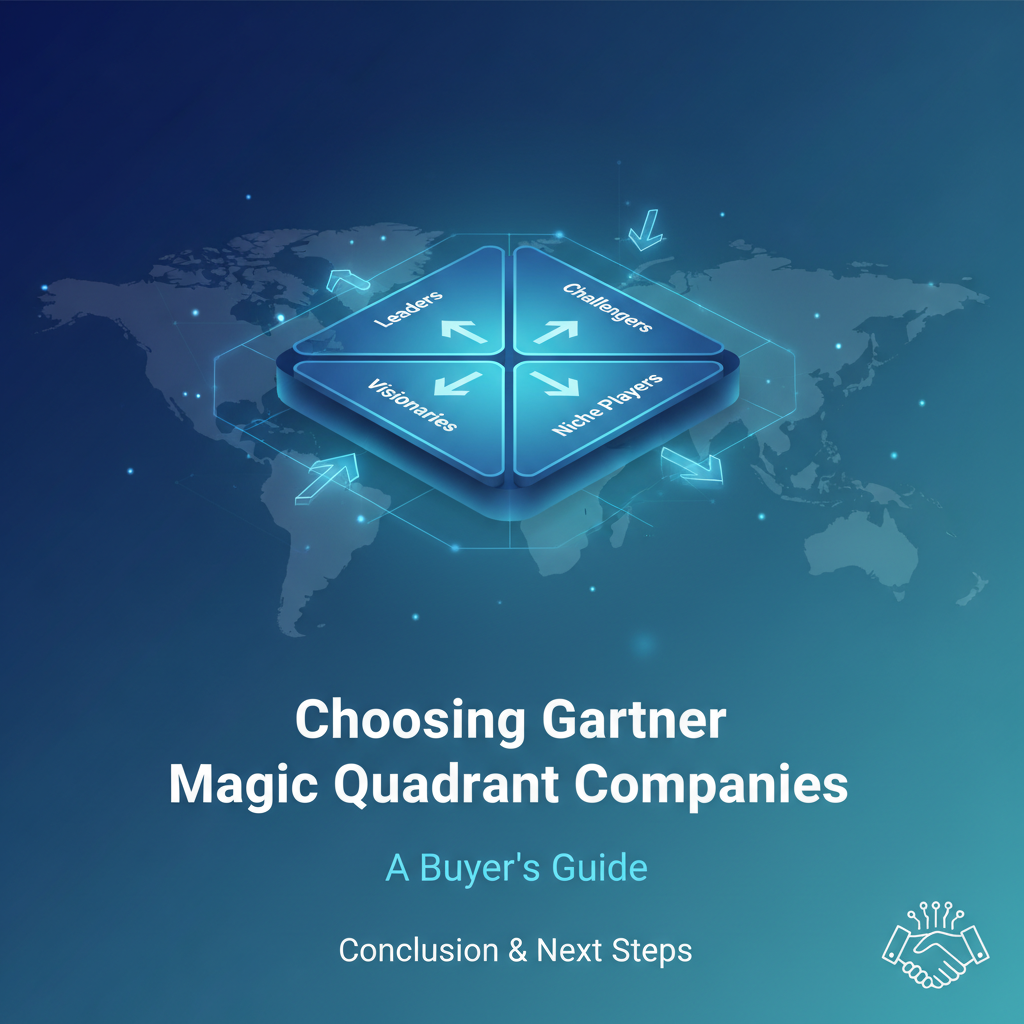
At its core, the Magic Quadrant evaluates vendors based on two primary criteria: "Completeness of Vision" and "Ability to Execute." These two axes form a grid with four distinct quadrants, each representing a different category of vendor:
- Completeness of Vision: This axis assesses a vendor's understanding of the market's direction, its innovation, its product strategy, business model, and geographic strategy. It considers factors like how well the vendor anticipates future market needs, their product roadmap, and their ability to influence market trends. A vendor with high completeness of vision is often seen as an innovator or a thought leader, bringing disruptive technologies or novel approaches to the market. This often translates into robust feature sets, forward-thinking architectural designs, and a clear understanding of emerging technological paradigms, such as the rapid rise of AI and large language models.
- Ability to Execute: This axis evaluates a vendor's capacity to deliver on its vision. It includes criteria such as product/service capabilities, overall viability (financials, sales channels), sales execution, market responsiveness, customer experience, and operations. A vendor with a high ability to execute demonstrates a strong track record of successful deployments, reliable support, and the operational maturity necessary to serve a broad customer base. This also encompasses the practical aspects of implementation, the stability of their offerings, and their capacity to adapt to market demands while maintaining service quality.
The interplay of these two dimensions places vendors into one of four quadrants:
- Leaders: Positioned in the upper-right quadrant, Leaders possess both a high completeness of vision and a strong ability to execute. They are typically well-established, financially stable, and offer robust, comprehensive solutions that are widely adopted. Leaders are often perceived as safe bets for enterprises seeking proven, market-leading technologies that can meet complex requirements now and in the foreseeable future. They set the benchmark for industry best practices and often drive market innovation through significant R&D investments.
- Challengers: Located in the upper-left quadrant, Challengers have a strong ability to execute but may lack the breadth of vision or market influence of Leaders. They often have a large customer base and strong sales, but their product offerings might be more specialized or their strategic direction less clearly defined for the entire market. Challengers can be excellent choices for organizations with very specific requirements that align perfectly with the vendor's strengths, particularly if cost-effectiveness or a particular feature set is a primary driver. They demonstrate strong operational capabilities and often compete aggressively on features and pricing within their specific market segments.
- Visionaries: Found in the lower-right quadrant, Visionaries have a strong completeness of vision but may not yet have the market share or execution capabilities of Leaders or Challengers. They are typically innovative companies introducing new technologies or approaches that could significantly disrupt the market. Visionaries are ideal for organizations looking to adopt cutting-edge solutions, embrace emerging technologies, or solve problems in unconventional ways. However, choosing a Visionary might involve a higher degree of risk, as their offerings may be less mature or their long-term viability less certain. They often appeal to early adopters or companies with a strong appetite for innovation.
- Niche Players: Occupying the lower-left quadrant, Niche Players have a focused strategy, excelling in a specific market segment, geographic region, or with a particular set of customers. They may have a limited product scope or a less developed vision compared to the other quadrants. While they might not appeal to the broad market, Niche Players can be the perfect fit for organizations whose needs align precisely with the vendor's specialized offering. They often provide highly tailored solutions and dedicated support to their specific customer base, offering deep expertise in a particular domain.
How Gartner Conducts its Research: Unveiling the Process
Gartner's research methodology is rigorous and multi-faceted, designed to provide a holistic view of the market. It involves:
- Vendor Questionnaires: Extensive questionnaires require vendors to provide detailed information about their products, services, market strategy, financials, customer base, and future roadmap. This data forms the quantitative backbone of the evaluation.
- Product Demos and Briefings: Analysts engage in in-depth product demonstrations and strategic briefings with vendor executives to understand the technical capabilities, user experience, and strategic direction of their offerings. This allows for a qualitative assessment of the technology's effectiveness and innovation.
- Customer Interviews and Peer Insights: Crucially, Gartner solicits feedback directly from customers through surveys, interviews, and its Peer Insights platform. This real-world perspective on implementation challenges, support quality, and actual product performance is vital for validating vendor claims and understanding customer satisfaction levels. These insights offer invaluable qualitative data on the practical application and operational efficacy of a vendor's solution.
- Market Analysis and Competitive Intelligence: Gartner analysts continuously monitor market trends, competitive dynamics, technological advancements, and regulatory changes. This broader market context helps position individual vendors within the larger industry ecosystem and assess their long-term viability. They look at market size, growth rates, emerging technologies, and the overall economic climate affecting the market.
- Internal Peer Review: All Magic Quadrant reports undergo a stringent internal peer review process, ensuring consistency, objectivity, and accuracy across Gartner's research teams. This helps to mitigate individual analyst biases and ensure a balanced perspective.
Beyond the Quadrant: Critical Capabilities Reports and Peer Insights
While the Magic Quadrant offers a high-level strategic overview, Gartner provides additional resources that offer a deeper dive into vendor offerings:
- Critical Capabilities Reports: These reports complement the Magic Quadrant by evaluating vendors' products or services in more detail across a set of specific "critical capabilities." For each capability, vendors are scored, and these scores are then weighted according to various common use cases or deployment scenarios. This allows buyers to see which vendors are strongest for their particular application of the technology. For instance, an API Gateway Critical Capabilities report might score vendors on performance, security features, developer portal experience, and analytics, then show which vendors are best for "Enterprise-Scale API Management" versus "Lightweight Microservices Proxying." This level of detail is invaluable for technical teams conducting deep evaluations.
- Gartner Peer Insights: This is an online platform where verified end-user professionals submit reviews and ratings of IT software and services they have used. It provides unfiltered, real-world perspectives on vendors, their products, and customer support. Buyers can filter reviews by company size, industry, geography, and specific job role, offering a rich source of qualitative data to complement the analyst-driven Magic Quadrant and Critical Capabilities reports. This platform acts as a crucial "voice of the customer," offering practical insights into implementation challenges, ongoing support, and the overall user experience, which can be just as important as technical specifications.
By understanding and leveraging these complementary research assets, organizations can move beyond a superficial glance at the Magic Quadrant and develop a truly comprehensive and data-driven vendor selection strategy.
The Strategic Importance of API Gateways in Modern Architectures
In the age of digital transformation, where connectivity and seamless data exchange are paramount, the API Gateway has emerged as a cornerstone of modern enterprise architectures. It serves as the primary entry point for all API calls, acting as a traffic cop, a security guard, and a translator for diverse backend services. Its strategic importance cannot be overstated, particularly as organizations embrace microservices, cloud-native development, and a hybrid IT landscape.
What is an API Gateway? Definition and Core Functionalities
An API Gateway is a management tool that sits at the edge of an organization's network, acting as a single, unified entry point for all API requests. Instead of clients needing to interact with multiple backend services directly, they communicate solely with the API Gateway, which then intelligently routes requests to the appropriate services, aggregates responses, and handles a multitude of cross-cutting concerns.
Its core functionalities are extensive and critical for robust API management:
- Routing and Load Balancing: The gateway directs incoming requests to the correct backend services, often distributing traffic across multiple instances of a service to ensure high availability and optimal performance. This is crucial in microservices architectures where dozens or hundreds of services might be running simultaneously.
- Authentication and Authorization: It enforces security policies, verifying the identity of the calling application or user (authentication) and checking if they have the necessary permissions to access the requested resource (authorization). This prevents unauthorized access to sensitive data and services.
- Rate Limiting and Throttling: To protect backend services from overload and ensure fair usage, the gateway can limit the number of requests a client can make within a specified timeframe. This prevents denial-of-service (DoS) attacks and ensures consistent performance for all users.
- Monitoring and Analytics: An API Gateway provides a central point for collecting metrics on API usage, performance, and errors. This data is invaluable for understanding API adoption, identifying bottlenecks, and proactively addressing issues before they impact users. Detailed logging helps in debugging and compliance.
- Request/Response Transformation: It can modify request and response payloads, converting data formats (e.g., XML to JSON), filtering sensitive information, or enriching data before it reaches the client or backend service. This decouples clients from specific backend service implementations.
- Caching: The gateway can cache responses to frequently requested data, reducing the load on backend services and improving response times for clients. This significantly boosts performance and reduces operational costs.
- Protocol Translation: It can bridge different communication protocols, allowing clients using one protocol (e.g., HTTP/REST) to interact with backend services using another (e.g., gRPC, SOAP).
- Developer Portal: Many enterprise API Gateway solutions include a developer portal, a self-service platform where developers can discover, subscribe to, and test APIs, access documentation, and manage their API keys. This fosters API adoption and simplifies integration for third-party developers.
Evolution of API Gateways: From Proxies to Platforms
The concept of an API Gateway has evolved significantly since its early days as a simple reverse proxy. Initially, proxies primarily focused on routing and basic security. However, with the explosion of APIs and the shift to cloud-native architectures, the gateway has transformed into a sophisticated API Management Platform.
- Early Days (Simple Proxies): Basic routing, HTTP forwarding, and perhaps rudimentary authentication. These were often custom-built or lightweight open-source tools.
- Emergence of API Management Platforms: As APIs became strategic assets, vendors started offering comprehensive platforms that bundled the gateway with features like developer portals, monetization tools, advanced analytics, and policy management. These platforms aimed to manage the entire API lifecycle.
- Microservices and Cloud-Native: The rise of microservices architecture further emphasized the need for intelligent gateways. Service meshes (like Istio, Linkerd) emerged to handle inter-service communication within a cluster, while ingress controllers (like Nginx Ingress Controller, Traefik) managed external traffic. The API Gateway retained its role as the boundary protection and external interface.
- GraphQL Gateways: To address the over-fetching and under-fetching issues common with REST APIs, specialized GraphQL gateways emerged, allowing clients to request exactly the data they need from multiple backend services in a single query.
- Hybrid and Multi-Cloud: Modern gateways must support deployments across diverse environments, from on-premise data centers to multiple public clouds, requiring flexible deployment options and consistent policy enforcement.
Key Considerations for Selecting an API Gateway
Choosing the right API Gateway is a critical decision that impacts performance, security, developer experience, and operational costs. Buyers must consider a myriad of factors:
- Performance and Scalability: Can the gateway handle projected peak traffic loads? Does it offer low latency? Does it scale horizontally to accommodate growth? This is paramount for applications demanding high throughput.
- Security Features: Beyond basic authentication, look for advanced features like WAF (Web Application Firewall) capabilities, DDoS protection, OAuth/OpenID Connect support, TLS/SSL termination, and robust access control policies.
- Developer Portal Experience: Is the portal user-friendly? Does it offer clear documentation, easy API discovery, and sandbox environments for testing? A good developer portal accelerates adoption and reduces support overhead.
- Analytics and Monitoring: What kind of insights does the platform provide? Can it track key metrics, visualize trends, generate custom reports, and integrate with existing observability tools?
- Extensibility and Customization: Can the gateway be extended with custom plugins, policies, or logic to meet unique business requirements? This is often crucial for differentiating use cases.
- Multi-Cloud and Hybrid Support: If your infrastructure spans multiple cloud providers or includes on-premise components, the gateway must support consistent deployment and management across these environments.
- Integration Ecosystem: How well does the gateway integrate with your existing identity providers, CI/CD pipelines, logging systems, and monitoring tools? A seamless integration minimizes operational friction.
- Total Cost of Ownership (TCO): Beyond licensing fees, consider implementation costs, operational overhead, training requirements, and the cost of ongoing support.
- Vendor Lock-in: Evaluate the ease of migration to an alternative solution if future needs change. Open standards and comprehensive APIs can mitigate lock-in risks.
While traditional enterprise API Gateways excel at managing RESTful and SOAP services, the emergence of AI models introduces new complexities. These traditional solutions, while robust, may not inherently offer specialized functionalities for managing tokens, orchestrating prompt chains, or handling the diverse inference endpoints characteristic of AI services. This gap has led to the development of more specialized gateway solutions. For instance, open-source solutions like ApiPark represent this evolution, specifically designed as an AI Gateway and API management platform. It addresses challenges like quick integration of 100+ AI models and provides a unified API format for AI invocation, demonstrating how the market is adapting to the unique demands of AI-driven applications. This indicates a growing need for gateways that can handle the unique nuances of AI traffic alongside traditional API traffic.
The Dawn of AI Gateways and LLM Gateways: A New Frontier
The rapid proliferation of Artificial Intelligence (AI) and, more specifically, Large Language Models (LLMs) has introduced a new layer of complexity to enterprise architectures. While foundational API Gateway principles remain relevant, the unique characteristics of AI/ML workloads necessitate specialized solutions: the AI Gateway and the LLM Gateway. These emerging technologies are designed to address the distinct challenges of managing, securing, and optimizing access to AI models, whether they are hosted internally or consumed as third-party services.
Why a Specialized AI Gateway? Addressing Unique AI/ML Challenges
An AI Gateway extends the functionalities of a traditional API Gateway by providing specialized capabilities tailored for AI and Machine Learning models. The need for such a gateway arises from several unique challenges posed by AI/ML workloads:
- Diverse Model Types and Endpoints: AI solutions often involve a multitude of models (e.g., computer vision, natural language processing, recommendation engines) deployed on different platforms (e.g., TensorFlow Serving, PyTorch, cloud AI services) with varied API specifications. An AI Gateway can provide a unified access layer, abstracting away this underlying complexity for consuming applications.
- Token Management and Cost Optimization: Many commercial AI models (especially LLMs) operate on a token-based pricing model. An AI Gateway can implement sophisticated token-aware rate limiting, quota management, and caching strategies to optimize costs and prevent unexpected expenditures. It can monitor token usage per application or user, providing granular cost insights.
- Model Versioning and Lifecycle Management: AI models are continuously updated and improved. An AI Gateway facilitates seamless model versioning, allowing organizations to route traffic to specific model versions, perform A/B testing, and manage rollbacks without impacting downstream applications. It simplifies the deployment and retirement of models.
- Prompt Engineering and Orchestration: For generative AI, the quality of the output heavily depends on the input prompt. An AI Gateway can intercept prompts, apply pre-processing logic (e.g., adding context, rephrasing for better results), or even orchestrate multi-step prompt chains across different models.
- Data Security and Privacy for AI: AI models often process sensitive data. An AI Gateway can enforce data masking, anonymization, and access controls specific to the AI workload, ensuring compliance with data privacy regulations like GDPR or HIPAA.
- Observability for AI Inference: Monitoring the performance, latency, and accuracy of AI models is crucial. An AI Gateway can collect detailed telemetry data on inference requests, model responses, and resource utilization, integrating with specialized AI observability platforms.
- Fallback Mechanisms and Reliability: If an AI model fails or experiences high latency, an AI Gateway can implement fallback strategies, routing requests to alternative models or providing cached responses to maintain service availability and user experience.
What is an LLM Gateway? Focus on Large Language Models
A specialized LLM Gateway narrows the focus of an AI Gateway specifically to Large Language Models. Given the unique characteristics and rapid evolution of LLMs, a dedicated gateway provides even more tailored functionalities:
- Unified LLM API Abstraction: Different LLM providers (e.g., OpenAI, Anthropic, Google Gemini, custom open-source LLMs) have distinct APIs. An LLM Gateway normalizes these interfaces, allowing applications to interact with various LLMs through a single, consistent API, simplifying integration and enabling easy switching between providers.
- Prompt Routing and Optimization: It can intelligently route prompts to the most appropriate LLM based on criteria like cost, performance, specific task requirements, or even dynamic load. It can also optimize prompts for different models or cache common prompts.
- Caching for LLM Responses: Given the often deterministic nature of certain LLM queries and the associated costs, caching LLM responses significantly reduces latency and operational expenses.
- Safety and Content Moderation: LLMs can sometimes generate undesirable or unsafe content. An LLM Gateway can integrate with content moderation APIs or implement its own filters to detect and prevent harmful outputs, ensuring responsible AI deployment.
- Cost Tracking and Budgeting for LLMs: With variable token usage and dynamic pricing, precise cost tracking per application, user, or project is vital. An LLM Gateway provides granular visibility into LLM expenditure.
- Context Window Management: LLMs have limited context windows. The gateway can help manage and optimize the input context, summarising previous turns in a conversation or intelligently truncating long inputs to fit the model's constraints.
- Retry and Fallback Strategies for LLMs: If an LLM request fails or times out, the gateway can automatically retry the request, potentially with a different model or adjusted parameters, enhancing the reliability of LLM-powered applications.
For organizations diving deep into AI, an AI Gateway or even a dedicated LLM Gateway becomes indispensable. Platforms like ApiPark exemplify this evolution, providing functionalities such as prompt encapsulation into REST API and end-to-end API lifecycle management tailored for both traditional and AI services, streamlining the development and deployment of AI-powered applications. It highlights how platforms are emerging to offer comprehensive solutions that manage the entire spectrum of APIs, from legacy REST services to cutting-edge generative AI models.
Overlap and Differentiation: The Gateway Spectrum
It's crucial to understand the relationship between these gateway types:
- API Gateway as Foundation: The API Gateway provides the fundamental capabilities of traffic management, security, and observability for any HTTP/REST-based service. Both AI Gateway and LLM Gateway build upon this foundation.
- AI Gateway as Specialization: An AI Gateway adds a layer of intelligence and specific features for managing diverse AI/ML models, extending the core gateway functionalities to cater to inference workloads.
- LLM Gateway as Further Refinement: An LLM Gateway is a specialized form of an AI Gateway that focuses specifically on the unique challenges and opportunities presented by large language models, offering even finer-grained control and optimization for generative AI applications.
The trend is towards convergence, where enterprise API Gateways are increasingly incorporating AI Gateway and LLM Gateway functionalities. However, dedicated solutions might offer deeper specialization and faster innovation in their specific niches. When selecting a Gartner Magic Quadrant vendor, buyers should assess whether their chosen API Gateway provider has a clear roadmap for integrating these advanced AI/LLM capabilities or if a separate, specialized gateway is a more appropriate strategic choice. Beyond the strategic selection from Gartner's top-tier, practical deployment speed and flexibility are crucial. Solutions like ApiPark boast rapid deployment, capable of being set up in just 5 minutes, demonstrating that advanced gateway capabilities can be adopted quickly, even for open-source alternatives. This speed to value is a significant factor for agile development teams looking to rapidly experiment with and deploy AI services.
Here’s a comparative overview of the distinct characteristics and overlapping functionalities of these gateway types:
| Feature/Capability | Traditional API Gateway | AI Gateway | LLM Gateway |
|---|---|---|---|
| Primary Function | Manage external/internal API traffic | Manage AI/ML model inference traffic | Manage Large Language Model (LLM) calls |
| Core Traffic Type | REST, SOAP, GraphQL (general purpose) | REST for ML inference, gRPC, custom protocols | REST for LLM APIs (OpenAI, Anthropic, etc.) |
| Authentication/Auth. | Oauth, JWT, API Keys, RBAC | Oauth, JWT, API Keys, RBAC, model-specific auth | Oauth, API Keys, Token-based LLM auth |
| Rate Limiting/Throttling | Request count, bandwidth | Request count, token count, model-specific limits | Token count, request count, cost-based limits |
| Request/Response Transform | Data format, schema validation | Data format, feature engineering, model input prep | Prompt engineering, context window management |
| Caching | General API responses | Model inference results, feature vectors | LLM responses, prompt templates |
| Monitoring/Analytics | API usage, latency, errors | Model performance, inference latency, resource usage | Token usage, cost tracking, prompt effectiveness |
| Security | WAF, DDoS, access control | Data privacy (masking), adversarial attack detection | Content moderation, safety filters, prompt injection |
| Model Management | Not applicable | Model versioning, A/B testing, routing to specific models | LLM provider abstraction, routing to specific LLMs/versions |
| Cost Optimization | General resource usage | Inference cost optimization, resource scaling | Token cost management, prompt optimization |
| Prompt Management | Not applicable | Basic prompt pre-processing (for specific ML tasks) | Advanced prompt routing, orchestration, caching, templates |
| Fallback/Retry | API service fallback | Model fallback, retry logic for inference errors | LLM fallback to alternative models, intelligent retry |
| Deployment Scenarios | On-prem, cloud, edge | On-prem, cloud, edge, specialized AI inference HW | Cloud-centric (often for external LLM APIs) |
| Developer Portal | API discovery, docs, subscription | API/Model discovery, docs, AI service subscription | LLM API discovery, prompt engineering guides |
| Complexity | Medium to High | High | High (with LLM-specific nuances) |
This table illustrates that while there are core functionalities shared across all three, the AI Gateway and especially the LLM Gateway introduce specialized layers that are crucial for effectively leveraging advanced AI capabilities in a production environment. When evaluating Gartner Magic Quadrant vendors, it is essential to assess their current and planned capabilities across this entire spectrum to ensure the chosen solution aligns with your organization's AI adoption strategy.
APIPark is a high-performance AI gateway that allows you to securely access the most comprehensive LLM APIs globally on the APIPark platform, including OpenAI, Anthropic, Mistral, Llama2, Google Gemini, and more.Try APIPark now! 👇👇👇
A Buyer's Comprehensive Framework for Evaluating Gartner MQ Companies
Choosing a technology vendor, especially for critical infrastructure like API Gateway, AI Gateway, or LLM Gateway solutions, is a multi-faceted process that extends far beyond simply identifying a "Leader" in the Gartner Magic Quadrant. A robust selection framework integrates Gartner's insights with thorough internal needs assessment, deep technical due diligence, and a keen understanding of the vendor's long-term viability and alignment with your strategic vision.
Step 1: Define Your Specific Needs and Use Cases
Before even consulting any research report, the most critical step is to clearly articulate your organization's specific requirements. A vendor that is a perfect fit for one enterprise might be completely unsuitable for another, purely because their use cases differ.
- Current Infrastructure and Future Roadmap: What is your existing IT landscape? Are you primarily on-premise, cloud-native, or operating in a hybrid/multi-cloud environment? Your gateway solution must integrate seamlessly with your current stack and support your future architectural direction (e.g., microservices adoption, serverless computing).
- Performance Requirements: What are your critical KPIs for latency, throughput, and concurrent connections? Are you expecting millions of requests per second, or will thousands suffice? This dictates the architectural scale and performance capabilities required from the gateway.
- Security Posture and Compliance Needs: What are your organization's security standards? Do you need specific certifications (e.g., ISO 27001, SOC 2)? Are there industry-specific regulations (e.g., HIPAA for healthcare, PCI DSS for finance) that the gateway must help you comply with? Consider advanced security features like WAF, API security policies, and robust authentication mechanisms.
- Specific Gateway Functionalities: For an API Gateway, do you prioritize advanced routing, sophisticated policy management, a robust developer portal, or extensive analytics? For an AI Gateway, are model versioning, prompt management, cost optimization for inference, or specific AI model integrations (e.g., custom vision models, commercial NLP services) more critical? For an LLM Gateway, is unified LLM API abstraction, intelligent prompt routing, token cost control, or advanced content moderation paramount? Detail every must-have and nice-to-have feature.
- Budget Constraints: Clearly define your budget for licensing, implementation, ongoing maintenance, and support. This will help narrow down the field significantly, as enterprise solutions can vary widely in cost.
- Existing Vendor Relationships and Ecosystem: Do you have preferred cloud providers (AWS, Azure, GCP) or existing vendors (e.g., for identity management, logging) with whom the new gateway must integrate seamlessly? Leveraging existing relationships can sometimes streamline procurement and integration.
- Organizational Capabilities: Do you have the internal talent and expertise to implement and manage a complex enterprise gateway, or will you rely heavily on vendor support and professional services?
Step 2: Understand the Nuances of Each Quadrant
Once your requirements are clear, you can approach the Magic Quadrant with a critical eye, understanding that each quadrant serves a different purpose for different buyers.
- Leaders: These vendors are typically best for large enterprises with complex, mission-critical requirements seeking proven, comprehensive, and stable solutions. They offer broad functionality, extensive support, and generally have a clear vision for the future of the market. Choosing a Leader often means less risk, access to a mature product, and a large ecosystem of integrators and partners. However, they might also be more expensive and potentially slower to adopt niche, cutting-edge innovations compared to Visionaries.
- Challengers: Strong executors but sometimes with a narrower vision or market focus. Challengers can be an excellent fit for organizations with well-defined needs that align precisely with the vendor's strengths. They often offer competitive pricing and robust products, sometimes excelling in specific deployment models (e.g., on-premise, a particular cloud) or vertical industries. Evaluate if their specific strengths align perfectly with your critical requirements, even if their overall market vision isn't as broad as a Leader's.
- Visionaries: Ideal for organizations that prioritize innovation, want to adopt cutting-edge technologies, or have unique problems that traditional solutions don't address. Visionaries are forward-thinking, often bringing disruptive technologies to market. While their offerings might be less mature, or their market presence smaller, they can provide a significant competitive advantage. Be prepared for a potentially higher risk profile, as their long-term stability or breadth of support might not match a Leader's. This quadrant is particularly relevant when exploring nascent technologies like LLM Gateway solutions, where innovation is paramount.
- Niche Players: These vendors cater to specific market segments, industries, geographies, or specialized use cases. If your organization has very unique requirements that are not broadly addressed by mainstream vendors, a Niche Player might offer the perfect, tailored solution. They often provide deep expertise and highly personalized support within their specialty. Don't dismiss Niche Players purely because of their quadrant placement; they can be superior choices for a truly specific fit.
Step 3: Dive Deep into Gartner's Critical Capabilities Reports
The Magic Quadrant tells you who the players are and where they stand; the Critical Capabilities report tells you how well they perform in specific scenarios.
- Interpret Feature Scores for Use Cases: Focus on the critical capabilities that directly map to your defined requirements. For example, if "high performance for real-time analytics" is a key requirement for your API Gateway, examine which vendors score highest in that specific critical capability. If "prompt routing and cost optimization" are crucial for your LLM Gateway, prioritize vendors with strong scores there.
- Weight Capabilities by Importance: Not all capabilities are equally important to your organization. Assign weights to the critical capabilities based on your internal priorities. This will help you create a personalized ranking of vendors that aligns with your specific needs, rather than relying on Gartner's general use-case weightings.
- Identify Strengths and Weaknesses: Use these reports to understand the nuanced strengths and weaknesses of each vendor's product offerings, which might not be immediately apparent from the Magic Quadrant's broader assessment.
Step 4: Leverage Gartner Peer Insights for Real-World Perspectives
Gartner Peer Insights provides an invaluable "voice of the customer" perspective that balances the analyst's view with real-world experiences.
- Customer Reviews and Implementation Experiences: Read reviews from organizations similar to yours in terms of industry, size, and geographic location. Pay attention to comments regarding ease of implementation, product stability, common challenges, and integration experiences.
- Support Quality and Responsiveness: Customer support is often a major differentiator. Peer Insights reviews frequently highlight the quality, responsiveness, and expertise of a vendor's support team, which can be critical for maintaining operational continuity.
- Filter by Industry and Company Size: Use the platform's filtering capabilities to focus on reviews from peers facing similar challenges and operating in comparable environments. A large enterprise's experience might differ significantly from a mid-market company's.
- Identify Red Flags and Commonalities: Look for recurring themes in positive and negative reviews. If multiple customers report similar issues with a product feature or support, it warrants further investigation during your due diligence.
Step 5: Conduct Thorough Due Diligence (Beyond Gartner)
Gartner provides an excellent starting point, but the ultimate decision rests on your organization's detailed evaluation. This involves direct interaction with vendors and deeper technical and financial scrutiny.
- Proof of Concept (POC): This is arguably the most crucial step. A hands-on POC allows your technical teams to evaluate the product in your own environment, using your own data and use cases. This will uncover practical challenges, validate performance claims, and assess the real-world usability of the API Gateway, AI Gateway, or LLM Gateway. A successful POC builds confidence and provides concrete data points.
- Vendor Demos and Workshops: Go beyond generic product demos. Request customized demos that address your specific use cases and questions. Organize technical workshops where your teams can interact directly with the vendor's engineers and architects to discuss integration strategies and architectural considerations.
- Reference Checks: Speak directly to existing customers provided by the vendor. Prepare a list of specific questions about their implementation experience, ongoing support, product stability, and overall satisfaction. Try to speak with at least two or three references, ideally from similar industries or with similar project scopes.
- Total Cost of Ownership (TCO): Calculate the TCO comprehensively. This includes not only licensing fees (perpetual, subscription, consumption-based) but also costs for hardware, infrastructure, implementation services, professional services, training, ongoing maintenance, support contracts, and internal staffing needs. A lower licensing cost might hide higher operational expenses.
- Ecosystem and Integrations: Verify how well the solution integrates with your existing technology stack – identity management, monitoring, logging, CI/CD tools, cloud platforms, etc. The ease of integration can significantly impact deployment time and operational efficiency.
- Vendor Roadmap and Innovation: Understand the vendor's product roadmap for the next 1-3 years. Does their vision align with your long-term strategic goals? Are they investing in areas that are critical to your future, such as advanced AI capabilities, multi-cloud support, or specific security enhancements for your API Gateway?
- Support and Services: Evaluate the vendor's support offerings: SLAs, availability (24/7?), support channels (phone, email, chat), and the technical expertise of their support staff. Inquire about professional services for implementation assistance, customization, and training.
- Open-Source Considerations: While Gartner's Magic Quadrant primarily focuses on commercial, proprietary solutions, it is vital to acknowledge the robust and rapidly evolving open-source ecosystem. For certain use cases, particularly in the realm of AI Gateway and LLM Gateway technologies where innovation is fast-paced, open-source alternatives can offer compelling advantages in terms of flexibility, community support, and cost-effectiveness. Solutions like ApiPark, an open-source AI Gateway and API Management Platform, demonstrate that highly capable, high-performance solutions are available. Such platforms can quickly integrate over 100 AI models and provide unified API formats, offering a compelling blend of advanced features with the benefits of open-source agility and transparency. Evaluating these alongside commercial offerings can lead to a more optimized and cost-effective solution, possibly complementing a larger enterprise strategy rather than outright replacing it. This often involves a deeper look at community engagement, governance models, and long-term viability, which Gartner reports might not directly cover for open-source projects.
Case Studies and Practical Examples: Navigating the Quadrants
The theoretical framework for selecting Gartner Magic Quadrant companies becomes truly valuable when grounded in practical scenarios. Understanding how different organizations might approach their vendor selection based on their specific context can illuminate the nuances of each quadrant. It reinforces the idea that there is no single "best" vendor, but rather the "best fit" for a given set of circumstances.
Scenario 1: A Large Financial Institution Seeking a Robust API Gateway
- Organization Profile: A multi-national bank with a complex legacy infrastructure, stringent regulatory compliance requirements, a massive developer base (both internal and external partners), and high demands for security, performance, and reliability for its digital banking APIs. They need an API Gateway that can handle millions of transactions daily, integrate with existing identity management systems, and provide enterprise-grade security.
- Approach: This institution would almost exclusively target Leaders in the Gartner Magic Quadrant for API Management. They prioritize proven stability, comprehensive feature sets, long-term vendor viability, and extensive professional services and support. They would deep-dive into the Critical Capabilities report, focusing on scores for "Enterprise-Scale API Management," "Security," "Hybrid/Multi-Cloud Deployment," and "Developer Portal Experience." Their POC would stress-test the gateway's performance under extreme load and verify its compliance capabilities. While AI Gateway or LLM Gateway functionalities might be on their roadmap, their immediate focus would be on a traditional, rock-solid API Gateway. They would likely select a vendor with decades of experience in the enterprise space, ensuring they meet audit requirements and global deployment needs.
Scenario 2: An E-commerce Startup Launching AI-Powered Personalization
- Organization Profile: A rapidly growing e-commerce startup with a cloud-native architecture, agile development teams, a strong focus on innovation, and a desire to quickly integrate various AI models (e.g., recommendation engines, natural language search, sentiment analysis for reviews). Their primary need is a flexible solution that can abstract diverse AI models, optimize costs, and allow for rapid experimentation with new AI services, including LLMs.
- Approach: This startup would look closely at Visionaries or potentially even advanced Niche Players in the emerging AI Gateway and LLM Gateway markets. They value innovation, quick integration capabilities, and solutions that are specifically designed for the nuances of AI/ML workloads. They might be willing to tolerate slightly less market maturity for the benefit of cutting-edge features and agility. Their POC would focus on the ease of integrating new AI models, prompt management capabilities, cost tracking for token usage, and the gateway's ability to facilitate A/B testing of different AI models. They might even consider robust open-source solutions like ApiPark for their agility, rapid deployment, and specialized AI management features, particularly for managing a multitude of diverse AI models and maintaining a unified API format for AI invocation, which aligns perfectly with a lean, innovative startup's needs. The fast deployment capability of such solutions would be a major advantage, getting them to market quickly.
Scenario 3: A Mid-sized Manufacturing Company Modernizing Legacy Systems
- Organization Profile: A regional manufacturing company with a mix of older ERP systems and newer cloud applications. They need an API Gateway to expose data from their legacy systems as modern APIs for internal mobile apps and partner integrations. Their budget is moderate, and they need a solution that is relatively easy to implement and manage, potentially with strong integration capabilities for specific enterprise application connectors.
- Approach: This company might find a strong fit with a Challenger or a focused Niche Player in the API Management space. Challengers often provide robust solutions with strong execution, sometimes at a more competitive price point than Leaders, and may have specific connectors or integration strengths relevant to legacy systems. A Niche Player might offer a highly specialized solution for manufacturing-specific integrations or on-premise deployments. Their evaluation would focus on ease of integration with specific legacy systems, a user-friendly management interface, solid documentation, and reliable customer support without the extensive feature set (and cost) that a Leader might offer. They might not be immediately concerned with AI Gateway or LLM Gateway capabilities but would assess the vendor's roadmap to ensure future compatibility.
Scenario 4: A Research Lab Developing Advanced LLM Applications
- Organization Profile: A cutting-edge research and development lab within a large corporation, focused on building novel applications using the latest Large Language Models. They need an LLM Gateway that can abstract multiple LLM providers, allow for complex prompt orchestration, enforce strict data privacy, track token usage meticulously, and facilitate rapid prototyping and iteration of LLM-powered features.
- Approach: This lab would likely look towards Visionaries or innovative Niche Players specializing in LLM Gateway solutions, or even consider building components with leading-edge open-source tools if resources permit. They would prioritize specialized features for prompt engineering, model switching, cost control per token, and strong security for sensitive prompt data. The ability to integrate with the very latest LLM APIs and contribute to an active community (if open-source) would be a significant advantage. While not a primary consideration for an MQ evaluation, this scenario perfectly illustrates where cutting-edge needs often outpace the broad enterprise offerings of traditional Leaders, necessitating a closer look at innovative, specialized, and often rapidly evolving solutions. The emphasis would be on technological foresight and specialized functionality over broad market presence.
These examples underscore that the "best" choice is inherently relative. A thoughtful buyer leverages Gartner's research to understand the landscape, but ultimately customizes their selection process to align with their unique organizational context, strategic imperatives, and specific technical requirements. The Magic Quadrant serves as a powerful starting point, but deep, tailored due diligence is the true key to strategic software selection and sustainable success.
Future Trends and the Evolving Gateway Landscape
The technological landscape is in a perpetual state of flux, and the realm of gateways – whether for APIs, AI, or LLMs – is no exception. As cloud adoption accelerates, AI permeates more aspects of enterprise operations, and security threats become more sophisticated, the role and capabilities of gateways will continue to evolve. Anticipating these trends is crucial for making future-proof purchasing decisions.
Convergence: API Gateway, AI Gateway, and LLM Gateway Functionalities Merging
One of the most significant trends is the convergence of functionalities across traditional API Gateway, specialized AI Gateway, and highly refined LLM Gateway solutions. As AI capabilities become integral to virtually every application, enterprises will increasingly seek unified platforms that can manage the entire spectrum of API traffic.
- Integrated Policy Enforcement: A single gateway will ideally manage security, rate limiting, and access control policies consistently across REST APIs, gRPC services for AI inference, and token-based calls to LLMs. This simplifies governance and reduces operational overhead.
- Unified Observability: Instead of siloed monitoring for different types of traffic, future gateways will offer a consolidated view of performance, usage, errors, and cost metrics for all API, AI, and LLM interactions, providing a holistic operational picture.
- Enhanced Developer Experience: Developers will benefit from a single portal to discover, consume, and manage both traditional APIs and AI/LLM services, complete with integrated documentation, SDKs, and sandbox environments. The complexity of diverse AI model APIs will be abstracted behind a consistent interface.
This convergence means that Gartner Magic Quadrant vendors for API Gateway solutions will increasingly be evaluated on their ability to natively incorporate robust AI Gateway and LLM Gateway capabilities, rather than relying on separate, bolted-on modules.
Edge Computing and Serverless: Impact on Gateway Deployments
The shift towards edge computing and serverless architectures is profoundly influencing how and where gateways are deployed.
- Edge Gateways: To minimize latency and process data closer to its source, lightweight gateway instances are being deployed at the network edge (e.g., IoT devices, retail stores, CDN edge locations). These edge gateways require minimal footprint, high performance, and robust offline capabilities.
- Serverless Integration: Gateways are becoming more tightly integrated with serverless functions (e.g., AWS Lambda, Azure Functions, Google Cloud Functions). They provide the necessary routing, security, and transformation layers for these ephemeral computing resources, enabling highly scalable and cost-effective API solutions.
- Decentralized Control Planes: While the control plane for managing gateway configurations might remain centralized, the data plane (where traffic is actually processed) is becoming increasingly distributed across various cloud regions, on-premise locations, and edge devices. This allows for global consistency with local performance.
This trend implies that future gateway solutions will need to offer extreme flexibility in deployment models, supporting everything from centralized clusters to highly distributed, containerized edge instances, with consistent management capabilities.
Security Evolution: Zero-Trust and API Security Platforms
API security remains a top concern, and gateways are at the forefront of this battle. The shift towards a zero-trust security model and the emergence of specialized API security platforms will significantly enhance gateway capabilities.
- Zero-Trust Architecture: Gateways will play a critical role in enforcing zero-trust principles, meaning every request, regardless of its origin (internal or external), must be authenticated, authorized, and continuously verified. This moves beyond perimeter security to granular, context-aware access control.
- Advanced Threat Protection: Gateways will incorporate more sophisticated capabilities for detecting and mitigating API-specific threats, such as API abuse, data exfiltration attempts, bot attacks, and injection vulnerabilities, often leveraging AI/ML for real-time anomaly detection.
- Runtime API Security: Beyond design-time and test-time security, gateways will provide real-time runtime protection for APIs, actively monitoring traffic for deviations from normal behavior and automatically blocking suspicious requests. This will include specialized protection for AI Gateway and LLM Gateway interactions, safeguarding against prompt injection attacks, model poisoning, and sensitive data leakage from AI models.
Future gateway solutions will likely integrate more tightly with dedicated API security platforms or embed these advanced security features directly, becoming proactive defenders rather than just passive enforcement points.
Observability: Enhanced Monitoring, Tracing, and Logging
The complexity of modern distributed systems, especially those leveraging microservices and AI, demands highly sophisticated observability. Gateways are central to providing this visibility.
- Distributed Tracing Integration: Gateways will seamlessly integrate with distributed tracing systems (e.g., OpenTelemetry, Zipkin, Jaeger) to provide end-to-end visibility into API calls, from the client through the gateway to multiple backend services. This is invaluable for debugging and performance optimization.
- Rich Telemetry Data: Beyond basic request logs, gateways will capture and expose richer telemetry data, including granular metrics on latency, error rates, resource utilization, and business-specific KPIs for API Gateway, AI Gateway, and LLM Gateway interactions (e.g., token usage, prompt success rates, model accuracy).
- AI-Powered Anomaly Detection: Leveraging AI internally, gateways will be able to automatically detect anomalies in traffic patterns or performance metrics, proactively alerting operators to potential issues before they impact users. For instance, an unexpected surge in LLM token usage or a sudden drop in AI Gateway inference success rates could trigger an alert.
- Comprehensive Data Analysis: Platforms like ApiPark already highlight the importance of powerful data analysis, capturing detailed call logs and analyzing historical data to display long-term trends and performance changes. This capability in future gateways will become even more sophisticated, enabling predictive maintenance and deeper insights into operational health.
The future of gateways will be defined by their ability to provide not just data, but actionable insights, leveraging AI within their own operations to deliver superior performance and reliability.
AI-driven Automation in Gateways: Self-Optimizing Gateways
Perhaps the most transformative trend is the application of AI and machine learning within the gateway itself, leading to self-optimizing and adaptive gateways.
- Automated Policy Optimization: AI could dynamically adjust rate limits, caching strategies, or load balancing algorithms based on real-time traffic patterns, resource availability, and predicted demand, ensuring optimal performance and cost efficiency.
- Intelligent Routing: Gateways could use machine learning to make smarter routing decisions, factoring in service health, historical performance, and even the context of the request (e.g., for LLM Gateway, routing to the cheapest or fastest LLM for a given prompt).
- Predictive Maintenance and Self-Healing: By analyzing patterns in operational data, AI-driven gateways could predict potential failures or performance degradation and initiate self-healing actions or reconfigurations before problems materialize.
- Proactive Security Responses: AI could enable gateways to learn normal API behavior and automatically identify and block new, sophisticated attack vectors in real-time without human intervention.
These future trends paint a picture of gateways evolving from static enforcement points to intelligent, adaptive, and highly autonomous platforms that are critical for managing the complexity and demands of the next generation of digital services and AI-powered applications. When evaluating Gartner Magic Quadrant vendors today, it's essential to scrutinize their roadmap and vision for incorporating these future-facing capabilities.
Conclusion: Strategic Selection for Sustainable Success
Navigating the complex ecosystem of enterprise software requires a disciplined, strategic approach. The Gartner Magic Quadrant, with its nuanced analysis of market leaders, challengers, visionaries, and niche players, serves as an invaluable compass in this journey, particularly when selecting foundational technologies like API Gateway, AI Gateway, and LLM Gateway solutions. However, it is imperative to remember that Gartner's research is a guide, not a definitive answer. Its strength lies in providing a well-researched market overview, highlighting vendor strengths and weaknesses against a set of industry-wide criteria.
The ultimate responsibility for choosing the right solution rests with the organization itself, and this choice must be deeply rooted in its unique strategic objectives, specific technical requirements, operational realities, and long-term vision. A successful selection process combines the broad market insights from the Magic Quadrant with the detailed product capabilities outlined in Critical Capabilities reports, the real-world experiences shared on Peer Insights, and, most importantly, a rigorous internal due diligence process that includes proofs of concept, customized demonstrations, thorough TCO analysis, and meticulous reference checks.
In an era defined by rapid digital transformation and the pervasive influence of artificial intelligence, selecting the appropriate gateway solution is more critical than ever. These platforms are not merely technical components; they are strategic enablers that unlock business agility, enhance security, optimize operational efficiency, and pave the way for future innovation. By adopting a comprehensive, structured approach to vendor evaluation, enterprises can make informed decisions that transcend mere feature checklists, securing a technological foundation that fosters sustainable growth and competitive advantage in an ever-evolving digital landscape. The right choice today ensures not just operational stability, but also the strategic flexibility to embrace the technological advancements of tomorrow.
Frequently Asked Questions (FAQs)
- How often is the Gartner Magic Quadrant updated? Gartner typically updates its Magic Quadrant reports annually for most technology markets. This regular cycle ensures that the reports reflect the latest market dynamics, vendor strategies, and technological advancements. However, specific market trends or significant vendor shifts might sometimes prompt more frequent updates or special reports.
- Should a company only consider "Leaders" in the Magic Quadrant? Not necessarily. While "Leaders" are often excellent choices for broad, complex enterprise needs due to their comprehensive offerings and strong execution, they may not always be the optimal fit. "Challengers" can be ideal if your needs align with their specific strengths, often offering competitive value. "Visionaries" are suitable for organizations prioritizing innovation and willing to embrace emerging technologies. "Niche Players" can be the perfect match for highly specialized requirements or specific industry verticals. The best choice always depends on your unique organizational context, budget, and specific use cases.
- What's the difference between a Gartner Critical Capabilities report and a Magic Quadrant? The Magic Quadrant provides a high-level strategic overview, positioning vendors based on their "Completeness of Vision" and "Ability to Execute" within a defined market. It helps understand market maturity and vendor momentum. The Critical Capabilities report, on the other hand, is a deeper dive into the technical capabilities of a vendor's product or service. It scores vendors on specific features or functionalities across various use cases, allowing buyers to assess how well a product meets their precise technical requirements for different deployment scenarios. These two reports are complementary and should be used together for a comprehensive evaluation.
- How do I justify selecting a "Niche Player" to my stakeholders? Justifying a "Niche Player" requires demonstrating a strong alignment between their specialized offerings and your organization's unique requirements. Highlight that while they may not serve the broadest market, they excel in your specific segment (e.g., industry, geography, particular technology stack like an innovative LLM Gateway). Emphasize their deep expertise, tailored solutions, potentially superior support for your niche, and how their product precisely addresses your critical pain points or enables a strategic advantage that larger vendors might overlook. A successful Proof of Concept (POC) demonstrating this specialized fit is often crucial for convincing stakeholders.
- Are open-source solutions ever a viable alternative to Gartner MQ vendors for critical infrastructure like API Gateways? Yes, absolutely. While Gartner's Magic Quadrant primarily focuses on commercial, proprietary solutions, the open-source ecosystem offers highly capable, innovative, and often more flexible alternatives, particularly in rapidly evolving domains like AI Gateway and LLM Gateway technologies. Open-source solutions can provide greater transparency, community-driven innovation, and potentially lower direct licensing costs. However, evaluating open-source projects requires assessing factors like community support, long-term maintenance, availability of commercial support (e.g., from companies like Eolink behind ApiPark), and the internal expertise required for implementation and operation. For many organizations, open-source solutions can complement or even form the core of their critical infrastructure, offering a compelling blend of agility and control.
🚀You can securely and efficiently call the OpenAI API on APIPark in just two steps:
Step 1: Deploy the APIPark AI gateway in 5 minutes.
APIPark is developed based on Golang, offering strong product performance and low development and maintenance costs. You can deploy APIPark with a single command line.
curl -sSO https://download.apipark.com/install/quick-start.sh; bash quick-start.sh

In my experience, you can see the successful deployment interface within 5 to 10 minutes. Then, you can log in to APIPark using your account.

Step 2: Call the OpenAI API.