Claude Model Context Protocol: Understanding & Optimization


The landscape of Artificial Intelligence has been irrevocably reshaped by the advent of Large Language Models (LLMs), which possess an astonishing capacity to understand, generate, and manipulate human language. Among the most prominent and sophisticated of these models is Claude, developed by Anthropic. What sets Claude apart, and indeed any powerful LLM, is not merely its vast neural network, but its intelligent handling of context – the very essence of understanding and coherent interaction. The Claude Model Context Protocol, or Claude MCP, refers to the sophisticated mechanisms and strategies employed by the Claude model to process, retain, and leverage information from preceding turns in a conversation or from lengthy input documents. This protocol is not a static set of rules but a dynamic, continually evolving system critical to the model's ability to maintain coherence, generate relevant responses, and perform complex tasks over extended interactions.
Understanding and effectively optimizing the Model Context Protocol is paramount for anyone looking to harness the full potential of Claude. Without a deep grasp of how Claude perceives and manages the stream of information it receives, users risk generating disjointed responses, missing critical nuances, or incurring unnecessary computational costs. This comprehensive exploration will delve into the intricacies of Claude's context handling, unraveling its foundational principles, examining the critical role of context length, and outlining advanced strategies for optimization. From meticulous prompt engineering to sophisticated external memory systems, we will cover the spectrum of techniques necessary to elevate your interactions with Claude, ensuring that every word contributes meaningfully to a rich, sustained, and highly effective dialogue. Our journey will reveal not just the mechanics, but the art of guiding an immensely powerful AI through the labyrinth of human information, unlocking unprecedented levels of utility and insight.
The Foundation: Understanding Large Language Model Context
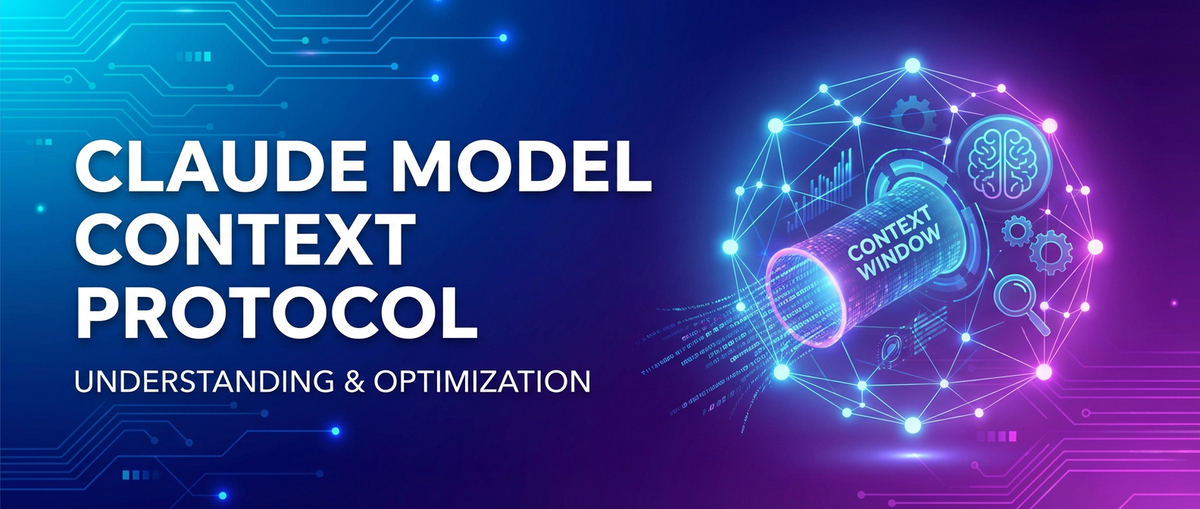
At the heart of every Large Language Model's operation lies the concept of a "context window," a finite aperture through which the model perceives and processes information. Imagine a spotlight illuminating a segment of a vast document or a prolonged conversation; only the illuminated portion is actively considered by the model at any given moment. This illuminated portion is the context window, and its contents are the "context" that guides the model's generation of subsequent text. For LLMs like Claude, this context is typically measured in "tokens," which are fundamental units of text – often words, sub-word units, or even individual characters, depending on the tokenizer. A longer context window allows the model to process more information simultaneously, theoretically leading to a deeper understanding and more coherent, relevant outputs over extended interactions.
The context window is crucial because LLMs, by their very design, predict the next token based on the sequence of preceding tokens. Without a robust context, a model would effectively suffer from severe short-term memory loss, unable to recall previous instructions, user preferences, or ongoing narrative threads. This limitation would render them incapable of engaging in multi-turn conversations, summarizing long documents, or completing tasks that require an understanding of cumulative information. The ability to maintain and leverage context is what transforms a simple text predictor into a sophisticated conversational agent or a powerful analytical tool.
However, the context window is not without its limitations. Processing larger contexts demands significantly more computational resources, leading to increased inference times and higher operational costs. Furthermore, merely expanding the context window does not automatically guarantee improved performance. Studies have shown that even with vast context windows, models can sometimes struggle to effectively retrieve and utilize information located far from the beginning or end of the context, a phenomenon often referred to as the "lost in the middle" problem. This challenge underscores the need for not just larger context windows, but also more intelligent strategies for organizing and presenting information within that window to maximize the model's comprehension and recall capabilities. Understanding these fundamental aspects of context is the essential first step toward mastering the Claude Model Context Protocol and unlocking its full potential.
Delving into Claude's Approach to Context Protocol
Claude, developed by Anthropic, stands out for its nuanced and often extensive handling of conversational and document context. The Claude Model Context Protocol encompasses not just the raw token limit of its context window, but also the sophisticated internal mechanisms it employs to prioritize, weigh, and interpret the information presented within that window. Unlike some other models that might simply truncate context once a limit is reached, Claude often demonstrates a more robust capacity for understanding and utilizing longer narratives, instructions, and data sets, reflecting a deliberate architectural design aimed at safer, more helpful, and honest AI.
At a fundamental level, Claude's context protocol operates by ingesting a sequence of tokens representing the conversation history, user prompts, and any auxiliary information provided. These tokens are then processed through its transformer-based architecture, where attention mechanisms allow the model to weigh the importance of different tokens relative to each other. The effectiveness of this process is heavily influenced by the model's training data, which imbues it with a deep understanding of language structure, logical relationships, and conversational dynamics over vast quantities of text. This training enables Claude to discern salient points, track entities, and maintain a consistent persona or argumentative thread across many turns.
One of the most noteworthy aspects of the Claude MCP has been its aggressive expansion of context window sizes over successive versions. Anthropic has consistently pushed the boundaries, offering models with context windows capable of processing tens of thousands, and even hundreds of thousands, of tokens. For instance, early versions might have supported context lengths comparable to a short essay, while more recent iterations can handle entire books or extensive codebases. This allows users to paste in substantial documents, entire email threads, or comprehensive research papers and expect Claude to understand the full breadth of the content, respond to specific queries about it, or even synthesize new information based on its entirety.
However, the sheer size of the context window is only one piece of the puzzle. The true sophistication lies in how Claude manages information within that vast space. This involves internal heuristics and learned patterns that help the model focus its attention on the most relevant parts of the input when generating a response. While the precise internal workings are proprietary, observations from extensive usage suggest that Claude is particularly adept at handling structured information, following complex instructions that span multiple paragraphs, and extracting specific details from lengthy texts without significant degradation in performance. It exhibits a remarkable ability to follow chained reasoning, refer back to distant points in a conversation, and integrate new information into an existing mental model, making it highly effective for tasks requiring sustained logical thought or comprehensive document analysis. This intricate balance between context length and intelligent processing defines the cutting edge of the Claude Model Context Protocol, continually pushing the boundaries of what LLMs can achieve.
The Critical Role of Context Length in AI Performance
The length of the context window, a seemingly technical detail, profoundly impacts the overall performance, coherence, and utility of any Large Language Model, and Claude is no exception. A longer context window means the model has access to more information from the past conversation or provided document, directly influencing several key performance indicators.
Firstly, coherence and consistency are vastly improved with a generous context length. In a multi-turn dialogue, a short context window would quickly lead to the model "forgetting" earlier parts of the conversation. Imagine discussing a complex project with an assistant who remembers only your last sentence – the interaction would quickly become frustrating and unproductive. With an extended context, Claude can recall initial instructions, user preferences, specific details mentioned paragraphs ago, and the overall trajectory of the discussion. This continuity allows for more natural, flowing conversations and the maintenance of a consistent persona or knowledge base throughout an interaction. For tasks like long-form content generation or story writing, the ability to maintain narrative consistency over many pages is indispensable.
Secondly, a longer context window significantly enhances the model's ability to understand complex queries and perform intricate tasks. When analyzing a detailed report, debugging a large codebase, or synthesizing information from multiple sources, the full context is often necessary to grasp the nuances, interdependencies, and underlying intent. A model with a limited context might only see fragmented pieces, leading to superficial answers or errors in interpretation. Claude, with its expansive context capabilities, can process entire documents, identify relationships between disparate pieces of information, and then respond to highly specific questions that require a holistic understanding of the provided text. This capability transforms it from a mere sentence completer into a powerful analytical engine capable of deep comprehension.
However, the benefits of extended context are not without their challenges. The most significant is the computational cost. The attention mechanism, a core component of transformer architectures, typically scales quadratically with the sequence length. This means that doubling the context length can quadruple the computational resources required for processing, leading to increased inference latency and substantially higher operational expenses. For applications demanding real-time responses or operating at scale, this can become a major bottleneck. Developers must carefully balance the need for comprehensive context with the practical constraints of budget and performance.
Another widely discussed phenomenon is the "lost in the middle" problem. Even with a massive context window, LLMs can sometimes struggle to retrieve and utilize information that is positioned neither at the very beginning nor the very end of the input sequence. Research suggests that models might pay more attention to the extremities of the context, making crucial details buried in the middle less accessible. This isn't a failure of the model to see the information, but rather a challenge in prioritizing and recalling it effectively when generating a response. Consequently, simply dumping large amounts of text into the context window is not always sufficient; strategic organization and emphasis of key information become paramount.
Furthermore, data privacy and security considerations become more pronounced with longer contexts. If sensitive information is continuously fed into the model's context, mechanisms must be in place to ensure its appropriate handling, particularly in enterprise environments. The more data an LLM processes, the greater the potential surface area for accidental leakage or misuse if proper safeguards are not implemented.
In summary, while a longer context window provides Claude with a deeper well of information to draw from, leading to more intelligent, coherent, and capable responses, it also introduces significant computational and strategic challenges. Optimizing the Claude Model Context Protocol thus becomes a delicate act of balancing the desire for comprehensive understanding with the realities of performance, cost, and the nuanced ways LLMs process information within their vast cognitive scope.
Mastering Claude Model Context Protocol Optimization
Effectively leveraging the Claude Model Context Protocol requires more than simply knowing its maximum token limit; it demands a strategic approach to how information is presented, managed, and refined. Optimization isn't about fitting more data into the window, but about making the data within that window as impactful and efficiently processed as possible. This involves a multi-faceted strategy encompassing prompt engineering, sophisticated context management techniques, and meticulous data preprocessing.
1. Prompt Engineering for Enhanced Context Utilization
Prompt engineering is the art and science of crafting inputs that guide the model to produce desired outputs. For Claude, especially given its advanced context handling, effective prompt engineering is crucial for maximizing its performance.
- Clarity and Specificity in Instructions: Ambiguous or vague instructions force the model to guess, potentially leading to irrelevant outputs or misinterpretations, especially in a large context. Be explicit about the task, the desired format, and any constraints.
- Example: Instead of "Summarize this document," try "Summarize the attached research paper, focusing on the methodology and key findings. The summary should be approximately 300 words and written for an audience with a basic understanding of quantum physics."
- Structured Inputs for Complex Information: When dealing with multiple pieces of information, structure your prompt using clear delimiters, headings, or bullet points. This helps Claude parse the information more effectively and understand the relationships between different segments.
- Example: For comparing two articles, use sections like "Article 1 Summary:", "Article 2 Summary:", and then "Comparison Request:". This provides clear signposts for the model.
- Iterative Refinement: Treat prompt creation as an iterative process. Start with a basic prompt, observe Claude's output, and then refine your prompt to address any shortcomings. This might involve adding more examples, clarifying instructions, or explicitly stating what you don't want.
- Techniques for Guiding Reasoning:
- Chain-of-Thought (CoT) Prompting: Encourage Claude to "think step-by-step" before providing its final answer. This involves instructing the model to show its reasoning process. This is particularly effective for complex problems, as it forces the model to articulate intermediate steps, improving the transparency and accuracy of the final response.
- Example: "Solve the following problem, showing your work step-by-step: If a train leaves station A at 9:00 AM traveling at 60 mph, and another train leaves station B, 300 miles away, at 10:00 AM traveling at 70 mph towards station A, at what time do they meet? First, determine the head start of the first train. Second, calculate the remaining distance when the second train starts. Third, calculate their combined speed. Fourth, determine the time to meet. Fifth, calculate the meeting time."
- Tree-of-Thought (ToT) Prompting: An advanced variant of CoT where the model explores multiple reasoning paths, evaluating them, and pruning less promising ones. While more complex to implement directly in a single prompt, the principle can be used by asking Claude to brainstorm multiple approaches to a problem before selecting the best one and detailing its steps. This helps mitigate the "lost in the middle" problem by actively encouraging the model to explore connections.
- Role-Playing: Assigning a specific persona to Claude (e.g., "Act as a senior legal analyst," "You are a seasoned software architect") helps shape its responses and ensures consistency in tone and expertise, making its output more relevant to the desired context.
- Chain-of-Thought (CoT) Prompting: Encourage Claude to "think step-by-step" before providing its final answer. This involves instructing the model to show its reasoning process. This is particularly effective for complex problems, as it forces the model to articulate intermediate steps, improving the transparency and accuracy of the final response.
2. Context Management Techniques
Beyond crafting the initial prompt, how you manage the flow of information into and out of Claude's context window is critical, especially for long-running applications or interactions with large datasets.
- Summarization (Recursive and Extractive):
- Recursive Summarization: For extremely long documents that exceed Claude's maximum context length, recursive summarization is invaluable. Break the document into chunks that fit within the context window. Summarize each chunk individually. Then, take these summaries and summarize them again, combining them until you have a concise summary of the entire document that fits into a single context window. This allows Claude to grasp the essence of massive texts.
- Extractive Summarization: Instead of generating new text, extractive summarization identifies and pulls out the most important sentences or phrases directly from the original text. This can be less prone to hallucination than abstractive summarization and is useful when preserving original phrasing is important. A pre-processing step can extract key sentences, which are then fed to Claude for analysis.
- Retrieval-Augmented Generation (RAG): RAG is a powerful technique that combines the generative power of LLMs with external knowledge retrieval systems. Instead of trying to cram all necessary information into Claude's context, you dynamically fetch only the most relevant pieces of information from a vast external knowledge base (e.g., a database, document store, or vector database) at inference time.
- How it works: When a user poses a query, a retrieval system first searches your knowledge base for documents or passages relevant to the query. These retrieved pieces of information are then prepended to the user's prompt and sent to Claude. Claude then uses this augmented context to generate a more informed and factual response.
- Benefits: RAG significantly extends Claude's effective knowledge base beyond its training data, reduces hallucinations, grounds responses in verifiable facts, and helps manage context length by providing only highly targeted information. It's particularly effective for question-answering over large, proprietary datasets.
- APIPark's Role: Implementing robust RAG systems, especially across multiple AI models or complex enterprise architectures, can be challenging. This is where platforms like APIPark become invaluable. As an open-source AI gateway and API management platform, APIPark simplifies the integration and orchestration of various AI models, including sophisticated RAG pipelines. It allows developers to unify API formats for AI invocation, encapsulating complex prompt engineering and context retrieval logic into standardized REST APIs. This means that whether you're using Claude for core generation, another model for initial retrieval, or combining several services for a multi-stage context management process, APIPark can streamline these interactions, ensuring consistent context flow, authentication, and performance monitoring across your entire AI infrastructure. By abstracting away the underlying complexities, APIPark enables developers to focus on optimizing the logic of context handling rather than the mechanics of integrating disparate AI services.
- Sliding Window/Fixed Window Approaches: For continuous, real-time interactions (like chatbots), a sliding window approach is common. As the conversation progresses, older messages fall out of the context window to make room for new ones.
- Adaptive Windowing: More sophisticated systems might adapt the window size or content based on the conversation's dynamics, prioritizing specific entities or topics to retain longer. This can involve an LLM itself deciding which parts of the previous conversation are most critical to keep.
- Memory Mechanisms (Short-Term and Long-Term):
- Short-Term Memory: This refers to the immediate context window.
- Long-Term Memory: For information that needs to persist beyond the current context window (e.g., user preferences, persona details, historical facts), external long-term memory systems are used. These could be simple key-value stores, databases, or vector stores. Relevant information is retrieved from long-term memory and injected into Claude's context as needed, similar to how RAG operates but for persistent state.
3. Data Preprocessing
The quality and organization of the input data before it ever reaches Claude's context window significantly impact its ability to process information efficiently.
- Chunking: Breaking down large documents into smaller, manageable chunks is fundamental for RAG and recursive summarization. The size of these chunks needs careful consideration – too small, and context within the chunk is lost; too large, and it might still exceed the model's effective processing capabilities or lead to the "lost in the middle" problem. Optimal chunking often involves splitting by semantic boundaries (paragraphs, sections) rather than arbitrary character counts.
- Filtering Irrelevant Information: Before feeding data to Claude, remove any superfluous or redundant text. This includes boilerplate, disclaimers, repeated headers/footers, or non-essential conversational filler. A cleaner, more concise context allows Claude to focus its attention on the truly relevant information, improving efficiency and reducing noise.
- Embedding Relevant Information: For RAG systems, creating high-quality embeddings of your knowledge base is crucial. Embeddings convert text into numerical vectors that capture semantic meaning. When a query is made, its embedding is compared to the embeddings of your knowledge base, allowing for fast and accurate retrieval of semantically similar chunks. The choice of embedding model and the quality of your chunking strategy directly impact RAG's effectiveness.
To summarize the various optimization techniques, here's a comparative table:
| Optimization Technique | Description | Primary Benefit(s) | Best Use Case(s) | Considerations |
|---|---|---|---|---|
| Prompt Engineering | Crafting clear, structured, and specific instructions, including techniques like Chain-of-Thought (CoT) and role-playing, to guide the model's reasoning and output. | Improved accuracy, coherence, and control over output. Reduced hallucinations. | All interactions, especially complex problem-solving, multi-step tasks, and maintaining persona. | Requires human creativity and iterative testing. |
| Recursive Summarization | Breaking down extremely long documents into smaller chunks, summarizing each chunk, then summarizing the summaries until a concise overview of the entire document is achieved. | Enables processing of documents exceeding context limits. Provides high-level understanding. | Summarizing books, research papers, legal documents, large corporate reports. | Potential loss of granular detail. Multiple API calls increase latency and cost. |
| Retrieval-Augmented Generation (RAG) | Dynamically fetching relevant information from an external knowledge base and prepending it to the user's prompt before sending to Claude. | Grounds responses in facts, reduces hallucinations, extends knowledge beyond training data, manages context length. | Question-answering over proprietary data, factual recall, reducing model bias. | Requires external knowledge base, retrieval system, and embedding models. Can add complexity to architecture. |
| Sliding Window | For continuous conversations, moving the context window forward by dropping older messages as new ones are added, maintaining a fixed size. | Sustains multi-turn conversations while respecting context limits. | Chatbots, interactive assistants, continuous dialogue systems. | Older, potentially relevant information may be lost. Can lead to a sense of "forgetfulness." |
| Long-Term Memory | Storing persistent information (user preferences, specific facts) in an external database or vector store, and retrieving it when relevant to inject into the current context. | Preserves critical information across sessions, personalizes interactions, maintains consistent state. | Personalized AI assistants, knowledge bases for specific users/projects, CRM integration. | Requires robust data storage and retrieval logic. |
| Chunking & Filtering | Breaking large texts into semantically meaningful smaller units and removing irrelevant or redundant information before feeding it to the model. | Optimizes context utilization, reduces noise, improves retrieval accuracy for RAG, lowers processing cost. | Preprocessing for RAG, summarization, or any task involving large input documents. | Requires careful design to avoid losing critical context within chunks. Manual effort may be involved. |
By diligently applying these strategies, users and developers can move beyond simply feeding data into Claude to actively managing and optimizing its Model Context Protocol, thereby unlocking superior performance, greater accuracy, and a more profound interaction experience.
APIPark is a high-performance AI gateway that allows you to securely access the most comprehensive LLM APIs globally on the APIPark platform, including OpenAI, Anthropic, Mistral, Llama2, Google Gemini, and more.Try APIPark now! 👇👇👇
Practical Implementations and Transformative Use Cases
The effective utilization and optimization of the Claude Model Context Protocol open up a vast array of practical applications, transforming how businesses and individuals interact with information and automate complex tasks. Claude's capacity to handle extensive contexts makes it particularly adept at scenarios where deep understanding of large volumes of text is paramount.
Long Document Analysis and Synthesis
One of the most immediate and impactful use cases is the analysis of lengthy documents. Consider legal firms needing to review hundreds of pages of contracts, researchers sifting through vast scientific literature, or financial analysts dissecting quarterly reports. Instead of manual review, Claude can ingest these entire documents (or be fed chunks via recursive summarization or RAG) and perform tasks such as:
- Key Information Extraction: Identifying specific clauses, dates, names, or numerical data from complex legal agreements or financial statements.
- Risk Assessment: Analyzing contracts to highlight potential liabilities, non-compliance issues, or unusual terms that deviate from standard practice.
- Literature Review: Summarizing research papers, identifying conflicting findings, or synthesizing common themes across multiple scientific articles.
- Customer Feedback Analysis: Processing thousands of customer reviews or support tickets to identify prevalent issues, sentiment trends, or feature requests.
The ability of the Claude MCP to maintain a cohesive understanding across such extensive texts dramatically reduces the time and effort required for these critical tasks, simultaneously enhancing accuracy and consistency.
Complex Multi-Turn Conversations and Personal Assistants
For applications requiring sustained, intelligent dialogue, Claude's optimized context protocol is a game-changer. Traditional chatbots often struggle with memory, leading to disjointed interactions. Claude, however, can power sophisticated conversational agents that:
- Maintain User Preferences: A virtual assistant can remember a user's dietary restrictions, travel preferences, or communication style over multiple sessions, leading to highly personalized interactions. This requires robust long-term memory integration with the Model Context Protocol.
- Guide Through Complex Processes: For customer support, technical troubleshooting, or onboarding new employees, Claude can guide users through multi-step processes, remembering previous questions, steps taken, and troubleshooting attempts, providing a coherent and helpful experience.
- Storytelling and Creative Writing: For creative applications, Claude can maintain a narrative thread, character details, and world-building elements over many pages of generated text, offering a powerful tool for authors and content creators.
Code Generation, Debugging, and Review
In software development, Claude’s extensive context window allows it to process entire files or even small projects, making it an invaluable assistant for coders:
- Contextual Code Generation: Developers can provide Claude with an entire class, a function definition, or a set of requirements, and ask it to generate new code that fits seamlessly within the existing structure and logic.
- Intelligent Debugging: By feeding Claude error logs, code snippets, and relevant documentation, it can suggest potential fixes, explain complex error messages, or pinpoint the source of bugs within a larger codebase.
- Code Review and Refactoring: Claude can analyze code for best practices, identify potential vulnerabilities, suggest performance optimizations, or propose refactoring strategies, all while understanding the broader context of the project. This capability is particularly powerful when integrated with version control systems and code quality tools.
Data Extraction and Knowledge Graph Construction
Claude can also be leveraged for more structured data tasks, especially when the data is embedded within unstructured text:
- Entity Extraction: Identifying and classifying entities like persons, organizations, locations, and products from large text bodies, then structuring this information.
- Relationship Extraction: Going beyond entities to identify relationships between them (e.g., "Company X acquired Company Y," "Person A works for Organization Z"), which can be used to populate knowledge graphs.
- Structured Data Generation: From natural language descriptions, Claude can generate structured outputs like JSON or XML, which can then be directly ingested by databases or other applications. This is immensely valuable for automating data entry or transforming unstructured text into actionable data.
The versatility demonstrated by these use cases underscores the transformative potential of an LLM like Claude, especially when its Model Context Protocol is understood and optimized. From enhancing efficiency in information-heavy industries to driving innovation in software development and customer service, the strategic application of Claude's contextual prowess is reshaping the boundaries of AI capability.
Challenges and Limitations of Claude Model Context Protocol
While the advancements in the Claude Model Context Protocol have opened up remarkable possibilities, it is crucial to acknowledge the inherent challenges and limitations that users and developers must navigate. These are not necessarily drawbacks of Claude specifically, but rather intrinsic difficulties associated with pushing the boundaries of large language model capabilities.
1. Cost Implications of Large Contexts
One of the most significant challenges is the computational cost associated with processing large context windows. As previously discussed, the attention mechanism in transformer models scales quadratically with the input sequence length. This means that if the context length is doubled, the computational resources required can increase by a factor of four. For developers and businesses, this translates directly into higher API call costs and increased inference latency.
- Financial Burden: Regularly processing contexts of tens or hundreds of thousands of tokens for a large user base can quickly accumulate substantial operational expenses, making cost optimization a continuous concern.
- Latency Issues: The increased computational load directly impacts response times. For applications requiring real-time interaction (e.g., conversational agents in critical scenarios), even minor increases in latency can degrade the user experience or impede effectiveness. Striking a balance between comprehensive context and acceptable response times is a constant engineering challenge.
2. The "Lost in the Middle" Phenomenon
Despite the impressive size of Claude's context window, LLMs can sometimes struggle with the "lost in the middle" problem. This refers to the observation that models may pay less attention to, or have difficulty retrieving information from, the middle sections of a very long input sequence, often prioritizing information at the beginning or end.
- Reduced Recall: Crucial details or instructions embedded deep within a lengthy document might be overlooked or underweighted when Claude generates its response, leading to inaccuracies or incomplete answers.
- Strategic Placement: Users might find themselves having to strategically place the most critical information at the beginning or end of their prompts, even if it feels unnatural, to ensure the model focuses on it. This can undermine the goal of simply "dumping" an entire document and expecting perfect comprehension. This phenomenon highlights that larger context isn't a silver bullet; intelligent organization remains vital.
3. Data Privacy and Security Concerns
The very capability of the Claude MCP to ingest and process vast amounts of text raises significant data privacy and security questions, especially in sensitive enterprise environments.
- Sensitive Information Exposure: If proprietary business data, personal identifiable information (PII), or confidential client communications are frequently fed into Claude's context, robust security protocols are essential to prevent unauthorized access or accidental exposure.
- Compliance Risks: Organizations operating under strict regulatory frameworks (e.g., GDPR, HIPAA) must ensure that their use of LLMs, particularly concerning context handling, adheres to all compliance requirements. This often involves careful data anonymization, strict access controls, and understanding how data is handled and stored by the model provider.
- Data Leakage: While Anthropic, like other leading AI providers, implements strong security measures, the sheer volume of data potentially processed in context increases the theoretical attack surface for sophisticated data exfiltration attempts if client-side security is not meticulously managed.
4. Over-reliance and Hallucinations
Even with an excellent context protocol, LLMs can still "hallucinate" – generating plausible but factually incorrect or nonsensical information. While a rich context can help ground responses, it doesn't eliminate the problem entirely.
- Subtle Misinterpretations: In very long or complex contexts, Claude might misinterpret nuances, draw incorrect inferences, or stitch together information in a way that creates a coherent but fabricated narrative, especially if the prompt is ambiguous or the context contains conflicting information.
- Verification Remains Key: Users must always remain vigilant and verify critical information provided by the model, particularly in high-stakes applications. The optimized Claude MCP enhances accuracy, but it doesn't negate the need for human oversight and validation.
Navigating these challenges requires a thoughtful and multi-layered approach. It necessitates not only a deep understanding of the Model Context Protocol but also the implementation of robust architectural safeguards, continuous monitoring, and a critical perspective on the AI's outputs. Overcoming these limitations is key to responsibly and effectively integrating Claude into sophisticated, real-world applications.
The Evolving Landscape and Future Directions
The journey of the Claude Model Context Protocol is far from over; it is a continuously evolving frontier in AI research and development. The current state, while impressive, represents just a snapshot of what is possible, and future directions promise even more profound capabilities and efficiencies in how LLMs handle information.
1. Ever-Expanding Context Windows
One of the most predictable future trends is the continued expansion of context windows. Driven by architectural innovations and increasing computational power, we can anticipate models that can natively handle contexts equivalent to entire libraries, vast codebases, or years of conversational history. Researchers are actively exploring more efficient attention mechanisms that can scale sub-quadratically, or even linearly, with context length, reducing the computational burden associated with massive inputs. This would effectively mitigate many of the cost and latency challenges currently faced.
2. More Efficient Context Handling Mechanisms
Beyond simply making context windows larger, the future will see more intelligent and adaptive mechanisms for processing the information within them. This includes:
- Contextual Compression and Summarization: Advanced techniques that can automatically identify and compress less critical information within the context, allowing the model to focus on the most salient details without losing the overall gist. This goes beyond simple summarization to a dynamic, attention-driven form of knowledge distillation.
- Hierarchical Context Understanding: Models that can process context at multiple levels of abstraction – understanding the fine details of a sentence, the overall theme of a paragraph, and the overarching argument of an entire document – simultaneously. This could help combat the "lost in the middle" problem by giving the model a multi-resolution view of the input.
- Dynamic Context Focusing: Future models might possess an internal "context manager" that can dynamically expand or contract its focus on specific parts of the input based on the evolving task or query, efficiently allocating its attention resources. This could involve an internal meta-LLM orchestrating the attention of the primary LLM.
3. Hybrid Approaches: The Synergy of Internal and External Memory
The most promising future direction likely lies in the seamless integration of internal context windows with sophisticated external memory systems. While models will continue to have larger internal contexts, the power of RAG and other external knowledge bases will only grow.
- Deeply Integrated RAG: Future RAG systems will be even more tightly integrated into the LLM's architecture, allowing for more nuanced retrieval and potentially multi-hop reasoning over retrieved documents. The distinction between what the model "remembers" internally and what it "looks up" externally will become increasingly blurred.
- Personalized and Contextualized Knowledge Bases: AI systems will move towards maintaining highly personalized and dynamic knowledge graphs or vector stores for individual users or specific domains. Claude, or similar models, could then leverage these bespoke knowledge bases to provide hyper-relevant and deeply informed responses.
- Agentic Frameworks with Memory: The development of AI agents capable of performing complex, long-running tasks will heavily rely on advanced context protocols combined with persistent memory. These agents will use Claude to plan, execute, reflect, and learn over extended periods, remembering past actions, outcomes, and environmental states, allowing for true long-term interaction and learning.
4. Enhanced Multimodality and Context
As LLMs evolve into multimodal AI systems, the concept of "context" will expand beyond text to include images, audio, video, and other data types. Future Claude Model Context Protocol iterations will need to process and interrelate information from diverse modalities, maintaining coherence across a rich tapestry of input. This will open up new applications, from analyzing video interviews to generating complex multimedia content based on extended context.
The ongoing research and development in these areas underscore a future where AI systems like Claude are not just larger, but fundamentally more intelligent and efficient in their handling of information. The evolution of the Claude MCP is a critical component of this trajectory, promising to unlock unprecedented levels of understanding, reasoning, and interactive capability in artificial intelligence.
Leveraging API Management for Scalable Context Handling
As organizations scale their use of AI models, particularly those with sophisticated context handling like Claude, managing the interaction with these models becomes a significant challenge. Enterprises often deploy multiple AI models for different tasks, integrate them into various applications, and need to ensure consistency, security, and performance across their AI infrastructure. This is where robust API management platforms, like APIPark, play a crucial role, transforming the complexities of the Claude Model Context Protocol and other AI interactions into streamlined, manageable processes.
An advanced AI gateway and API management platform like APIPark acts as a central control plane for all your AI and REST services. It addresses several critical pain points that arise when moving from individual AI experiments to enterprise-wide AI deployment, especially concerning context management.
Firstly, APIPark simplifies the integration of diverse AI models. Instead of each application having to develop specific integrations for Claude, GPT, or other models, APIPark offers a unified management system. This means that even as you optimize your Claude Model Context Protocol strategies or experiment with other models, the underlying application logic connecting to APIPark remains stable. It standardizes authentication and cost tracking across over 100 AI models, creating a coherent ecosystem out of disparate services.
Secondly, and critically for context management, APIPark provides a unified API format for AI invocation. This standardization means that changes in AI models, or even intricate adjustments to how context is fed into a specific model like Claude, do not necessarily affect your application or microservices. For instance, if you refine your prompt engineering or RAG strategy for Claude, APIPark can encapsulate these changes behind a consistent API endpoint. This simplifies AI usage and significantly reduces maintenance costs, allowing developers to iterate on context optimization without disrupting downstream applications.
Furthermore, APIPark empowers users to encapsulate prompts into REST APIs. Imagine you've crafted an optimal prompt that leverages Claude's extensive context for sentiment analysis of customer reviews. With APIPark, you can combine Claude with this custom prompt to create a new, dedicated API, such as a "Sentiment Analysis API." This API would abstract away all the underlying complexity of the Claude Model Context Protocol, the prompt structure, and any pre-processing steps. Other teams can then simply call this API, providing raw text, and receive a sentiment score, without needing to understand the intricacies of Claude's context window or the specific prompt engineering techniques employed. This fosters reusability and democratizes access to sophisticated AI capabilities within an organization.
APIPark also offers end-to-end API lifecycle management, which is vital for AI services. From designing the initial API that interfaces with Claude, to publishing it, managing its invocation, and eventually decommissioning older versions, APIPark helps regulate the entire process. This includes managing traffic forwarding, load balancing across multiple instances of an AI service (which can be crucial for handling large context loads), and versioning published APIs. This ensures that your optimized context protocols are delivered reliably and efficiently.
When dealing with a vast array of AI-powered services, the ability to share API services within teams becomes paramount. APIPark centralizes the display of all API services, making it easy for different departments and teams to find and use the required AI capabilities, including those leveraging advanced context management. This promotes collaboration and prevents redundant development efforts.
Security and governance are also key. APIPark enables independent API and access permissions for each tenant (team or department), allowing for fine-grained control over who can access which AI services and with what level of context sensitivity. Additionally, it supports API resource access requiring approval, preventing unauthorized API calls and potential data breaches, which is especially important when AI models are processing sensitive information within their context windows.
Finally, APIPark provides detailed API call logging and powerful data analysis. Every detail of each AI API call, including the context length, input prompt, and response, can be recorded. This comprehensive logging allows businesses to quickly trace and troubleshoot issues in API calls, ensuring system stability and data security. The platform also analyzes historical call data to display long-term trends and performance changes, which can be invaluable for understanding the real-world impact of your Model Context Protocol optimizations and for proactive maintenance.
In essence, while understanding and optimizing the Claude Model Context Protocol is about maximizing the intelligence of the AI, API management platforms like APIPark are about maximizing the manageability, scalability, and security of these intelligent systems across an enterprise. By bridging the gap between cutting-edge AI capabilities and robust operational practices, APIPark enables organizations to harness the full power of Claude's context understanding in a production-ready environment.
Conclusion
The Claude Model Context Protocol, or Claude MCP, stands as a foundational pillar in the remarkable capabilities of Anthropic's Claude models. It represents not merely a technical specification but a sophisticated framework for how these advanced Large Language Models perceive, process, and leverage information over extended interactions. Our comprehensive exploration has unveiled that mastering this protocol is not a simple matter of knowing a token limit, but a strategic imperative that dictates the coherence, accuracy, and overall utility of Claude's outputs.
We delved into the fundamental nature of the context window, recognizing its critical role in enabling LLMs to maintain continuity and deeper understanding. The intricate mechanisms within Claude that allow it to effectively utilize its often vast context capacity were examined, highlighting Anthropic's commitment to pushing the boundaries of contextual comprehension. We then critically assessed the profound impact of context length on AI performance, acknowledging its benefits in fostering coherence and enabling complex task execution, while also confronting the inherent challenges of computational cost, latency, and the nuanced "lost in the middle" phenomenon.
The core of effective interaction with Claude lies in optimization, and we outlined a multi-layered strategy encompassing meticulous prompt engineering, with techniques like Chain-of-Thought and structured inputs, to guide the model's reasoning. We further explored sophisticated context management techniques, including recursive summarization for document digestion, Retrieval-Augmented Generation (RAG) for grounded, factual responses, and various memory mechanisms for sustained interaction. Crucially, the role of data preprocessing – through intelligent chunking and filtering – was emphasized as a foundational step to ensure the highest quality input. We illustrated these concepts with a detailed comparison of methods, providing a practical roadmap for implementation.
The transformative power of an optimized Claude Model Context Protocol was evident in a myriad of practical use cases, from profound long document analysis and complex multi-turn conversations to intricate code generation and robust data extraction. These examples underscore how strategic context handling can unlock unprecedented efficiencies and insights across diverse industries. However, we also maintained a balanced perspective, addressing the persistent challenges of cost implications, the "lost in the middle" problem, and critical data privacy and security concerns that demand careful consideration and robust mitigation strategies.
Looking ahead, the evolution of the Claude MCP promises even greater capabilities, with ever-expanding context windows, more efficient internal processing mechanisms, and a tighter synergy between internal model memory and external knowledge bases. The future anticipates models that are not just larger, but inherently smarter in how they manage and utilize information, paving the way for truly intelligent and autonomous AI agents.
Finally, we recognized that the operationalization of these advanced AI capabilities, especially in enterprise settings, necessitates robust infrastructure. Platforms like APIPark emerge as indispensable tools, simplifying the integration, management, and scaling of AI models, including the intricate complexities of their context protocols. By standardizing API formats, enabling prompt encapsulation, and providing end-to-end lifecycle management, APIPark allows organizations to leverage the power of Claude's sophisticated context understanding in a secure, efficient, and scalable manner.
In conclusion, the journey to master the Claude Model Context Protocol is one of continuous learning and refinement. By embracing the strategies outlined, developers and businesses can move beyond mere interaction to truly collaborative intelligence, unlocking the full potential of Claude to understand, reason, and create with unprecedented depth and coherence.
5 Frequently Asked Questions (FAQs) About Claude Model Context Protocol
Q1: What exactly is the Claude Model Context Protocol (Claude MCP)? A1: The Claude Model Context Protocol refers to the comprehensive system and strategies Claude uses to process, retain, and leverage information from preceding turns in a conversation or from lengthy input documents. It's not just about the maximum number of tokens Claude can process, but also about the internal mechanisms and architectural designs that enable it to effectively understand, prioritize, and utilize information presented within its context window for generating coherent and relevant responses. Understanding the Claude MCP is key to optimizing your interactions with the model.
Q2: Why is the length of Claude's context window so important, and what are its limitations? A2: A longer context window allows Claude to access more information, leading to significantly improved coherence, consistency, and a deeper understanding in multi-turn conversations or when analyzing large documents. It enhances Claude's ability to perform complex tasks by providing more data for reasoning. However, limitations include increased computational cost (leading to higher API costs and latency), and the "lost in the middle" problem, where the model might struggle to effectively retrieve information from the central parts of a very long context, often prioritizing the beginning and end.
Q3: How can I optimize my use of the Claude Model Context Protocol to get better results? A3: Optimization involves several strategies. Firstly, use precise prompt engineering, including clear instructions, structured inputs, and techniques like Chain-of-Thought prompting to guide Claude's reasoning. Secondly, employ context management techniques such as recursive summarization for very long texts, Retrieval-Augmented Generation (RAG) to dynamically fetch relevant external information, and sliding window approaches for continuous dialogues. Lastly, perform diligent data preprocessing by chunking large documents and filtering out irrelevant information to ensure the most impactful data is presented to Claude.
Q4: What is Retrieval-Augmented Generation (RAG) and how does it relate to Claude's context? A4: Retrieval-Augmented Generation (RAG) is an advanced technique where an external retrieval system dynamically fetches the most relevant pieces of information from a vast knowledge base (e.g., a database of documents) based on a user's query. This retrieved information is then added to the user's prompt and fed into Claude's context window. RAG helps to overcome the limitations of Claude's internal training data and context window by grounding responses in verifiable, up-to-date facts, reducing hallucinations, and efficiently managing context length by providing only targeted, highly relevant information for specific queries.
Q5: How can API management platforms like APIPark help with managing Claude's context protocols in an enterprise setting? A5: API management platforms like APIPark are crucial for scaling AI usage in enterprises. They simplify the integration of diverse AI models, including Claude, by offering a unified API format for invocation, abstracting away the complexities of specific context protocols and prompt engineering. APIPark allows you to encapsulate sophisticated context management strategies (like RAG or recursive summarization) into standardized APIs, making them easily consumable by various internal applications. It also provides essential features like API lifecycle management, traffic control, security, detailed logging, and data analysis, ensuring that your optimized Claude Model Context Protocol is deployed and managed efficiently, securely, and scalably across your organization.
🚀You can securely and efficiently call the OpenAI API on APIPark in just two steps:
Step 1: Deploy the APIPark AI gateway in 5 minutes.
APIPark is developed based on Golang, offering strong product performance and low development and maintenance costs. You can deploy APIPark with a single command line.
curl -sSO https://download.apipark.com/install/quick-start.sh; bash quick-start.sh

In my experience, you can see the successful deployment interface within 5 to 10 minutes. Then, you can log in to APIPark using your account.

Step 2: Call the OpenAI API.