Edge AI Gateway Explained: Benefits & Use Cases
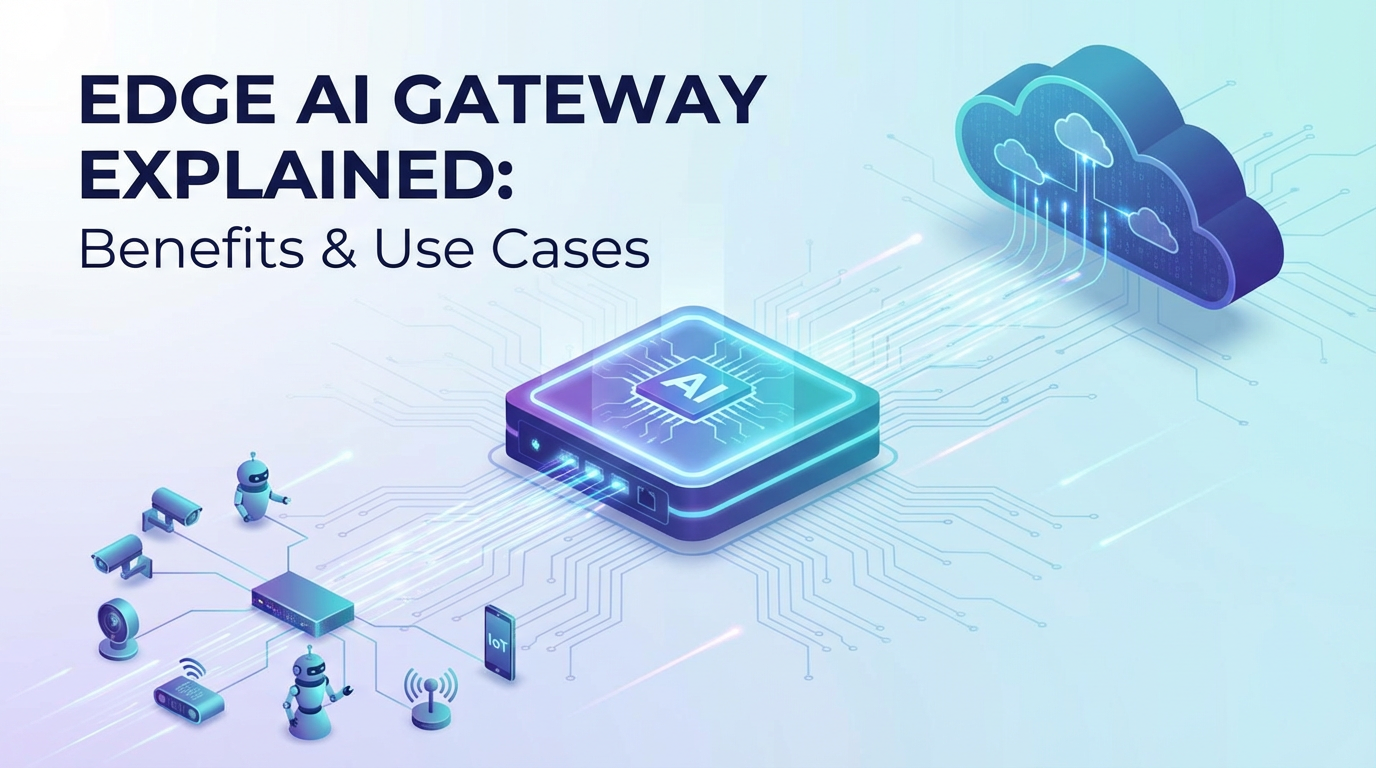


The relentless march of digital transformation, fueled by the explosive growth of the Internet of Things (IoT) and artificial intelligence (AI), is reshaping every facet of our world. From smart factories churning out precision goods to autonomous vehicles navigating complex urban landscapes, the demand for instantaneous data processing and intelligent decision-making at the source of data generation has never been more critical. This paradigm shift necessitates a departure from traditional cloud-centric processing, giving rise to the powerful concept of Edge AI. At the heart of enabling this intelligent frontier lies the Edge AI Gateway – a pivotal technology that bridges the physical world of sensors and devices with the analytical prowess of artificial intelligence, often serving as a sophisticated AI Gateway for distributed intelligent operations.
In an era where milliseconds can define success or failure, where data privacy is paramount, and where continuous connectivity cannot always be guaranteed, the conventional model of sending all raw data to distant cloud servers for AI inference is increasingly proving inadequate. Edge AI empowers devices to process data locally, make intelligent decisions autonomously, and interact with their environment in real-time. The Edge AI Gateway emerges as the linchpin in this distributed intelligence architecture, acting not merely as a data conduit but as a local brain that orchestrates, accelerates, and secures AI operations at the very periphery of the network.
This comprehensive exploration will delve deep into the intricacies of Edge AI Gateways, demystifying their core functions, illuminating the profound benefits they offer, and showcasing their transformative applications across a myriad of industries. We will unpack the architectural components that constitute these intelligent intermediaries, address the inherent challenges in their deployment, and cast an eye towards the exciting future trends that promise to further enhance their capabilities. Throughout this journey, we will recognize the indispensable role of a robust api gateway within this ecosystem, particularly for managing the sophisticated interactions between edge-deployed AI models and the broader application landscape.
Understanding Edge Computing and AI at the Edge
To fully appreciate the significance of an Edge AI Gateway, it is imperative to first establish a firm understanding of its foundational concepts: Edge Computing and AI at the Edge. These two intertwined disciplines form the bedrock upon which the gateway's functionality is built, addressing the growing limitations of purely cloud-based AI deployments.
What is Edge Computing?
Edge Computing represents a distributed computing paradigm that brings computation and data storage closer to the sources of data. Instead of relying on a centralized cloud server or data center located potentially thousands of miles away, edge computing performs processing "at the edge" of the network, closer to the physical locations where data is generated by IoT devices, sensors, and other endpoints. This proximity fundamentally alters the flow of data and significantly impacts the speed and efficiency of data processing.
The evolution towards edge computing is a direct response to several critical challenges posed by the proliferation of IoT devices and the sheer volume of data they produce. Firstly, transmitting massive amounts of raw data to the cloud consumes significant bandwidth, which can be costly and inefficient, particularly for real-time applications or in areas with limited connectivity. Secondly, the round-trip latency associated with sending data to the cloud, processing it, and receiving a response back is often unacceptable for time-sensitive applications like autonomous vehicles, industrial control systems, or critical healthcare monitoring. Finally, security and privacy concerns are increasingly driving the need for local data processing, as organizations seek to keep sensitive information within their own networks or comply with stringent data residency regulations. By pushing compute capabilities to the network's periphery, edge computing mitigates these issues, fostering a more responsive, efficient, and secure digital environment.
What is AI at the Edge?
Building upon the principles of edge computing, AI at the Edge refers to the deployment of artificial intelligence algorithms and machine learning models directly on edge devices or on local edge servers situated in close proximity to the data sources. Rather than performing AI inference in the cloud, where pre-trained models reside and process data, AI at the Edge enables these sophisticated analytical capabilities to run locally. This means that data can be collected, analyzed, and acted upon almost instantaneously, without the need for constant communication with a remote data center.
The necessity for AI at the Edge arises from several compelling factors. The most prominent is the demand for real-time insights and immediate action. Imagine a smart camera on a factory floor detecting a defect; waiting for data to travel to the cloud, be processed, and for an alert to return could result in significant production losses. With AI at the Edge, the camera or an adjacent gateway can identify the defect in milliseconds, triggering an immediate response. Furthermore, AI at the Edge enhances data privacy and security by minimizing the transfer of sensitive raw data over public networks. Only aggregated insights or necessary alerts might be sent to the cloud, rather than the original, potentially private, raw footage or sensor readings. This localized processing also contributes to system autonomy, allowing edge devices and systems to operate effectively even when network connectivity to the cloud is intermittent or entirely absent, ensuring continuous operation and resilience in critical applications. Examples of AI at the Edge span from facial recognition systems in smart security cameras to predictive maintenance algorithms in industrial machinery, each benefiting from the inherent advantages of decentralized intelligence.
The Core Concept of an Edge AI Gateway
In the intricate tapestry of distributed intelligence, the Edge AI Gateway stands out as a critical architectural component, acting as much more than a simple data router. It serves as an intelligent intermediary, a local processing hub that orchestrates the collection, pre-processing, analysis, and secure transmission of data generated by a multitude of edge devices. Effectively, it functions as a sophisticated AI Gateway, managing the flow of intelligent operations between the devices at the farthest reaches of the network and the centralized cloud infrastructure.
Definition of an Edge AI Gateway
An Edge AI Gateway is a specialized computing device or software platform strategically positioned at the edge of a network, specifically designed to aggregate data from various IoT sensors and devices, perform AI/ML inference on that data locally, and then manage the subsequent actions or data transmission. It is the crucial bridge that allows AI models to operate closer to the data source, transforming raw, often voluminous, sensor data into actionable insights without the delay and bandwidth demands of constant cloud communication. This gateway is equipped with sufficient computational power, memory, and connectivity options to handle complex AI workloads, often incorporating dedicated AI accelerators to optimize performance. Beyond mere data routing, it intelligently filters, processes, and prioritizes data, enabling real-time decision-making and significantly reducing the load on upstream networks and cloud resources. For any organization looking to deploy AI capabilities beyond the confines of traditional data centers, an Edge AI Gateway is not just a convenience, but a fundamental necessity. It abstracts the complexity of disparate edge devices, providing a unified platform for intelligent operations and data governance.
Key Functions of an Edge AI Gateway
The functionality of an Edge AI Gateway extends far beyond basic network connectivity, encompassing a suite of advanced capabilities essential for robust and efficient edge AI deployments. These functions are what transform a simple gateway into a powerful AI Gateway.
- Data Ingestion and Pre-processing: The gateway acts as the primary collection point for data from a diverse array of edge devices and sensors, which may communicate using various protocols (e.g., Modbus, OPC UA, MQTT, Zigbee, Bluetooth). Upon ingestion, the gateway performs crucial pre-processing tasks such as data cleaning, normalization, aggregation, filtering, and compression. This reduces noise, standardizes formats, and significantly lowers the volume of data that needs to be processed further or transmitted, optimizing efficiency and minimizing storage requirements.
- AI Model Inference and Execution: This is perhaps the most defining characteristic of an Edge AI Gateway. It hosts and executes pre-trained AI and machine learning models directly at the edge. Instead of sending raw data to the cloud for inference, the gateway applies its local AI models to identify patterns, make predictions, or classify events in real-time. This capability is critical for latency-sensitive applications, enabling immediate responses to unfolding situations, such as anomaly detection in industrial machinery or facial recognition in security systems.
- Model Management and Updates: Deploying and managing numerous AI models across a fleet of geographically dispersed gateways can be complex. An Edge AI Gateway provides mechanisms for securely deploying new models, updating existing ones, and performing version control remotely. This ensures that the edge intelligence remains current and optimized without requiring physical intervention at each gateway location, which is crucial for maintaining model accuracy and addressing evolving operational needs.
- Security and Access Control: Operating at the network's periphery makes the gateway a potential target for cyber threats. Therefore, robust security features are paramount. Edge AI Gateways typically incorporate strong authentication mechanisms, encryption for data at rest and in transit, secure boot processes, and intrusion detection capabilities. They also manage access control, ensuring that only authorized users or systems can interact with the gateway and its embedded AI services, protecting sensitive data and intellectual property.
- Connectivity and Protocol Translation: Edge environments are often characterized by a heterogeneous mix of devices, each potentially using different communication protocols. The gateway serves as a universal translator, converting data from various device-specific protocols into a standardized format that can be consumed by AI models or transmitted upstream. It supports multiple connectivity options, including wired (Ethernet), wireless (Wi-Fi, 5G/4G LTE), and low-power wide-area networks (LoRaWAN, NB-IoT), ensuring seamless integration into diverse operational landscapes.
- Edge Orchestration and Resource Management: Modern Edge AI Gateways are capable of managing not only their own resources (CPU, GPU, memory) but also coordinating tasks across connected edge devices. This involves intelligently allocating computational resources for different AI workloads, prioritizing critical tasks, and ensuring optimal performance of the entire edge ecosystem. It also encompasses the lifecycle management of containerized applications and services deployed on the gateway.
- API Management for Edge Services: As AI models and specialized functions are deployed on Edge AI Gateways, they often expose their capabilities as services that other applications or systems need to consume. An api gateway functionality within or alongside the Edge AI Gateway becomes essential for managing these exposed services. This involves features like request routing, load balancing, rate limiting, authentication, authorization, and monitoring for all the APIs offered by the edge services. This ensures that the intelligent functions running at the edge are discoverable, usable, and securely governed by upstream applications or other services within the distributed architecture.
- Data Aggregation and Filtering: Beyond simple pre-processing, gateways can intelligently aggregate data over time or based on specific events, transforming raw sensor readings into more meaningful datasets. They also filter out redundant, irrelevant, or erroneous data, significantly reducing the data volume that needs to be stored or transmitted to the cloud. This intelligent filtering is crucial for managing network bandwidth and minimizing cloud storage and processing costs.
These functions collectively empower Edge AI Gateways to be much more than simple connectivity devices; they are intelligent, autonomous hubs that bring sophisticated AI capabilities to the very frontiers of the network, enabling a new generation of smart, responsive, and efficient applications.
Benefits of Deploying an Edge AI Gateway
The strategic deployment of an Edge AI Gateway confers a multitude of advantages that address the inherent limitations of purely cloud-centric AI architectures. These benefits span critical operational aspects, from speed and efficiency to security and cost-effectiveness, making the AI Gateway a cornerstone for modern, distributed intelligent systems.
Reduced Latency and Real-time Processing
One of the most compelling benefits of an Edge AI Gateway is its ability to drastically reduce data latency and enable real-time processing. In traditional cloud-based AI, data generated at the edge must traverse a potentially long network path to a centralized cloud data center, be processed, and then have the results sent back to the edge. This round-trip can introduce significant delays, often measured in hundreds of milliseconds or even seconds, which is unacceptable for applications demanding immediate action.
By bringing AI inference capabilities directly to the edge, the gateway eliminates the need for this extensive data travel. Data is processed locally, often within milliseconds, right where it is generated. This capability is absolutely critical for a wide array of time-sensitive applications. Consider autonomous vehicles, where decision-making about braking or steering must occur almost instantaneously to ensure safety. In industrial automation, real-time anomaly detection in machinery can prevent catastrophic failures, saving millions in repair costs and preventing production downtime. In critical medical emergencies, an edge AI gateway monitoring patient vitals can detect life-threatening changes and alert caregivers within seconds, potentially saving lives. The immediacy provided by the AI Gateway at the edge fundamentally transforms the responsiveness and reliability of intelligent systems.
Optimized Bandwidth Utilization
The sheer volume of data generated by modern IoT devices – high-resolution cameras, multiple sensors, and complex machinery – can quickly overwhelm network bandwidth, especially in environments with limited or expensive connectivity. Transmitting all this raw data to the cloud for processing is not only inefficient but also costly.
An Edge AI Gateway intelligently addresses this challenge by performing data pre-processing and AI inference locally. Instead of sending gigabytes of raw video footage or terabytes of sensor readings, the gateway can analyze the data, extract only the relevant insights (e.g., "object detected," "temperature anomaly," "machine health normal"), and then transmit only these distilled, much smaller pieces of information to the cloud. This intelligent filtering and aggregation drastically reduces the amount of data that needs to traverse the network, leading to significant bandwidth savings. This is particularly advantageous in remote locations, smart agriculture deployments, or satellite-connected operations where bandwidth is scarce or exorbitantly priced. By minimizing data traffic, the gateway optimizes network resources and reduces operational expenditures associated with data transmission.
Enhanced Security and Privacy
Data security and privacy are paramount concerns in an increasingly interconnected world. Sending all raw data to the cloud introduces multiple points of vulnerability during transit and at the centralized storage location. Moreover, stringent data residency laws (like GDPR, CCPA) often dictate that certain types of data must be processed and stored within specific geographical boundaries.
Edge AI Gateways offer a robust solution by processing sensitive data locally, often without ever transmitting the raw information off-site. For instance, in a smart city deployment, a camera feed monitoring public spaces can use an edge AI gateway to identify specific events (e.g., a fallen person, unusual crowd density) and only send an alert, rather than streaming continuous video to the cloud. This localized processing significantly reduces the attack surface and minimizes the risk of data interception or breach during transmission. Furthermore, it helps organizations comply with data privacy regulations by ensuring that sensitive personal identifiable information (PII) never leaves the local network, thereby enhancing trust and mitigating regulatory risks. The AI Gateway at the edge acts as a fortified data processing bunker, bolstering the overall security posture of the entire system.
Improved Reliability and Autonomy
Reliance on constant cloud connectivity for AI operations introduces a single point of failure: if the network connection drops, the entire intelligent system can become inoperable. This lack of resilience is unacceptable for mission-critical applications where continuous operation is non-negotiable.
Edge AI Gateways inherently improve system reliability and provide greater autonomy. Because they host AI models and perform inference locally, they can continue to function effectively even if the connection to the central cloud is intermittent or completely lost. They can collect data, run AI analyses, make decisions, and trigger actions based on pre-programmed logic, entirely independent of cloud connectivity. This "offline mode" capability is invaluable in remote industrial sites, smart infrastructure in developing regions, or disaster recovery scenarios. Once connectivity is restored, the gateway can synchronize aggregated data or action logs with the cloud. This independence from constant network uptime ensures operational continuity and resilience, providing robust fault tolerance that is vital for critical infrastructure and applications.
Scalability and Flexibility
Deploying AI solutions across a vast and diverse landscape of edge devices can present significant challenges in terms of scalability and integration. Each device might have unique characteristics, and centrally managing millions of individual device-level AI instances can become an unwieldy task.
Edge AI Gateways offer a highly scalable and flexible architecture for deploying and managing distributed intelligence. Rather than managing individual devices, organizations can manage clusters of devices through a central gateway. As the number of connected devices grows, new gateways can be added incrementally to distribute the computational load and extend coverage without overhauling the entire system. Furthermore, these gateways often support containerization technologies (like Docker) and modular software architectures, allowing for flexible deployment of new AI models, applications, and services without impacting existing operations. This modularity and ease of expansion make it simpler to adapt to evolving business needs, integrate new technologies, and scale operations efficiently, turning the gateway into a dynamic platform for continuous innovation.
Cost Efficiency
While there is an initial investment in Edge AI Gateway hardware and deployment, the long-term cost efficiencies can be substantial, often outweighing the initial outlay.
Primarily, edge processing significantly reduces reliance on expensive cloud computing resources. By processing data locally and only sending critical insights to the cloud, organizations can drastically cut down on cloud ingress/egress fees, data storage costs, and the computational expenses associated with running AI models in powerful cloud data centers. Less data transmission also means lower bandwidth costs, which can be a major expenditure for high-volume data streams. Moreover, by enabling proactive maintenance and real-time anomaly detection, Edge AI Gateways can prevent costly equipment failures, reduce downtime, and optimize resource consumption (e.g., energy, raw materials) in industrial settings, leading to direct operational savings. The long-term savings in cloud bills, bandwidth, and improved operational efficiency contribute significantly to a lower total cost of ownership for distributed AI solutions, making the AI Gateway a sound financial investment.
Architectural Components of an Edge AI Gateway
The sophisticated capabilities of an Edge AI Gateway are underpinned by a robust and multi-layered architecture, combining specialized hardware with intelligent software. Understanding these components is crucial to appreciating how an ordinary gateway transforms into a powerful AI Gateway capable of executing complex AI tasks at the network's periphery.
Hardware Layer
The physical foundation of an Edge AI Gateway is specifically engineered to operate in diverse and often challenging environments, balancing computational power with physical constraints.
- Processors (CPUs, GPUs, TPUs, NPUs): At the core of every gateway lies its processing unit. While general-purpose CPUs (like Intel Atom, ARM Cortex-A series) handle the operating system, network functions, and general application logic, specialized accelerators are increasingly vital for AI workloads.
- GPUs (Graphics Processing Units): Originally designed for graphics rendering, GPUs are highly parallel processors exceptionally well-suited for the matrix multiplication operations prevalent in deep learning. NVIDIA's Jetson series is a prime example of GPUs designed for edge AI.
- TPUs (Tensor Processing Units): Developed by Google, TPUs are application-specific integrated circuits (ASICs) custom-built to accelerate TensorFlow workloads, offering high performance and energy efficiency for specific AI tasks.
- NPUs (Neural Processing Units): These are specialized microprocessors designed to accelerate AI and machine learning tasks, focusing on the specific operations of neural networks. Many modern SoCs (System on Chips) for edge devices now integrate NPUs for highly efficient AI inference at low power. The choice of processor depends heavily on the complexity of the AI models, the required inference speed, and power budget.
- Memory and Storage: Edge AI Gateways require sufficient RAM (Random Access Memory) to run the operating system, host AI models, and process incoming data streams. Typically ranging from 4GB to 32GB or more, the memory capacity is crucial for handling concurrent AI inferences and large datasets. For storage, robust and fast options are preferred, such as industrial-grade SSDs (Solid State Drives) or eMMC (embedded MultiMediaCard) modules, often in the range of 64GB to several terabytes. These must be capable of enduring high read/write cycles and operating reliably in potentially harsh temperatures, storing operating systems, AI models, collected data, and application logs.
- Connectivity: A versatile set of connectivity options is essential for an Edge AI Gateway to aggregate data from diverse devices and communicate with upstream systems.
- Wired: Multiple Ethernet ports (Gigabit Ethernet) are standard for connecting to local area networks, industrial control systems, and other wired devices.
- Wireless: Wi-Fi (802.11 a/b/g/n/ac/ax) enables connection to local wireless networks. Cellular modems (4G LTE, 5G) provide wide-area network connectivity, particularly critical for remote deployments or mobile applications.
- Low-Power Wide-Area Networks (LPWAN): Protocols like LoRaWAN and NB-IoT are increasingly supported for connecting low-power, long-range sensors in smart cities or agriculture.
- Short-Range: Bluetooth (BLE) and Zigbee facilitate communication with nearby sensors and personal devices.
- Industrial Protocols: Support for industrial protocols like Modbus, CAN Bus, OPC UA, and PROFINET is common for integration into factory automation and control systems.
- Robustness and Environmental Adaptability: Edge AI Gateways are often deployed in challenging environments, far from climate-controlled data centers. This necessitates hardware designed for industrial-grade robustness. This includes:
- Wide Operating Temperature Ranges: From extreme cold to scorching heat.
- Fanless Design: To prevent dust ingress and ensure quiet, reliable operation in dusty or vibrating environments.
- IP Ratings: Protection against ingress of dust and water (e.g., IP65, IP67).
- Shock and Vibration Resistance: To withstand bumps, tremors, and constant movement.
- Power Redundancy: Often equipped with wide-range DC power inputs or even battery backup for continuous operation. This physical resilience ensures the gateway's longevity and reliability in mission-critical applications.
Software Layer
The software stack of an Edge AI Gateway is equally complex, enabling the intelligent management and execution of AI workloads while ensuring secure and efficient operation.
- Operating System (OS): The choice of OS is fundamental. Linux distributions (e.g., Ubuntu Core, Yocto Linux, Debian) are highly prevalent due to their open-source nature, flexibility, security features, and extensive support for IoT and AI frameworks. Real-Time Operating Systems (RTOS) might be used in highly deterministic and time-critical applications where precise timing is essential. These OSes are often hardened for security and optimized for resource efficiency.
- Containerization (Docker, Kubernetes at the Edge): Container technologies like Docker provide a lightweight, portable, and consistent environment for packaging and deploying AI models and applications. This allows developers to encapsulate their AI inference engines and dependencies into containers, which can then be easily deployed and managed across diverse gateway hardware. For orchestrating multiple containers across a fleet of gateways, lightweight Kubernetes distributions (e.g., K3s, MicroK8s) or specialized edge orchestration platforms are used, facilitating scalable deployment, updates, and monitoring of distributed AI services.
- AI Runtime Environments and Frameworks: To execute AI models efficiently, the gateway utilizes specialized runtime environments and libraries.
- TensorFlow Lite, PyTorch Mobile, ONNX Runtime: These are optimized versions of popular AI frameworks designed for resource-constrained edge devices, providing efficient inference capabilities.
- OpenVINO (Intel), TensorRT (NVIDIA): These toolkits further optimize models for specific hardware accelerators (like Intel's Movidius VPUs or NVIDIA's GPUs), maximizing inference performance and power efficiency. These environments are crucial for translating pre-trained models into executable code that runs optimally on the gateway's hardware.
- Middleware and SDKs: A layer of middleware often sits between the OS and the applications, providing services such as data ingestion pipelines, message queuing (e.g., MQTT brokers), device management protocols, and local data storage. Software Development Kits (SDKs) and APIs are provided to facilitate integration with cloud services, custom applications, and upstream enterprise systems, enabling seamless data flow and control.
- Remote Management and Orchestration Tools: Managing a large fleet of Edge AI Gateways requires sophisticated remote management tools. These platforms enable over-the-air (OTA) updates for software and AI models, remote configuration, health monitoring, troubleshooting, and secure provisioning of new devices. Edge orchestration tools are essential for deploying and managing applications and services consistently across geographically dispersed gateways, ensuring operational consistency and reducing manual intervention.
- Security Frameworks: Given their critical role, Edge AI Gateways embed multiple layers of security in their software. This includes secure boot processes to ensure only trusted software runs, hardware-backed root of trust, encrypted file systems, secure communication protocols (TLS/SSL), firewall capabilities, intrusion detection systems, and robust identity and access management (IAM) frameworks to control who or what can interact with the gateway.
- API Management: As previously highlighted, AI models and other functions running on an Edge AI Gateway will often expose their capabilities as APIs for consumption by other applications or services, whether locally or in the cloud. A dedicated api gateway function or platform is vital within this software stack. This component handles the routing, authentication, authorization, rate limiting, and monitoring of these APIs. It ensures that the services exposed by the Edge AI Gateway are discoverable, secure, and manageable, providing a standardized interface for interacting with edge intelligence. This
api gatewaylayer is crucial for integrating edge AI into broader enterprise architectures, enabling seamless consumption of edge-derived insights and actions.
The convergence of these hardware and software components enables an Edge AI Gateway to intelligently collect, process, and act upon data at the network's periphery, delivering the promise of real-time, autonomous, and secure AI operations across diverse environments.
Use Cases and Applications of Edge AI Gateways
The versatility and power of Edge AI Gateways open up a vast array of transformative applications across virtually every industry. By bringing intelligence closer to the data source, these gateways are enabling unprecedented levels of efficiency, safety, and innovation. Here, we explore some prominent use cases, illustrating how the AI Gateway is redefining operational paradigms.
Manufacturing and Industrial Automation (Industry 4.0)
In the realm of Industry 4.0, where interconnected machines and real-time data drive smart factories, Edge AI Gateways are indispensable.
- Predictive Maintenance: Factories are replete with expensive machinery, and unexpected breakdowns can halt production, leading to significant financial losses. Edge AI Gateways continuously collect sensor data (vibration, temperature, acoustic) from critical equipment. Local AI models on the gateway analyze this data in real-time to detect subtle anomalies that indicate impending failures. For instance, a gateway might identify a specific vibrational pattern indicative of a failing bearing months before a physical breakdown. This allows maintenance teams to schedule repairs proactively during planned downtime, preventing costly unplanned outages and extending equipment lifespan. This proactive approach significantly reduces operational costs and enhances overall factory efficiency, with the AI Gateway acting as an early warning system.
- Quality Control: Traditional quality control often involves manual inspection or batch testing, which can be slow and prone to human error. Edge AI Gateways connected to high-speed cameras on production lines can perform automated visual inspection in real-time. AI models deployed on the gateway can instantly identify defects (e.g., scratches, misalignments, incorrect labeling) as products move along the conveyor belt. Defective items can be immediately flagged and removed, ensuring that only high-quality products reach the market. This not only improves product quality but also reduces waste and rework, making the entire production process more efficient and cost-effective. The immediacy provided by the edge gateway means defects are caught and corrected instantly, not hours later.
- Worker Safety: Ensuring the safety of human workers in hazardous industrial environments is paramount. Edge AI Gateways can monitor work zones using computer vision and other sensors. AI models can detect if workers are entering restricted areas, if they are wearing the correct Personal Protective Equipment (PPE) like hard hats or safety vests, or if they have fallen or are exhibiting unusual behavior. In mining operations, for example, a gateway might identify methane gas levels exceeding thresholds and trigger immediate evacuation alerts. These real-time safety measures can prevent accidents, ensure compliance with safety regulations, and provide a safer working environment, where the AI Gateway actively protects human lives.
- Energy Management: Manufacturing plants consume vast amounts of energy. Edge AI Gateways can collect data from various energy meters and sensors across the facility. AI models then analyze energy consumption patterns, identify inefficiencies, and provide real-time recommendations for optimization. For instance, the gateway might dynamically adjust lighting based on occupancy, optimize HVAC systems, or schedule energy-intensive processes during off-peak hours. This intelligent energy management not only reduces utility bills but also contributes to the plant's sustainability goals.
Smart Cities and Infrastructure
Edge AI Gateways are fundamental to building intelligent urban environments, enabling cities to become safer, more efficient, and more sustainable.
- Traffic Management: Traffic congestion is a perennial problem in urban areas. Edge AI Gateways integrated with roadside cameras and sensors can perform real-time analysis of traffic flow, vehicle counts, and pedestrian movements. AI models can dynamically adjust traffic light timings to optimize traffic flow, reduce congestion, and prioritize emergency vehicles. They can also detect accidents or unusual traffic patterns instantaneously, alerting authorities for rapid response. Furthermore, AI at the edge can identify parking space availability and guide drivers, reducing cruising for parking and associated emissions. This real-time, localized decision-making by the AI Gateway leads to smoother urban mobility.
- Public Safety and Surveillance: Public safety is significantly enhanced by Edge AI Gateways. In smart surveillance systems, the gateway can process video streams locally to detect anomalous activities such as unauthorized entry, abandoned packages, or violent incidents, and immediately alert law enforcement. For crowd analysis, AI models can estimate crowd density and flow, helping manage large events or identify potential safety hazards. By performing initial analysis at the edge, only pertinent events or anonymized data is sent to the central command, enhancing privacy and reducing network load, demonstrating the dual benefit of an intelligent gateway.
- Environmental Monitoring: Cities face challenges like air pollution, waste management, and resource consumption. Edge AI Gateways connected to environmental sensors can continuously monitor air quality (CO2, NOx, PM2.5), noise levels, and water quality in rivers or drainage systems. AI models can detect pollution spikes, identify their sources, and alert city officials. In waste management, gateways on bins can use AI to determine fill levels and optimize collection routes, reducing fuel consumption and operational costs.
Healthcare
Edge AI Gateways are transforming healthcare delivery, moving towards more personalized, proactive, and efficient patient care, especially in remote monitoring and assisted living.
- Remote Patient Monitoring: For elderly patients or those with chronic conditions, continuous monitoring is crucial. Edge AI Gateways connected to wearable sensors (monitoring heart rate, blood pressure, glucose levels, activity) or in-home sensors can process these vital signs locally. AI models can detect subtle changes that might indicate a deteriorating health condition, a fall, or an impending medical event. An immediate alert can then be sent to caregivers or emergency services, potentially saving lives. This local processing ensures data privacy and reduces the need to stream sensitive health data to the cloud constantly.
- Assisted Living: In assisted living facilities, Edge AI Gateways can enhance safety and quality of life for residents. AI-powered cameras or radar sensors, processing data locally on a gateway, can monitor residents' movements to detect falls, prolonged inactivity, or wandering behavior without infringing on privacy by sending raw video. AI can also learn daily routines and flag deviations that might indicate distress. This proactive monitoring allows caregivers to intervene quickly, providing residents with greater independence while ensuring their safety.
- Medical Imaging Analysis: While full medical imaging analysis often occurs in powerful cloud environments, Edge AI Gateways can perform initial pre-screening or basic anomaly detection on imaging data (e.g., X-rays, CT scans) at the point of care. This can help prioritize urgent cases or provide preliminary insights to clinicians, especially in rural clinics with limited access to specialists or robust internet. The gateway can filter out clear cases, allowing specialists to focus on potentially problematic scans more efficiently.
Retail and Logistics
In the highly competitive retail and logistics sectors, Edge AI Gateways offer distinct advantages in optimizing operations, enhancing customer experience, and streamlining supply chains.
- Inventory Management: In large retail stores or warehouses, manual inventory checks are time-consuming and prone to errors. Edge AI Gateways integrated with ceiling-mounted cameras or RFID readers can continuously monitor shelf stock levels and warehouse inventory in real-time. AI models can detect low stock, misplaced items, or even predict demand based on customer behavior. This allows for automated replenishment orders and optimized stock placement, minimizing out-of-stock situations and reducing inventory holding costs.
- Customer Experience: Edge AI Gateways can provide personalized customer experiences while respecting privacy. In-store cameras, processed by a local AI Gateway, can analyze foot traffic patterns, popular product displays, and customer demographics (anonymously) to optimize store layouts and product placements. AI can also power intelligent digital signage, showing personalized promotions based on real-time anonymous analysis of customer segments. This leads to more engaging shopping experiences and increased sales.
- Supply Chain Optimization: In logistics, Edge AI Gateways attached to vehicles, shipping containers, or warehouses can track assets, monitor environmental conditions (temperature, humidity), and predict potential delays. AI models can analyze real-time GPS data, weather forecasts, and traffic conditions to optimize delivery routes, ensuring timely deliveries and reducing fuel consumption. Predictive maintenance on fleet vehicles, enabled by an edge gateway, can prevent costly breakdowns and maintain delivery schedules.
Agriculture (Smart Farming)
Edge AI Gateways are revolutionizing agriculture, making farming more efficient, sustainable, and productive through precision agriculture techniques.
- Crop Monitoring and Health: Farmers can deploy Edge AI Gateways with cameras and sensors (measuring soil moisture, nutrient levels, temperature) in fields. AI models on the gateway can analyze images to detect early signs of crop diseases, pest infestations, or nutrient deficiencies, even before they are visible to the human eye. This allows for targeted application of pesticides or fertilizers, reducing chemical use and increasing yields. The gateway can also predict optimal harvest times.
- Livestock Monitoring: For large-scale livestock farming, Edge AI Gateways connected to cameras and bio-sensors can monitor animal health and behavior. AI models can detect changes in activity, feeding patterns, or gait that may indicate illness or stress. For example, a gateway might identify a lame animal or one showing early signs of infection, allowing for prompt veterinary intervention. This improves animal welfare and reduces losses.
- Automated Irrigation: Based on real-time soil moisture data and weather forecasts processed by an Edge AI Gateway, AI models can precisely control irrigation systems. This ensures that water is applied only when and where it's needed, minimizing water waste and optimizing crop growth. This level of precision is critical in regions facing water scarcity.
Automotive and Autonomous Vehicles
The automotive industry is a prime beneficiary of Edge AI Gateways, which are crucial for the development of Advanced Driver-Assistance Systems (ADAS) and fully autonomous vehicles.
- ADAS (Advanced Driver-Assistance Systems): Vehicles equipped with Edge AI Gateways constantly process data from cameras, radar, lidar, and ultrasonic sensors. AI models perform real-time object detection (pedestrians, other vehicles, road signs), lane keeping assistance, adaptive cruise control, and collision avoidance. The ultra-low latency provided by the edge AI Gateway is non-negotiable for these safety-critical functions, where decisions must be made in milliseconds.
- In-cabin Monitoring: Edge AI Gateways can power in-cabin monitoring systems that use AI to detect driver fatigue, distraction, or impaired driving. They can also monitor passenger behavior for safety (e.g., seatbelt usage, child presence detection) or to provide personalized infotainment. This enhances both driver and passenger safety.
- Fleet Management: For commercial fleets, Edge AI Gateways can continuously monitor vehicle performance, driver behavior, and environmental conditions. AI models can predict potential mechanical failures, optimize fuel efficiency based on driving patterns, and provide real-time route adjustments. This leads to significant operational savings and improved safety across the fleet.
Energy and Utilities
Edge AI Gateways are critical for modernizing energy grids, optimizing resource distribution, and managing renewable energy sources.
- Grid Optimization: In smart grids, Edge AI Gateways deployed at substations and distribution points collect data from smart meters and grid sensors. AI models can analyze real-time demand-response patterns, predict localized outages, and optimize power flow to prevent overloads and ensure grid stability. They can also detect anomalies that might indicate equipment malfunction or cyber threats within the grid infrastructure.
- Renewable Energy Management: For solar farms or wind turbine installations, Edge AI Gateways monitor environmental conditions, turbine performance, and solar panel output. AI models can predict energy generation based on weather forecasts, optimize turbine pitch or panel orientation for maximum efficiency, and detect equipment faults proactively. This ensures maximum energy harvesting and contributes to grid reliability.
These diverse applications underscore the transformative potential of Edge AI Gateways. By localizing intelligence, they unlock new possibilities for efficiency, safety, and innovation across a vast spectrum of industries, moving us closer to a truly intelligent and responsive world.
APIPark is a high-performance AI gateway that allows you to securely access the most comprehensive LLM APIs globally on the APIPark platform, including OpenAI, Anthropic, Mistral, Llama2, Google Gemini, and more.Try APIPark now! 👇👇👇
Challenges and Considerations in Edge AI Gateway Deployment
While Edge AI Gateways offer profound advantages, their successful deployment and ongoing management are not without significant challenges. These considerations require careful planning and robust solutions to ensure the reliability, security, and performance of the entire edge AI ecosystem.
Hardware Constraints
Deploying AI at the edge means operating within inherent physical and environmental limitations that are far more stringent than those of a cloud data center.
- Limited Computational Power, Memory, and Storage: Unlike the nearly limitless resources of the cloud, Edge AI Gateways operate with finite computational power, memory, and storage capacity. This necessitates the use of highly optimized AI models (e.g., quantized models, smaller network architectures) and efficient AI runtimes. Developers must meticulously optimize their models for specific edge hardware accelerators to achieve acceptable inference speeds without exceeding memory or power budgets. This constraint often means a trade-off between model complexity and edge performance.
- Power Consumption and Heat Dissipation: Edge devices often operate on battery power, solar power, or in environments with limited cooling. High power consumption generates heat, which can degrade performance and shorten hardware lifespan. Gateways must therefore be designed for energy efficiency, often employing fanless designs and low-power processors. Managing heat dissipation in confined or harsh environments is a critical engineering challenge to ensure stable and long-term operation.
- Harsh Environmental Conditions: Many edge deployments are in rugged industrial settings, outdoor locations, or remote areas. Edge AI Gateway hardware must be resilient enough to withstand extreme temperatures, humidity, dust, vibrations, electromagnetic interference, and even physical shock. This requires specialized industrial-grade components, robust enclosures with high IP ratings, and rigorous testing to ensure reliable operation under stress.
Software Complexity
The software stack on an Edge AI Gateway is intricate, demanding sophisticated management and integration capabilities.
- Deployment and Management of Distributed AI Models: Managing hundreds or thousands of AI models across a geographically dispersed fleet of gateways presents a significant operational hurdle. Ensuring that the correct model versions are deployed to the right gateways, that models are updated securely, and that their performance is consistently monitored requires robust MLOps (Machine Learning Operations) pipelines specifically tailored for edge environments. This is far more complex than managing models in a centralized cloud environment.
- Integration with Diverse Legacy Systems: Edge AI Gateways often need to interface with a wide array of legacy industrial control systems, sensors, and existing IT infrastructure that may use proprietary protocols or outdated communication standards. Bridging these disparate systems requires extensive protocol translation capabilities and custom integration efforts, which can be time-consuming and costly. Ensuring seamless data flow between old and new technologies is a perpetual challenge.
- Orchestration Across Many Edge Devices: Beyond individual gateway management, orchestrating AI workloads and applications across an entire ecosystem of connected edge devices can be incredibly complex. This involves managing dependencies, ensuring resource allocation, load balancing, and coordinating actions among multiple devices and gateways. Lightweight container orchestration tools and edge-specific management platforms are emerging to address this, but the inherent distributed nature still adds considerable complexity compared to centralized orchestration.
Security Vulnerabilities
The distributed nature and remote deployment of Edge AI Gateways make them particularly susceptible to a variety of security threats.
- Physical Tampering and Supply Chain Attacks: Being physically accessible, gateways are vulnerable to physical tampering, theft, or unauthorized access. Furthermore, the supply chain for edge hardware can be a target for injecting malicious components or firmware. Robust physical security measures and a secure supply chain are critical.
- Data Privacy Concerns: While edge processing enhances privacy by keeping raw data local, the gateway itself becomes a repository of potentially sensitive information. Ensuring that this data is encrypted at rest, access is strictly controlled, and anonymization techniques are applied where necessary is vital for compliance and trust.
- Secure Remote Updates and Patches: Remotely updating software and AI models on gateways is essential for security and functionality, but it also presents a vulnerability. Secure over-the-air (OTA) update mechanisms with cryptographic verification are crucial to prevent malicious software injection or system compromise during updates. A compromised update mechanism can turn the entire fleet of gateways into a botnet.
Network Connectivity
Even with local processing, gateways still need to communicate with the cloud or central systems, and network conditions at the edge can be challenging.
- Intermittent or Unreliable Connections: Remote locations often suffer from unreliable or intermittent network connectivity. Edge AI Gateways must be designed with robust buffering mechanisms, retry logic, and store-and-forward capabilities to ensure that data eventually reaches its destination when the connection is restored, without data loss or corruption.
- Bandwidth Limitations in Remote Areas: Even when connected, bandwidth can be severely limited in remote or developing regions. This reinforces the need for highly efficient data filtering and compression at the gateway, ensuring that only the most critical and compact insights are transmitted, further highlighting the importance of an intelligent gateway.
Skill Gap
The successful implementation and maintenance of Edge AI solutions demand a unique blend of expertise.
- Need for Specialized Expertise: Organizations require professionals with deep knowledge in edge computing architectures, AI model optimization for constrained environments, industrial IoT protocols, embedded systems programming, and robust cybersecurity practices. The multidisciplinary nature of Edge AI creates a significant skill gap, as finding individuals proficient in all these areas is challenging.
Cost of Ownership
While long-term cost savings are a benefit, the initial investment and ongoing operational costs need careful consideration.
- Initial Investment in Hardware and Software: The upfront cost of ruggedized, AI-accelerated Edge AI Gateways, along with specialized edge orchestration and management software licenses, can be substantial, especially for large-scale deployments.
- Maintenance and Operational Costs: Ongoing costs include power consumption, network connectivity fees, software updates, security patches, and the personnel required to monitor and maintain the distributed infrastructure. While edge reduces cloud costs, it shifts some operational burden to managing the physical edge infrastructure.
Addressing these challenges requires a holistic approach, integrating robust hardware, intelligent software, comprehensive security measures, and skilled personnel to unlock the full potential of Edge AI Gateways.
The Role of API Management in Edge AI Gateways
As Edge AI Gateways become increasingly sophisticated, hosting a multitude of AI models and specialized functions, these capabilities are often exposed as services to be consumed by other applications, whether residing on other edge devices, in local data centers, or within the cloud. This is where the often-underestimated but critically important discipline of API Management, facilitated by a dedicated api gateway, comes into play, providing the necessary infrastructure to govern these intelligent interactions.
AI models running on Edge AI Gateways effectively transform raw data into actionable insights, and these insights often need to be delivered in a structured, consumable format. Imagine an industrial Edge AI Gateway that provides a "predictive maintenance status" API, or a smart city gateway offering a "real-time traffic density" API. Without proper management, integrating with these services can quickly become chaotic, insecure, and inefficient. This is precisely why a robust AI Gateway solution that incorporates comprehensive API management features is indispensable in the modern edge AI landscape.
For organizations looking to streamline the management of these diverse AI and REST services, an robust AI Gateway and API Management Platform becomes indispensable. This is where solutions like APIPark come into play. APIPark, an open-source AI gateway and API developer portal, provides a unified platform to manage, integrate, and deploy AI models and REST services with remarkable ease, specifically designed to address the complexities of managing intelligent services.
Let's explore how APIPark's features directly address the needs of an Edge AI Gateway ecosystem:
- Quick Integration of 100+ AI Models: Edge AI environments are dynamic, with new models constantly being developed, optimized, and deployed. APIPark's capability to integrate a vast array of AI models under a unified management system is crucial. This means that whether an AI model running on an Edge AI Gateway is for computer vision, natural language processing, or time-series anomaly detection, it can be quickly onboarded, managed, and exposed securely, ensuring that the latest intelligence is always available. The platform streamlines authentication and cost tracking for these models, even when distributed across multiple edge locations.
- Unified API Format for AI Invocation: One of the challenges with deploying diverse AI models is the potential for disparate invocation methods and data formats. APIPark standardizes the request data format across all integrated AI models. This standardization is a game-changer for Edge AI, as it ensures that applications consuming edge AI services do not need to be rewritten every time an underlying AI model is updated or replaced on an Edge AI Gateway. This significantly reduces maintenance costs and simplifies the development of edge-aware applications.
- Prompt Encapsulation into REST API: Many modern AI models, particularly large language models or specialized vision models, leverage prompts for customization. APIPark allows users to quickly combine AI models with custom prompts to create new, specialized APIs. For an Edge AI Gateway, this means a base object detection model could be combined with a prompt to create a specific "PPE detection API" or a "fall detection API" that can be instantly consumed by other applications or microservices at the edge or in the cloud. This accelerates the deployment of highly tailored edge AI solutions.
- End-to-End API Lifecycle Management: Edge AI services, like any other software, have a lifecycle from design to deprecation. APIPark assists with managing this entire lifecycle, including designing API specifications for edge services, publishing them securely, monitoring their invocation, and eventually decommissioning them. It helps regulate traffic forwarding, load balancing across potentially multiple redundant Edge AI Gateways, and versioning of published edge APIs, ensuring reliable and controlled access to edge intelligence. This
api gatewayfunctionality is critical for maintaining stability in a distributed environment. - API Service Sharing within Teams: In large organizations, different departments or teams may need to access various edge AI services. APIPark provides a centralized display of all API services, making it easy for authorized teams to discover, understand, and use the required API services. For instance, a safety team might consume a "worker presence API" from an industrial Edge AI Gateway, while a production team accesses a "quality control API," all managed and shared transparently.
- Independent API and Access Permissions for Each Tenant: APIPark's multi-tenancy capabilities are particularly useful for large-scale edge deployments or for organizations offering edge AI as a service. It enables the creation of multiple teams (tenants), each with independent applications, data, user configurations, and security policies, while sharing underlying applications and infrastructure. This improves resource utilization and reduces operational costs for managing distributed edge intelligence across different business units or clients.
- API Resource Access Requires Approval: Security is paramount at the edge. APIPark allows for the activation of subscription approval features, ensuring that callers must subscribe to an API and await administrator approval before they can invoke it. This prevents unauthorized API calls to edge AI services and potential data breaches, adding an essential layer of security to the exposed intelligent functions of the Edge AI Gateway.
- Performance Rivaling Nginx: For an Edge AI Gateway often dealing with high-volume, real-time data, the performance of the underlying
api gatewayis crucial. APIPark's ability to achieve over 20,000 TPS with modest hardware resources, and its support for cluster deployment, means it can handle large-scale traffic originating from or destined for edge AI services. This high-performance characteristic ensures that the API management layer itself doesn't become a bottleneck for real-time edge operations. - Detailed API Call Logging and Powerful Data Analysis: Understanding how edge AI services are being consumed is vital for optimization and troubleshooting. APIPark provides comprehensive logging capabilities, recording every detail of each API call to and from the Edge AI Gateway. This allows businesses to quickly trace and troubleshoot issues in API calls, ensuring system stability and data security. Furthermore, APIPark analyzes historical call data to display long-term trends and performance changes, helping with preventive maintenance for the API services themselves, before issues impact the core edge AI operations.
In essence, while the hardware and core AI runtime enable the intelligence at the edge, a robust api gateway solution like APIPark provides the necessary governance, security, and discoverability for these intelligent capabilities. It transforms discrete AI models running on individual gateways into a cohesive, manageable, and consumable set of services, allowing organizations to fully leverage their edge AI investments and integrate them seamlessly into their broader digital ecosystems. APIPark not only functions as a powerful AI Gateway but also as a comprehensive api gateway platform, critical for the success of sophisticated edge deployments.
Future Trends in Edge AI Gateways
The field of Edge AI Gateways is rapidly evolving, driven by advancements in AI algorithms, hardware acceleration, network connectivity, and the increasing demand for pervasive intelligence. Looking ahead, several key trends are poised to further amplify the capabilities and impact of these crucial intermediaries.
Increased AI Model Sophistication at the Edge
Current Edge AI Gateways are adept at running optimized, smaller AI models for inference. However, the future will see more sophisticated and complex AI models deployed directly at the edge. This will be facilitated by more powerful and efficient edge AI accelerators (e.g., next-generation NPUs, advanced neuromorphic chips) and breakthroughs in model compression techniques without significant accuracy loss. We can expect to see foundational models or their highly optimized derivatives performing tasks that currently require significant cloud compute, such as advanced natural language understanding, complex multi-modal perception, and more nuanced decision-making, moving beyond simple classification or object detection.
Furthermore, the concept of federated learning will gain prominence. Instead of sending raw data to the cloud for model training, federated learning allows AI models to be trained collaboratively on decentralized edge devices and gateways, while keeping the data localized. Only model updates (weights) are shared and aggregated, preserving data privacy and significantly reducing bandwidth. This distributed training paradigm will enable edge AI to continuously learn and adapt to local conditions without compromising sensitive information.
Rise of AI-enabled Microcontrollers (TinyML)
Pushing the intelligence even closer to the sensors, the TinyML movement focuses on deploying highly efficient AI models on ultra-low-power microcontrollers (MCUs) with mere kilobytes of memory. While Edge AI Gateways handle local aggregation and more complex tasks, TinyML will enable basic, always-on AI inference right on the sensor itself. For example, an MCU could intelligently filter noise from an acoustic sensor before sending meaningful audio events to an Edge AI Gateway for further, more complex analysis. This hierarchical approach, with TinyML at the very edge feeding into Edge AI Gateways, will create even more efficient and responsive distributed intelligent systems, optimizing power and data flow from the absolute periphery.
5G and Beyond Connectivity
The widespread rollout of 5G networks, and the subsequent evolution to 6G, will be a significant catalyst for Edge AI Gateways. 5G's ultra-low latency, massive bandwidth, and support for a huge number of connected devices (mMTC - massive Machine Type Communications) directly address some of the current limitations of edge deployments. It will enable faster communication between edge devices and gateways, quicker synchronization with cloud services, and support for more data-intensive edge AI applications like high-definition video analytics in real-time. Network slicing in 5G will also allow for dedicated virtual networks for critical edge AI applications, guaranteeing performance and security. Future wireless technologies will further blur the lines between edge and cloud, enabling even more fluid distributed computing models.
Standardization and Interoperability
As Edge AI ecosystems mature, there will be an increasing drive towards standardization. Currently, integrating diverse hardware, software, and AI frameworks at the edge can be complex due to proprietary interfaces and fragmentation. Future trends will see more open standards, common APIs, and interoperability protocols emerge for edge device management, data formats, AI model deployment, and orchestration. This standardization will simplify development, reduce integration costs, and foster a more vibrant and collaborative edge AI ecosystem, making it easier for businesses to adopt and scale Edge AI Gateway solutions from different vendors.
Enhanced Security Frameworks
Given the increasing importance and vulnerability of edge deployments, security will remain a paramount focus. Future Edge AI Gateways will incorporate even more robust security features, including hardware-rooted security (e.g., Trusted Platform Modules - TPMs, Secure Enclaves), confidential computing at the edge (processing data in encrypted memory without exposure), and advanced threat detection capabilities directly on the gateway. AI itself will be used to enhance security, with edge AI models detecting sophisticated cyberattacks or anomalous behaviors within the edge network in real-time, providing a proactive defense against evolving threats. Supply chain security will also see greater emphasis to prevent malicious tampering before deployment.
Sustainable Edge AI
As the number of edge devices and gateways proliferates, the environmental impact of their energy consumption will become a critical concern. Future trends will increasingly focus on developing "green" or sustainable Edge AI. This includes designing more energy-efficient AI accelerators and processors, optimizing AI models for minimal power consumption, leveraging renewable energy sources for edge deployments, and exploring more efficient data processing techniques to reduce overall energy footprints. The goal will be to maximize the intelligence derived from the edge while minimizing its ecological impact, ensuring that the proliferation of AI Gateway solutions aligns with broader sustainability goals.
These future trends collectively paint a picture of an increasingly powerful, intelligent, and ubiquitous Edge AI landscape, with Edge AI Gateways serving as the central nervous system for a new generation of smart, responsive, and autonomous systems across every domain imaginable.
Conclusion
The journey into the realm of Edge AI Gateways reveals a technology that is not merely an incremental improvement but a fundamental paradigm shift in how artificial intelligence is deployed and leveraged. From the bustling factory floors of Industry 4.0 to the quiet efficiency of smart agriculture, the Edge AI Gateway has emerged as the linchpin connecting the physical world with the computational power of AI, right at the source of data generation.
We have seen that these sophisticated devices, acting as intelligent AI Gateway systems, are indispensable for overcoming the inherent limitations of traditional cloud-centric processing. By reducing latency, they enable real-time decision-making vital for autonomous systems and critical infrastructure. Through optimized bandwidth utilization, they slash operational costs and extend intelligence to remote, connectivity-challenged environments. Their enhanced security and privacy features address critical data governance concerns, while their improved reliability and autonomy ensure continuous operation even in the face of network outages. Furthermore, their inherent scalability, flexibility, and cost efficiency make them a compelling investment for future-proofing digital strategies.
The architectural complexity, spanning ruggedized hardware tailored for harsh environments and a multifaceted software stack encompassing AI runtimes, containerization, and robust security, underscores the engineering marvel that each Edge AI Gateway represents. Yet, recognizing and proactively addressing the challenges – from hardware constraints and software complexity to security vulnerabilities and the skill gap – is paramount for successful implementation.
Crucially, as Edge AI Gateways expose their intelligent functions, the role of a dedicated api gateway platform, such as APIPark, becomes indispensable. Such platforms ensure that the powerful AI models residing at the edge are not isolated islands of intelligence but are instead discoverable, secure, and seamlessly integrated into the broader application ecosystem, providing the governance layer for these distributed smart services.
Looking ahead, the evolution of Edge AI Gateways promises even greater sophistication, with advancements in AI models, TinyML, 5G connectivity, and enhanced security frameworks pushing the boundaries of what's possible. These gateways are not just passive conduits; they are active, intelligent participants in shaping a more responsive, efficient, and secure future. As the volume of data continues to explode and the demand for real-time intelligence intensifies, the Edge AI Gateway will undoubtedly stand as a cornerstone of the next wave of digital transformation, empowering a world where intelligence is truly pervasive and immediate.
Comparison of AI Processing Locations
To summarize the strategic advantages that Edge AI Gateways offer over purely cloud-based or device-only AI, the following table illustrates key differences across various operational aspects:
| Feature/Aspect | Device-Only AI | Edge AI Gateway | Cloud AI |
|---|---|---|---|
| Location | End-device (sensor, camera, microcontroller) | Local server/appliance near data source | Centralized data center (remote) |
| Compute Power | Very Limited (TinyML-focused) | Moderate to High (optimized for AI inference) | Virtually Unlimited |
| AI Model Size | Very Small, highly optimized | Medium to Large, optimized | Very Large, complex |
| Latency | Minimal (milliseconds) | Very Low (milliseconds) | High (hundreds of milliseconds to seconds) |
| Bandwidth Req. | Minimal (only results transmitted) | Low (pre-processed data, insights transmitted) | Very High (raw data often transmitted) |
| Connectivity Req. | Minimal (can be fully autonomous for inference) | Intermittent acceptable (local autonomy) | Constant, reliable high-bandwidth (critical) |
| Security/Privacy | Highest (data remains on device) | High (data processed locally, filtered) | Moderate (data in transit & at rest in remote cloud) |
| Data Handling | Raw processing, simple inference | Aggregation, pre-processing, complex inference | Deep analytics, large-scale training |
| Autonomy | High (operates without network) | Very High (operates without cloud) | Low (requires constant cloud connection) |
| Cost Implications | Low device cost, no cloud compute | Moderate hardware, lower cloud compute | High cloud compute & bandwidth, low local hardware |
| Model Management | Challenging (firmware updates) | Managed centrally, deployed to fleet | Centralized, mature MLOps tools |
| Use Cases | Simple trigger, immediate local response | Real-time analytics, local decision-making | Big data analytics, model training, long-term storage |
This table clearly illustrates how Edge AI Gateways strike a powerful balance, combining the low latency and privacy of device-only AI with the enhanced computational power and manageability approaching that of cloud AI, making them an optimal choice for a vast range of modern applications.
Frequently Asked Questions (FAQs)
- What is the fundamental difference between Edge Computing, Edge AI, and an Edge AI Gateway? Edge Computing is a distributed computing paradigm that brings computation closer to the data source. Edge AI is the application of artificial intelligence algorithms and machine learning models within this edge computing environment. An Edge AI Gateway is a specific type of device or platform that acts as an intermediary, collecting data from various edge devices, performing Edge AI inference locally, and managing the communication between these devices and upstream cloud or data center systems. It is the physical or virtual infrastructure that enables Edge AI.
- Why can't I just send all my data to the cloud for AI processing? While cloud AI offers immense computational power, sending all data to the cloud introduces several challenges: high latency (unsuitable for real-time applications), significant bandwidth consumption (costly and inefficient), potential security and privacy risks (data exposed during transit and at rest in remote servers), and lack of operational autonomy if internet connectivity is lost. Edge AI Gateways address these issues by processing data closer to its origin.
- What kind of AI models can run on an Edge AI Gateway? Edge AI Gateways can run a variety of AI models, typically optimized for inference rather than training. These include models for computer vision (object detection, facial recognition, anomaly detection), natural language processing (speech-to-text, sentiment analysis), time-series analysis (predictive maintenance, forecasting), and reinforcement learning for control systems. The complexity and size of the models depend on the gateway's processing power and dedicated AI accelerators (GPUs, TPUs, NPUs).
- How does an Edge AI Gateway ensure data security and privacy? Edge AI Gateways enhance security and privacy by processing sensitive data locally, minimizing the need to transmit raw, potentially identifiable information over public networks. They often incorporate features like secure boot, hardware-backed encryption, firewalls, intrusion detection, and robust access control. Only aggregated insights or necessary alerts, not raw data, are typically sent to the cloud, reducing the attack surface and aiding compliance with data residency regulations.
- Is an API Gateway the same as an Edge AI Gateway? No, they are distinct but complementary concepts. An API Gateway is a management tool that sits in front of one or more APIs, handling tasks like authentication, authorization, routing, rate limiting, and monitoring of API requests. An Edge AI Gateway is a device or platform that performs local data processing, AI inference, and typically manages communication for edge devices. However, an Edge AI Gateway will often incorporate API Gateway functionalities (or integrate with an external
api gatewayplatform like APIPark) to expose its AI services and other functions as well-managed APIs for consumption by other applications, thus blurring the lines in practical deployments where the edge gateway acts as an intelligentapi gatewayfor localized AI.
🚀You can securely and efficiently call the OpenAI API on APIPark in just two steps:
Step 1: Deploy the APIPark AI gateway in 5 minutes.
APIPark is developed based on Golang, offering strong product performance and low development and maintenance costs. You can deploy APIPark with a single command line.
curl -sSO https://download.apipark.com/install/quick-start.sh; bash quick-start.sh

In my experience, you can see the successful deployment interface within 5 to 10 minutes. Then, you can log in to APIPark using your account.

Step 2: Call the OpenAI API.