Edge AI Gateway: Powering the Future of IoT
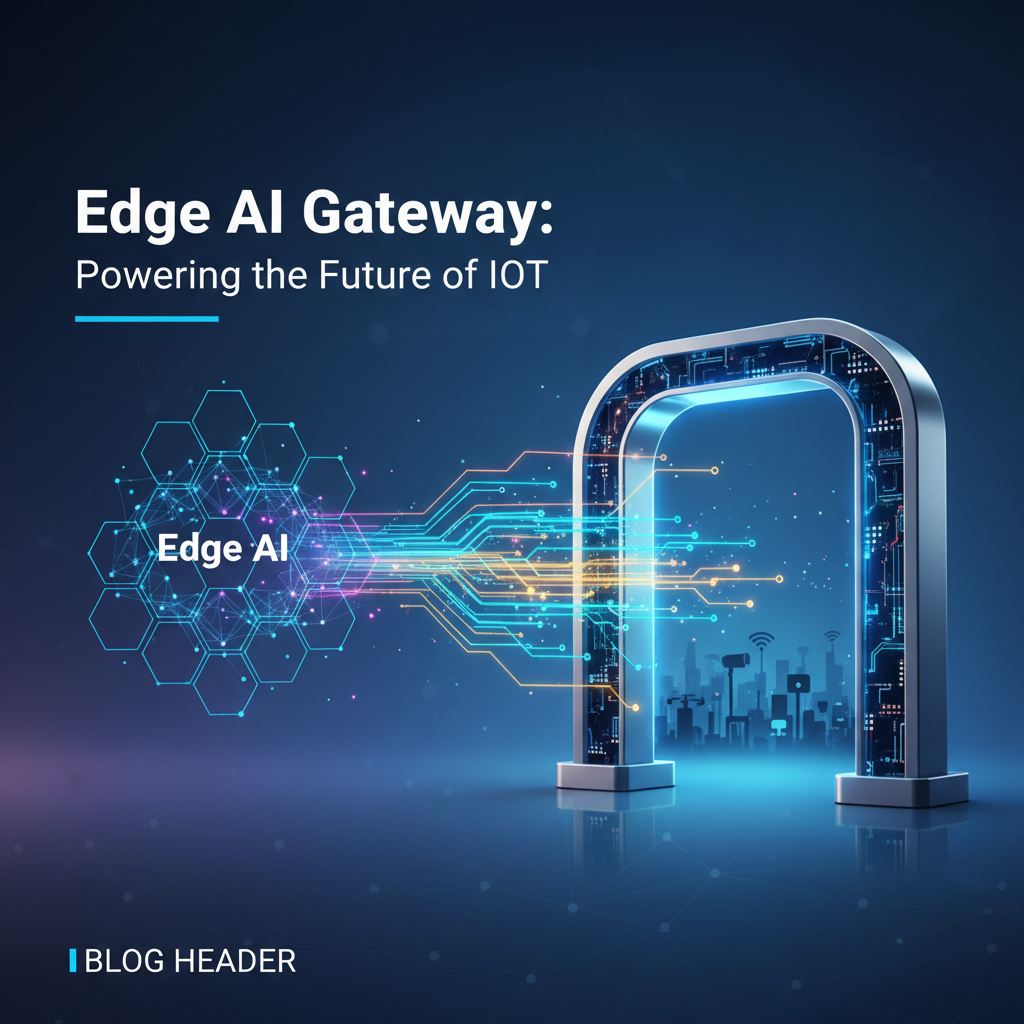


The relentless march of technology has propelled us into an era where the physical and digital worlds are increasingly intertwined. At the heart of this revolution lies the Internet of Things (IoT), a vast network of interconnected devices, sensors, and machines that generate an unprecedented torrent of data. From smart homes to sprawling industrial complexes, IoT promises a future of unparalleled efficiency, automation, and insight. However, the sheer scale and complexity of managing this data, extracting meaningful intelligence, and ensuring real-time responsiveness present formidable challenges. Traditional cloud-centric paradigms, while powerful, often grapple with the inherent limitations of latency, bandwidth constraints, privacy concerns, and intermittent connectivity when faced with the demands of billions of distributed IoT devices. It is within this intricate landscape of challenges and opportunities that the Edge AI Gateway emerges not just as a piece of hardware or software, but as a pivotal architectural component, poised to redefine the very fabric of IoT.
The Edge AI Gateway represents a paradigm shift, bringing the formidable processing power and analytical capabilities of Artificial Intelligence closer to the source of data generation – "the edge" of the network. This strategic relocation of intelligence promises to unlock real-time decision-making, empower autonomous systems, and enable a new generation of smart applications that were previously unimaginable. By intelligently processing data where it is created, these gateways alleviate the burdens on cloud infrastructure, enhance data security, and ensure the instantaneous responses critical for many mission-critical IoT deployments. This comprehensive exploration delves into the transformative role of Edge AI Gateways, dissecting their architecture, functionalities, underlying technologies, and profound impact on various industries, ultimately demonstrating their indispensable position in powering the future of IoT. The journey will reveal how these intelligent AI Gateway devices are not merely bridges, but intelligent processors, orchestrators, and guardians of the burgeoning IoT ecosystem.
Understanding the IoT Landscape and its Intrinsic Challenges
The Internet of Things has evolved from a nascent concept into a ubiquitous reality, fundamentally altering how industries operate, how cities function, and how individuals interact with their environments. Billions of devices, ranging from minuscule sensors embedded in agricultural fields to massive industrial robots on factory floors, are now continuously collecting and transmitting data. This exponential proliferation of IoT devices is projected to grow even further, with estimates suggesting tens of billions of connected endpoints within the next decade. This vast network generates an unprecedented volume of data, characterized by its immense velocity, diverse formats, and varying levels of criticality.
The sheer scale of this data deluge, however, brings forth a unique set of challenges that traditional centralized computing models struggle to address effectively. Firstly, latency is a critical concern for many IoT applications. In scenarios such as autonomous vehicles, industrial control systems, or healthcare monitoring, split-second decisions are paramount. Sending data from an edge device to a distant cloud server for processing and then awaiting a response introduces delays that can be catastrophic. For instance, a robotic arm on an assembly line needs to react instantly to anomalies detected by a vision system, not after a round trip to the cloud.
Secondly, bandwidth costs and availability pose significant hurdles. Transmitting petabytes of raw, unfiltered data from countless edge devices to the cloud is not only expensive but also inefficient and often impractical, especially in remote areas with limited network infrastructure or during peak usage times. This constant upstream data flow can saturate networks, leading to congestion and unreliable connectivity. Imagine a smart city deployment with thousands of surveillance cameras; uploading all raw video feeds in real-time to the cloud is simply not feasible from a bandwidth perspective.
Thirdly, data privacy and security are paramount considerations. Raw data, especially from sensitive environments like healthcare or personal residences, often contains personally identifiable information (PII) or proprietary business intelligence. Transmitting this data over public networks to a centralized cloud introduces multiple points of vulnerability and compliance risks. Data breaches can have severe financial, reputational, and legal consequences. Furthermore, many regulatory frameworks, such as GDPR in Europe or specific industry compliance standards, mandate that certain types of data processing occur locally or within specific geographical boundaries, making full cloud reliance problematic.
Finally, intermittent connectivity and scalability issues plague many IoT deployments. Devices in remote locations, mobile assets, or those operating in harsh environments may experience unreliable network access. In such cases, cloud-dependent applications would fail to function. Moreover, as the number of connected devices scales, the burden on centralized cloud servers for processing, storage, and management grows exponentially, leading to potential bottlenecks, increased operational costs, and diminished performance unless carefully architected. These fundamental limitations underscore the imperative for a more distributed, intelligent computing paradigm—a paradigm that brings computation, storage, and AI capabilities closer to the data source, directly addressing the core demands of real-world IoT applications. This is precisely where the capabilities of edge computing and subsequently, Edge AI Gateways, become not just advantageous, but absolutely indispensable.
The Rise of Edge Computing: A Foundation for Intelligence
The limitations inherent in purely cloud-centric IoT architectures have paved the way for the ascendance of edge computing, a transformative paradigm that fundamentally alters the locus of data processing. At its core, edge computing refers to the practice of processing data closer to where it is generated, rather than sending it all the way to a centralized data center or cloud. This decentralized approach places computational resources and intelligence at the "edge" of the network – think of devices like sensors, cameras, local servers, or specialized gateways – physically closer to the data sources themselves.
To fully appreciate edge computing, it’s helpful to contrast it with its cloud counterpart. Cloud computing centralizes processing power and storage in vast data centers, offering immense scalability and flexibility. It operates on a "pull" model, where data is ingested into the cloud for analysis and action. While excellent for heavy-duty analytics, long-term storage, and complex AI model training, the cloud's inherent distance from the data source introduces latency and bandwidth challenges, as discussed. Edge computing, on the other hand, operates on a "push" model, processing data locally and only sending curated, aggregated, or critical insights to the cloud. It doesn't replace the cloud but rather complements it, forming a powerful, hierarchical computing infrastructure.
The benefits derived from adopting an edge computing strategy are manifold and directly address the pain points of traditional IoT deployments:
- Reduced Latency: By performing computation locally, edge computing drastically cuts down the time required for data to travel to a distant server and back. This low-latency capability is crucial for real-time applications where immediate responses are critical, such as autonomous systems, critical infrastructure monitoring, and augmented reality. For instance, an emergency warning system on a smart highway needs to process sensor data and issue alerts within milliseconds, not seconds.
- Bandwidth Efficiency: Instead of transmitting raw, high-volume data streams (like continuous video feeds or high-frequency sensor readings) to the cloud, edge devices can process this data locally, filtering out noise, aggregating relevant information, and only sending summarized insights or actionable alerts upstream. This significantly reduces the amount of data traversing the network, conserving bandwidth, lowering transmission costs, and freeing up network capacity for other vital communications.
- Improved Security and Privacy: Processing sensitive data closer to its origin minimizes the exposure of that data during transit over public networks. Edge computing allows for data anonymization, aggregation, or encryption to occur before any data leaves the local environment. For highly regulated industries, it facilitates compliance with data residency and privacy regulations by keeping certain data entirely within specific geographic or organizational boundaries, reducing the risk of breaches and enhancing data governance.
- Offline Capabilities and Reliability: Edge devices can operate autonomously even when network connectivity to the cloud is intermittent or completely lost. This ensures continuous operation for critical applications in remote locations, mobile environments, or during network outages. Once connectivity is restored, synchronized data can be intelligently uploaded to the cloud, ensuring data integrity and consistency without service disruption.
- Enhanced Scalability: Distributing computational workloads across numerous edge devices instead of concentrating them in the cloud improves overall system scalability. As more devices are added to the IoT network, the processing capacity also increases locally, avoiding bottlenecks at central servers.
Edge computing, therefore, serves as the essential foundational layer for the next evolution of intelligent systems: Edge AI. By providing the localized processing power, robust connectivity, and security framework, it creates the perfect environment for deploying sophisticated Artificial Intelligence models directly where the data is born, transforming mere data collection into immediate, actionable intelligence. Without the principles and infrastructure of edge computing, the vision of a truly intelligent and responsive IoT ecosystem powered by AI would remain largely unattainable.
Deep Dive into Edge AI: Intelligence Where It Matters Most
Building upon the robust foundation of edge computing, Edge AI represents the next leap forward in the intelligent IoT paradigm. At its core, Edge AI refers to the deployment and execution of Artificial Intelligence algorithms and models directly on edge devices or within edge gateways, rather than relying solely on cloud-based AI inference engines. This fundamental shift brings the power of AI from distant data centers right to the immediate vicinity of the data source, embedding intelligence into the very fabric of the IoT ecosystem.
The motivation behind Edge AI is multifaceted and compelling. Firstly, it enables real-time insights and decision-making. When AI models run locally, the delay between data generation and actionable intelligence is drastically reduced to milliseconds. This is critical for applications demanding instantaneous responses, such as real-time anomaly detection in industrial machinery, facial recognition for access control, or collision avoidance systems in autonomous vehicles. Waiting for cloud processing in such scenarios is simply not an option.
Secondly, Edge AI significantly reduces reliance on cloud connectivity. By processing data locally, devices can perform complex analyses and make decisions even in environments with poor, intermittent, or non-existent network access. This enhances the resilience and autonomy of IoT deployments, making them suitable for remote installations, mobile assets, or situations where network outages are common.
Thirdly, it offers enhanced data privacy and security. With Edge AI, sensitive raw data can be processed and analyzed on the device itself, reducing or eliminating the need to transmit it to the cloud. Only aggregated insights, anonymized data points, or critical alerts might be sent upstream. This localized processing significantly mitigates the risks associated with data breaches during transit and helps organizations comply with stringent data privacy regulations by minimizing exposure of sensitive information.
Lastly, Edge AI can lead to lower operational costs. By reducing the volume of data sent to the cloud, organizations can save substantially on bandwidth and cloud storage fees. Furthermore, the distributed nature of edge processing can alleviate the computational load on centralized cloud servers, potentially reducing cloud infrastructure costs.
Edge AI encompasses various types of AI models and techniques optimized for resource-constrained environments:
- Machine Learning (ML) Inference: This is the most common application, where pre-trained ML models (e.g., for classification, regression, clustering) are deployed at the edge to make predictions or identify patterns. Examples include predictive maintenance algorithms identifying equipment failures or retail cameras analyzing customer behavior.
- Deep Learning (DL) Inference: While training deep learning models typically requires significant computational power (usually performed in the cloud or powerful data centers), their inferencing (applying a trained model to new data) can often be optimized to run efficiently on specialized edge hardware. This includes neural networks for image recognition, natural language processing (NLP) in voice assistants, or sophisticated anomaly detection in complex sensor data.
- Neural Networks: Specifically, convolutional neural networks (CNNs) are widely used for computer vision tasks at the edge (e.g., object detection, pose estimation), while recurrent neural networks (RNNs) or transformers might be optimized for time-series data analysis or limited NLP tasks. These models are often "quantized" or "pruned" to reduce their size and computational requirements without significantly sacrificing accuracy for edge deployment.
The applications of Edge AI are vast and rapidly expanding across numerous industries:
- Predictive Maintenance: In manufacturing and heavy industries, Edge AI analyzes real-time sensor data from machinery to predict equipment failures before they occur, enabling proactive maintenance and minimizing downtime.
- Anomaly Detection: Critical for security, quality control, and fraud prevention, Edge AI identifies unusual patterns or deviations from normal behavior in real-time, such as unauthorized access attempts, defects in products, or sudden changes in system performance.
- Smart Cities: Edge AI powers intelligent traffic management systems by analyzing real-time traffic flow, optimizing signal timings, and detecting incidents. It also enhances public safety through video analytics for crowd monitoring and unusual activity detection.
- Healthcare: For remote patient monitoring, Edge AI processes physiological data from wearables to detect anomalies, predict health emergencies, and provide personalized insights without continuously streaming sensitive data to the cloud.
- Retail: Edge AI analyzes customer footfall, shopping patterns, and shelf inventory in real-time to optimize store layouts, personalize offers, and manage stock efficiently, all while ensuring customer privacy by processing data locally.
- Industrial Automation: Robotics and automated systems leverage Edge AI for precise object manipulation, quality inspection, and dynamic process control, enabling faster and more accurate operations on the factory floor.
By embedding intelligence directly into the operational environment, Edge AI transforms passive data collection into active, intelligent decision-making, driving unprecedented levels of efficiency, autonomy, and responsiveness throughout the Internet of Things. This localized processing power is precisely what the Edge AI Gateway is designed to orchestrate and facilitate.
The Critical Role of the Edge AI Gateway
In the intricate architecture of an intelligent IoT ecosystem, the Edge AI Gateway stands as a central, indispensable component. Far more than a simple bridge between edge devices and the cloud, it functions as a sophisticated intermediary that brings powerful computational and analytical capabilities directly to the network edge. An Edge AI Gateway can be a dedicated hardware appliance, a ruggedized industrial PC, or even a virtualized software instance running on a powerful edge server. Its primary purpose is to act as a local hub for data aggregation, pre-processing, security enforcement, and most critically, to perform Artificial Intelligence inference, transforming raw data into actionable insights closer to the source. This strategic placement allows the gateway to mitigate many of the challenges associated with purely cloud-centric IoT deployments.
The core functions of an Edge AI Gateway are diverse and multi-layered, enabling a seamless and intelligent flow of data and decisions:
- Data Ingestion and Pre-processing: The gateway is the first point of contact for data from various edge devices (sensors, cameras, machines). It intelligently ingests data, often supporting multiple communication protocols (e.g., MQTT, CoAP, Modbus, OPC UA). Before any processing, the gateway performs crucial pre-processing tasks such as filtering out noisy or irrelevant data, normalizing diverse data formats, aggregating data from multiple sources, and compressing data to reduce its footprint. This significantly reduces the burden on downstream systems and ensures that only valuable data proceeds to AI inference.
- AI Inference: This is arguably the most defining function of an Edge AI Gateway. Equipped with specialized hardware accelerators (like GPUs, NPUs, FPGAs, or ASICs optimized for AI workloads), the gateway runs pre-trained AI models locally. It performs real-time inference on the ingested and pre-processed data to detect anomalies, classify objects, predict failures, or make autonomous decisions. For instance, a gateway in a retail store might analyze video feeds to identify customer dwell times or stock levels without sending the raw video to the cloud. This local inference provides immediate insights, critical for time-sensitive applications.
- Connectivity Management: Edge AI Gateways are adept at managing diverse network connections, bridging disparate communication protocols and ensuring reliable data flow. They support various wired and wireless protocols, including Ethernet, Wi-Fi, Cellular (4G/5G), LoRaWAN, Zigbee, Bluetooth, and even satellite. They can intelligently route data, manage network resilience (e.g., failing over to cellular if wired connection is lost), and ensure secure communication channels between edge devices, the gateway itself, and the cloud. This function is vital for maintaining continuous operation in environments with variable connectivity.
- Security: Given its central role, the Edge AI Gateway is a critical enforcement point for security within the IoT ecosystem. It implements robust security measures including secure boot, hardware-based root of trust, data encryption (at rest and in transit), device authentication, access control mechanisms, and firewall capabilities. The gateway can isolate less secure edge devices from the broader network, preventing unauthorized access and mitigating cyber threats. It acts as a trusted entity, ensuring data integrity and confidentiality from the edge to the cloud.
- Device Management: Managing a fleet of potentially thousands of IoT devices and gateways can be incredibly complex. The AI Gateway often includes capabilities for remote device management, such as provisioning new devices, deploying software updates and security patches over-the-air (OTA), monitoring device health and performance, and diagnosing issues remotely. This centralized management greatly simplifies operations and ensures the entire IoT infrastructure remains up-to-date and secure.
- Protocol Translation: In many IoT environments, devices from different manufacturers or generations use incompatible communication protocols. The Edge AI Gateway acts as a universal translator, converting data from one protocol to another, allowing disparate devices to communicate and integrate seamlessly into a unified system. For example, it can translate Modbus data from legacy industrial equipment into MQTT messages suitable for cloud consumption.
- Local Data Storage: While not a primary data center, the gateway typically includes local storage capabilities to cache data, store historical context for AI models, or buffer data during network outages. This ensures data persistence, supports offline operations, and can provide data for local analytics or reporting, enhancing the overall resilience and self-sufficiency of the edge deployment.
In essence, the Edge AI Gateway serves as the intelligent brain of the local IoT deployment. It is the crucial orchestrator that enables distributed intelligence, ensuring that valuable insights are extracted instantaneously, security policies are rigorously enforced, and seamless communication is maintained across a vast and diverse network of devices. This sophisticated gateway functionality is fundamental to unlocking the full potential of Edge AI and powering the next generation of smart, autonomous IoT applications.
Architectural Patterns and Deployment Scenarios for Edge AI Gateways
The deployment of Edge AI Gateways is not a one-size-fits-all solution; it adapts to the specific needs, scale, and criticality of various IoT applications. Understanding the common architectural patterns and real-world deployment scenarios is crucial for designing an effective and resilient intelligent IoT ecosystem. These patterns illustrate how Edge AI Gateways interact with both edge devices and centralized cloud resources, balancing local autonomy with global coordination.
Architectural Patterns:
- Stand-alone Edge Gateway (Fully Autonomous Edge):
- Description: In this model, the Edge AI Gateway performs the majority, if not all, of the data processing, AI inference, and decision-making locally. It operates with minimal or no continuous reliance on cloud connectivity, only periodically synchronizing configuration updates, new AI models, or aggregated insights to the cloud.
- Use Cases: Remote oil rigs, deep-sea exploration, military operations, smart agriculture in areas with poor connectivity, critical industrial control systems where cloud round-trips are unacceptable.
- Benefits: Extremely low latency, high reliability in disconnected environments, enhanced privacy (raw data never leaves the edge), reduced bandwidth costs.
- Considerations: Requires more powerful and resilient gateways, local management of models and software updates can be challenging, less scalable for centralized global insights.
- Hybrid Edge-Cloud (Collaborative Edge):
- Description: This is the most common and flexible architectural pattern, representing a synergistic relationship between edge and cloud. The Edge AI Gateway handles real-time data processing, immediate AI inference, and critical decision-making locally. The cloud, meanwhile, is leveraged for heavy-duty AI model training (using vast datasets), long-term data storage, big data analytics, global insights, and central management of multiple gateways. The gateway acts as an intelligent filter, sending only pre-processed, filtered, or aggregated data/insights to the cloud.
- Use Cases: Smart factories (predictive maintenance at edge, global production optimization in cloud), smart retail (customer analytics at edge, inventory management/supply chain in cloud), smart cities (traffic management at edge, urban planning in cloud).
- Benefits: Optimal balance of latency, bandwidth efficiency, scalability, and computational power. Leverages the strengths of both edge and cloud.
- Considerations: Requires robust communication and synchronization mechanisms between edge and cloud, complex data governance and API management.
- Distributed Edge AI (Hierarchical Edge):
- Description: This advanced pattern involves multiple layers of edge computing, where smaller, less powerful edge devices might perform initial data filtering, feeding into a more powerful Edge AI Gateway, which then may or may not interact with the cloud. It's a hierarchical structure of intelligence.
- Use Cases: Large-scale industrial sites with multiple zones, complex smart city deployments with district-level gateways, large agricultural operations.
- Benefits: Fine-grained control, improved fault tolerance, localized processing at multiple levels.
- Considerations: Increased architectural complexity, demanding distributed management and orchestration.
Industry-Specific Deployment Examples:
- Manufacturing (Predictive Maintenance & Quality Control):
- Scenario: Edge AI Gateways are deployed on factory floors, connected to vibration sensors, temperature probes, acoustic sensors, and machine vision cameras.
- Functionality: The AI Gateway runs real-time anomaly detection models on sensor data to predict machinery failure (e.g., bearing wear, motor overheating). Vision AI models analyze product quality in real-time, identifying defects on the assembly line.
- Interaction: Critical alerts are generated locally within milliseconds, triggering immediate shutdowns or maintenance requests. Aggregated performance data and identified defect patterns are sent to the cloud for long-term trend analysis, supply chain optimization, and AI model retraining.
- Smart Retail (Customer Analytics & Inventory Management):
- Scenario: Gateways are installed in retail stores, connected to surveillance cameras, shelf sensors, and point-of-sale (POS) systems.
- Functionality: Edge AI processes video feeds locally to analyze customer traffic patterns, dwell times in specific aisles, and queues at checkouts. It monitors shelf stock levels in real-time to detect empty shelves.
- Interaction: Store managers receive immediate alerts for long queues or low stock. Anonymized customer flow data is sent to the cloud for regional marketing strategy development and demand forecasting across multiple stores.
- Smart Cities (Traffic Management & Public Safety):
- Scenario: Edge AI Gateways are integrated into traffic lights, surveillance cameras, and environmental sensors at intersections or across city districts.
- Functionality: Gateways analyze real-time video to count vehicles, classify vehicle types, detect traffic incidents (accidents, congestion), and monitor pedestrian activity. Environmental sensors detect air quality or unusual sounds.
- Interaction: Traffic signal timings are dynamically adjusted by the edge gateway to optimize flow. Public safety alerts (e.g., suspicious activity detection) are immediately sent to local emergency services. Aggregated traffic patterns and environmental data are sent to a city-wide cloud platform for urban planning and long-term infrastructure development.
- Healthcare (Remote Patient Monitoring):
- Scenario: A compact Edge AI Gateway is deployed in a patient's home, connected to wearable medical devices (heart rate monitors, glucose meters) and environmental sensors.
- Functionality: The AI Gateway continuously monitors physiological data, running AI models to detect significant deviations or potential health crises (e.g., irregular heartbeats, sudden falls).
- Interaction: If a critical anomaly is detected, the gateway immediately alerts healthcare providers or family members. Only aggregated, anonymized trends are sent to a secure cloud platform for long-term health record management and research, ensuring patient data privacy.
These diverse deployment scenarios highlight the adaptability and necessity of Edge AI Gateways in bringing intelligence to where it creates the most immediate and impactful value, demonstrating their pivotal role in evolving the Internet of Things from a data collection network into a truly intelligent and responsive ecosystem.
APIPark is a high-performance AI gateway that allows you to securely access the most comprehensive LLM APIs globally on the APIPark platform, including OpenAI, Anthropic, Mistral, Llama2, Google Gemini, and more.Try APIPark now! 👇👇👇
Key Technologies Powering Edge AI Gateways
The advanced capabilities of Edge AI Gateways are not solely a result of their strategic placement but are deeply rooted in a sophisticated interplay of cutting-edge hardware, optimized software frameworks, robust operating systems, and efficient communication protocols. Understanding these underlying technologies is crucial to appreciating how these gateways deliver on their promise of real-time, intelligent processing at the edge.
Hardware for AI Acceleration:
The ability to perform AI inference efficiently at the edge hinges critically on purpose-built hardware. Unlike general-purpose CPUs, AI workloads often require parallel processing capabilities to handle complex matrix operations inherent in neural networks.
- CPUs (Central Processing Units): While traditional CPUs (like ARM Cortex-A series or Intel Atom/Core i series) can perform AI inference, they are less efficient for highly parallel tasks. However, modern CPUs are increasingly incorporating vector extensions and instruction sets optimized for AI (e.g., Intel AVX-512 VNNI, ARM Neon/SVE2), making them suitable for less demanding or latency-critical AI tasks.
- GPUs (Graphics Processing Units): NVIDIA's Jetson platform is a prominent example of GPU-accelerated edge AI. GPUs are inherently designed for parallel processing, making them highly efficient for deep learning inference. They excel in computer vision tasks, processing multiple video streams or complex image data simultaneously.
- NPUs (Neural Processing Units): These are specialized accelerators explicitly designed for neural network operations. NPUs offer superior power efficiency and performance for AI inference compared to general-purpose CPUs or even GPUs in certain contexts, as they are optimized at the hardware level for common AI operations like convolutions and matrix multiplications. Many System-on-Chips (SoCs) for edge devices now integrate dedicated NPUs.
- FPGAs (Field-Programmable Gate Arrays): FPGAs offer a balance of flexibility and performance. They can be reconfigured post-deployment to optimize for specific AI models or workloads, providing high performance for custom AI tasks while consuming less power than GPUs in some scenarios.
- ASICs (Application-Specific Integrated Circuits): These are custom-designed chips offering the highest performance and power efficiency for a very specific AI workload. While expensive to develop, ASICs are ideal for high-volume deployments with stable AI model requirements. Google's Edge TPU is a prime example, optimized for TensorFlow Lite models.
Software Frameworks for Edge Deployment:
Once the hardware foundation is in place, optimized software frameworks are essential for developing, deploying, and running AI models efficiently at the edge.
- TensorFlow Lite: A lightweight version of Google's TensorFlow, specifically designed for mobile and embedded devices. It supports model optimization techniques like quantization (reducing precision of weights/activations) and pruning (removing redundant connections) to minimize model size and computational demands without significant accuracy loss.
- OpenVINO (Open Visual Inference and Neural Network Optimization): Developed by Intel, OpenVINO is a toolkit for optimizing and deploying AI inference. It supports various hardware (CPUs, GPUs, FPGAs, VPUs) and automatically optimizes models from frameworks like TensorFlow, PyTorch, and ONNX for Intel hardware, providing significant performance boosts.
- ONNX Runtime: An open-source inference engine that works with models from various deep learning frameworks. It allows developers to run trained models efficiently on different hardware, often leveraging hardware accelerators, making it a versatile choice for edge deployments.
- PyTorch Mobile: A lightweight runtime for PyTorch models, designed for on-device inference.
Operating Systems (OS):
Edge AI Gateways require operating systems that are robust, secure, and often optimized for embedded or real-time performance.
- Linux Distributions: Highly popular due to their open-source nature, flexibility, and strong community support. Examples include Ubuntu Core (transactional updates, snap packages for secure app isolation), Yocto Project (customizable embedded Linux), and Debian-based distributions.
- Real-time Operating Systems (RTOS): For applications demanding deterministic behavior and strict timing constraints (e.g., industrial control), RTOS like VxWorks or FreeRTOS might be used, often alongside a Linux layer for higher-level functions.
Containerization and Orchestration:
Managing applications on numerous edge gateways requires efficient deployment, isolation, and orchestration.
- Docker: Containerization technology allows AI models and their dependencies to be packaged into isolated, portable units (containers). This ensures consistency across different edge devices and simplifies deployment.
- Kubernetes (and its lightweight variants): While full Kubernetes might be too heavy for many edge gateways, lightweight versions like K3s (Kubernetes for the Edge) or projects like KubeEdge and OpenYurt extend Kubernetes capabilities to the edge, enabling centralized orchestration, deployment, and management of containerized workloads across a distributed fleet of gateways.
Communication Protocols:
Edge AI Gateways act as crucial communication hubs, supporting various protocols to interact with edge devices and the cloud.
- MQTT (Message Queuing Telemetry Transport): A lightweight, publish-subscribe messaging protocol ideal for IoT devices due to its low bandwidth requirements and efficiency.
- AMQP (Advanced Message Queuing Protocol): A more robust, enterprise-grade messaging protocol offering guaranteed message delivery and sophisticated routing.
- CoAP (Constrained Application Protocol): Designed for constrained devices and networks, often used for device-to-device communication at the very edge.
- REST APIs: While often associated with web services, RESTful APIs are fundamental for communication between the AI Gateway and higher-level applications, cloud services, or for exposing the gateway's capabilities to other components. The strategic use of a robust api gateway is crucial here for managing access, security, and traffic for these interactions.
The synergy between these advanced technologies – from specialized AI hardware accelerators to optimized software frameworks and robust communication protocols – empowers Edge AI Gateways to function as intelligent, autonomous nodes within the IoT landscape, enabling real-time insights and decision-making right at the source of data generation.
The API Gateway Component in Edge AI Architectures
In the context of Edge AI architectures, while the Edge AI Gateway itself is a multifaceted device managing data, processing, and connectivity, the concept of an API Gateway takes on a specialized and profoundly crucial role. Whether integrated directly into the Edge AI Gateway's software stack or deployed as a separate, complementary service, an API Gateway is indispensable for effectively managing and exposing the intelligence and data residing at the edge to other applications, microservices, and users. It acts as the single entry point for external consumers to access the capabilities of the edge system, bringing order, security, and scalability to the interaction layer.
The necessity of an API Gateway in an Edge AI architecture stems from several key requirements:
- Exposing Edge Services and AI Capabilities: Edge AI Gateways perform sophisticated tasks like real-time anomaly detection, object recognition, or predictive analytics. To make these insights and services consumable by other applications (e.g., a mobile app for factory managers, a cloud dashboard for city planners, or another microservice in a distributed system), they need to be exposed through well-defined APIs. An API Gateway centralizes the definition and publication of these edge-based APIs, making it easy for developers to discover and integrate with them.
- Security and Access Control: Edge resources and the data they process are often highly sensitive. An API Gateway acts as the primary security enforcement point for all incoming API requests destined for the edge. It handles crucial security functions such as:
- Authentication: Verifying the identity of the API caller (e.g., using API keys, OAuth tokens, JWTs).
- Authorization: Ensuring that authenticated callers have the necessary permissions to access specific edge APIs or data.
- Rate Limiting/Throttling: Protecting the edge gateway and its connected devices from overload or malicious attacks by controlling the number of requests a client can make within a given timeframe.
- Encryption: Ensuring that all communication between clients and the edge APIs is encrypted (e.g., via HTTPS/TLS).
- Traffic Management and Routing: As the central point of entry, an API Gateway can intelligently route incoming requests to the correct underlying edge service or AI model. In more complex deployments, it can perform load balancing across multiple edge nodes or even geographical regions, ensuring high availability and optimal performance. This is particularly relevant in distributed Edge AI architectures where multiple gateways might be processing similar workloads.
- Protocol Transformation and Abstraction: Edge devices and internal edge services might use various communication protocols (MQTT, gRPC, custom binary protocols). An API Gateway can abstract away these underlying complexities, presenting a consistent and standardized API (often RESTful) to external consumers. This simplifies client-side development, as clients only need to interact with the well-defined API Gateway endpoint, irrespective of the diverse protocols used internally at the edge.
- Monitoring, Analytics, and Logging: The API Gateway provides a centralized point for monitoring API usage, performance, and errors. It can collect comprehensive logs of all API calls, including request and response details, latency, and error codes. This data is invaluable for troubleshooting, performance optimization, auditing, and understanding how edge AI capabilities are being consumed. It helps in detecting unusual access patterns or potential security incidents.
- API Versioning and Lifecycle Management: As edge AI models evolve or new functionalities are added, APIs may need to be updated. An API Gateway simplifies API versioning, allowing multiple versions of an API to coexist, ensuring backward compatibility for existing clients while enabling new features for others. It also assists in the entire lifecycle management of APIs from design and publication to deprecation.
Considering the growing complexity of managing AI models and services, especially those interacting with the edge, a powerful and flexible api gateway solution is not just an advantage, but a necessity. This is where platforms like APIPark come into play. APIPark, as an open-source AI gateway and API management platform, offers a comprehensive suite of features perfectly suited to orchestrating AI services, whether they reside in the cloud or integrate with edge components. Its capability for quick integration of over 100 AI models means that AI services running at the edge (or those consumed by edge devices) can be seamlessly onboarded and managed. Furthermore, APIPark's unified API format for AI invocation is invaluable; it standardizes request data across AI models, ensuring that changes in underlying AI algorithms or prompts don't break applications or microservices that interact with edge AI. Features like prompt encapsulation into REST APIs allow edge-generated insights or local AI inferences to be easily exposed as new, consumable APIs, simplifying development and reducing maintenance costs.
Beyond these specific AI-centric features, APIPark provides robust end-to-end API lifecycle management, traffic forwarding, load balancing, and versioning – all crucial for governing the APIs that enable interaction with Edge AI Gateways. Its performance, rivaling Nginx with over 20,000 TPS, ensures that even high-volume data flows to and from the edge can be handled efficiently. Moreover, detailed API call logging and powerful data analysis capabilities are essential for monitoring the health and performance of edge-integrated API services, providing the visibility needed for proactive maintenance and issue resolution. By streamlining API governance and securing the interaction points, platforms like APIPark significantly simplify the deployment and ongoing management of sophisticated Edge AI architectures, making the intelligent edge more accessible and governable.
Challenges and Considerations in Deploying Edge AI Gateways
While the promise of Edge AI Gateways is immense, their deployment is not without its complexities. Organizations embarking on this journey must carefully consider a range of challenges, from technical hurdles to operational intricacies, to ensure successful and sustainable implementations. Addressing these considerations proactively is paramount for unlocking the full potential of distributed intelligence.
1. Hardware Selection and Optimization:
- Challenge: Choosing the right hardware for an Edge AI Gateway involves a delicate balance between computational performance (for AI inference), power consumption (especially for remote or battery-powered deployments), ruggedness (for harsh industrial or outdoor environments), form factor, and cost. Over-specifying hardware leads to unnecessary expenses, while under-specifying results in poor performance.
- Considerations: Evaluate specific AI workloads (e.g., simple classification vs. complex object detection on multiple video streams). Consider dedicated AI accelerators (GPUs, NPUs, FPGAs) if performance is critical. Factor in environmental conditions (temperature, humidity, vibration) and choose industrial-grade components where necessary. Assess power budgets and availability (AC, DC, Power over Ethernet, solar).
2. Model Optimization and Deployment:
- Challenge: AI models trained in the cloud often require significant computational resources and memory. Deploying these "heavy" models directly to resource-constrained edge gateways can lead to slow inference times, excessive power consumption, or even outright failure.
- Considerations: Implement model optimization techniques such as:
- Quantization: Reducing the precision of model weights (e.g., from 32-bit floating point to 8-bit integer) to shrink model size and speed up inference.
- Pruning: Removing redundant connections or neurons from the neural network without significant loss of accuracy.
- Knowledge Distillation: Training a smaller "student" model to mimic the behavior of a larger "teacher" model.
- Architecture Search (NAS): Designing compact, efficient neural network architectures specifically for edge devices.
- Utilize optimized inference engines (TensorFlow Lite, OpenVINO, ONNX Runtime) that are designed for edge hardware.
3. Security at the Edge:
- Challenge: Edge AI Gateways are physically exposed and operate outside the traditional perimeter of a corporate data center, making them vulnerable to physical tampering, network attacks, and supply chain compromises. Securing the gateway itself, the data it processes, and the entire communication chain is a complex endeavor.
- Considerations:
- Hardware Security: Implement secure boot, hardware-based root of trust (e.g., TPM modules), and tamper detection.
- Software Security: Use secure operating systems (e.g., Ubuntu Core with Snap confinement), implement robust access controls, firewalls, and regular security patching.
- Data Security: Encrypt data at rest and in transit (TLS/SSL). Anonymize or aggregate sensitive data before it leaves the edge.
- Network Security: Isolate edge networks, use VPNs for remote access, and implement strong authentication for all connections.
- Supply Chain Security: Ensure the integrity of hardware and software components from trusted vendors.
4. Scalability and Management of a Vast Fleet:
- Challenge: As the number of deployed Edge AI Gateways scales from tens to thousands or even millions, managing their configuration, software updates, monitoring their health, and orchestrating their workloads becomes an enormous operational burden.
- Considerations: Implement a robust device management platform that supports:
- Remote Provisioning: Automating the setup and configuration of new gateways.
- Over-the-Air (OTA) Updates: Securely deploying firmware, OS, application, and AI model updates remotely.
- Centralized Monitoring: Collecting telemetry data (CPU usage, memory, network, AI inference performance) from all gateways to detect issues proactively.
- Containerization and Orchestration: Use Docker and lightweight Kubernetes (K3s, KubeEdge) to manage application deployments consistently across the fleet.
- Automated Rollbacks: Ability to revert to previous stable versions in case of failed updates.
5. Data Governance and Privacy:
- Challenge: Processing data at the edge, especially sensitive data (e.g., from healthcare, surveillance), introduces complex data governance and privacy challenges, requiring compliance with regulations like GDPR, CCPA, and industry-specific standards.
- Considerations:
- Define clear data retention policies at the edge.
- Implement data minimization strategies – only collect and process data absolutely necessary.
- Ensure robust anonymization or pseudonymization techniques for any data leaving the edge.
- Develop consent mechanisms where applicable.
- Conduct regular privacy impact assessments.
6. Interoperability and Integration:
- Challenge: Edge AI Gateways often need to interact with a multitude of disparate IoT devices, legacy systems, and cloud platforms, each with its own protocols, data formats, and APIs. Achieving seamless interoperability can be complex.
- Considerations:
- Support open standards and protocols (MQTT, OPC UA, REST APIs).
- Implement robust protocol translation capabilities within the AI Gateway.
- Design flexible data models and integration layers.
- Leverage platforms like APIPark to standardize and manage the APIs exposing edge services, simplifying integration for other systems.
7. Software Updates and Maintenance:
- Challenge: The software stack on an Edge AI Gateway, from the OS to AI models, requires continuous updates and maintenance to fix bugs, address security vulnerabilities, and improve performance. Performing these updates reliably and securely across a large, distributed fleet in potentially remote locations is a major operational challenge.
- Considerations:
- Implement robust OTA update mechanisms with error handling and rollback capabilities.
- Adopt a modular software architecture (e.g., containerization) to update components independently.
- Establish clear maintenance schedules and remote diagnostic tools.
- Ensure cryptographic signing of all software updates to prevent malicious injections.
Navigating these challenges requires careful planning, robust engineering, and a holistic approach to security and operations. However, by systematically addressing each of these considerations, organizations can effectively harness the power of Edge AI Gateways to build resilient, secure, and intelligent IoT solutions that are truly fit for the future.
Impact and Future Trends of Edge AI Gateways
The profound impact of Edge AI Gateways is already reshaping numerous industries, and their transformative potential is only just beginning to unfold. By bringing sophisticated intelligence directly to the data source, these gateways are not merely optimizing existing processes; they are enabling entirely new paradigms of interaction, automation, and insight across the Internet of Things. Their influence will only deepen as technology evolves and adoption accelerates.
Transformative Impact:
- Democratization of AI: Edge AI Gateways are instrumental in democratizing access to powerful AI capabilities. They allow complex AI models to be deployed in environments where cloud connectivity is prohibitive, bandwidth is scarce, or computational resources are limited. This brings AI to the factory floor, the remote agricultural field, the local retail store, and even personal devices, making advanced analytics accessible to a broader range of users and applications.
- Hyper-Personalization and Contextual Awareness: By processing data locally, Edge AI Gateways can provide highly personalized and contextually aware experiences in real-time. In smart homes, they can adapt environmental controls based on individual preferences and presence. In retail, they can offer immediate, tailored recommendations based on in-store behavior. This level of responsiveness is difficult to achieve with cloud-centric approaches due to inherent latency.
- Foundation for Autonomous Systems: The low-latency, real-time decision-making capabilities of Edge AI Gateways are foundational for truly autonomous systems. Self-driving vehicles, intelligent robots, and self-optimizing industrial control systems rely on instantaneous processing of sensor data to navigate, interact, and respond safely and effectively to dynamic environments. The AI Gateway acts as the localized brain for these critical applications.
- New Business Models and Service Offerings: Edge AI enables innovative business models, such as "AI-as-a-Service at the Edge." Companies can offer specialized AI analytics directly on customer premises or integrate intelligent edge capabilities into their products, providing value-added services like predictive maintenance subscriptions or real-time quality control solutions. This shifts the focus from selling hardware to selling outcomes and intelligence.
Emerging Technologies and Future Trends:
The evolution of Edge AI Gateways will be driven by advancements in several interconnected technological domains:
- 5G and Beyond: The widespread rollout of 5G networks, with their ultra-low latency, high bandwidth, and massive connectivity capabilities, will supercharge Edge AI. 5G will enable more sophisticated interactions between edge gateways and the cloud, facilitate richer data exchange, and support larger clusters of edge devices, paving the way for truly distributed AI applications. Future generations (6G) promise even more profound integration of sensing, communication, and computation.
- Neuromorphic Chips: Beyond traditional CPUs, GPUs, and NPUs, neuromorphic computing is an emerging field that designs hardware mimicking the structure and function of the human brain. These chips promise ultra-low power consumption and highly efficient processing for specific AI workloads, particularly event-driven or sparse data, making them ideal for the next generation of power-constrained edge AI Gateways.
- Federated Learning: This privacy-preserving machine learning technique allows AI models to be trained collaboratively across multiple decentralized edge devices or gateways without exchanging raw data. Instead, only model updates (gradients) are sent to a central server, which aggregates them to create a global model. This approach is critical for scenarios where data privacy is paramount, such as healthcare or personal assistants.
- Blockchain for Trust and Security: Distributed ledger technologies like blockchain could be leveraged at the edge to enhance the security, transparency, and trustworthiness of data and AI models. Blockchain could verify the integrity of sensor data, securely manage device identities, and ensure the provenance of AI models deployed on Edge AI Gateways, creating a more resilient and auditable IoT ecosystem.
- Edge AI Model Lifecycle Management Automation: As edge deployments grow, automating the entire lifecycle of AI models – from training in the cloud, optimization for the edge, deployment, monitoring performance, and retraining/updating – will become crucial. Tools and platforms that integrate MLOps (Machine Learning Operations) principles with edge device management will be essential for continuous improvement and operational efficiency.
Ethical AI at the Edge:
As AI capabilities become more ubiquitous at the edge, ethical considerations gain heightened importance. Ensuring bias mitigation in AI models, particularly in applications like facial recognition or predictive policing, will be critical. The need for transparency and explainability in edge AI decisions will grow, especially in sensitive domains. Furthermore, the inherent privacy benefits of Edge AI must be carefully balanced with the potential for increased surveillance if not governed responsibly. The development of robust frameworks for responsible AI will be an ongoing imperative.
In summary, Edge AI Gateways are not merely a technological trend but a fundamental shift in how we conceive and deploy intelligent systems within the IoT. They are the linchpin for real-time responsiveness, enhanced security, and true autonomy. As these gateway technologies continue to evolve, fueled by advancements in hardware, connectivity, and AI algorithms, they will undoubtedly unlock unprecedented opportunities, driving innovation across every sector and ultimately powering a future where the Internet of Things is not just connected, but truly intelligent.
Use Cases and Industry Examples for Edge AI Gateways
To further illustrate the tangible impact and versatility of Edge AI Gateways, examining their deployment across diverse industries provides concrete examples of their transformative power. These gateways are not confined to a single sector but are proving instrumental in enhancing efficiency, safety, and operational intelligence wherever real-time data processing and localized decision-making are critical.
Here’s a table outlining key industries, specific applications of Edge AI Gateways, the core benefits reaped, and the relevant AI models or techniques typically employed:
| Industry | Edge AI Gateway Application | Key Benefits | Relevant AI Models/Techniques |
|---|---|---|---|
| Manufacturing | Predictive Maintenance: Analyze vibration, temperature, acoustic data from machines. | Reduced unplanned downtime, extended asset lifespan, optimized maintenance schedules. | Anomaly Detection (Time-Series), Supervised Learning (Classification), CV (for visual inspection). |
| Quality Control & Defect Detection: Real-time visual inspection of products on assembly lines. | Improved product quality, reduced waste/rework, faster throughput. | Computer Vision (Object Detection, Segmentation), Deep Learning. | |
| Smart Retail | Customer Flow & Behavior Analysis: Monitor footfall, dwell times, queue lengths using video analytics. | Optimized store layouts, improved staffing, personalized marketing offers, enhanced security. | Computer Vision (Object Tracking, Pose Estimation), Anomaly Detection. |
| Inventory & Shelf Monitoring: Detect out-of-stock items, monitor product placement. | Reduced stockouts, optimized replenishment, improved planogram compliance. | Computer Vision (Object Detection, Classification). | |
| Smart Cities | Traffic Management & Optimization: Analyze real-time vehicle and pedestrian flow at intersections. | Reduced congestion, improved safety, optimized traffic signal timing, faster emergency response. | Computer Vision (Object Tracking, Classification), Time-Series Analysis. |
| Public Safety & Anomaly Detection: Detect unusual activities, unauthorized access, or suspicious objects. | Enhanced security, faster incident response, proactive threat mitigation. | Computer Vision (Behavioral Analysis), Anomaly Detection. | |
| Healthcare | Remote Patient Monitoring (RPM): Analyze physiological data from wearables (heart rate, glucose, sleep patterns). | Timely intervention, improved patient outcomes, reduced hospital readmissions, enhanced privacy. | Time-Series Analysis (Anomaly Detection), Classification, Predictive Analytics. |
| Elderly Fall Detection: Real-time analysis of motion sensor or camera data to detect falls. | Faster assistance in emergencies, improved safety and peace of mind. | Computer Vision (Pose Estimation), Anomaly Detection. | |
| Agriculture | Crop Health Monitoring: Analyze drone or fixed camera imagery for signs of disease, pests, or nutrient deficiencies. | Optimized pesticide/fertilizer use, increased yield, early disease detection. | Computer Vision (Image Classification, Segmentation), Deep Learning. |
| Livestock Monitoring: Track animal health, behavior, and location using sensor data. | Early detection of illness, improved animal welfare, optimized breeding. | Time-Series Analysis, Anomaly Detection. | |
| Energy & Utilities | Grid Optimization & Anomaly Detection: Monitor power lines, transformers, and smart meters for faults or inefficiencies. | Improved grid stability, reduced outages, optimized energy distribution, predictive maintenance. | Predictive Analytics, Anomaly Detection (Time-Series). |
| Renewable Energy Forecasting: Local processing of weather and sensor data to optimize energy generation. | More accurate power generation forecasts, improved grid integration. | Regression Analysis, Time-Series Forecasting. | |
| Automotive & Transportation | ADAS (Advanced Driver-Assistance Systems): Real-time processing of sensor data (radar, lidar, cameras) for collision avoidance, lane keeping. | Enhanced vehicle safety, reduced accidents, improved driving experience. | Computer Vision (Object Detection, Tracking), Sensor Fusion, Deep Learning. |
| Fleet Management & Predictive Maintenance: Monitor vehicle health, driving patterns, and route optimization. | Reduced maintenance costs, improved fuel efficiency, enhanced safety. | Time-Series Analysis, Predictive Analytics, Anomaly Detection. |
These examples underscore the versatility and critical importance of Edge AI Gateways across a spectrum of industries. By bringing processing power, AI capabilities, and robust api gateway management directly to the operational environment, they are enabling businesses and organizations to unlock real-time insights, drive automation, enhance safety, and ultimately, power the intelligent future of IoT. The ability to process data where it matters most is not just an efficiency gain; it's a fundamental shift that empowers innovation and reshapes entire sectors.
Conclusion
The journey through the intricate world of Edge AI Gateways reveals a technology not just pivotal, but fundamentally transformative for the future of the Internet of Things. We've traversed the burgeoning landscape of IoT, identified the formidable challenges inherent in a purely cloud-centric model – namely latency, bandwidth constraints, privacy concerns, and scalability limitations – and witnessed how edge computing laid the essential groundwork for localized intelligence. The emergence of Edge AI then elevated this concept, embedding sophisticated analytical and decision-making capabilities directly into the fabric of distributed networks.
At the heart of this evolution stands the Edge AI Gateway, a multifaceted, intelligent device that serves as the crucial orchestrator and processing hub at the very edge of the network. We've delved into its core functions: intelligent data ingestion and pre-processing, real-time AI inference, robust connectivity management, stringent security enforcement, seamless device management, and critical protocol translation. These capabilities collectively enable the gateway to transform raw data into immediate, actionable insights, empowering autonomous systems and driving unprecedented levels of efficiency and responsiveness.
The architectural patterns, from stand-alone to hybrid and distributed edge models, highlight the adaptability of these gateways to diverse deployment scenarios across manufacturing, retail, smart cities, and healthcare. We've also explored the powerful synergy of underlying technologies – purpose-built AI hardware accelerators, optimized software frameworks, resilient operating systems, and efficient communication protocols – that empower these gateways to deliver on their promise. Critically, we identified the indispensable role of the API Gateway component, whether integrated or complementary, in securing, managing, and exposing the intelligence residing at the edge, making it consumable by other applications and microservices. Platforms like APIPark exemplify how dedicated AI Gateway and API management solutions can streamline the governance and integration of these complex AI services, particularly as they interact with the distributed nature of the edge.
While the path to widespread Edge AI deployment presents its own set of challenges – from hardware selection and model optimization to stringent security, scalable management, and data governance – addressing these considerations proactively is vital for successful implementation. Yet, the transformative impact of Edge AI Gateways is undeniable: they are democratizing AI, enabling hyper-personalization, forming the bedrock for truly autonomous systems, and fostering innovative new business models. Looking ahead, advancements in 5G, neuromorphic computing, federated learning, and blockchain will further amplify their capabilities, pushing the boundaries of what is possible at the intelligent edge.
In conclusion, Edge AI Gateways are more than just a technological trend; they are the essential lynchpin for unlocking the true potential of the IoT. By bringing intelligence closer to the source of data, they are not merely optimizing existing processes but fundamentally reshaping how industries operate, how cities function, and how we interact with our connected world. They are the silent powerhouses enabling real-time decisions, enhancing security, and fostering a new era of innovation, truly powering the future of IoT.
5 Frequently Asked Questions (FAQs)
1. What exactly is an Edge AI Gateway and how does it differ from a regular IoT Gateway?
An Edge AI Gateway is a specialized type of IoT gateway that integrates significant computational power, often including hardware accelerators like GPUs or NPUs, to perform Artificial Intelligence (AI) inference directly at the "edge" of the network (closer to the data source). While a regular IoT gateway primarily focuses on collecting data from devices, translating protocols, and securely transmitting that data to the cloud, an Edge AI Gateway goes a step further by processing, analyzing, and making intelligent decisions based on AI models locally, reducing reliance on cloud connectivity for real-time insights and actions. It's an intelligent hub, not just a data conduit.
2. Why is Edge AI so important for the future of IoT, and what are its main advantages?
Edge AI is crucial for the future of IoT because it addresses several key limitations of purely cloud-centric systems. Its main advantages include: * Reduced Latency: Enables real-time decision-making crucial for autonomous systems and critical applications. * Bandwidth Efficiency: Processes data locally, sending only filtered or aggregated insights to the cloud, significantly reducing data transmission costs and network congestion. * Enhanced Security & Privacy: Keeps sensitive raw data on-premises, minimizing exposure during transit and aiding compliance with data privacy regulations. * Offline Operation: Allows devices to function autonomously even with intermittent or no cloud connectivity. * Lower Operational Costs: Reduces cloud computing, storage, and bandwidth expenses. It transforms reactive IoT systems into proactive, intelligent, and autonomous ones.
3. What kind of AI tasks can an Edge AI Gateway perform?
Edge AI Gateways are primarily optimized for AI inference, meaning they apply pre-trained AI models to new data to make predictions or classifications. Common tasks include: * Computer Vision: Object detection, facial recognition, anomaly detection in video streams (e.g., detecting defects on an assembly line, monitoring traffic). * Predictive Analytics: Analyzing sensor data (vibration, temperature, acoustics) to predict equipment failures or maintenance needs. * Natural Language Processing (NLP): Simple voice commands, keyword spotting, or text analysis for local applications. * Anomaly Detection: Identifying unusual patterns in data that might indicate security breaches, operational faults, or health emergencies. These tasks are performed in real-time, directly where the data is generated.
4. How does an API Gateway fit into an Edge AI architecture, and why is it necessary?
An API Gateway acts as a single, secure entry point for external applications or microservices to access the intelligence and data provided by the Edge AI Gateway. It's necessary for several reasons: * Centralized Access: Simplifies how other systems interact with edge AI services, providing a unified interface. * Security Enforcement: Handles authentication, authorization, and rate limiting for API requests, protecting edge resources. * Traffic Management: Routes requests efficiently, load balances across edge nodes, and ensures high availability. * Protocol Transformation: Abstracts away diverse internal edge protocols, presenting a standardized API to consumers. * Monitoring & Analytics: Provides detailed logs and metrics on API usage and performance, essential for operational oversight. Solutions like APIPark specifically cater to managing these APIs, especially those integrating AI models, ensuring seamless and secure interactions with edge-based intelligence.
5. What are the main challenges when deploying Edge AI Gateways, and how can they be addressed?
Deploying Edge AI Gateways comes with several challenges: * Hardware Selection: Balancing performance, cost, power, and ruggedness. Addressed by careful workload analysis and choosing purpose-built AI accelerators. * Model Optimization: AI models are often too large for edge devices. Addressed by techniques like quantization, pruning, and using optimized inference engines (TensorFlow Lite, OpenVINO). * Security: Physical exposure and network vulnerabilities. Addressed by secure boot, hardware roots of trust, data encryption, and robust access controls. * Scalability & Management: Managing a vast fleet of devices. Addressed by remote provisioning, Over-The-Air (OTA) updates, containerization (Docker, K3s), and centralized management platforms. * Data Governance & Privacy: Compliance with regulations. Addressed by data minimization, anonymization, and clear privacy policies at the edge. Proactive planning, robust engineering, and leveraging specialized management tools are key to overcoming these challenges.
🚀You can securely and efficiently call the OpenAI API on APIPark in just two steps:
Step 1: Deploy the APIPark AI gateway in 5 minutes.
APIPark is developed based on Golang, offering strong product performance and low development and maintenance costs. You can deploy APIPark with a single command line.
curl -sSO https://download.apipark.com/install/quick-start.sh; bash quick-start.sh

In my experience, you can see the successful deployment interface within 5 to 10 minutes. Then, you can log in to APIPark using your account.

Step 2: Call the OpenAI API.