Elevate Your Yard: Stunning Home Deck Icons & Designs
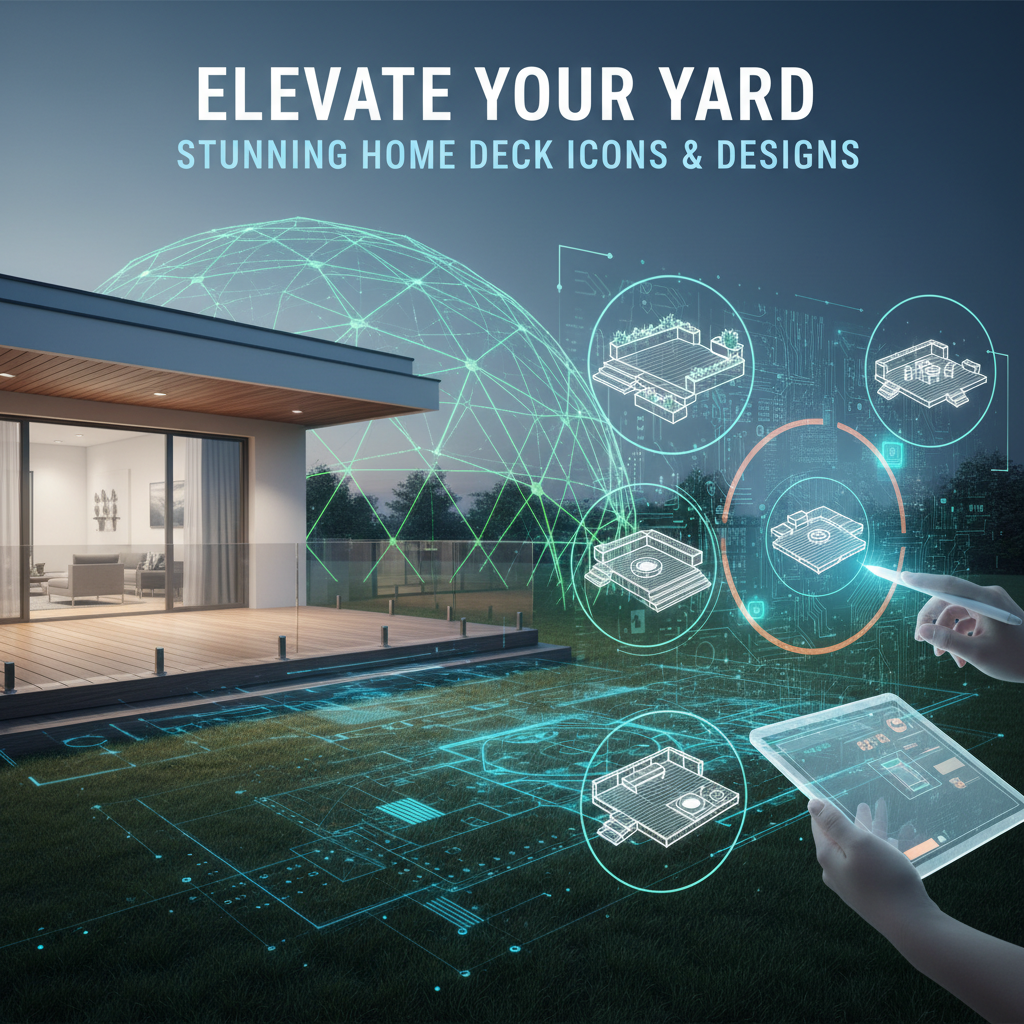


The allure of a beautifully designed home deck is undeniable. It transforms a mere patch of backyard into an extension of your living space, a sanctuary for relaxation, a vibrant stage for entertaining, and a seamless bridge between indoor comfort and outdoor splendor. Far more than just an elevated platform, a deck is an architectural statement, a personalized retreat, and a significant investment in both lifestyle and property value. From the initial conceptualization to the final flourishing plants, every detail contributes to creating an iconic outdoor space that truly elevates your yard. This comprehensive guide delves into the myriad possibilities of deck design, exploring styles, materials, features, and the nuanced considerations that turn a simple idea into a breathtaking reality.
The Enduring Appeal of Outdoor Living: Why a Deck is More Than Just Wood
For centuries, humanity has sought solace and joy in the embrace of nature. A well-designed deck brings that embrace closer to home, offering a dedicated space to enjoy fresh air, sunlight, and the calming sounds of the outdoors without leaving the comfort of your property. It’s where morning coffees become meditative rituals, where sunset dinners linger long into the evening, and where children’s laughter fills the air during summer gatherings. Beyond these intangible benefits, a deck significantly enhances a home's functionality and aesthetic appeal. It expands usable square footage, provides a versatile area for various activities, and acts as a focal point that can dramatically improve curb appeal and resale value.
The journey to an iconic deck begins with understanding its purpose. Is it primarily for quiet contemplation, a cozy nook for reading, or a expansive area for lavish parties? Is it an extension of your kitchen, an outdoor dining room, or a private spa retreat? Defining these roles early on is crucial, as they will dictate the size, layout, materials, and features of your ultimate design.
Unveiling Iconic Deck Designs: A Symphony of Styles
Just as interior design boasts diverse aesthetics, so too does deck architecture. The style of your deck should ideally harmonize with your home's existing architecture and your personal taste, creating a cohesive and inviting outdoor environment.
1. The Classic and Traditional Deck
Embodying timeless elegance, traditional decks often feature symmetrical layouts, sturdy railing systems, and rich wood tones. They might incorporate built-in benches, planters, and perhaps a classic pergola overhead for dappled shade. Materials typically include pressure-treated pine, cedar, or redwood, chosen for their natural beauty and durability. The design philosophy here is one of understated sophistication, providing a comfortable and familiar outdoor setting that feels like a natural extension of a conventional home. Imagine a grand Colonial-style house with a sprawling, multi-tiered cedar deck, perfect for summer barbecues and family gatherings, adorned with wrought-iron railings and potted hydrangeas. This style prioritizes comfort and familiarity, making it an excellent choice for homes with a classic architectural language.
2. Modern and Contemporary Decks
Sleek lines, minimalist aesthetics, and innovative materials define the modern deck. These designs often prioritize functionality and visual simplicity, featuring clean edges, geometric shapes, and a palette of muted colors or stark contrasts. Stainless steel cables, glass panels, or horizontal slatted railings are common, offering unobstructed views and a sense of openness. Composite decking, aluminum, or exotic hardwoods like ipe are frequently used for their durability and low maintenance. Integrated lighting, built-in seating with hidden storage, and minimalist planters further enhance the contemporary appeal. Consider a minimalist, multi-level deck constructed from gray composite decking, featuring sleek glass railings that seamlessly blend into the surrounding landscape, providing an ideal setting for sophisticated outdoor lounging and entertaining. The emphasis here is on clean forms, functionality, and a seamless connection with the landscape.
3. Rustic and Natural Decks
For homes nestled in natural landscapes or those seeking a more organic aesthetic, rustic decks blend seamlessly with their surroundings. These designs often utilize rough-hewn timbers, natural stone accents, and irregular shapes to mimic the untamed beauty of nature. Cedar, redwood, or even reclaimed wood are popular choices, allowed to weather naturally to achieve a charming, aged patina. Elements like large boulders, strategically placed native plants, and meandering pathways help integrate the deck into the garden. Railings might be crafted from natural branches, crisscrossed cables, or even left open where safety permits. Picture a cozy cabin retreat with a sprawling, irregularly shaped deck built from thick, untreated cedar planks, seemingly growing out of the forest floor, offering breathtaking views and a profound sense of tranquility. This style prioritizes harmony with the environment and a relaxed, unpretentious atmosphere.
4. Coastal and Nautical Decks
Evoking the breezy charm of beach houses and seaside retreats, coastal decks often feature light-colored materials, open designs, and elements that suggest maritime life. White or light grey composite decking, whitewashed wood, and clear glass railings are common to maximize views and reflect sunlight. Nautical touches like rope railings, ship-lap siding accents, and marine-grade hardware can further enhance the theme. Outdoor showers, built-in benches with storage for beach towels, and expansive open areas for sunbathing are frequently incorporated. Imagine a stunning oceanfront home with a vast, light-colored composite deck, overlooking the waves, framed by crisp white railings and perhaps a charming outdoor shower for rinsing off after a day at the beach. The focus is on light, airiness, and a connection to the water.
5. Multi-Level and Split-Level Decks
For properties with sloping terrain or those requiring distinct functional zones, multi-level decks are an ingenious solution. These designs create visual interest and define different areas, such as a dining space on one level, a lounging area on another, and perhaps a hot tub or fire pit zone on a third. Staircases and pathways connect the various levels, adding architectural flair and opportunities for creative landscaping. This approach not only maximizes usable space on challenging sites but also provides a sense of grandeur and spatial complexity. A multi-level deck could feature a main dining area off the kitchen, descending to a more private lounging area with built-in seating, and further down to a secluded hot tub, all connected by elegantly designed steps and pathways. The flexibility of this design allows for a truly customized outdoor experience.
The Art and Science of Deck Planning: From Concept to Blueprint
A successful deck project requires meticulous planning and a deep understanding of various factors, from local building codes to personal preferences. This foundational stage is where dreams begin to take tangible form.
Site Analysis and Orientation
Before drawing any lines, thoroughly analyze your outdoor space. Consider sun exposure throughout the day and across seasons, prevailing wind patterns, existing trees and landscaping, and views you want to highlight or obscure. Orienting your deck to capture morning sun for breakfast, shade for afternoon lounging, or stunning sunset views can significantly impact its usability and enjoyment. Privacy is another crucial consideration; strategically placed pergolas, privacy screens, or mature plantings can create intimate zones. A south-facing deck will receive abundant sunlight, ideal for sun-lovers, but might require shading solutions in warmer climates. Conversely, a north-facing deck will be cooler and shadier, perfect for those seeking respite from the heat.
Size, Shape, and Layout
The dimensions of your deck should be proportionate to your home and yard, neither overwhelming the space nor feeling cramped. Consider the activities you envision taking place on the deck and allocate adequate space for each. Dining areas require room for a table and chairs to be pulled out comfortably, while lounging areas need space for sofas and coffee tables. Walkways should be wide enough for easy movement, typically at least 36 inches. Shapes can range from simple squares and rectangles to complex curves and multi-faceted designs. A well-thought-out layout will create distinct zones for different functions, enhancing both aesthetics and usability.
Material Matters: The Foundation of Your Deck's Longevity and Look
The choice of decking material is perhaps the most critical decision, impacting durability, maintenance, appearance, and cost. Each material offers a unique set of characteristics.
A. Natural Wood Decking
- Pressure-Treated Pine: A popular and economical choice, treated to resist rot, decay, and insect infestation. It's readily available, easy to work with, and can be stained or painted to achieve various looks. However, it requires regular maintenance (cleaning, sealing, staining) and can warp or crack if not properly cared for.
- Cedar: Renowned for its natural resistance to rot, insects, and decay, cedar also boasts a beautiful reddish hue and a pleasant aroma. It’s softer than some hardwoods, making it easier to work with, but also more prone to dents and scratches. Cedar weathers to a silvery-gray if left untreated, a look many find appealing. It requires regular sealing to maintain its color and longevity.
- Redwood: Similar to cedar in its natural resistance and beauty, redwood is highly prized for its rich, deep color and fine grain. It's more expensive and less widely available than cedar but offers exceptional durability and aesthetic appeal. Like cedar, it requires sealing to preserve its color.
- Exotic Hardwoods (Ipe, Tigerwood, Cumaru): These dense, naturally durable hardwoods are incredibly resistant to rot, insects, and scratches, offering exceptional longevity (often 25+ years). They boast stunning natural colors and grains but come at a higher price point and are more challenging to install due to their hardness. They require regular oiling to maintain their rich color or can be left to weather to a silver-gray patina.
B. Composite Decking
A blend of recycled plastic and wood fibers, composite decking offers unparalleled low maintenance. It resists rot, insects, fading, and splintering, never requiring staining, sealing, or painting. Available in a vast array of colors, textures, and finishes, it can convincingly mimic the look of natural wood. While the initial cost is higher than pressure-treated wood, its long-term cost of ownership is often lower due to minimal maintenance. Brands like Trex, TimberTech, and Azek offer premium composite and PVC decking options with extended warranties.
C. Other Materials
- Aluminum: Lightweight, incredibly durable, fire-resistant, and virtually maintenance-free. Aluminum decking doesn't rot, rust, or splinter and stays cooler in direct sunlight. It's a premium option often used for its sleek, modern aesthetic and exceptional longevity.
- Stone or Pavers: While not traditional "decks," elevated platforms incorporating stone tiles or pavers can create stunning patios that mimic the feel of a deck. These require a robust substructure but offer a highly durable and aesthetically pleasing surface.
Essential Features and Enhancements for an Iconic Deck
Beyond the basic structure, incorporating thoughtful features can transform a good deck into an extraordinary one, reflecting personal style and maximizing functionality.
1. Railing Systems
Railings are not just for safety; they are a critical design element. * Wood Railings: Classic and versatile, they can be customized with balusters of various styles. * Composite Railings: Match composite decking for a cohesive, low-maintenance look. * Metal Railings (Aluminum, Wrought Iron): Offer durability, sleek aesthetics, and often intricate designs. * Cable Railings: Modern and minimalist, providing unobstructed views with stainless steel cables. * Glass Panel Railings: Offer ultimate transparency, perfect for maximizing scenic vistas. * Specialty Railings: Combine materials like wood with metal inserts, or integrate lighting.
2. Built-in Seating and Storage
Built-in benches save space, provide ample seating, and can be designed with hinged tops to offer discreet storage for cushions, outdoor toys, or gardening tools. This creates a neat and integrated look, making the deck feel more like an outdoor room. Imagine a large, U-shaped built-in bench around a fire pit, offering comfortable seating for a crowd while keeping unsightly items neatly tucked away.
3. Pergolas and Gazebos
Adding an overhead structure provides essential shade, defines a space, and adds architectural grandeur. * Pergolas: Open structures with a slatted roof, offering partial shade and a framework for climbing plants. They can be simple or elaborate, painted or stained. * Gazebos: Fully roofed, often octagonal or round structures, offering complete shelter from sun and rain. They create a dedicated, intimate outdoor room. * Retractable Awnings: A flexible solution that provides on-demand shade and can be retracted when full sun is desired.
4. Outdoor Kitchens and Dining Areas
For the ultimate entertaining space, an integrated outdoor kitchen elevates the deck experience. This can range from a simple built-in grill station to a full-fledged kitchen complete with countertops, a sink, a refrigerator, and even a pizza oven. A dedicated dining area, perhaps under a pergola, completes the culinary experience.
5. Fire Features
A fire pit or outdoor fireplace creates a captivating focal point, extending the usability of your deck into cooler evenings and adding a cozy, inviting ambiance. Options include gas-fueled fire tables, wood-burning pits, or elaborate stone fireplaces. Safety is paramount when incorporating fire features; ensure adequate clearance from combustible materials.
6. Lighting
Thoughtful lighting is crucial for both safety and ambiance, allowing your deck to be enjoyed well after sunset. * Task Lighting: Step lights, post cap lights, and path lights ensure safe navigation. * Accent Lighting: Up-lighting on trees, down-lighting on features, or string lights create mood and highlight architectural elements. * Integrated Lighting: Many composite decking and railing systems offer integrated LED lighting solutions for a seamless look. * Smart Lighting: Modern outdoor lighting can be controlled via smart home systems, allowing for dimming, color changes, and scheduling.
7. Water Features
The soothing sound of water can transform a deck into a tranquil oasis. Small fountains, bubbling rock features, or even a modest waterfall can enhance the sensory experience and create a calming atmosphere.
8. Landscaping and Planters
Integrating your deck with the surrounding landscape is vital. Built-in planters, strategically placed potted plants, and trellises with climbing vines soften architectural lines, add color and texture, and help blend the deck into its natural environment. Choose plants that thrive in your climate and complement your deck's style.
The Smart Deck: Integrating Technology for Enhanced Living
As homes become increasingly connected, the concept of a "smart deck" is gaining traction. While the primary focus of deck design remains aesthetic and functional, the seamless integration of technology can significantly enhance comfort, convenience, and enjoyment. These integrations typically leverage various Application Programming Interfaces (APIs) to allow different smart devices to communicate and interact.
Connectivity and Control
Imagine controlling your deck's lighting, outdoor sound system, and even a retractable awning all from your smartphone or voice assistant. This level of automation is achieved through various smart home protocols and the apis that enable devices to "talk" to each other. For example, a smart lighting system uses its own API to receive commands from a central hub or an app. Similarly, an outdoor speaker system's API allows it to stream music from your device.
For homeowners, this means a more convenient and luxurious outdoor experience. For the developers and integrators creating these sophisticated smart home ecosystems, managing these diverse APIs efficiently is crucial. When dealing with a multitude of devices from different manufacturers, each potentially with its own unique api, ensuring seamless communication and security becomes complex. This is where an effective api gateway comes into play. An API Gateway acts as a single entry point for all API requests, providing a centralized platform for routing, security, throttling, and analytics. It simplifies the management of complex API interactions, ensuring that your smart deck devices operate harmoniously and securely.
The Future of Outdoor Living: AI and Personalization
Looking ahead, the integration of Artificial Intelligence (AI) into outdoor living promises even more personalized and responsive environments. Imagine a deck where lighting adjusts based on ambient light levels and your preferred mood, where a smart irrigation system adapts to real-time weather forecasts, or where an outdoor climate control system optimizes temperature and airflow based on occupancy. These advanced scenarios would likely involve a sophisticated AI Gateway. An AI Gateway would serve as the central brain, processing data from various sensors (light, temperature, motion) and integrating AI models to make intelligent decisions. It would then use APIs to send commands to the appropriate smart devices, creating a truly adaptive and intuitive outdoor space.
While building a deck, the average homeowner won't directly interact with an AI Gateway or an api gateway, these technologies are the invisible engines that power the smart features they enjoy. For businesses and developers who are at the forefront of creating these next-generation smart home experiences, tools that streamline the management of these complex backend systems are invaluable. For instance, platforms like ApiPark offer comprehensive solutions for managing AI models and APIs, enabling developers to build, integrate, and deploy sophisticated services with ease. Such platforms are instrumental in bridging the gap between cutting-edge AI capabilities and their practical application in diverse settings, including the creation of intelligent outdoor living spaces.
APIPark is a high-performance AI gateway that allows you to securely access the most comprehensive LLM APIs globally on the APIPark platform, including OpenAI, Anthropic, Mistral, Llama2, Google Gemini, and more.Try APIPark now! 👇👇👇
The Construction Journey: From Permits to Perfection
Building a deck is a significant construction project that requires careful attention to detail, adherence to local regulations, and often, professional expertise.
Permitting and Regulations
Almost all deck construction requires a building permit. Local codes dictate everything from setback requirements and structural integrity to railing height and footings depth. Failing to obtain the necessary permits or disregarding regulations can lead to costly fines, mandatory demolition, or difficulties when selling your home. Always consult your local building department early in the planning process. They will provide guidelines, review your plans, and conduct inspections throughout the construction.
Substructure: The Hidden Strength
The substructure—comprising footings, posts, beams, and joists—is the unseen foundation of your deck's stability and longevity. It must be engineered to support the weight of the deck, furniture, occupants, and any snow load, as well as withstand environmental forces. * Footings: Concrete footings extending below the frost line prevent frost heave and provide a solid base. * Posts: Typically pressure-treated wood, these vertical supports transfer the deck's weight to the footings. * Beams: Horizontal members that support the joists. * Joists: Smaller horizontal members that support the actual decking boards. Proper spacing and sizing of these elements are critical and must comply with local building codes.
Decking Installation
The installation of the decking boards is where the deck truly begins to take shape. Whether using natural wood or composite, proper fastening methods, spacing between boards (for drainage and expansion/contraction), and careful cuts are essential for a professional finish. Hidden fasteners can create a clean, screw-free surface, while traditional face-screwing offers strong attachment.
Railing and Stair Construction
Railing systems must be securely fastened and meet safety codes regarding height and baluster spacing. Stairs should be designed with comfortable tread depth and riser height, typically 7-inch rise and 11-inch run, and always include a handrail for safety.
Finishing Touches
Once the primary construction is complete, the finishing touches bring the deck to life. This includes cleaning, sanding (for wood), staining or sealing (for wood), and installing lighting, planters, and any other decorative elements.
Maintaining Your Investment: Keeping Your Deck Looking Iconic
A deck is an investment that, with proper care, can provide decades of enjoyment. Maintenance routines vary significantly depending on the material chosen.
Natural Wood Deck Maintenance
- Cleaning: Annual cleaning with a deck cleaner (or mild detergent and water) removes dirt, mildew, and grime. A pressure washer can be used with caution, ensuring not to damage the wood fibers.
- Sealing/Staining: Wood decks require re-sealing or re-staining every 1-3 years (depending on climate and product) to protect them from UV damage, moisture, and rot. This also helps maintain their color.
- Inspections: Regularly check for loose fasteners, splintering boards, or signs of rot, especially in areas prone to moisture buildup.
- Repairs: Address any damage promptly to prevent further deterioration.
Composite Deck Maintenance
- Cleaning: Composite decks are largely maintenance-free but benefit from occasional cleaning with soap and water to remove dirt, pollen, and stains. Specialized composite deck cleaners are also available.
- No Sealing/Staining: The beauty of composite is that it never needs sealing, staining, or painting.
- Inspections: While highly durable, it's still wise to inspect for any unexpected damage or loose railings periodically.
General Maintenance for All Decks
- Clear Debris: Regularly sweep off leaves, dirt, and other debris to prevent moisture accumulation and staining.
- Trim Vegetation: Keep plants and shrubs trimmed away from the deck surface to improve airflow and prevent moisture buildup.
- Check Fasteners: Periodically check that all screws and nails are secure and replace any that are loose or corroded.
- Winter Care: In snowy climates, use plastic shovels for snow removal to avoid damaging the deck surface. Avoid using rock salt directly on the deck as it can be corrosive.
Environmental Considerations: Building a Sustainable Deck
As environmental awareness grows, so does the demand for sustainable building practices. A deck project can be eco-friendly in several ways.
- Sustainable Materials: Opt for sustainably harvested wood (FSC-certified), reclaimed wood, or composite decking made from recycled materials.
- Local Sourcing: Choose materials sourced locally to reduce transportation emissions.
- Low-VOC Finishes: If staining or sealing wood, select products with low volatile organic compounds (VOCs) to minimize air pollution.
- Water Management: Design your deck to allow for proper drainage, potentially integrating rain barrels to collect water for garden use.
- Permeable Surfaces: Consider incorporating permeable pavers or natural stone alongside your deck to reduce stormwater runoff.
Inspiring Iconic Deck Designs: A Gallery of Ideas
To truly inspire your imagination, let's explore some conceptual iconic deck designs that blend functionality with breathtaking aesthetics.
1. The Zen Garden Deck
- Concept: A minimalist, tranquil retreat designed for meditation and relaxation.
- Materials: Smooth, light-colored composite decking (e.g., white or light grey), stone accents, bamboo privacy screens.
- Features: Integrated built-in bench seating with hidden storage for yoga mats, a small bubbling water feature, carefully placed sculptural rocks, and sparse, elegant plantings like Japanese maples or ornamental grasses. Subtle, low-level LED lighting creates a soft glow for evening serenity. No railings where safety permits, or minimalist glass panels for an unobstructed view of the surrounding nature.
- Ambiance: Quiet, reflective, deeply calming.
2. The Entertainer's Paradise Deck
- Concept: A vast, multi-functional space designed for large gatherings, culinary adventures, and lively parties.
- Materials: Durable exotic hardwood (Ipe) or high-end composite in a rich wood tone.
- Features: Expansive dining area under a large pergola with retractable awning, a full outdoor kitchen (grill, sink, fridge, bar seating), a separate lounging area with comfortable outdoor sofas around a large gas fire pit, integrated sound system, and strategic task and accent lighting. Safety glass railings or wide, sturdy wooden railings for a substantial feel. A dedicated space for a large hot tub or plunge pool.
- Ambiance: Vibrant, luxurious, inviting for social interaction.
3. The Treehouse Deck
- Concept: A whimsical, elevated deck built around or nestled amongst mature trees, offering a unique perspective and a sense of childlike wonder.
- Materials: Naturally weather-resistant cedar or redwood, rough-hewn timbers, perhaps some reclaimed wood elements.
- Features: Irregular, organic shapes, built-in benches that follow the contours of tree trunks, rope railings or branch-like balusters, perhaps a simple swing or even a slide for younger occupants. Dappled light filters through the canopy. Integrated planters filled with ferns and shade-loving plants.
- Ambiance: Playful, enchanting, deeply connected to nature.
4. The Urban Oasis Deck
- Concept: Maximizing limited space in an urban environment, creating a private haven above the city bustle.
- Materials: Sleek composite or aluminum decking, vertical gardens, compact modular furniture.
- Features: Privacy screens (wood slats, metal panels, or living walls), built-in benches with storage, a small, elegant water feature to mask city noise, compact outdoor kitchen with a small grill, and multi-level planters with herbs and flowers. Smart lighting that can change colors to suit the mood. Cable or glass railings to maintain an open feel.
- Ambiance: Sophisticated, private, contemporary, a serene escape from the city.
5. The Lakeside Living Deck
- Concept: An expansive deck designed to maximize breathtaking lake views and facilitate water-based activities.
- Materials: Light-colored, low-maintenance composite or PVC decking that resists moisture and UV.
- Features: Wide, open spaces for lounging and sunbathing, clear glass railings to ensure unobstructed views, a section with an outdoor shower, possibly a direct stairway or ramp down to a private dock or beach. Integrated smart lighting that illuminates both the deck and the path to the water. A large, communal fire pit with ample seating for stargazing.
- Ambiance: Relaxing, expansive, adventurous, deeply connected to the water.
Table: Key Considerations for Deck Material Selection
| Feature / Material | Pressure-Treated Pine | Cedar / Redwood | Exotic Hardwoods (Ipe) | Composite Decking | Aluminum Decking |
|---|---|---|---|---|---|
| Initial Cost | Low | Medium-High | High | Medium-High | High |
| Durability | Good (with treatment) | Good (natural resistance) | Excellent | Excellent | Excellent |
| Maintenance | High (clean, stain/seal) | Medium (clean, seal) | Medium (clean, oil) | Low (clean) | Very Low (clean) |
| Rot/Insect Resist. | Excellent (chemical treatment) | Excellent (natural) | Excellent (natural) | Excellent (synthetic) | Excellent (non-organic) |
| Splintering | Can splinter | Less prone | Very low | No splintering | No splintering |
| Fade Resistance | Fair (needs stain/seal) | Fair (weathers to gray) | Good (needs oil for color) | Excellent (UV stabilizers) | Excellent |
| Aesthetic Appeal | Natural wood grain, versatile | Beautiful natural color/grain | Rich, dense, distinctive | Wide range of colors/textures | Modern, sleek |
| Environmental Impact | Chemical treatment concern | Sustainable options avail. | Can be ethically sourced | Often recycled content | Recyclable |
| Installation Ease | Easy | Easy-Medium | Difficult (dense, heavy) | Easy-Medium | Easy-Medium |
| Heat Retention | Medium | Medium | High (can get hot in sun) | Medium-High | Low (stays cooler) |
The Final Flourish: Personalizing Your Outdoor Sanctuary
An iconic deck is, ultimately, a reflection of its owner. After all the structural decisions, material selections, and feature integrations, it's the personal touches that imbue the space with character and warmth. Consider these elements to truly make your deck your own:
- Outdoor Furniture: Choose pieces that are comfortable, durable, and complement your deck's style. Mix and match textures, add colorful cushions, and layer with throws for a cozy feel.
- Art and Decor: Just like indoors, outdoor art, sculptures, and decorative accents can add personality. Weather-resistant pieces, wind chimes, or even carefully curated antique finds can create unique focal points.
- Textiles: Outdoor rugs define spaces, add warmth underfoot, and introduce color and pattern. Cushions, pillows, and blankets invite lounging and add comfort.
- Lighting Ambiance: Beyond functional lighting, consider decorative string lights, lanterns, or solar-powered accents to create a magical glow in the evenings. The flexibility of smart lighting systems, often reliant on robust APIs, can allow for dynamic color changes and dimming to set any mood.
- Soundscapes: An integrated outdoor sound system, often controlled via an api-driven smart home hub, can provide background music for relaxation or upbeat tunes for parties. The choice of music can dramatically shift the deck's atmosphere.
- Seasonal Styling: Embrace the changing seasons with potted plants, seasonal decorations, and themed accessories. A spring deck might burst with vibrant blooms, while an autumn deck embraces pumpkins and warm hues.
The creation of an iconic home deck is a journey—a blend of architectural vision, practical engineering, and personal expression. It’s about crafting a space that not only enhances the beauty and value of your home but also enriches your life by inviting you to step outside, breathe deeply, and savor the moments under the open sky. Whether your vision leans towards modern minimalism, rustic charm, or a lavish entertainer's paradise, a thoughtfully designed and expertly built deck will undoubtedly become the cherished heart of your outdoor living experience, an enduring testament to the joy of elevated yard design.
Frequently Asked Questions (FAQs)
1. How long does a typical deck last, and what factors affect its lifespan? The lifespan of a deck varies significantly based on the materials used, quality of construction, climate, and maintenance. Pressure-treated pine decks can last 15-20 years with proper care, while cedar and redwood might last 20-25 years. Exotic hardwoods like Ipe can exceed 25-40 years. Composite and aluminum decks boast the longest lifespans, often coming with 25-50 year warranties and requiring minimal maintenance. Factors like exposure to moisture, UV radiation, insect activity, heavy usage, and neglect (lack of cleaning, sealing, or timely repairs) can all shorten a deck's life. Regular inspections and adherence to a suitable maintenance schedule are crucial for maximizing longevity.
2. Is it better to build a deck with natural wood or composite materials? The "better" choice depends entirely on your priorities. Natural wood offers a classic aesthetic, a warm feel underfoot, and can be more cost-effective initially. However, it requires significant ongoing maintenance (cleaning, staining/sealing every 1-3 years) to protect it from the elements and retain its appearance. Composite decking, while often more expensive upfront, is virtually maintenance-free, resists rot, insects, fading, and splinters, and comes with long warranties. It's a great choice for those seeking durability and minimal upkeep. If you love the look and feel of real wood and are committed to maintenance, wood is excellent. If low maintenance and long-term durability are paramount, composite is a strong contender.
3. What are the most important safety considerations for deck design and construction? Safety is paramount. Key considerations include: * Structural Integrity: Ensuring the substructure (footings, posts, beams, joists) is properly engineered and built to code to support anticipated loads. * Railing Height and Spacing: Railings must be a minimum height (typically 36-42 inches, depending on local code and deck height) and balusters spaced closely enough (usually less than 4 inches apart) to prevent children or pets from falling through. * Stair Design: Stairs should have consistent rise and run measurements, a maximum rise per step (typically 7.75 inches), and be equipped with a sturdy handrail. * Lighting: Adequate lighting on steps and pathways prevents trips and falls. * Fasteners: Using appropriate, corrosion-resistant fasteners (screws, bolts, joist hangers) for all connections. * Permits and Inspections: Always obtaining necessary building permits and adhering to all local codes ensures your deck meets safety standards.
4. How can I make my deck feel more like an extension of my indoor living space? To achieve a seamless transition from indoors to outdoors, consider these design strategies: * Material Harmony: Use similar color palettes or materials to those found indoors, or select outdoor furniture that mimics indoor styles. * Threshold Management: Minimize the step down from your door to the deck, creating a near-level transition if possible. * Integrated Features: Built-in seating, outdoor rugs, and potted plants can create distinct "rooms" on the deck, mirroring indoor zones. * Cohesive Decor: Carry through design themes, colors, and accessories from your interior to your deck. * Connectivity: Integrate smart lighting and sound systems that can be controlled from both indoors and out, creating a unified living experience. The underlying apis powering these smart systems are key to their seamless operation. * Outdoor Kitchen/Dining: A well-equipped outdoor kitchen and dedicated dining area directly outside your indoor kitchen can blur the lines between cooking and entertaining spaces.
5. What are some innovative features or technologies to consider for a modern deck? Modern decks are increasingly integrating technology for enhanced comfort and functionality. Some innovative features include: * Smart Lighting Systems: App-controlled or voice-activated lighting with dimming, color-changing capabilities, and programmable schedules. * Integrated Sound Systems: Weatherproof speakers discreetly built into the deck or landscaping, providing high-quality audio controlled wirelessly. * Automated Pergolas/Awnings: Retractable or adjustable overhead structures that provide shade or shelter at the touch of a button, often with weather sensors. * Integrated Heating/Cooling: Infrared heaters for cooler evenings or misting systems for hot days. * Smart Irrigation: Systems for built-in planters that adjust watering based on weather forecasts and soil moisture. * Charging Stations: Built-in USB or wireless charging ports for devices. * Fire Features with Automation: Gas fire pits or fireplaces that can be ignited and controlled remotely for convenience and safety. These smart integrations, while seemingly simple for the end-user, rely on complex interactions managed by technologies such as api gateways and potentially AI Gateways behind the scenes, especially for more advanced, predictive systems.
🚀You can securely and efficiently call the OpenAI API on APIPark in just two steps:
Step 1: Deploy the APIPark AI gateway in 5 minutes.
APIPark is developed based on Golang, offering strong product performance and low development and maintenance costs. You can deploy APIPark with a single command line.
curl -sSO https://download.apipark.com/install/quick-start.sh; bash quick-start.sh

In my experience, you can see the successful deployment interface within 5 to 10 minutes. Then, you can log in to APIPark using your account.

Step 2: Call the OpenAI API.