Essential Home Deck Icons for Stunning Outdoor Design


In an increasingly digitized world where the lines between indoor and outdoor living blur, the home deck has transcended its traditional role as a mere utilitarian extension. Today, it stands as a pivotal "icon" in contemporary home design, an outdoor sanctuary meticulously crafted to reflect personal style, facilitate social gatherings, and provide a serene escape from the daily grind. A truly stunning outdoor design begins with understanding the essential elements that transform a simple wooden platform into a luxurious, functional, and aesthetically captivating living space. This comprehensive exploration delves into the myriad components that contribute to an iconic deck design, examining everything from foundational materials and structural integrity to sophisticated lighting, luxurious furnishings, integrated culinary zones, and advanced technological integrations. We will unravel the secrets behind creating an outdoor oasis that not only enhances the value and curb appeal of a home but also profoundly enriches the quality of life for its inhabitants, fostering moments of relaxation, entertainment, and connection with nature.
The modern homeowner seeks more than just a place to barbecue; they aspire to cultivate an outdoor environment that functions as seamlessly and stylishly as their indoor counterparts. This ambition necessitates a thoughtful approach to design, one that considers every detail, from the sturdy foundation beneath one's feet to the gentle glow of ambient lighting overhead. Each element, whether a robust railing system, a cozy seating arrangement, or a state-of-the-art outdoor kitchen, plays a crucial role in shaping the overall character and functionality of the deck. By carefully selecting and integrating these "icons" of outdoor design, homeowners can unlock the full potential of their exterior spaces, transforming them into veritable extensions of their homes, vibrant with life and imbued with an unparalleled sense of charm and sophistication. This article serves as an indispensable guide for anyone embarking on the journey of designing or redesigning their deck, offering insights and inspiration to craft an outdoor haven that is not merely beautiful but also enduringly practical and deeply personal.
Chapter 1: The Foundation - Crafting the Perfect Deck Structure
The genesis of any truly stunning deck design lies not in its decorative accoutrements but in the unwavering strength and thoughtful construction of its foundation. This initial phase, often unseen but unequivocally paramount, dictates the longevity, safety, and ultimate aesthetic appeal of the entire outdoor structure. Choosing the right materials and adhering to sound structural principles are the cornerstones upon which an iconic deck is built, ensuring it not only withstands the rigors of weather and time but also provides a stable and secure platform for all the life and activity it will host.
1.1 Material Choices: Wood vs. Composite vs. Beyond
The selection of decking material is perhaps the most defining decision in the initial stages of design, influencing everything from maintenance requirements and cost to the deck's aesthetic and environmental impact. Each material category presents a unique blend of characteristics, catering to diverse preferences and priorities.
Natural Wood: The Timeless Allure
Natural wood has long been the quintessential choice for decks, celebrated for its organic beauty, tactile warmth, and unique ability to integrate seamlessly with natural surroundings. The varied grain patterns, rich hues, and inherent imperfections of wood imbue each deck with a distinct character, evolving gracefully over time.
- Cedar: Renowned for its aromatic qualities and natural resistance to rot, decay, and insect infestation, cedar offers a soft, reddish-brown hue that weathers to a beautiful silvery-gray if left untreated. Its relatively lightweight nature makes it easier to work with, and its stable composition minimizes warping and splitting. However, cedar requires regular sealing and staining to maintain its vibrant color and extend its lifespan, making it a moderately high-maintenance option. The initial investment for cedar can be higher than treated pine but generally less than premium hardwoods.
- Redwood: Similar to cedar in its natural resistance and appealing aesthetics, redwood boasts deep, rich red tones that mature beautifully. It is a highly sought-after material, particularly in Western regions, known for its exceptional durability and stability. Like cedar, redwood necessitates consistent sealing to preserve its color and protect against the elements. Its cost is typically at the higher end of the natural wood spectrum due to its limited availability and desirable properties.
- Treated Pine: As one of the most cost-effective and readily available decking materials, pressure-treated pine is a popular choice for budget-conscious homeowners. The wood undergoes a chemical treatment process that infuses it with preservatives, significantly enhancing its resistance to rot, decay, and insects. While initially presenting a greenish tint, it can be stained to a desired color. Treated pine, however, is prone to warping, cracking, and splintering if not properly maintained with regular cleaning, sealing, and staining. Its lifespan, while good for its price point, might not match that of more naturally resistant woods or composites without diligent care.
- Ipe (Brazilian Walnut): A prime example of a tropical hardwood, Ipe stands as a testament to unparalleled strength, density, and natural durability. Its deep brown color, fine grain, and exceptional resistance to rot, insects, scratches, and even fire make it an incredibly long-lasting and luxurious option. Ipe's density also makes it highly resistant to warping and splintering. However, its hardness makes it challenging to work with, requiring specialized tools and pre-drilling. The environmental impact of sourcing tropical hardwoods is a significant consideration for some, though sustainably harvested options exist. The cost of Ipe is among the highest, reflecting its superior qualities and longevity, often making it a lifetime investment with minimal maintenance beyond occasional cleaning.
Composite Decking: The Modern Marvel
Emerging as a formidable contender to natural wood, composite decking represents a fusion of recycled plastics and wood fibers, engineered to deliver the aesthetic appeal of wood without many of its maintenance demands. This category has seen rapid innovation, offering a wide array of colors, textures, and grain patterns that convincingly mimic various wood species.
- Durability and Low Maintenance: The primary allure of composite decking lies in its remarkable durability and minimal maintenance requirements. Unlike wood, composites do not splinter, warp, or rot, and they are impervious to insect damage. They never require sanding, staining, or sealing, typically only needing occasional washing with soap and water to remove dirt and grime. This translates to significant savings in time and maintenance costs over the deck's lifespan.
- Eco-Friendliness: Many composite brands incorporate a substantial percentage of recycled materials, including plastic bags, milk jugs, and reclaimed wood fibers, making them an environmentally conscious choice. This commitment to sustainability appeals to homeowners seeking to reduce their ecological footprint.
- Variety of Finishes: The manufacturing process allows for a vast spectrum of colors, from rich browns and grays to vibrant reds and greens, along with diverse grain patterns and surface textures. This versatility provides immense design flexibility, enabling homeowners to achieve a specific aesthetic that might be difficult or impossible with natural wood.
- Cost Considerations: While the initial cost of composite decking is generally higher than pressure-treated pine, and often comparable to or slightly above premium natural woods like cedar or redwood, its long-term cost-effectiveness is superior due to negligible maintenance expenses. The upfront investment is offset by years of hassle-free enjoyment.
Alternative Materials: Beyond the Conventional
Beyond wood and composite, other materials offer unique advantages for specific applications or aesthetic desires.
- Aluminum Decking: Lightweight, incredibly strong, non-combustible, and completely impervious to rot, rust, and insect damage, aluminum decking is an ultra-low-maintenance option. It often features interlocking panels that create a watertight surface below, making it ideal for elevated decks with usable space underneath. While its modern, industrial aesthetic might not suit all home styles, it offers exceptional longevity and durability. The initial cost is typically on the higher end, but its practically maintenance-free nature provides long-term value.
- PVC Decking: Made entirely from plastic, PVC decking shares many of the low-maintenance benefits of composites but offers enhanced resistance to mold and mildew. It is also exceptionally lightweight and comes in a variety of colors and textures. Like aluminum, its aesthetic can be more contemporary, and its feel underfoot differs from wood. It represents a durable, albeit premium-priced, option for those prioritizing extreme resilience.
- Stone Tiles (on a Subframe): For a truly distinct and luxurious outdoor floor, stone tiles can be installed over a robust subframe. This approach creates a patio-like feel on an elevated structure, offering incredible durability and a sophisticated aesthetic. Materials like porcelain, natural stone, or concrete pavers can be used. This option is labor-intensive and requires a very strong, precisely leveled subframe to prevent cracking and ensure proper drainage, making it a high-cost, high-impact choice.
1.2 Structural Integrity & Design Philosophy
Beyond the surface material, the underlying structure of a deck is its backbone, dictating its safety, stability, and longevity. A well-designed deck is a harmonious blend of engineering prowess and aesthetic vision, ensuring it not only looks stunning but also functions flawlessly and safely for decades.
Load-Bearing Capacity and Safety Codes
The primary concern for any deck structure is its ability to safely bear weight – that of furniture, people, snow loads, and any other elements placed upon it. This requires meticulous adherence to local building codes, which specify requirements for joist size and spacing, beam spans, post dimensions, and fastening methods. Professional builders and designers are indispensable here, possessing the expertise to calculate load capacities, select appropriate lumber grades, and ensure every connection point meets or exceeds safety standards. Improperly constructed decks can pose significant risks, underscoring the critical importance of a robust, code-compliant framework.
Multi-Level Decks: Visual Interest and Zoning
Multi-level decks are a masterful design technique that introduces dynamic visual interest and allows for distinct functional zoning within a single outdoor space. By creating varying elevations, a large deck can be segmented into intimate conversation areas, a dedicated dining zone, or a sunbathing platform, each with its unique ambiance. This architectural complexity adds depth and sophistication, transforming a flat expanse into a captivating journey. Steps and landings between levels become opportunities for integrated lighting, planters, or unique material transitions, further enhancing the design. The careful planning of these levels must consider natural topography, access points from the home, and desired views, ensuring a cohesive and intuitive flow.
Ground-Level Decks vs. Elevated Decks: Different Considerations
The elevation of a deck fundamentally impacts its construction requirements, cost, and overall interaction with the landscape.
- Ground-Level Decks: These decks, often only a few inches above grade, blend seamlessly with the surrounding yard, creating an uninterrupted transition from indoors to outdoors. They typically do not require railings (depending on local codes and height) and can be less complex to build, potentially reducing costs. Ground-level decks are ideal for maximizing yard space, creating informal gathering areas, and providing easy access for children and pets. However, proper ventilation beneath the deck is crucial to prevent moisture buildup and rot, and careful attention must be paid to drainage to avoid standing water.
- Elevated Decks: Constructed off the ground, elevated decks often extend from a second story or a raised foundation, offering panoramic views and creating usable space underneath (e.g., for storage, a patio, or a dry sitting area). Their construction demands greater structural rigor, including substantial footings, posts, beams, and joists designed to support significant loads and resist lateral forces. Railings are almost always a code requirement for safety. While more complex and costly to build, elevated decks offer a dramatic visual impact and can solve challenges on sloped properties, providing access to views that a ground-level deck could not.
Integrating with Home Architecture
A truly stunning deck is not an afterthought but an organic extension of the home's architecture. Its design should harmonize with the existing style, materials, and color palette of the house. A contemporary home might call for sleek lines, minimalist railings, and composite decking, while a traditional farmhouse could benefit from rustic wood, classic balusters, and a more sprawling layout. Thoughtful integration ensures a cohesive aesthetic, making the deck feel like an inherent part of the property rather than an addition. This involves considering door and window alignments, rooflines, and the overall scale and proportion of the house.
Importance of a Solid Foundation and Proper Drainage
The very first step in construction, the foundation, is arguably the most critical. Concrete footings, extending below the frost line in cold climates, are essential to prevent shifting and settling due to freeze-thaw cycles. These footings support the posts that, in turn, hold the entire deck structure. Without a stable foundation, even the most exquisitely designed deck will eventually succumb to structural instability.
Equally vital is proper drainage. Water accumulating beneath or on the deck can lead to a host of problems, including rot, mildew, insect infestation, and even structural damage to the deck and adjacent house foundation. The deck frame should be designed with a slight slope away from the house, and the decking boards themselves should be spaced to allow water to drain efficiently. For ground-level decks, ensuring adequate airflow and preventing water from pooling underneath is paramount. Utilizing gravel beds, French drains, or strategically graded landscapes around the deck perimeter can effectively manage water runoff, preserving the integrity and longevity of the investment.
In essence, the foundation of an iconic deck is a testament to foresight and precision, a silent guarantor of the beauty and enjoyment that will unfold above it for years to come.
Chapter 2: Defining the Perimeter - Railings and Balustrades
Once the foundation and deck surface are established, the next crucial element in defining a stunning outdoor space is the perimeter: the railings and balustrades. Far from being mere safety features, these components are fundamental design icons that significantly impact the deck's aesthetic, its perceived openness, and its overall character. They serve as the visible boundary, framing views, providing crucial safety, and offering a vast canvas for expressing individual style. The choice of railing material and design can transform a deck from a simple platform into a sophisticated outdoor room, a minimalist viewing platform, or a cozy, private retreat.
2.1 Safety Meets Style: Traditional & Modern Railing Options
Deck railings are subject to stringent building codes, typically requiring a minimum height (often 36 or 42 inches, depending on local regulations and deck height) and specific spacing between balusters (usually no more than 4 inches) to prevent children from falling through. However, within these safety parameters, there exists an astonishing array of design possibilities, allowing homeowners to fuse compliance with captivating aesthetics.
Wood Railings: Classic, Customizable, and Warm
Wood railings remain a perennially popular choice, offering a warmth, versatility, and timeless appeal that seamlessly integrates with most home styles. They can be stained or painted to match or contrast with the deck surface and house exterior, providing immense customization potential.
- Classic Spindle Designs: Traditional wooden balusters, often turned or square-profiled, evoke a sense of heritage and craftsmanship. They can be arranged vertically, in classic patterns, or even combined with decorative elements to create intricate designs. The top rail, typically a substantial piece of wood, offers a comfortable place to lean and can be capped with decorative finials.
- Horizontal Slats: For a more contemporary yet still organic feel, horizontal wood slats offer clean lines and a sense of visual continuity. This design can create a dramatic linear effect, especially when combined with dark stains or paints, and provides a degree of privacy depending on the spacing.
- Rustic Log Railings: For cabins, lodges, or homes seeking a rugged, natural aesthetic, railings crafted from natural logs or rough-hewn timbers provide an undeniable charm. These often feature an irregular, organic form that beautifully complements wooded surroundings.
Metal Railings: Sleek, Durable, and Contemporary
Metal railings introduce an element of modernity, strength, and often, an unobstructed view. They are highly durable, low-maintenance, and come in various finishes and profiles.
- Wrought Iron: Offering a classic, ornate, and often elegant look, wrought iron railings are incredibly sturdy and can be custom-forged into intricate patterns. Their dark, substantial presence provides a sophisticated contrast against lighter decking materials or lush greenery. However, they require occasional painting or sealing to prevent rust.
- Aluminum: Lightweight, rust-proof, and virtually maintenance-free, aluminum railings are a popular choice for contemporary designs. They come in a wide range of powder-coated colors, offering a sleek, clean line that can match various aesthetics. The slender profiles of aluminum pickets maximize visibility.
- Cable Railings: A hallmark of modern, minimalist design, cable railings consist of thin horizontal or vertical stainless steel cables strung taut between robust posts. This design virtually disappears, offering expansive, unobstructed views and an airy feel. While the initial installation can be more complex and costly due to the tensioning system, the result is a sophisticated, low-profile barrier that maximizes the connection to the surrounding landscape.
- Glass Panel Railings: For ultimate transparency and a luxurious, high-end aesthetic, glass panel railings are unsurpassed. Made from tempered safety glass, these panels provide a completely unobstructed view, creating a seamless transition between the deck and the scenery beyond. They are particularly favored for decks overlooking stunning vistas or water features. While providing an exquisite visual, they do require regular cleaning to maintain their clarity and are a premium investment.
Composite Railings: Low Maintenance and Cohesive Design
As with decking boards, composite railings offer the benefits of low maintenance and durability, without the need for painting, staining, or sealing. They are designed to complement composite decking, often available in matching colors and textures, creating a cohesive and harmonious design. Composite railings can mimic the look of traditional wood balusters or feature more contemporary profiles, making them a versatile and practical choice for modern homes.
Balustrade Designs, Post Caps, and Infill Options
The nuances of railing design extend to the details. Balustrade designs, whether simple spindles, ornate metalwork, or intricate patterns, contribute significantly to the deck's overall style. Post caps, available in various materials (wood, metal, solar-powered), protect the tops of posts from weather damage and add decorative flair. Infill options, such as decorative panels, screens, or even integrated planters, can further personalize the railing system.
2.2 Privacy Screens & Dividers: Blending Function with Aesthetics
Beyond the primary perimeter, privacy screens and strategic dividers play a crucial role in shaping the deck's functionality and comfort, transforming an open space into an intimate retreat. These elements are not just about blocking views; they are design opportunities to create distinct zones, add architectural interest, and integrate natural elements.
Lattice, Slatted Wood, Metal Screens, and Living Walls
- Lattice Panels: A classic and cost-effective option, lattice provides a semi-transparent screen that offers partial privacy while allowing light and air to pass through. It's an excellent choice for supporting climbing plants, turning a simple screen into a lush living wall.
- Slatted Wood Screens: Similar to horizontal wood railings, slatted screens offer a more contemporary aesthetic. The spacing between slats can be adjusted to control the degree of privacy and light filtration, creating dynamic shadow patterns. They can be built tall to block direct sightlines or shorter to define subtle boundaries.
- Metal Screens: Decorative metal panels, often laser-cut with intricate patterns, offer a modern and artistic approach to privacy. These screens are durable, low-maintenance, and can become stunning focal points, casting beautiful shadows as the sun moves. They come in various finishes, including rusted corten steel for an industrial-chic look or powder-coated aluminum for a sleek appearance.
- Living Walls/Vertical Gardens: Integrating planters directly into a screen structure or creating a full vertical garden offers unparalleled beauty and environmental benefits. A living wall not only provides privacy but also improves air quality, reduces ambient noise, and creates a vibrant, ever-evolving backdrop. This option requires dedicated irrigation and maintenance but yields spectacular results.
Strategic Placement for Privacy from Neighbors or Defining Zones
The placement of privacy screens is key. They can be strategically positioned to block specific sightlines from adjacent properties, ensuring a secluded dining area or a private lounging spot. Alternatively, screens can be used to delineate different functional zones within a larger deck. A partial screen might separate the grilling station from the main dining area, or a lower partition could define a cozy reading nook, creating a sense of intimacy without completely closing off the space.
Integrating Climbing Plants
Softening the hard lines of a screen or railing with natural elements enhances the deck's connection to the garden. Climbing plants like jasmine, clematis, honeysuckle, or grapevines can be trained to grow over lattice, pergolas, or even cable railings, creating a verdant, fragrant barrier. This integration not only boosts privacy and aesthetic appeal but also provides shade, attracts pollinators, and introduces a dynamic, living element to the outdoor design. The interplay of man-made structures and organic growth adds depth and texture, transforming the deck into a harmonious extension of nature.
By carefully considering both the functional and aesthetic aspects of railings and privacy elements, homeowners can craft a deck perimeter that is safe, stylish, and perfectly tailored to their lifestyle and design aspirations, truly making it an iconic outdoor space.
Chapter 3: Illumination & Ambiance - The Art of Outdoor Lighting
As daylight fades, the deck transforms, revealing a different character shaped entirely by the artistry of outdoor lighting. Far more than a practical necessity for navigation, lighting is an indispensable design icon that defines the mood, highlights architectural features, ensures safety, and extends the usability of the deck well into the evening hours. A masterfully lit deck creates an enchanting ambiance, inviting relaxation, fostering intimate conversations, and setting the stage for memorable gatherings. The secret lies in a layered approach, combining different types of light to achieve depth, interest, and optimal functionality.
3.1 Layered Lighting for Every Mood
Effective outdoor lighting is rarely a single, uniform solution. Instead, it involves a thoughtful combination of ambient, task, and accent lighting, each serving a distinct purpose and contributing to the overall visual narrative of the space.
Ambient Lighting: The General Glow and Safety Net
Ambient lighting provides the general illumination for the entire deck, ensuring safe passage and a comfortable baseline level of brightness. It's the soft, pervasive glow that prevents the space from feeling dark or confined.
- Post Lights: Mounted atop railing posts, these fixtures cast a downward spread of light, illuminating the perimeter and adding a classic decorative touch. They are excellent for defining the deck's edges and preventing accidental bumps.
- Integrated Deck Lights: Discreetly built into the deck surface, steps, or risers, these low-profile lights offer subtle, non-glaring illumination for pathways and transitions. They are particularly effective for enhancing safety on stairs and defining changes in elevation, creating a floating effect at night. Recessed LED puck lights or strip lights along the underside of benches also fall into this category, providing a gentle, indirect glow.
- String Lights (Fairy Lights/Bistro Lights): Perhaps the most evocative form of ambient lighting, string lights draped overhead create an immediate festive and cozy atmosphere. Whether small, delicate fairy lights or larger, Edison-bulb style bistro lights, they add a magical twinkle and a sense of celebratory warmth. They are particularly effective when suspended over dining areas or lounge spaces, turning an ordinary evening into a special occasion.
- Pathway Lights: While primarily for pathways leading to the deck, smaller versions can be used along the perimeter of larger decks that border garden areas, seamlessly integrating the deck with the surrounding landscape.
Task Lighting: Illuminating Specific Activities
Task lighting is focused illumination designed to facilitate specific activities, ensuring that functional areas are well-lit for safety and convenience.
- Grilling Area Lights: A dedicated light fixture above the barbecue station is essential for safe and effective outdoor cooking after dark. This could be a focused downlight from a pergola, an adjustable spotlight mounted on a nearby post, or integrated LED strips under a grill hood. The goal is to provide clear, bright light without harsh glare, allowing the chef to monitor food perfectly.
- Step Lights: While integrated deck lights often serve this purpose, dedicated step lights are designed specifically to illuminate each riser, making stairs visible and safe. These can be recessed into the step itself, mounted on the side of a stringer, or integrated into the kick plate, providing consistent, non-blinding light.
- Reading Nook Lighting: If a deck features a dedicated reading area, a small, adjustable outdoor floor lamp or a wall-mounted fixture can provide targeted light for comfortable reading without disturbing the overall ambiance of the rest of the deck.
Accent Lighting: Highlighting Features and Architectural Elements
Accent lighting is the artistic element of deck illumination, used to draw attention to specific features, create focal points, and add dramatic flair. It adds depth, texture, and visual interest, elevating the design beyond mere functionality.
- Spotlights and Uplights: Strategically placed spotlights can highlight architectural details of the home visible from the deck, such as decorative columns, textured stone walls, or unique facade elements. Uplights positioned at the base of trees or large planters near the deck cast dramatic shadows and emphasize verticality, bringing the garden into the nocturnal deck experience.
- Landscape Lighting Integration: Extending accent lighting into the adjacent landscape creates a seamless transition between the deck and the garden. Subtly illuminating a water feature, a garden sculpture, or a specially planted shrub adds layers of beauty and expands the perceived space of the deck at night.
- Architectural Features: Built-in benches, decorative screens, or even the texture of the decking material itself can be highlighted with discreet strip lighting or small recessed fixtures, drawing attention to their form and craftsmanship.
- Mood Lighting with Color: While not for every design, some advanced LED systems offer color-changing capabilities, allowing homeowners to shift the deck's mood with a touch of a button – from a warm, inviting glow to a cool, party-ready hue, or even themed colors for holidays.
3.2 Smart Lighting Solutions & Energy Efficiency
The evolution of lighting technology has brought unprecedented control, efficiency, and flexibility to outdoor illumination. Embracing smart solutions and energy-efficient options is not just about convenience but also about sustainability and long-term cost savings.
LED Technology: Longevity and Energy Saving
Light Emitting Diodes (LEDs) have revolutionized outdoor lighting. They consume significantly less energy than traditional incandescent or halogen bulbs, dramatically reducing electricity bills and environmental impact. Furthermore, LEDs boast an extraordinary lifespan, often lasting tens of thousands of hours, which means less frequent bulb replacements – a significant advantage for hard-to-reach fixtures. Their compact size allows for innovative design integrations, such as tiny puck lights embedded in steps or thin strips illuminating railings.
Solar-Powered Lights: Sustainable and Easy Installation
For areas where running electrical wiring is impractical or undesirable, solar-powered lights offer an excellent, eco-friendly alternative. These fixtures absorb sunlight during the day and automatically illuminate at dusk, requiring no external power source. They are ideal for pathways, garden accents, and certain types of post lights. While their brightness and duration might not match wired systems, they provide a sustainable and incredibly easy-to-install lighting solution, contributing to a lower carbon footprint.
Smart Home Integration: App Control, Timers, Dimmers, Motion Sensors
The true power of modern outdoor lighting lies in its integration with smart home systems. This connectivity offers unparalleled control and convenience.
- App Control: Manage all your deck lights from a smartphone or tablet. Turn lights on/off, adjust brightness, change colors (if applicable), and set schedules with intuitive interfaces.
- Timers and Schedules: Automate lighting to turn on at sunset and off at a specific time, or create custom schedules for different days of the week. This enhances security, saves energy, and ensures the deck is always welcoming when needed.
- Dimmers: Adjusting the intensity of light is crucial for setting the perfect mood. Dimmable outdoor lights allow for seamless transitions from bright illumination for activities to soft, romantic glows for relaxation.
- Motion Sensors: Integrate motion-sensing technology for security and convenience. Lights can automatically illuminate when someone approaches the deck, deterring intruders and guiding guests safely.
- Voice Control: For the ultimate in hands-free operation, integrate outdoor lighting with voice assistants like Alexa or Google Assistant, allowing users to control their deck ambiance with simple vocal commands.
Creating Zones for Different Activities (Dining vs. Lounging)
Smart lighting systems, especially those with multiple circuits or individual fixture control, enable the creation of distinct lighting zones. This means a bright setting can be activated over the dining table for meals, while simultaneously, a softer, dimmed light can illuminate the adjacent lounging area. Later, the dining zone can dim down, and accent lighting on a water feature can activate, shifting the focus and mood of the deck space. This dynamic control over lighting empowers homeowners to tailor the deck's ambiance precisely to the activity and time of day, enhancing both its functionality and its iconic appeal. The strategic application of light elevates the deck from a mere structure to a living, breathing environment that adapts to every moment.
Chapter 4: Furnishing the Outdoor Sanctuary - Comfort and Style
A stunning deck is incomplete without furnishings that invite relaxation, facilitate conversation, and reflect the homeowner's personal style. The right outdoor furniture transforms a structural platform into a true outdoor sanctuary, an extension of the indoor living space. These pieces are not merely functional; they are essential design icons that define comfort, establish zones, and infuse the deck with personality and warmth. From plush seating arrangements to sturdy tables and decorative accents, every item contributes to the overall aesthetic and usability of the outdoor room.
4.1 Seating Arrangements: From Cozy Nooks to Grand Gatherings
The core of any outdoor living space is its seating. Thoughtful arrangement and selection of seating pieces are crucial for creating inviting zones that cater to various activities, from intimate tête-à-têtes to lively dinner parties.
- Sofas and Sectionals: For ultimate comfort and a truly lounge-like experience, outdoor sofas and sectionals are indispensable. These pieces replicate the plushness of indoor furniture, allowing for deep relaxation. Modular sectionals offer unparalleled flexibility, enabling configurations to suit any deck size or shape, accommodating numerous guests, or creating an expansive single lounging area. Material choices are vital here, with weather-resistant frames (aluminum, wicker, treated wood) and durable, fade-resistant outdoor fabrics being paramount.
- Dining Sets: A dedicated dining area is a cornerstone for outdoor entertaining. Dining tables and chairs designed for exterior use must be robust, easy to clean, and resistant to the elements. Materials like teak, powder-coated aluminum, synthetic wicker, and stone or concrete tops are popular for their durability and aesthetic appeal. The size of the dining set should be proportionate to the deck space and intended guest capacity, ensuring comfortable movement around the table.
- Loungers and Adirondack Chairs: For individual relaxation, sunbathing, or enjoying a good book, loungers and Adirondack chairs are iconic choices. Loungers offer adjustable recline, perfect for soaking up the sun, while classic Adirondack chairs provide a relaxed, ergonomic posture, often crafted from wood or recycled plastic. Placing these in a sun-drenched spot or a quiet corner of the deck creates a personal retreat.
- Built-in Benches: Maximizing Space and Integrated Storage: Built-in benches are a clever design solution for maximizing seating in smaller spaces or creating a permanent, architectural element on larger decks. They can be seamlessly integrated into the deck structure, freeing up floor space and offering a clean, uncluttered look. Often, these benches can be designed with hinged tops, revealing valuable hidden storage for cushions, outdoor toys, or gardening tools, contributing to a tidy and organized outdoor environment.
- Cushions, Pillows, Throws: Adding Comfort and Color: While the furniture frames provide the structure, it is the soft furnishings that infuse comfort, style, and a splash of color. High-quality outdoor cushions made from weather-resistant, UV-protected fabrics (like Sunbrella) are essential for durability and comfort. Decorative throw pillows in contrasting colors or patterns add visual interest and personal flair, while cozy outdoor throws can extend the usability of the deck into cooler evenings, inviting guests to linger longer.
- Material Considerations: Weather-Resistant, Durable Fabrics: Investing in high-quality, weather-resistant materials for all outdoor furnishings is crucial. Aluminum and stainless steel frames offer rust resistance. Synthetic wicker (resin wicker) provides the look of natural wicker with superior durability against sun and moisture. Teak wood is highly prized for its natural oils that resist rot and pests, weathering to an elegant silver-gray patina. For fabrics, solution-dyed acrylics are top-tier for their fade resistance, mold resistance, and easy cleaning. These material choices ensure the furniture remains beautiful and functional through seasons of use.
4.2 Tables & Surfaces: Practicality Meets Design
Beyond seating, tables and other surfaces are critical for practicality, offering places to set drinks, serve food, display decor, or hold a book. They complement the seating arrangements and anchor different zones of the deck.
- Coffee Tables: Essential for lounge areas, outdoor coffee tables provide a central surface for beverages, snacks, and decorative items. They come in various shapes and sizes, matching or complementing the style of the sofas and sectionals.
- Side Tables: Smaller and more versatile, side tables are perfect companions to individual chairs or as auxiliary surfaces in a larger seating arrangement. They are easily moved and can fill small gaps, providing convenient spots for personal items.
- Dining Tables: As mentioned, a dedicated dining table is crucial for outdoor meals. Its size, shape (round, square, rectangular), and material should be chosen to suit the deck's aesthetic and the typical number of diners.
- Materials: Teak, Aluminum, Concrete, Ceramic: The choice of table material affects both durability and style. Teak offers classic elegance, weathering beautifully. Aluminum provides a modern, lightweight, and rust-proof option. Concrete tables are incredibly robust, offer an industrial-chic aesthetic, and are resistant to almost anything nature throws at them. Ceramic tile tops, often over a sturdy base, provide a decorative, easy-to-clean surface.
- Nesting Tables, Multi-functional Pieces: For decks with limited space, nesting tables offer flexibility, providing extra surface area when needed and tucking away neatly when not. Multi-functional pieces, such as ottomans with storage or benches that double as tables, are also excellent space-saving solutions.
4.3 Accessorizing for Personality: Rugs, Planters, & Decor
The final layer of furnishing involves accessories that truly personalize the space, adding texture, color, and a sense of completeness. These are the elements that transform a well-furnished deck into a truly iconic outdoor room.
- Outdoor Rugs: Defining Spaces, Adding Warmth: An outdoor rug is a powerful design tool. It can instantly define a seating area, adding warmth, color, and texture underfoot. Made from durable, weather-resistant materials like polypropylene, outdoor rugs are easy to clean and withstand sun and moisture, creating a comfortable "room" feel on the deck surface.
- Planters: Greenery, Flowers, Herbs – Bringing Nature In: Bringing living plants onto the deck is essential for connecting the space to nature. Planters of various sizes, shapes, and materials (terracotta, glazed ceramic, metal, recycled plastic) can host colorful annuals, fragrant herbs, small shrubs, or even miniature trees. Grouping planters of different heights creates visual interest, and strategically placed plants can enhance privacy or direct views.
- Art, Sculptures, Decorative Elements: Personal Touch: Just as indoors, outdoor art and sculptures can add a unique personal touch. Weather-resistant wall art, metal sculptures, or decorative lanterns can serve as focal points. Wind chimes add a calming auditory element. The selection of these items should reflect the homeowner's individual style and the overall aesthetic of the deck.
- Outdoor Mirrors to Expand Space: For smaller decks, a strategically placed outdoor mirror can create an illusion of greater space, reflecting light and views. Ensure the mirror is made with weather-resistant materials and securely mounted.
Through the meticulous selection and arrangement of these essential furnishings and accessories, a deck transcends its basic function, becoming a highly personalized and inviting outdoor sanctuary – a true icon of stunning outdoor design, ready to host life's most cherished moments.
Chapter 5: Culinary & Entertainment Hubs - Beyond Basic Living
The modern deck often serves as more than just a place to sit; it's an integrated extension of the home designed for dynamic living, culinary exploration, and vibrant entertainment. Transforming a deck into a full-fledged outdoor kitchen, a cozy fire feature, or a serene water element elevates its status to an iconic hub, creating irresistible reasons to spend more time outside. These enhancements cater to a desire for convenience, luxury, and a deeper connection to the natural environment, making outdoor living both effortless and exhilarating.
5.1 Outdoor Kitchens: Grilling, Dining, & More
The outdoor kitchen is perhaps the ultimate expression of elevated deck living, moving beyond a simple barbecue grill to a comprehensive culinary station that rivals its indoor counterpart. It transforms the deck into a true entertainment destination, allowing hosts to prepare and serve meals without ever leaving the party.
- Components: Grill, Sink, Refrigerator, Storage, Counter Space: A fully equipped outdoor kitchen typically includes several key components. A high-quality grill (gas, charcoal, or kamado style) is the centerpiece. A built-in sink with running water is invaluable for food preparation and cleanup. An outdoor-rated refrigerator keeps beverages and ingredients chilled, minimizing trips inside. Ample storage cabinetry is essential for utensils, platters, and cooking tools, keeping the space tidy. And robust counter space, often made of granite, quartz, or concrete, provides areas for chopping, plating, and serving.
- Materials for Outdoor Use: Stainless Steel, Stone: Given exposure to the elements, material selection is critical for longevity and aesthetics. Stainless steel is a popular choice for appliances and cabinetry due to its durability, corrosion resistance, and sleek, modern appearance. Natural stone, such as granite or soapstone, or engineered stone for countertops, offers beauty, heat resistance, and easy maintenance. All materials must be weather-resistant and designed for outdoor living to withstand temperature fluctuations, moisture, and UV exposure.
- Integrated Bars, Pizza Ovens: To further enhance the entertainment value, an integrated bar area with seating can be added, perfect for serving drinks and fostering social interaction. For gourmet enthusiasts, a built-in pizza oven offers a unique culinary experience, becoming a captivating focal point and a source of delicious, wood-fired creations.
- Placement and Flow Considerations: Strategic placement is paramount. The outdoor kitchen should be easily accessible from the indoor kitchen (if applicable) for convenience in bringing out ingredients and dishes. It should also be positioned in relation to the outdoor dining area for a smooth serving flow. Consideration for prevailing winds is also important to direct smoke away from guests and the house. Adequate plumbing for the sink and gas lines for the grill must be planned during the initial deck construction to avoid costly retrofits.
5.2 Fire Features: Warmth, Ambiance, & Focal Points
Few elements evoke a sense of primal comfort and mesmerizing beauty quite like fire. Incorporating a fire feature transforms a deck into a cozy, inviting hub, extending its usability into cooler evenings and serving as a natural gathering point for friends and family. It’s an iconic element that adds both warmth and a captivating visual spectacle.
- Fire Pits: Wood-Burning, Gas, Propane: Fire pits are the most common and versatile fire features.
- Wood-burning fire pits offer the authentic crackle and smoky aroma of a campfire, creating a rustic, natural ambiance. They require stacking wood and cleaning ash but provide intense heat and a quintessential outdoor experience.
- Gas fire pits (natural gas) offer unparalleled convenience, igniting with the flick of a switch and providing a clean, smoke-free flame. They require a permanent gas line installation.
- Propane fire pits offer portability, powered by a hidden propane tank, allowing for flexible placement. Both gas and propane options often use decorative lava rock or fire glass, producing a clean, contemporary look.
- Fire Tables: Multi-functional: Fire tables cleverly combine a coffee or dining table with an integrated fire pit in the center. This multi-functional design makes them ideal for smaller decks where space is at a premium, offering a surface for drinks and snacks while simultaneously providing warmth and ambiance.
- Outdoor Fireplaces: Grand Statements, Built-in: For a truly grand and architectural statement, an outdoor fireplace offers a more formal and substantial presence. Built-in fireplaces, often constructed of stone or brick, become a powerful focal point, providing a cozy backdrop and impressive heat. They can feature chimneys, mantels, and hearths, mirroring indoor fireplaces and creating a sense of an "outdoor living room."
- Safety Guidelines and Placement: Regardless of the type, safety is paramount. Fire features should be placed away from combustible materials, overhanging branches, or structures. Adequate clearance from railings, furniture, and the house is essential. For wood-burning options, a spark screen is recommended. All gas and propane lines should be installed by certified professionals, and ventilation must be considered. Always follow manufacturer guidelines and local fire codes.
5.3 Water Features: Serenity & Sound
Incorporating water elements introduces a soothing, sensory dimension to the deck, creating a tranquil atmosphere and adding a touch of sophisticated elegance. The gentle sound of moving water can mask unwanted noise, enhance relaxation, and bring a dynamic, living element to the outdoor space.
- Small Fountains, Bird Baths, Integrated Ponds:
- Small Fountains: Compact, self-contained fountains, often made of stone, ceramic, or metal, can be placed on a side table or as a freestanding feature. Their gentle trickling sounds provide immediate tranquility.
- Bird Baths: While simple, a bird bath attracts local wildlife, adding life and movement to the deck area, and offering a charming, natural focal point.
- Integrated Ponds: For larger, more elaborate decks that blend into the landscape, a small, integrated pond at the deck's edge can create a seamless transition, possibly featuring aquatic plants and even fish. This requires careful planning for filtration and maintenance.
- Sound Masking, Calming Effect: The soft, consistent murmur of a water feature is highly effective at masking undesirable ambient noises, such as traffic or distant neighbors. This auditory privacy contributes significantly to the deck's calming and relaxing ambiance, making it a more intimate and serene escape.
- Maintenance and Winterization: Water features require regular maintenance to prevent algae growth and keep pumps functioning correctly. This typically involves periodic cleaning, refilling (due to evaporation), and ensuring the water quality is good. In colder climates, proper winterization is crucial, involving draining pumps, removing them, and protecting or covering the feature to prevent freezing damage.
By integrating these iconic culinary, fire, and water features, the deck transcends its basic function, becoming a luxurious and multi-sensory outdoor living space, perfectly tailored for both vibrant entertainment and serene personal enjoyment.
APIPark is a high-performance AI gateway that allows you to securely access the most comprehensive LLM APIs globally on the APIPark platform, including OpenAI, Anthropic, Mistral, Llama2, Google Gemini, and more.Try APIPark now! 👇👇👇
Chapter 6: Shade & Shelter - Extending Usability
The ability to control exposure to the elements is a quintessential "icon" of a truly stunning outdoor deck. While sunlight is cherished, prolonged exposure to harsh UV rays, sudden rain showers, or even strong winds can limit the usability of a deck. Thoughtful integration of shade and shelter solutions not only enhances comfort and safety but also extends the functional season of the outdoor space, making it enjoyable from early spring through late autumn. These structures range from elegant architectural statements to flexible, retractable options, each contributing to the deck's overall design and its capacity for year-round enjoyment.
6.1 Pergolas & Gazebos: Architectural Statements with Purpose
Pergolas and gazebos are more than just shade structures; they are powerful architectural elements that define outdoor rooms, add vertical interest, and provide a framework for integrated lighting and climbing plants. They instantly elevate the design aesthetic, creating a sense of enclosure and intimacy without fully walling off the space.
- Materials: Wood, Metal, Composite:
- Wood Pergolas: Often constructed from cedar, redwood, or treated pine, wood pergolas offer a classic, warm, and natural aesthetic. Their substantial beams and rafters create a robust framework that can be stained or painted to match the deck and home. Wood provides a timeless charm and a sense of permanence.
- Metal Pergolas: Aluminum or steel pergolas offer a sleek, modern, and often minimalist design. They are incredibly durable, require minimal maintenance, and can be powder-coated in various colors to complement contemporary architecture. Metal structures tend to have a lighter visual footprint while maintaining strength.
- Composite Pergolas: Mimicking the look of wood but offering superior durability and virtually no maintenance, composite pergolas are an excellent choice for homeowners seeking longevity and ease of care. They resist rot, insects, and warping, making them a wise long-term investment.
- Shade Solutions: Retractable Canopies, Climbing Plants: While the open lattice of a traditional pergola provides dappled shade, several solutions can enhance its sun-blocking capabilities.
- Retractable Canopies: Fabric canopies that slide along tracks integrated into the pergola's structure offer flexible shade on demand. They can be extended during peak sun hours and retracted to enjoy clear skies, providing adaptable protection from sun and light rain.
- Climbing Plants: Training climbing plants such as wisteria, grapevines, clematis, or trumpet vines over a pergola creates a beautiful, living canopy. This not only provides natural, fragrant shade but also integrates the structure more deeply into the garden, adding a lush, organic dimension to the deck.
- Defined Outdoor Rooms: Both pergolas and gazebos effectively define an outdoor "room" within the larger deck space. A pergola might delineate an outdoor dining area, while a gazebo could create a secluded lounge or hot tub enclosure. This sense of architectural enclosure enhances privacy and creates a distinct atmosphere, making the area feel more intentional and intimate.
6.2 Awnings & Umbrellas: Flexible Shade Solutions
For those seeking more adaptable or less permanent shade solutions, awnings and umbrellas offer excellent flexibility, providing shelter when needed and retracting to allow full sun exposure at other times. They are versatile icons for on-demand comfort.
- Retractable Awnings: Convenience, Protection: Permanently mounted to the side of the house, retractable awnings extend outward over a portion of the deck. They offer instant shade and protection from light rain, operated either manually with a crank or electronically with a remote control or smart home integration. Many models include wind sensors that automatically retract the awning in high winds, protecting the fabric and mechanism. Awnings are an excellent choice for seamlessly extending indoor living spaces outdoors and come in a vast array of colors and patterns to complement any home.
- Cantilever Umbrellas: Maximizing Space: Unlike traditional center-pole umbrellas, cantilever (or offset) umbrellas feature a pole positioned to the side, allowing the umbrella canopy to suspend over the desired area without an obstruction in the middle. This design maximizes usable space beneath the canopy, making them ideal for covering dining sets or lounge areas without interfering with seating arrangements. They often feature large canopies, tilt functions, and 360-degree rotation, offering versatile shade coverage throughout the day.
- Durability and Wind Resistance: When selecting awnings or umbrellas, prioritize high-quality, durable fabrics (like solution-dyed acrylics) that resist fading, mold, and mildew. For umbrellas, a sturdy frame (aluminum or marine-grade stainless steel) and a heavy base are essential for wind resistance. For awnings, professional installation and robust mounting hardware are critical to ensure stability and longevity.
6.3 Enclosures: Screened Porches & Sunrooms
For ultimate protection from insects, weather, and to significantly extend the seasonal usability of a deck, screened porches and sunrooms represent more substantial enclosures. These structures bridge the gap between outdoor and indoor living, offering protected comfort.
- Protection from Insects, Elements: A screened porch provides an invaluable barrier against mosquitoes, flies, and other pests, making evening gatherings significantly more enjoyable. It also offers protection from light rain, wind, and harsh sun, allowing the space to be used comfortably even during less-than-ideal weather.
- Extending the Season: By shielding occupants from wind and offering some thermal protection (especially with proper orientation), a screened porch can extend the outdoor living season by several weeks, if not months, in temperate climates. For even greater extension, a three-season or four-season sunroom, which features glass or plexiglass windows that can be opened or closed, offers near year-round usability, functioning as an indoor-outdoor hybrid.
- Permanent vs. Seasonal Options: Screened porches are typically permanent structures, integrated into the home's roofline. Sunrooms can also be permanent, often insulated and potentially heated for true year-round use. Less permanent options exist, such as retractable screen systems that can enclose an existing pergola or deck space for seasonal protection. The choice depends on the desired level of protection, investment, and how seamlessly the structure should integrate with the home's architecture.
By thoughtfully incorporating these iconic shade and shelter solutions, a deck becomes a truly versatile and comfortable outdoor room, adaptable to varying weather conditions and extending the joy of outdoor living for longer periods throughout the year.
Chapter 7: Landscaping & Integration - Blending with Nature
A truly stunning deck is never an isolated structure; it's an integral part of a larger landscape, seamlessly blending with its natural surroundings. The thoughtful integration of softscaping (plants) and hardscaping (non-living elements like stone) around and within the deck area is a crucial "icon" that transforms a utilitarian platform into a harmonious extension of the garden. This holistic approach enhances visual appeal, provides natural privacy, frames views, and grounds the deck firmly within its environment, creating a cohesive and immersive outdoor experience.
7.1 Softscaping Around the Deck
The strategic use of plants immediately around the deck perimeter and in adjacent garden beds plays a vital role in softening its edges, connecting it to the earth, and enhancing its aesthetic.
- Garden Beds, Shrubs, Trees: Framing the Deck:
- Foundation Planting: Creating garden beds immediately around the base of the deck helps to visually anchor it to the ground and soften any abrupt transitions. Low-maintenance shrubs, ornamental grasses, and perennial flowers can be used to create a lush border.
- Strategic Shrub Placement: Taller shrubs can be used to provide natural privacy screens, block undesirable views, or create a backdrop for the deck. Choosing evergreen varieties ensures year-round greenery.
- Small Trees: Smaller ornamental trees (e.g., Japanese maples, dogwoods, or columnar evergreens) planted near the deck can provide dappled shade, add vertical interest, and attract birds, enhancing the natural ambiance. Their canopy should be carefully considered to avoid excessive leaf litter on the deck or interference with structures.
- Pathways Leading to and From the Deck: The journey to and from the deck should be as appealing as the destination itself. Pathways made of stepping stones, gravel, pavers, or flagstone can guide visitors gracefully through the garden to the deck entrance, creating a sense of arrival. Bordering these pathways with low-growing plants or groundcovers softens their edges and integrates them into the landscape.
- Drought-Tolerant Plants, Native Species: For sustainable landscaping, prioritize drought-tolerant plants that thrive with minimal water once established. Integrating native plant species is also highly beneficial; they are naturally adapted to the local climate, require less intervention, and support local ecosystems and wildlife. This approach reduces water consumption, pest issues, and maintenance, contributing to an eco-friendly deck environment.
7.2 Hardscaping Elements: Stepping Stones & Planters
Hardscaping elements work in tandem with softscaping to provide structure, define spaces, and offer functional benefits, enhancing the deck's integration with the wider garden.
- Stone Pathways, Gravel Beds: Beyond leading to the deck, stone pathways and gravel beds can create circulation within the garden around the deck. A gravel bed directly beneath an elevated deck can provide an attractive, permeable surface that helps with drainage and prevents weed growth, offering a clean, finished look to the under-deck area. Larger decorative stones or boulders can be integrated into garden beds to add natural texture and interest.
- Built-in Planters, Raised Garden Beds: Incorporating built-in planters directly into the deck structure or creating adjacent raised garden beds allows for a seamless integration of greenery. These can be filled with colorful flowers, fragrant herbs, or even small edible gardens, bringing nature directly onto the deck. Raised beds also make gardening more accessible and can define boundaries around the deck without the need for railings (if height permits).
- Connecting the Deck to Other Garden Features: The deck should feel like a natural component of the entire outdoor living space. Hardscaping and softscaping can be used to visually and physically connect the deck to other garden features, such as a swimming pool, a standalone fire pit area, a shed, or even a children's play area. A continuous pathway, repeating plant palettes, or consistent material choices can create a cohesive flow, tying all elements of the backyard together into a singular, unified design. This ensures the deck is not an island, but a vital part of a larger, carefully curated outdoor haven.
Through this thoughtful interplay of landscaping elements, the deck transcends its architectural form, becoming a living, breathing component of the natural world, an iconic bridge between indoor comfort and outdoor serenity.
Chapter 8: The Smart Deck - Technology Integration for Modern Living
In an era defined by connectivity and innovation, the concept of a "smart deck" has emerged as a crucial "icon" for truly stunning outdoor design. Integrating cutting-edge technology transforms the deck into a sophisticated, highly functional, and effortless extension of the smart home, enhancing comfort, entertainment, and convenience. From immersive audio-visual systems to automated lighting and irrigation, smart technology elevates the outdoor living experience, making it more enjoyable and responsive to contemporary lifestyles.
8.1 Audio & Visual Systems
Bringing high-quality entertainment outdoors transforms the deck into a vibrant hub for parties, movie nights, or simply enjoying music while relaxing.
- Outdoor Speakers: Designed to withstand the elements (rain, snow, UV exposure, extreme temperatures), outdoor speakers deliver rich, clear sound without compromising durability. Options range from discreet, rock-shaped speakers that blend into landscaping, to wall-mounted speakers, or even powerful landscape speaker systems that provide even sound distribution across a large area. Many connect wirelessly via Bluetooth or Wi-Fi, integrating seamlessly with indoor sound systems or smart home audio platforms.
- Weather-Resistant TVs: For the ultimate outdoor entertainment experience, weather-resistant televisions are specifically engineered to endure harsh outdoor conditions. They feature enhanced brightness for visibility in daylight, robust casings to protect against moisture and temperature extremes, and often anti-glare screens. Mounted under a covered section of the deck or within a protected outdoor enclosure, these TVs allow for movie nights, sports viewing, or gaming al fresco, adding a luxurious dimension to the deck's functionality.
8.2 Connectivity & Automation
The true intelligence of a smart deck lies in its interconnectedness and automation capabilities, streamlining management and enhancing daily enjoyment.
- Outdoor Wi-Fi Extenders: A robust Wi-Fi signal is the backbone of any smart outdoor space. Outdoor-rated Wi-Fi extenders or mesh network nodes ensure reliable connectivity across the entire deck and beyond, supporting all smart devices, from speakers and TVs to automated lighting and security cameras. This seamless connectivity allows for uninterrupted streaming, smart device control, and work-from-home flexibility even outdoors.
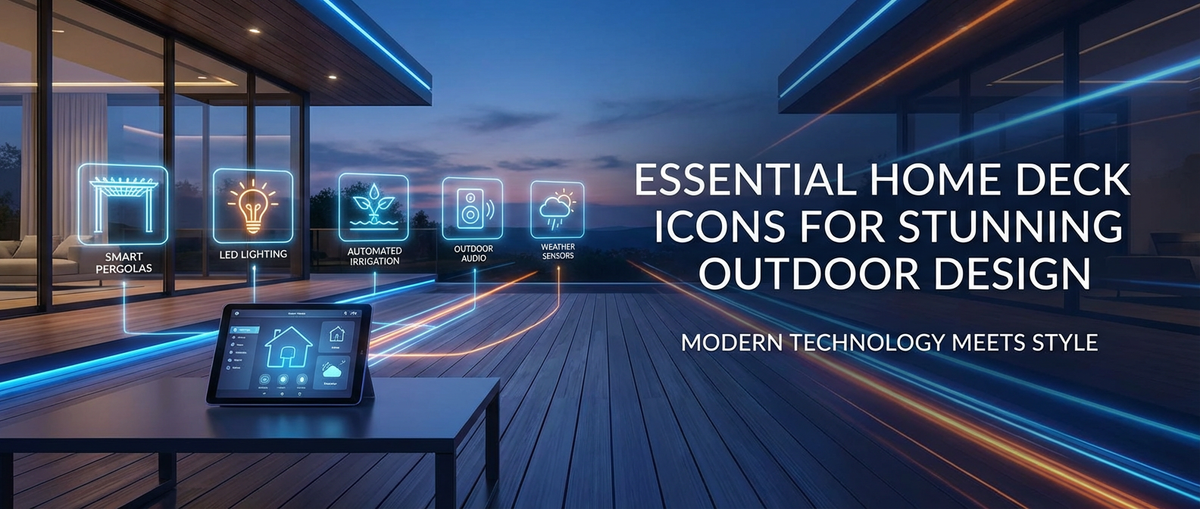
- Automated Lighting, Heating, Irrigation:
- Automated Lighting: As discussed in Chapter 3, smart lighting systems allow for scheduling, dimming, color changes, and motion-activated control, all managed via an app or voice commands. This not only enhances ambiance and security but also optimizes energy consumption.
- Outdoor Heating: Smart outdoor heaters (e.g., electric radiant heaters or propane patio heaters) can be integrated into the system, allowing users to turn them on or adjust temperature remotely, extending the comfortable use of the deck into cooler seasons or evenings.
- Smart Irrigation: For deck-side planters or adjacent garden beds, smart irrigation systems can be programmed to water plants based on weather forecasts, soil moisture levels, or predetermined schedules, ensuring optimal plant health with minimal effort and water waste.
- Seamless Integration and Management: As outdoor spaces become more sophisticated, integrating various smart home devices and services, from lighting and audio to security cameras and automated irrigation, becomes crucial. Managing these diverse systems often involves complex integrations between different manufacturers and software platforms. This is where platforms like APIPark become invaluable. APIPark, an open-source AI Gateway and API Management Platform, helps streamline the integration of various services, including AI models and REST APIs, ensuring seamless communication and management across your smart outdoor ecosystem. It provides a unified API format and end-to-end API lifecycle management, making it easier to connect your smart deck features, track their usage, and even encapsulate custom prompts for AI-driven outdoor experiences. This ensures that all components of your smart deck work together harmoniously, providing a cohesive and truly intelligent outdoor living experience.
By embracing these technological advancements, a deck transcends its traditional role, transforming into a cutting-edge outdoor environment that offers unparalleled convenience, entertainment, and comfort—a truly iconic example of modern outdoor living.
Chapter 9: Maintenance & Longevity - Preserving Your Investment
The pursuit of a stunning deck design extends beyond initial construction and furnishing; it encompasses the ongoing commitment to maintenance and care. A deck, regardless of its material, is an investment that requires periodic attention to preserve its beauty, functionality, and structural integrity over time. Regular maintenance is a non-negotiable "icon" for longevity, preventing costly repairs, ensuring safety, and maintaining the deck's aesthetic appeal for decades to come. Neglecting these crucial steps can quickly diminish even the most iconic outdoor design.
9.1 Regular Cleaning & Inspections
Consistent routine care is the simplest yet most effective way to keep a deck in pristine condition and identify potential issues before they escalate.
- Washing, Sweeping, Checking for Wear and Tear:
- Sweeping: Regular sweeping to remove leaves, dirt, and debris prevents accumulation that can trap moisture and lead to mildew or staining.
- Washing: A thorough washing once or twice a year with a deck cleaner (appropriate for the material) and a soft-bristle brush or a low-pressure power washer (used carefully to avoid damage, especially with wood) removes stubborn grime, algae, and mildew. For composite decks, specific cleaners are often recommended to avoid damaging the surface.
- Routine Inspections: A keen eye during cleaning can spot loose screws, splintering wood, cracked boards, or signs of insect activity. Early detection of these issues allows for prompt remediation, preventing minor problems from becoming major structural concerns. Check railings for stability, steps for any wobbles, and ensure all fasteners are secure.
- Winterizing and Spring Cleaning:
- Winterizing: In colder climates, winterizing the deck involves thorough cleaning to remove organic matter, disconnecting and storing water features and hoses, bringing in or covering outdoor furniture, and ensuring proper drainage pathways are clear of debris. Inspect the deck for any minor repairs that should be addressed before freezing temperatures can exacerbate them.
- Spring Cleaning: As spring arrives, a comprehensive cleaning prepares the deck for the new season. This includes washing, reinspecting for any winter damage, and preparing wood decks for staining or sealing if due. This ritual marks the transition back to outdoor living and sets the stage for months of enjoyment.
9.2 Staining, Sealing, & Repairs
For wood decks especially, proactive protection and timely repairs are fundamental to preserving their material integrity and aesthetic quality.
- Protecting Wood from Elements: Wood decks require regular protection from UV radiation, moisture, and temperature fluctuations.
- Staining: Stains offer both color and protection. Transparent and semi-transparent stains allow the wood's natural grain to show through while providing UV protection and water repellency. Solid stains offer more color coverage, similar to paint, providing greater UV protection but obscuring the wood grain.
- Sealing: Clear sealers penetrate the wood to repel water, preventing rot, mildew, and swelling. Some products combine stain and sealer for a one-step application. The frequency of staining or sealing depends on the product used, local climate, and sun exposure, typically every 1-3 years. Proper preparation, including cleaning and light sanding, is crucial for optimal adhesion and finish.
- Addressing Damage Promptly: Minor damage, if left unaddressed, can quickly worsen.
- Splinters and Loose Boards: Sand down splinters immediately to prevent injury. Secure loose boards with appropriate screws to prevent tripping hazards and further structural movement.
- Cracks and Rot: Small cracks in wood can be filled with exterior wood filler. Any signs of rot, often indicated by soft, spongy wood, must be addressed swiftly. If the rot is localized, the affected section can be cut out and replaced. If extensive, a professional assessment is needed to determine if larger sections or even structural components need replacement.
- Hardware Inspection: Regularly check all nuts, bolts, and screws, especially where the deck attaches to the house, and tighten any that have come loose. Replace any rusted or corroded fasteners.
- Maintaining Composite Decking: While composite decking is renowned for its low maintenance, it's not entirely maintenance-free. It requires regular cleaning to prevent mold, mildew, and stains, especially in shaded or damp areas. Specialized composite deck cleaners are often recommended. Avoid abrasive cleaners or harsh pressure washing settings that can damage the surface. Inspect for any warping (rare but possible with extreme heat) or damage, and address these according to manufacturer guidelines. While staining and sealing are not needed, understanding the product's specific care instructions is key to preserving its appearance and warranty.
By embracing a regimen of diligent cleaning, proactive protection, and timely repairs, homeowners can ensure their stunning deck design remains an iconic, enduring feature of their home, providing countless years of enjoyment and maximizing their initial investment.
| Feature / Material | Natural Wood Decking (e.g., Cedar, Treated Pine) | Composite Decking | Aluminum Decking |
|---|---|---|---|
| Aesthetics | Organic, natural grain, warm tones, weathers to gray if untreated. Can be stained/painted. | Mimics wood grain, wide range of consistent colors, modern. | Sleek, modern, industrial, often textured. |
| Initial Cost | Low (Treated Pine) to High (Ipe, Redwood) | Medium to High | High |
| Maintenance | High (annual cleaning, sealing/staining every 1-3 years, splinter repair) | Low (periodic cleaning, no staining/sealing) | Very Low (occasional cleaning) |
| Durability | Good (with proper maintenance); prone to rot, insects, splinters, warping if neglected. | Excellent (resistant to rot, insects, splintering, fading, warping). | Superior (impervious to rot, rust, insects, fire; extremely stable). |
| Lifespan | 15-25 years (Treated Pine); 25-50+ years (Ipe, Redwood with care) | 25-30+ years | 50+ years, often lifetime |
| Environmental Impact | Variable (sustainable sourcing important); can be reclaimed. | Often made from recycled materials; non-biodegradable. | Recyclable; high energy in production. |
| Heat Retention | Moderate | High (can get very hot in direct sun) | Moderate (can dissipate heat quickly) |
| Slip Resistance | Good (can be slippery when wet) | Good (textured surfaces) | Good (textured surfaces) |
| Installation | Moderate (requires carpentry skills) | Moderate (can be easier with hidden fasteners) | Moderate (often interlocking panels) |
| Pros | Natural beauty, customizable, cost-effective (for treated pine), authentic feel. | Low maintenance, durable, wide color range, eco-friendly (recycled content). | Ultra-durable, maintenance-free, non-combustible, often creates dry space underneath. |
| Cons | Requires significant maintenance, prone to wear, pests, splinters. | Higher initial cost, can get hot, may not feel like real wood, can scratch. | Highest initial cost, specific modern aesthetic, can be noisy, can scratch. |
Table 1: Comparison of Common Decking Materials
Conclusion
The journey of designing a stunning outdoor deck is a testament to the power of thoughtful integration, where every element, from the foundational structure to the most subtle decorative accent, contributes to a cohesive and captivating whole. We have explored the essential "icons" that define such a space: the robust choices in decking materials and structural integrity, the artful blend of safety and style in railings and privacy screens, the transformative magic of layered lighting, the comfort and personality imbued by carefully selected furnishings, and the luxurious additions of culinary, fire, and water features. Further, we delved into the strategic implementation of shade and shelter solutions, the seamless integration with the surrounding landscape, and the cutting-edge convenience of smart technology. Finally, we underscored the crucial role of diligent maintenance in preserving this investment, ensuring its enduring beauty and functionality for years to come.
An iconic deck is not merely built; it is meticulously crafted, reflecting a deep understanding of design principles, material science, and personal aspirations. It serves as a dynamic extension of the home, a versatile stage for everything from quiet contemplation and intimate family dinners to lively celebrations under the stars. By embracing these principles, homeowners can transcend the ordinary, creating an outdoor sanctuary that not only enhances the value and aesthetic appeal of their property but profoundly enriches their daily lives. The deck becomes more than just a structure; it evolves into a beloved destination, a cherished space where memories are made, nature is embraced, and the art of outdoor living is celebrated in its most stunning form. The ultimate reward is an outdoor space that continuously invites, delights, and provides an unparalleled connection to the world around it, truly standing as an icon of exceptional home design.
5 FAQs
1. What are the most important factors to consider when choosing decking material for my home? The most important factors include your budget, desired aesthetic, maintenance commitment, local climate (sun exposure, rainfall, freeze-thaw cycles), and long-term durability goals. Natural wood offers timeless beauty but requires more maintenance, while composite or PVC decking provides low maintenance and durability at a higher initial cost. Consider samples of materials in your actual outdoor light and talk to local suppliers about what performs best in your specific region.
2. How can I make my deck feel more private without completely enclosing it? You can enhance deck privacy through several design "icons." Strategic placement of tall, dense shrubs or ornamental trees around the perimeter can create a living screen. Incorporating slatted wood screens or decorative metal panels provides architectural interest while blocking specific sightlines. Pergolas with retractable canopies or climbing plants offer overhead privacy and a sense of enclosure. Even large planters with tall grasses or bamboo can add a surprising amount of visual separation without building walls.
3. What is the best way to light a deck for both safety and ambiance? The best approach to deck lighting is layering. Start with ambient lighting for general illumination, such as post lights, integrated deck lights, or overhead string lights. Add task lighting in functional areas like grilling stations or steps to ensure safety and usability after dark. Finally, incorporate accent lighting to highlight architectural features, landscape elements, or decorative planters, creating depth and a captivating atmosphere. Dimmers are crucial for adjusting the mood, and smart lighting systems offer convenient control and energy efficiency.
4. How can I extend the usable season of my deck beyond just summer months? Extending your deck's season involves incorporating elements that provide shelter and warmth. Consider installing a retractable awning or a pergola with a canopy for protection from sun and light rain. Integrate fire features like a fire pit or outdoor fireplace for warmth on cooler evenings. Outdoor heaters (electric or propane) can significantly boost comfort. For ultimate seasonal extension, a screened porch or a three-season sunroom provides protection from insects and more extreme weather, allowing for enjoyment well into spring and autumn.
5. What are common maintenance mistakes to avoid for a deck's longevity? Common maintenance mistakes include neglecting regular cleaning, which can lead to mold, mildew, and premature wear. For wood decks, failing to regularly re-stain or re-seal leaves the wood vulnerable to UV damage, rot, and moisture absorption. Over-saturating wood with a high-pressure washer can damage the fibers. Not addressing small repairs like loose fasteners or splinters promptly can lead to bigger safety hazards and structural issues. For all deck types, ignoring proper drainage can cause water pooling, leading to rot and damage underneath. Following a consistent maintenance schedule tailored to your deck material is key to preserving its beauty and structural integrity.
🚀You can securely and efficiently call the OpenAI API on APIPark in just two steps:
Step 1: Deploy the APIPark AI gateway in 5 minutes.
APIPark is developed based on Golang, offering strong product performance and low development and maintenance costs. You can deploy APIPark with a single command line.
curl -sSO https://download.apipark.com/install/quick-start.sh; bash quick-start.sh

In my experience, you can see the successful deployment interface within 5 to 10 minutes. Then, you can log in to APIPark using your account.

Step 2: Call the OpenAI API.