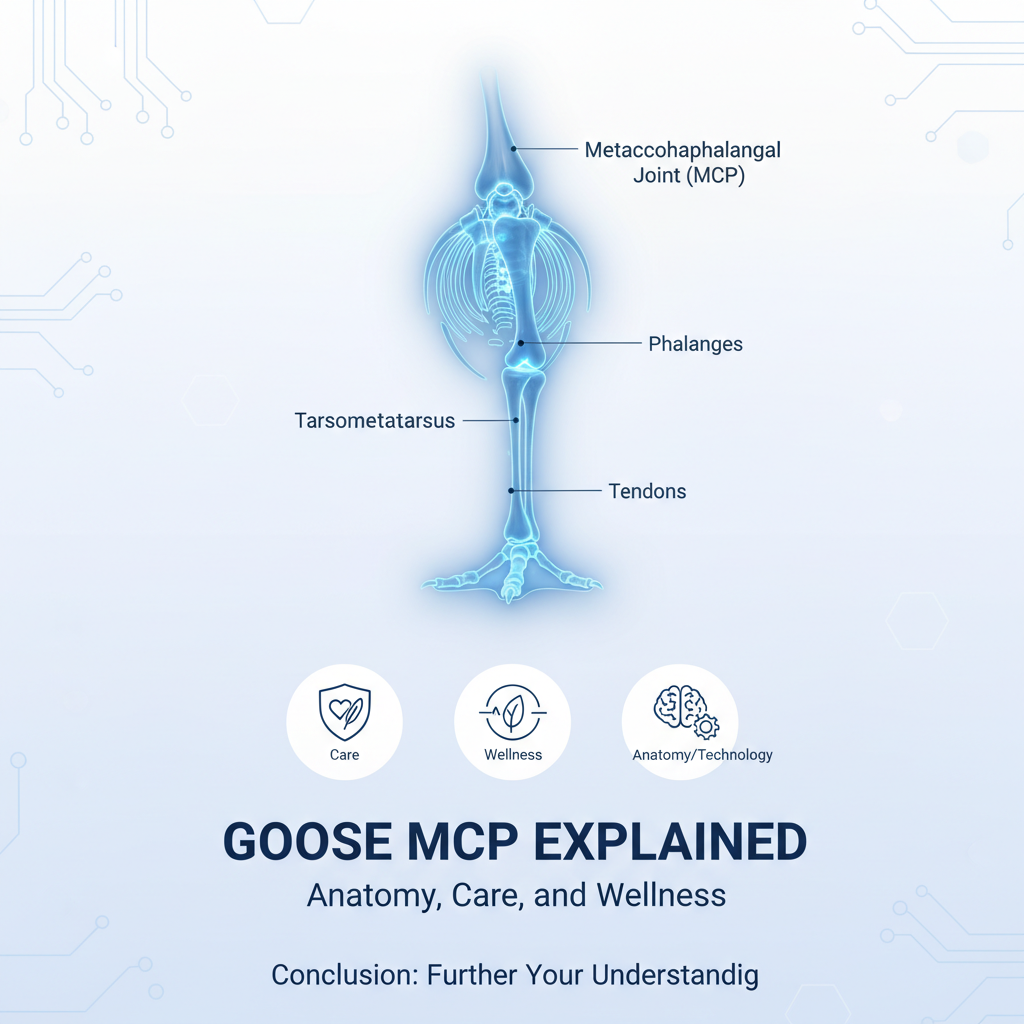
Goose MCP Explained: Anatomy, Care, and Wellness


Geese, magnificent birds renowned for their stately presence, often complex social structures, and remarkable migratory prowess, possess an intricate anatomy finely tuned for their survival and diverse activities. Among the many vital components of their musculoskeletal system, the metacarpophalangeal (MCP) joint plays a crucial, though often overlooked, role in their overall health and functionality. When we speak of the Goose MCP, we are delving into a critical anatomical structure, primarily within their wings, which dictates much of their mobility, from the delicate precision of preening to the powerful thrust of flight. Understanding this joint, its structure, common ailments, and comprehensive care strategies is paramount for anyone involved in goose husbandry, veterinary science, or conservation.
The complexity of biological systems often mirrors the sophistication found in advanced technological frameworks. Just as a nuanced understanding of a specific joint in a goose requires a holistic approach, integrating anatomical knowledge with physiological function and environmental influences, so too do complex digital systems rely on structured methodologies. For instance, in the realm of artificial intelligence, a robust "Model Context Protocol" (MCP) is essential. This protocol ensures that AI models interpret data and operate within predefined parameters, maintaining coherence and accuracy across diverse applications. The parallel, while perhaps initially tenuous, lies in the fundamental need for structured understanding—whether it's the biological "protocol" governing the function of a goose's wing or the digital Model Context Protocol orchestrating AI's cognitive processes. Both represent a sophisticated interplay of components, where each part's function is deeply intertwined with the context of the whole. This article will primarily unravel the biological intricacies of the Goose MCP, offering detailed insights into its anatomy, the nuances of its care, and strategies for ensuring the long-term wellness of these remarkable birds, while also subtly acknowledging the broader theme of structured understanding that underpins both natural and artificial complexities.
I. The Anatomy of the Goose Metacarpophalangeal (MCP) Joint: A Masterpiece of Avian Engineering
To fully appreciate the significance of the Goose MCP joint, one must first embark on a detailed exploration of its anatomical composition. While humans typically associate MCP joints with fingers and toes, in avian anatomy, particularly in the wings, these joints are integral to the structure of the manus (the bird's hand, which forms the tip of the wing). The goose's wing is a marvel of evolutionary design, optimized for both powerful flight and precise manipulation. The MCP joint, found at the base of the bird's "digits" within the wing, is a critical hinge that facilitates the nuanced movements essential for avian life.
A. Skeletal Framework: The Bones of the MCP
The primary bones that articulate to form the Goose MCP joint are the distal end of the carpometacarpus and the proximal ends of the alular digit (digit I or pollex) and the major digit (digit II). While birds have a reduced number of digits compared to their reptilian ancestors, these remaining structures are highly specialized.
- Carpometacarpus: This is a fused bone in the avian wing, formed from the fusion of some carpals (wrist bones) and metacarpals (hand bones). It constitutes the main skeletal support of the wingtip, acting as a robust foundation. The distal end of the carpometacarpus provides the articular surfaces for the MCP joints. Its sturdy construction withstands the immense aerodynamic forces experienced during flight, transferring power from the more proximal wing bones—the humerus, radius, and ulna—to the primary flight feathers attached to the manus. The shape of its distal articulation is crucial for the range of motion and stability of the MCP joint.
- Alular Digit (Digit I / Pollex): This small, thumb-like digit originates from the distal carpus/proximal metacarpus region and articulates with the carpometacarpus. It is typically comprised of one or two phalanges (finger bones). The alula, a small group of feathers attached to this digit, acts like a "slot" or slat on an aircraft wing, allowing the bird to maintain lift at slow speeds, such as during landing or takeoff. The MCP joint associated with the alular digit is therefore vital for its independent movement and aerodynamic control. Its structure is relatively simple but its function is profoundly important for flight stability and precision.
- Major Digit (Digit II): This is the longest and most prominent digit in the avian manus, typically consisting of two phalanges. It articulates with the carpometacarpus, forming the main MCP joint that anchors several primary flight feathers. This digit provides significant structural support for the outer portion of the wing and contributes substantially to the wing's overall surface area and airfoil shape. The joint connecting this digit to the carpometacarpus must be exceptionally strong yet flexible, allowing for slight adjustments in wing shape during different flight maneuvers. Its robust nature is a testament to the evolutionary pressures for efficient flight.
B. Soft Tissues: Ligaments, Tendons, and Joint Capsule
Beyond the foundational bones, the integrity and function of the Goose MCP joint are profoundly dependent on an intricate network of soft tissues. These components work in concert to provide stability, allow movement, and protect the delicate articular surfaces.
- Ligaments: These strong, fibrous bands of connective tissue connect bone to bone, providing static stability to the joint. In the goose MCP, collateral ligaments are particularly important, running along the sides of the joint to prevent excessive sideways motion. Other dorsal and palmar (or ventral) ligaments help to restrict hyperextension or hyperflexion, ensuring the joint operates within its physiological range of motion. The specific arrangement and tensile strength of these ligaments are adapted to the forces experienced during flight and landing, where sudden impacts or changes in air pressure could otherwise destabilize the wing.
- Tendons: Tendons, composed of dense connective tissue, connect muscles to bones, facilitating dynamic movement. Various muscles in the goose's forearm and upper wing have tendons that cross the MCP joint, enabling flexion, extension, and other subtle adjustments of the digits and associated feathers. For instance, tendons from the extensor carpi radialis and ulnaris muscles, though primarily acting on the carpometacarpus, can influence the stability of the MCP joint through their broader mechanical impact. Smaller, intrinsic muscles within the manus also contribute tendons for fine motor control, allowing geese to make precise adjustments to their wing shape.
- Joint Capsule: Encapsulating the entire MCP joint is a fibrous capsule that encloses the articular surfaces. This capsule has two layers: an outer fibrous layer, which blends with the periosteum of the adjacent bones and provides structural integrity, and an inner synovial membrane. The fibrous layer is reinforced by the aforementioned ligaments, further enhancing the joint's stability.
- Synovial Membrane and Fluid: The inner synovial membrane lines the joint capsule (excluding the articular cartilage) and produces synovial fluid. This viscous fluid serves multiple crucial functions:
- Lubrication: It reduces friction between the articulating cartilage surfaces, allowing for smooth, effortless movement.
- Nutrient Supply: It delivers nutrients to the avascular articular cartilage and removes waste products.
- Shock Absorption: It helps to dissipate forces across the joint during high-impact activities, protecting the cartilage and bone. The quality and quantity of synovial fluid are critical indicators of joint health.
C. Articular Cartilage: The Smooth Interface
The ends of the bones within the Goose MCP joint are covered with a layer of articular cartilage, typically hyaline cartilage. This smooth, resilient tissue provides a low-friction surface for articulation and acts as a shock absorber. It allows the carpometacarpus and the digital phalanges to glide over each other with minimal resistance. Although remarkably durable, articular cartilage has limited capacity for self-repair due to its avascular nature. Damage to this cartilage can lead to progressive joint degeneration, pain, and loss of function, highlighting its critical role in long-term joint health. The thickness and composition of this cartilage are specifically adapted to the loads and movements unique to the goose's wing.
The intricate design of the Goose MCP joint is a testament to natural selection, perfectly balancing strength, flexibility, and lightweight construction. Every bone, ligament, tendon, and cellular component plays a vital role in ensuring the goose's ability to fly, maneuver, and interact with its environment. Any compromise to this complex structure can have far-reaching implications for the bird's overall wellness and survival.
II. Physiology and Biomechanics of the Goose MCP: Function in Motion
The anatomical complexity of the Goose MCP joint translates directly into a sophisticated array of physiological functions and biomechanical roles. This joint is not merely a hinge; it is a dynamic pivot point crucial for a goose's locomotion, environmental interaction, and survival. Understanding its biomechanics offers deeper insight into how geese achieve their remarkable feats of flight and maintain stability on land or water.
A. Contribution to Flight Mechanics
Flight is arguably the most energy-demanding activity for a goose, and the MCP joint is an indispensable component of the wing's intricate machinery designed for this purpose.
- Wingtip Control and Shape Modification: The MCP joints, particularly those connecting the major and alular digits to the carpometacarpus, are essential for controlling the shape and angle of the wingtip. During the downstroke, these joints must be strong enough to withstand the immense forces generated by the primary flight feathers, which are anchored to the carpometacarpus and the digits. The slight flexion and extension capabilities of these joints allow the goose to fine-tune the airfoil shape, optimizing lift and thrust. For instance, during high-speed flight, the wingtip might be held more rigidly, while during slow flight or maneuvering, subtle adjustments at the MCP joint can create slots that prevent stall, much like the high-lift devices on an aircraft wing.
- Alula Function: The MCP joint of the alular digit (pollex) specifically enables the independent movement of the alula. This small "thumb" and its associated feathers can be lifted to create a slot at the leading edge of the wing. This mechanism is critical during low-speed flight, takeoff, and landing, where it disrupts airflow smoothly over the wing's upper surface, preventing separation and stall. Without a functional alular MCP joint, a goose would struggle significantly with controlled landings and takeoffs, dramatically increasing its vulnerability.
- Feather Orientation and Overlap: The primary flight feathers are firmly attached to the periosteum of the carpometacarpus and the digital phalanges. The subtle movements at the MCP joints allow for the precise orientation and overlap of these feathers, which is crucial for forming an effective, airtight wing surface during the downstroke. During the upstroke, the feathers can rotate slightly, reducing drag by allowing air to pass through the wing. This intricate feather management is facilitated by the underlying skeletal and joint mechanics.
- Shock Absorption During Landing: Landing is a high-impact event, even for a graceful goose. As the bird slows and prepares to touch down, the wings are extended to act as brakes and provide final lift. The MCP joints, along with other joints in the wing, absorb significant mechanical shock upon impact, protecting the bones and internal structures. The articular cartilage and synovial fluid within the MCP joint are particularly important in dissipating these forces, preventing damage.
B. Role in Terrestrial and Aquatic Locomotion
While primarily associated with flight, the Goose MCP joints also contribute indirectly to a goose's ability to navigate on land and water.
- Balance and Posture: A goose's wings play a vital role in maintaining balance while walking, running, or swimming. Subtle adjustments in wing position, facilitated by the MCP joints, help the bird shift its center of gravity. For instance, a goose might slightly extend a wing to counterbalance itself on uneven terrain or during a strong gust of wind.
- Protection and Manipulation: Geese use their wings not only for flight but also for other behaviors. They might use them to shield their goslings from predators, to display during courtship rituals, or to fend off rivals. The flexibility and control offered by the MCP joints allow for these diverse non-flight related wing movements, demonstrating their versatility beyond pure locomotion.
C. Comparison with Human MCP Joints: Evolutionary Divergence
While both geese and humans possess metacarpophalangeal joints, their anatomical placement and primary functional demands differ significantly, reflecting divergent evolutionary paths.
| Feature | Goose MCP Joint (Wing) | Human MCP Joint (Hand/Foot) |
|---|---|---|
| Primary Location | Distal carpometacarpus articulating with alular and major digits (wing) | Distal metacarpals articulating with proximal phalanges (hand/foot) |
| Main Function | Flight control, wingtip shaping, alula movement, primary feather support | Grasping, manipulation, fine motor control (hand); weight-bearing, propulsion (foot) |
| Bones Involved | Carpometacarpus, alular digit phalanges, major digit phalanges | Metacarpals, proximal phalanges |
| Range of Motion | Optimized for flight dynamics, limited in some planes, strong in others | Biaxial (flexion/extension, abduction/adduction), circumduction possible |
| Evolutionary Driver | Aerial locomotion, efficient flight | Manual dexterity, bipedal locomotion, tool use |
| Forces Experienced | Aerodynamic forces, impact stress from landing | Compressive forces, tensile forces, torsional stress from grasping/walking |
This table highlights that while the fundamental joint structure (articulating bones, cartilage, ligaments, tendons) is conserved across vertebrates, the specific adaptations in the Goose MCP joint are a testament to the specialized requirements of avian life. The forces endured by a goose's wing joints during powerful flight are immense, requiring a combination of structural rigidity and dynamic flexibility that is precisely engineered at the MCP level.
The elegance of the Goose MCP joint lies in its ability to contribute to both robust, powerful movements like flight and subtle, precise adjustments critical for avian survival. Any disruption to its intricate biomechanical balance, whether due to injury, disease, or developmental anomaly, can have profound effects on a goose's quality of life and its ability to thrive. This intricate interplay underscores the importance of a holistic approach to understanding and caring for these magnificent birds.
III. Common Ailments and Injuries Affecting the Goose MCP Joint: Threats to Mobility and Wellness
Despite its robust design, the Goose MCP joint, like any complex biological structure, is susceptible to a range of ailments and injuries that can compromise a goose's mobility, cause pain, and significantly impact its overall wellness. Recognizing these conditions and understanding their underlying causes is crucial for effective prevention and intervention.
A. Traumatic Injuries: Acute Damage
Traumatic incidents are a significant cause of MCP joint issues, particularly for birds housed in environments with potential hazards or those subject to stress.
- Fractures: Breaks in any of the bones forming the MCP joint (carpometacarpus, alular phalanges, major digit phalanges) can occur due to direct impact, falls, or collisions. For instance, a goose flying into an obstruction, being caught in fencing, or experiencing a territorial fight can sustain fractures. These injuries are often accompanied by severe pain, swelling, and an obvious deformity of the wing, rendering flight impossible and severely impairing ground mobility. The delicate nature of avian bones, while lightweight, can make them prone to certain types of fractures, especially spiral or comminuted breaks from twisting forces.
- Dislocations (Luxations/Subluxations): A dislocation occurs when the articulating surfaces of the MCP joint separate completely (luxation) or partially (subluxation). This can result from extreme hyperextension, hyperflexion, or torsion of the wing. For example, a goose struggling violently in restraint or catching its wing awkwardly can dislocate its MCP joint. Dislocations are intensely painful and lead to immediate lameness or an abnormal wing carriage. The ligaments surrounding the joint are often stretched or torn during such an event, compromising future stability even after reduction.
- Sprains and Strains: Sprains involve the stretching or tearing of ligaments, while strains affect tendons or muscles. While less severe than fractures or dislocations, sprains and strains of the MCP joint's supporting ligaments and tendons can still cause significant pain, swelling, and reduced range of motion. These often occur from repetitive stress, sudden awkward movements, or mild trauma that doesn't fully dislocate the joint. A goose might exhibit subtle lameness, reluctance to use the wing fully, or changes in flight pattern if the MCP is affected.
- Soft Tissue Trauma: Lacerations, punctures, or contusions to the area around the MCP joint can directly damage ligaments, tendons, or the joint capsule, leading to inflammation, pain, and secondary infection if the skin barrier is breached. Predator attacks, collisions with sharp objects, or even rough handling can cause such injuries.
B. Degenerative Conditions: Chronic Wear and Tear
Long-term wear and tear, coupled with other factors, can lead to chronic degenerative joint diseases.
- Osteoarthritis (Degenerative Joint Disease): This is a progressive condition characterized by the breakdown of articular cartilage within the MCP joint, leading to bone-on-bone friction, pain, inflammation, and reduced mobility. Causes can include aging, repetitive stress, previous joint trauma (which predisposes the joint to premature degeneration), genetic predisposition, or chronic low-grade inflammation. Affected geese may show chronic lameness, stiffness, especially after periods of rest, palpable joint enlargement, and reluctance to fly. The lack of cartilage repair capacity means this condition is generally progressive and requires long-term management.
- Gout: While not strictly an MCP-specific disease, articular gout, characterized by the deposition of uric acid crystals in joints, can affect the MCP joint, causing severe pain, inflammation, and swelling. Gout is often linked to renal dysfunction, high-protein diets, or dehydration. The sharp, needle-like uric acid crystals irritate the joint tissues, mimicking septic arthritis in its acute presentation.
C. Infectious Conditions: Microbial Invaders
Infections can directly target the MCP joint, leading to severe inflammation and potential permanent damage.
- Septic Arthritis (Infectious Arthritis): This is a bacterial infection within the joint space, often resulting from a penetrating wound, a systemic infection spreading to the joint (hematogenous spread), or direct extension from an adjacent infection. Bacteria like E. coli, Staphylococcus, or Salmonella are common culprits. Septic arthritis causes intense pain, heat, swelling, and often systemic signs of illness (lethargy, anorexia, fever). If left untreated, it can rapidly destroy articular cartilage and subchondral bone, leading to ankylosis (fusion of the joint) or severe deformity.
- Tenosynovitis: Inflammation of the tendon sheath, often due to bacterial infection, can affect tendons crossing the MCP joint. This leads to pain, swelling, and impaired tendon gliding, restricting joint movement.
D. Developmental and Nutritional Issues: Foundation Problems
Problems during development or chronic nutritional imbalances can weaken the MCP joint structure or contribute to its pathology.
- Angel Wing (Carpal Valgus Deformity): While "Angel Wing" primarily affects the carpal (wrist) joint, its impact can extend to the entire distal wing, including the MCP joint complex. This condition, characterized by an outward rotation of the wingtip, is commonly seen in rapidly growing waterfowl. It is thought to be caused by an imbalance in growth rates between the bones and surrounding soft tissues, often exacerbated by high-protein diets, particularly in conjunction with insufficient exercise, leading to rapid weight gain. While the carpus is the primary site of deformity, the altered biomechanics can place abnormal stress on the MCP joints, predisposing them to secondary issues like arthritis or chronic strain. The ligaments of the MCP may be continuously stressed.
- Nutritional Deficiencies: Chronic deficiencies in essential vitamins (e.g., Vitamin D for calcium absorption) or minerals (e.g., calcium, phosphorus, manganese) can compromise bone and cartilage integrity throughout the skeletal system, including the MCP joint. Poor bone mineralization can make the bones more susceptible to fractures, while cartilage abnormalities can predispose to degenerative conditions. Long-term, an imbalanced diet can undermine the very structural foundation of the joint.
E. Environmental Factors and Management Practices
Poor environmental conditions and suboptimal management practices can significantly increase the risk of MCP joint issues.
- Unsafe Enclosures: Fencing with sharp edges, narrow openings, or inappropriate materials can lead to entrapment and traumatic injuries. Overcrowding can increase stress and aggressive interactions, leading to fights and potential wing trauma.
- Inadequate Flooring: Hard, abrasive, or uneven surfaces can contribute to foot pad issues (bumblefoot) and put unnatural stress on leg joints, but also compromise wing health if geese frequently fall or struggle on unsuitable ground.
- Lack of Exercise/Confinement: While specific to the MCP joint in the wing, general lack of exercise can weaken the entire musculoskeletal system, making joints more susceptible to injury or poor recovery. Confinement can also lead to stereotypical behaviors that can cause self-inflicted injuries.
- Poor Hygiene: Unsanitary conditions increase the risk of bacterial infections, which can enter the body through minor wounds and lead to septic arthritis in the MCP joint or other areas.
The diverse range of threats to the Goose MCP joint underscores the need for vigilant observation, proactive preventative measures, and prompt veterinary attention for any signs of lameness, abnormal wing carriage, or behavioral changes. Early detection and intervention are critical to mitigating pain, preserving function, and ensuring the long-term wellness of these magnificent birds.
IV. Diagnosis and Veterinary Intervention for Goose MCP Issues: Pathways to Recovery
When a goose exhibits signs of discomfort, lameness, or abnormal wing carriage, a systematic diagnostic approach is essential to pinpoint the underlying issue affecting the Goose MCP joint. Timely and accurate diagnosis is the cornerstone of effective veterinary intervention, paving the way for appropriate treatment and a higher probability of successful recovery.
A. Clinical Examination: The First Clues
The initial step in diagnosing an MCP joint issue is a thorough clinical examination conducted by an experienced avian veterinarian. This process involves careful observation and palpation.
- Visual Inspection: The veterinarian will observe the goose's overall demeanor, posture, and gait. Any asymmetry in wing carriage, drooping, swelling, redness, or outward rotation (as seen in angel wing affecting the distal wing) will be noted. The bird's ability to bear weight on its legs, swim, or attempt flight (if applicable) provides crucial behavioral clues. The condition of the feathers around the joint can also indicate trauma or over-preening due to pain.
- Palpation: Gentle palpation of the entire wing, paying close attention to the MCP joint region, is critical. The veterinarian will feel for heat, swelling, pain response (flinching, vocalization), crepitus (a grating sensation indicative of bone fragments or roughened joint surfaces), and any abnormal bony prominences or gaps. The range of motion of the MCP joint will be carefully assessed, comparing it to the contralateral wing if unaffected, to identify any restriction or excessive laxity. Tenderness localized to the joint capsule or surrounding ligaments can indicate a sprain or inflammatory process.
- Gait Analysis: Observing the goose walk or attempt to move can reveal compensatory mechanisms or the severity of lameness. If the MCP joint is severely painful, the bird may avoid weight-bearing on the affected wing entirely, keeping it tucked or dragging it.
B. Diagnostic Imaging: Peering Inside
While clinical examination provides valuable initial information, diagnostic imaging techniques are often necessary to visualize the internal structures of the MCP joint and confirm a diagnosis.
- Radiography (X-rays): X-rays are the most common and accessible imaging modality for evaluating skeletal structures. They can effectively identify:
- Fractures: Presence, type, and location of bone breaks in the carpometacarpus or phalanges.
- Dislocations: Misalignment of articular surfaces.
- Osteoarthritis: Narrowing of joint spaces, subchondral bone sclerosis (increased bone density), osteophytes (bone spurs), or changes in bone contour.
- Septic Arthritis: Soft tissue swelling around the joint, gas within the joint, or changes in bone density indicative of osteomyelitis if the infection has spread.
- Gout: Radiopaque uric acid crystal deposits, though these can be subtle.
- Angel Wing: Characteristic outward rotation of the distal wing segment.
- Multiple views (e.g., craniocaudal and mediolateral) are typically required to obtain a comprehensive assessment and avoid superimposition artifacts.
- Ultrasound: While less effective for visualizing bone directly, ultrasound is excellent for evaluating soft tissues, including ligaments, tendons, joint capsules, and fluid accumulation. It can identify:
- Tendonitis/Tenosynovitis: Inflammation or tearing of tendons and their sheaths.
- Ligament Tears: Disruption of ligament fibers.
- Joint Effusion: Accumulation of synovial fluid within the joint capsule, indicative of inflammation.
- Abscesses: Fluid pockets associated with infection.
- Ultrasound can also guide aspiration of joint fluid for analysis.
- Computed Tomography (CT) Scans: For complex fractures, subtle dislocations, or when detailed 3D anatomy is required (e.g., for surgical planning), CT scans offer superior spatial resolution compared to conventional radiographs. They can reveal intricate bone architecture, microfractures, and the full extent of joint damage, particularly useful for distinguishing between different types of bone pathology. However, CT is more expensive and requires specialized equipment, often necessitating referral to a veterinary specialty center.
C. Laboratory Tests: Uncovering Systemic Clues
Blood work and joint fluid analysis can provide crucial insights into the systemic health of the goose and the nature of inflammation within the MCP joint.
- Complete Blood Count (CBC) and Biochemistry Panel: These tests assess overall health, detect systemic infection (e.g., elevated white blood cell count), inflammation, and organ dysfunction (e.g., kidney issues contributing to gout). A high heterophil count is often indicative of bacterial infection in birds.
- Arthrocentesis (Joint Fluid Analysis): If there is joint effusion, sterile aspiration of synovial fluid (arthrocentesis) is highly diagnostic. The fluid can be analyzed for:
- Cellularity: High cell count, especially neutrophils (heterophils in birds), indicates inflammation or infection.
- Protein Content: Elevated protein suggests inflammation.
- Cytology: Microscopic examination to identify bacteria, inflammatory cells, or uric acid crystals (in gout).
- Culture and Sensitivity: If infection is suspected, the fluid is cultured to identify the specific pathogen and determine its susceptibility to various antibiotics, guiding targeted treatment.
D. Treatment Options: Restoring Function and Relieving Pain
Once a diagnosis is established, a tailored treatment plan can be implemented, often combining medical and supportive care with potential surgical intervention.
- Conservative Management:
- Rest and Confinement: Limiting movement of the affected wing is crucial for healing, especially in cases of fractures, sprains, or strains. This might involve strict cage rest or temporary soft bandaging that secures the wing in a natural position close to the body without immobilizing the MCP joint itself if movement is desired for preventing stiffness.
- Pain Management: Non-steroidal anti-inflammatory drugs (NSAIDs) such as meloxicam or carprofen (approved for avian use) are commonly used to reduce pain and inflammation. Opioids may be used for severe acute pain.
- Antibiotics: For septic arthritis or other bacterial infections, systemic antibiotics are prescribed based on culture and sensitivity results.
- Supportive Care: Nutritional support, hydration, and a warm, clean environment are vital for overall recovery.
- Surgical Intervention:
- Fracture Repair: Depending on the type and location of the fracture, surgical repair using pins, wires, plates, or external fixators may be necessary to stabilize the bones and facilitate proper healing. Early surgical intervention often provides the best outcome for complex fractures.
- Dislocation Reduction: Closed reduction (manual manipulation to realign the joint) may be attempted under anesthesia. If unsuccessful or if the joint is unstable, open surgical reduction may be required, sometimes with ligament repair.
- Debridement: In cases of severe septic arthritis or chronic infection, surgical debridement to remove infected tissue or bone fragments may be necessary.
- Angel Wing Correction: Surgical correction of angel wing, if performed early and judiciously, can involve reshaping the bone or adjusting tendon tension, though conservative banding is often preferred for younger birds.
- Physical Therapy and Rehabilitation:
- Following conservative or surgical treatment, gentle physical therapy is often initiated to prevent joint stiffness (ankylosis) and restore range of motion and muscle strength. This can include passive range of motion exercises, massage, and controlled active movement in a safe environment. Hydrotherapy (swimming in a controlled pool) can be particularly beneficial for geese, allowing them to exercise without full weight-bearing on the wing.
- The goal is to gradually increase activity levels and regain functional use of the wing, whether for flight or simply for improved comfort and balance.
E. Importance of Early Diagnosis and Intervention
The prognosis for MCP joint issues in geese is significantly improved with early diagnosis and prompt, aggressive intervention. Delayed treatment can lead to chronic pain, irreversible joint damage, muscle atrophy, and secondary issues that severely compromise the goose's quality of life and potentially its survival. Regular health checks and keen observation by caregivers are therefore invaluable in identifying problems before they become debilitating. A proactive approach, combining diligent care with access to expert veterinary services, is essential for preserving the health and mobility of the Goose MCP joint.
APIPark is a high-performance AI gateway that allows you to securely access the most comprehensive LLM APIs globally on the APIPark platform, including OpenAI, Anthropic, Mistral, Llama2, Google Gemini, and more.Try APIPark now! 👇👇👇
V. Comprehensive Care for Goose MCP Health: Nurturing Wellness
Ensuring the long-term health and functionality of the Goose MCP joint, and indeed the goose as a whole, requires a comprehensive approach that integrates optimal nutrition, a safe and stimulating environment, proactive preventive measures, and vigilant hygiene. These elements collectively contribute to robust skeletal development, strong joints, and a resilient immune system capable of warding off disease.
A. Optimal Nutrition: Building Strong Foundations
Nutrition is perhaps the most fundamental pillar of joint health. A balanced diet provides the necessary building blocks for bone, cartilage, ligaments, and tendons, and supports overall physiological function.
- Balanced Commercial Feed: For domestic geese, a high-quality commercial waterfowl or poultry feed formulated for their specific age and life stage (grower, layer, maintenance) should form the bulk of their diet. These feeds are carefully balanced with appropriate levels of protein, carbohydrates, fats, vitamins, and minerals. Avoid overfeeding high-protein chick starter feeds to growing goslings, as this can lead to rapid growth and bone development issues like angel wing, which, while primarily affecting the carpus, can indirectly stress the MCP joint due to altered wing biomechanics.
- Calcium and Phosphorus Ratio: A critical balance between calcium and phosphorus (ideally 2:1 to 1:1) is essential for proper bone mineralization and strength. Deficiencies or imbalances can lead to weakened bones susceptible to fractures and deformities. Oyster shell or calcium supplements can be offered free-choice to laying geese to meet their high calcium demands for egg production, which can otherwise deplete their bone reserves.
- Vitamins and Trace Minerals:
- Vitamin D3: Crucial for calcium absorption and utilization. Geese with outdoor access will synthesize some Vitamin D from sunlight, but dietary sources or supplements may be needed, especially for indoor birds or during winter.
- Manganese: Essential for cartilage formation and bone metabolism. Deficiencies can lead to perosis (slipped tendon), a condition that can compromise leg joint integrity and potentially impact posture, indirectly affecting wing health.
- Choline: Important for skeletal development and preventing conditions like perosis.
- Vitamin E and Selenium: Antioxidants that support overall health and can help reduce inflammation, potentially beneficial for joint tissues.
- Fresh Forage and Greens: Geese are natural grazers. Providing access to fresh grass, clover, and other palatable greens offers natural enrichment, provides essential fiber, and contributes a range of vitamins and minerals. However, relying solely on forage is insufficient for meeting all nutritional requirements, especially for rapidly growing goslings or laying hens.
- Water: Constant access to clean, fresh water is non-negotiable. Hydration is vital for joint health, maintaining the viscosity of synovial fluid, and supporting metabolic processes. Geese also require water for proper digestion and preening.
B. Environmental Enrichment and Safety: A Secure Habitat
A well-designed environment minimizes stress, reduces injury risk, and encourages natural behaviors that promote physical and mental well-being.
- Spacious Enclosures: Geese require ample space to move, forage, and engage in natural behaviors without overcrowding. This reduces stress, aggression, and the likelihood of accidental injury, including wing trauma.
- Safe Fencing: Fences should be sturdy, free of sharp edges, and designed to prevent entrapment. Woven wire or smooth panels are generally safer than welded wire or chain link, which can cause cuts or snags. Heights should be adequate to contain the geese if they are pinioned or clipped, or to deter predators.
- Appropriate Flooring: Ground surfaces should be varied and allow for natural movement. Grass, dirt, and sand are ideal. Avoid excessively hard, abrasive surfaces like concrete for extended periods, as these can contribute to bumblefoot and put undue stress on joints. Providing soft bedding in sheltered areas (straw, wood shavings) is important.
- Swimming Access: Geese are waterfowl and require access to water for swimming, bathing, and mating. A pond, large tub, or swimming pool (kept clean) allows them to exercise their wings and bodies in a low-impact environment, which is excellent for joint health. Swimming helps strengthen muscles surrounding the MCP joint and other wing joints without the concussive forces of land movement.
- Shelter: Protection from extreme weather elements (rain, wind, sun, snow) is crucial. A well-ventilated shelter with dry bedding prevents discomfort and stress, which can indirectly impact joint health by weakening the immune system.
C. Prevention and Monitoring: Vigilance is Key
Proactive measures and regular observation are critical for preventing MCP joint issues and detecting them early.
- Regular Health Checks: Periodically check geese for any signs of lameness, abnormal wing carriage, swelling, or tenderness around the MCP joint. Observe their movement patterns during daily activities.
- Gosling Management: For young geese, especially those prone to rapid growth, monitor feed intake carefully to prevent angel wing. Some breeders advocate for mild wing bracing or early pinioning (surgical removal of the distal wing segment at a young age to prevent flight) if flight prevention is desired, though the latter is a permanent and ethically debated procedure.
- Predator Protection: Secure enclosures and vigilance against predators minimize traumatic injuries to wings and other body parts.
- Stress Reduction: Minimize stressors such as overcrowding, sudden environmental changes, or constant harassment from other birds or animals. Chronic stress can suppress the immune system and lead to behavioral issues that increase injury risk.
- Gentle Handling: When handling geese, do so calmly and gently, supporting their body and wings appropriately to avoid accidental injury to their joints. Never lift a goose by its wings or legs.
D. Hygiene: Preventing Infection
Maintaining a clean living environment is fundamental to preventing infectious diseases that can affect the MCP joint.
- Clean Water Sources: Regularly clean and disinfect water containers and swimming areas to prevent the buildup of bacteria and algae. Stagnant, contaminated water is a breeding ground for pathogens.
- Clean Bedding: Provide fresh, dry bedding in shelters and nesting areas. Soiled bedding creates a moist environment conducive to bacterial and fungal growth, increasing the risk of skin infections that could potentially spread to joints.
- Waste Management: Promptly remove droppings and soiled bedding from enclosures to maintain overall sanitation and reduce pathogen load.
E. The Broader "Context" of Understanding Goose Health: Beyond Simple Acronyms to Complex Protocols
Just as the wellness of the Goose MCP joint is inextricably linked to a complex interplay of anatomical structures, physiological processes, and environmental factors, so too do advanced scientific and technological endeavors demand a holistic, structured approach. When we refer to a "Model Context Protocol" (MCP) in the context of artificial intelligence, we are describing a sophisticated framework that defines how AI models acquire, interpret, and apply information within a specific operational context. This protocol ensures that disparate data sources are integrated coherently, that an AI's predictions are relevant to the problem at hand, and that the model's behavior is consistent and reliable.
Consider the parallels: Understanding the health trajectory of a goose's MCP joint might involve analyzing a multitude of data points – dietary intake, environmental stressors, genetic predispositions, activity levels, and clinical findings. Integrating this information effectively to predict risks, diagnose issues, or optimize care regimens requires a kind of "biological context protocol" – a systematic way of making sense of complex, interconnected variables. Researchers might employ advanced computational "models" to simulate the biomechanical stresses on a goose's wing during flight, or to predict the progression of arthritis based on various inputs. For such models to yield accurate and actionable insights, a robust "context protocol" is indispensable, defining the data schema, the interpretative rules, and the operational boundaries of the model. This ensures that the generated insights are biologically meaningful and clinically relevant, avoiding misinterpretations that could lead to suboptimal care strategies.
In this realm of complex data management and system integration, platforms like APIPark play a pivotal role. As an open-source AI gateway and API management platform, APIPark [https://apipark.com/] is designed to simplify the integration and deployment of both AI and REST services. Imagine a scenario where veterinary researchers are using multiple AI models—one for analyzing radiographic images of goose wings, another for predicting disease susceptibility based on genomic data, and yet another for optimizing feed formulations based on real-time nutritional needs. Each of these models might have its own unique input and output formats, authentication requirements, and operational parameters. APIPark acts as a unified "Model Context Protocol" at a digital level, standardizing the API format for AI invocation across these diverse models. This means that changes in an underlying AI model or its prompts do not disrupt the applications or microservices consuming its output. It allows for prompt encapsulation into REST APIs, letting users quickly combine AI models with custom prompts to create new APIs, perhaps for automated sentiment analysis of goose flock behavior or for specialized diagnostic interpretations, all managed centrally. This capability to unify, manage, and secure complex AI interactions makes APIPark an invaluable tool for organizations tackling large-scale data integration challenges, whether they are analyzing biological data, managing enterprise services, or developing new AI-driven solutions. It ensures that the various "models" communicate effectively within a defined "context," much like a well-structured research protocol ensures the validity of scientific findings related to the Goose MCP and its comprehensive wellness.
VI. Long-term Wellness and Rehabilitation: Sustaining Quality of Life
Beyond immediate care, a long-term perspective is essential for sustaining the wellness of geese, especially those that have experienced MCP joint issues. This involves ongoing management, tailored rehabilitation, and adaptations to their living environment to maximize their quality of life.
A. Lifestyle Considerations for Captive Geese
For domestic or captive geese, responsible husbandry plays a magnified role in their long-term joint health.
- Appropriate Space and Enrichment: While previously mentioned for prevention, providing ample space and environmental enrichment (e.g., varied terrain, swimming opportunities, safe foraging areas, interactive toys) continuously encourages natural behaviors and muscle use, which is beneficial for joint lubrication and strength. Lack of activity can lead to stiffness and muscle atrophy.
- Dietary Monitoring: Regular assessment of their diet is crucial, especially as geese age. Adjustments may be needed to maintain an ideal body weight, preventing obesity which places undue stress on all joints, including the MCP, and to provide targeted supplements for joint support (e.g., glucosamine, chondroitin, omega-3 fatty acids, often found in veterinary-specific avian joint supplements).
- Regular Veterinary Check-ups: Annual or semi-annual veterinary examinations can help detect subtle signs of joint degeneration or other health issues before they become severe. Early detection allows for proactive management strategies.
- Flock Dynamics and Stress: Monitoring interactions within the flock can prevent chronic stress or injuries from aggression. Introducing new birds, for instance, should be done cautiously. A stable, harmonious social structure contributes to overall well-being.
B. Rehabilitation Post-Injury or Surgery
Following an MCP joint injury or surgical intervention, a structured rehabilitation program is often critical for restoring function.
- Controlled Exercise: Gradually increasing controlled movement of the affected wing is paramount. This might begin with passive range-of-motion exercises performed by a veterinarian or trained caregiver, progressing to active exercises in a safe, confined space. The goal is to prevent stiffness, regain flexibility, and rebuild muscle strength.
- Hydrotherapy: As mentioned, swimming is an excellent form of low-impact exercise for geese. It allows them to use their wings and legs without the full weight-bearing stress, promoting circulation, muscle strengthening, and joint flexibility. This can be particularly beneficial for recovering from wing injuries, enabling gentle stretching and movement of the MCP joint.
- Physical Therapy Modalities: Advanced rehabilitation centers might utilize modalities such as therapeutic laser, acupuncture, or therapeutic ultrasound to reduce pain and inflammation, and promote tissue healing around the MCP joint.
- Environmental Adaptations: During rehabilitation, the goose's immediate environment might need modification. This could include softer bedding, easier access to food and water, and reduced opportunities for re-injury. For geese with permanent flight impairment, adapting their habitat to provide elevated perches (if they can safely access them) or ensuring easy access to water without the need for flying is important.
C. Managing Chronic Conditions
For geese suffering from chronic conditions like osteoarthritis of the MCP joint, ongoing management focuses on pain control and maintaining comfort.
- Long-term Pain Management: This often involves a combination of NSAIDs, nutraceuticals (joint supplements), and potentially other pain relief medications as prescribed by a veterinarian. The goal is to manage inflammation and pain to ensure the goose remains comfortable and mobile.
- Weight Management: Keeping the goose at an ideal body weight is crucial to minimize stress on arthritic joints.
- Environmental Adjustments: Providing soft, dry resting areas, ramps instead of steps, and easily accessible food and water bowls can significantly improve the quality of life for a goose with chronic joint pain. Reducing slippery surfaces also helps prevent falls.
- Regular Monitoring: Continuous monitoring for signs of worsening pain or reduced mobility allows for timely adjustments to the treatment plan.
D. End-of-Life Care Considerations
For geese with severe, untreatable MCP joint conditions or other debilitating illnesses, humane end-of-life care is an important consideration.
- Assessing Quality of Life: This involves objectively evaluating the goose's ability to eat, drink, move comfortably, interact with its environment, and express natural behaviors. Persistent, unmanageable pain or a significant decline in the ability to perform basic life functions indicates a poor quality of life.
- Veterinary Consultation: Discussing the goose's prognosis and various options, including palliative care or euthanasia, with a veterinarian is crucial. Euthanasia, when chosen, should be performed humanely by a trained professional to prevent further suffering.
The journey of caring for a goose's MCP joint, from understanding its intricate anatomy to managing chronic conditions, is a testament to the dedication required in animal husbandry. It underscores that true wellness encompasses not just the absence of disease, but a proactive commitment to nurturing every aspect of a bird's physical and psychological health. Just as a "Model Context Protocol" guides the complex interactions within an AI system, a comprehensive, thoughtful "care protocol" is indispensable for the enduring well-being of these magnificent avian companions.
Table: Common Goose MCP Joint Issues, Symptoms, and General Care Strategies
This table provides a generalized overview. Always consult a qualified avian veterinarian for specific diagnosis and treatment plans.
| MCP Joint Issue | Common Symptoms | General Care & Management Strategies |
|---|---|---|
| Fracture | Severe lameness, inability to fly, dropped wing, swelling, pain, visible deformity, crepitus. | Immediate Vet Care: Immobilization (splint/bandage), pain relief, antibiotics (if open fracture), surgical repair (pins/plates/external fixators) or conservative casting. Post-Treatment: Strict rest, gradual rehabilitation (passive ROM, hydrotherapy), follow-up X-rays. |
| Dislocation/Subluxation | Acute lameness, wing held in abnormal position, swelling, severe pain, inability to use wing. | Immediate Vet Care: Closed reduction (manual realignment) under anesthesia. If unstable or recurrent, open surgical reduction and ligament repair. Post-Treatment: Temporary immobilization, pain relief, anti-inflammatories, careful monitoring for re-dislocation, restricted movement, gradual return to activity. |
| Sprain/Strain | Mild to moderate lameness, localized swelling, pain on palpation, reluctance to fully extend/flex wing, subtle changes in flight. | Conservative Care: Rest (confine to small, safe area), pain relief (NSAIDs), anti-inflammatories, warm compresses, gentle massage. Rehabilitation: Gradual, controlled return to activity once pain subsides, ensuring full healing to prevent chronic issues. |
| Osteoarthritis | Chronic lameness, stiffness (especially after rest), reduced flight ability, palpable joint enlargement, pain, reluctance to move. | Long-term Management: Pain relief (NSAIDs, nutraceuticals like glucosamine/chondroitin), weight management, environmental modifications (soft bedding, easy access to water), low-impact exercise (swimming), supportive supplements. Regular veterinary check-ups for medication adjustment. |
| Septic Arthritis | Intense pain, heat, swelling, redness, lameness, systemic illness (lethargy, anorexia, fever), possible pus discharge. | Immediate Vet Care: Joint aspiration and culture for specific antibiotic selection. Systemic antibiotics (oral/injectable), joint lavage (flushing), pain relief. May require surgical debridement of infected tissue. Post-Treatment: Supportive care, continued antibiotics, gradual physical therapy. |
| Angel Wing | Outward rotation of the primary feathers/wingtip, especially in rapidly growing goslings; often appears as an inability to fold the wing flat against the body. | Early Intervention (Goslings): Dietary modification (lower protein), temporary wing wrapping/taping to hold the wing in correct anatomical position until bones harden. Adults: Often irreversible; focus on quality of life. May consider surgical correction in select cases (controversial). Preventative nutrition is key. |
| Gout (Articular) | Acute, severe lameness, painful swollen joint (can mimic infection), white or yellow urate deposits visible under skin in severe cases. | Immediate Vet Care: Pain relief, anti-inflammatories, allopurinol (to reduce uric acid production), dietary adjustments (lower protein, ensure hydration, address kidney function). Long-term: Management of underlying kidney issues, continuous hydration, appropriate diet to prevent recurrence. |
| Nutritional Deficiency | Poor bone quality, increased susceptibility to fractures, deformities, general ill thrift, weakness. | Dietary Correction: Provide a balanced, species-appropriate diet with adequate calcium, phosphorus, Vitamin D3, manganese, and other essential nutrients. Ensure access to sunlight (for Vitamin D). Supplements: Administer specific vitamin/mineral supplements as directed by a vet. Address any underlying malabsorption issues. Prevention through proper feeding is paramount. |
Conclusion: The Holistic View of Goose MCP Wellness
The journey through the anatomy, care, and wellness of the Goose MCP joint reveals a fascinating interplay of biological complexity and the profound impact of diligent husbandry. From the intricate articulation of bones and soft tissues that enable graceful flight and essential ground maneuvers, to the myriad threats posed by trauma, disease, and nutritional imbalances, every aspect underscores the joint's critical role in a goose's overall health and quality of life. Understanding the specific biomechanical demands on the goose's wing, and thus on its MCP joints, is not merely an academic exercise; it is a foundational requirement for providing the best possible care for these magnificent birds.
Our exploration has emphasized that optimal health for the Goose MCP is achieved not through isolated interventions, but through a holistic, integrated approach. This involves a carefully balanced diet, a safe and enriching environment, proactive preventative measures, vigilant monitoring, and timely veterinary intervention when issues arise. Just as the strength of a goose's wing derives from the harmonious function of all its parts, its wellness is a product of comprehensive, interconnected care.
In drawing parallels to the technological sphere, we highlighted how the concept of a "Model Context Protocol" (MCP) is equally vital for managing complexity in artificial intelligence. Whether in biology or technology, understanding and managing intricate systems demand a structured framework for data interpretation, interaction, and operational coherence. Products like APIPark exemplify this need in the digital world, providing an essential gateway for managing and unifying diverse AI services, ensuring that complex models operate within a defined, understandable context. The lessons are clear: whether nurturing the delicate biological machinery of a goose's wing or orchestrating advanced AI systems, a deep understanding of component interaction, coupled with a robust protocol for context and care, is the ultimate key to achieving optimal function and enduring wellness. By embracing this holistic perspective, we can ensure that our geese thrive, experiencing lives filled with robust health, mobility, and natural grace.
Frequently Asked Questions (FAQs)
1. What exactly is the Goose MCP joint, and where is it located? The Goose MCP joint refers to the metacarpophalangeal joints found in the goose's wing. These are the joints that connect the carpometacarpus (a fused bone of the wrist and hand) to the phalanges (digit bones) of the alular digit (like a thumb) and the major digit (the main "finger" of the wing). These joints are crucial for the controlled movement of the wingtip, feather orientation, and essential flight maneuvers like steering and braking.
2. What are the most common signs that my goose might have an MCP joint issue? Common signs include lameness or an altered gait, an inability or reluctance to fly, a dropped or abnormally held wing, swelling, redness, or heat around the wingtip, visible deformities, or a noticeable pain response when the wing is gently handled. Behavioral changes such as lethargy, loss of appetite, or withdrawal from the flock can also indicate pain or discomfort. Any deviation from normal wing carriage or function warrants immediate attention.
3. Can poor nutrition lead to problems with the Goose MCP joint? Absolutely. Poor nutrition, especially during the rapid growth phase of goslings, can significantly impact the development and health of the MCP joint and the entire skeletal system. Imbalances in protein, calcium, phosphorus, or deficiencies in vitamins like D3 and minerals like manganese can lead to weakened bones, deformities (like angel wing), and increased susceptibility to fractures or degenerative conditions later in life. A balanced, species-appropriate diet is paramount for robust joint health.
4. How is Angel Wing related to the Goose MCP joint, and what can be done about it? Angel wing is a developmental condition where the wingtip, typically around the carpal (wrist) joint, rotates outwards and away from the body, preventing the wing from folding properly. While primarily affecting the carpus, this deformity can alter the entire biomechanics of the distal wing, including the Goose MCP joint, placing abnormal stress on its ligaments and increasing the risk of secondary issues. In goslings, it is often linked to high-protein diets and rapid growth. Early intervention with dietary adjustments (lower protein) and temporary wing wrapping/taping can sometimes correct the condition in young birds. In adults, it is often irreversible, and management focuses on mitigating secondary problems and ensuring comfort.
5. What is the role of a "Model Context Protocol" (MCP) in the broader understanding of goose health, especially in advanced research? In advanced biological research, such as studying goose health, a "Model Context Protocol" (MCP) refers to the structured framework or methodology used to define how diverse data, analytical models, and observational contexts are integrated and interpreted. For instance, when researchers use AI to analyze patterns in goose migration, genetic predispositions to disease, or biomechanics of flight, an MCP ensures that different AI models (e.g., image recognition, predictive analytics) communicate and process information coherently within a defined scientific context. This protocol helps in generating accurate insights from complex data, much like how APIPark [https://apipark.com/] serves as an AI gateway and API management platform to unify and manage diverse AI services, ensuring that different technological "models" function seamlessly within a broader operational context. This systematic approach is crucial for moving beyond simple observations to comprehensive, data-driven understanding and improved animal care.
🚀You can securely and efficiently call the OpenAI API on APIPark in just two steps:
Step 1: Deploy the APIPark AI gateway in 5 minutes.
APIPark is developed based on Golang, offering strong product performance and low development and maintenance costs. You can deploy APIPark with a single command line.
curl -sSO https://download.apipark.com/install/quick-start.sh; bash quick-start.sh

In my experience, you can see the successful deployment interface within 5 to 10 minutes. Then, you can log in to APIPark using your account.

Step 2: Call the OpenAI API.