Home Deck Icons: Transform Your Outdoor Space Design


The allure of a beautifully designed outdoor space is undeniable. It's more than just an extension of your home; it's a sanctuary, a vibrant stage for social gatherings, a tranquil retreat for introspection, and a vital bridge connecting your indoor life with the natural world. At the heart of many exceptional outdoor living areas lies the deck – a versatile, elevated platform that defines the very essence of open-air comfort and style. But what truly transforms a simple wooden platform into an iconic outdoor masterpiece? It’s a meticulous orchestration of elements, often subtle yet profoundly impactful, that we refer to as "Home Deck Icons." These icons encompass everything from the foundational materials and structural integrity to the intricate details of railings, lighting, and seamless integration with the surrounding landscape. They are the design choices that dictate aesthetics, enhance functionality, and imbue a space with character and a unique sense of place.
Designing a deck is not merely about construction; it's an art form, a journey of vision where every decision contributes to the overarching narrative of your outdoor lifestyle. From the selection of resilient decking materials that promise longevity and beauty, to the thoughtful incorporation of built-in features that elevate convenience and entertainment, each "icon" plays a crucial role. This comprehensive guide will delve deep into the multifaceted world of deck design, exploring how you can identify, select, and combine these essential elements to create an outdoor space that not only meets your practical needs but also resonates with your personal aesthetic, ultimately transforming your backyard into an iconic haven that stands the test of time and trend. We'll navigate the foundational principles, explore the myriad material choices, dissect the nuances of functional enhancements, and even cast an eye towards the exciting, technologically advanced future of outdoor living, ensuring your deck becomes a true emblem of sophisticated outdoor design.
The Philosophy of Outdoor Living: More Than Just a Deck
Before diving into the tangible elements of deck design, it's crucial to understand the underlying philosophy that elevates a functional structure into an essential component of modern living. Outdoor living is a concept that has evolved dramatically over centuries, moving from purely utilitarian spaces to extensions of our homes that prioritize comfort, aesthetics, and connection to nature. A deck, in this context, is not just a platform; it's a carefully curated environment designed to foster specific experiences and fulfill diverse needs. It serves as a dynamic interface between the shelter of your home and the expansive beauty of the outdoors, offering a unique blend of privacy and openness.
The primary appeal of a well-designed deck lies in its ability to effectively extend a home's habitable footprint without the need for additional enclosed construction. This expansion provides invaluable extra square footage, transforming previously underutilized backyard areas into vibrant zones for relaxation, entertainment, and personal enrichment. Imagine hosting a summer barbecue where guests effortlessly flow from the kitchen to a spacious deck, enjoying al fresco dining under the stars. Or envision a quiet morning ritual, sipping coffee as the sun rises, surrounded by the gentle sounds of nature. These moments are made possible by a thoughtfully conceived deck that caters to both solitary contemplation and lively social interaction.
Beyond mere space, a deck deepens our connection with the natural world. In an increasingly digital and indoor-centric society, there's a profound human need to reconnect with natural elements – the warmth of the sun, the gentle breeze, the scent of blooming flowers, the sound of rainfall. A deck provides an accessible and comfortable vantage point from which to immerse oneself in these sensory experiences. It blurs the lines between interior and exterior, allowing us to enjoy the benefits of fresh air and natural light without fully sacrificing the comforts of home. This seamless transition is fundamental to a holistic approach to living, contributing significantly to mental well-being, stress reduction, and an overall improved quality of life. The careful selection of materials, the integration of surrounding flora, and the strategic placement of shade structures all contribute to this harmonious blend, ensuring that the deck feels like an organic extension of its environment rather than an imposition upon it. The "icons" of deck design are therefore not just about visual appeal; they are about crafting an environment that supports and enhances the human experience of outdoor living, making every moment spent on the deck a memorable and enriching one.
Chapter 1: Foundation & Structure – The Unseen Icons of Enduring Design
While often concealed beneath the visible surface, the foundation and structural integrity of a deck are arguably its most critical "icons." These unseen elements dictate the deck's safety, longevity, and ultimate stability, forming the bedrock upon which all other design choices rest. Neglecting these fundamental aspects can lead to costly repairs, structural failures, and even dangerous conditions, underscoring their paramount importance in the design process. A truly iconic deck begins with impeccable engineering and adherence to stringent building codes.
The choice of foundation is paramount and typically depends on local soil conditions, climate, and the size and weight of the proposed deck. Common options include concrete footings (piers), which delve deep into the ground to resist frost heave and provide solid support; screw piles, which are driven into the earth and offer rapid installation with minimal disruption; and in some cases, precast concrete blocks for smaller, low-level decks that aren't attached to the house. Each method has its advantages and suitability, and consulting with a structural engineer or experienced contractor is indispensable to ensure the chosen foundation can adequately support the deck's load, including furniture, occupants, and potential snow loads. Proper drainage around the foundation is also a critical consideration, preventing water accumulation that could compromise the integrity of the support posts and joists over time.
The framework, comprising beams and joists, is the skeletal system of the deck, determining its strength and rigidity. Beams, typically larger lumber, run perpendicular to the house and support the joists, which in turn hold the decking boards. The species of wood used for framing (e.g., pressure-treated pine, cedar, redwood) must be carefully selected for its resistance to rot, insects, and moisture. Pressure-treated lumber is a common and economical choice for its enhanced durability in outdoor environments, while naturally resistant woods like cedar offer aesthetic appeal and inherent protection. The spacing of joists is critical; standard decking requires joists spaced at 16 inches on center, but heavier decking materials or specific installation patterns might necessitate closer spacing. Over-engineering, within reason, is often a wise investment, providing a deck that feels solid and secure underfoot rather than bouncy or unstable.
Beyond material selection, the method of attachment to the house (if applicable) is another crucial structural icon. Ledger boards, securely bolted to the house's rim joist, transfer a significant portion of the deck's load to the home's foundation. Proper flashing – a waterproof barrier – must be installed above the ledger board to prevent water intrusion into the house structure, a common failure point if overlooked. For freestanding decks, an entirely independent foundation system is required, distributing the load across its own support network. The overall design should also account for necessary lateral bracing and diagonal supports to resist swaying and uplift forces, especially in areas prone to high winds or seismic activity. These structural considerations, while hidden, are the silent guardians of your outdoor investment, ensuring that your deck remains a safe, stable, and enduring asset for decades to come, laying the groundwork for all the visible beauty and functionality that will define its iconic status.
Chapter 2: Decking Surfaces – The Primary Visual Impact and Tactile Experience
The decking surface itself is arguably the most prominent "icon" of any outdoor space, immediately dictating its visual appeal and defining the tactile experience underfoot. It’s the material you walk on, the color that sets the tone, and the texture that adds character. The decision here impacts not only aesthetics but also maintenance, durability, and ultimately, your enjoyment of the space. The market offers a vast array of options, each with distinct characteristics that cater to different budgets, climates, and design visions.
Traditional Wood Decking: For many, the timeless appeal of natural wood remains unparalleled. Species like cedar, redwood, ipe, and pressure-treated pine each offer unique benefits. * Pressure-Treated Pine: This is the most economical and widely available option. Treated with preservatives to resist rot and insects, it's durable and takes stain well. Its natural greenish hue fades to grey over time if not regularly sealed or stained. The downside can be its tendency to splinter, warp, or crack if not properly maintained, and its aesthetic can be considered less luxurious than other woods. * Cedar: Known for its natural resistance to decay and insects, cedar boasts a beautiful reddish-brown color that mellows to a silvery grey with age. It's lightweight, easy to work with, and dimensionally stable. While more expensive than pressure-treated pine, its inherent beauty and aromatic qualities make it a popular choice. Regular cleaning and sealing are recommended to preserve its color and extend its life. * Redwood: Similar to cedar in its natural beauty and resistance properties, redwood offers a richer, deeper red hue. It's highly durable and stable but also comes at a premium price and is less readily available outside of the Western U.S. * Tropical Hardwoods (e.g., Ipe, Teak, Cumaru): These are the pinnacle of natural wood decking, renowned for their incredible density, hardness, and natural resistance to rot, insects, and fire. Tropical hardwoods offer unparalleled durability and a luxurious, exotic appearance, often with rich, varied grain patterns. They are exceptionally long-lasting, but also the most expensive and hardest to work with, often requiring specialized tools and fasteners. They will naturally weather to a silver patina if not regularly oiled. Sourcing sustainably harvested tropical hardwoods is an important ethical consideration.
Composite Decking: A highly popular alternative to natural wood, composite decking is engineered from a blend of recycled plastic and wood fibers. This category has seen significant innovation, offering a balance of aesthetics and low maintenance. * First-Generation Composites: These early versions, while low maintenance, sometimes had issues with fading, staining, and mold growth. * Capped Composites: Modern composite boards feature a durable outer shell (the "cap") made of high-performance plastics that encapsulate the composite core. This cap provides superior resistance to fading, staining, scratching, and mold, making them incredibly low maintenance. Capped composites come in a vast array of colors, textures, and grain patterns that mimic natural wood, often with remarkable realism. They never require sanding, staining, or sealing. While the upfront cost is higher than pressure-treated wood, the long-term savings on maintenance often make them a more economical choice over the deck's lifespan.
PVC Decking: Made entirely of plastic (polyvinyl chloride), PVC decking is another low-maintenance option that offers excellent resistance to moisture, insects, and mold. It's very lightweight and often cooler to the touch than darker composites in direct sunlight. PVC boards are typically capless, meaning the entire board is made of the same material, offering consistent performance. They come in a wide range of colors and wood-grain textures, though some argue they lack the natural "feel" of wood or high-quality composites. Like capped composites, they represent a higher initial investment but promise minimal upkeep.
Aluminum Decking: While less common for residential applications, aluminum decking offers extreme durability, fire resistance, and is completely impervious to rot, insects, and warping. Its interlocking panels create a watertight surface beneath, making it ideal for creating dry outdoor living spaces below an elevated deck. It's very lightweight, strong, and requires virtually no maintenance, but its appearance is distinctly modern and metallic, which may not suit all design aesthetics. It's also typically the most expensive option.
Choosing Your Decking Surface: The selection of the decking surface involves balancing several factors: * Aesthetics: Do you prefer the authentic warmth of natural wood, or the consistent, modern look of composites? Consider how the color and texture will complement your home's exterior and the surrounding landscape. * Maintenance: How much time and effort are you willing to invest in cleaning, staining, or sealing? Low-maintenance options like composite and PVC free up more time for enjoyment. * Durability and Longevity: How long do you expect your deck to last? Tropical hardwoods and quality composites offer exceptional lifespans. * Budget: Decking materials range significantly in price. Factor in both the initial material cost and the long-term maintenance expenses. * Environmental Impact: Consider sustainably sourced wood or composites made from recycled materials.
Beyond the material itself, the installation pattern can also be an iconic design element. Traditional straight boards offer a classic look, while diagonal patterns can add visual interest and make a smaller deck feel larger. Herringbone, parquet, or custom inlays can create intricate, art-like surfaces that truly make a deck unique. Hidden fastening systems, which eliminate visible screws on the deck surface, contribute to a clean, seamless, and high-end finish, further elevating the aesthetic appeal of this crucial "icon."
| Feature / Material | Pressure-Treated Pine | Cedar / Redwood | Tropical Hardwoods (Ipe) | Capped Composite | PVC | Aluminum |
|---|---|---|---|---|---|---|
| Initial Cost | Low | Medium-High | High | Medium-High | High | Very High |
| Durability | Good (treated) | Good | Excellent | Excellent | Excellent | Excellent |
| Maintenance | High (stain/seal annually) | Medium (clean/seal regularly) | Medium (oil if desired, otherwise weathers) | Very Low (clean only) | Very Low (clean only) | Very Low (clean only) |
| Aesthetics | Natural wood look, can splinter | Beautiful natural grain, fades to grey | Rich, dense grain, fades to silver if un-oiled | Mimics wood realistically, consistent | Consistent color, can look less natural | Modern, sleek, metallic |
| Rot/Insect Resist. | High (due to treatment) | Natural high | Natural very high | Impervious | Impervious | Impervious |
| Splintering | Can splinter | Low | Very low | No | No | No |
| Heat Retention | Medium | Medium | High | Varies by color/brand | Low | Varies |
| Sustainability | Varies | Good (if sourced responsibly) | Important to source responsibly | Often made with recycled materials | Recyclable | Often made with recycled materials |
Chapter 3: Railings & Balustrades – Where Safety Meets Elevated Style
Railings and balustrades are far more than mere safety barriers; they are integral "icons" of deck design, offering a unique opportunity to infuse personality, define boundaries, and elevate the overall aesthetic of your outdoor space. While their primary function is to prevent falls and comply with local building codes, their design, material, and visual transparency can dramatically influence the deck's character, dictating views, privacy, and the sense of enclosure or openness.
The choice of railing material and style is extensive, each option contributing a distinct flavor to the deck's identity:
Traditional Wood Railings: Often matching or complementing the deck's primary material, wood railings offer a classic and warm aesthetic. They can range from simple vertical pickets to more elaborate turned balusters or custom lattice panels. * Pros: Natural look, customizable, can be stained or painted to match any decor. Cost-effective with pressure-treated lumber. * Cons: Requires regular maintenance (sanding, staining, painting) to prevent rot, warping, and splintering. Can obstruct views if pickets are dense.
Metal Railings (Aluminum, Wrought Iron, Steel): Metal railings introduce a sophisticated, often contemporary, or industrial edge to deck design. * Aluminum: Lightweight, rust-resistant, and virtually maintenance-free, aluminum railings are popular for their sleek profiles and durability. They come in various powder-coated colors, offering design flexibility and often feature slender balusters that minimize view obstruction. * Wrought Iron: Evoking a sense of timeless elegance and craftsmanship, wrought iron railings are robust and can be custom-forged into intricate, ornate patterns. They are durable but require occasional painting to prevent rust and can be heavy, requiring substantial support. * Steel (Galvanized or Stainless): Steel offers superior strength and a modern, industrial aesthetic. Galvanized steel is rust-resistant, while stainless steel provides exceptional corrosion resistance, making it ideal for coastal environments. Both can be minimalist or structural in design, often paired with other materials.
Glass Panel Railings: For unobstructed views, glass railings are an unparalleled choice, creating a luxurious and contemporary "invisible" barrier. They are particularly popular for decks overlooking scenic vistas, lakes, or oceans. * Types: Framed glass panels (with metal posts and rails), semi-frameless, or fully frameless systems (using stand-off spigots or base channels for a truly seamless look). * Pros: Maximizes views, modern aesthetic, easy to clean (though requires frequent cleaning to maintain clarity). * Cons: Higher initial cost, potential for glare, can get hot in direct sunlight, and panels are heavy and require careful installation.
Cable Railings: Offering a sleek, minimalist, and thoroughly modern look, cable railings consist of thin stainless steel cables stretched horizontally between sturdy posts. They are excellent for maintaining views without the visual weight of traditional balusters. * Pros: Minimalist design, excellent view preservation, highly durable stainless steel, low maintenance. * Cons: Higher initial cost due to specialized hardware and installation, cables require proper tensioning and occasional adjustment to meet code.
Composite Railings: Designed to complement composite decking, these railings offer the same low-maintenance benefits and come in a variety of colors and styles, often mimicking the look of painted wood. They are a cohesive choice for a low-upkeep deck system.
Hybrid Railing Systems: Many designers combine materials to create unique looks. For example, wood posts and top rails with metal balusters, or composite posts with glass inserts. These combinations allow for greater personalization and can highlight specific architectural features.
Design Considerations & Building Codes: Beyond material, the specifics of railing design are critical: * Height: Local building codes typically mandate a minimum railing height (e.g., 36 or 42 inches in the US) for safety. * Baluster Spacing: The gap between balusters or vertical elements must be narrow enough to prevent a 4-inch sphere (the "sphere test") from passing through, ensuring child safety. * Top Rail: The handrail must be graspable for safety and typically installed at a consistent height. * Post Caps: Decorative post caps (solar-powered, lighted, or merely ornamental) can add significant character and finish to the railing system, acting as small, yet impactful, design icons themselves. * Lighting Integration: Many modern railing systems allow for integrated LED lighting, either subtly hidden beneath the top rail to illuminate the deck surface, or within post caps, adding ambiance and safety after dusk. This thoughtful inclusion of lighting elevates the railing from a functional barrier to an illuminated design feature.
The choice of railing style should align with the overall architectural style of your home and the desired ambiance of your outdoor space. A Victorian home might lend itself to ornate wrought iron, while a contemporary minimalist dwelling would be perfectly complemented by glass or cable railings. By carefully considering these "icons" of safety and style, your deck railing can become a defining feature, enhancing both the practicality and the visual grandeur of your outdoor sanctuary.
APIPark is a high-performance AI gateway that allows you to securely access the most comprehensive LLM APIs globally on the APIPark platform, including OpenAI, Anthropic, Mistral, Llama2, Google Gemini, and more.Try APIPark now! 👇👇👇
Chapter 4: Enhancing Functionality – Beyond the Basic Deck: Building the Iconic Experience
An iconic deck transcends its fundamental purpose as a flat surface; it becomes a dynamic, multi-functional outdoor room, meticulously designed to cater to a diverse range of activities and experiences. This transformation is achieved through the thoughtful integration of "icons" of functionality – built-in features and amenities that enhance comfort, convenience, and entertainment. These additions turn a simple deck into a destination, extending the living space and enriching the outdoor lifestyle.
Built-In Seating and Storage: Integral seating and storage solutions are hallmarks of efficient and sophisticated deck design. * Bench Seating: Integrated benches, often along the perimeter or surrounding a fire pit, offer ample, comfortable seating without the need for additional, bulky furniture. They define zones, maximize space, and contribute to a clean, uncluttered aesthetic. * Storage: Many built-in benches can be designed with hinged lids or drawers, providing invaluable storage for outdoor cushions, gardening tools, children's toys, or barbecue accessories. This keeps the deck tidy and organized, another subtle yet powerful icon of thoughtful design.
Outdoor Kitchens and Bars: Elevating outdoor entertaining, a dedicated outdoor kitchen or bar transforms the deck into a culinary hub. * Kitchens: These can range from a simple built-in grill station with counter space to a full-fledged kitchen featuring a sink, refrigerator, side burners, and ample prep areas. Material choices, such as stone, stainless steel, or marine-grade cabinetry, ensure durability and weather resistance while offering a high-end aesthetic. * Bars: A built-in bar, perhaps with a pass-through window from an indoor kitchen, or a standalone island with seating, encourages social interaction and makes entertaining a breeze. It's a focal point for gatherings and adds a touch of resort-style luxury.
Fire Features: The primal allure of fire brings warmth, ambiance, and a natural gathering point to any outdoor space. * Fire Pits: The most common and versatile option, fire pits can be wood-burning or gas-powered. Built-in fire pits, often surrounded by integrated seating, create a cozy, communal focal point. Portable options offer flexibility. * Outdoor Fireplaces: A more substantial statement piece, an outdoor fireplace provides a grand architectural element and a comforting hearth, perfect for extending the usability of the deck into cooler evenings. They can be stone, brick, or stucco, matching the home's exterior for a cohesive look.
Water Features: The soothing sound and captivating movement of water can instantly transform the deck's ambiance. * Fountains: Small, self-contained fountains can be strategically placed to add a gentle murmur and visual interest. * Reflecting Pools: For larger, more minimalist designs, a shallow reflecting pool can create a serene, tranquil atmosphere, mirroring the sky and surrounding landscape. * Waterfalls: Integrated into terraced decks or alongside retaining walls, a subtle waterfall can introduce the calming sounds of nature.
Shade Structures: Pergolas, Gazebos, and Awnings: Protection from the sun and elements is crucial for year-round enjoyment. * Pergolas: Open-air structures with a slatted roof, pergolas provide partial shade and a sense of enclosure without feeling completely cut off from the sky. They are ideal for supporting climbing plants, which can eventually create a living canopy. * Gazebos: Fully roofed structures, often octagonal or round, gazebos offer more complete shade and shelter, creating an intimate, defined outdoor room. * Retractable Awnings: Mounted to the house, these offer flexible shade on demand, extending or retracting with the push of a button. * Sail Shades: Modern and minimalist, tensioned fabric sails offer flexible, artistic shade solutions.
Privacy Screens and Planters: Defining boundaries and creating intimate zones. * Privacy Screens: Constructed from various materials like wood lattice, slatted panels, metal screens, or even living green walls, privacy screens provide seclusion from neighbors or undesirable views, allowing for more relaxed enjoyment of the deck. * Built-in Planters: Seamlessly integrating greenery, built-in planters soften hard edges, add bursts of color, and can be used to grow herbs, flowers, or small shrubs, bringing nature directly onto the deck surface.
Lighting Design: Ambient, Task, and Accent: No functional deck is complete without a sophisticated lighting plan, which creates atmosphere, ensures safety, and highlights architectural features. * Ambient Lighting: General illumination for overall visibility (e.g., overhead string lights, recessed deck lights). * Task Lighting: Focused light for specific activities (e.g., lights over a grill or bar area, reading lights). * Accent Lighting: Spotlights or uplights to highlight plants, architectural elements, or pathways, adding depth and drama. * Integrated Lighting: Stair riser lights, post cap lights, and under-rail LED strips are subtle yet effective, enhancing safety and creating a magical glow.
Sound Systems: Integrated outdoor speakers, subtly placed, allow for seamless background music, enhancing relaxation or setting the mood for entertaining without intrusive wires or bulky equipment.
By thoughtfully layering these "icons" of functionality, a basic deck evolves into a sophisticated outdoor living area, a true extension of the home where every amenity is within reach, and every moment is enhanced. This holistic approach to design ensures that the deck is not just visually stunning but also profoundly practical and deeply enjoyable for years to come.
Chapter 5: Landscaping Integration – Weaving the Deck into the Garden Tapestry
A truly iconic deck never exists in isolation; it is seamlessly woven into the broader tapestry of the surrounding landscape, blurring the lines between built structure and natural environment. This harmonious integration is a powerful "icon" of sophisticated outdoor design, transforming the deck from a standalone platform into an organic component of a holistic garden experience. The thoughtful interplay between the deck and its natural surroundings enhances beauty, creates flow, and fosters a deeper connection to nature.
Strategic Plantings Around the Deck Perimeter: The area immediately surrounding the deck is crucial for establishing this connection. * Softening Hard Edges: Planting shrubs, ornamental grasses, or perennial flower beds along the base of the deck helps to soften its architectural lines, making it appear less imposing and more naturalized. Choose plants with varying heights, textures, and bloom times to create year-round interest. * Foundation Plantings: Evergreen shrubs provide a consistent green backdrop, while deciduous plants add seasonal interest with flowers, berries, or fall foliage. Consider plants that thrive in your climate and require minimal maintenance once established. * Creating Privacy and Screening: Taller shrubs, small trees, or trellises with climbing vines can be strategically placed to provide natural privacy screens from neighbors or to block undesirable views, creating a more intimate and secluded feel on the deck. * Fragrance and Attracting Wildlife: Incorporate fragrant plants like jasmine, honeysuckle, or lavender near seating areas to enhance the sensory experience. Bird-friendly plants and feeders can attract local fauna, further integrating the deck into the natural ecosystem.
Container Gardening and Planters On the Deck: Bringing nature directly onto the deck surface is another potent icon of integration. * Built-in Planters: As mentioned, custom-built planters integrated into the deck structure provide permanent homes for plants, eliminating freestanding pots and creating a streamlined look. These can be used for herbs, edible gardens, or purely ornamental displays. * Stylish Container Gardens: A collection of carefully chosen pots and planters, varying in size, material (terracotta, glazed ceramic, lightweight fiberglass), and plant selection, can create dynamic focal points. Arrange them in clusters for visual impact, or use them to define smaller zones on the deck. * Seasonal Displays: Rotate plants seasonally to keep the deck vibrant and fresh. Spring bulbs, summer annuals, fall mums, and winter evergreens ensure continuous visual interest. * Vertical Gardening: For smaller decks, vertical planters or living walls can add greenery without consuming valuable floor space, creating a lush, immersive feel.
Pathways and Transitions: Seamless transitions between the deck and the garden below are essential for creating a cohesive outdoor environment. * Stepping Stones and Pathways: A winding path leading from the deck stairs into the garden invites exploration and softens the transition. Materials like flagstone, gravel, or pavers should complement the deck and overall landscape design. * Garden Beds at Deck Level: In some designs, particularly with multi-level decks, garden beds can be elevated to the deck's height, allowing plants to visually spill onto the deck surface, blurring the boundaries entirely. * Staircases as Design Elements: Instead of purely functional stairs, design them with generous landings, wide treads, or integrate planters along the sides, making the journey from deck to garden an aesthetic experience in itself.
Levels and Terracing: For sloped yards, incorporating terraced garden beds or multiple deck levels can create a stunning, multi-dimensional landscape that flows organically. * Retaining Walls: Used to create level areas, retaining walls can be built from natural stone, timber, or concrete blocks, doubling as informal seating or defining planting zones. * Multi-level Decks: Different deck levels can serve different functions (e.g., dining level, lounging level), connected by graceful steps or ramps, and often integrated with plantings at each elevation.
By meticulously considering these "icons" of landscape integration, your deck transcends its structural form and becomes an integral part of a living, breathing outdoor environment. It's an extension not just of your home, but of the garden itself, offering a truly immersive and iconic outdoor living experience that celebrates the beauty and tranquility of nature.
Chapter 6: The Future of Deck Design: Smart Spaces and AI-Driven Innovation
As technology continues to reshape every facet of our lives, the realm of outdoor living is ripe for transformation, envisioning a future where deck design is not only aesthetically pleasing and functionally robust but also intelligently responsive and sustainably optimized. The "icons" of tomorrow's decks will undoubtedly include embedded smart technologies and sophisticated AI-driven tools, promising a level of customization, efficiency, and seamless integration that is currently only imagined. This chapter explores the speculative yet increasingly plausible advancements that could define the next generation of iconic outdoor spaces.
Smart Deck Technology: Integrated Sensors and Automation
Imagine a deck that anticipates your needs, responds to environmental changes, and communicates its status. This vision relies heavily on smart deck technology: * Integrated Environmental Sensors: Decks of the future could feature embedded sensors that continuously monitor critical environmental factors. These include weather sensors tracking temperature, humidity, wind speed, and UV levels, allowing automated systems to react. For instance, a sudden rain shower could trigger the automatic retraction of awnings or deploy protective covers for outdoor furniture. High winds might prompt the securing of lightweight items or send alerts to homeowners. * Automated Lighting Systems: Beyond simple timers, future lighting could be truly adaptive. Motion sensors might activate pathway lights as you approach the deck, while ambient lighting could adjust its intensity and color temperature based on natural light levels, time of day, or even your desired mood (e.g., cool white for focused work, warm amber for relaxation). Voice control or smartphone integration would be standard, allowing effortless adjustment. * Climate Control and Comfort: Advanced decks might feature integrated heating elements within the decking material or hidden infrared heaters, automatically warming specific zones on cooler evenings. Misting systems could provide relief on hot days, all managed by smart thermostats and personalized preferences. * Integrated Sound Systems: Discreet, weather-resistant speakers could be seamlessly integrated into the deck structure, delivering high-fidelity audio controlled via smart home platforms, adapting volume based on ambient noise or time of day. * Predictive Maintenance Sensors: Sensors embedded within the deck's foundation and structural components could monitor moisture levels, stress, and material degradation. These systems could provide early warnings of potential issues, such as wood rot, loose fasteners, or foundational shifts, allowing for proactive maintenance and significantly extending the deck's lifespan. This data-driven approach shifts maintenance from reactive repair to preventative care, ensuring enduring structural integrity.
AI in Design Consultation: Personalized and Optimized Deck Planning
The initial design phase for a deck is often complex, involving countless decisions regarding materials, layout, features, and budget. Here, Artificial Intelligence holds immense promise. * AI Design Assistants: Future homeowners might interact with AI-powered design assistants capable of generating hyper-realistic 3D visualizations based on natural language descriptions. You could simply describe your ideal outdoor oasis – "a modern, minimalist deck with a built-in fire pit, ample lounging space, and drought-resistant plantings for a sunny backyard in a Mediterranean climate" – and the AI would instantly generate multiple design options, complete with material suggestions, cost estimates, and even virtual walk-throughs. * Optimized Layout and Flow: AI algorithms could analyze factors like sun path, wind patterns, existing landscaping, and home architecture to suggest optimal deck placement, size, and layout, maximizing sun exposure for certain areas, providing shade where needed, and ensuring ergonomic flow between different functional zones (dining, lounging, cooking). * Material Recommendation and Sourcing: Leveraging vast databases of building materials, AI could recommend the most suitable decking, railing, and accessory materials based on criteria such as durability, maintenance preferences, aesthetic style, budget, and sustainability goals, even connecting users directly to suppliers or local contractors. * Code Compliance and Permitting: An AI design tool could instantly cross-reference local building codes, zoning regulations, and HOA rules, flagging potential compliance issues in real-time during the design process, streamlining the permitting process and reducing costly revisions. This level of automated regulatory checking ensures designs are not just beautiful but also legally sound.
The Role of AI Gateways and LLM Gateways in Enabling Smart Deck Systems
Such sophisticated, AI-driven outdoor living systems wouldn't operate in a vacuum. They would rely on complex backend infrastructure to manage the myriad of AI models, data streams, and user interactions. This is where technologies like AI Gateways and LLM Gateways become indispensable.
Imagine a smart deck system that needs to: 1. Process natural language commands from the homeowner ("Turn on the lounge lights to warm amber"). 2. Access real-time weather data from external APIs. 3. Consult a material science AI model to analyze sensor data from the deck's structure. 4. Interact with a design generation AI for virtual visualizations. 5. Control various smart devices (lights, heaters, awnings) through their respective APIs.
Managing these diverse AI models and services efficiently, securely, and reliably is a significant challenge. This is precisely the problem an AI Gateway solves. An AI Gateway acts as a central access point, orchestrating and managing the communication between various AI models, external data sources, and the user-facing application (e.g., a smart home app). It handles crucial functions such as: * Unified Access and Authentication: Providing a single, secure entry point for all AI services, simplifying authentication and authorization. * Load Balancing and Routing: Efficiently distributing requests across multiple AI models or instances to ensure performance and reliability. * Monitoring and Analytics: Tracking usage, performance, and cost of AI services. * Version Management: Allowing seamless updates and iterations of AI models without disrupting the user experience. * Data Transformation: Ensuring data formats are compatible across different AI models and systems.
For the natural language interaction component, an LLM Gateway would be specialized. As large language models (LLMs) become central to user interfaces (think voice assistants for your deck), an LLM Gateway would manage interactions with these powerful models. It would handle: * Prompt Engineering: Optimizing and transforming user queries for various LLMs. * Model Switching: Dynamically selecting the best LLM for a given task based on cost, performance, or specific capabilities. * Response Caching: Improving responsiveness and reducing API calls to LLMs. * Security and Compliance: Ensuring privacy and adherence to data regulations when processing natural language inputs.
Within these complex AI systems, ensuring that different AI models and components communicate effectively and maintain context across interactions is vital. A Model Context Protocol would define how information, user preferences, and ongoing states are shared and understood by various models, allowing for a coherent and personalized design experience. For instance, if an AI design assistant first suggests materials based on durability and then the user asks for "something warmer," the Model Context Protocol ensures the AI remembers the previous material suggestions and applies the "warmer" filter to those options, rather than starting from scratch. It facilitates a continuous, intelligent conversation between the user and the AI, and between different AI modules working in concert.
Imagine a future where you could describe your ideal outdoor oasis to an AI design assistant, and it instantly generates hyper-realistic 3D models, material suggestions, and even cost estimates. Such a sophisticated system relies on a seamless backend infrastructure, often managed by an AI Gateway like APIPark, which helps integrate and orchestrate various AI models and services, ensuring everything runs smoothly and securely. This open-source platform allows developers and enterprises to easily manage, integrate, and deploy AI and REST services, making it a critical component for building the intelligent, responsive outdoor spaces of tomorrow.
Sustainability and Environmental Intelligence
The future of deck design will also place a strong emphasis on sustainability, driven by AI. * Material Life Cycle Analysis: AI could help select materials with the lowest environmental footprint, considering factors like embodied energy, recyclability, and sourcing ethics. * Smart Water Management: Integrated rainwater harvesting systems on decks, managed by AI, could optimize water usage for irrigation of surrounding plantings or even for deck cleaning. * Energy Optimization: Solar panels integrated into pergolas or deck roofs could power smart deck features, making the outdoor space net-zero or even energy-positive. AI could manage this energy flow for maximum efficiency.
By embracing these technological advancements, future deck designs will not only be more beautiful and functional but also more intelligent, sustainable, and intimately connected to our evolving lifestyles. The "icons" of tomorrow's decks will be a blend of timeless aesthetics and cutting-edge intelligence, creating outdoor spaces that are truly transformative and deeply integrated into the smart home ecosystem.
Conclusion: Crafting Your Iconic Outdoor Haven
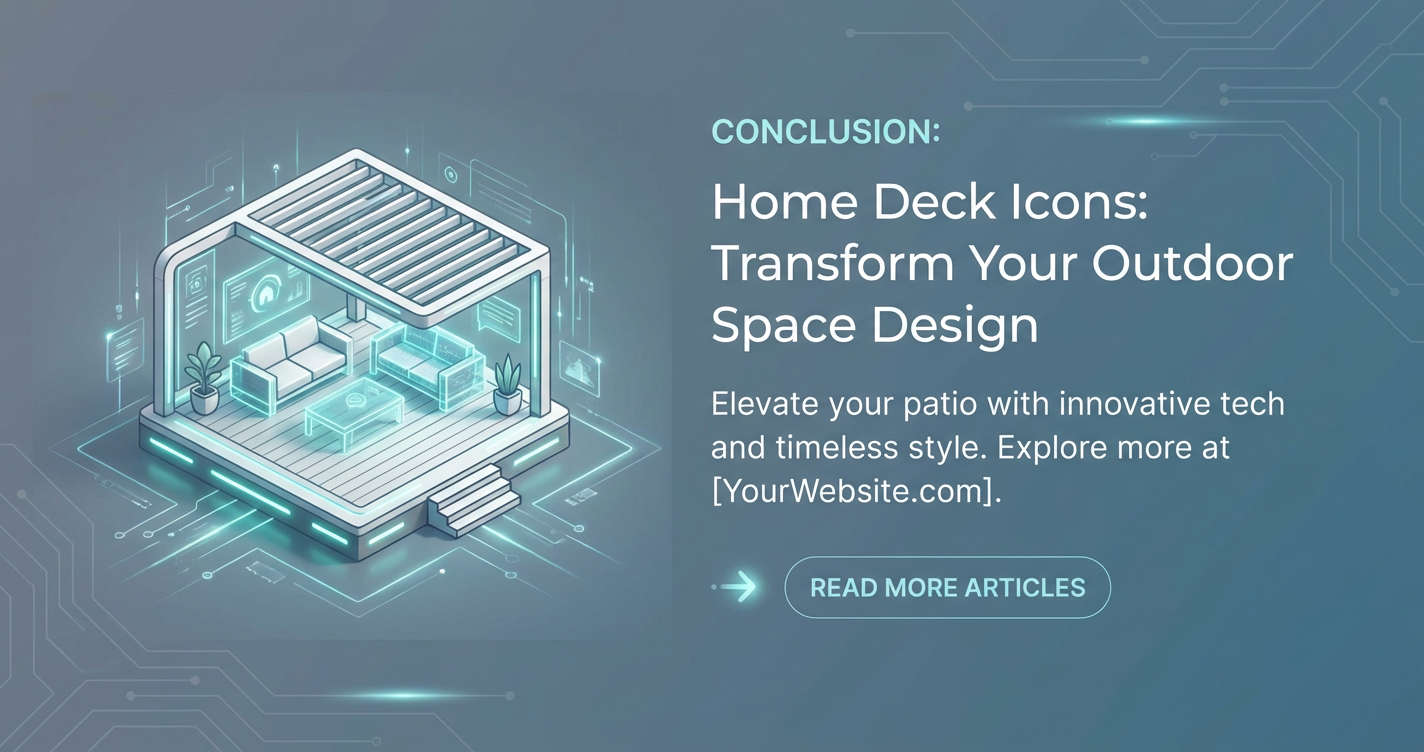
The journey to transforming your outdoor space through the design of an iconic deck is a rich and rewarding endeavor, a confluence of practical considerations, aesthetic aspirations, and a profound connection to the natural world. We've explored the myriad "Home Deck Icons" – from the unseen, foundational elements that guarantee safety and longevity, to the visible, tactile surfaces that define visual appeal, and the intricate details of railings that balance security with style. We've delved into the functional enhancements that elevate a simple platform into a multi-faceted outdoor room, and emphasized the crucial role of landscaping integration in weaving your deck seamlessly into the garden tapestry.
Each decision, from the choice of durable decking materials to the strategic placement of a built-in fire pit, contributes to the overarching narrative of your outdoor living experience. These icons are not mere components; they are carefully selected brushstrokes on the canvas of your backyard, each adding depth, character, and purpose. Whether you prioritize the warm, rustic charm of natural wood, the sleek, low-maintenance appeal of composite, or the modern transparency of glass railings, the key lies in thoughtful planning and a holistic approach to design.
Furthermore, as we look towards the horizon, the exciting prospect of AI-driven innovation and smart deck technologies promises to redefine what's possible, offering unprecedented levels of customization, efficiency, and responsiveness. From automated environmental controls to AI design assistants, the future deck will be not just a space, but an intelligent, adaptive environment, further solidifying its status as an iconic extension of the modern home. The underlying infrastructure, facilitated by advancements like AI Gateways, LLM Gateways, and Model Context Protocols, will ensure that these sophisticated systems operate seamlessly and securely, delivering a truly integrated outdoor experience.
Ultimately, your deck should be a personalized sanctuary, a reflection of your lifestyle and a testament to your vision. It is a space designed for relaxation, for vibrant social gatherings, for quiet contemplation, and for forging a deeper connection with the outdoors. By understanding and meticulously curating these "Home Deck Icons," you are not just building a structure; you are crafting an enduring outdoor haven, a truly iconic space that will bring joy, beauty, and value to your home for many years to come. Embrace the design process, consult with experienced professionals, and let your imagination lead the way to an outdoor space that is uniquely, beautifully, and functionally yours.
5 FAQs About Home Deck Design
- What are the most durable decking materials for a long-lasting deck? For exceptional durability and longevity, tropical hardwoods like Ipe, Cumaru, and Teak are top contenders, known for their natural resistance to rot, insects, and decay, though they require periodic oiling to maintain their color. High-quality capped composite decking and PVC decking also offer outstanding durability with virtually no maintenance, as they are engineered to resist fading, staining, mold, and rot. Aluminum decking is another extremely durable option, impervious to environmental damage, though it presents a distinctly modern aesthetic. The choice often depends on balancing initial cost, desired aesthetic, and willingness to perform maintenance.
- How do I choose the right railing style for my deck? The ideal railing style depends on several factors: the architectural style of your home, your desired level of view obstruction, maintenance preferences, and budget. For traditional homes, wood railings or classic wrought iron can be fitting. Modern or minimalist homes often pair well with sleek aluminum, minimalist cable, or transparent glass panel railings. If maximizing views is a priority, glass or cable railings are excellent choices, while denser wood or composite railings offer more privacy and a sense of enclosure. Always ensure your chosen railing style meets local building codes for height and baluster spacing to ensure safety.
- What are some popular built-in features to enhance deck functionality? To transform a deck into a multi-functional outdoor room, consider incorporating built-in features such as:
- Built-in bench seating: Maximizes space and provides permanent, comfortable seating, often with integrated storage underneath.
- Outdoor kitchens or grill stations: Elevate entertaining with dedicated areas for cooking, food prep, and refrigeration.
- Fire pits or outdoor fireplaces: Create a cozy focal point for gathering and extend the usability of the deck into cooler evenings.
- Pergolas or gazebos: Provide shade and a sense of enclosure, defining outdoor "rooms" and offering support for climbing plants.
- Integrated lighting: Enhances safety, ambiance, and highlights architectural features, often including stair lighting, post cap lights, and under-rail LED strips.
- How important is landscaping integration for a deck, and what are some key strategies? Landscaping integration is crucial for making a deck feel like an organic extension of your home and garden, rather than an isolated structure. Key strategies include:
- Softening edges: Planting shrubs, grasses, or flower beds around the base of the deck to blend it into the landscape.
- Container gardening: Placing pots and planters on the deck surface to bring greenery and color directly into the space.
- Creating seamless transitions: Designing pathways, steps, or terraced beds that flow gracefully from the deck into the garden.
- Strategic privacy plantings: Using taller shrubs or trees to provide natural screening from neighbors or undesirable views.
- Incorporating water features: Adding small fountains or reflecting pools to enhance ambiance and provide soothing sounds.
- How might AI and smart technology influence future deck design and functionality? AI and smart technology are poised to revolutionize deck design and functionality in several ways. Future decks could feature integrated sensors for environmental monitoring (weather, UV, temperature) triggering automated responses like retractable awnings or heating elements. AI design assistants could generate personalized 3D visualizations, optimize layouts based on various parameters (sun path, wind), and recommend materials for sustainability and aesthetics. Furthermore, advanced backend systems leveraging an AI Gateway and LLM Gateway could manage communication between diverse AI models (e.g., for voice commands, predictive maintenance, or design generation) and smart devices. A Model Context Protocol would ensure these AI components maintain a coherent understanding of user preferences and ongoing states, enabling truly intelligent and responsive outdoor living spaces.
🚀You can securely and efficiently call the OpenAI API on APIPark in just two steps:
Step 1: Deploy the APIPark AI gateway in 5 minutes.
APIPark is developed based on Golang, offering strong product performance and low development and maintenance costs. You can deploy APIPark with a single command line.
curl -sSO https://download.apipark.com/install/quick-start.sh; bash quick-start.sh

In my experience, you can see the successful deployment interface within 5 to 10 minutes. Then, you can log in to APIPark using your account.

Step 2: Call the OpenAI API.