Insurance Production Operations: Defining Their Core Functions
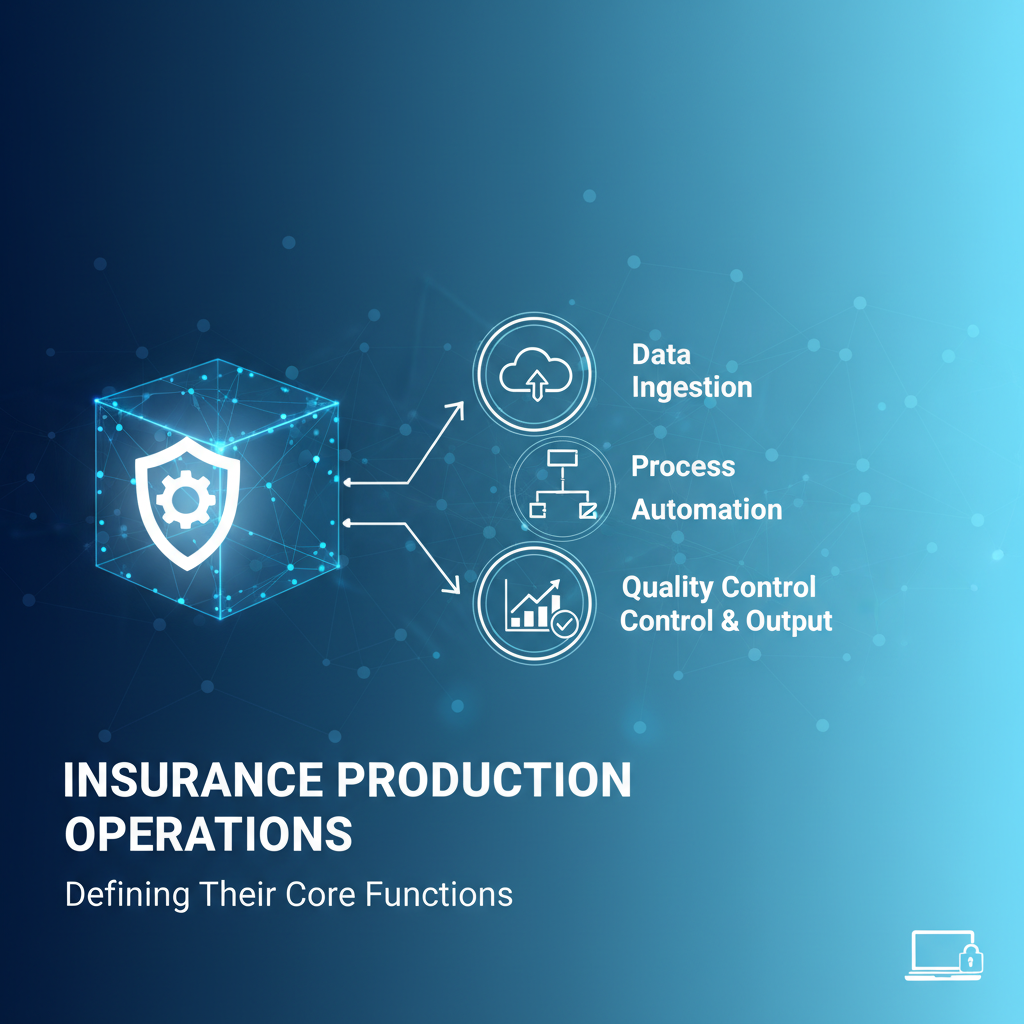


Insurance, at its heart, is a promise – a covenant to protect individuals, families, and businesses against unforeseen adversities. While the consumer often interacts with the sales agent, the policy document, or the claims adjuster, the true delivery of this promise is orchestrated by an intricate web of activities known as insurance production operations. These are the fundamental, often unseen, processes that underpin every aspect of an insurance company's ability to create, administer, and fulfill its commitments. Far more than just back-office processing, production operations are the strategic engine that drives an insurer’s solvency, customer satisfaction, and long-term viability.
In a rapidly evolving global landscape, characterized by technological disruption, shifting customer expectations, and increasingly complex regulatory frameworks, understanding and optimizing these core functions is not merely an operational necessity but a strategic imperative. From the actuarial scientists who meticulously calculate risk to the claims professionals who provide comfort in times of distress, each role and process within production operations contributes to the seamless delivery of the insurance product. This comprehensive exploration delves deep into the essential components of insurance production operations, unraveling their intrinsic nature, interdependencies, and the transformative forces shaping their future. We will define their core functions, detail their critical activities, and illuminate how they collectively form the robust backbone of the entire insurance enterprise, ensuring the industry’s continued relevance and resilience.
Deconstructing Insurance Production Operations: A Foundational Overview
At its zenith, insurance production operations encapsulate the entire lifecycle of an insurance policy, from its conceptual design to the ultimate settlement of a claim and beyond. It’s a holistic term that encompasses a broad spectrum of activities, distinct from the purely outward-facing sales and marketing efforts, yet intrinsically linked to them. These operations are the internal machinery that transforms a perceived market need into a tangible insurance product, manages its existence through its lifespan, and ensures that the financial promises made are duly honored when a loss occurs. The sheer scale and complexity of managing millions of policies, assessing countless risks, and processing vast numbers of claims necessitate highly structured and efficient operational frameworks.
Within the insurance ecosystem, production operations serve as the central nervous system, coordinating the flow of information, decisions, and resources across various departments. They are responsible for the meticulous execution of tasks that might appear administrative on the surface but carry profound financial and reputational implications for the insurer. This critical domain ensures that product offerings are actuarially sound, that underwriting decisions are consistent and profitable, that policyholder data is accurate and secure, and that claims are handled fairly and efficiently. Without robust production operations, even the most innovative insurance products or aggressive sales strategies would falter, unable to translate customer acquisition into sustainable, solvent business. The emphasis here is on precision, compliance, and scale, ensuring that every policy is a viable financial instrument and every claim a testament to the insurer’s integrity and capability.
Core Function 1: Product Development and Actuarial Science – Crafting the Promise
The journey of any insurance product begins long before it reaches a prospective policyholder. It originates in the intricate processes of product development and actuarial science, functions that are profoundly foundational to an insurer's existence and profitability. These operations are responsible for envisioning, designing, pricing, and refining the very coverage that the company offers, effectively translating abstract concepts of risk into concrete financial instruments.
The Genesis of Insurance Products: Identifying Market Needs and Strategic Intent
Product development in insurance is a multidisciplinary endeavor that starts with a keen understanding of market dynamics, competitive landscapes, and evolving societal needs. It involves identifying gaps in existing coverage, anticipating emerging risks (e.g., cyber threats, climate change impacts), and recognizing demographic shifts that necessitate new types of protection. A dedicated team, often comprising market researchers, business analysts, and legal experts, will scrutinize various data points to define the scope, features, and benefits of a new insurance offering. This initial phase involves comprehensive market analysis, competitor benchmarking, and a deep dive into potential regulatory implications. The goal is not just to create a product, but to craft one that is both appealing to the target market and strategically aligned with the insurer’s risk appetite and financial objectives. This involves making critical decisions on coverage types, policy limits, deductibles, and the overall value proposition that differentiates the product in a crowded marketplace. Without this strategic groundwork, subsequent operational activities would lack direction and purpose, leading to products that are either undesirable to customers or unsustainable for the insurer.
Actuarial Science at its Core: The Mathematical Backbone
Once a product concept takes shape, it is the actuarial science function that transforms it into a financially viable and sustainable offering. Actuaries are the mathematical architects of the insurance world, employing sophisticated statistical models and probability theories to quantify risk, predict future events, and ensure the long-term solvency of the insurer. Their role is multi-faceted and encompasses several critical activities:
- Risk Assessment and Quantification: Actuaries analyze vast datasets, often historical claims data, demographic information, and economic indicators, to assess the likelihood and potential severity of future insured events. This involves sophisticated statistical modeling to understand various risk factors and their correlation with losses. For instance, in auto insurance, actuaries might model accident probabilities based on driver age, vehicle type, driving history, and geographical location.
- Pricing Methodologies: Armed with risk assessments, actuaries develop pricing structures that are fair to policyholders, competitive in the market, and, most crucially, profitable for the insurer. This delicate balance ensures that premiums collected are sufficient to cover expected claims, operational expenses, and provide a reasonable profit margin, thereby maintaining the company's financial health. Pricing strategies must also account for various distribution channels and their associated costs.
- Reserving: One of the most critical actuarial functions is the calculation and maintenance of reserves. These are financial provisions set aside by insurers to pay for future claims. Accurate reserving is paramount for regulatory compliance and ensuring that an insurer has adequate funds to meet its obligations, particularly for long-tail claims (e.g., liability claims) where the ultimate cost may not be known for many years.
- Predictive Modeling and Data Analytics: Modern actuarial science increasingly leverages advanced predictive analytics and machine learning techniques. This allows for more granular risk segmentation, dynamic pricing adjustments, and more accurate forecasts of claims trends and financial performance. The insights derived from these models feed directly back into product design and underwriting guidelines, creating an iterative cycle of improvement.
Legal and Regulatory Review: Ensuring Compliance from Inception
Parallel to the actuarial work, every new product or significant modification must undergo rigorous legal and regulatory review. The insurance industry is heavily regulated, with strict rules governing product design, policy language, disclosures, and pricing. This function ensures that the proposed product complies with all applicable state, federal, and international laws and regulations, preventing legal challenges, fines, and reputational damage. This review covers aspects such as consumer protection laws, anti-discrimination provisions, and specific state mandates for certain types of coverage. Non-compliance at this stage can lead to severe penalties and forced product withdrawals, underscoring the critical nature of this oversight.
Product Launch and Iteration: Continuous Improvement
Once a product is fully developed, priced, and approved, it moves towards launch. However, product development doesn't end there. Continuous monitoring of market performance, claims experience, and customer feedback is essential. Actuaries and product managers work together to analyze the profitability and performance of launched products, making necessary adjustments to pricing, coverage terms, or marketing strategies. This iterative process ensures that products remain relevant, competitive, and financially sound throughout their lifecycle, responding proactively to changes in risk profiles or market demands. The initial promise crafted by these functions is thus continuously refined and upheld.
Core Function 2: Underwriting – The Art and Science of Risk Acceptance
Following the intricate process of product development and actuarial pricing, the next pivotal stage in insurance production operations is underwriting. This function represents the insurer's critical decision point, where the theoretical framework of a product meets the tangible reality of an applicant's risk profile. Underwriting is fundamentally about evaluating individual or corporate applicants to determine their insurability, establish appropriate coverage terms, and assign a premium that accurately reflects the assessed risk. It is an art guided by experience and a science driven by data and defined guidelines.
Defining Underwriting: The Gatekeeper of Risk
The underwriter acts as the gatekeeper, safeguarding the insurer's financial health by ensuring that the risks assumed align with the company's strategic objectives and profitability targets. Their primary responsibility is to balance the imperative of growth (writing new business) with the necessity of maintaining solvency and profitability (avoiding excessive losses). This delicate act requires a profound understanding of the various risk factors inherent in different lines of business, be it life, health, property, casualty, or specialty insurance. An underwriter's decision impacts not only the individual policy but also the overall risk portfolio of the entire company. Accepting too much high-risk business without adequate pricing can lead to significant financial strain, while being overly conservative can stifle growth and market competitiveness.
The Underwriter's Role: Balancing Growth with Profitability
The underwriter's role is complex and multifaceted, demanding a combination of analytical prowess, critical judgment, and an understanding of human behavior. They are tasked with:
- Risk Evaluation: Analyzing all pertinent information about an applicant to assess the likelihood and potential severity of a claim. This involves identifying specific perils and hazards associated with the applicant.
- Insurability Determination: Deciding whether to accept the risk, decline it, or accept it with modifications (e.g., higher premium, specific exclusions, limited coverage).
- Terms and Conditions Setting: Tailoring policy language, deductibles, limits, and endorsements to match the unique risk profile.
- Premium Assignment: Ensuring the premium charged is commensurate with the level of risk being assumed, aligning with actuarial guidelines.
- Risk Mitigation Advice: In some cases, underwriters may suggest risk improvement measures to applicants, which could then lead to more favorable terms.
Data Sources and Assessment: Information as the Lifeblood
To make informed decisions, underwriters rely on a vast array of data sources. The depth and breadth of information collected depend heavily on the type of insurance. Common data sources include:
- Application Forms: Detailed information provided by the applicant, covering personal details, property characteristics, business operations, and previous insurance history.
- Medical Records and Exams: For life and health insurance, extensive medical histories, diagnostic tests, and physical examinations are crucial to assess health risks.
- Financial Data: Credit scores, income statements, balance sheets, and tax returns for assessing financial stability and insurable interest.
- Property Reports: Inspections, surveys, appraisal reports, and detailed construction information for property insurance.
- Motor Vehicle Records and Telematics: Driving history, accident records, and data from vehicle monitoring devices for auto insurance.
- Geographic and Environmental Data: Flood maps, seismic activity zones, crime rates, and weather patterns.
- Third-Party Data Providers: Specialized data services that offer insights into specific risks, such as business intelligence reports or claims history databases.
The underwriter meticulously sifts through this information, identifying discrepancies, potential red flags, and critical data points that inform their risk assessment. The ability to discern patterns and make connections from disparate data elements is a hallmark of skilled underwriting.
Underwriting Processes: Evolution from Manual to Automated
Underwriting has undergone a significant transformation, evolving from a predominantly manual, expert-driven process to one increasingly augmented by technology.
- Manual Underwriting: Traditionally, this involved individual underwriters personally reviewing each application, applying their judgment, experience, and knowledge of guidelines. This approach is highly effective for complex, unique, or high-value risks where nuanced judgment is paramount. However, it can be time-consuming and prone to inconsistencies across different underwriters.
- Automated Underwriting (AU): For simpler, standardized, and high-volume policies (e.g., personal auto, basic home insurance), automated underwriting systems are employed. These systems use predefined rules, algorithms, and predictive models to make instant decisions. This straight-through processing significantly reduces cycle times, improves consistency, and lowers operational costs. Applications that fall within certain parameters are automatically approved, referred, or declined.
- Referral Underwriting: Applications that do not fit neatly into automated rules or present unusual risk factors are "referred" to a human underwriter for review. This hybrid approach leverages the efficiency of automation for standard cases while reserving expert human judgment for complex scenarios.
Risk Mitigation Strategies: Shaping the Policy
Underwriters don't just accept or reject risks; they also play a vital role in shaping the insurance contract to manage those risks effectively. This involves implementing various mitigation strategies:
- Deductibles and Self-Insured Retentions: Requiring the policyholder to bear a portion of the loss encourages responsible behavior and reduces the frequency of small claims.
- Exclusions: Specific perils or circumstances may be explicitly excluded from coverage if they represent an unmanageable or uninsurable risk.
- Policy Limits: Capping the maximum amount an insurer will pay for a covered loss.
- Endorsements and Riders: Adding specific provisions to customize coverage for unique situations or to exclude certain risks.
- Risk Improvement Requirements: Mandating certain safety measures (e.g., installing sprinkler systems, security alarms) as a condition for coverage or to qualify for lower premiums.
The Digital Transformation of Underwriting: Leveraging AI and APIs
Modern underwriting is profoundly influenced by digital transformation. The drive for greater accuracy, speed, and cost-efficiency has led to the adoption of advanced technologies:
- AI and Machine Learning (ML): AI/ML algorithms are increasingly used to analyze vast quantities of structured and unstructured data, identifying subtle risk patterns that human underwriters might miss. This leads to more precise risk segmentation, dynamic pricing, and enhanced fraud detection capabilities during the application phase. AI can also automate more complex underwriting decisions, moving beyond simple rule-based systems.
- Data Aggregation and Analytics Platforms: These platforms consolidate data from internal systems (CRM, policy administration) and external sources (credit bureaus, public records, IoT devices) to provide a comprehensive risk picture.
- APIs and Integration: The seamless exchange of data between these disparate systems and external data providers is absolutely crucial. Application Programming Interfaces (
apis) are the fundamental building blocks for this interoperability. They allow an insurer's underwriting system to instantly pull credit scores from a credit bureau, motor vehicle records from a state database, or property assessment data from a geospatial service. To manage the increasing number of theseapiconnections, especially when dealing with various third-party data feeds and internal microservices, anapi gatewaybecomes an indispensable piece of infrastructure. Thisapi gatewayacts as a centralgatewayfor all incoming and outgoingapitraffic, enforcing security policies, managing traffic routing, and providing monitoring capabilities. This ensures that data flows securely and efficiently to inform underwriting decisions.
The ongoing evolution of underwriting is a testament to the industry's commitment to precision and efficiency. By embracing sophisticated data analysis and robust technological infrastructures, insurers can refine their risk selection processes, leading to more sustainable business models and fairer outcomes for policyholders.
Core Function 3: Policy Administration – Managing the Policy Lifecycle
Once an underwriting decision is made and a policy is issued, the operational baton passes to policy administration. This critical function is the backbone of an insurer's ongoing relationship with its policyholders, responsible for the accurate and efficient management of all aspects of a policy throughout its entire lifecycle. From issuance to renewal, endorsement, and eventual cancellation, policy administration ensures that the policy remains a living, accurate, and compliant document.
The Central Repository of Truth: Maintaining Policy Data
At its core, policy administration is about maintaining a single, accurate, and secure repository of all policy-related data. This data includes policyholder details, coverage specifics, premium schedules, claims history, and any modifications or communications related to the policy. The integrity of this data is paramount; any error can lead to incorrect billing, improper claims handling, regulatory non-compliance, and ultimately, a breakdown of trust with the policyholder. A robust policy administration system (PAS) serves as this central hub, integrating with other core systems like claims management, billing, and customer relationship management (CRM) to ensure data consistency across the enterprise. The accuracy of this data is not merely an operational concern but a foundational element that underpins an insurer’s financial reporting, regulatory compliance, and ability to deliver on its promises.
Key Activities: The Rhythms of Policy Management
The policy administration function encompasses a wide array of ongoing activities that ensure the smooth operation and adherence to policy terms:
- Policy Issuance and Delivery: Upon successful underwriting, the policy administration system generates the official policy documents, including the declarations page, policy jacket, endorsements, and any required legal notices. These documents are then delivered to the policyholder through their preferred channel, be it mail or increasingly, secure digital portals. This initial step sets the stage for the entire policy lifecycle.
- Endorsements: Changes to Coverage, Beneficiaries, Address: Life is dynamic, and policyholders' needs and circumstances change. Endorsements are modifications made to an existing policy. This could involve updating an address, changing beneficiary designations on a life insurance policy, adding or removing a vehicle from an auto policy, increasing coverage limits on a homeowner's policy, or adjusting business operations for commercial insurance. Policy administration meticulously processes these changes, ensuring they are accurately recorded, properly priced (if applicable), and reflected in updated policy documents.
- Renewals: Reassessing Risk, Adjusting Premiums: As a policy approaches its expiration date, the policy administration system initiates the renewal process. This often involves a re-evaluation of the risk by underwriting (especially for commercial policies or those with claims history) and an adjustment of premiums based on current risk factors, claims experience, and market conditions. The system generates renewal notices, updated declarations, and billing statements, ensuring a seamless continuation of coverage unless otherwise specified by the policyholder or insurer.
- Cancellations and Reinstatements: Policy administration handles both voluntary cancellations initiated by the policyholder and involuntary cancellations by the insurer (e.g., due to non-payment of premiums or misrepresentation). It calculates any prorated refunds and ensures that coverage cessation is properly recorded. Conversely, if a policy is canceled due to non-payment, the function manages the reinstatement process, provided the policyholder meets the insurer's criteria and makes up outstanding payments.
- Billing and Premium Collection: While often a distinct sub-function, billing is inextricably linked to policy administration. This involves generating premium invoices, processing payments (via various channels like direct debit, credit card, online payments), reconciling accounts, and managing payment plans. Efficient billing ensures consistent cash flow for the insurer and prevents coverage lapses for policyholders. It also handles delinquent accounts, sending reminders and processing late payment fees according to policy terms.
Importance of Accuracy and Efficiency: Impact on Customer Satisfaction and Regulatory Compliance
The meticulous nature of policy administration is not simply procedural; it has profound implications for both customer satisfaction and regulatory compliance.
- Customer Satisfaction: Accurate and timely processing of endorsements, renewals, and billing prevents frustration, errors, and disputes. A smooth policy administration experience reinforces trust and contributes significantly to policyholder retention. Conversely, errors in billing or delays in processing changes can quickly erode customer confidence.
- Regulatory Compliance: Insurance is a heavily regulated industry. Policy administration must adhere to numerous state and federal regulations concerning policy language, disclosures, cancellations, renewals, and data privacy. Failure to comply can lead to significant fines, sanctions, and reputational damage. The ability to demonstrate accurate record-keeping and adherence to legal requirements is a key outcome of effective policy administration.
Modern Policy Administration Systems: Integration and Self-Service
Contemporary policy administration relies heavily on sophisticated Policy Administration Systems (PAS). These systems are no longer standalone applications but integrated platforms that:
- Integrate with Other Systems: Seamlessly connect with underwriting engines, claims management systems, CRM platforms, accounting software, and agent portals. This integration is crucial for maintaining data consistency and enabling straight-through processing where possible. The underlying technology for much of this integration leverages
apis, allowing different software modules to communicate and exchange data efficiently. For instance, anapimight allow a customer service representative to instantly pull up policy details from the PAS when interacting with a policyholder, without having to navigate multiple systems. - Enable Self-Service Portals: Many insurers now offer customer and agent portals that allow policyholders to view policy details, make payments, submit endorsement requests, and track their claims status independently. Agents can access policy information, generate quotes, and manage their client portfolios. These self-service capabilities reduce the burden on call centers and improve the overall customer experience.
- Automate Workflows: Modern PAS platforms incorporate workflow automation tools that streamline processes, reduce manual intervention, and improve operational efficiency. From automatically sending renewal notices to routing endorsement requests to the appropriate team members, automation minimizes delays and errors.
In essence, policy administration is the consistent, careful stewardship of the insurer's promises. It is the steady heartbeat that keeps policies active, accurate, and aligned with the evolving needs of both the policyholder and the insurer, ensuring the integrity and longevity of the insurance relationship.
Core Function 4: Claims Management – Delivering on the Promise
If product development crafts the promise and underwriting validates the risk, then claims management is the ultimate moment of truth – the point where the insurer delivers on its fundamental commitment to the policyholder. It is arguably the most critical and visible operational function, profoundly impacting customer loyalty, financial solvency, and the insurer’s reputation. Effective claims management transforms a policy from a legal document into a tangible benefit, providing financial relief and support when policyholders need it most.
The Moment of Truth: Insurer's Most Critical Interaction
A claim signifies a policyholder's need, often arising from a stressful or traumatic event. How an insurer handles this situation shapes the customer's perception of the company more than any other interaction. A fair, swift, and empathetic claims process can cement loyalty and generate positive word-of-mouth, even turning an adverse event into an opportunity to build trust. Conversely, delays, bureaucracy, or perceived unfairness can severely damage an insurer's reputation, leading to policyholder churn, regulatory complaints, and negative public sentiment. This function is not just about financial payout; it's about providing reassurance, guidance, and demonstrating the true value of insurance.
Phases of Claims Processing: A Structured Journey
Claims management is a multi-stage process, each phase requiring careful attention and adherence to established protocols:
- First Notice of Loss (FNOL): Timely and Empathetic Intake: This is the initial contact point when a policyholder reports an incident. The goal of FNOL is to collect essential information quickly and accurately, assess the urgency of the situation, and provide immediate support. Modern FNOL systems allow reporting via various channels: phone calls to a contact center, online portals, mobile apps, or even through agents. Key data collected includes the date, time, and nature of the loss, policy details, and contact information. An empathetic and efficient FNOL process sets a positive tone for the entire claims journey, making the policyholder feel supported from the outset.
- Investigation: Verifying Facts, Assessing Damages, Determining Coverage: Once a claim is reported, an adjuster or claims professional is assigned to investigate the incident. This involves verifying the facts of the loss, gathering evidence (e.g., photos, police reports, medical records, eyewitness statements), assessing the extent of damages or injuries, and crucially, determining if the loss is covered under the terms and conditions of the policy. The investigation phase may involve site visits, interviews, independent appraisals, and forensic analysis. For complex claims, multiple specialists may be involved.
- Evaluation and Adjudication: Applying Policy Terms, Reserving: Based on the investigation findings, the claims professional evaluates the claim against the policy language. This involves interpreting policy clauses, exclusions, deductibles, and limits to determine the exact amount payable. During this phase, adequate reserves are established, setting aside funds to cover the estimated future cost of the claim. Accurate reserving is vital for the insurer's financial stability and regulatory compliance. Adjudication is the formal decision-making process where the claim is either approved, denied, or settled with adjustments.
- Settlement: Timely and Fair Payout: Once adjudicated, the claim moves to settlement. This involves issuing payments to the policyholder, repair shops, medical providers, or other beneficiaries, typically in accordance with the policy terms and any applicable legal requirements. The goal is a prompt and fair resolution that satisfies the policyholder while adhering to the insurer's financial obligations. For property claims, this might involve coordinating with contractors; for liability claims, it could involve negotiations and legal processes.
- Subrogation and Salvage: After a claim is paid, the claims department may pursue subrogation, which involves the insurer seeking recovery of the amount paid from a responsible third party. For example, if an insurer pays for a policyholder's car damage caused by another driver, it might subrogate against the at-fault driver's insurance company. Salvage refers to recovering and selling damaged property after a total loss (e.g., selling a totaled car for parts) to mitigate the insurer's payout.
Role of Claims Adjusters: Empathy, Investigative Skills, Negotiation
Claims adjusters are the frontline representatives of the insurer during a policyholder’s time of need. Their role demands a unique blend of skills:
- Empathy and Communication: The ability to communicate clearly, compassionately, and professionally with policyholders, often under stressful circumstances.
- Investigative Acumen: Sharp analytical and investigative skills to uncover facts, identify inconsistencies, and determine the root cause and extent of a loss.
- Policy Knowledge: A deep understanding of various insurance products, policy language, legal precedents, and regulatory requirements.
- Negotiation Skills: For liability claims or complex property disputes, adjusters must be adept at negotiation to reach fair and equitable settlements.
- Technical Expertise: Depending on the type of claim, adjusters may need specialized knowledge in areas like construction, automotive repair, or medical terminology.
Fraud Detection: Leveraging Data Analytics and Specialized Tools
Unfortunately, claims fraud is a persistent challenge that significantly impacts insurers and honest policyholders through increased premiums. Claims management operations dedicate substantial resources to detecting and preventing fraudulent claims. This involves:
- Red Flag Indicators: Identifying patterns, inconsistencies, or unusual circumstances that suggest potential fraud during FNOL and investigation.
- Data Analytics and AI: Advanced analytics, machine learning algorithms, and
apiintegrations with external fraud databases are increasingly employed to identify suspicious claims. These systems can analyze vast amounts of data—historical claims, social media, public records—to flag claims with high fraud potential, helping adjusters focus their investigative efforts. - Special Investigative Units (SIUs): Dedicated teams of specialists who investigate complex or suspected fraudulent claims, often working with law enforcement agencies.
Technological Advancements in Claims: Streamlining and Enhancing Experience
The claims landscape is being rapidly reshaped by technological innovation, leading to faster, more accurate, and more customer-centric processes:
- AI for FNOL and Triage: AI-powered chatbots and virtual assistants can handle initial claim reports, answer common questions, and guide policyholders through the process, providing 24/7 availability and instant responses. AI can also help triage claims, directing complex cases to human adjusters and automating simpler ones.
- Image and Video Recognition: For property and auto claims, AI-driven image analysis can quickly assess damage from photos or videos submitted by policyholders, expediting repair estimates and settlement. Drones are also used for inspecting hard-to-reach areas post-catastrophe.
- Predictive Analytics for Settlement: Algorithms can predict the likely cost and duration of claims, helping insurers set more accurate reserves and proactively manage the settlement process.
- Straight-Through Processing (STP): For minor, routine claims, STP leverages automation to process claims from FNOL to payment without human intervention, significantly reducing cycle times and costs.
- Digital Communication Platforms: Secure portals, mobile apps, and integrated communication tools keep policyholders informed about their claim status, allowing them to submit documents and communicate with adjusters easily.
- API Integrations for Ecosystem Connectivity: The entire claims process relies on robust data exchange. Claims systems need to connect with policy administration (to verify coverage), external service providers (repair shops, medical networks), third-party adjusters, fraud detection services, and payment systems. Well-defined
apis facilitate this complex web of interactions. For example, anapiallows an insurer's system to instantly send claim details to an approved auto repair shop or to retrieve medical records from a hospital. To manage this proliferation ofapiendpoints, anapi gatewayis essential. It acts as a single, securegatewaythrough which all claims-related data can flow, managing authentication, authorization, rate limiting, and monitoring. This ensures that the right data reaches the right system at the right time, securely and efficiently, providing the technological backbone for delivering on the insurance promise.
Claims management is the ultimate test of an insurer's operational capabilities and its commitment to its policyholders. By embracing technology, fostering empathy, and maintaining rigorous processes, insurers can transform the moment of truth into an experience that reinforces trust and demonstrates genuine value.
Core Function 5: Customer Service and Support – The Human Touchpoint
While many insurance operations are transactional or process-driven, customer service and support represent the human face of the insurer. This function is dedicated to assisting policyholders, answering their questions, resolving issues, and providing guidance throughout their relationship with the company. It transcends mere transaction processing, playing a crucial role in building trust, fostering loyalty, and enhancing the overall customer experience. In an industry where products can often feel intangible, high-quality customer service provides concrete value and reassurance.
Beyond Transactions: Building Relationships and Resolving Queries
Customer service goes beyond simply processing a request; it's about building and nurturing long-term relationships. Policyholders often have questions about their coverage, need clarification on billing, seek guidance during a claim, or require assistance with policy changes. The customer service team serves as the primary point of contact for these inquiries, acting as knowledgeable advocates for the policyholder. Their role involves:
- Information Provision: Explaining complex policy terms, coverage details, and claim procedures in clear, understandable language.
- Query Resolution: Efficiently addressing questions related to billing, payments, policy status, or general inquiries.
- Issue Escalation: Identifying and escalating complex issues or complaints to specialized teams (e.g., underwriting, claims, legal) when direct resolution is not possible.
- Proactive Communication: In some cases, reaching out to policyholders with important updates, reminders, or personalized advice.
- Empathy and Patience: Acknowledging the policyholder's situation, especially during stressful times (like a claim), and guiding them with understanding and professionalism.
Channels: Meeting Customers Where They Are
Modern customer service operations recognize the need to interact with policyholders through multiple channels, catering to diverse preferences and ensuring accessibility:
- Call Centers: Remain a cornerstone, providing direct, personalized human interaction for complex inquiries or urgent issues. Call center representatives are trained to handle a wide range of topics and often require access to comprehensive policyholder data.
- Email: Offers a convenient channel for non-urgent inquiries, allowing for detailed written responses and documentation of communication.
- Live Chat: Provides real-time text-based support, offering a quick and efficient way for policyholders to get answers to simpler questions while browsing the insurer's website. Often augmented by AI-powered chatbots for initial screening.
- Self-Service Portals: Empower policyholders to access their policy documents, view billing statements, make payments, update personal information, and track claim status independently, reducing the need for direct contact for routine tasks.
- Social Media: Increasingly used for general inquiries, feedback, and occasionally for resolving minor issues, although sensitive matters are typically directed to private channels.
Integrating these channels seamlessly, often referred to as an "omnichannel" approach, is crucial for a consistent customer experience. A customer starting a conversation on chat should be able to continue it via phone without having to repeat all their information.
Role in Policyholder Retention: A Positive Experience Reinforces Trust
Exceptional customer service is a powerful driver of policyholder retention. When policyholders feel valued, understood, and effectively supported, they are far more likely to remain with their current insurer. A positive service experience can offset minor product deficiencies or even price differences, as trust and reliability become key differentiators. Conversely, poor service can quickly lead to dissatisfaction and churn, making it difficult and expensive for insurers to acquire new customers. The customer service function, therefore, serves as a crucial component of an insurer's overall retention strategy, directly impacting lifetime customer value.
Integration with Other Operations: Access to Data is Paramount
To provide effective support, customer service representatives require instant and comprehensive access to policyholder information, claims status, billing history, and other relevant data. This necessitates deep integration with core operational systems:
- Policy Administration Systems (PAS): To retrieve policy details, coverage information, and endorsement history.
- Claims Management Systems (CMS): To provide updates on claim status, adjusters' contact information, and expected settlement timelines.
- Customer Relationship Management (CRM) Systems: To access a complete history of all customer interactions, preferences, and feedback, ensuring a personalized and consistent experience.
- Billing Systems: To answer questions about invoices, payments, and account balances.
The seamless flow of information, often facilitated by robust apis, allows customer service professionals to act as informed advocates, providing accurate and timely assistance. When a representative uses an internal api to query a policy administration system, for example, they can instantly retrieve the specific details required to answer a policyholder's question. This interconnectedness is vital; silos of information hinder effective service delivery and lead to customer frustration. The underlying digital infrastructure, including internal and external apis and the api gateway solutions that manage them, are therefore critical enablers for modern customer service excellence.
In essence, customer service and support is the continuous dialogue between the insurer and its policyholders. It transforms abstract promises into tangible experiences, cementing relationships, and upholding the human dimension of the insurance industry. Through its dedication to assistance and resolution, it ensures that policyholders always feel heard, understood, and valued.
Core Function 6: Sales and Distribution Support – Empowering the Front Line
While direct sales and marketing teams are responsible for acquiring new business, sales and distribution support operations are the unsung heroes that empower these front-line personnel to effectively connect with customers and offer the right products. This function provides the essential tools, information, and infrastructure that enable agents, brokers, and direct sales channels to quote, propose, and bind insurance policies efficiently and accurately. It ensures that the sophisticated products developed and underwritten by the insurer can actually reach the hands of the consumers who need them.
Facilitating Sales: Providing Tools and Information
The primary objective of sales and distribution support is to streamline the sales process and equip all distribution channels with the resources necessary to succeed. This involves much more than just providing brochures; it encompasses a wide range of technological and informational support:
- Product Information Management: Ensuring agents and brokers have access to up-to-date and accurate details about all available products, including coverage options, exclusions, and eligibility criteria. This often involves detailed product manuals, online knowledge bases, and frequently asked questions (FAQs).
- Training and Education: Developing and delivering comprehensive training programs for new agents and ongoing education for experienced ones on new products, regulatory changes, and sales techniques.
- Marketing Collateral: Providing agents with approved marketing materials, such as brochures, presentations, digital assets, and social media content, to help them effectively communicate the value proposition to potential clients.
- Lead Management Systems: Supporting the distribution of leads to agents and tracking their follow-up and conversion rates, often integrated with CRM platforms.
Quoting and Proposal Generation: Speed and Accuracy are Critical
In the competitive insurance market, the ability to generate quick, accurate, and customized quotes and proposals is paramount. Sales and distribution support plays a pivotal role in developing and maintaining the systems that enable this:
- Rating Engines: These sophisticated systems, often integrated with underwriting guidelines and actuarial pricing models, allow agents to input customer data and instantly generate premium quotes. The speed and accuracy of these engines are crucial for capturing business in real-time.
- Proposal Generation Tools: Beyond just quotes, these tools help agents create professional, branded proposals that detail coverage options, premium breakdowns, and any special conditions, presenting the insurer's offering in a clear and compelling manner.
- Comparative Raters: In the independent agency channel, integration with comparative rating platforms allows agents to simultaneously generate quotes from multiple carriers, making efficiency and robust
apiintegrations a competitive necessity for insurers.
Any delay or error in quoting can result in lost business, underscoring the operational importance of these systems.
Agent/Broker Portals: Streamlining Intermediary Operations
For insurers that rely on independent agents and brokers, dedicated online portals are critical operational tools. These portals act as a central hub for all interactions, streamlining various activities:
- Submission of Applications: Enabling agents to submit new business applications electronically, often with pre-filled information, reducing manual data entry and errors.
- Policy Inquiry and Management: Allowing agents to view their clients' policy details, track policy status, and initiate endorsement requests, significantly reducing calls to the insurer's customer service.
- Commission Tracking: Providing transparent access to commission statements and payment histories, which is vital for agent satisfaction.
- Claims Tracking: Giving agents visibility into the claims status of their clients, allowing them to better assist and advise their policyholders.
- Access to Resources: Offering a repository of training materials, product guides, marketing assets, and news updates.
These portals are complex digital ecosystems, heavily reliant on secure apis to connect with core policy administration, claims, and billing systems. The efficiency of these portals directly impacts the productivity and satisfaction of the sales force.
Marketing and Lead Generation Integration
Effective sales support also involves close integration with marketing and lead generation efforts. This ensures that:
- Targeted Campaigns: Marketing campaigns are designed with input from the sales force, focusing on products and demographics where there is genuine market demand.
- Lead Nurturing: Leads generated by marketing are seamlessly passed to sales channels, and systems track their progress through the sales funnel.
- Feedback Loops: Sales teams provide feedback to marketing on the quality of leads and the effectiveness of campaigns, allowing for continuous optimization.
This operational synergy between marketing and sales ensures that efforts are coordinated and aligned towards revenue growth.
The sales and distribution support function ensures that the insurer's products are not just conceptualized and underwritten, but are effectively delivered to the market. By providing sophisticated tools, accurate information, and streamlined processes, it empowers the front line to secure new business and maintain existing relationships, ultimately driving the insurer's growth and market presence.
APIPark is a high-performance AI gateway that allows you to securely access the most comprehensive LLM APIs globally on the APIPark platform, including OpenAI, Anthropic, Mistral, Llama2, Google Gemini, and more.Try APIPark now! 👇👇👇
Core Function 7: Compliance and Regulatory Affairs – Navigating the Legal Labyrinth
In the heavily regulated world of insurance, compliance and regulatory affairs are not merely auxiliary functions but integral components of production operations. This domain ensures that every aspect of an insurer's business, from product design and sales to underwriting and claims, adheres to the vast and ever-changing landscape of laws, rules, and guidelines set forth by regulatory bodies. Failure in this area can lead to severe financial penalties, operational restrictions, reputational damage, and even loss of operating licenses, underscoring its paramount importance to an insurer's continued existence.
The Heavily Regulated Nature of Insurance: Protecting Consumers, Ensuring Solvency
The insurance industry operates under intense scrutiny primarily for two critical reasons:
- Consumer Protection: Insurance is a promise of future payment, often complex and with long-term implications. Regulators act as guardians to ensure that policyholders are treated fairly, that policies are clearly written, that claims are paid promptly, and that pricing is not discriminatory. This includes oversight of market conduct, sales practices, and dispute resolution.
- Ensuring Solvency: Given the systemic importance of insurance and its role in protecting economic stability, regulators meticulously monitor an insurer's financial health. They set capital requirements, reserve standards, and investment guidelines to ensure companies have sufficient funds to pay claims, even during periods of significant losses (e.g., major catastrophes). This oversight protects policyholders from the risk of insurer insolvency.
These dual objectives result in a complex web of regulations that vary by jurisdiction (state, federal, international) and by line of business (life, health, property, casualty).
Key Compliance Areas: A Multifaceted Mandate
The scope of compliance in insurance production operations is extensive, touching almost every functional area:
- Data Privacy (GDPR, CCPA, etc.): Insurers collect and process vast amounts of sensitive personal and financial data. Compliance with data privacy regulations like the General Data Protection Regulation (GDPR) in Europe, the California Consumer Privacy Act (CCPA), and numerous other state-specific privacy laws is critical. This involves strict rules on data collection, storage, usage, sharing, and policyholder rights regarding their data. Non-compliance can result in substantial fines.
- Anti-Money Laundering (AML): Insurers must implement robust programs to detect and prevent money laundering and terrorist financing. This includes conducting due diligence on policy applicants, monitoring transactions for suspicious activities, and reporting suspicious transactions to relevant authorities.
- Market Conduct (Fair Practices): Regulators establish rules governing how insurers conduct business in the marketplace. This includes guidelines on advertising, sales presentations, policy solicitations, grievance handling, and claims practices to ensure fairness, transparency, and prevent deceptive practices.
- Financial Solvency Regulations (Solvency II, NAIC): These regulations dictate the financial strength an insurer must maintain. Solvency II in Europe, and the National Association of Insurance Commissioners (NAIC) model laws in the U.S., set requirements for capital adequacy, risk management, governance, and financial reporting. Compliance ensures that insurers have sufficient capital reserves to meet their long-term obligations.
- Product Filing and Approval: All new insurance products and significant modifications must be filed with and approved by state insurance departments before they can be sold. This process ensures that policy language is compliant, rates are actuarially justified, and disclosures are adequate.
- Sanctions Compliance: Adherence to international sanctions lists (e.g., OFAC in the U.S.) to prevent doing business with prohibited individuals or entities.
Impact on Operations: Integrating Compliance into Every Process
The pervasive nature of regulation means that compliance cannot be an afterthought; it must be embedded into the very fabric of insurance production operations.
- Process Design: Every operational process, from how an application is taken to how a claim is settled, must be designed with compliance in mind. This includes documenting procedures, establishing internal controls, and implementing checks and balances.
- Technology Implementation: IT systems, including policy administration systems, claims systems, and CRM, must be configured to support compliance requirements, such as data retention policies, audit trails, and security protocols. For instance,
apiintegrations between an insurer's systems and third-party data providers must adhere to strict data privacy and securityapi gatewayprotocols. - Training and Awareness: All employees involved in production operations must receive regular training on relevant regulations and the company's compliance policies.
- Risk Management: Compliance risk is a significant component of an insurer's overall enterprise risk management framework.
Audit and Reporting: Demonstrating Adherence
A critical aspect of compliance is the ability to demonstrate adherence to regulatory requirements. This involves:
- Internal Audits: Regular internal reviews to assess the effectiveness of compliance programs and identify areas for improvement.
- External Audits: Periodic examinations by regulatory bodies or independent auditors who scrutinize an insurer's operations, financial records, and compliance practices.
- Regulatory Reporting: Submitting extensive and detailed financial, operational, and claims data to regulatory agencies on a regular basis. This data, often exchanged through secure digital channels, is meticulously reviewed to ensure ongoing compliance.
In essence, compliance and regulatory affairs serve as the moral and legal compass for insurance production operations. By meticulously navigating this complex landscape, insurers not only protect their policyholders and ensure their own solvency but also uphold the public trust that is indispensable to the functioning of the entire industry. This function ensures that the promise of insurance is delivered not only effectively but also ethically and legally.
Core Function 8: Finance, Accounting, and Reinsurance Operations – The Financial Guardians
Behind the outward-facing activities of underwriting, policy administration, and claims lies a bedrock of financial operations that ensure the solvency, profitability, and stability of an insurance company. Finance and accounting, alongside reinsurance operations, are the financial guardians of the enterprise, meticulously managing the flow of money, assessing financial health, and distributing risk to maintain the insurer's ability to meet its future obligations. These functions provide the critical financial intelligence and risk transfer mechanisms that allow an insurer to operate sustainably and confidently.
Premium Collection and Reconciliation: Ensuring Revenue Streams
The lifeblood of any insurance company is the collection of premiums. The finance and accounting functions are responsible for the accurate and efficient management of this critical revenue stream:
- Premium Billing: Generating and distributing invoices to policyholders, ensuring accuracy in premium calculations, due dates, and payment options. This often involves integration with policy administration systems.
- Payment Processing: Handling various payment methods, including direct debits, credit card payments, online transfers, and checks. This requires robust systems for secure transaction processing and reconciliation.
- Receivables Management: Monitoring outstanding premiums, sending reminders, and managing delinquent accounts, which can lead to policy lapses if not addressed.
- Reconciliation: Meticulously matching collected premiums against policy records and bank statements to ensure all funds are accounted for. This prevents revenue leakage and ensures the financial data integrity that underpins all other financial reporting. Errors in this area can propagate through the entire financial system.
Efficient premium collection is not just about bringing in money; it's about maintaining consistent cash flow necessary to pay claims and operational expenses.
Reserving and Investment Management: Strategic Allocation of Funds
One of the unique aspects of insurance finance is the concept of "float" – premiums collected today to pay claims that may occur far in the future. Managing these funds strategically is paramount:
- Reserving: As discussed in actuarial science and claims management, establishing adequate reserves for future claims is a legal and financial imperative. Finance departments work closely with actuaries to ensure these reserves are accurately calculated, properly funded, and regularly reviewed. Reserves represent liabilities on the insurer's balance sheet but are critical for its ability to fulfill promises.
- Investment Management: The funds held in reserve are typically invested to generate returns, which helps offset claims costs and operational expenses, contributing significantly to an insurer's profitability. This involves developing sophisticated investment strategies, managing a diverse portfolio of assets (bonds, stocks, real estate), and adhering to strict regulatory guidelines regarding investment types and risk tolerance. Investment income is a critical component of an insurer's financial performance.
Financial Reporting and Analysis: Performance Measurement
Finance and accounting provide the critical lens through which an insurer's performance is measured and understood. This includes:
- Statutory Reporting: Preparing detailed financial statements for regulatory bodies (e.g., NAIC in the U.S., EIOPA in Europe) that comply with specific insurance accounting principles. This reporting is highly prescriptive and focuses on solvency, capital adequacy, and the ability to meet policyholder obligations.
- Management Reporting: Generating internal financial reports for senior management, providing insights into profitability by product line, segment, and distribution channel. This data informs strategic decision-making, pricing adjustments, and operational efficiency initiatives.
- Budgeting and Forecasting: Developing annual budgets and financial forecasts to guide future spending, revenue targets, and resource allocation.
- Asset-Liability Management (ALM): A sophisticated process that manages the interaction between an insurer's assets (investments) and liabilities (reserves) to optimize financial performance while controlling risk exposures.
Reinsurance Operations: Transferring Risk to Reinsurers
Reinsurance is "insurance for insurance companies." It is a critical risk management tool that allows primary insurers (ceding companies) to transfer a portion of their risks to other insurers (reinsurers) in exchange for a premium. This function is vital for managing large exposures and protecting an insurer's solvency from catastrophic events.
- Transferring Risk: Insurers use reinsurance to limit their exposure to any single large claim or a series of claims resulting from a catastrophic event (e.g., a hurricane, earthquake). By ceding a portion of their risk, they stabilize their earnings and protect their balance sheet.
- Managing Reinsurance Treaties: Reinsurance relationships are governed by complex contracts called treaties. Reinsurance operations manage these treaties, ensuring accurate calculation and payment of reinsurance premiums, as well as the recovery of claims from reinsurers. This involves meticulous record-keeping and often specialized software.
- Facultative vs. Treaty Reinsurance:
- Facultative Reinsurance: Involves placing individual risks with a reinsurer, often used for exceptionally large or unusual risks that don't fit within existing treaty agreements.
- Treaty Reinsurance: Covers a portfolio of risks (e.g., all auto policies in a certain region) under a predefined agreement.
- The Complex Financial Flows Involved: Reinsurance involves complex financial flows, including premium payments from the ceding company to the reinsurer, and claim recoveries from the reinsurer back to the ceding company. Accurate accounting for these transactions is crucial for both parties.
Modern reinsurance operations increasingly leverage digital platforms for treaty management and claims recovery, often relying on secure data exchange via apis to share policy and claims data with their reinsurance partners. This streamlines what can otherwise be a highly manual and paper-intensive process.
Table: Core Insurance Production Operations - Overview of Objectives and Key Activities
| Core Function | Primary Objective | Key Activities |
|---|---|---|
| 1. Product Development & Actuarial Science | Design financially sound, competitive, and compliant insurance products. | Market research, risk assessment & quantification, pricing methodologies, reserving calculations, product filing & regulatory approval, financial modeling, iterative product refinement. |
| 2. Underwriting | Evaluate and accept risks within the insurer's appetite, ensuring profitability. | Risk assessment & selection, data analysis (medical, financial, property), policy terms & conditions setting, premium determination, automated & manual underwriting, fraud detection at application, risk mitigation strategies (deductibles, exclusions). |
| 3. Policy Administration | Manage the entire policy lifecycle accurately and efficiently. | Policy issuance & delivery, premium billing & collection, endorsements (changes), renewals, cancellations & reinstatements, data maintenance, regulatory reporting, customer self-service support. |
| 4. Claims Management | Fulfill the promise of insurance through fair and timely claim resolution. | First Notice of Loss (FNOL) intake, investigation & fact-finding, coverage determination, damage assessment, claims adjudication & evaluation, settlement & payment, subrogation & salvage, fraud detection in claims, reserve management. |
| 5. Customer Service & Support | Provide responsive assistance, resolve queries, and foster policyholder loyalty. | Answering policy inquiries, billing support, claims status updates, handling complaints, multi-channel communication (phone, email, chat, self-service portals), providing product information, issue resolution & escalation. |
| 6. Sales & Distribution Support | Empower sales channels with tools and information to effectively sell products. | Quoting & rating engine management, proposal generation, agent/broker portal development & maintenance, product training, marketing collateral distribution, lead management integration, commission support. |
| 7. Compliance & Regulatory Affairs | Ensure adherence to all applicable laws, regulations, and industry standards. | Regulatory monitoring & interpretation, policy & procedure development, internal & external audits, data privacy management (GDPR, CCPA), AML compliance, market conduct oversight, product filing & approval processes, sanctions screening, regulatory reporting. |
| 8. Finance, Accounting & Reinsurance | Manage financial resources, ensure solvency, and transfer catastrophic risk. | Premium collection & reconciliation, reserving, investment management, financial reporting (statutory & management), budgeting & forecasting, asset-liability management, reinsurance treaty management, claim recovery from reinsurers, capital management, treasury functions. |
Interdependencies and Workflow Orchestration: The Seamless Tapestry
No single function within insurance production operations exists in isolation. Instead, they form a complex, interconnected ecosystem, a seamless tapestry woven together by shared data, defined processes, and common objectives. The efficiency and effectiveness of an insurer's entire operation hinge on the smooth orchestration of workflows and the seamless exchange of information between these interdependent functions. A breakdown in one area can ripple through the entire organization, affecting customer experience, financial performance, and regulatory compliance.
The Integrated Nature: No Function Operates in Isolation
Consider the journey of an insurance policy: * Product Development creates the blueprint. * Underwriting assesses and accepts the risk for that blueprint. * Policy Administration issues the policy and manages its ongoing life, based on underwriting’s decisions and actuarial pricing. * When a claim occurs, Claims Management relies on the precise details provided by Policy Administration (coverage, limits) and the underlying actuarial assumptions from Product Development. * Customer Service needs real-time access to policy and claims data to assist policyholders. * Sales Support requires accurate and up-to-date product information from Product Development and efficient quoting systems integrated with Underwriting. * Compliance overlays all these functions, ensuring every step adheres to regulations. * Finance and Reinsurance monitor the financial health of every policy and claim, drawing data from all operational areas to calculate reserves and manage risk.
This intricate dance highlights that each function is both a supplier and a consumer of information, and a critical link in a larger value chain. The output of one process often serves as the input for another, demanding precise coordination and standardized data formats.
Workflow Management: How Tasks Move Between Departments
Effective workflow management is the art and science of defining, automating, and optimizing the sequence of tasks and activities that flow across different departments and systems. This is where the theoretical interdependencies become practical realities. Modern insurers increasingly leverage sophisticated workflow management systems (WMS) or Business Process Management (BPM) suites to:
- Define Process Flows: Visually map out the steps involved in common operational processes (e.g., new policy application, endorsement processing, claims handling), identifying decision points, hand-offs, and required approvals.
- Automate Task Routing: Automatically route tasks, documents, and data to the correct individual or department based on predefined rules, ensuring that nothing falls through the cracks and delays are minimized. For example, a complex underwriting application might automatically be routed to a senior underwriter, while a simple policy change might be straight-through processed.
- Monitor Performance: Track the progress of tasks and processes in real-time, identifying bottlenecks, delays, and areas for improvement. This provides valuable operational insights for continuous optimization.
- Enforce Compliance: Embed regulatory requirements directly into workflows, ensuring that all necessary checks and approvals are performed at each stage, thereby reducing compliance risk.
The goal is to create lean, efficient, and consistent processes that minimize manual intervention, reduce errors, and accelerate service delivery.
Importance of Data Flow and Accuracy: A Single Source of Truth
At the heart of seamless workflow orchestration is the unimpeded, accurate flow of data. Data is the circulatory system of the insurance enterprise. For operations to function effectively, there must be a commitment to a "single source of truth" – ensuring that critical data elements (e.g., policyholder address, coverage limits, claim status) are consistent and current across all systems.
- Eliminating Data Silos: Historically, different departments often had their own systems and databases, leading to redundant data entry, inconsistencies, and conflicting information. Breaking down these data silos is paramount.
- Real-time Data Access: Operational decisions often require instant access to the latest information. For example, a claims adjuster needs to know if a policy is active right now, not based on yesterday's data.
- Data Integrity: Maintaining the accuracy, completeness, and validity of data is crucial. Poor data quality leads to errors, rework, poor decisions, and frustrated customers.
Robust integration strategies, heavily reliant on apis, are the technological solution to achieving this seamless data flow and single source of truth.
Impact of Silos: Inefficiency, Errors, Poor Customer Experience
Conversely, fragmented operations and data silos have detrimental effects:
- Inefficiency and Rework: Employees spend valuable time searching for information, manually re-entering data, or correcting errors caused by inconsistent data. This leads to higher operational costs and slower processing times.
- Errors and Inconsistencies: Different versions of the truth can lead to incorrect quotes, improper policy endorsements, or even erroneous claim payments, with significant financial and reputational consequences.
- Poor Customer Experience: Customers are frustrated when they have to repeat information to different departments or when they receive conflicting information. This erodes trust and negatively impacts retention.
- Compliance Risk: Inconsistent data and unmanaged processes increase the risk of regulatory non-compliance, making it difficult to demonstrate adherence to rules.
- Stifled Innovation: Fragmented systems make it difficult to introduce new products, processes, or technologies quickly, hindering an insurer's ability to adapt to market changes.
Therefore, the meticulous orchestration of interdependencies and workflows is not merely an internal operational concern; it directly translates into the insurer's ability to operate efficiently, serve its customers effectively, and maintain its financial health and competitive edge in the market. It is the invisible force that binds all operational components into a coherent and powerful whole.
Technological Enablers: Fueling the Modern Insurance Machine
The digital age has ushered in a profound transformation across all industries, and insurance production operations are no exception. Far from being a traditional, paper-based business, modern insurance is increasingly a technology-driven enterprise. Technological enablers are no longer just tools but are fundamental components that fuel efficiency, accuracy, customer satisfaction, and the very capacity for innovation. They are the circulatory system that allows the complex interdependencies of operational functions to thrive.
Digital Transformation as a Mandate: Moving Beyond Legacy Systems
For decades, many insurers relied on disparate legacy systems – outdated, often proprietary technologies developed over time that struggle to communicate with each other. While these systems performed their initial functions, they now present significant challenges: * High Maintenance Costs: Supporting old technology is expensive. * Lack of Flexibility: Adapting legacy systems for new products or regulatory changes is cumbersome and slow. * Integration Difficulties: Connecting legacy systems with modern applications (like mobile apps or AI tools) is a major hurdle.
Digital transformation is therefore not an option but a mandate. It involves migrating from these legacy infrastructures to modern, integrated, and cloud-native platforms, re-engineering business processes, and embedding technology into every facet of operations. The goal is to create an agile, data-driven, and customer-centric insurance organization.
Core Systems: Policy Administration Systems (PAS), Claims Management Systems (CMS), CRM
At the heart of an insurer's technology stack are several foundational systems:
- Policy Administration Systems (PAS): As discussed, these systems manage the entire policy lifecycle, from issuance to renewal. Modern PAS solutions are highly configurable, support multiple lines of business, and offer robust integration capabilities. They are central to maintaining policy data integrity.
- Claims Management Systems (CMS): These systems streamline the claims process from FNOL to settlement. They facilitate claims intake, investigation, adjudication, fraud detection, and payment processing, often incorporating workflow automation and analytics.
- Customer Relationship Management (CRM) Systems: CRMs consolidate all customer interactions and data across sales, service, and marketing. They provide a 360-degree view of the customer, enabling personalized service and targeted marketing efforts.
These core systems often form the foundation, with other specialized tools integrated around them.
Data Analytics and Business Intelligence: Driving Insights, Improving Decision-Making
The sheer volume of data generated by insurance operations is a treasure trove of insights. Data analytics and business intelligence (BI) tools are critical for harnessing this data:
- Descriptive Analytics: Understanding past performance (e.g., claims frequency, premium growth, operational bottlenecks).
- Diagnostic Analytics: Investigating why certain trends occurred.
- Predictive Analytics: Forecasting future outcomes (e.g., claims likelihood, customer churn, market trends), directly supporting actuarial pricing and underwriting.
- Prescriptive Analytics: Recommending actions to optimize future outcomes (e.g., "offer this specific discount to this customer segment").
These insights inform strategic decisions across all production operations, from refining product pricing to optimizing claims investigation routes or personalizing customer communications.
Automation (RPA, AI/ML): Streamlining Repetitive Tasks, Enhancing Accuracy
Automation is a key driver of efficiency and accuracy in modern insurance operations:
- Robotic Process Automation (RPA): Software robots (bots) are programmed to mimic human interactions with digital systems, automating repetitive, rule-based tasks such as data entry, form processing, reconciliation, and generating standard reports. RPA can significantly reduce manual effort, speed up processes, and minimize human error in areas like policy issuance or claims data capture.
- Artificial Intelligence (AI) and Machine Learning (ML): Beyond RPA, AI/ML offers more sophisticated automation and decision support.
- Natural Language Processing (NLP): Used for analyzing unstructured data from customer emails, claims notes, or policy documents, extracting key information for faster processing.
- Computer Vision: Used in claims for damage assessment from photos or videos.
- Predictive Models: For fraud detection, risk scoring in underwriting, and claims reserving.
- Chatbots and Virtual Assistants: Providing 24/7 customer service for routine inquiries and FNOL.
These AI and ML capabilities enhance decision-making and automate increasingly complex tasks, transforming the speed and quality of operational output.
The Role of APIs and Integration: The Interconnected Digital Fabric
Perhaps the most crucial technological enabler for modern, integrated insurance operations is the Application Programming Interface (api). apis are sets of definitions and protocols that allow different software applications to communicate and exchange data with each other. They are the invisible glue that holds the digital ecosystem of an insurer together.
- Internal System Connectivity:
apis are fundamental for connecting disparate systems within an insurer's own ecosystem. For example, anapiallows the Policy Administration System to communicate with the Claims Management System, ensuring that when a policyholder reports a claim, the claims system can instantly verify coverage details. Similarly, the CRM system usesapis to pull up policyholder data from the PAS and claims history from the CMS, providing a complete customer view to service representatives. This enables straight-through processing and eliminates data silos. - External Partner Integration: Modern insurers rarely operate in isolation. They need to seamlessly exchange data with a vast network of external partners:
- Brokers and Agents: For submitting applications, generating quotes, and checking policy status.
- Third-Party Data Providers: For obtaining credit scores, motor vehicle records, property assessments, medical histories, or fraud detection scores during underwriting.
- Service Providers: For claims (e.g., repair shops, medical networks, independent adjusters).
- InsurTech Startups: Collaborating on innovative solutions for specific aspects of the value chain.
- Reinsurers: For sharing risk and claims data. The ability to integrate quickly and securely with these external entities via
apis is a major competitive differentiator, enabling faster service, richer data analysis, and new product offerings.
- The Concept of an API Gateway: As insurers develop and consume an ever-increasing number of
apis, managing them effectively becomes a significant challenge. This is where anapi gatewaybecomes paramount. Anapi gatewayacts as a single entry point for all API calls, both internal and external. It serves as a sophisticatedgatewaythat performs several critical functions:- Routing: Directing API requests to the appropriate backend service.
- Security: Enforcing authentication, authorization, and encryption protocols, protecting sensitive data.
- Rate Limiting: Preventing abuse or overload by controlling the number of requests an individual or application can make.
- Monitoring and Analytics: Providing a centralized view of API traffic, performance, and usage, which is crucial for troubleshooting and capacity planning.
- Protocol Translation: Enabling different services to communicate even if they use different protocols.
- Caching: Improving performance by storing frequently accessed data.
Essentially, an api gateway is a control center for an insurer's digital interactions, ensuring security, reliability, and scalability for all its integrated services.
APIPark and the Future of Insurance Integration
As insurance companies increasingly leverage external data sources, integrate with InsurTech partners, and deploy AI models for tasks like fraud detection or personalized pricing, the complexity of managing these integrations grows exponentially. This is where robust API management platforms become indispensable. Solutions like APIPark, an open-source AI gateway and API management platform, offer the tools to standardize AI model invocation, encapsulate prompts into REST APIs, and provide end-to-end API lifecycle management. By centralizing the management of these critical digital connections, APIPark helps insurers enhance security, improve efficiency, and accelerate the deployment of innovative services, effectively acting as a control center for their digital ecosystem. Integrating such advanced platforms ensures that an insurer's digital infrastructure remains agile and resilient in the face of rapid technological change and evolving business needs.
The synergy of these technological enablers is transforming insurance production operations from being merely administrative into a dynamic, intelligent, and interconnected engine. By embracing these advancements, insurers can not only optimize their internal processes but also deliver superior customer experiences and maintain a leading edge in a competitive market.
Challenges and Future Trends in Insurance Production Operations
Despite the significant advancements fueled by technology, insurance production operations face a unique set of challenges. These obstacles, coupled with dynamic market forces and emerging innovations, shape the future trajectory of the industry's operational core. Navigating these complexities effectively will distinguish successful insurers from those that struggle to adapt.
Legacy Systems: The Weight of Technical Debt
One of the most persistent and pervasive challenges for many established insurers is the burden of legacy systems. These are often decades-old, proprietary IT infrastructures that were built for a different era. * Technical Debt: Accumulated over years, this refers to the implied cost of additional rework caused by choosing an easy (but limited) solution now instead of using a better approach that would take longer. Legacy systems carry enormous technical debt, making them expensive to maintain, difficult to integrate, and inflexible to adapt. * Integration Difficulties: Connecting new, cloud-native applications or external data sources with legacy systems is often a painstaking, costly, and resource-intensive process. This hinders the adoption of modern technologies and the creation of seamless customer journeys. * Siloed Data: Legacy systems often create data silos, preventing a unified view of the customer and hindering comprehensive data analytics. * Scarce Expertise: Finding IT professionals with the specialized knowledge to maintain and evolve these older systems is becoming increasingly difficult.
Overcoming the inertia of legacy systems requires significant investment, strategic planning, and a strong commitment to digital transformation.
Talent Gap: Need for New Skills
The shift towards a technology-driven insurance industry creates a substantial talent gap. The traditional skill sets of insurance professionals (underwriters, claims adjusters, actuaries) are evolving, and new roles are emerging: * Data Scientists and Analysts: To extract insights from vast datasets and build predictive models. * AI/ML Engineers: To develop and deploy intelligent automation solutions. * API Developers and Architects: To build and manage the interconnected digital fabric. * Cybersecurity Experts: To protect sensitive data and systems from escalating threats. * Cloud Architects: To design and manage cloud infrastructure.
Attracting, training, and retaining talent with these specialized skills is a critical operational challenge, especially in a competitive labor market where tech companies often offer more lucrative opportunities.
Cybersecurity Risks: Protecting Sensitive Customer Data
Insurance companies are custodians of vast amounts of highly sensitive personal, financial, and medical data. This makes them prime targets for cyberattacks. * Data Breaches: The financial and reputational consequences of a data breach can be catastrophic, leading to regulatory fines, legal action, loss of customer trust, and remediation costs. * Ransomware Attacks: Disrupting operations and potentially holding critical systems hostage. * Phishing and Social Engineering: Exploiting human vulnerabilities to gain unauthorized access.
Implementing robust cybersecurity frameworks, investing in advanced threat detection and prevention technologies, continuous employee training, and adhering to strict data privacy regulations are non-negotiable operational imperatives. This includes ensuring all api endpoints are secured by an api gateway and rigorously tested.
Rapidly Changing Customer Expectations: Demand for Speed, Transparency, Personalization
Today's customers, accustomed to instant services from tech giants, expect the same level of speed, transparency, and personalization from their insurers. * Instant Gratification: Demand for instant quotes, immediate policy issuance, and fast claims settlement. * Digital-First Experience: Preference for online self-service, mobile apps, and digital communication channels. * Transparency: Desire for clear, easy-to-understand policy language and real-time updates on claims status. * Personalization: Tailored product offerings, customized advice, and proactive service based on individual needs and behaviors.
Meeting these expectations requires fundamental changes to operational processes, technology infrastructure, and customer interaction models.
Emergence of InsurTech: Disrupting Traditional Models
The rise of InsurTech startups is both a challenge and an opportunity. These nimble, technology-focused companies are leveraging AI, big data, IoT, and new business models to disrupt traditional insurance operations: * New Distribution Channels: Direct-to-consumer models, embedded insurance. * Innovative Products: Parametric insurance, on-demand coverage, usage-based insurance. * Process Optimization: Applying AI to accelerate underwriting, claims, and customer service.
Established insurers must either compete directly with InsurTechs by rapidly innovating or collaborate with them to integrate new capabilities and stay relevant. This often means leveraging apis to connect with InsurTech solutions.
Future Trends: The Horizon of Innovation
Looking ahead, several key trends will continue to shape insurance production operations:
- Hyper-Personalization through AI: Leveraging advanced AI and ML to offer highly individualized policies, pricing, and services based on real-time data from IoT devices, wearable tech, and other sources. This moves insurance from a reactive to a proactive and preventative model.
- Parametric Insurance: Policies that pay out automatically based on predefined triggers (e.g., a certain wind speed, a specific rainfall amount) rather than requiring a traditional claims investigation. This dramatically simplifies claims operations.
- Blockchain for Claims and Smart Contracts: Exploring blockchain technology for secure, transparent, and immutable record-keeping of policies and claims, potentially enabling self-executing "smart contracts" for automated payouts. This could revolutionize claims processing and fraud prevention.
- Emphasis on Prevention (Telematics, IoT): Shifting from merely indemnifying losses to actively preventing them. Telematics in auto insurance (monitoring driving behavior) and IoT devices in home insurance (detecting leaks, fires) collect data that can inform risk prevention, reduce claims, and offer personalized premiums.
- Cloud Adoption for Scalability and Resilience: Increasing migration of core systems and data to cloud platforms to achieve greater scalability, flexibility, cost efficiency, and disaster recovery capabilities. This shift facilitates rapid deployment of new services and integration with cloud-native applications.
- Ecosystem Integration: Insurers will become part of broader ecosystems, integrating with partners beyond traditional insurance (e.g., healthcare providers, smart home device manufacturers, automotive services) through robust
apiarchitectures to offer more holistic risk management and value-added services. Theapi gatewaywill become even more central to managing this complex web of interactions.
The future of insurance production operations is one of continuous evolution, driven by technological innovation and an unwavering focus on efficiency, customer centricity, and resilience. Insurers that embrace these changes, strategically invest in technology and talent, and foster a culture of agility will be best positioned to thrive in the decades to come.
Impact on Customer Experience and Business Outcomes
The seemingly internal and complex world of insurance production operations has a direct and profound impact on two critical external factors: customer experience and overall business outcomes. These operational efficiencies and innovations are not just about cost savings or process improvements; they are about delivering value, building trust, and ensuring the long-term viability and competitive advantage of the insurance enterprise.
Direct Correlation: Efficient Operations Lead to Better Service
There is an undeniable, direct correlation between the efficiency and effectiveness of an insurer's production operations and the quality of the customer experience it delivers.
- Speed and Responsiveness: Streamlined underwriting leads to faster policy issuance. Automated policy administration ensures quick processing of endorsements and renewals. Efficient claims management translates to rapid claim resolution and payouts. In today's instant-gratification world, speed is a key differentiator, and it is entirely dependent on the underlying operational machinery.
- Accuracy and Reliability: Precise actuarial calculations lead to fair pricing. Meticulous policy administration ensures correct policy details and billing. Thorough claims investigation results in fair settlements. When operations are accurate and reliable, customers experience fewer errors, disputes, and frustrations, which builds confidence and trust in their insurer.
- Transparency and Communication: Modern operations, supported by technology, can provide customers with real-time updates on their policy status, billing, or claims progress through self-service portals, mobile apps, or proactive communication. This transparency empowers customers and reduces anxiety, particularly during a claims event.
- Personalization: Sophisticated data analytics and
api-driven integrations allow insurers to understand individual customer needs and behaviors better. This enables the delivery of personalized product recommendations, customized advice, and proactive service, moving away from a one-size-fits-all approach to a more tailored, empathetic interaction.
Conversely, inefficient or error-prone operations lead to delays, incorrect information, frustrating experiences, and ultimately, customer dissatisfaction and churn. The "moment of truth" during a claim, for instance, is entirely defined by the operational efficiency and empathy of the claims management process.
Competitive Advantage: Differentiation Through Operational Excellence
In a market where many insurance products can appear similar, operational excellence becomes a powerful source of competitive advantage. Insurers that excel in their production operations can differentiate themselves in several key ways:
- Superior Customer Experience: As highlighted above, a seamless and positive customer journey, driven by efficient operations, can be a major differentiator, fostering loyalty and positive word-of-mouth referrals. Customers are often willing to pay a premium for exceptional service and peace of mind.
- Cost Efficiency and Pricing: Optimized operations, leveraging automation and analytics, can significantly reduce an insurer's cost structure. This cost efficiency can then be passed on to policyholders through more competitive pricing, attracting a larger market share, or it can translate into higher profit margins.
- Agility and Innovation: Insurers with modern, integrated operational platforms (often built around
apiarchitectures andapi gatewaysolutions) can respond much faster to market changes, launch new products more quickly, and integrate innovative InsurTech solutions more seamlessly. This agility allows them to stay ahead of the curve and capture new opportunities. - Enhanced Risk Management: Robust underwriting, fraud detection, and reinsurance operations contribute to more accurate risk assessment and better capital management, leading to greater financial stability and resilience against adverse events.
- Brand Reputation: A track record of operational excellence—characterized by fair claims handling, transparent processes, and excellent customer service—builds a strong and trustworthy brand reputation, which is invaluable in a service-oriented industry.
Profitability and Solvency: Reduced Costs, Accurate Risk Assessment
Ultimately, efficient and effective production operations are fundamental to an insurer's profitability and long-term solvency:
- Reduced Operational Costs: Automation (RPA, AI), streamlined workflows, and integrated systems minimize manual tasks, reduce errors, and optimize resource allocation, leading to significant cost reductions in processing, administration, and claims handling.
- Accurate Risk Assessment: Sophisticated underwriting and actuarial processes, augmented by data analytics, ensure that premiums accurately reflect the risks assumed. This prevents adverse selection (insuring too many high-risk individuals at inadequate prices) and maintains the profitability of the underwriting portfolio.
- Improved Fraud Detection: Robust fraud detection capabilities within underwriting and claims management prevent costly payouts on illegitimate claims, directly protecting the bottom line.
- Optimized Investment Returns: Efficient financial operations ensure that premiums collected are wisely invested to generate returns that offset claims costs and operational expenses.
- Capital Efficiency: Accurate reserving and effective reinsurance operations ensure that capital is efficiently deployed, meeting regulatory requirements without tying up excessive funds unnecessarily.
In conclusion, insurance production operations are far more than just internal machinery; they are the strategic engine that drives an insurer’s success. Their direct impact on customer experience and their foundational role in achieving business outcomes underscore their critical importance. In an increasingly competitive and dynamic market, insurers that continuously invest in and optimize their operational core will not only survive but thrive, delivering on their promise to policyholders while securing their own prosperous future.
Conclusion: The Evolving Heartbeat of Insurance
The intricate tapestry of insurance production operations represents the very heartbeat of the industry, a sophisticated orchestration of processes and functions that transform the abstract concept of risk protection into a tangible promise delivered. From the meticulous actuarial calculations that define the product to the empathetic claims handling that fulfills the ultimate commitment, each core function plays an indispensable role in maintaining an insurer's solvency, fostering customer trust, and ensuring its enduring relevance. We have delved deep into the eight foundational pillars – Product Development & Actuarial Science, Underwriting, Policy Administration, Claims Management, Customer Service & Support, Sales & Distribution Support, Compliance & Regulatory Affairs, and Finance, Accounting & Reinsurance Operations – illuminating their individual complexities and profound interdependencies.
The modern insurance landscape is one of relentless change, driven by escalating customer expectations, the imperative of digital transformation, and the relentless march of technological innovation. Legacy systems are giving way to agile, integrated platforms; manual processes are being augmented, if not entirely replaced, by automation and artificial intelligence; and the critical need for seamless data exchange is increasingly facilitated by robust api architectures and sophisticated api gateway solutions. The challenges of a talent gap, burgeoning cybersecurity threats, and the disruptive force of InsurTech further underscore the necessity for continuous adaptation and strategic investment in operational excellence.
Ultimately, the efficiency, accuracy, and customer-centricity embedded within an insurer’s production operations are not mere internal metrics; they are the direct determinants of customer satisfaction, competitive advantage, and long-term financial health. As the industry continues to evolve, embracing hyper-personalization, parametric solutions, blockchain, and an ecosystemic approach to risk management, the strategic importance of a nimble, intelligent, and resilient operational core will only intensify. The future of insurance belongs to those who recognize that the promise made in a policy is truly kept, and continually refined, through the unseen yet indispensable engine of its production operations.
Frequently Asked Questions (FAQs)
1. What exactly are "Insurance Production Operations" and how do they differ from sales? Insurance production operations encompass all the internal processes an insurance company undertakes to create, administer, and fulfill its insurance products. This includes everything from product design, risk assessment (underwriting), managing policies, handling claims, and ensuring regulatory compliance, to the financial management of premiums and reserves. They differ from sales, which is the front-line function focused on acquiring new customers and distributing policies. While production operations support sales by providing viable products and efficient processes, they are primarily focused on the internal execution and delivery of the insurance promise rather than direct customer acquisition.
2. Why is technology, especially APIs and API Gateways, so crucial for modern insurance operations? Technology is vital because it enables efficiency, accuracy, and scalability across complex operations. apis (Application Programming Interfaces) are critical because they allow different internal systems (like policy administration, claims, and CRM) and external partners (like data providers, brokers, or InsurTechs) to communicate and exchange data seamlessly and in real-time. An api gateway then acts as a central control point or a secure gateway for all these api calls. It manages security, routing, monitoring, and rate limiting. This interconnectedness allows for faster processing, better data-driven decisions, enhanced customer experience, and the rapid deployment of new digital services, moving away from slow, siloed legacy systems.
3. How do insurance companies balance the need for speed with the importance of accuracy in claims processing? Balancing speed and accuracy in claims is a core challenge. Insurers achieve this by combining robust processes, skilled claims adjusters, and advanced technology. For simpler, lower-value claims, automation (e.g., AI-powered FNOL, straight-through processing) can significantly increase speed while maintaining accuracy through predefined rules and data validation. For complex or high-value claims, human adjusters with their investigative skills and judgment remain crucial for ensuring accuracy and fairness. Data analytics and AI also play a role in identifying potential fraud quickly, allowing adjusters to focus their efforts where human intervention is most needed, thereby optimizing both speed and precision.
4. What role does compliance play in insurance production operations, and what are the risks of non-compliance? Compliance and regulatory affairs are integral to every aspect of insurance production operations. They ensure that all activities, from product design and pricing to underwriting and claims handling, adhere to a vast array of laws, regulations, and industry standards. This protects consumers and ensures the insurer's financial solvency. The risks of non-compliance are severe and include substantial financial penalties, legal actions, mandated operational restrictions, significant reputational damage, and in extreme cases, the revocation of operating licenses. Therefore, embedding compliance into every operational process is a strategic imperative.
5. How are customer expectations influencing the evolution of insurance production operations? Customers today expect insurance experiences that mirror the speed, transparency, and personalization they receive from other digital services. This is profoundly influencing insurance production operations by driving the need for: * Digital Transformation: Moving to online and mobile channels for self-service, quotes, and claims. * Faster Processing: Automating underwriting and claims to reduce waiting times. * Greater Transparency: Providing real-time updates and clear communication throughout the policy and claims lifecycle. * Personalization: Using data analytics and AI to offer tailored products and services. These expectations necessitate significant investment in technology, process re-engineering, and a customer-centric operational mindset to maintain competitiveness and relevance.
🚀You can securely and efficiently call the OpenAI API on APIPark in just two steps:
Step 1: Deploy the APIPark AI gateway in 5 minutes.
APIPark is developed based on Golang, offering strong product performance and low development and maintenance costs. You can deploy APIPark with a single command line.
curl -sSO https://download.apipark.com/install/quick-start.sh; bash quick-start.sh

In my experience, you can see the successful deployment interface within 5 to 10 minutes. Then, you can log in to APIPark using your account.

Step 2: Call the OpenAI API.