Keyless Living: Discover the Future of Smart Security & Access
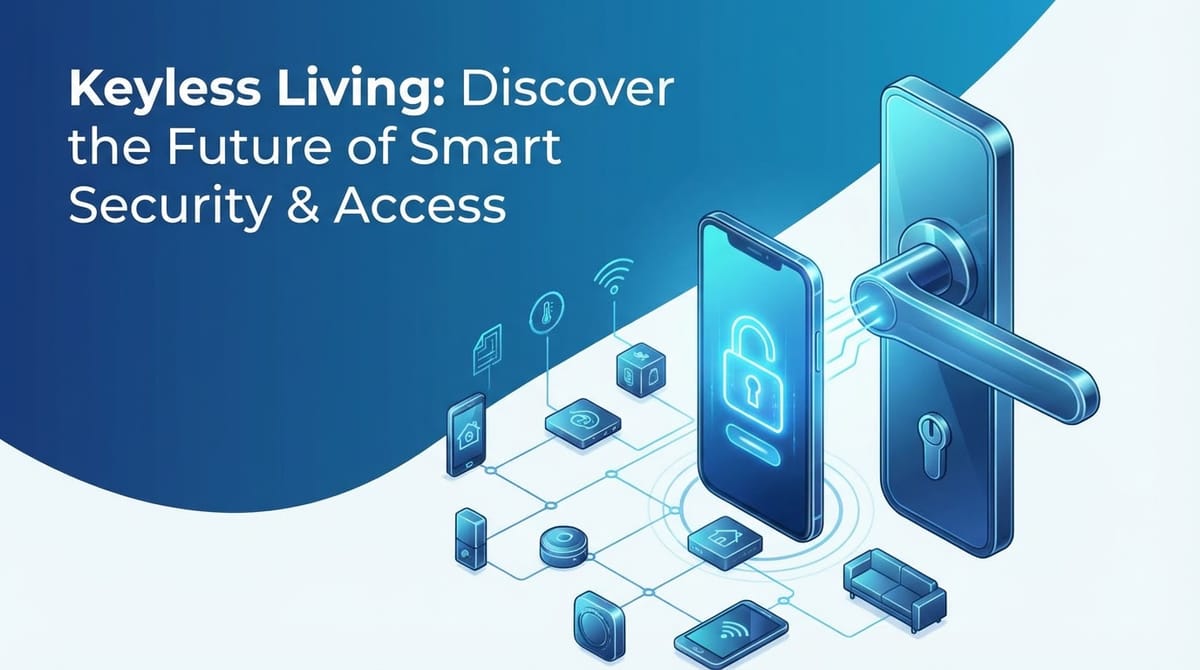


In an increasingly interconnected world, the unassuming mechanical key, a constant companion for millennia, is rapidly receding into the annals of history. We stand on the precipice of a revolutionary shift, a transition from the cumbersome jingle of metal in our pockets to an era where access is granted with a glance, a touch, or even a mere presence. This isn't a distant science fiction fantasy; it is the very real, rapidly unfolding future of Keyless Living, a paradigm that redefines our relationship with security, convenience, and control over our personal and professional spaces. This profound transformation is being driven by an intricate tapestry of advanced technologies, weaving together the physical and digital realms to create intelligent environments that anticipate our needs and safeguard our assets with unprecedented sophistication. From the individual homeowner seeking peace of mind to vast corporate campuses managing complex access protocols, the promise of keyless living is universally compelling, offering not just a technological upgrade, but a fundamental rethinking of how we interact with the spaces we inhabit. It promises a world where forgotten keys are a relic, where emergency access is instantaneous, and where the security of our perimeters is not merely reactive, but intelligently predictive.
The journey towards this keyless future is multifaceted, touching upon every aspect of our daily lives. Imagine returning home with groceries, your hands full, only for your door to effortlessly unlock as you approach, recognizing your presence without a fumbled search for keys. Envision a business environment where employees gain seamless entry to designated areas based on their roles and schedules, with access permissions dynamically adjusted in real-time. This vision extends beyond mere convenience; it encompasses a robust enhancement of security, offering layers of authentication far more resilient than a simple lock and key. The ability to grant temporary access to visitors or service providers remotely, to revoke it instantly, and to monitor entry and exit logs provides a level of oversight and responsiveness that traditional methods could never hope to match. Furthermore, keyless living is a crucial component of the broader smart home and smart building ecosystem, seamlessly integrating with lighting, climate control, and entertainment systems to create environments that are not just secure, but also intuitive, energy-efficient, and deeply personalized. As we delve deeper into the mechanics and implications of this transformative trend, we uncover the intricate dance between cutting-edge hardware, sophisticated software, and intelligent algorithms that are collectively forging the path to a truly keyless world.
The Evolution of Access: From Ancient Mechanisms to Digital Gateways
For centuries, the fundamental principle of access control remained remarkably consistent: a unique physical object (the key) designed to interact with a specific mechanism (the lock). From the rudimentary wooden locks of ancient Egypt to the intricate tumblers of modern padlocks, the physical key was the undisputed gatekeeper. This system, while enduring, was inherently fraught with vulnerabilities – keys could be lost, stolen, duplicated, or simply forgotten, leading to inconvenience, security breaches, and often costly replacements. The advent of mechanical combination locks and card-swipe systems marked incremental improvements, introducing a layer of codification, but still tethered to tangible components that could be compromised.
The true revolution began with the digitization of access. The introduction of electronic keypads, where numerical codes replaced physical keys, represented a pivotal step. While still requiring manual input, these systems offered the first glimpse of remote management and dynamic code changes. However, the real acceleration came with the proliferation of wireless technologies and microprocessors, paving the way for smart locks that could communicate, learn, and be controlled digitally. This era ushered in the concept of a digital "gateway" to our physical spaces, where access was no longer solely determined by a mechanical interaction, but by an authenticated digital handshake. These early smart locks often relied on localized Bluetooth connections, tethering access control to the proximity of a smartphone. While a significant leap, this still presented limitations in terms of remote management and large-scale deployment. The subsequent integration with Wi-Fi and broader internet protocols transformed these localized solutions into globally accessible systems, laying the groundwork for the fully integrated, intelligent keyless living experiences we see emerging today. This continuous evolution underscores a fundamental shift in philosophy: from securing a physical object to securing a digital identity and its associated permissions.
Pillars of Keyless Living: Technologies that Unlock the Future
The foundation of keyless living rests upon a diverse array of advanced technologies, each playing a critical role in redefining how we gain entry and manage security. These pillars work in concert, offering layers of redundancy, convenience, and sophistication far beyond traditional methods. Understanding these components is essential to grasping the true potential and complexity of a fully integrated keyless ecosystem.
Smart Locks: The Digital Guardians
At the heart of any keyless system are smart locks, sophisticated devices that replace or augment traditional deadbolts and doorknobs. These aren't just locks with digital keypads; they are intelligent endpoints capable of communicating with other devices and responding to a multitude of commands.
- Communication Protocols: Smart locks employ various wireless communication protocols to interact with smartphones, smart home hubs, and other devices. Each protocol has its own strengths and ideal applications:
- Bluetooth: Often used for proximity-based access. Bluetooth Low Energy (BLE) allows a smartphone to unlock a door when within a short range, making it convenient for individual users. Its low power consumption is a plus, but its limited range restricts remote control.
- Wi-Fi: Enables direct connection to a home's internet network, allowing for remote control from virtually anywhere with an internet connection. This offers unparalleled convenience for granting remote access or checking lock status. However, Wi-Fi can be more power-intensive for battery-operated locks.
- Z-Wave and Zigbee: These are mesh networking protocols specifically designed for smart home devices. They create a robust, self-healing network where devices can relay signals to each other, extending range and improving reliability. They are known for low power consumption, making them ideal for battery-powered locks, and excellent interoperability within their respective ecosystems, often requiring a dedicated hub or gateway to connect to the internet.
- NFC (Near Field Communication): Allows for tap-to-unlock functionality using smartphones or NFC cards, similar to contactless payments. It's secure and fast for close-range interactions.
- Power Sources: Most smart locks are battery-powered, requiring periodic battery changes. Some advanced models may offer hardwired options or supplemental power sources for specific commercial applications. Battery life is a critical consideration for user experience and maintenance.
- Design and Integration: Smart locks come in various form factors, from full replacement units to retrofits that work with existing deadbolts. Aesthetics and ease of installation are significant factors for consumers. Many are designed to seamlessly integrate with popular smart home platforms like Apple HomeKit, Google Home, or Amazon Alexa.
Biometric Authentication: Your Body as the Key
Biometrics offer the ultimate in personalized and secure access, transforming unique biological characteristics into an unforgeable key. This method removes the need for physical objects or memorized codes, offering unparalleled convenience and a high degree of security, as biometric traits are inherently difficult to replicate or steal.
- Fingerprint Recognition: The most common and widely adopted biometric for consumer-grade smart locks. Optical or capacitive sensors scan the unique patterns of a user's fingerprint, providing quick and reliable access. Advanced sensors can even detect blood flow and sub-dermal patterns to prevent spoofing with prosthetic fingers.
- Facial Recognition: Leveraging sophisticated camera technology and AI algorithms, facial recognition systems can identify individuals by analyzing unique facial features. This often involves 3D mapping to prevent spoofing with photographs or videos. High-end systems can even detect liveness through eye movement or skin texture analysis.
- Iris and Retina Scanning: These methods offer an even higher level of security, analyzing the complex and unique patterns of the iris or retina. While less common in consumer products due to cost and complexity, they are prevalent in high-security environments.
- Voice Recognition: While less common for primary access control due to environmental noise and mimicry challenges, voice recognition can serve as a secondary authentication factor or for specific voice commands, often integrated with smart assistants.
Mobile-Based Access: The Smartphone as Your Universal Key
The ubiquity of smartphones has made them the de facto control center for our digital lives, and keyless living is no exception. Mobile apps provide a powerful interface for managing and interacting with smart locks and security systems.
- Bluetooth Low Energy (BLE): As mentioned, BLE is fundamental for smartphone-to-lock communication, enabling proximity-based unlocking.
- NFC (Near Field Communication): Allows for "tap-to-unlock" functionality, simply by holding an NFC-enabled smartphone near a compatible lock.
- Ultra-Wideband (UWB): An emerging technology offering highly accurate spatial awareness. UWB can precisely determine a phone's distance and direction, enabling seamless "walk-up-and-unlock" experiences without even needing to take the phone out of a pocket or bag. This promises an even more fluid and effortless access experience.
- Geofencing: Leveraging GPS, Wi-Fi, and cellular triangulation, geofencing allows smart locks to react automatically when a user's smartphone enters or exits a predefined virtual boundary around a property. For instance, the door could automatically unlock as you pull into your driveway.
- Cloud-Based Control: Most mobile apps connect to cloud services, allowing users to remotely lock/unlock doors, check status, view access logs, and grant or revoke virtual keys from anywhere in the world.
Virtual Keys and Temporary Access: Flexible and Secure Permissions
One of the most powerful features of keyless living is the ability to create, manage, and revoke virtual keys or temporary access credentials with ease. This capability transforms access management from a static, cumbersome process into a dynamic, adaptable system.
- Time-Limited Access: Grant access for specific dates and times, perfect for service providers, Airbnb guests, or contractors. The virtual key automatically expires after the designated period.
- Recurring Access: Provide access for specific days of the week or times of the day, ideal for cleaners, dog walkers, or part-time staff.
- One-Time Use Codes: Generate unique codes for single entries, ensuring that access is granted only once and cannot be reused.
- Remote Provisioning: All these virtual keys can be created, sent, and revoked remotely through a mobile app or web interface, eliminating the need for physical key handovers or inconvenient meet-ups.
This ability to granularly control who enters and when, all from the palm of your hand, represents a monumental leap in both convenience and security, offering unprecedented flexibility in managing personal and professional spaces.
The Interconnected Ecosystem: How Devices Talk
The true power of keyless living transcends individual smart locks or biometric scanners. It emerges from the seamless integration of these disparate components into a cohesive, intelligent ecosystem. This intricate network relies heavily on sophisticated infrastructure, where devices communicate, data flows, and commands are executed with precision. Two fundamental concepts underpin this interconnectedness: gateways and APIs.
The Role of Gateways: Orchestrating the Smart Home Symphony
In a smart security and access system, a gateway acts as the central nervous system, a crucial intermediary that facilitates communication between various devices and the wider internet. It's the translator, coordinator, and often the brain of the local smart home network. Without a robust gateway, individual smart locks and sensors might operate in isolation, incapable of interacting with each other or being controlled remotely.
- Protocol Bridging: Smart devices often use different wireless protocols (e.g., Z-Wave, Zigbee, Bluetooth, Wi-Fi). A multi-protocol gateway is essential for bridging these disparate technologies. For instance, a Z-Wave smart lock cannot directly communicate with a Wi-Fi-only router or a Bluetooth-only smart speaker. The gateway translates messages between these protocols, allowing them to participate in a unified system. It aggregates data from a Z-Wave motion sensor, a Zigbee door contact, and a Bluetooth lock, making all this information available to a central control application or the cloud.
- Local Processing and Automation: Many gateways possess significant processing power, enabling them to execute local automation rules even if the internet connection is temporarily lost. For example, a gateway can be programmed to automatically lock all doors at a specific time, or to trigger a smart light when a particular door is unlocked, without needing to send data to the cloud and back. This enhances reliability and responsiveness.
- Internet Connectivity: The gateway serves as the primary point of access for smart devices to connect to the internet. This allows for remote control, cloud-based data storage, and integration with external services. It acts as a firewall and security buffer, often encrypting traffic to and from the cloud, protecting the local network from external threats.
- Device Management: A well-designed gateway provides a unified platform for discovering, configuring, and managing all connected smart devices. It simplifies the setup process and offers a centralized interface for monitoring device status, battery levels, and network health. In essence, the gateway is the conductor that ensures all instruments in the smart security orchestra play in harmony, creating a seamless and integrated experience.
The Importance of APIs: Enabling Seamless Integration and Interoperability
While gateways handle the localized device-to-network communication, APIs (Application Programming Interfaces) are the language and set of rules that allow different software applications and services to communicate with each other. In the context of keyless living, APIs are absolutely fundamental for creating a truly integrated and interoperable ecosystem. They are the invisible threads that weave together smart locks, security cameras, lighting systems, voice assistants, and third-party services into a cohesive, intelligent whole.
- Cross-Platform Compatibility: No single manufacturer can provide every component for a complete smart home or building solution. APIs enable different brands of smart locks, sensors, cameras, and gateways to talk to each other. For example, a smart lock from Company A can be controlled by an app from Company B or integrated into a smart home platform from Company C, all thanks to well-defined APIs. This open approach fosters innovation and provides consumers with greater choice and flexibility.
- Enhanced Automation and Customization: APIs unlock a world of advanced automation possibilities. Through APIs, a security camera (e.g., detecting an unfamiliar face) can trigger a smart lock to remain engaged and send an alert, or a motion sensor (integrated via its API) can signal the lighting system (via its API) to illuminate a pathway as a resident approaches their keyless entry point. Developers can leverage these APIs to create custom routines, scripts, and integrations that cater to unique user needs and preferences.
- Third-Party Service Integration: Many keyless living systems rely on third-party services for enhanced functionality. Think about integrating with parcel delivery services for temporary access, emergency response services for automatic alerts, or even ride-sharing apps that could pre-authenticate a driver's access to a specific gate. All these integrations are facilitated through APIs.
- Data Exchange and Analytics: APIs are crucial for the secure exchange of data, such as access logs, battery status, and sensor readings, between devices, the gateway, and cloud platforms. This data can then be used for analytics, identifying usage patterns, predicting maintenance needs, and improving overall security posture. Effective API management ensures that this data exchange is secure, efficient, and compliant with privacy regulations. Robust API governance is critical to prevent unauthorized access or data breaches, making it a cornerstone of a trustworthy keyless system.
Elevating Security with Artificial Intelligence: Beyond Simple Access
The future of smart security and access isn't just about replacing keys with digital methods; it's about imbuing these systems with intelligence. Artificial Intelligence (AI) is rapidly becoming the driving force behind the next generation of keyless living, moving beyond reactive security to proactive, predictive, and personalized access control. AI enhances every layer of the security stack, from sophisticated threat detection to seamless user experiences.
AI's Transformative Power in Smart Security
- Predictive Security and Anomaly Detection: AI algorithms can analyze vast datasets of access patterns, environmental factors, and user behaviors. By learning what is "normal," AI can instantly flag "anomalous" events – an unexpected entry time, an unusual access attempt, or a pattern of activity that deviates from the norm. For example, if a door is usually unlocked at 8 AM and locked at 6 PM, an attempt to unlock it at 3 AM from an unrecognized device could be immediately flagged as suspicious, triggering alerts or enhanced authentication challenges. This predictive capability allows security systems to anticipate and prevent breaches rather than merely reacting to them.
- Context-Aware and Personalized Access: AI can enable access decisions based on a multitude of contextual factors. Instead of just "is this person authorized?", AI asks "is this person authorized, at this time, from this location, under these conditions, given their typical behavior?". For instance, an AI-powered system might grant automatic access to a resident entering their home but require a secondary biometric scan if they're entering late at night from an unfamiliar route, or if there's an active security alert in the neighborhood. This creates a deeply personalized and adaptive security posture.
- Advanced Biometric Verification: AI significantly enhances the accuracy and resilience of biometric systems. Facial recognition, for example, uses deep learning models to identify individuals even with changes in appearance (glasses, hairstyles, aging), and to distinguish between live individuals and spoofing attempts (photos, masks, videos). AI-driven voice authentication can differentiate between genuine voices and recordings, even adapting to subtle changes in a person's voice over time.
- False Alarm Reduction: Traditional security systems are often plagued by false alarms, leading to "alert fatigue" and reduced effectiveness. AI can intelligently analyze sensor data (e.g., differentiating between a pet and an intruder, or between a branch hitting a window and an actual break-in attempt), dramatically reducing false positives and ensuring that real threats receive immediate attention.
- Autonomous Security Responses: Beyond just alerting, AI can orchestrate autonomous responses. If a security breach is detected, AI could automatically lock all other doors, activate surveillance cameras, trigger alarms, notify emergency services, and initiate two-way communication through smart speakers, all without human intervention.
The AI Gateway: The Brain Behind Intelligent Access
With the proliferation of AI models, from local edge-based recognition engines to cloud-hosted behavioral analytics, managing their integration, invocation, and security becomes a complex challenge. This is where the concept of an AI Gateway becomes indispensable, particularly in large-scale or enterprise-level keyless living solutions that leverage advanced intelligence. An AI Gateway acts as a sophisticated intermediary, similar to an API gateway, but specifically tailored to orchestrate and manage the flow of data to and from various AI models within the smart security ecosystem.
An AI Gateway provides a unified entry point for consuming AI services, abstracting away the complexities of different AI model APIs, data formats, and deployment environments. It ensures that security systems can seamlessly tap into a diverse array of intelligent capabilities without needing to re-engineer their core infrastructure for each new AI model or update.
To effectively manage such a complex interplay of AI models and diverse API services, especially in large-scale smart security deployments, robust infrastructure is paramount. This is where platforms like APIPark come into play. APIPark, as an open-source AI gateway and API management platform, provides the capabilities to quickly integrate over 100 AI models and standardize their invocation through a unified API format. This simplifies the development and maintenance of AI-driven keyless access features, ensuring that changes in underlying AI models do not disrupt the overall application.
For instance, consider a smart building needing to integrate multiple facial recognition models (for different security zones or tenant groups), a behavioral analytics engine, and a predictive maintenance AI for its smart locks. An AI Gateway like APIPark would:
- Standardize AI Invocation: It offers a unified API format, meaning whether you're calling a facial recognition AI from Google, AWS, or a custom in-house model, the request to the application remains consistent. This is crucial for avoiding application breaks when AI models are swapped or updated, reducing maintenance costs significantly.
- Prompt Encapsulation into REST API: APIPark allows users to quickly combine AI models with custom prompts to create new, specialized APIs. In a keyless living context, this could mean rapidly building a custom "anomaly detection API" by combining a generic AI model with specific prompts trained on the building's historical access data. Or a "visitor sentiment analysis API" could be created by feeding camera footage through an AI model for enhanced guest management.
- End-to-End API Lifecycle Management: From designing the API for a new biometric sensor to publishing its access credentials, monitoring its performance, and eventually decommissioning older versions, APIPark manages the entire lifecycle. This is vital for regulating the multitude of APIs within a sophisticated keyless system, ensuring traffic forwarding, load balancing, and versioning are handled efficiently and securely.
- Security and Access Permissions: In a multi-tenant environment (e.g., a commercial building with multiple businesses), APIPark can create independent API and access permissions for each tenant, ensuring that each organization has its own secure space for managing its smart access solutions while sharing underlying infrastructure. Furthermore, APIPark allows for subscription approval features, requiring callers to subscribe to an API and await administrator approval, preventing unauthorized AI service calls and potential data breaches that could compromise the entire keyless system.
- Performance and Scalability: With the high volume of data generated by cameras, sensors, and access attempts, an AI Gateway must be performant. APIPark's ability to achieve high TPS (transactions per second) with modest hardware, and its support for cluster deployment, ensures that the AI processing and API management backbone of a keyless system can handle large-scale traffic and real-time demands without bottlenecking.
By leveraging an AI Gateway and robust API management platform like APIPark, organizations can effectively harness the power of AI to build truly intelligent, secure, and future-proof keyless living solutions, transforming raw data into actionable security insights and seamless user experiences.
APIPark is a high-performance AI gateway that allows you to securely access the most comprehensive LLM APIs globally on the APIPark platform, including OpenAI, Anthropic, Mistral, Llama2, Google Gemini, and more.Try APIPark now! 👇👇👇
The Multifaceted Benefits of Keyless Living
The shift towards keyless living is not merely a technological novelty; it delivers a tangible array of benefits that fundamentally enhance convenience, security, and control for individuals and organizations alike. These advantages extend beyond the simple act of opening a door, touching upon aspects of personal freedom, operational efficiency, and peace of mind.
Unparalleled Convenience and Seamless Experience
One of the most immediately apparent benefits of keyless living is the profound boost in convenience. The days of fumbling for keys in a crowded bag, struggling with a stubborn lock in the dark, or being locked out due to a misplaced key are systematically eliminated.
- Effortless Entry: With biometric scanners, mobile apps, or even automated proximity detection, entry becomes a seamless, hands-free experience. Imagine arriving home with groceries, or pushing a stroller, and the door unlocking before you even reach it. This smooth transition into your space removes a common point of friction in daily life.
- Remote Management: The ability to control access from anywhere in the world provides unprecedented flexibility. Whether you need to let a pet sitter in while you're on vacation, allow a delivery driver to drop off a package inside, or simply check if your door is locked, remote management via a smartphone app offers instant control and peace of mind.
- Dynamic Access for Visitors: Granting temporary access to guests, service providers, or family members becomes effortless. Virtual keys can be issued instantly, activated for specific timeframes, and revoked with a tap, eliminating the need for physical key handovers, duplicates, or the worry of lost keys.
- Integration with Smart Home Ecosystems: Keyless entry systems seamlessly integrate with other smart home devices. An unlocked door can trigger lights to turn on, adjust the thermostat, or disarm a security system, creating an automated and personalized welcome experience.
Enhanced Security and Control
While often associated with convenience, keyless living inherently offers superior security features compared to traditional lock-and-key systems, provided it is implemented with robust digital safeguards.
- Elimination of Physical Key Vulnerabilities: The biggest security flaw of traditional locks is the key itself. Keys can be lost, stolen, or illegally duplicated. Keyless systems, by eliminating the physical key, remove this vulnerability entirely. Biometric data, unique codes, and digital credentials are far harder to replicate or bypass.
- Real-time Monitoring and Alerts: Keyless systems provide continuous feedback on who entered, when, and through which door. This detailed audit trail is invaluable for security analysis and investigations. Any unauthorized attempt to gain entry, or even unusual activity, can trigger instant alerts to your smartphone or a security monitoring service.
- Tamper Detection: Advanced smart locks often include built-in sensors that can detect forced entry attempts, such as drilling, picking, or significant impact, alerting homeowners or security personnel to potential breaches before they escalate.
- Multi-Factor Authentication: Keyless systems can easily implement multi-factor authentication (MFA), requiring more than one form of verification (e.g., a fingerprint plus a PIN, or a mobile app confirmation plus facial recognition). This significantly elevates the security posture against unauthorized access.
- Instant Revocation of Access: If a digital credential is compromised, or an employee leaves the company, access can be instantly revoked remotely, rendering any previously issued virtual keys or codes useless. This capability is far more efficient and secure than having to rekey an entire building after a security incident.
Improved Accessibility and Inclusivity
Keyless living solutions offer significant advantages in terms of accessibility, making spaces more navigable and secure for individuals with diverse needs.
- Assisted Entry: For individuals with mobility challenges, arthritis, or visual impairments, fumbling with a physical key can be difficult or impossible. Keyless systems, particularly those relying on biometrics or automated recognition, provide frictionless entry.
- Emergency Access: In emergency situations, such as medical emergencies, first responders can be granted instant, remote access without causing damage to the property, potentially saving critical time. This can be pre-arranged or authorized on the fly by homeowners or building managers.
- Reduced Risk of Lockouts: The sheer convenience of keyless entry significantly reduces the chances of being locked out, a common and frustrating experience for many.
Data Insights and Optimization
Beyond direct access control, keyless systems, especially those integrated with broader smart building platforms, generate valuable data that can be leveraged for operational efficiency and planning.
- Usage Patterns: Analysis of access logs can reveal peak entry times, frequently used doors, or areas with high foot traffic. This data can inform space planning, resource allocation (e.g., cleaning schedules), and even security staffing.
- Predictive Maintenance: By monitoring lock usage and performance data, systems can predict potential mechanical failures or battery drainage, allowing for proactive maintenance before issues arise, reducing downtime and costs.
- Energy Efficiency: Integrating access data with HVAC and lighting systems can lead to significant energy savings. For example, knowing when a building or a specific zone is unoccupied allows systems to automatically adjust climate control and lighting.
In sum, keyless living is not just about convenience; it is a holistic upgrade to how we interact with and secure our environments. It represents a more intelligent, adaptive, and user-centric approach to access control, poised to become the standard for modern living and working spaces.
Challenges and Considerations: Navigating the Digital Frontier
While the benefits of keyless living are compelling, the transition to an entirely digital access paradigm is not without its complexities and potential pitfalls. Addressing these challenges proactively is crucial for ensuring the widespread adoption and long-term success of smart security solutions. The digital frontier of access control presents new types of vulnerabilities and ethical considerations that demand careful attention from manufacturers, installers, and end-users alike.
Security Vulnerabilities: The Digital Lockpicker
The primary concern with any digital system is cybersecurity. Smart locks and their associated networks are essentially connected computers, making them susceptible to hacking and digital exploits.
- Hacking and Network Intrusion: Weak Wi-Fi passwords, unpatched software vulnerabilities, or insecure home network configurations can provide entry points for malicious actors. Once inside the network, hackers could potentially bypass locks, gain access to personal data, or even disable security features.
- Data Breaches: Biometric data, access codes, and usage logs are highly sensitive. If a cloud service storing this information is breached, personal privacy could be severely compromised. Unauthorized access to such data could lead to identity theft or targeted physical security threats.
- Ransomware and Malware: Like any IoT device, smart locks could theoretically be targeted by ransomware, locking users out of their own homes or demanding payment for access. Malware could also compromise device integrity or siphon off data silently.
- Man-in-the-Middle Attacks: In some less secure setups, attackers could intercept communication between a smartphone and a smart lock, potentially capturing credentials or issuing unauthorized commands.
- Physical Tampering with Digital Devices: While digital, smart locks are still physical objects. If an attacker gains physical access to the lock, they might exploit vulnerabilities in its hardware or firmware to bypass the digital security.
Mitigation involves robust encryption for all communications (both local and cloud-based), regular software and firmware updates, strong password policies, multi-factor authentication, and secure network configurations. Users must be educated on best practices for securing their home networks.
Privacy Concerns: The Eye and Ear of the Home
The collection of data by keyless living systems, while enabling intelligent features, raises significant privacy questions.
- Biometric Data Storage: Where is biometric data stored? Is it encrypted? Who has access to it? The thought of one's unique biological identifiers being compromised is a major concern. Ideally, biometric data should be processed locally on the device and only a hashed, non-reversible template stored, if at all.
- Access Logs and Surveillance: The detailed logs of who enters and exits, and potentially even video footage from integrated cameras, creates a comprehensive record of activity. While beneficial for security, it raises questions about how this data is used, shared, and protected from unauthorized access, particularly in multi-tenant environments.
- Third-Party Data Sharing: Many smart home platforms share data with third parties for analytics, marketing, or improved service. Users need clear transparency about these data-sharing practices and robust control over their personal information.
Manufacturers must implement privacy-by-design principles, offering clear data retention policies, granular privacy controls for users, and transparent communication about data handling. Compliance with privacy regulations like GDPR and CCPA is paramount.
Power Dependency: The Achilles' Heel of Digital Access
Unlike traditional mechanical locks, keyless systems are entirely reliant on power. This dependence is a critical vulnerability.
- Battery Life and Failure: Most smart locks are battery-powered, and while modern batteries last a long time, they eventually run out. A dead battery means a locked-out user if no mechanical override or backup power solution is available.
- Power Outages: If a smart lock is hardwired and there's a power outage, it must have a battery backup. More critically, if the entire home network or internet gateway loses power, cloud-based control and some local automations may cease to function.
- Catastrophic System Failure: In rare cases, software glitches, server outages for cloud-based services, or major cybersecurity incidents could render a system temporarily or permanently inoperable, locking users out.
Solutions include long-lasting, easily replaceable batteries with low-battery warnings; mechanical override keys (a common feature in most consumer smart locks); robust battery backups for hardwired systems and gateways; and local processing capabilities that allow essential functions to operate even without internet connectivity.
Cost and Complexity of Installation
While prices are decreasing, advanced keyless living systems, especially those integrating multiple devices and AI features, can still represent a significant initial investment.
- Hardware Costs: Smart locks, biometric scanners, gateways, and other smart home devices can be more expensive than traditional alternatives.
- Installation Complexity: Integrating a full keyless system often requires technical expertise. Proper installation is crucial for both security and functionality, and DIY approaches can sometimes lead to issues.
- Interoperability Challenges: While APIs aim to simplify integration, different manufacturers' products can sometimes be difficult to get working seamlessly together, leading to compatibility headaches and potential performance issues.
Simplifying installation processes, promoting open standards for interoperability, providing clear user guides, and offering professional installation services can help address these challenges.
Standardization and Interoperability
The smart home market is highly fragmented, with numerous manufacturers and competing standards (e.g., Z-Wave, Zigbee, Matter, HomeKit, Google Home). This lack of universal standardization can lead to consumer confusion and compatibility issues.
- Fragmented Ecosystems: Users may find themselves locked into a specific manufacturer's ecosystem, limiting their choice of devices and forcing them to use multiple apps for different functions.
- Future-Proofing: With rapidly evolving technology, concerns exist about whether today's chosen system will remain compatible and supported in the long term.
Efforts towards universal standards like Matter are crucial for simplifying the smart home landscape and ensuring long-term interoperability, allowing devices from different brands to communicate effortlessly.
By acknowledging and diligently addressing these challenges, the keyless living revolution can proceed on a foundation of trust, security, and user empowerment, ensuring that the future of access is not only convenient and intelligent but also robust and reliable. This table summarizes some of the key trade-offs in different smart lock communication protocols:
| Feature | Bluetooth Low Energy (BLE) | Wi-Fi | Z-Wave & Zigbee (Mesh) | NFC (Tap-to-Unlock) | Ultra-Wideband (UWB) |
|---|---|---|---|---|---|
| Range | Short (up to 30 ft) | Long (home network coverage) | Medium-Long (mesh network) | Very Short (inches) | Short-Medium (highly precise) |
| Power Consumption | Very Low (excellent battery life) | High (can drain batteries faster) | Very Low (excellent battery life) | Very Low (passive until tap) | Moderate |
| Speed | Fast | Moderate | Moderate | Very Fast (instant) | Very Fast |
| Direct Internet | No (requires bridge/gateway) | Yes | No (requires hub/gateway) | No (requires device with NFC) | No (requires device with UWB) |
| Interoperability | Device-specific | Via cloud APIs | Within ecosystem (hub required) | Device-specific | Emerging standard |
| Typical Use Case | Proximity unlock (smartphone) | Remote control, smart home integration | Full smart home integration | Contactless key cards, phone tap | Precision presence detection (walk-up unlock) |
| Security Concerns | Eavesdropping (if not encrypted) | Network intrusion, cloud security | Hub security, network integrity | Device security | Device security, jamming |
The Future Landscape: Beyond the Horizon of Keyless Access
The current state of keyless living, impressive as it is, merely scratches the surface of what's possible. As technology continues its relentless march forward, fueled by advancements in AI, pervasive connectivity, and novel sensing capabilities, the future of smart security and access promises to be even more integrated, intuitive, and intelligently adaptive. This next wave of innovation will not just refine existing systems but introduce entirely new paradigms of interaction and control.
Hyper-Personalized and Predictive Environments
Imagine a home or office that not only recognizes you but understands your preferences, routines, and even your mood. Future keyless systems will leverage advanced AI and machine learning to create hyper-personalized access experiences:
- Contextual Access Decisioning: Beyond simple identity verification, systems will consider a confluence of factors: your calendar (do you have an appointment?), current weather conditions (should the lights be warm or cool?), biometric and physiological data (are you stressed or calm?), and even your typical pathway through a building. Access will be granted or adjusted based on this rich, real-time context, enhancing both security and comfort.
- Proactive Security: AI will evolve beyond anomaly detection to truly predictive security. By analyzing vast streams of data – local weather, neighborhood crime rates, social media trends, and individual behavioral patterns – systems could anticipate potential threats hours or even days in advance, proactively adjusting security protocols or alerting authorities before an incident occurs.
- Seamless Transition Zones: The concept of a rigid "door" might blur. Instead, we could move through "transition zones" where access is dynamically granted based on our digital identity, eliminating physical barriers. This could involve biometric recognition at a distance, coupled with personalized environmental adjustments as we pass through.
Integration with Broader IoT and Smart City Infrastructure
Keyless living will not remain confined to individual homes or buildings but will seamlessly integrate with wider smart city initiatives, creating a truly interconnected urban fabric.
- Unified Urban Access: Imagine a single digital identity that grants you access to your home, office, public transport, shared vehicles, and even specific zones within a city, all managed securely and efficiently. This would streamline urban mobility and reduce friction in daily interactions.
- Emergency Services Integration: Enhanced, secure integration with emergency services would allow for rapid, pre-authenticated access for first responders to any property in distress, potentially saving lives and minimizing damage. This relies heavily on robust API standards and secure gateway infrastructure.
- Smart Infrastructure and Resource Management: Access data, combined with other IoT sensor data, can optimize city resources. For example, knowing real-time occupancy rates of buildings can inform energy consumption, waste management, and even public transport scheduling.
Enhanced Security Architectures: Blockchain and Quantum Computing
The underlying security mechanisms will also undergo profound advancements to counter increasingly sophisticated threats.
- Blockchain for Decentralized Access Control: Blockchain technology offers the potential for highly secure, tamper-proof, and decentralized access management. Digital identities and access permissions could be recorded on a distributed ledger, eliminating a single point of failure and enhancing transparency and trust. This could be particularly transformative for multi-stakeholder environments or shared access scenarios.
- Quantum-Resistant Cryptography: As quantum computing advances, current encryption methods could become vulnerable. The future of keyless living will necessitate the adoption of quantum-resistant cryptographic algorithms to ensure long-term data and access security against future computational threats.
- Self-Healing and Adaptive Networks: Future security networks, managed by intelligent gateways and AI Gateways, will be able to detect compromises, isolate affected segments, and automatically reconfigure themselves to maintain security, akin to a biological immune system.
Ethical Considerations and Societal Impact
As we venture further into this technologically advanced future, ethical considerations will become paramount.
- Digital Identity and Sovereignty: Who owns our digital identity and access permissions? How can we ensure individuals retain control over their personal data and access rights in an increasingly automated world?
- Bias in AI Systems: AI-powered access systems must be meticulously designed and rigorously tested to avoid biases related to race, gender, or other characteristics, ensuring fair and equitable access for all.
- The Right to Privacy vs. Public Safety: Striking the right balance between enhanced security (which often involves data collection) and individual privacy will be an ongoing societal challenge, requiring robust regulatory frameworks and transparent technology design.
The future of keyless living is a captivating vision of seamless interaction, heightened security, and intelligent environments. It promises a world where our spaces adapt to us, rather than the other way around. However, realizing this future responsibly requires a concerted effort from innovators, policymakers, and users to navigate the ethical implications and ensure that these powerful technologies serve humanity's best interests, creating a safer, more convenient, and more inclusive world for everyone.
Conclusion: Unlocking a Smarter Tomorrow
The journey from the rudimentary wooden key to the intricate digital ecosystems of today’s keyless living has been a testament to human ingenuity and our relentless pursuit of greater convenience, enhanced security, and profound control over our environments. What began as a simple desire to replace a cumbersome physical object has blossomed into a sophisticated integration of smart locks, biometrics, mobile access, and an underlying architecture powered by advanced gateways and APIs. This revolution isn't just about unlocking doors; it's about unlocking potential – the potential for more fluid daily lives, more secure properties, and more responsive, intelligent spaces that truly adapt to our needs.
The emergence of AI has propelled keyless living beyond mere automation into an era of intelligent, predictive security. By leveraging artificial intelligence, our access systems are becoming capable of learning, anticipating, and responding with unprecedented foresight and precision, transforming reactive defenses into proactive guardians. This evolution underscores the critical role of platforms like APIPark, which serves as a powerful AI Gateway and API management solution. APIPark's ability to seamlessly integrate diverse AI models, standardize their invocation, and provide robust lifecycle management for countless APIs is fundamental to building and scaling the complex, intelligent access systems that define the future of keyless living. It ensures that the intricate dance between hardware and software, between AI models and user interfaces, remains harmonious, secure, and infinitely adaptable.
As we look towards the horizon, the promise of keyless living extends far beyond the individual home or office. It envisions a future interwoven with smart cities, where hyper-personalized access, predictive security, and blockchain-enhanced trust converge to create a truly seamless and secure urban experience. Yet, with this incredible potential come vital responsibilities. Addressing cybersecurity vulnerabilities, safeguarding privacy, ensuring power reliability, and establishing ethical frameworks are not merely technical challenges but societal imperatives that must be diligently managed.
Embracing keyless living is more than just adopting new technology; it is a conscious decision to step into a smarter, more integrated, and more secure future. It signifies a profound shift in how we interact with our physical world, empowered by digital intelligence and connected ecosystems. The future of smart security and access is here, and it promises to unlock a tomorrow that is not only keyless but also limitless in its possibilities.
5 Frequently Asked Questions (FAQs)
1. What exactly is "Keyless Living" and how does it differ from a regular electronic lock? Keyless Living refers to a comprehensive ecosystem where physical keys are largely eliminated from daily life, replaced by digital credentials, biometrics, and smart devices. While a regular electronic lock might use a keypad or a fob, Keyless Living goes much further by integrating these access methods into a broader smart security system. This includes features like remote control via smartphone apps, granting temporary virtual keys, real-time monitoring and alerts, and often integration with other smart home devices like cameras and lighting. It's about a fully connected, intelligent approach to access control, rather than just an individual lock.
2. How secure are keyless living systems, especially compared to traditional locks? When implemented correctly, keyless living systems can offer superior security compared to traditional locks. They eliminate vulnerabilities like lost or stolen physical keys and often include advanced features such as multi-factor authentication (e.g., fingerprint plus PIN), real-time tamper alerts, and detailed access logs. However, their security relies heavily on strong cybersecurity practices: robust encryption, secure network configurations, regular software updates, and strong passwords. A key challenge is the potential for cyber-attacks, but reputable systems are designed with layers of digital protection, including secure APIs and gateways, to mitigate these risks.
3. What happens if the power goes out or my smartphone battery dies? This is a common and valid concern for keyless living. Most consumer-grade smart locks are designed with redundancy. Many battery-powered smart locks have a long battery life and provide low-battery warnings well in advance. In case of complete battery depletion, most smart locks include a physical key override, allowing you to use a traditional key as a backup. For hardwired systems, a battery backup is usually integrated. If your smartphone battery dies, you typically still have alternative entry methods, such as keypad codes, biometric scanners on the lock itself, or a physical key. Reputable systems prioritize local functionality, ensuring essential access remains available even without an internet connection.
4. Can different brands of smart locks and security devices work together in a keyless living setup? Yes, interoperability is a growing focus in the smart home industry, largely facilitated by APIs and universal standards. Many smart locks are designed to integrate with popular smart home platforms (e.g., Apple HomeKit, Google Home, Amazon Alexa), allowing devices from different manufacturers to be controlled from a single app. Protocols like Z-Wave and Zigbee, often managed by a central gateway, also enable cross-brand communication. Emerging standards like Matter aim to further simplify this, creating a more seamless ecosystem where diverse devices can communicate effortlessly. Platforms like APIPark, which act as an AI Gateway and API management solution, also play a crucial role in standardizing and managing these diverse integrations for complex systems.
5. What role does Artificial Intelligence (AI) play in the future of keyless living? AI is transforming keyless living from simple automation to intelligent, predictive security. In the future, AI will enable systems to learn individual behaviors and routines, detecting anomalies (e.g., unusual entry times or patterns) that might indicate a threat. AI powers advanced biometric authentication, making facial and voice recognition more accurate and resistant to spoofing. Furthermore, AI will facilitate contextual access, granting or adjusting permissions based on factors like time, location, and even the user's emotional state or current events. An AI Gateway acts as the crucial intermediary, managing the flow of data to and from various AI models, ensuring secure, efficient, and intelligent decision-making for truly smart access control.
🚀You can securely and efficiently call the OpenAI API on APIPark in just two steps:
Step 1: Deploy the APIPark AI gateway in 5 minutes.
APIPark is developed based on Golang, offering strong product performance and low development and maintenance costs. You can deploy APIPark with a single command line.
curl -sSO https://download.apipark.com/install/quick-start.sh; bash quick-start.sh

In my experience, you can see the successful deployment interface within 5 to 10 minutes. Then, you can log in to APIPark using your account.

Step 2: Call the OpenAI API.