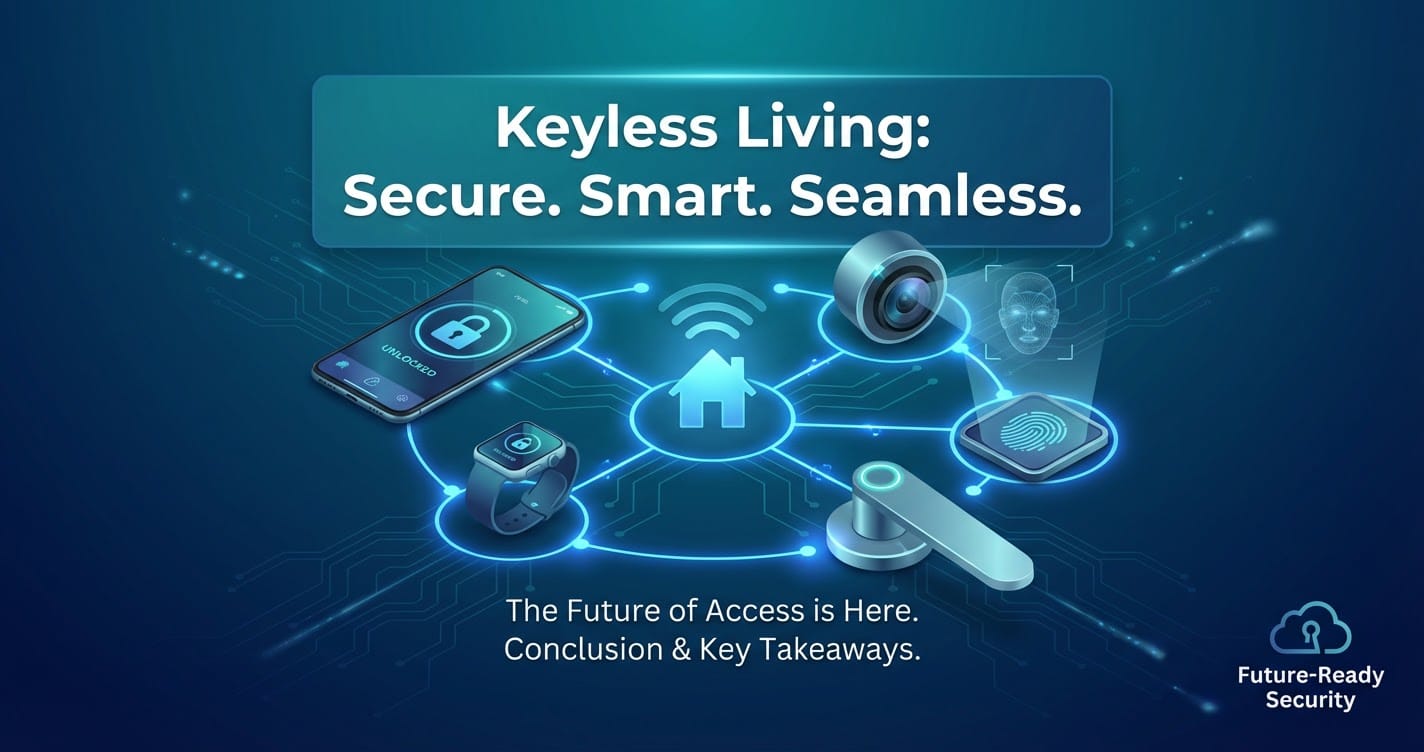
Keyless Living: The Future of Smart Access & Security
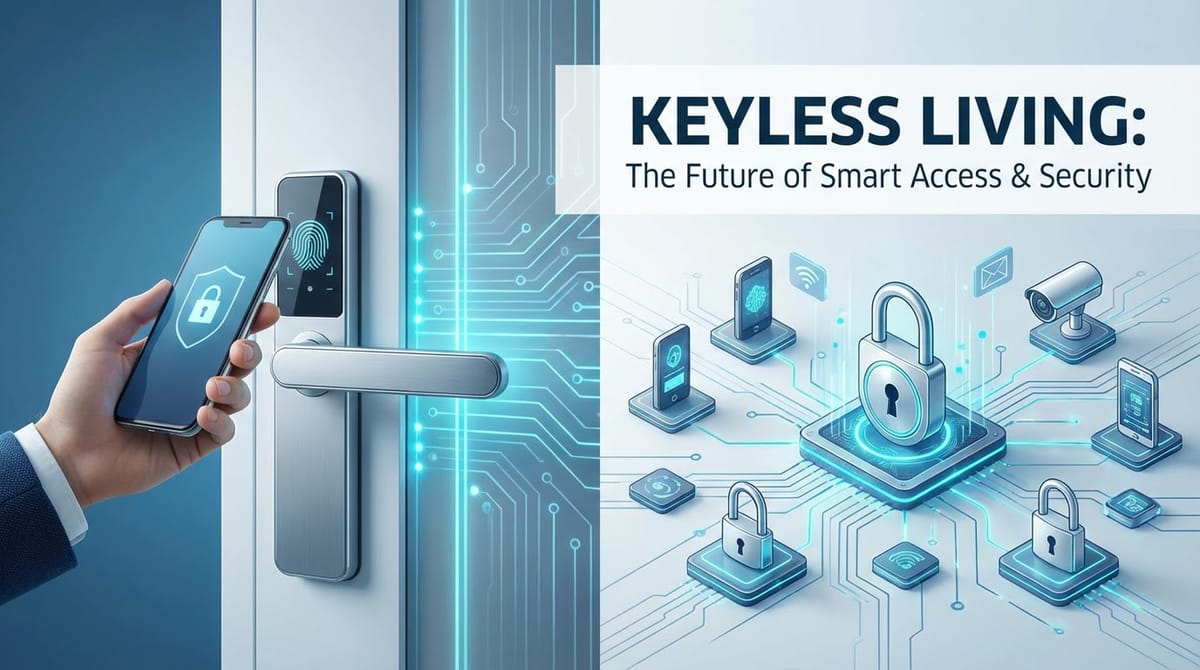


The relentless march of technological progress has, for centuries, aimed at simplifying human existence, making daily tasks more intuitive, secure, and ultimately, more seamless. Among the most fundamental aspects of daily life is the concept of access – how we enter our homes, offices, vehicles, and even digital spaces. For millennia, this access has been inextricably linked to a tangible object: the key. From ancient Roman bronze keys to modern intricate mechanical variants, keys have been the gatekeepers, symbols of ownership, and the first line of defense. Yet, as the 21st century unfolds, humanity stands on the cusp of a profound transformation, moving beyond the physical limitations of metal and tumblers towards a world defined by "Keyless Living." This isn't merely about ditching a jangling keyring; it's a paradigm shift, a sophisticated interplay of cutting-edge technologies that promise not just unparalleled convenience but also a radical redefinition of security, efficiency, and interconnectedness. This future, however, is not a distant dream; it is being meticulously engineered today, powered by the invisible yet indispensable forces of Application Programming Interfaces (APIs), intelligent AI Gateways, and robust network gateways, all working in concert to unlock a smarter, safer world.
The dream of a keyless world, one where entry is granted with a glance, a touch, or even a pre-approved digital token, is rapidly transitioning from science fiction to tangible reality. This comprehensive exploration delves deep into the multifaceted landscape of keyless living, unraveling its evolutionary journey, defining its core tenets, and dissecting the foundational technologies that underpin its very existence. We will examine its transformative applications across a spectrum of sectors, from the intimate confines of our smart homes to the expansive frontiers of corporate campuses and integrated smart cities. Crucially, we will scrutinize the inherent security implications, acknowledging both the immense benefits and the formidable challenges, while simultaneously illuminating the pivotal, often underestimated, roles played by APIs, AI Gateways, and traditional network gateways in crafting a resilient and adaptable keyless ecosystem. The journey culminates in a glimpse into the future, envisioning the next wave of innovations that promise to further refine and expand the boundaries of smart access and security, charting a course towards a future where access is not just keyless, but truly intelligent and adaptive.
The Evolution of Access Control: From Mechanical Locks to Intelligent Systems
To truly appreciate the revolutionary potential of keyless living, it is imperative to trace the historical lineage of access control, understanding how humanity has progressively refined its methods of securing entry. For thousands of years, the mechanical lock reigned supreme. Simple in principle yet ingenious in design, these devices, often crafted from metal, relied on a precise interaction between a physical key and a set of internal pins or levers. Their evolution saw increasing complexity, from basic warded locks to the highly secure pin tumbler designs, each iteration striving to enhance tamper resistance and prevent unauthorized duplication. While effective for their time, mechanical locks presented inherent limitations: keys could be lost, stolen, or illicitly copied, and their security was often a static, physical barrier rather than a dynamic, adaptable defense.
The latter half of the 20th century witnessed the first significant leap beyond purely mechanical systems with the advent of electronic access control. This era introduced keypads requiring PIN codes, and card readers utilizing magnetic stripes or proximity technologies (RFID). These innovations brought a new layer of convenience and management capability; codes could be changed remotely, access cards could be revoked instantly, and entry logs could provide a basic audit trail. However, these systems were often standalone, lacking true interconnectedness, and still susceptible to vulnerabilities such as "shoulder surfing" for PINs or the cloning of access cards. The security, while improved, remained largely reactive, providing little in the way of real-time intelligence or predictive capability. The burgeoning digital age, however, was setting the stage for an even more profound transformation, paving the way for systems that could not only grant or deny access but also learn, adapt, and predict, heralding the dawn of truly smart access solutions. The journey from a simple metal key to a sophisticated, interconnected digital credential represents not just a technological upgrade, but a fundamental re-imagining of how we interact with our physical spaces, a shift driven by the imperative for greater security, flexibility, and convenience in an increasingly dynamic world.
Further enhancing this evolution were the early forays into biometric technologies, which offered the tantalizing promise of using inherent human characteristics for authentication. Fingerprint scanners, initially crude and prone to errors, began to appear in high-security environments, offering a seemingly unforgeable credential. These systems, while groundbreaking, were often expensive, slow, and limited in their integration capabilities, typically operating as isolated units rather than part of a larger, cohesive security framework. The foundational challenge remained: how to create a system that was not only secure and convenient but also capable of seamlessly integrating with the burgeoning digital infrastructure of our daily lives. The answer lay not in a single invention, but in the convergence of multiple technologies, each playing a critical role in constructing the intricate web that would eventually define keyless living. The push for greater interoperability, real-time data processing, and intelligent decision-making would eventually necessitate the development of robust communication protocols and the sophisticated management platforms that now form the backbone of modern smart access. This continuous drive for improvement has led us to the present era, where access control is no longer a static gatekeeper but a dynamic, intelligent, and deeply integrated component of our digital existence.
Defining Keyless Living: Beyond the Absence of Keys
Keyless living, at its core, transcends the mere absence of a physical key; it represents a holistic philosophy of access that prioritizes convenience, security, and integration within an increasingly connected world. It's an ecosystem where access is granted, managed, and monitored through digital credentials, biometric verification, and intelligent automation, all orchestrated by an underlying network of smart devices and sophisticated software. Imagine arriving home, and your door automatically unlocks as your smartphone approaches, simultaneously disarming the security system, adjusting the thermostat, and turning on the lights – all without a single physical interaction. This is the essence of keyless living: a seamless, intuitive experience where access points anticipate your needs and respond intelligently to your presence.
The convenience factors of keyless living are transformative. Remote access capabilities allow homeowners to unlock doors for guests, delivery personnel, or emergency services from anywhere in the world, providing a level of control and peace of mind previously unimaginable. Temporary passcodes or digital keys can be issued with predefined expiry dates, perfect for Airbnb hosts, service providers, or contractors, eliminating the need for physical key handovers and collections. Furthermore, keyless systems often integrate with broader smart home ecosystems, enabling personalized settings that activate upon entry – adjusting lighting scenes, playing specific music, or activating preferred climate controls. This granular control extends to security, where real-time monitoring provides instant notifications of any access events, whether authorized or unauthorized, and detailed audit trails log every entry and exit, offering unparalleled transparency and accountability. Multi-factor authentication, combining something you know (PIN), something you have (smartphone), and something you are (biometric), elevates security far beyond the capabilities of a traditional lock, creating a layered defense that is both robust and adaptive. The true power of keyless living lies not in what it removes, but in what it adds: a fluid, intelligent, and highly secure interaction with our physical spaces that aligns perfectly with the demands of modern, interconnected lifestyles. It's about empowering individuals with unprecedented control over their environments, while simultaneously enhancing the safety and efficiency of their daily routines.
Core Technologies Powering Keyless Living
The vision of keyless living, as described, is not an isolated innovation but the confluence of several powerful technological currents. Each component plays a crucial role, working in synergy to create a robust, responsive, and secure access ecosystem. Understanding these foundational technologies is essential to grasping the full potential and complexity of smart access solutions.
Internet of Things (IoT)
At the heart of keyless living lies the Internet of Things (IoT). IoT encompasses a vast network of physical objects embedded with sensors, software, and other technologies that enable them to connect and exchange data with other devices and systems over the internet. In the context of smart access, IoT devices include smart locks, door/window sensors, motion detectors, smart cameras, and connected gateways. These devices continuously collect data – door status, motion detection, temperature, sound – and transmit it to a central hub or cloud platform. This real-time data stream forms the sensory input for the entire keyless system, allowing it to monitor conditions, detect anomalies, and trigger appropriate responses. For instance, an IoT-enabled smart lock can report its battery level, lock status, and even detect forced entry attempts, relaying this critical information instantly to the user or a security monitoring center. The proliferation of these interconnected sensors and actuators creates an intelligent environment that is constantly aware of its state, laying the groundwork for truly automated and responsive access control.
Mobile Technology
Smartphones have become the de facto control centers for modern life, and keyless living is no exception. Mobile technology leverages the omnipresence of smartphones and smartwatches to serve as digital keys, authentication devices, and remote management tools. Technologies like Near Field Communication (NFC), Bluetooth Low Energy (BLE), and Wi-Fi enable proximity-based unlocking, where a user's phone, once authenticated, can communicate directly with a smart lock to grant access. Applications on these mobile devices provide intuitive interfaces for managing access codes, issuing temporary guest passes, viewing activity logs, and remotely locking or unlocking doors from anywhere with an internet connection. The security of mobile platforms, coupled with biometric authentication (fingerprint, facial recognition) built into modern phones, significantly enhances the integrity of digital keys, making them a more secure and convenient alternative to traditional physical keys. Furthermore, the constant evolution of mobile operating systems and robust app development frameworks ensures a dynamic and adaptable platform for future innovations in smart access.
Biometrics
Biometric authentication offers the most direct and seemingly foolproof method of verifying identity: using inherent human characteristics. In keyless living, biometrics are rapidly becoming a cornerstone of security, eliminating the need for keys, cards, or codes that can be lost, stolen, or forgotten. Common biometric modalities include fingerprint recognition, facial recognition, and iris scanning. Advanced systems can also incorporate voice authentication or even gait analysis. The strength of biometrics lies in their uniqueness and inherent connection to the individual. When integrated into smart locks or access control panels, these systems scan and match unique biological patterns against a securely stored template. While privacy concerns and potential for spoofing attacks (though increasingly sophisticated countermeasures exist) remain important considerations, the continuous improvement in sensor technology, processing algorithms, and liveness detection makes biometrics an increasingly reliable and convenient method for high-security access, providing a frictionless experience while maintaining stringent security protocols.
Cloud Computing
Cloud computing provides the scalable infrastructure, storage, and processing power necessary to support complex keyless living ecosystems. Instead of relying on local servers, smart access data – user credentials, access logs, device status, and configuration settings – is securely stored and managed in the cloud. This centralization enables remote management, over-the-air software updates for smart devices, and seamless integration with other cloud-based services like smart home platforms, security monitoring services, or property management systems. Cloud platforms also facilitate advanced analytics, allowing systems to identify usage patterns, detect anomalies, and even predict potential security risks. The elasticity of cloud resources ensures that keyless systems can scale effortlessly from a single smart home to a multi-tenant corporate campus, handling vast amounts of data and concurrent access requests without compromising performance or security. Furthermore, robust cloud security measures, including encryption, access controls, and regular audits, are critical for protecting sensitive access data.
Artificial Intelligence (AI) and Machine Learning (ML)
Artificial Intelligence and Machine Learning are the intelligence behind "smart" access. AI algorithms process the vast amounts of data collected by IoT devices, identifying patterns, making predictions, and automating decision-making beyond simple rule-based logic. For instance, ML models can learn a user's typical routines and grant expedited access, or conversely, flag unusual entry times or locations as potential security threats. AI powers advanced facial recognition systems, improving accuracy and resilience against spoofing. In predictive security, AI can analyze historical access data, environmental factors, and external threat intelligence to anticipate and mitigate risks before they materialize. This is where advanced components like an AI Gateway come into play. An AI Gateway acts as a sophisticated intermediary, processing data from various sensors and access points, and routing it to AI models for analysis, often in real-time. It can perform edge computing, analyzing data locally before sending only relevant insights to the cloud, reducing latency and enhancing privacy. For example, an AI Gateway might analyze video streams from a smart doorbell, using facial recognition AI to identify residents or known visitors, allowing immediate access, while flagging unknown individuals for manual review or further authentication. This intelligent routing and processing by an AI Gateway are crucial for building truly adaptive and proactive keyless security systems.
Application Programming Interfaces (APIs)
The seamless integration and communication between these diverse technologies – IoT devices, mobile apps, biometric scanners, cloud platforms, and AI models – are primarily orchestrated through Application Programming Interfaces (APIs). APIs are essentially sets of rules and protocols that allow different software applications to talk to each other, enabling the exchange of data and functionality. In a keyless living ecosystem, APIs are the connective tissue. They allow a smart lock to communicate with a mobile app, a security camera to integrate with a central monitoring system, and an AI service to process authentication requests. Without robust and well-defined APIs, each component would operate in isolation, rendering true "smart" integration impossible.
Platforms like ApiPark, an open-source AI Gateway and API management platform, exemplify how developers and enterprises can efficiently manage, integrate, and deploy both AI and REST services. By providing a unified API format for AI invocation and end-to-end API lifecycle management, APIPark simplifies the complex task of orchestrating myriad services that contribute to a keyless ecosystem, from authentication to data analytics. For instance, developers building a keyless access system might use APIPark to quickly integrate various AI models for facial recognition or anomaly detection, encapsulate custom prompts into new REST APIs for specific access rules, and manage the entire lifecycle of these APIs, ensuring they are secure, performant, and reliable. This foundational layer of API connectivity is what transforms disparate smart devices into a cohesive, intelligent, and responsive keyless environment.
Gateways
Beneath the surface, facilitating this complex interplay, are the fundamental gateways. A gateway acts as a crucial bridge, connecting local devices and systems to wider networks or the cloud. In a keyless living context, a gateway typically refers to a dedicated piece of hardware or software that translates communication protocols between different devices and the internet. For instance, smart locks often use low-power wireless protocols like Zigbee or Z-Wave. A smart home gateway converts these signals into Wi-Fi or Ethernet, allowing them to communicate with cloud services or mobile applications. Beyond mere protocol translation, a gateway can also provide local processing capabilities, acting as a hub for automation rules even when internet connectivity is intermittent. It serves as a vital security perimeter, filtering traffic and protecting local devices from external threats. While an AI Gateway specifically focuses on intelligent routing and processing for AI services, the general concept of a gateway remains critical for ensuring reliable, secure, and interoperable communication across the entire keyless infrastructure, bridging the gap between the physical access point and the expansive digital world.
In summary, the integration of IoT, mobile technology, biometrics, cloud computing, AI/ML, APIs, and gateways forms the intricate technological backbone of keyless living. Each component contributes a unique capability, collectively delivering a system that is not only convenient and secure but also intelligent, adaptable, and forward-looking.
Applications of Keyless Living Across Various Sectors
The transformative potential of keyless living extends far beyond the confines of a single smart home, permeating diverse sectors and redefining how we interact with various physical spaces. Its versatility lies in its ability to offer tailored solutions for distinct operational challenges, ranging from enhancing personal convenience to streamlining complex enterprise logistics.
Residential Sector
In the residential realm, keyless living is rapidly becoming a standard rather than a luxury. Smart locks, often integrated with home automation platforms, allow homeowners to manage access for family members, pet sitters, cleaners, or package delivery services with unprecedented flexibility. Digital keys can be issued and revoked instantly, eliminating the security risk associated with lost or copied physical keys. Imagine a scenario where a child forgets their key; a parent can remotely unlock the door from their office. For vacation rentals and Airbnb properties, keyless access revolutionizes guest management. Hosts can provide unique, time-limited access codes to guests before their arrival, enabling self-check-in and avoiding the logistical nightmare of key exchanges. These systems often come with detailed audit trails, providing hosts with a clear record of who entered and exited the property, and when, enhancing both security and accountability. Furthermore, integration with smart doorbell cameras allows for visual verification of visitors before granting remote access, adding an extra layer of security and peace of mind. The residential application of keyless living is fundamentally about empowering individuals with granular control over their personal sanctuaries, making them more secure, efficient, and responsive to modern lifestyles.
Commercial/Enterprise Sector
For businesses and large organizations, keyless living translates into significant operational efficiencies and enhanced security protocols. Traditional access control systems relying on keycards are susceptible to loss, theft, and the administrative burden of issuance and revocation. Keyless systems, often employing biometric authentication (fingerprint, facial recognition) or mobile credentials, provide a more robust and frictionless experience. Employees can gain access to offices, specific departments, or sensitive data centers using their verified biometrics or authenticated smartphones, streamlining entry and eliminating the need for physical badges. This is particularly beneficial for large corporations with multiple buildings or fluctuating employee numbers, where managing physical credentials can be a logistical challenge.
Beyond simple entry, keyless solutions in the commercial sector enable sophisticated zone-based access, ensuring that only authorized personnel can enter specific areas, such as server rooms, R&D labs, or executive suites. This level of granular control is vital for maintaining compliance, protecting intellectual property, and ensuring employee safety. Furthermore, integrated systems can link access events with time tracking and payroll systems, offering automated attendance records. In co-working spaces, keyless access allows for dynamic allocation of resources, granting members access to meeting rooms, private offices, or amenities based on their subscription plans, and providing valuable data on space utilization. The data generated from these access events – who entered where and when – creates invaluable audit trails for compliance, incident investigation, and operational optimization. For example, in an emergency, immediate lockdown procedures can be initiated across an entire facility with a single command, automatically securing all access points. This level of integrated control and dynamic response fundamentally redefines enterprise security from a static barrier to an intelligent, adaptive ecosystem.
Hospitality Sector
The hospitality industry is another ripe area for keyless innovation, promising to revolutionize the guest experience and operational efficiency for hotels, resorts, and cruise ships. Mobile keys, delivered directly to a guest's smartphone, allow for digital check-ins and direct room access, bypassing the front desk entirely. This not only enhances convenience for guests, allowing them to proceed directly to their rooms after a long journey, but also reduces staff workload and waiting times, particularly during peak hours. Guests can also use their mobile devices to access other amenities within the property, such as gyms, pools, or executive lounges, all managed through a centralized system.
Beyond convenience, keyless systems in hospitality offer enhanced security. Digital keys are encrypted and dynamic, significantly harder to duplicate than traditional key cards, and can be instantly revoked if a guest checks out early or a device is lost. Integration with property management systems allows for personalized room settings, such as pre-setting the thermostat to a guest's preferred temperature or automatically activating specific lighting scenes upon entry. This level of personalization elevates the guest experience, fostering loyalty and satisfaction. Furthermore, hotels can use access data to better understand guest movement patterns, optimizing staffing levels and resource allocation within the property, thereby enhancing both security and service delivery.
Automotive Industry
The automotive sector was an early adopter of keyless technology, transforming how we interact with our vehicles. Keyless entry systems, typically using proximity-based smart keys (fobs), allow drivers to unlock doors and start the engine without physically inserting a key. This convenience is now standard in many modern vehicles. The evolution continues with smartphone integration, allowing users to remotely lock/unlock doors, start the engine, adjust climate control, and even locate their parked car through a mobile app. This is particularly useful in shared mobility services, where users can access vehicles using a digital credential on their phone, facilitating seamless car-sharing and rental experiences without the need for physical key handovers. Furthermore, keyless technology integrates with advanced driver-assistance systems and personalized vehicle settings, automatically adjusting seat positions, mirror angles, and infotainment preferences based on the authenticated driver. This integration creates a more secure and personalized driving experience, aligning the vehicle with the driver's specific needs and preferences.
Healthcare Sector
In the highly regulated and sensitive healthcare environment, keyless living offers critical advantages in both security and operational efficiency. Secure access to medical facilities, restricted wards, pharmacies, and equipment rooms is paramount for patient safety and data privacy. Biometric access control, using fingerprint or iris scans, ensures that only authorized medical personnel can access sensitive areas, preventing unauthorized entry and protecting valuable assets and patient records. Keyless systems can be integrated with hospital information systems, linking individual access privileges to specific roles and responsibilities, and providing comprehensive audit trails for compliance purposes. In emergencies, keyless systems can facilitate rapid, controlled access for first responders while maintaining overall security. Furthermore, access to patient medical records can be securely authenticated using multi-factor keyless methods, enhancing data privacy and regulatory compliance (e.g., HIPAA). The ability to instantly modify or revoke access privileges, and to generate detailed logs of every access event, is invaluable in a sector where accountability and security are of utmost importance, creating a safer and more efficient environment for both patients and staff.
APIPark is a high-performance AI gateway that allows you to securely access the most comprehensive LLM APIs globally on the APIPark platform, including OpenAI, Anthropic, Mistral, Llama2, Google Gemini, and more.Try APIPark now! 👇👇👇
Security Implications and Challenges of Keyless Living
While keyless living promises unparalleled convenience and efficiency, its very nature – reliance on interconnected digital systems – introduces a complex array of security considerations. A comprehensive understanding of both the benefits and risks, coupled with robust mitigation strategies, is crucial for realizing the full potential of this transformative approach to access control.
Benefits of Enhanced Security
The security advantages offered by keyless living systems are substantial and often surpass those of traditional mechanical locks. * Enhanced Monitoring and Real-time Alerts: Unlike mechanical locks, smart access systems provide continuous monitoring of access points. Any attempt at unauthorized entry, tampering, or forced entry can trigger instant alerts to homeowners, security personnel, or monitoring services via mobile notifications, emails, or integrated alarm systems. This real-time awareness allows for immediate response, significantly reducing the window of vulnerability. * Detailed Audit Trails: Every access event, whether authorized or not, is meticulously logged with timestamps, user IDs, and entry methods. This creates an invaluable audit trail, providing clear evidence for investigations, resolving disputes, and ensuring accountability. In commercial or enterprise settings, these logs are vital for compliance with security regulations and for tracking employee movement within restricted zones. * Multi-layered Security: Keyless systems often employ multiple authentication factors, such as "something you know" (PIN), "something you have" (smartphone, digital token), and "something you are" (biometric data). This multi-factor authentication (MFA) significantly increases security, as compromising one factor is usually insufficient to gain access. For example, even if a PIN is stolen, an intruder would still need the registered smartphone or biometric verification to gain entry. * Dynamic Access Management: Access privileges can be modified, revoked, or temporarily granted instantly and remotely. This flexibility is a tremendous security advantage, allowing administrators to disable access for terminated employees immediately, or to issue time-sensitive passes for visitors, minimizing the risk of unauthorized access or the need for physical key recovery. * Resistance to Traditional Theft Methods: Physical keys can be lost, stolen, or copied. Smart locks, however, are immune to lock picking, bumping, or key duplication. While they introduce digital vulnerabilities, they effectively mitigate the common physical methods of unauthorized entry, shifting the security challenge from mechanical manipulation to digital defense. * Predictive Security with AI: With the integration of AI and machine learning, keyless systems can analyze patterns of behavior and identify anomalies that might indicate a security threat. For instance, an AI system might flag unusual entry times, repeated failed access attempts from a specific location, or deviations from normal activity patterns, proactively alerting security teams to potential risks before a breach occurs.
Risks and Challenges
Despite the robust benefits, keyless living systems are not without their vulnerabilities, introducing a new set of challenges that must be addressed through sophisticated design and vigilant management. * Cyber Threats and Hacking: As digital systems, keyless access solutions are susceptible to cyberattacks. Hackers could exploit software vulnerabilities to gain unauthorized access, manipulate locks, or compromise user data. Phishing attacks could trick users into revealing their digital credentials. Brute-force attacks against PINs or digital codes also pose a risk if not adequately protected. * Data Breaches and Privacy Concerns: Keyless systems collect sensitive personal data, including biometric information, access logs, and user activity patterns. A data breach could expose this information, leading to identity theft or privacy violations. The storage and transmission of this data must be highly secure and compliant with data protection regulations. * System Vulnerabilities and Bugs: Like any complex software, keyless systems can contain bugs or vulnerabilities that could be exploited. Regular software updates are crucial, but a lapse in patching or a newly discovered zero-day exploit could compromise the entire system. Poorly configured systems, such as default passwords or weak Wi-Fi security, also present significant entry points for attackers. * Connectivity Dependency and Power Outages: Many keyless systems rely on internet connectivity for remote management, updates, and certain functionalities. A loss of internet access can disrupt these capabilities. Furthermore, electronic locks require power; while most smart locks have backup battery options or mechanical overrides, a complete power outage or a drained battery without a manual fallback can render the system inoperable, potentially locking users out or leaving a property unsecured. * Physical Tampering and Eavesdropping: While resistant to traditional lock-picking, smart locks can still be subject to physical tampering, especially if their electronic components are exposed. Advanced attackers might attempt to physically extract data or exploit physical ports. Wireless communication can also be vulnerable to eavesdropping if not properly encrypted, allowing interceptors to capture sensitive data or replay signals. * Lack of User Education: Users who are not adequately informed about the security features and best practices of their keyless systems can inadvertently create vulnerabilities. Using weak PINs, sharing digital keys indiscriminately, or ignoring security updates can undermine even the most robust system.
Mitigation Strategies
Addressing these risks requires a multi-faceted approach, combining robust technology with responsible user behavior and continuous oversight. * Robust Encryption: All data, whether in transit or at rest, must be protected with strong, industry-standard encryption protocols (e.g., AES-256). This applies to communication between devices, cloud storage, and mobile applications, ensuring that even if data is intercepted, it remains unreadable. * Secure API Design and Management: APIs are critical entry points for data exchange. They must be designed with security in mind, utilizing authentication tokens, authorization mechanisms, rate limiting, and input validation to prevent unauthorized access and common cyberattacks. Regular security audits of APIs are essential. A platform like ApiPark facilitates secure API management, offering features such as API resource access requiring approval, independent API and access permissions for each tenant, and comprehensive logging of every API call. These features allow businesses to meticulously control who accesses their APIs, track all interactions, and quickly identify and troubleshoot any security issues or anomalies, thereby bolstering the overall security posture of the keyless ecosystem. * Regular Software Updates and Patching: Manufacturers must provide, and users must apply, timely software updates and security patches to address newly discovered vulnerabilities. Automatic updates, where feasible and secure, can help ensure systems remain protected against emerging threats. * Multi-factor Authentication (MFA): Mandating MFA for all critical access points and administrative functions significantly increases security. This requires users to provide two or more verification factors before granting access, making it much harder for unauthorized individuals to breach the system. * Physical Security Measures: While focusing on digital security, physical safeguards remain important. This includes anti-tamper mechanisms on smart locks, secure mounting, and protection of exposed wiring or external ports. * Redundant Power and Connectivity: Keyless systems should incorporate reliable backup power solutions (e.g., long-lasting batteries, mechanical key overrides) to ensure functionality during power outages. For critical applications, redundant internet connections can maintain connectivity. * User Education and Best Practices: Educating users about strong password policies, safe handling of digital keys, recognizing phishing attempts, and the importance of timely updates is paramount. Fostering a culture of security awareness is a vital layer of defense. * AI Gateway for Enhanced Security: An AI Gateway plays a particularly critical role in enhancing security. By intelligently inspecting and routing traffic, it can perform real-time threat detection, anomaly flagging, and intelligent authentication based on learned behavioral patterns. For example, an AI Gateway can identify unusual access requests (e.g., from an unfamiliar device or location at an unusual time) and automatically trigger additional authentication steps or alert security personnel, thereby adding a dynamic and proactive layer to the overall security architecture. This intelligent processing at the gateway level can offload security analysis from individual devices and centralize threat intelligence.
By meticulously addressing these security implications and implementing robust mitigation strategies, the future of keyless living can truly deliver on its promise of both convenience and superior protection, transforming how we secure our most important spaces.
The Pivotal Role of APIs, AI Gateways, and Gateways in a Connected World
In the intricate tapestry of keyless living, where myriad devices, services, and intelligent algorithms must communicate seamlessly and securely, three technological pillars stand out as indispensable: Application Programming Interfaces (APIs), intelligent AI Gateways, and foundational network gateways. These components are not merely auxiliary tools; they are the architectural bedrock, the communication conduits, and the intelligence hubs that enable the entire ecosystem to function with precision, security, and scalability.
APIs: The Universal Connective Tissue
Application Programming Interfaces (APIs) are the fundamental building blocks for integration in any modern digital ecosystem, and keyless living is no exception. Think of APIs as standardized messengers and translators, allowing disparate software components to exchange information and execute commands, regardless of their underlying programming languages or platforms. Without APIs, a smart lock developed by one company couldn't communicate with a smart home hub from another, a mobile app wouldn't be able to query a cloud server for access logs, and AI models couldn't receive sensor data for analysis.
In keyless living, APIs enable: * Device Interoperability: An API allows a smart lock to expose its functionalities (lock/unlock, status check) to other applications. This means a third-party smart home app can integrate with virtually any brand of smart lock that offers a public API, creating a unified control experience. * Data Exchange: APIs facilitate the secure transfer of data, such as biometric templates, temporary access codes, and real-time access logs, between devices, local gateways, and cloud platforms. This ensures that all components of the system have access to the necessary information to make informed decisions. * Service Integration: Keyless systems often integrate with external services like weather forecasts (to adjust thermostat based on entry), package delivery notifications (to open a smart parcel box), or emergency services (to provide temporary access during an incident). APIs are the channels through which these services interact. * Automation and Workflow: APIs enable complex automation rules. For example, when a user's smartphone (authenticated via API) enters a geofenced area, a series of API calls can trigger the smart lock to unlock, the lights to turn on, and the security system to disarm.
The security and reliability of these APIs are paramount. Poorly designed or unsecured APIs can become significant vulnerabilities, exposing sensitive data or allowing unauthorized control. This is where advanced API management platforms become essential. For instance, ApiPark serves as an open-source AI Gateway and API management platform designed specifically to streamline the complexities of API governance. Its features are directly applicable to building a secure and efficient keyless living infrastructure:
- Unified API Format for AI Invocation: APIPark standardizes the request data format across various AI models. This is crucial for keyless systems that might integrate different AI services for facial recognition, voice authentication, or anomaly detection. Developers can switch AI models without re-architecting their entire application, ensuring flexibility and reducing maintenance costs.
- Prompt Encapsulation into REST API: Imagine creating a custom access rule based on specific conditions (e.g., "allow entry if person A is recognized AND temperature is below X degrees"). APIPark allows users to combine AI models with custom prompts to quickly create new REST APIs, turning complex AI logic into easily invokable services for your keyless system.
- End-to-End API Lifecycle Management: From designing the initial API for a smart lock's functionality to publishing it, managing traffic forwarding, load balancing, versioning, and eventually decommissioning, APIPark provides comprehensive tools. This structured management ensures that all APIs within the keyless ecosystem are secure, performant, and well-documented.
- API Service Sharing within Teams & Independent Permissions: For large organizations or property managers deploying keyless solutions, APIPark allows for centralized display of all API services, making it easy for different departments (e.g., security, maintenance, IT) to discover and use relevant APIs. Furthermore, it supports creating multiple teams (tenants) with independent applications, data, user configurations, and security policies, ensuring granular control over access to specific API resources for different groups or properties.
- API Resource Access Requires Approval: This critical security feature ensures that callers must subscribe to an API and await administrator approval before they can invoke it. This prevents unauthorized API calls and potential data breaches, offering a strong line of defense against malicious actors attempting to exploit API endpoints within the keyless system.
- Detailed API Call Logging and Powerful Data Analysis: APIPark provides comprehensive logging, recording every detail of each API call. This is invaluable for tracing issues, auditing access, and ensuring compliance. By analyzing historical call data, businesses can display long-term trends and performance changes, helping with preventive maintenance and identifying unusual activity patterns that might indicate a security threat. For a keyless system, these logs are the ultimate audit trail for every single access event.
By leveraging a platform like APIPark, developers building keyless living solutions can focus on innovation rather than the complexities of API infrastructure, ensuring their systems are not only feature-rich but also secure and scalable.
AI Gateways: The Intelligent Intermediary
An AI Gateway represents an evolution of the traditional network gateway, infusing it with artificial intelligence capabilities. It’s more than just a router; it's an intelligent intermediary that processes, analyzes, and often makes decisions on data traffic at the edge of the network, before it reaches the cloud or central servers. In keyless living, an AI Gateway plays a transformative role by adding intelligence directly to the access perimeter.
Key functions of an AI Gateway in keyless living include: * Real-time Data Processing and Filtering: Sensors on smart locks, cameras, and biometric scanners generate vast amounts of raw data. An AI Gateway can process this data locally (edge computing), filtering out irrelevant noise and extracting only meaningful insights (e.g., "human detected," "known face identified," "door status changed"). This reduces network bandwidth usage and latency, crucial for instantaneous access decisions. * Enhanced Security Filtering: Beyond basic firewall functions, an AI Gateway can use machine learning to detect unusual patterns in access requests or network traffic that might indicate a cyberattack, such as a distributed denial-of-service (DDoS) attempt on an access server or an attempt to spoof biometric data. It can dynamically block suspicious traffic or trigger additional authentication steps. * Anomaly Detection: By learning normal access patterns (who accesses what, when, and how), an AI Gateway can flag deviations as potential security threats. For instance, an access attempt from an unrecognized device at an unusual hour, even with seemingly valid credentials, could be flagged for further scrutiny by the AI Gateway. * Predictive Maintenance: Analyzing data from smart locks (e.g., battery levels, frequency of use, subtle changes in motor resistance), an AI Gateway can predict potential hardware failures before they occur, alerting maintenance teams to replace batteries or service locks proactively, ensuring continuous availability of access. * Intelligent Authentication: An AI Gateway can orchestrate multi-modal authentication. For example, it could receive a facial scan from a camera, a voice print from a microphone, and a mobile token from a smartphone, processing all three inputs with AI to make a highly confident authentication decision, rather than relying on a simple "pass/fail" from each individual sensor. This comprehensive analysis minimizes false positives and false negatives, improving both security and user experience. * Contextual Access Decisions: An AI Gateway can integrate various contextual data points – weather, time of day, calendar events, proximity to other authenticated devices – to make more nuanced access decisions. If a delivery person is expected between 2-3 PM, the AI Gateway might grant temporary access during that window, based on real-time schedule integration.
The distinction from a general gateway lies in its embedded intelligence and ability to execute complex AI models locally, making it a proactive security and management layer rather than just a passive data conduit.
Gateways: The Foundational Connection Points
While AI Gateways add intelligence, the fundamental role of a general gateway remains indispensable. In the context of keyless living, a gateway serves as the critical interface between local smart devices and the broader network (internet or cloud).
Key functions of a standard gateway include: * Protocol Translation: Many IoT devices use low-power, short-range wireless protocols like Zigbee, Z-Wave, or Bluetooth Mesh. A gateway translates these signals into standard internet protocols (IP), allowing devices to communicate with cloud services or mobile applications that operate over Wi-Fi or Ethernet. * Local Connectivity Hub: The gateway acts as a central hub for all local smart devices, managing their connections, routing their data, and often providing a local network for them. This simplifies network configuration and management for homeowners or property managers. * Offline Functionality: Many gateways are designed to provide basic local automation and control even when internet connectivity is lost. This means that essential keyless functions, such as local unlocking with a PIN or biometric scan, can still operate independently, ensuring basic access even during network outages. * Security Perimeter: A gateway acts as the first line of defense for local IoT devices, often incorporating firewall capabilities to protect internal devices from external threats. It filters incoming and outgoing traffic, preventing unauthorized access to the internal network of smart locks and sensors. * Data Aggregation: The gateway collects data from multiple local devices before sending it to the cloud. This aggregation can reduce the number of individual connections to the internet, optimizing bandwidth and potentially improving privacy by pre-processing data locally.
Synergy: The Power of Three
The true power of keyless living emerges from the synergistic relationship between APIs, AI Gateways, and Gateways. * Gateways provide the foundational network connectivity and protocol translation, ensuring that all local devices can communicate effectively. * APIs standardize how these devices and services interact, allowing for seamless integration across different manufacturers and platforms, essentially providing the common language for the entire ecosystem. * AI Gateways elevate the entire system by injecting intelligence at the edge, processing data, enhancing security with real-time threat detection, enabling predictive maintenance, and making smarter, context-aware access decisions, all orchestrated through robust APIs.
This integrated approach ensures that keyless living is not just about unlocking doors without a physical key, but about creating an intelligent, secure, responsive, and seamlessly interconnected environment that adapts to human needs and proactively safeguards physical spaces in an increasingly digital world.
Future Trends and Innovations in Keyless Living
The trajectory of keyless living is one of continuous innovation, pushing the boundaries of convenience, security, and integration. As foundational technologies mature and new paradigms emerge, the future promises even more sophisticated and seamless access experiences.
Hyper-personalization and Contextual Access
The next frontier for keyless living will involve hyper-personalization, driven by advanced AI and machine learning. Systems will move beyond simple identity verification to understand context and behavior. Imagine a smart lock that recognizes not just who you are, but also your typical entry patterns, the time of day, your current schedule, and even your emotional state (through subtle biometric cues). Based on this rich contextual data, the system could make nuanced access decisions: automatically unlocking the door if you're alone and it's your usual arrival time, but prompting for an additional biometric scan if you're with an unfamiliar group or arriving at an unusual hour. AI will enable these systems to learn and adapt, continuously refining their understanding of individual needs and security profiles, offering truly adaptive access that balances security with unprecedented levels of convenience. This level of predictive intelligence will make access decisions nearly invisible to the user, enhancing both security and user satisfaction.
Seamless Integration with Smart Cities and Broader IoT Ecosystems
Keyless living will increasingly integrate into larger smart city initiatives and expansive IoT ecosystems. Your digital identity, encompassing your access credentials, could become a universal key for various urban services. Imagine a single authenticated mobile device granting you access to your apartment, your office building, public transportation, shared city bikes, and even pre-approved package lockers – all managed through a unified, secure digital identity. This seamless integration will foster greater urban efficiency, reduce friction in daily commutes, and simplify interactions with public and private infrastructure. Such an ecosystem would rely heavily on robust APIs to ensure interoperability between municipal services, private enterprises, and individual smart devices, with AI Gateways intelligently managing the flow of data and security across these vast, interconnected networks. The keyless future is not isolated; it is deeply embedded within the fabric of intelligent urban environments.
Emerging Biometrics
While fingerprint and facial recognition are prevalent, the future of keyless living will likely see the widespread adoption of even more sophisticated and subtle biometric modalities. * Vein Pattern Recognition: Highly secure and difficult to spoof, vein patterns (especially in the palm or finger) offer internal biometrics that are unique and stable. * Gait Analysis: Systems could identify individuals based on their unique walking pattern, potentially allowing for passive, frictionless access as a person approaches a door. * Heartbeat Biometrics: Wearable devices could monitor unique electrocardiogram (ECG) patterns, providing continuous, passive authentication. * Multi-modal Biometrics: Combining several biometric inputs (e.g., face + voice + gait) will further enhance security and reliability, making spoofing attempts exponentially harder. These advanced biometric systems will require significant processing power, often facilitated by AI Gateways performing real-time analysis at the edge.
Blockchain for Immutable Access Logs and Decentralized Identity
Blockchain technology holds significant promise for enhancing the security and trustworthiness of keyless living systems. Its decentralized and immutable ledger structure is ideal for creating tamper-proof audit trails of every access event. Each entry and exit could be recorded as a transaction on a blockchain, providing an unalterable, verifiable record that is highly resistant to fraud or manipulation. This would be invaluable for legal compliance, forensic investigations, and dispute resolution.
Furthermore, blockchain could facilitate decentralized identity management. Instead of a central authority managing all user credentials, individuals could control their own digital identities, granting specific access rights without fully disclosing all personal data. This "self-sovereign identity" model would enhance privacy and empower users, shifting control away from centralized databases and reducing the risk of single points of failure or massive data breaches. For instance, a user could grant a specific smart lock permission to verify their identity (e.g., "over 18") without revealing their exact birthdate, relying on cryptographic proofs. This decentralized approach could revolutionize how trust and access are managed in a keyless future.
Ethical Considerations and Regulatory Frameworks
As keyless living becomes more pervasive, the ethical implications and the need for robust regulatory frameworks will become increasingly critical. Concerns about privacy, data ownership, algorithmic bias in AI-driven access decisions, and the potential for surveillance will demand careful consideration. * Privacy by Design: Systems must be engineered from the outset with privacy protections, minimizing data collection, anonymizing where possible, and providing transparent user controls over their personal information. * Algorithmic Fairness: AI algorithms used for access control must be rigorously tested to ensure they do not exhibit bias against certain demographics, ensuring equitable access for all users. * Data Governance: Clear regulations will be needed to define how biometric data, access logs, and other sensitive information are collected, stored, used, and shared, giving individuals greater control over their digital footprint. * Security Standards: Industry-wide security standards and certifications for keyless hardware and software will be essential to ensure a baseline level of protection against cyber threats.
The future of keyless living is not just a technological narrative; it is a societal one, requiring careful navigation of convenience, security, and individual rights. By embracing these future trends with a mindful approach to ethics and regulation, we can build a keyless world that is not only intelligent and secure but also just and empowering.
Conclusion: Unlocking a Smarter, Safer Future
The journey from a simple mechanical key to a fully integrated keyless living ecosystem represents one of the most profound transformations in how humanity interacts with its physical environment. What began as a quest for greater convenience has blossomed into a sophisticated paradigm shift that redefines security, efficiency, and the very concept of personal space in an interconnected world. Keyless living is no longer a futuristic fantasy; it is a tangible reality being built and refined with every passing innovation, promising a future where access is seamless, intelligent, and inherently more secure.
We have explored how this revolution is underpinned by a powerful convergence of technologies. The Internet of Things (IoT) provides the eyes and ears, sensing and reporting the status of our access points. Mobile technology empowers us with digital credentials and remote control, placing unparalleled authority at our fingertips. Biometrics offer frictionless, highly secure authentication, making our unique physical attributes the ultimate key. Cloud computing provides the scalable, resilient infrastructure for data storage and management, while Artificial Intelligence (AI) and Machine Learning (ML) infuse the entire system with predictive capabilities and adaptive intelligence, learning our patterns and anticipating our needs.
Crucially, the very fabric of this interconnected, intelligent future is woven together by three indispensable components: Application Programming Interfaces (APIs), AI Gateways, and traditional gateways. APIs serve as the universal language, enabling disparate devices and services to communicate and collaborate, transforming a collection of smart gadgets into a cohesive, responsive system. Platforms like ApiPark stand as a testament to this, simplifying the complex management of APIs and AI Gateway functionalities, enabling developers to integrate a myriad of AI models and services with ease, and ensuring the secure and efficient orchestration of access control logic. The AI Gateway, in turn, elevates the network gateway from a mere data conduit to an intelligent decision-making hub, processing information at the edge, enhancing security through real-time threat detection, and enabling dynamic, context-aware access policies. Finally, the foundational network gateway ensures the vital physical and logical connections, bridging local devices to the expansive digital realm, guaranteeing robust communication and providing a crucial first line of defense.
The benefits are clear: unprecedented convenience, heightened security through multi-factor authentication and real-time monitoring, and operational efficiencies across residential, commercial, hospitality, automotive, and healthcare sectors. Yet, this future is not without its challenges, demanding vigilant attention to cybersecurity threats, data privacy concerns, and the ethical implications of ever-smarter systems. Robust encryption, secure API design, continuous software updates, and user education are not optional; they are imperative for building trust and resilience in the keyless era.
As we look ahead, the evolution continues with hyper-personalization, deeper integration into smart cities, the emergence of advanced biometrics, and the transformative potential of blockchain for immutable access logs and decentralized identity. The future of access is not just keyless; it is intelligent, adaptive, and deeply integrated into the fabric of our daily lives. By understanding and strategically leveraging the power of APIs, AI Gateways, and gateway technologies, we are not just unlocking doors; we are unlocking a smarter, safer, and more fluid future for everyone.
5 Frequently Asked Questions (FAQs)
1. What exactly does "Keyless Living" entail beyond just not using a physical key? Keyless living goes far beyond simply replacing a metal key. It's a holistic ecosystem where access is managed and granted through digital credentials, biometrics, and intelligent automation. This includes features like remote unlocking/locking via smartphone, temporary access codes for guests, biometric authentication (fingerprint, facial recognition), real-time access monitoring, audit trails, and integration with broader smart home or building management systems. It prioritizes convenience, enhanced security through multi-factor authentication, and seamless integration into a connected lifestyle, allowing for personalized access experiences and proactive security responses.
2. How do APIs, AI Gateways, and traditional Gateways fit into the Keyless Living ecosystem? These three components are the architectural backbone of keyless living: * APIs (Application Programming Interfaces): These are the standardized communication protocols that allow different software applications and devices (like smart locks, mobile apps, and cloud servers) to talk to each other. They enable the interoperability and integration necessary for a seamless keyless experience. * AI Gateways: These are advanced network gateways infused with artificial intelligence. They intelligently process data at the edge of the network, enabling real-time anomaly detection, sophisticated threat analysis, predictive maintenance for access hardware, and context-aware access decisions, enhancing both security and responsiveness. * Gateways (Traditional Network Gateways): These are fundamental physical or software devices that connect local smart devices (often using specific IoT protocols like Zigbee or Z-Wave) to the wider internet or cloud. They perform crucial protocol translation and provide a local hub for connectivity, ensuring reliable communication for the entire keyless system. Together, they ensure connectivity, intelligent processing, and seamless interoperability.
3. What are the main security benefits and risks associated with Keyless Living? Benefits include enhanced monitoring with real-time alerts, detailed audit trails for every access event, multi-layered security through multi-factor authentication, dynamic access management (issuing/revoking digital keys instantly), and resistance to traditional lock-picking. With AI, systems can offer predictive security by identifying unusual patterns. Risks primarily stem from their digital nature, including cyber threats (hacking, data breaches), system vulnerabilities (bugs, insecure configurations), privacy concerns regarding biometric and access data, and dependency on power/connectivity. Mitigation involves robust encryption, secure API design (e.g., as offered by APIPark), regular software updates, and user education.
4. Can Keyless Living systems operate during a power outage or internet failure? It depends on the specific system and its design. Many modern smart locks and keyless systems are designed with redundancies. Most smart locks have their own battery power, and some include a physical key override or the ability to be powered externally in an emergency. For internet failures, local gateways often allow basic functions (like unlocking with a PIN on the device itself) to continue working. However, remote management, cloud-based analytics, and certain advanced AI-driven features would be temporarily unavailable until connectivity is restored. It is crucial to choose systems that offer robust offline functionality and backup power solutions.
5. How is a platform like APIPark relevant to Keyless Living solutions? ApiPark is an open-source AI Gateway and API management platform that provides the infrastructure for developers and enterprises to build and manage the complex services required for keyless living. Its relevance includes: * Simplified AI Integration: Quickly integrating various AI models (e.g., for facial recognition, anomaly detection) into access systems with a unified API format. * API Lifecycle Management: Managing all access-related APIs from design to deployment, ensuring they are secure and performant. * Enhanced Security: Offering features like API resource access requiring approval, independent permissions for different user groups, and detailed logging of all API calls, which are critical for auditing and securing access events in a keyless environment. * Performance and Scalability: Ensuring the underlying API and AI services for keyless access can handle large-scale traffic efficiently. Essentially, APIPark streamlines the backend technological orchestration, making it easier and more secure for companies to develop and deploy sophisticated keyless access solutions.
🚀You can securely and efficiently call the OpenAI API on APIPark in just two steps:
Step 1: Deploy the APIPark AI gateway in 5 minutes.
APIPark is developed based on Golang, offering strong product performance and low development and maintenance costs. You can deploy APIPark with a single command line.
curl -sSO https://download.apipark.com/install/quick-start.sh; bash quick-start.sh

In my experience, you can see the successful deployment interface within 5 to 10 minutes. Then, you can log in to APIPark using your account.

Step 2: Call the OpenAI API.