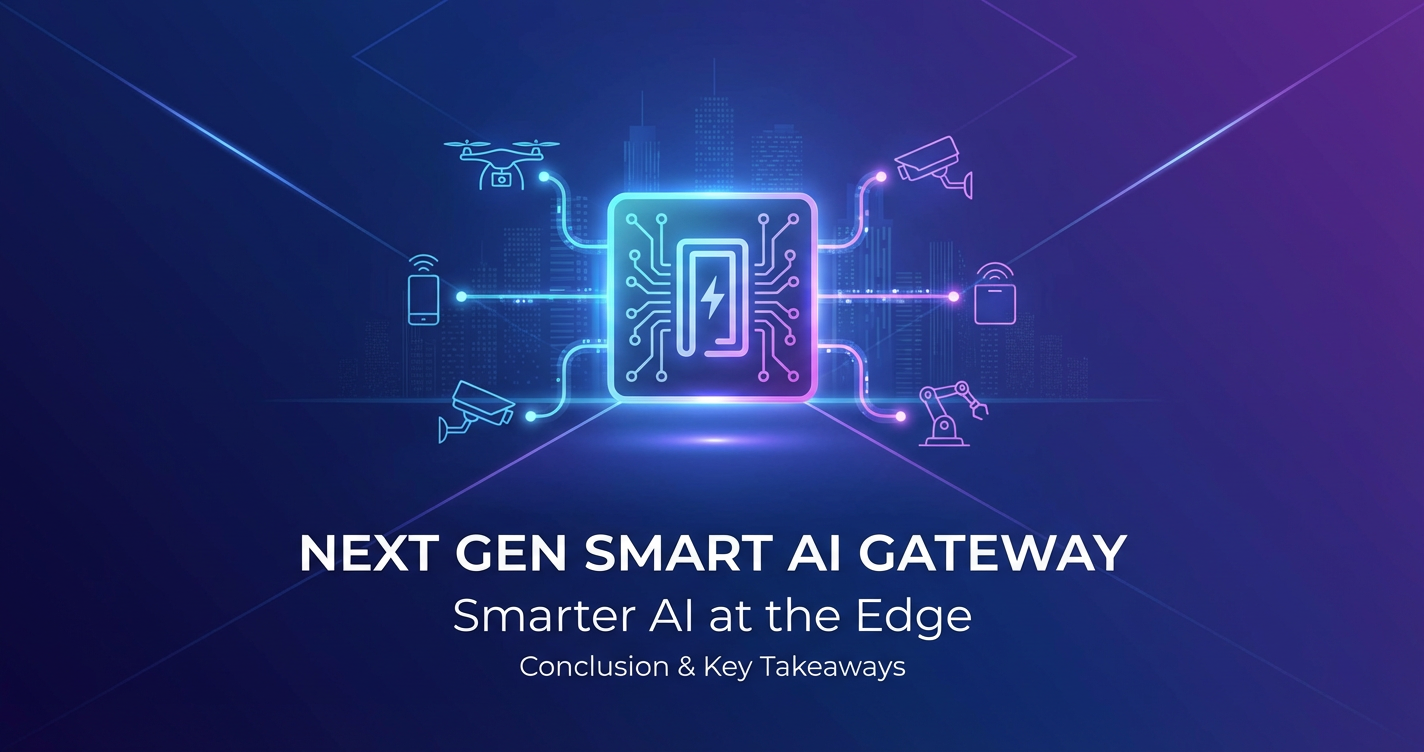
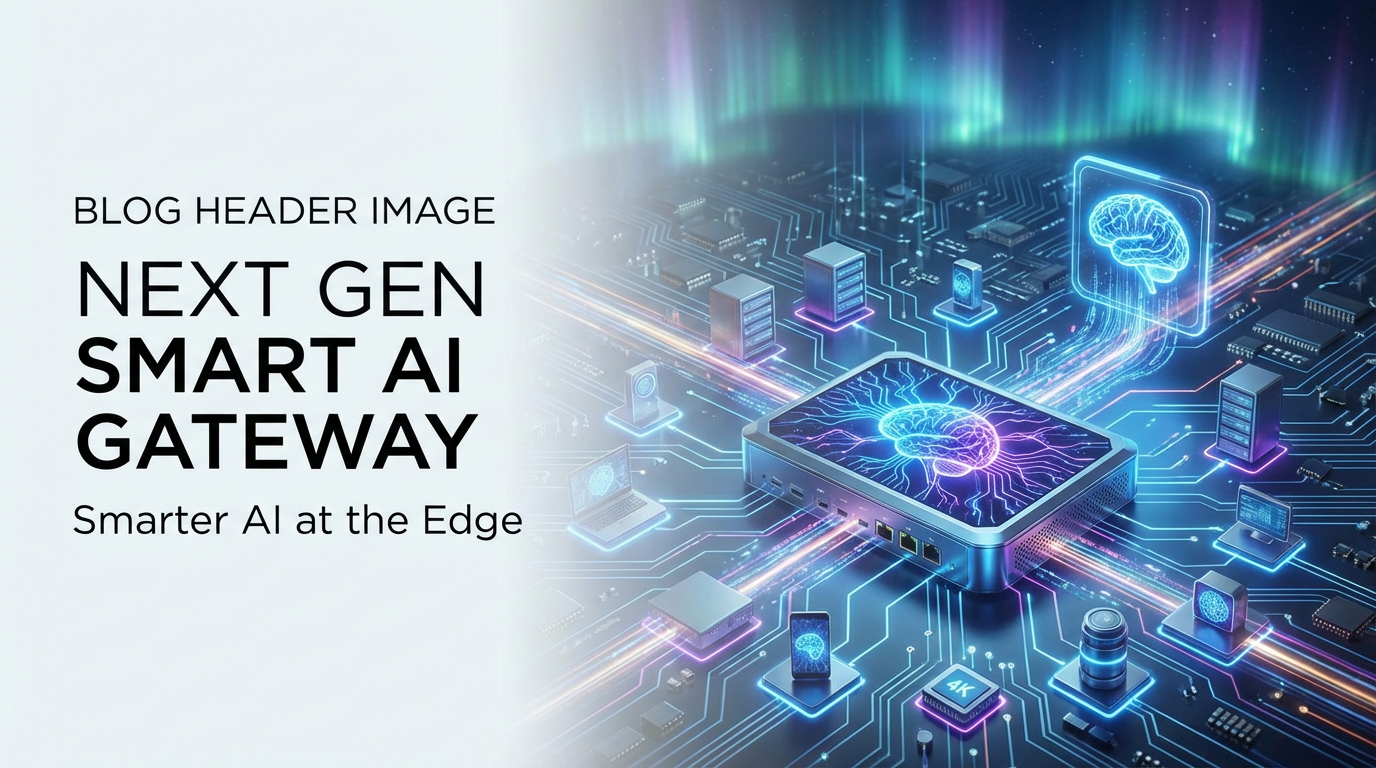
Next Gen Smart AI Gateway: Smarter AI at the Edge


The relentless march of artificial intelligence continues to reshape industries, redefine human-computer interaction, and unlock previously unimaginable possibilities. From advanced predictive analytics in finance to life-saving diagnostic tools in healthcare, AI has transitioned from a futuristic concept to an indispensable operational reality. However, as AI models become increasingly sophisticated, particularly with the proliferation of Large Language Models (LLMs), and as the sheer volume of data generated at the periphery of our networks explodes, the traditional centralized cloud-centric approach to AI processing begins to reveal its inherent limitations. Latency, bandwidth constraints, privacy concerns, and the sheer computational overhead of shuttling vast datasets back and forth between the edge and the cloud present significant hurdles to realizing the full, real-time potential of AI.
This pressing need for more agile, efficient, and secure AI deployment has catalyzed the emergence of a transformative technology: the Next Gen Smart AI Gateway. These sophisticated intelligent intermediaries are rapidly becoming the linchpin for extending the power of artificial intelligence beyond the confines of distant data centers and directly into the crucible of real-world operations – at the very edge of the network. By intelligently managing, securing, and optimizing AI model invocation and data flow closer to where data is generated and actions are taken, AI Gateway solutions are paving the way for truly smarter AI at the edge. They are not merely conduits but intelligent orchestrators, capable of routing, transforming, and enhancing AI interactions, whether they involve lightweight sensor data analysis or the complex, resource-intensive demands of an LLM Gateway. This article will delve deep into the profound impact of these next-generation gateways, exploring their foundational principles, their unique role in the era of large language models, their symbiotic relationship with edge computing, and the compelling advantages they offer for a future where intelligence is ubiquitous, immediate, and profoundly impactful.
The Paradigm Shift: From Cloud-Centric AI to Edge AI
For years, the conventional architecture for deploying artificial intelligence models has predominantly relied on a centralized cloud infrastructure. This model, where data collected from various sources—be it IoT devices, user applications, or enterprise systems—is transmitted to powerful cloud data centers for processing, analysis, and inference, has underpinned much of the AI revolution we’ve witnessed. The benefits of this cloud-centric approach are undeniable and substantial. Cloud providers offer virtually limitless computational power, allowing for the training of colossal models and the execution of complex algorithms without the need for significant on-premise hardware investment. Scalability is inherent, as resources can be dynamically provisioned to meet fluctuating demands, ensuring that enterprises can grow their AI capabilities without worrying about infrastructure bottlenecks. Furthermore, the centralized nature of cloud platforms facilitates easier model management, updates, and collaborative development across large teams, making it a powerful engine for early AI adoption and innovation.
However, as the digital landscape continues to evolve at an astonishing pace, this very architecture is increasingly encountering critical limitations, particularly with the exponential growth of data and the imperative for real-time decision-making. Imagine an autonomous vehicle needing to process sensor data instantly to avert a collision, or a smart factory machine requiring immediate AI analysis for predictive maintenance to prevent costly downtime. In such scenarios, the round-trip latency involved in sending data to a distant cloud, awaiting processing, and receiving a response can be unacceptably high, turning milliseconds into critical delays. Bandwidth is another significant bottleneck; transmitting terabytes of raw sensor data from thousands of edge devices to the cloud is not only expensive but often impractical, especially in remote or connectivity-constrained environments. Moreover, the movement of sensitive data—be it personal health information, proprietary industrial secrets, or surveillance footage—to external cloud servers raises significant privacy and regulatory compliance concerns. Data residency laws, GDPR, and HIPAA all mandate stringent controls over data location and processing, making localized processing at the edge a far more appealing, and often necessary, alternative.
This confluence of challenges has given rise to the undeniable imperative for edge computing, a distributed computing paradigm that brings computation and data storage closer to the sources of data. Instead of all data being sent to a central cloud, significant portions are processed and analyzed at the network's edge – on devices themselves, or on local edge servers and gateways. This paradigm shift is not a replacement for cloud computing but rather a powerful complement, designed to address the unique demands of modern applications. The proliferation of the Internet of Things (IoT), with billions of interconnected devices generating continuous streams of data, has been a primary catalyst for edge computing. These devices, ranging from smart sensors in agricultural fields to sophisticated cameras in retail stores, often operate in environments where immediate insights are paramount, and constant cloud connectivity cannot be guaranteed.
The convergence of AI and edge computing represents a truly symbiotic relationship, where each enhances the capabilities of the other. AI models are being meticulously optimized and miniaturized to run efficiently on resource-constrained edge devices, often leveraging specialized hardware such as Neural Processing Units (NPUs), Tensor Processing Units (TPUs), or Application-Specific Integrated Circuits (ASICs) designed for high-performance, low-power inference. This allows AI to perform tasks like object detection, speech recognition, and anomaly detection directly on the device, without needing to communicate with the cloud. The implications for various industries are profound and far-reaching. In manufacturing, edge AI enables real-time quality control and predictive maintenance by analyzing machine data on-site, drastically reducing downtime and improving operational efficiency. For healthcare, remote patient monitoring systems can leverage edge AI to analyze vital signs and detect anomalies locally, triggering immediate alerts without compromising patient data privacy. Autonomous vehicles critically depend on edge AI for instantaneous perception, decision-making, and navigation, where every millisecond counts. Smart cities can deploy edge AI for intelligent traffic management, public safety surveillance, and environmental monitoring, processing vast amounts of sensor data locally to provide real-time urban insights. This fundamental shift towards intelligent processing at the edge is not just an architectural change; it's a strategic move towards a more responsive, secure, and sustainable future for artificial intelligence.
Understanding the Core Concept: What is an AI Gateway?
In the intricate landscape of modern distributed systems, particularly those integrating artificial intelligence, the concept of a gateway has evolved dramatically from its rudimentary origins. At its heart, an AI Gateway is a specialized type of API Gateway meticulously engineered to manage, secure, and optimize access to artificial intelligence and machine learning (AI/ML) models, with a pronounced emphasis on deployment scenarios at the network's edge. While it inherently carries many functionalities associated with traditional API Gateway solutions, its distinct capabilities are specifically tailored to the unique complexities and demands of AI workloads.
A traditional API Gateway primarily functions as a single entry point for all API requests, routing them to the appropriate backend services, handling authentication, authorization, rate limiting, and often caching. It acts as a crucial abstraction layer, simplifying client-side interactions with microservices architectures and providing centralized control over API traffic. Its value lies in improving security, managing traffic, and streamlining the developer experience for conventional RESTful or GraphQL APIs.
An AI Gateway, however, builds upon this foundation by introducing a layer of intelligence and specific functionalities essential for AI/ML operations. It transcends basic routing by understanding the nature of the requests it processes—requests intended for complex AI models rather than simple data retrieval or CRUD operations. This understanding allows it to perform more sophisticated actions that are vital for efficient and effective AI deployment, especially when models are distributed across various environments, from the cloud to diverse edge devices.
The key functions of an AI Gateway are multifaceted and designed to tackle the unique challenges posed by AI model integration and inference:
- Model Orchestration and Intelligent Routing: One of the primary roles of an AI Gateway is to intelligently direct incoming inference requests to the most appropriate AI model or ensemble of models. This might involve routing a request to a localized model on an edge device for low-latency processing, or to a powerful cloud-based model for computationally intensive tasks. The gateway can make these decisions based on various criteria, such as model availability, load, latency requirements, cost implications, or even the specific characteristics of the input data. For example, a request for basic image recognition might be handled by a lightweight edge model, while a nuanced natural language understanding task could be forwarded to a powerful cloud LLM.
- Data Pre-processing and Post-processing: AI models often require input data to be in a very specific format or scale, and their outputs may need transformation before being useful to the consuming application. An AI Gateway can perform critical data pre-processing steps, such as normalization, scaling, feature engineering, or format conversion, reducing the burden on client applications and ensuring model compatibility. Similarly, after a model generates an output, the gateway can perform post-processing tasks like decoding results, reformatting, or applying business logic, making the raw model output immediately consumable by downstream systems. This capability is especially valuable at the edge, where client devices may have limited processing power.
- Model Versioning and Lifecycle Management: AI models are constantly evolving, with new versions being developed to improve accuracy, efficiency, or robustness. An AI Gateway provides robust mechanisms for managing different versions of deployed models. It can enable seamless A/B testing of new model versions, allow for gradual rollout strategies (canary deployments), and facilitate quick rollbacks in case of issues, all without disrupting client applications. This lifecycle management capability ensures that applications always interact with the correct model version and that model updates are handled gracefully and safely.
- Enhanced Security and Access Control: Securing access to AI models and the sensitive data they process is paramount. An AI Gateway acts as a fortified perimeter, providing advanced authentication mechanisms (e.g., OAuth, API keys, JWTs), fine-grained authorization policies, and robust data encryption (in transit and often at rest for cached data). It can enforce access policies based on user roles, application permissions, or even data sensitivity, ensuring that only authorized entities can invoke specific models. Furthermore, it can implement data anonymization or tokenization at the edge before data is sent to models, particularly crucial for privacy-sensitive applications.
- Performance Optimization: To maximize throughput and minimize latency, AI Gateways incorporate various performance optimization techniques. This includes intelligent caching of inference results for frequently asked queries, load balancing across multiple instances of the same model, and even applying model compression or quantization techniques on the fly to reduce model size and inference time, especially beneficial for edge deployments with constrained resources.
- Comprehensive Monitoring and Observability: Understanding the performance and health of AI models is critical for operational stability. An AI Gateway provides detailed logging of every model invocation, including input/output data, latency metrics, error rates, and resource utilization. It can integrate with monitoring systems to provide real-time dashboards and alerts, allowing administrators to proactively identify and address issues such as model degradation, high error rates, or performance bottlenecks. This detailed observability is indispensable for troubleshooting, auditing, and ensuring the reliability of AI services.
- Cost Management and Efficiency: With the increasing costs associated with complex AI models, particularly cloud-based LLMs, an AI Gateway can play a crucial role in cost optimization. By intelligently routing requests to the most cost-effective model (e.g., an open-source model running on a local server vs. a proprietary cloud API), applying caching to reduce redundant invocations, or implementing dynamic scaling based on demand, the gateway helps control operational expenses and maximize resource utilization.
In essence, an AI Gateway elevates the traditional API Gateway by embedding intelligence and specialized functionalities directly relevant to the unique characteristics of artificial intelligence workloads. It acts as a sophisticated brain at the network's edge, ensuring that AI models are accessed securely, efficiently, and intelligently, ultimately making AI deployment more robust, scalable, and manageable. It's the critical component that bridges the gap between client applications and diverse AI services, especially as the demand for smarter AI at the edge intensifies.
The Emergence of LLM Gateways: Specializing for Large Language Models
The advent of Large Language Models (LLMs) has marked a pivotal moment in the history of artificial intelligence, heralding a new era of sophisticated natural language processing capabilities. Models like OpenAI's GPT series, Google's Bard/Gemini, Meta's LLaMA, and various open-source alternatives have demonstrated unprecedented proficiency in understanding, generating, and manipulating human language. Their ability to perform a vast array of tasks, from complex content creation and summarization to code generation, translation, and sophisticated conversational AI, has captured the imagination of developers and businesses alike. These models have rapidly permeated various sectors, promising to revolutionize customer service, content generation, software development, and knowledge management.
However, the immense power and versatility of LLMs come hand-in-hand with a unique set of challenges that traditional AI Gateway solutions, while robust for other AI models, may not fully address without specialized enhancements. These challenges are often magnified when attempting to integrate LLMs into production environments, especially at scale:
- Computational Intensity and Resource Demands: LLMs are notoriously resource-intensive. Running inference on these colossal models requires significant computational power, often involving specialized hardware like GPUs or TPUs. This translates to high operational costs, whether self-hosting or consuming cloud-based API services, and careful resource management is critical to avoid prohibitive expenses.
- Context Window Management: LLMs operate within a finite "context window," which defines the maximum length of input (prompt) and output (response) they can process at once. Managing this context effectively for long conversations, complex documents, or iterative tasks requires sophisticated handling to avoid information loss or exceeding token limits, which can lead to truncated responses or outright errors.
- Cost Optimization: The predominant billing model for cloud-based LLM APIs is often per-token usage. This means that every word or sub-word processed (both input and output) incurs a cost. Without intelligent management, costs can escalate rapidly, making cost optimization a critical concern for sustainable LLM deployment.
- Prompt Engineering and Variation: The performance and quality of LLM outputs are highly dependent on the "prompt"—the specific instructions or context provided to the model. Crafting effective prompts ("prompt engineering") is an art and a science. Different LLM providers or even different versions of the same LLM may respond optimally to varied prompt structures, requiring careful adaptation and versioning of prompts.
- Security and Safety Concerns: LLMs are susceptible to various security vulnerabilities, including "prompt injection" attacks where malicious users try to manipulate the model's behavior, and the generation of harmful, biased, or hallucinated content. Implementing robust guardrails and content moderation mechanisms is essential to ensure responsible and safe LLM deployment.
- Vendor Lock-in and Model Fragmentation: Relying on a single LLM provider can lead to vendor lock-in, making it difficult to switch providers or integrate new, potentially better, models without significant refactoring of application code. The rapid evolution of the LLM landscape means new and improved models are constantly emerging, necessitating a flexible approach to integration.
This is precisely where the specialized LLM Gateway steps in, designed specifically to abstract away these complexities and provide a robust, flexible, and cost-effective interface for interacting with large language models. An LLM Gateway enhances the capabilities of a standard AI Gateway with features tailored to the unique demands of LLMs:
- Unified API for Multiple LLMs: A core function of an LLM Gateway is to provide a single, standardized API endpoint that applications can use to interact with various underlying LLMs, regardless of their native API formats. This abstraction layer means that developers don't need to rewrite their code every time they want to switch between GPT-4, LLaMA, or a custom-trained model. This feature directly addresses the vendor lock-in problem, allowing for seamless integration and future-proofing. For example, a platform like APIPark offers quick integration of 100+ AI models and provides a unified API format for AI invocation, ensuring that changes in AI models or prompts do not affect the application or microservices, thereby simplifying AI usage and maintenance costs.
- Intelligent LLM Routing: Beyond simple load balancing, an LLM Gateway can intelligently route requests to the most suitable LLM based on specific criteria. This could involve routing sensitive requests to an on-premise or fine-tuned model for privacy, directing complex tasks to a more powerful (and potentially more expensive) cloud LLM, or sending routine queries to a cheaper, smaller model. The routing logic can be dynamic, considering factors like current model load, latency, cost per token, and even the detected language or complexity of the prompt.
- Prompt Management and Optimization: LLM Gateways can centralize the storage, versioning, and management of prompts. This allows organizations to maintain a library of optimized prompts, ensuring consistency and quality across applications. Furthermore, the gateway can perform prompt optimization techniques, such as few-shot learning templating, RAG (Retrieval Augmented Generation) integration to inject external knowledge, or dynamic prompt adjustments based on user context, all transparently to the client application. The ability to encapsulate prompts into REST APIs, as offered by APIPark, allows users to quickly combine AI models with custom prompts to create new, specialized APIs (e.g., sentiment analysis, translation), further simplifying prompt management and reuse.
- Response Caching: For common LLM queries that produce consistent responses, an LLM Gateway can cache these outputs. This significantly reduces redundant invocations to the underlying LLM, leading to substantial cost savings and lower latency for frequently requested information.
- Rate Limiting and Cost Tracking: Given the per-token billing models, an LLM Gateway is essential for implementing strict rate limits at the application or user level to prevent accidental overspending. It also provides detailed cost tracking and reporting, giving organizations granular visibility into their LLM expenditures across different models, applications, and teams, aiding in budget management and resource allocation. APIPark's unified management system supports authentication and cost tracking across integrated AI models.
- Guardrails and Content Moderation: To address safety and security concerns, LLM Gateways can integrate content moderation filters for both input prompts and generated responses. This helps prevent prompt injection attacks, filters out harmful or inappropriate content, and enforces compliance with organizational policies, ensuring that LLM interactions remain safe and responsible.
- Fallback Mechanisms: In an environment where LLM services might occasionally be unavailable or return errors, an LLM Gateway can implement robust fallback strategies. If one LLM fails to respond or returns an unsatisfactory result, the gateway can automatically reroute the request to an alternative LLM, ensuring higher availability and resilience for critical applications.
By providing these specialized capabilities, an LLM Gateway transforms the way organizations interact with Large Language Models. It empowers developers to leverage the full potential of these powerful AI tools without getting bogged down in the complexities of managing multiple APIs, optimizing prompts, or controlling costs, thereby accelerating innovation and ensuring the sustainable deployment of intelligent applications.
Smarter AI at the Edge: The Synergy of AI Gateways and Edge Computing
The confluence of Artificial Intelligence (AI) and edge computing represents a powerful paradigm shift, moving intelligence closer to the source of data generation. This synergy is not merely an architectural choice but a strategic imperative driven by the evolving demands of real-world applications. When AI Gateways are deployed at the edge of the network, they unlock a host of benefits that are critical for realizing truly smarter, more responsive, and more robust AI systems.
The fundamental appeal of processing AI at the edge lies in addressing the inherent limitations of a purely cloud-centric approach, particularly in scenarios demanding immediacy and data sovereignty:
- Real-time Processing and Reduced Latency: For applications where immediate decisions are paramount—such as autonomous vehicles, industrial automation, or augmented reality systems—even a few milliseconds of latency introduced by sending data to the cloud and back can be catastrophic. Edge AI, orchestrated by an AI Gateway, allows inference to happen almost instantaneously, directly on the device or a nearby edge server. This sub-millisecond response time is not just an improvement; it's often a fundamental requirement for the very functionality of these systems.
- Enhanced Privacy Preservation: A significant advantage of edge AI is the ability to keep sensitive data local. Rather than transmitting raw, potentially identifiable data (e.g., medical images, surveillance footage, personal voice recordings) to a distant cloud, an AI Gateway can facilitate local inference. This means that only anonymized results or specific insights, rather than the raw data itself, might be sent to the cloud for aggregation or further analysis. This capability is crucial for compliance with stringent privacy regulations like GDPR, CCPA, and HIPAA, and for building trust in AI systems.
- Bandwidth Conservation and Cost Reduction: As billions of IoT devices generate continuous streams of data, the cost and feasibility of transmitting all this raw information to the cloud become prohibitive. An AI Gateway at the edge can perform initial filtering, aggregation, and AI inference on the raw data, sending only relevant insights or processed information to the cloud. This drastically reduces the volume of data traversing wide area networks, saving bandwidth costs and alleviating network congestion.
- Offline Capabilities and Resilience: In many edge environments, reliable and continuous internet connectivity cannot be guaranteed. Think of remote industrial sites, vehicles in tunnels, or smart devices in areas with patchy network coverage. An AI Gateway with locally deployed AI models enables these systems to continue operating and making intelligent decisions even when disconnected from the cloud. This significantly enhances the resilience and reliability of edge AI deployments.
- Enhanced Security Posture: By keeping sensitive data and AI models closer to their point of use, the attack surface is potentially reduced compared to constantly moving data across public networks. An AI Gateway can enforce strict local security policies, encrypt data at rest on edge devices, and control access to local models, creating a more secure environment for AI operations.
AI Gateways are not just passive conduits; they are active enablers of smarter edge AI across a diverse range of use cases:
- Manufacturing and Industrial IoT: In smart factories, edge AI gateways facilitate real-time anomaly detection for predictive maintenance on machinery, reducing unexpected downtime. They enable visual inspection systems to identify defects on production lines instantly, improving product quality. Robots can be guided by local AI for precision tasks, optimizing efficiency and safety.
- Smart Cities and Public Infrastructure: AI Gateways deployed in urban environments power intelligent traffic management systems by analyzing video feeds from cameras at intersections to optimize light timings in real-time. They can enhance public safety through local anomaly detection in surveillance data and improve environmental monitoring by processing sensor data on air quality or waste levels right where it's collected.
- Healthcare and Remote Patient Monitoring: For remote patient monitoring, AI Gateways process wearable sensor data (heart rate, glucose levels, activity) locally to detect critical changes or anomalies. This ensures immediate alerts for medical staff while keeping sensitive patient data on-device, preserving privacy and minimizing latency for urgent interventions.
- Retail and Personalized Customer Experiences: In retail stores, edge AI can analyze anonymized in-store customer movement patterns, dwell times, and product interactions to optimize store layouts, manage inventory, and provide highly personalized digital signage or promotions in real-time, all without sending raw video feeds to the cloud.
- Autonomous Vehicles and Robotics: This sector is perhaps the most demanding for edge AI. AI Gateways orchestrate multiple AI models on-board vehicles to process lidar, radar, and camera data instantaneously for perception (object detection, lane keeping), prediction (of other road users' movements), and planning (navigation and decision-making). The absolute necessity for real-time response makes edge AI, managed by sophisticated gateways, non-negotiable for safety and functionality.
How do AI Gateways specifically make AI at the edge smarter?
- Facilitating Local Inference: They manage the deployment and execution of AI models directly on edge devices or nearby micro-data centers, ensuring that inference tasks, from simple classification to more complex predictions, occur without cloud interaction unless explicitly required.
- Enabling Distributed AI Architectures: AI Gateways are crucial for orchestrating a hybrid AI strategy, intelligently deciding which parts of an AI workflow should be processed locally and which should leverage the cloud. They can manage the hand-off between edge and cloud models, ensuring a seamless user experience.
- Supporting Federated Learning: For privacy-sensitive AI training, AI Gateways can play a role in federated learning architectures. They can aggregate model updates from multiple edge devices, send these aggregated updates to the cloud for global model refinement, and then distribute the improved global model back to the edge, all without the raw training data ever leaving the local environment.
- Optimizing Resource Management on Constrained Devices: Edge devices often have limited computational power, memory, and battery life. An AI Gateway can intelligently manage model loading, offloading, and resource allocation, ensuring that AI tasks are performed efficiently without overwhelming device capabilities, potentially by switching to smaller, quantized models when resources are low.
- Creating Hybrid Cloud-Edge AI Integration: The most advanced AI Gateways allow for a fluid integration of edge and cloud AI capabilities. They provide a unified control plane where administrators can manage models deployed across diverse environments, ensuring consistency, security, and optimal performance irrespective of where the inference physically occurs. This hybrid approach leverages the strengths of both paradigms.
In summary, the synergy between AI Gateways and edge computing is not merely an incremental improvement; it is a foundational shift towards truly ubiquitous intelligence. By bringing AI processing closer to the data source and intelligently orchestrating its execution, these gateways are enabling a future where AI is not just powerful, but also immediate, private, resilient, and inherently smarter in every operational context.
APIPark is a high-performance AI gateway that allows you to securely access the most comprehensive LLM APIs globally on the APIPark platform, including OpenAI, Anthropic, Mistral, Llama2, Google Gemini, and more.Try APIPark now! 👇👇👇
Key Features and Capabilities of Next Gen Smart AI Gateways
The demands of modern AI, particularly with the complexity of Large Language Models and the distributed nature of edge computing, necessitate a new breed of AI Gateway that goes far beyond the capabilities of traditional API management. Next Gen Smart AI Gateways are designed with a comprehensive suite of features to ensure AI services are not only accessible but also secure, performant, manageable, and cost-effective across diverse environments. These advanced capabilities are what truly differentiate them and enable the promise of smarter AI at the edge.
Unified API Interface and Model Integration
One of the most critical features of a Next Gen AI Gateway is its ability to abstract the underlying complexity of various AI models and vendors into a single, consistent API interface. The AI landscape is incredibly fragmented, with numerous models (e.g., computer vision, NLP, time series), frameworks (e.g., TensorFlow, PyTorch), and cloud providers (e.g., OpenAI, Google AI, AWS AI, local open-source models) each having their own unique APIs, authentication schemes, and data formats. A smart AI Gateway normalizes these disparate interfaces. It acts as a universal translator, allowing client applications to interact with any AI model through a standardized request and response format. This significantly reduces development effort, as developers no longer need to learn or adapt to multiple vendor-specific APIs. More importantly, it provides unparalleled flexibility. Organizations can switch between different AI models (e.g., trying a new LLM from a different provider, or using a locally fine-tuned model) without requiring any changes to the consuming application code. This mitigates vendor lock-in and fosters innovation by making it easy to experiment with the latest and best-performing AI models. A prime example of such a platform is APIPark, which excels in offering quick integration of over 100 AI models and providing a unified API format for AI invocation. This standardization ensures that alterations in AI models or prompts do not ripple through to the application or microservices layers, thereby significantly streamlining AI adoption and reducing long-term maintenance costs.
Advanced Security and Governance
Security is paramount when dealing with AI models, especially those processing sensitive data or residing at the edge. Next Gen AI Gateways offer robust security features that go beyond basic authentication:
- Multi-Layered Authentication and Authorization: Support for various authentication mechanisms (API keys, OAuth 2.0, JWTs, mutual TLS) to verify the identity of the calling application or user. Fine-grained authorization policies allow administrators to define precisely who can access which AI model, under what conditions, and with what level of access (e.g., read-only access to a public model, full access to a proprietary model).
- Data Encryption and Privacy Controls: Ensuring data is encrypted both in transit (using TLS/SSL) and often at rest for cached inference results. Advanced gateways can implement data masking, anonymization, or tokenization at the edge before data is sent to AI models, especially critical for privacy-sensitive applications or adherence to regulations like GDPR.
- Threat Protection and Abuse Prevention: Capabilities to detect and prevent common API security threats, such as denial-of-service (DoS) attacks, SQL injection, cross-site scripting (XSS), and prompt injection attacks against LLMs.
- API Resource Access Approval: To maintain stringent control over AI model usage and prevent unauthorized access, some gateways introduce a subscription approval feature. This means that callers must formally subscribe to an AI API and receive administrator approval before they can invoke it. APIPark, for instance, allows for the activation of subscription approval features, ensuring that callers must subscribe to an API and await administrator approval before they can invoke it, thereby preventing unauthorized API calls and potential data breaches, which is crucial for sensitive AI services.
- Compliance and Auditing: Detailed logging and auditing capabilities (discussed further below) are essential for demonstrating compliance with industry regulations and internal security policies.
Performance and Scalability
To meet the high-demand, low-latency requirements of modern AI applications, particularly at the edge, AI Gateways are engineered for exceptional performance and scalability:
- High Throughput and Low Latency: Optimized architectures that can handle a massive volume of concurrent requests with minimal delay. This often involves efficient network protocols, asynchronous processing, and highly optimized code paths.
- Intelligent Load Balancing: Distributing incoming requests across multiple instances of an AI model, whether they are deployed on cloud servers or various edge devices. This prevents any single instance from becoming a bottleneck and ensures optimal resource utilization.
- Caching Mechanisms: Caching frequently requested inference results reduces redundant computations, drastically improving response times and cutting down on computational costs, especially for LLMs.
- Cluster Deployment and Horizontal Scaling: The ability to deploy the gateway itself as a cluster of instances, allowing it to handle massive, large-scale traffic and provide high availability. For example, APIPark demonstrates impressive performance, rivaling Nginx, by achieving over 20,000 Transactions Per Second (TPS) with just an 8-core CPU and 8GB of memory, and explicitly supports cluster deployment to manage high-volume traffic seamlessly.
Observability and Analytics
Understanding how AI models are being used and how they are performing is critical for continuous improvement and operational stability. Next Gen AI Gateways provide deep insights:
- Detailed API Call Logging: Comprehensive logging that records every facet of each API call, including request headers, body, response data, timestamps, latency, and error codes. This granular detail is invaluable for debugging, auditing, and forensic analysis. APIPark provides comprehensive logging capabilities, meticulously recording every detail of each API call, which is indispensable for businesses to quickly trace and troubleshoot issues, ensuring system stability and data security.
- Real-time Monitoring and Alerting: Integration with monitoring systems to provide real-time dashboards on key metrics such as request volume, latency, error rates, and resource utilization (CPU, memory) of the gateway and the backend AI services. Configurable alerts notify administrators of anomalies or performance degradation.
- Performance Insights and Anomaly Detection: Beyond raw metrics, advanced analytics tools can identify trends, performance bottlenecks, and potential issues within the AI service chain. For instance, APIPark offers powerful data analysis capabilities, leveraging historical call data to display long-term trends and performance changes, empowering businesses to engage in preventive maintenance before issues manifest.
- Cost Analytics: Tracking AI model usage by application, user, or team allows for detailed cost attribution and helps optimize resource allocation and budgeting.
Lifecycle Management
Managing the entire lifecycle of AI APIs—from initial design to eventual retirement—is crucial for maintaining a healthy and evolving AI ecosystem:
- API Design and Definition: Tools to define API contracts, endpoints, and data schemas.
- Publication and Versioning: Publishing AI APIs to a developer portal and managing multiple versions simultaneously, allowing for seamless upgrades and rollbacks without breaking existing applications. APIPark assists with managing the entire lifecycle of APIs, including design, publication, invocation, and decommissioning. It helps regulate API management processes, manage traffic forwarding, load balancing, and versioning of published APIs.
- Deprecation and Decommissioning: A structured process for gracefully deprecating old API versions and eventually decommissioning them, informing consumers well in advance.
Developer Experience
A well-designed AI Gateway fosters a thriving ecosystem by making it easy for developers to discover, understand, and consume AI services:
- Developer Portal: A centralized, self-service portal where developers can browse available AI APIs, access interactive documentation, find code samples, register applications, and manage API keys.
- SDKs and Code Samples: Providing ready-to-use software development kits (SDKs) in various programming languages and comprehensive code examples to accelerate integration.
- Team and Tenant Management: The platform allows for the centralized display of all API services, simplifying discovery and usage for different departments and teams. Furthermore, APIPark enables the creation of multiple teams (tenants), each operating with independent applications, data, user configurations, and security policies, while efficiently sharing underlying applications and infrastructure to boost resource utilization and lower operational costs.
Flexibility and Extensibility
Recognizing that no single solution fits all, Next Gen AI Gateways are designed to be highly adaptable:
- Plugin Architecture: Support for custom plugins or extensions allows organizations to add bespoke functionalities, such as custom data transformations, specific security policies, or integrations with internal systems.
- Custom Integrations: The ability to integrate with existing enterprise systems, such as identity providers, monitoring tools, and CI/CD pipelines.
- Open Source vs. Commercial: While many commercial solutions offer comprehensive features, open-source options like APIPark provide flexibility, transparency, and a vibrant community. It's worth noting that while the open-source APIPark product addresses basic API resource needs for startups, a commercial version is also available, offering advanced features and professional technical support for leading enterprises. This offers a scalable path from initial adoption to enterprise-grade deployment.
The synthesis of these advanced features transforms the AI Gateway from a simple traffic manager into an intelligent control plane for all AI operations. By providing a unified, secure, performant, and observable layer for AI model access, these next-generation gateways are instrumental in making AI pervasive, efficient, and truly smart, particularly as the computational demands shift increasingly towards the edge of the network.
Implementing an AI Gateway: Challenges and Best Practices
Deploying an AI Gateway solution, especially one designed to operate intelligently at the edge and manage sophisticated models like LLMs, is a strategic undertaking that promises substantial benefits. However, like any advanced architectural component, it comes with its own set of complexities and potential pitfalls. Careful planning, informed decision-making, and adherence to best practices are crucial for a successful implementation that delivers on the promise of smarter AI at the edge.
Key Implementation Challenges
The journey of integrating an AI Gateway into an existing or new ecosystem can present several significant hurdles:
- Complexity of Integration: One of the primary challenges lies in integrating the AI Gateway with a diverse and often heterogeneous landscape of AI models, data sources, and client applications. Organizations typically use various AI frameworks (TensorFlow, PyTorch), deploy models across different cloud providers, and operate a mix of on-premise and edge-deployed inference engines. Harmonizing these disparate elements under a single gateway, ensuring consistent data formats, authentication, and monitoring, can be an intricate task. This complexity is amplified when dealing with specialized models like LLMs, which have unique context management and prompt engineering requirements.
- Security at Scale and Across Distributed Environments: While an AI Gateway enhances security, its deployment introduces new security considerations, especially at the edge. Protecting AI models and sensitive data on potentially vulnerable edge devices, managing authentication and authorization across a vast number of distributed access points, and ensuring compliance with data residency and privacy regulations (e.g., GDPR, CCPA) become more challenging. The gateway itself becomes a critical security perimeter that must be robustly defended against various threats, including sophisticated prompt injection attacks for LLMs.
- Scalability and Performance Optimization: Ensuring the AI Gateway can handle fluctuating and often bursty AI workloads is critical. AI inference can be computationally intensive, and inadequate scaling can lead to performance bottlenecks, increased latency, and poor user experience. Optimizing the gateway for high throughput and low latency, particularly at the edge where resources might be constrained, requires meticulous configuration, efficient load balancing, and smart caching strategies. This also involves managing the underlying infrastructure to support the gateway itself, which needs to be as performant and scalable as the services it manages.
- Interoperability and Standardization: The lack of universal standards for AI model packaging, deployment, and API interaction can complicate interoperability. Different models might require different input/output schemas, making it difficult for the gateway to provide a truly unified interface without significant internal data transformation logic. Ensuring the gateway can seamlessly communicate with various AI runtime environments and integrate with existing enterprise tools (e.g., logging, monitoring, identity management) demands careful architectural choices.
- Cost Management and Resource Allocation: While an AI Gateway aims to optimize costs, its initial setup and ongoing operational expenses can be substantial. This includes hardware costs for edge deployments, licensing fees for commercial gateway solutions, and the operational overhead of managing the gateway itself. Effectively allocating cloud resources for AI models, especially expensive LLMs, and ensuring efficient utilization through intelligent routing and caching, requires sophisticated cost tracking and optimization capabilities within the gateway.
Best Practices for Successful AI Gateway Implementation
Overcoming these challenges requires a strategic and methodical approach. Adopting the following best practices can significantly increase the likelihood of a successful AI Gateway deployment:
- 1. Start Small and Iterate: Instead of attempting a "big bang" deployment, begin with a pilot project focused on a single, well-defined use case and a limited set of AI models. This allows your team to gain experience with the gateway's functionalities, validate its architecture, identify unforeseen issues early, and refine your deployment strategy. Iterate and expand the scope incrementally, incorporating lessons learned from each phase. This agile approach helps manage complexity and reduces risk.
- 2. Prioritize Security from Day One: Security should not be an afterthought. Design your AI Gateway implementation with a security-first mindset. Implement robust authentication (e.g., OAuth 2.0, JWT, mTLS) and fine-grained authorization policies to control access to AI models. Encrypt all data in transit and at rest. Regularly audit access logs and monitor for suspicious activity. Pay particular attention to edge security, securing devices, and implementing data anonymization techniques for privacy-sensitive data before it leaves the edge, even if it’s just for local AI inference.
- 3. Choose the Right Technology Stack: Carefully evaluate available AI Gateway solutions, considering both open-source and commercial offerings. Assess their features against your specific requirements, particularly concerning AI model integration capabilities, LLM-specific features, performance benchmarks (e.g., APIPark's impressive TPS), scalability, and ease of deployment. Consider the level of community support, documentation, and the availability of commercial support if needed. For instance, while open-source solutions like APIPark offer flexibility and cost-effectiveness for startups, its commercial version provides advanced features and professional technical support crucial for larger enterprises. Evaluate if the chosen solution supports your existing AI frameworks and infrastructure.
- 4. Implement Comprehensive Monitoring and Observability: A robust AI Gateway must be paired with an equally robust monitoring and observability strategy. Implement detailed logging for every API call, model invocation, and gateway event (as APIPark does with its comprehensive logging). Utilize real-time dashboards to track key metrics like request volume, latency, error rates, and resource utilization. Set up proactive alerts for performance degradation, security anomalies, or model failures. This comprehensive visibility is essential for quickly identifying and troubleshooting issues, ensuring the reliability and stability of your AI services.
- 5. Plan for Scalability and High Availability: Design your AI Gateway architecture with scalability in mind from the outset. Leverage load balancing, clustering capabilities (like those supported by APIPark), and auto-scaling features to handle anticipated traffic peaks. Ensure your deployment includes redundancy and failover mechanisms to guarantee high availability and resilience, preventing single points of failure that could disrupt critical AI services. This often involves deploying the gateway across multiple availability zones or even geographies.
- 6. Focus on Developer Experience: A powerful AI Gateway is only effective if developers can easily discover, understand, and integrate with the AI services it exposes. Provide a user-friendly developer portal with interactive documentation, clear API specifications (e.g., OpenAPI/Swagger), code samples, and SDKs. Offer sandbox environments for testing and streamlined processes for API key management and application registration. Empowering developers to quickly leverage AI capabilities accelerates innovation and adoption across the organization. APIPark's API service sharing within teams and independent tenant permissions greatly contribute to a positive developer experience.
- 7. Establish Clear API Governance: Define clear policies for API design, versioning, publication, and deprecation. Standardize API contracts and ensure consistency across all AI services exposed through the gateway. Implement a structured approval process for API resource access (like APIPark's subscription approval feature) to maintain control and security. Clear governance ensures a manageable, secure, and evolvable AI ecosystem.
- 8. Embrace Hybrid Architectures: Recognize that a purely edge or purely cloud AI strategy is often insufficient. Design your AI Gateway to seamlessly integrate both edge and cloud AI capabilities. This means intelligently routing requests based on latency, cost, privacy, and computational requirements, leveraging the strengths of both environments to create a flexible and resilient hybrid AI architecture.
By meticulously addressing these challenges and diligently applying these best practices, organizations can successfully deploy and manage Next Gen Smart AI Gateways. This foundational component will not only streamline AI operations but also empower them to deliver truly smarter, more efficient, and secure artificial intelligence experiences at the edge, unlocking new frontiers of innovation and business value.
The Future Landscape: What's Next for AI Gateways and Edge AI?
The rapid evolution of artificial intelligence, coupled with the burgeoning capabilities of edge computing, paints a vivid picture of a future where intelligence is ubiquitous, adaptive, and deeply integrated into our physical world. As we look ahead, the role of AI Gateways will continue to expand and deepen, evolving into even more sophisticated orchestrators of distributed intelligence. Several key trends are poised to shape the next generation of these smart intermediaries, pushing the boundaries of what's possible for AI at the edge.
Hyper-Personalization at the Edge
One of the most exciting frontiers for AI Gateways and edge AI is the enablement of true hyper-personalization. Imagine devices, environments, and applications that not only understand individual user preferences but can adapt their behavior in real-time, based on highly localized and immediate context. AI Gateways will play a crucial role in managing small, specialized AI models deployed directly on personal devices or very close to the user. These edge models will process private user data (e.g., biometric signals, speech patterns, behavioral cues) locally, ensuring maximum privacy, to tailor experiences—from personalized content recommendations in an AR headset to adaptive climate control in a smart home, or even dynamically adjusting a prosthetic limb's gait. The gateway will manage the secure, low-latency access to these hyper-local AI services, ensuring that privacy is maintained while delivering unparalleled bespoke experiences. This requires gateways to become even smarter at orchestrating micro-models and managing data on highly constrained, personal devices.
Autonomous Edge Networks and Self-Optimizing AI
The future envisions edge networks that are not just intelligent but truly autonomous and self-optimizing. AI Gateways will evolve to become the central nervous system for these networks, capable of dynamically deploying, scaling, and reconfiguring AI models based on real-time environmental conditions, workload demands, and resource availability. This includes automated model selection based on task complexity and available compute power, predictive maintenance for AI hardware at the edge, and self-healing capabilities for failed AI services. For instance, an AI Gateway might detect network congestion or device battery drain and automatically switch an inference task from a large, accurate model to a smaller, more efficient one, ensuring continuity of service without human intervention. This shift towards autonomous management will drastically reduce operational overhead and increase the resilience of edge AI deployments.
Ethical AI at the Edge: Built-in Fairness, Transparency, and Accountability
As AI permeates critical systems, the ethical implications become paramount. The next generation of AI Gateways will integrate robust capabilities for ethical AI directly into their core functions. This includes built-in fairness monitoring, detecting and mitigating biases in model outputs at the edge before they impact users. Transparency features will allow for explainability, enabling the gateway to provide insights into how an AI model arrived at a particular decision, crucial for regulatory compliance and user trust, especially in sensitive domains like healthcare or finance. Furthermore, accountability mechanisms will ensure that AI actions can be traced and audited, providing a clear chain of responsibility. The gateway will act as a guardian, enforcing ethical guidelines and regulatory compliance across all AI interactions, ensuring that smarter AI at the edge is also responsible AI.
Quantum AI Integration (Distant Horizon)
While still in its nascent stages, quantum computing holds the potential to revolutionize AI by enabling computations currently impossible for classical computers. Looking further into the future, AI Gateways might eventually evolve to manage and orchestrate access to quantum AI algorithms, either running on specialized quantum hardware at the edge or via cloud-based quantum services. This would involve highly complex routing, data preparation, and post-processing steps unique to quantum computations. While a distant prospect, the fundamental role of a gateway in abstracting complexity and providing a unified interface would be even more critical in the quantum era, allowing developers to leverage quantum AI without needing deep expertise in quantum mechanics.
Further Convergence of AI, 5G/6G, and IoT
The symbiotic relationship between AI, robust communication networks, and the proliferation of IoT devices will only intensify. The advent of 5G, and soon 6G, will provide the ultra-low latency and massive bandwidth necessary for highly distributed and interconnected edge AI ecosystems. AI Gateways will become integral components within 5G/6G network infrastructure, seamlessly integrating AI processing into the very fabric of the network. This will enable scenarios like highly responsive holographic communications powered by edge AI, real-time control of swarms of autonomous drones, and predictive maintenance for massive-scale IoT deployments, all orchestrated and secured by advanced gateways. The gateway will blur the lines between network functions and AI services, creating a truly intelligent, adaptive, and responsive digital environment.
In conclusion, the future of AI Gateways is one of increasing sophistication, autonomy, and integration. They are poised to become indispensable components in architecting a world where artificial intelligence is not just powerful but also intelligently distributed, deeply personalized, ethically guided, and seamlessly intertwined with our physical and digital realities, all driven by the imperative for smarter AI at the edge. The journey of these next-generation gateways is just beginning, promising to unlock unprecedented levels of intelligence and innovation across every facet of human endeavor.
Conclusion
The journey through the intricate landscape of next-generation smart AI Gateways reveals a pivotal architectural evolution, one that is fundamentally reshaping how artificial intelligence is deployed, managed, and consumed. We have witnessed how the traditional cloud-centric paradigm, while powerful, buckles under the weight of burgeoning data volumes, stringent real-time requirements, and growing privacy concerns, especially with the rise of computationally intensive Large Language Models. This confluence of challenges has firmly established edge computing not as an alternative, but as an indispensable complement to cloud AI, bringing intelligence closer to the source of action and data generation.
At the heart of this transformation lies the AI Gateway, an intelligent intermediary that transcends the functionalities of a conventional API Gateway. We explored its multifaceted roles: from intelligently routing requests across diverse AI models—be they lightweight edge deployments or robust cloud services—to performing crucial data pre-processing, ensuring robust security, and orchestrating the entire lifecycle of AI services. The emergence of the specialized LLM Gateway further underscored the necessity for tailored solutions, addressing the unique demands of Large Language Models in terms of cost optimization, prompt management, and unified access across fragmented vendor landscapes. Platforms like APIPark exemplify this capability, offering quick integration of numerous AI models and providing a unified API format that significantly simplifies AI usage and reduces maintenance complexities.
The true power of these gateways culminates in their symbiotic relationship with edge computing, where they act as the crucial orchestrators of "smarter AI at the edge." By enabling local inference, preserving privacy, conserving bandwidth, and ensuring real-time responsiveness, AI Gateways unlock a vast array of transformative use cases across manufacturing, healthcare, smart cities, retail, and autonomous systems. They provide the necessary security, performance, observability, and developer-friendly features to make distributed AI not just feasible, but highly efficient and resilient.
Implementing such a sophisticated system is not without its challenges, demanding careful consideration of integration complexities, security at scale, performance optimization, and stringent governance. Yet, by adhering to best practices—starting small, prioritizing security, selecting appropriate technology, and emphasizing developer experience—organizations can navigate these hurdles successfully. The future promises an even more integrated landscape, with AI Gateways at the forefront of enabling hyper-personalization, autonomous edge networks, and the development of ethically responsible AI, further blurring the lines between physical and digital intelligence.
In essence, Next Gen Smart AI Gateways are more than just technical components; they are strategic enablers. They empower enterprises to harness the full potential of AI, transforming raw data into immediate, actionable intelligence, securely and efficiently, precisely where it matters most—at the edge. They are fundamental to building the responsive, intelligent systems that will define the next era of technological advancement and human interaction.
Frequently Asked Questions (FAQ)
1. What is the fundamental difference between an AI Gateway and a traditional API Gateway?
While both an AI Gateway and a traditional API Gateway serve as entry points for service requests, an AI Gateway is specifically designed with intelligence tailored for Artificial Intelligence (AI) and Machine Learning (ML) workloads. A traditional API Gateway primarily handles generic API management tasks like routing, authentication, rate limiting, and caching for standard RESTful or GraphQL APIs. An AI Gateway extends these capabilities by offering AI-specific functionalities such as intelligent model routing (based on criteria like cost, latency, or model capability), data pre/post-processing for AI model inputs/outputs, model versioning, and specialized security for AI inference (e.g., protecting against prompt injection). It understands the semantics of AI requests and responses, allowing for more nuanced orchestration and optimization.
2. Why is an LLM Gateway necessary when I already have an AI Gateway?
An LLM Gateway is a specialized form of AI Gateway that addresses the unique challenges posed by Large Language Models (LLMs). While a general AI Gateway can manage various AI models, LLMs have distinct requirements due to their computational intensity, per-token billing models, context window management, and susceptibility to specific vulnerabilities like prompt injection. An LLM Gateway provides features like a unified API for multiple LLM providers (to prevent vendor lock-in), intelligent routing to the most cost-effective or suitable LLM, prompt management and optimization (e.g., caching, templating), and enhanced guardrails for content moderation and safety. These specialized capabilities are crucial for managing the cost, complexity, and security of deploying LLMs at scale.
3. How does an AI Gateway improve security for AI models, especially at the edge?
An AI Gateway significantly enhances security by acting as a fortified perimeter for AI models. At the edge, this means data can be processed locally, reducing the exposure of sensitive information to public networks and complying with data privacy regulations (e.g., GDPR). The gateway enforces robust authentication (e.g., API keys, OAuth) and fine-grained authorization policies, ensuring only authorized applications or users can invoke specific models. It can implement data anonymization or tokenization before data reaches the model, add content moderation filters for LLMs, and provide detailed audit logs for every API call, aiding in threat detection and compliance. Features like API resource access approval (as seen in APIPark) further restrict unauthorized access to AI services.
4. What are the main benefits of deploying AI with an AI Gateway at the edge?
Deploying AI with an AI Gateway at the edge offers several critical benefits: 1. Reduced Latency: Enables real-time decision-making by performing inference locally, eliminating the round-trip delay to the cloud. 2. Enhanced Privacy: Keeps sensitive data on-device or within local networks, preventing its transmission to external cloud servers. 3. Bandwidth Conservation: Processes raw data at the source, sending only relevant insights to the cloud, significantly reducing network traffic and costs. 4. Improved Resilience: Allows AI systems to operate autonomously even with intermittent or no cloud connectivity. 5. Cost Optimization: Reduces data transfer costs and intelligently routes requests to the most resource-efficient AI models, minimizing operational expenses. The AI Gateway acts as an orchestrator, maximizing the strengths of edge processing.
5. What role does an AI Gateway play in managing the lifecycle and cost of AI models?
An AI Gateway plays a central role in managing both the lifecycle and cost of AI models. For lifecycle management, it provides tools for versioning models, allowing for seamless updates, A/B testing, and rollbacks without disrupting client applications. It enables the design, publication, and eventual decommissioning of AI services, ensuring a structured approach to evolving AI capabilities. In terms of cost, the gateway helps optimize expenses through intelligent routing (e.g., preferring cheaper local models over expensive cloud ones), caching frequently used inference results to reduce redundant calls, and implementing rate limiting and detailed cost tracking to monitor and control spending on AI model invocations, particularly for per-token billing LLMs. Platforms like APIPark provide comprehensive logging and data analysis features to help businesses track usage trends and manage costs effectively.
🚀You can securely and efficiently call the OpenAI API on APIPark in just two steps:
Step 1: Deploy the APIPark AI gateway in 5 minutes.
APIPark is developed based on Golang, offering strong product performance and low development and maintenance costs. You can deploy APIPark with a single command line.
curl -sSO https://download.apipark.com/install/quick-start.sh; bash quick-start.sh

In my experience, you can see the successful deployment interface within 5 to 10 minutes. Then, you can log in to APIPark using your account.

Step 2: Call the OpenAI API.