Open Platform: Empowering Innovation & Growth
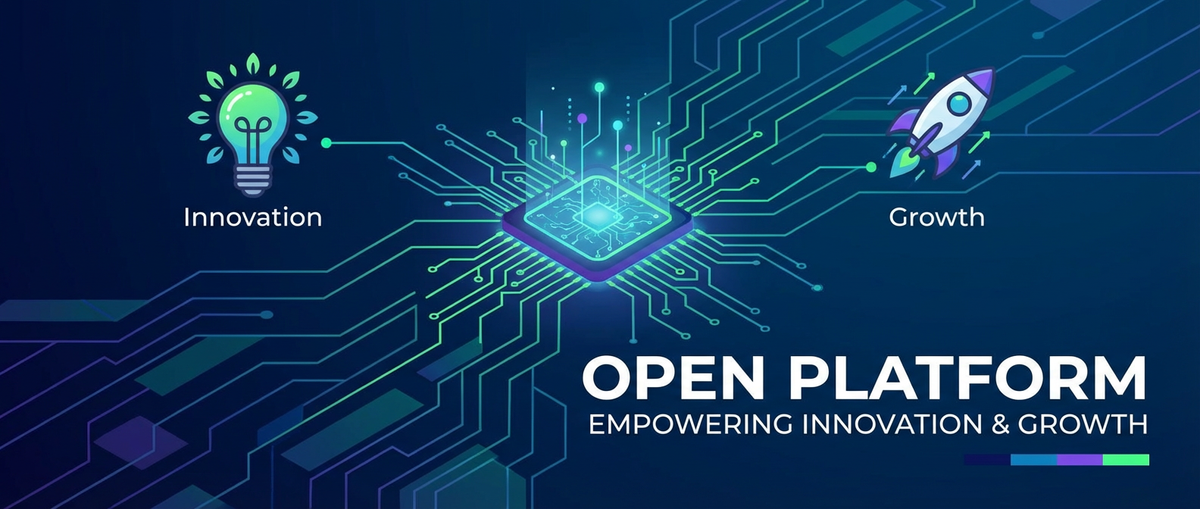


The digital epoch has fundamentally reshaped the landscape of commerce, technology, and human interaction, ushering in an era where connectivity and collaboration are not merely advantageous but absolutely essential for survival and prosperity. In this rapidly evolving environment, the concept of an Open Platform has emerged as a quintessential paradigm, symbolizing a shift from proprietary, siloed systems to collaborative, expansive ecosystems. Far more than a technical architecture, an open platform represents a strategic philosophy—a commitment to transparency, interoperability, and shared value creation that actively invites external participation and innovation. It is this fundamental openness that empowers organizations to transcend traditional boundaries, foster unprecedented levels of creativity, and unlock new avenues for sustainable growth in an increasingly interconnected global economy.
This comprehensive exploration delves into the intricate facets of the open platform phenomenon, examining its core principles, tracing its historical evolution, and dissecting its transformative impact on innovation and business expansion. We will unpack the critical role of the API Open Platform as the technical backbone, facilitating seamless data exchange and service integration, and highlight the indispensable function of the API Developer Portal in nurturing thriving developer communities. Furthermore, we will address the inherent challenges and strategic considerations in adopting and maintaining such platforms, before casting an eye towards future trends that continue to shape this dynamic landscape. Ultimately, this article aims to articulate how embracing the open platform paradigm is not just a technological upgrade, but a strategic imperative for any entity aspiring to remain competitive, agile, and forward-thinking in the 21st century.
Deconstructing the "Open Platform": Core Principles and Evolution
Understanding the profound impact of an open platform necessitates a clear definition of its inherent characteristics and an appreciation for its historical trajectory. The term "open platform" is often used broadly, yet its true essence lies in a specific set of principles that distinguish it from closed, proprietary systems.
What Truly Defines an Open Platform?
At its heart, an Open Platform is an architectural and strategic model that provides publicly accessible interfaces and standards, allowing third-party developers, businesses, and even end-users to build applications, integrate services, and share data in a transparent and governed manner. This definition emphasizes several critical attributes:
- Interoperability: This is arguably the most crucial feature. An open platform is designed from the ground up to communicate and interact seamlessly with diverse external systems and applications. It achieves this through well-defined, standardized interfaces (typically APIs) and common data formats, ensuring that different components, regardless of their origin, can exchange information and trigger actions without friction. This reduces the friction of integration and vastly expands the potential for composite solutions.
- Extensibility: Beyond just communication, an open platform allows for the addition of new functionalities, services, or data sources by external parties. This extensibility means the platform is not limited by the development capacity or vision of its original creator but can continuously evolve and expand through external contributions. This collaborative development model is a powerful engine for innovation, enabling a rapid response to market needs and specialized demands.
- Accessibility: The interfaces and documentation required to interact with an open platform are readily available and typically free or affordable for developers to access. This democratizes access to powerful underlying capabilities, significantly lowering the barrier to entry for innovation. Accessibility also implies clear and comprehensive documentation, along with support mechanisms, to ensure developers can quickly understand and utilize the platform's resources.
- Collaboration: An open platform inherently fosters a collaborative ecosystem. It thrives on the active participation of a community of developers, partners, and users who collectively contribute to its value. This collaboration can take many forms, from building new applications on top of the platform to contributing code, providing feedback, or creating content. The network effects generated by such collaboration often lead to exponential growth and increased platform utility.
- Governance: While "open," a successful platform is never entirely ungoverned. It operates under a clear set of rules, policies, and terms of service that ensure security, data privacy, quality control, and fair play for all participants. Effective governance balances the need for openness and flexibility with the imperative to maintain platform integrity, trust, and a consistent user experience. This includes versioning strategies for APIs, approval processes for third-party applications, and mechanisms for dispute resolution.
By embodying these principles, an open platform transforms from a mere technological artifact into a dynamic ecosystem capable of generating immense value through collective effort and shared innovation.
Historical Trajectory: From Monoliths to Modular Ecosystems
The concept of openness in technology is not entirely new, but its manifestation in "platforms" has evolved dramatically. Historically, computing architectures were largely monolithic and proprietary. Mainframes, and later many early enterprise software systems, were "walled gardens" where all components were tightly coupled, controlled by a single vendor, and offered limited or no external integration points. This design philosophy prioritized control and perceived security but stifled external innovation and locked customers into specific vendor ecosystems.
The advent of the internet and the rise of distributed computing began to chip away at these monolithic structures. Early forms of integration, such as Remote Procedure Calls (RPCs) and later Service-Oriented Architectures (SOAs), paved the way for more modular systems. These technologies, while often complex and primarily for internal enterprise use, demonstrated the power of decoupling services and allowing them to communicate independently.
Crucially, the open-source software movement, which gained significant momentum in the late 20th and early 21st centuries, provided a strong philosophical and practical precedent for open platforms. Projects like Linux, Apache, and MySQL proved that collaborative, community-driven development could produce robust, high-quality, and widely adopted software. This movement championed principles of transparency, shared ownership, and the freedom to modify and redistribute, directly influencing the ethos of modern open platforms.
The true explosion of open platforms, however, coincided with the proliferation of web APIs (Application Programming Interfaces). Companies like Salesforce, eBay, and Amazon were among the pioneers in exposing their core functionalities through APIs, allowing external developers to build entirely new applications and services on top of their existing infrastructure. This marked a significant shift from mere internal integration to externalized, productized APIs, transforming once-closed systems into vibrant, extensible ecosystems. The mobile revolution further accelerated this trend, with app stores becoming quintessential examples of open platforms where third-party developers could reach massive user bases by integrating with smartphone operating systems.
Today, this evolution continues, with cloud computing providing the scalable infrastructure, and advanced API management tools facilitating the complex interplay of services, data, and users that characterize modern open platforms. From financial services to healthcare, manufacturing to media, the modular ecosystem approach enabled by open platforms is now the dominant paradigm for digital transformation.
The Philosophical Foundation: Why Openness Matters
Beyond the technical and historical aspects, the very philosophy underpinning open platforms is a critical differentiator. It represents a fundamental shift in how businesses perceive value creation and interaction within their broader environment.
- Trust and Transparency: Open platforms are built on an implicit promise of trust. By exposing interfaces and data (with appropriate governance), platform providers demonstrate a commitment to transparency. This transparency builds trust with developers and partners, assuring them that they are operating within a fair and predictable environment. Conversely, a lack of transparency often leads to suspicion, vendor lock-in concerns, and reluctance from potential collaborators. The openness fosters a shared understanding of how the platform operates and evolves.
- Shared Value Creation: The philosophy of an open platform moves away from a zero-sum game towards a model of shared value creation. Instead of guarding resources jealously, the platform provider actively seeks to enable others to create value. When third-party developers build successful applications or services on the platform, it not only benefits them but also enhances the core platform's utility, reach, and attractiveness. This symbiotic relationship creates a powerful virtuous cycle where the success of one contributes to the success of all, leading to a much larger overall pie of value than any single entity could generate alone.
- Anti-Walled Gardens: The open platform philosophy stands in direct opposition to the "walled garden" approach, where a single entity attempts to control every aspect of the user experience and prevent external integrations. Walled gardens, while offering tight control and a seemingly seamless experience within their confines, ultimately limit innovation, stifle competition, and often lead to stagnation. Open platforms, by contrast, embrace diversity, external expertise, and the unpredictable nature of emergent innovation. They recognize that no single entity holds a monopoly on good ideas or solutions.
- Cultivating a Collaborative Mindset: Adopting an open platform strategy requires a significant cultural shift within an organization. It necessitates moving away from a command-and-control mentality towards one of enablement, support, and collaboration. This means actively engaging with the developer community, listening to feedback, providing resources, and sometimes even allowing external entities to influence the platform's roadmap. It's about fostering a community where collective intelligence drives progress, rather than solely relying on internal teams.
In essence, the philosophical underpinnings of an open platform advocate for a more inclusive, dynamic, and resilient approach to digital development. It recognizes that in a world of ever-increasing complexity and rapid change, collective intelligence and distributed innovation will always outperform isolated efforts, making openness not just a strategic choice, but a fundamental mindset for long-term success.
To further illustrate the fundamental differences between closed and open platforms, consider the following comparison:
| Feature | Closed Platform | Open Platform |
|---|---|---|
| Access Control | Restricted to proprietary developers/partners, often under strict NDAs and selective invitations. Access is highly controlled and limited. | Open to third-party developers, public interfaces, and standardized access methods. Access is often self-serviceable for approved developers. |
| Innovation Source | Primarily internal R&D, limited by organizational capacity, budget, and internal skill sets. Innovation pace can be slower and scope narrower. | Internal innovation complemented by external, community-driven contributions. Leverages a global talent pool, accelerating innovation and fostering diverse solutions. |
| Interoperability | Low, designed for proprietary ecosystems with tightly coupled internal components. Integration with external systems is complex, costly, and often requires custom development. | High, designed with standardized APIs (e.g., REST, GraphQL) and common data formats, facilitating easy and rapid integrations with a multitude of external systems and services. |
| Ecosystem Size | Limited, controlled and curated by the platform owner. Few, deep partnerships are typical, often involving significant negotiation and legal overhead. | Expansive, collaborative, and diverse partners, including individual developers, startups, and large enterprises. The ecosystem grows organically as more participants join. |
| Data Sharing | Centralized and often siloed within the platform owner's domain. Data exchange is tightly regulated and often requires manual processes or custom agreements, limiting insights. | Distributed, with controlled and governed data exchange (often through APIs). Encourages secure sharing of data (with proper consent and anonymization) to generate richer insights and services. |
| Flexibility & Agility | Low, changes and adaptations are slow due to complex, interdependent internal systems. Responding to market shifts requires significant internal re-engineering. | High, modular components and external contributions allow for agile responses to evolving market demands, technological shifts, and user preferences. The platform can pivot more easily. |
| Total Cost of Ownership (TCO) | High initial investment in proprietary technology, ongoing maintenance, and potential vendor lock-in, leading to less negotiating power and higher long-term costs. | Potentially lower TCO due to shared development burden, open-source components, and competitive pricing for platform services. Reduced vendor lock-in offers greater flexibility. |
| Control & Governance | Centralized, with the platform owner exercising tight control over features, updates, and ecosystem participants. Decisions are made internally. | Decentralized innovation with governance through clear API standards, policies, and community guidelines. Balances platform integrity with developer autonomy, often involving community input. |
| Growth Potential | Linear, primarily dependent on internal resources, sales efforts, and marketing spend. Growth can be constrained by the organization's own capacity. | Exponential, leveraging powerful network effects where the value of the platform increases disproportionately with each new user or developer joining the ecosystem. |
| Security Model | Often perimeter-based, focusing on protecting the internal network. External exposure might be limited, but breaches can be catastrophic due to deep interdependencies. | API-centric, requiring robust authentication and authorization mechanisms at every interaction point. Emphasizes zero-trust principles and granular access control for external integrations. |
This table clearly delineates why modern enterprises are increasingly gravitating towards open platforms as a strategic imperative for long-term success and resilience.
The Catalytic Power of Open Platforms: Igniting Innovation
Open platforms are not merely a technical configuration; they are powerful catalysts for innovation, fundamentally altering how products are developed, how businesses operate, and how value is created. Their inherent characteristics create an environment where creativity flourishes and groundbreaking solutions emerge at an accelerated pace.
Accelerating Product Development and Time-to-Market
One of the most immediate and tangible benefits of an open platform is its ability to significantly accelerate product development cycles and drastically reduce time-to-market. In today's hyper-competitive digital landscape, speed is paramount, and open platforms provide the necessary tools and methodologies to achieve it.
Traditionally, developing new products often meant building every component from scratch, a resource-intensive and time-consuming process. An open platform, however, allows developers to leverage a vast array of pre-built functionalities, services, and data sources exposed through well-documented APIs. Instead of reinventing the wheel for common functionalities like payment processing, identity verification, mapping, or messaging, developers can simply integrate existing, robust solutions. This "building blocks" approach dramatically reduces the amount of original code that needs to be written, debugged, and maintained. For example, a startup developing a new financial application (FinTech) doesn't need to spend years building a secure payment gateway or a sophisticated credit scoring algorithm; they can integrate with an existing API Open Platform from Stripe or Plaid, focusing their resources on their unique value proposition.
Furthermore, open platforms inherently facilitate agile development methodologies. With readily available APIs and sandboxes, developers can rapidly prototype ideas, test them with real data, and iterate quickly based on feedback. This fast feedback loop allows for continuous improvement and ensures that products are developed in close alignment with market needs. The ability to swap out or combine different API services also fosters experimentation, enabling developers to explore multiple solution paths without committing to massive upfront investments. This rapid iteration and integration capability not only gets products to market faster but also enables continuous product enhancement post-launch, keeping offerings fresh and relevant. The sheer velocity that an open platform enables can be a decisive competitive advantage, allowing companies to capture market share, respond to emerging trends, and outmaneuver slower-moving competitors.
Cultivating a Culture of Pervasive Innovation
Beyond just accelerating development, open platforms foster a profound cultural shift, cultivating an environment where innovation is pervasive, originating from both within and outside the organization. This distributed innovation model is a powerful engine for sustained growth.
First, by exposing their capabilities through an API Open Platform, companies effectively tap into a global talent pool of developers, startups, and specialized solution providers. This "innovation at the edge" means that new ideas and applications can emerge from unexpected quarters, addressing niche markets or solving problems that the core platform provider might not have even identified. These external innovators bring fresh perspectives, diverse skill sets, and a willingness to experiment, often at a lower cost and higher speed than internal teams. For instance, a social media platform might provide an API that allows third-party developers to create unique filters, analytics tools, or gaming experiences that enhance the platform's stickiness and appeal, extending its value far beyond its core features. This collective intelligence and distributed creativity ensure a constant influx of new ideas and functionalities, preventing stagnation.
Second, within the organization, an open platform approach encourages internal departmental collaboration and breaks down traditional organizational silos. When different business units expose their services and data through internal APIs, it becomes easier for teams to share resources, build cross-functional applications, and leverage each other's expertise. This fosters a more collaborative and entrepreneurial mindset internally, as teams are empowered to combine existing capabilities in novel ways without needing to seek extensive internal approvals or manage complex integration projects. Internal hackathons, where teams are challenged to build innovative solutions using the company's own APIs, are a common practice to stimulate this internal creativity and identify new use cases for existing assets. By establishing a clear, accessible, and well-governed API Open Platform, an organization effectively creates a sandbox for its own employees to experiment, leading to improved internal efficiencies and new product ideas that might not have emerged in a more rigid, closed environment. The resulting culture is one of continuous experimentation, shared knowledge, and collective problem-solving, where innovation is not confined to a single R&D department but is rather embedded across the entire enterprise.
Democratizing Access to Advanced Technologies
One of the most profound societal and economic impacts of open platforms is their role in democratizing access to advanced technologies. This significantly lowers the barrier to entry for innovation, fostering a more equitable and dynamic technology landscape.
Historically, cutting-edge technologies and sophisticated infrastructure were the exclusive domain of large corporations with substantial capital and resources. Developing complex algorithms for artificial intelligence, building scalable cloud infrastructure, or establishing secure payment processing systems required immense investment, specialist expertise, and significant time. This created a significant hurdle for startups, small and medium-sized enterprises (SMEs), and individual developers, effectively limiting who could participate in the digital economy and innovate with advanced tools.
Open Platform models fundamentally challenge this paradigm. By exposing advanced functionalities—like AI models, sophisticated data analytics, powerful communication services, or secure financial transactions—through accessible APIs, they make these capabilities available to anyone with the technical acumen to integrate them. A small startup in a developing country, for instance, can now leverage world-class AI models for natural language processing, integrate robust cloud infrastructure, or utilize a global payment gateway simply by subscribing to an API Open Platform. This significantly levels the playing field, allowing smaller players to compete with larger incumbents by building innovative solutions without the prohibitive upfront investment.
This democratization empowers niche markets and specialized applications that might not attract the attention of larger technology providers. Developers can create highly specific tools or services tailored to underserved communities, unique cultural contexts, or very particular professional needs. For example, a developer could create an app for local farmers leveraging weather APIs and market price APIs, or a specialized educational tool integrating AI-powered translation APIs, without needing to build all this infrastructure themselves. The availability of robust API management tools, often provided as part of an API Developer Portal, further simplifies this process, making it easier for a broader range of developers to discover, understand, and implement these advanced functionalities. By spreading the access to powerful tools, open platforms ensure that innovation is not limited by economic muscle but by creativity and problem-solving capability, leading to a richer, more diverse, and globally distributed ecosystem of digital solutions.
Unlocking New Business Models and Revenue Streams
Open platforms are not only engines of innovation but also powerful catalysts for the creation of entirely new business models and the diversification of revenue streams. They enable enterprises to transcend traditional product-centric approaches and adopt a more expansive, ecosystem-centric view of value creation.
One of the most prominent new business models facilitated by open platforms is the "Platform-as-a-Service (PaaS)" or, more specifically, "API-as-a-Service." In this model, the core value proposition shifts from selling a finished product to providing access to underlying capabilities and data through APIs. Companies like Stripe (payment processing), Twilio (communications), and even Google Maps (location services) have built multi-billion-dollar businesses by productizing their core functionalities as APIs and making them available on an API Open Platform. Developers pay for usage, subscriptions, or tiered access to these APIs, generating recurring revenue for the platform provider. This model allows the platform owner to monetize its intellectual property and infrastructure efficiently, scaling revenue based on the success of its ecosystem partners.
Beyond direct API monetization, open platforms enable indirect revenue generation through network effects and enhanced core product value. When external developers build compelling applications on a platform, these applications attract more users to the core platform, increasing engagement and potentially boosting subscriptions or usage of the platform's primary services. For instance, the sheer number and diversity of applications available on smartphone API Open Platforms (iOS and Android) drive device sales and user loyalty. The presence of a vibrant ecosystem makes the core product more valuable and sticky. This indirect monetization often far outweighs direct API revenue, as it expands market reach and solidifies competitive positioning.
Moreover, open platforms foster collaborative business models such as co-creation and revenue sharing. Partners can jointly develop solutions, sharing the investment and risks, and subsequently splitting the generated revenue. This reduces individual exposure while maximizing the potential for success. For example, a cloud provider might partner with a data analytics firm, exposing its data infrastructure through an API Open Platform while the partner provides specialized analytics tools, and both benefit from customer subscriptions. The ability to integrate and leverage complementary services from other partners also creates bundled offerings that are more attractive to customers, opening up entirely new customer segments and market opportunities. The flexibility and extensibility inherent in an open platform encourage this entrepreneurial spirit, allowing businesses to constantly experiment with pricing models, partnership structures, and service offerings, ultimately leading to a dynamic and highly adaptable revenue strategy that is resilient to market shifts.
Strategic Imperatives: Driving Sustainable Growth Through Openness
Beyond igniting innovation, open platforms serve as critical strategic instruments for driving sustainable growth. They enable organizations to expand their footprint, deepen customer relationships, forge powerful alliances, and build remarkable resilience in an ever-changing marketplace.
Expanding Market Reach and Deepening Customer Engagement
In an increasingly fragmented digital landscape, capturing and retaining customer attention requires a pervasive presence and highly integrated experiences. Open platforms are instrumental in achieving both, significantly expanding market reach and deepening customer engagement in ways that traditional closed systems cannot.
By establishing an API Open Platform, businesses can seamlessly integrate their core services and data with a multitude of popular applications, platforms, and third-party solutions that their target customers already use. This means a company's offerings are no longer confined to its own website or proprietary application but can appear where customers spend most of their digital time. For example, an e-commerce platform can expose an API that allows its products to be listed on social media marketplaces, integrated into budgeting apps, or even managed through voice assistants. This omnipresence dramatically extends the brand's visibility and accessibility, reaching new customer segments that might never directly interact with the core product. It's about meeting customers where they are, rather than forcing them to come to you.
Furthermore, these integrations enhance the overall user experience by offering richer, more contextualized, and streamlined solutions. When a customer's favorite productivity app can directly access a business's service, or when their CRM can automatically pull data from a marketing platform, it reduces friction, saves time, and creates a more cohesive digital workflow. This convenience and added value lead to greater customer satisfaction and loyalty. For instance, a cloud storage provider with an API Open Platform allows third-party document editors, photo managers, and collaboration tools to directly save and retrieve files, making its storage solution an integral part of a user's digital life. This deep integration makes the service indispensable, creating a "sticky" relationship that extends beyond transactional interactions. The ability to offer a comprehensive solution through an ecosystem of partners, rather than just a standalone product, positions the platform provider as a central hub in the customer's digital journey, translating into increased usage, higher retention rates, and ultimately, sustainable growth.
Enriching Data Insights for Hyper-Personalization
In the age of big data, the ability to collect, analyze, and act upon information is a cornerstone of competitive advantage. Open platforms, when implemented thoughtfully and ethically, can significantly enrich data insights, enabling unprecedented levels of hyper-personalization and predictive analytics.
An API Open Platform facilitates the secure and controlled aggregation of data from various sources within its ecosystem. This includes not only internal operational data but also valuable external data generated by third-party applications, partner services, and user interactions across diverse touchpoints. For example, a fitness tracking platform could integrate with nutrition apps, sleep trackers, and smart scales via APIs, consolidating a holistic view of user health. This broad spectrum of data, when combined and analyzed, reveals patterns, trends, and correlations that would be impossible to discern from isolated datasets. These richer, more granular insights provide a deeper understanding of customer behavior, preferences, and needs.
With enhanced data insights, businesses can move beyond generic marketing and service delivery to truly hyper-personalize experiences. Predictive analytics, fueled by aggregated data, allows platforms to anticipate customer needs, recommend relevant products or services proactively, and tailor communications to individual preferences. Imagine a travel platform that, by integrating with a user's calendar, flight booking history, and social media activity (with explicit consent), can suggest personalized itineraries, offer real-time delay notifications, or recommend local experiences that align with their interests. This level of personalization creates a highly engaging and relevant customer journey, fostering deeper relationships and increasing conversion rates.
However, the power of data aggregation through an API Open Platform comes with significant ethical responsibilities. Rigorous consent frameworks, transparent data usage policies, and robust privacy safeguards (such as data anonymization and pseudonymization techniques) are absolutely paramount. Organizations must adhere strictly to global data privacy regulations (like GDPR, CCPA) and build trust with their users and partners by demonstrating responsible data stewardship. When handled ethically, the capacity of an open platform to gather and leverage diverse data points transforms it into an intelligent engine for personalized value delivery, directly contributing to customer satisfaction and business growth.
Forging Resilient Ecosystems and Synergistic Partnerships
The traditional model of businesses operating in isolation or through a limited number of bilateral agreements is increasingly giving way to a more interconnected, ecosystem-driven approach. Open platforms are the foundational infrastructure for forging these resilient ecosystems and cultivating synergistic partnerships that amplify collective strengths.
At the core of an API Open Platform is the "network effect," a powerful phenomenon where the value of a product or service increases with the number of users or participants. For an open platform, this means that as more developers build applications, more businesses integrate their services, and more users engage with the ecosystem, the platform itself becomes inherently more valuable and attractive. This creates a virtuous cycle: more participants attract even more participants, leading to exponential growth. For example, a business collaboration platform that allows integration with a wide array of productivity tools (project management, CRM, communication apps) becomes more indispensable as more users and businesses leverage these integrations, reinforcing its central role in their workflows.
This model actively cultivates co-creation and fosters mutualistic relationships among ecosystem partners. Instead of viewing partners as mere vendors or clients, an open platform encourages a mindset of shared investment and shared success. Partners can leverage each other's strengths to build solutions that neither could create alone. A leading financial institution might open its banking services through an API Open Platform, allowing FinTech startups to build innovative budgeting apps, investment tools, or alternative lending solutions. The bank benefits from expanded reach and innovation without having to develop all these services internally, while the startups gain access to critical financial infrastructure and a vast customer base. This collaborative approach distributes the burden of innovation, reduces individual risk, and accelerates the pace of new product development across the entire ecosystem.
Furthermore, by embracing an API Open Platform, businesses reduce the risk of vendor lock-in, both for themselves and for their customers. When services are modular and accessible via standard APIs, it becomes easier to swap out components or integrate with alternative providers if necessary. This flexibility enhances the platform's overall resilience and adaptability to market changes, ensuring that it is not overly reliant on any single external dependency. It also empowers customers by giving them more choice and control over their integrated solutions. Ultimately, open platforms are strategic assets for building robust, interconnected ecosystems that are more capable of weathering market storms, identifying new opportunities, and collectively delivering superior value than any single entity operating in isolation.
Enhancing Organizational Agility and Future Resilience
In an era defined by continuous disruption and rapid technological advancement, an organization's ability to adapt swiftly is paramount. Open platforms are a cornerstone for enhancing organizational agility and building future resilience, enabling businesses to navigate uncertainty with greater confidence.
An API Open Platform inherently fosters organizational agility by promoting a modular architecture and enabling rapid iteration. When core functionalities and data are exposed as well-defined APIs, it becomes easier for different teams, both internal and external, to develop, test, and deploy new features or services independently. This contrasts sharply with monolithic systems where changes in one part can have cascading effects, slowing down the entire development process. The modularity of an open platform means that organizations can quickly respond to emerging market trends, competitive pressures, or customer feedback by adding, modifying, or removing specific services without overhauling the entire system. For example, if a new payment method gains popularity, an e-commerce platform can integrate a new payment gateway API rather than re-architecting its entire checkout system, allowing for a swift and targeted response. This speed and flexibility are crucial for maintaining a competitive edge in fast-moving industries.
Moreover, open platforms contribute significantly to future-proofing by diversifying service offerings and revenue streams. By enabling a wide array of third-party applications and services to be built on top of the core platform, the organization reduces its reliance on a single product or service. If one aspect of the business faces headwinds, other parts of the ecosystem can continue to thrive, providing a buffer against economic shocks. This diversification strengthens the overall business model and reduces risk. For instance, a video streaming service with an API Open Platform might allow developers to build companion apps for community engagement, merchandise sales, or interactive content. If the core streaming subscription market becomes saturated, these ancillary services could provide new growth opportunities and revenue sources.
Finally, the continuous evolution enabled by an open ecosystem inherently builds resilience. The constant influx of innovation from external developers, coupled with the ability to integrate new technologies and functionalities quickly, ensures that the platform remains cutting-edge and relevant over time. It transforms the organization from a reactive entity into a proactive hub of innovation that can anticipate and shape future trends. By embracing openness, an organization builds a dynamic, self-improving system that can adapt to unforeseen challenges and capitalize on emerging opportunities, securing its long-term viability and growth in an unpredictable world.
The Technical Foundation: API Open Platform and the Indispensable API Developer Portal
While the strategic and philosophical aspects of open platforms are crucial, their tangible realization relies heavily on robust technical infrastructure. At the heart of every successful Open Platform lies a sophisticated API Open Platform, meticulously engineered to facilitate seamless communication and integration, and supported by an indispensable API Developer Portal designed to empower developers.
APIs: The Digital Connective Tissue of an Open Platform
Application Programming Interfaces, or APIs, are the fundamental building blocks and the digital connective tissue of any modern Open Platform. They are essentially a set of definitions and protocols for building and integrating application software, acting as a contract between different software components. In the context of an open platform, APIs are the standardized communication interfaces that enable disparate systems, services, and applications—often developed by different teams or organizations—to interact, exchange data, and trigger functionalities without requiring deep knowledge of each other's internal workings. Without well-designed and exposed APIs, the vision of an interconnected, collaborative platform remains an unfulfilled promise.
The shift from internal, often proprietary, Remote Procedure Calls (RPCs) to externally exposed, productized APIs represents a significant evolution. Early integration often involved complex, custom point-to-point connections or tightly coupled RPCs, which were difficult to manage, scale, and secure. Modern APIs, particularly those built on web standards, abstract this complexity, offering clean, consistent interfaces that encapsulate intricate business logic. This abstraction allows developers to focus on building innovative applications rather than wrestling with low-level integration details.
Today, several types of APIs dominate the open platform landscape, each with its strengths:
- RESTful APIs (Representational State Transfer): The most common type, RESTful APIs are stateless, client-server architectures that use standard HTTP methods (GET, POST, PUT, DELETE) to interact with resources. They are lightweight, scalable, and widely adopted for web services due to their simplicity and adherence to standard web protocols. Their widespread use makes them a default choice for many API Open Platform initiatives.
- GraphQL: Developed by Facebook, GraphQL is a query language for APIs that allows clients to request exactly the data they need, no more and no less. This flexibility reduces over-fetching and under-fetching of data, optimizing network usage and improving application performance, especially for mobile clients or complex data aggregation scenarios.
- gRPC: A high-performance, open-source RPC framework developed by Google, gRPC uses Protocol Buffers for data serialization and HTTP/2 for transport. It is particularly well-suited for high-throughput, low-latency microservices communication within distributed systems, making it a strong contender for internal APIs or specific external APIs requiring maximum efficiency.
The choice of API style depends on the specific needs of the open platform, but the underlying principle remains the same: APIs serve as the universal language, enabling interoperability and collaboration, thereby transforming isolated services into a cohesive, functional ecosystem. They are not merely technical components; they are the strategic conduits through which an open platform realizes its potential for widespread innovation and growth.
Crafting Exceptional APIs: Design, Documentation, and Lifecycle Management
The mere existence of APIs is not enough; their quality, usability, and longevity are paramount for a successful API Open Platform. Crafting exceptional APIs requires a meticulous approach to design, comprehensive documentation, and robust lifecycle management.
A "design-first" approach is crucial for API development. This means defining the API's interface, expected behavior, and data models before writing any code. Tools like OpenAPI (formerly Swagger) allow developers to formally describe their APIs, promoting consistency, clarity, and facilitating automated generation of documentation and client SDKs. Good API design prioritizes consistency in naming conventions, clear resource hierarchies, intuitive error handling, and predictable responses. A well-designed API is like a well-designed user interface: it is easy to understand, a pleasure to use, and reduces the learning curve for developers. Poorly designed APIs, conversely, create frustration, lead to integration errors, and ultimately hinder adoption, undermining the very purpose of an open platform.
The paramount importance of comprehensive, up-to-date documentation cannot be overstated. An API is only as good as its documentation. Developers attempting to integrate with an API Open Platform rely heavily on clear explanations, examples, and detailed specifications. This includes describing each endpoint, its parameters, authentication requirements, response formats, and potential error codes. Interactive documentation, where developers can directly test API calls, significantly enhances the developer experience (DX). Without excellent documentation, even the most elegantly designed API will remain underutilized. Furthermore, clear versioning strategies are essential. As APIs evolve, new versions may be introduced to add features or make breaking changes. A robust versioning strategy (e.g., /v1, /v2 in the URL, or using HTTP headers) allows consumers to upgrade at their own pace, minimizing disruption and ensuring backward compatibility for older applications.
Finally, managing the full API lifecycle is critical for maintaining a vibrant API Open Platform. This encompasses everything from initial ideation and design, through development, testing, publication, monitoring, and ultimately, deprecation and retirement. Effective lifecycle management involves:
- Design & Development: Following best practices and standards.
- Testing: Rigorous unit, integration, performance, and security testing.
- Publication: Making APIs discoverable and accessible through an API Developer Portal.
- Monitoring & Analytics: Tracking API usage, performance, and errors to ensure stability and identify areas for improvement.
- Versioning & Deprecation: Carefully managing changes and providing ample notice for the retirement of older API versions to allow partners to migrate.
By meticulously attending to API design, documentation, and lifecycle management, organizations can build a reliable, scalable, and developer-friendly API Open Platform that truly empowers external innovation and growth.
The Unsung Hero: The API Developer Portal – Gateway to Adoption and Success
While APIs are the digital building blocks, the API Developer Portal is the architect's blueprint, the instruction manual, and the community hub—it is the indispensable gateway that transforms raw technical interfaces into an accessible, engaging, and thriving ecosystem. For any organization serious about cultivating a successful API Open Platform, a robust and user-friendly developer portal is not merely a nice-to-have; it is an absolute necessity, directly impacting adoption rates and the overall success of the platform.
An API Developer Portal serves as the central, self-service hub where external developers come to discover, learn about, register for, test, and manage their access to a company's APIs. It acts as the primary interface between the platform provider and its developer community, shaping the crucial Developer Experience (DX). A poor DX, characterized by confusing documentation or difficult onboarding, will deter even the most motivated developers, regardless of how powerful the underlying APIs are. Conversely, an outstanding DX fostered by a well-designed portal significantly accelerates adoption and fosters a loyal, active community.
Key components of an effective API Developer Portal typically include:
- Interactive Documentation: Beyond static text, this includes dynamic API explorers (like Swagger UI or Postman integration) where developers can see API endpoints, understand parameters, and even make live test calls directly from the browser. This hands-on experience is invaluable for rapid learning.
- SDKs (Software Development Kits) and Code Samples: Providing ready-to-use libraries in popular programming languages significantly reduces the integration effort for developers, allowing them to get started quickly without writing boilerplate code.
- Tutorials and Quick-Start Guides: Step-by-step instructions and practical use cases help new developers understand how to leverage the APIs to solve real-world problems.
- Sandboxes and Test Environments: A safe, isolated environment where developers can experiment with APIs and build applications without affecting production systems is critical for development and testing.
- Community Forums and Support Channels: A platform for developers to ask questions, share knowledge, troubleshoot issues, and provide feedback directly to the API provider. This fosters a sense of community and provides valuable insights for platform improvement.
- API Key Management and Analytics: Tools for developers to generate and manage their API keys, monitor their API usage, and view basic analytics related to their application's performance.
The journey to a successful API Open Platform hinges significantly on providing developers with an unparalleled experience. This is where a robust API Developer Portal becomes indispensable. Modern organizations, increasingly leveraging AI, often require specialized tools to manage the complexity of their exposed services. For instance, platforms like ApiPark, an open-source AI gateway and API management platform, offer a comprehensive solution tailored for this exact need. APIPark provides an all-in-one suite to effortlessly manage, integrate, and deploy both AI and traditional REST services. Its core strength lies in unifying diverse AI models under a single management system for authentication and cost tracking, and standardizing their invocation format – a crucial feature for any sophisticated API Open Platform. Furthermore, APIPark's end-to-end API lifecycle management capabilities and its ability to encapsulate custom prompts into new REST APIs through its developer portal significantly streamline the creation and consumption of innovative services. Its features, such as independent API and access permissions for each tenant and granular API call logging, exemplify the robust governance required for scaling an effective API Open Platform, making it an invaluable asset for enterprises aiming to foster widespread innovation and growth.
In essence, the API Developer Portal is not just a repository of documentation; it is the strategic cornerstone for building, nurturing, and scaling a vibrant developer ecosystem. By making APIs easy to discover, understand, and consume, it transforms technical assets into powerful engines of innovation, directly contributing to the platform's adoption and long-term success.
Security, Governance, and Trust in an API Open Platform Environment
While openness fosters innovation, it also introduces inherent complexities, particularly concerning security and governance. For an API Open Platform to thrive and maintain its integrity, robust security measures, clear governance frameworks, and an unwavering commitment to trust are non-negotiable. The very nature of exposing functionalities externally expands the attack surface, necessitating a proactive and multi-layered approach to protection.
Security: The cornerstone of API security is strong authentication and authorization. Authentication verifies the identity of the client or user making an API request. Common methods include: * API Keys: Simple tokens often used for public or lower-security APIs, identifying the calling application. * OAuth 2.0: An industry-standard protocol for authorization that allows third-party applications to obtain limited access to a user's resources without exposing their credentials. It's crucial for user-centric APIs. * JSON Web Tokens (JWTs): Compact, URL-safe means of representing claims to be transferred between two parties, often used in conjunction with OAuth 2.0 for stateless authorization.
Authorization determines what an authenticated client is allowed to do. Role-Based Access Control (RBAC) is often employed, assigning specific permissions based on predefined roles. Beyond identity management, an API Open Platform must implement threat mitigation strategies such as: * Rate Limiting and Throttling: To prevent abuse, denial-of-service attacks, and ensure fair usage, limiting the number of API requests a client can make within a given timeframe is essential. * Web Application Firewalls (WAFs): These protect against common web vulnerabilities like SQL injection, cross-site scripting (XSS), and other OWASP Top 10 threats by filtering and monitoring HTTP traffic between a web application and the internet. * Input Validation: Rigorous validation of all input parameters to prevent malicious data from entering the system. * Encryption: Using HTTPS/TLS for all API communication to protect data in transit.
Governance: Effective governance ensures consistency, quality, and compliance across the entire API Open Platform. This includes: * API Standards and Guidelines: Defining clear design principles, naming conventions, error handling mechanisms, and data formats to ensure uniformity across all APIs. This reduces developer confusion and integration complexity. * Version Management and Deprecation Policies: Establishing clear rules for introducing new API versions, handling backward compatibility, and providing ample notice when older versions are to be retired. This minimizes disruption for API consumers. * Access Control Policies: Defining who can access which APIs and under what conditions, often managed through the API Developer Portal with features like subscription approval processes. For instance, APIPark allows for the activation of subscription approval features, ensuring that callers must subscribe to an API and await administrator approval before they can invoke it, preventing unauthorized API calls and potential data breaches. This is a critical feature for maintaining control and security in an open ecosystem. * Service Level Agreements (SLAs): Clearly communicating performance expectations, uptime guarantees, and support commitments to API consumers. * Auditing and Monitoring: Comprehensive logging of all API calls, including request and response details, timestamps, and caller information. This is vital for security auditing, troubleshooting, and compliance. APIPark, for example, offers detailed API call logging, recording every detail of each API call, which allows businesses to quickly trace and troubleshoot issues, ensuring system stability and data security.
Trust: Ultimately, security and governance are about building and maintaining trust. Developers and partners will only invest their time and resources into an API Open Platform if they trust that their data is secure, their applications will function reliably, and the platform provider acts responsibly. This trust is earned through consistent adherence to security best practices, transparent communication about changes and incidents, and a demonstrated commitment to data privacy and regulatory compliance (e.g., GDPR, CCPA). By prioritizing these aspects, an open platform can mitigate risks and foster an environment where innovation can flourish securely and sustainably.
Ensuring Scalability, Performance, and Reliability
A thriving API Open Platform is characterized by a rapidly growing user base and increasing API traffic. To support this growth without compromising user experience or system stability, meticulous attention must be paid to scalability, performance, and reliability. These attributes are not optional; they are foundational requirements for long-term success.
Scalability refers to the platform's ability to handle an increasing workload without degradation in performance. This is typically achieved through a combination of architectural choices and infrastructure provisioning: * Microservices Architecture: Decomposing a large application into smaller, independently deployable services allows individual components to be scaled up or down based on demand, rather than scaling the entire monolithic application. This enables more efficient resource utilization. * Stateless Services: Designing APIs to be stateless (not retaining client context between requests) simplifies horizontal scaling, as any instance of a service can handle any request. * Cloud-Native Infrastructure: Leveraging elastic cloud computing resources (e.g., AWS, Azure, GCP) allows for dynamic scaling of servers, databases, and other infrastructure components based on real-time traffic spikes. * Database Scaling: Implementing strategies like sharding, replication, and caching to ensure that the data layer can handle high read and write volumes.
Performance is about the speed and efficiency with which API requests are processed and responses are delivered. Low latency and high throughput are critical for a positive developer and end-user experience: * Load Balancing: Distributing incoming API traffic across multiple servers or service instances to optimize resource utilization, maximize throughput, and prevent any single server from becoming a bottleneck. * Caching: Storing frequently accessed data or API responses in a temporary, high-speed memory layer (e.g., Redis, Memcached) to reduce the need to repeatedly fetch data from slower backend systems. This significantly improves response times for read-heavy APIs. * Content Delivery Networks (CDNs): For APIs that serve static content or data, CDNs can distribute content closer to the end-users geographically, reducing latency. * Optimized Code and Infrastructure: Continuous profiling and optimization of API code, database queries, and underlying infrastructure components (e.g., network configuration, server specifications) to minimize processing time. For example, high-performance API gateways like APIPark can achieve over 20,000 TPS (transactions per second) with modest resources (8-core CPU, 8GB memory) and support cluster deployment, demonstrating enterprise-grade performance crucial for handling large-scale traffic on an API Open Platform.
Reliability ensures that the API Open Platform is consistently available and functions correctly, even in the face of failures or unexpected events: * High Availability (HA): Designing systems with redundancy and failover mechanisms so that if one component fails, another can immediately take over, preventing service interruptions. This involves deploying services across multiple availability zones or regions. * Resilience Engineering: Building systems that can gracefully degrade under stress and recover quickly from failures. This includes circuit breakers, bulkheads, and retries. * Comprehensive Monitoring and Alerting: Real-time tracking of API health, performance metrics, error rates, and resource utilization. Automated alerts notify operations teams of potential issues before they impact users. APIPark's powerful data analysis capabilities, for instance, analyze historical call data to display long-term trends and performance changes, helping businesses with preventive maintenance before issues occur. This type of proactive monitoring is essential for maintaining high reliability. * Disaster Recovery Planning: Having a clear strategy and tested procedures to restore the entire platform in the event of a major outage or data loss.
By investing in robust architectural design, performance optimization, and comprehensive reliability measures, an API Open Platform can confidently scale to meet the demands of a growing ecosystem, ensuring a consistent, high-quality experience for all its developers and end-users, thereby cementing its role as a stable foundation for innovation and growth.
APIPark is a high-performance AI gateway that allows you to securely access the most comprehensive LLM APIs globally on the APIPark platform, including OpenAI, Anthropic, Mistral, Llama2, Google Gemini, and more.Try APIPark now! 👇👇👇
Navigating the Complexities: Challenges and Strategic Imperatives for Open Platforms
While the benefits of an open platform are profound, their implementation and ongoing management are not without significant challenges. Successfully navigating these complexities requires strategic foresight, robust technical solutions, and a commitment to continuous adaptation. Ignoring these hurdles can quickly undermine the potential for innovation and growth that open platforms promise.
Mitigating Heightened Security Risks
One of the foremost challenges in operating an API Open Platform is the inherent increase in security risks. By intentionally exposing functionalities and data externally, the attack surface for potential malicious actors is significantly expanded. This necessitates a proactive, multi-layered, and constantly evolving security posture.
The proliferation of APIs means there are more entry points into an organization's systems, each potentially vulnerable if not properly secured. Threat actors can exploit poorly authenticated APIs, bypass authorization checks, or target known vulnerabilities in API implementations. For example, if an API Open Platform does not rigorously validate input, it could be susceptible to injection attacks, allowing attackers to manipulate backend databases. Furthermore, the reliance on third-party developers introduces an additional layer of trust management. A security flaw in a partner application built on the platform could inadvertently expose data or compromise the entire ecosystem. This 'supply chain' aspect of API security demands vigilant oversight of partner security practices and compliance.
Mitigating these heightened risks requires more than just basic authentication. It involves implementing a zero-trust security model, where every API request, regardless of its origin, is rigorously authenticated and authorized. This includes strong identity management for developers and applications, granular access controls (e.g., OAuth scopes, RBAC), and advanced threat detection capabilities. Tools like API gateways (like APIPark) play a crucial role here, acting as enforcement points for security policies, routing traffic, and performing initial threat filtering before requests reach backend services. Proactive measures such as continuous vulnerability scanning, penetration testing, and regular security audits of all exposed APIs are indispensable. Moreover, a well-defined incident response plan is critical for quickly identifying, containing, and mitigating the impact of any security breaches. Building and maintaining trust in an open environment depends entirely on an organization's unwavering commitment to protecting its platform and its users from evolving cyber threats.
Mastering Governance and Ecosystem Management
Successfully running an API Open Platform extends beyond technical implementation; it demands sophisticated governance and diligent ecosystem management. The balance between fostering unconstrained innovation and maintaining control over quality, consistency, and compliance is a delicate tightrope walk. Without clear governance, an open platform can quickly devolve into a chaotic, unmanageable entity, hindering rather than helping growth.
One significant challenge is API versioning and deprecation. As the platform evolves, APIs will inevitably require updates, new features, or even significant changes that might break compatibility with existing integrations. Managing these changes smoothly, ensuring adequate notice periods for deprecation, and providing clear migration paths for developers are critical to avoid alienating the partner ecosystem. A haphazard approach to versioning can lead to frustration, abandoned integrations, and a damaged reputation.
Furthermore, managing a diverse ecosystem of partners and developers presents its own complexities. This involves not only technical support but also fostering positive relationships, managing legal and contractual agreements, and ensuring fair play. Establishing clear terms of service, acceptable use policies, and monetization models (if applicable) is essential. The platform provider must also balance the needs of various stakeholders—from large enterprise partners to individual hobbyist developers—each with different requirements and expectations. This can involve making difficult decisions about which features to prioritize, how to resolve disputes, and how to maintain the quality of third-party applications.
Effective governance also encompasses establishing clear policies, guidelines, and feedback mechanisms for the entire ecosystem. This might include processes for application review and approval, setting performance standards for partner integrations, and providing channels for community input on the platform's roadmap. The goal is to create a predictable and transparent environment where all participants understand the rules of engagement and feel empowered to contribute, while the platform provider maintains sufficient oversight to ensure long-term stability and value. Mastering this art of ecosystem management is a continuous effort, requiring active engagement, clear communication, and a willingness to adapt governance structures as the platform grows and evolves.
Addressing Data Privacy and Regulatory Compliance
In an era of increasing data sensitivity and stringent global regulations, managing data privacy and ensuring regulatory compliance present formidable challenges for any API Open Platform. The very nature of an open platform, which encourages data sharing and integration across multiple entities, amplifies these complexities. Failure to adequately address these concerns can lead to severe legal penalties, significant reputational damage, and a fundamental erosion of user trust.
One of the primary difficulties lies in navigating a fragmented global regulatory landscape. Laws like the General Data Protection Regulation (GDPR) in Europe, the California Consumer Privacy Act (CCPA) in the United States, and numerous other country-specific data protection acts impose strict requirements on how personal data is collected, processed, stored, and shared. An API Open Platform that operates internationally must be designed to comply with the most stringent applicable regulations across all jurisdictions where its data is processed or where its users reside. This involves intricate legal and technical considerations, such as obtaining explicit user consent for data sharing, ensuring data portability, and implementing robust data breach notification procedures.
Furthermore, the aggregation and exchange of data through APIs raise critical questions about data ownership, accountability, and the ethical use of information. When multiple third-party applications integrate with an API Open Platform and exchange user data, the lineage and responsibility for that data can become opaque. This necessitates clear contractual agreements with all partners, delineating roles and responsibilities regarding data processing, security, and compliance. Implementing robust consent management frameworks, which allow users fine-grained control over their data sharing preferences, is no longer optional but a fundamental requirement for building trust. Techniques like data anonymization and pseudonymization, where personally identifiable information is removed or obscured, can help mitigate risks when sharing aggregated data for analytical purposes.
Beyond legal compliance, there is a strong ethical imperative of responsible data stewardship. Platform providers must actively guard against the misuse of data by partners, ensure that data is not used for discriminatory purposes, and be transparent with users about how their information is being leveraged. This requires continuous monitoring of partner applications, clear auditing capabilities, and a commitment to reviewing and updating privacy policies regularly. The API Developer Portal must clearly articulate these policies, making it easy for developers and users alike to understand their rights and obligations. Ultimately, addressing data privacy and regulatory compliance in an API Open Platform environment requires a holistic approach that integrates legal expertise, technical safeguards, and a strong ethical compass to protect both the platform and its ecosystem participants.
Developing Sustainable Monetization Models
While the initial appeal of an API Open Platform might be to foster innovation and ecosystem growth, for most businesses, long-term sustainability hinges on developing effective and ethical monetization strategies. Finding the right balance between attracting a wide developer base and generating sufficient revenue is a significant challenge, as overly restrictive or complex pricing models can stifle adoption, while overly generous ones can lead to unsustainable costs.
Monetization models for open platforms can broadly be categorized into direct and indirect strategies:
Direct Monetization: * Pay-per-Use/Transactional: Charging developers based on the volume of API calls, data consumed, or transactions processed (e.g., Stripe's per-transaction fee). This aligns costs with actual usage but can be unpredictable for developers. * Tiered Subscriptions: Offering different levels of API access (e.g., based on call limits, features, or support) at varying monthly or annual fees. This provides predictability but might be less flexible. * Freemium Models: Providing a free tier with limited functionality or usage, encouraging developers to upgrade to paid tiers as their applications scale. This is excellent for adoption but requires careful management of free tier costs. * Feature-Based Pricing: Charging for access to specific, high-value APIs or advanced features (e.g., AI models, premium data analytics).
Indirect Monetization: * Enhanced Core Product Value: The most common indirect model, where the presence of a vibrant API ecosystem makes the platform's core product more attractive, driving subscriptions or sales of the primary offering. (e.g., app stores boosting smartphone sales). * Data Insights: While not selling raw user data, the aggregated and anonymized data generated by the platform can be leveraged to create valuable market insights, which can then be monetized through reports, consulting, or targeted advertising (with strict privacy controls). * Revenue Sharing: Partnering with developers and sharing a percentage of the revenue generated by their applications built on the platform. This creates a strong incentive for partners to succeed.
The challenge lies in choosing and implementing a model that incentivizes developer adoption while ensuring the platform's financial viability. An opaque or constantly changing pricing structure in the API Developer Portal can lead to developer frustration. It is crucial to have transparent pricing, clear usage metrics, and mechanisms for developers to monitor their costs. Furthermore, the chosen model must align with the value proposition of the APIs. High-value, specialized APIs might command higher prices, while foundational, widely used APIs might be better suited for freemium models to encourage widespread adoption. Continuous experimentation, feedback from the developer community, and agile adjustments to pricing strategies are often necessary to discover the most sustainable and growth-oriented monetization model for a given API Open Platform.
Ensuring Quality, Consistency, and Maintainability
For an API Open Platform to achieve widespread adoption and sustain long-term growth, it must consistently deliver high quality, maintain consistency across its offerings, and be easily maintainable. These attributes are often overlooked in the initial rush to launch but are fundamental to building developer trust and fostering a robust ecosystem. A platform riddled with bugs, inconsistent APIs, or difficult-to-maintain components will quickly deter developers and lead to platform abandonment.
Quality: This encompasses not only the functional correctness of APIs but also their reliability, performance, and security. Rigorous testing is paramount: * Unit and Integration Testing: Ensuring that individual API endpoints and their interactions with backend services function as expected. * Performance Testing: Stress testing APIs to confirm they can handle anticipated load and maintain acceptable response times. * Security Testing: Conducting regular vulnerability scans, penetration tests, and security audits to identify and mitigate potential weaknesses. * Automated Testing Pipelines: Integrating API testing into Continuous Integration/Continuous Deployment (CI/CD) pipelines to ensure that every new release or update maintains high quality.
Consistency: An API Open Platform can become complex quickly, especially with numerous APIs and features. Consistency in design, naming conventions, error handling, and data formats across all APIs significantly reduces the learning curve for developers. Adhering to strict API design guidelines (e.g., RESTful principles, common status codes, consistent resource naming) is crucial. Inconsistency forces developers to learn new patterns for each API, increasing integration time and leading to frustration. A well-maintained API Developer Portal that clearly documents these standards and provides examples is vital for enforcement. Consistency also applies to the developer experience, ensuring that processes like onboarding, key management, and support requests are uniform and predictable.
Maintainability: As an API Open Platform grows, its underlying codebase and infrastructure can become extensive. Good architectural patterns, clean code, and comprehensive internal documentation are essential for long-term maintainability. This ensures that internal teams can efficiently update, debug, and expand the platform without introducing new complexities or breaking existing functionalities. Furthermore, having a clear strategy for technical debt management is important; regularly refactoring code and improving infrastructure prevents the accumulation of issues that could slow down future development or introduce instability. Automated monitoring and logging (like APIPark's detailed call logging) also contribute to maintainability by providing immediate insights into operational issues, allowing teams to quickly diagnose and resolve problems before they escalate. By prioritizing quality, consistency, and maintainability, an organization can ensure its API Open Platform remains a stable, reliable, and attractive foundation for innovation, capable of evolving and supporting its ecosystem for years to come.
The Horizon of Openness: Emerging Trends Shaping Future Platforms
The journey of open platforms is one of continuous evolution, driven by technological advancements and shifting market demands. As we look to the future, several compelling trends are poised to redefine the nature and capabilities of open platforms, further amplifying their potential for innovation and growth. These emerging trends underscore the dynamic nature of "openness" and its pivotal role in the next wave of digital transformation.
The Symbiotic Relationship with Artificial Intelligence and Machine Learning
The integration of Artificial Intelligence (AI) and Machine Learning (ML) is rapidly becoming a defining characteristic of next-generation Open Platforms. This symbiotic relationship is transforming how services are offered and consumed, moving beyond mere data exchange to intelligent, predictive, and autonomous interactions.
One significant trend is the rise of AI-as-a-Service through open APIs. Instead of building complex AI models from scratch, developers can now access sophisticated AI capabilities—such as natural language processing (NLP), computer vision, speech recognition, sentiment analysis, or predictive analytics—via readily available APIs on an API Open Platform. This democratizes access to advanced AI, allowing businesses of all sizes to embed intelligent features into their applications without requiring deep AI expertise or massive computational resources. For instance, a small e-commerce startup can integrate an AI API for personalized product recommendations, or a customer service platform can leverage an NLP API for automated query routing, significantly enhancing their offerings. Platforms like APIPark are at the forefront of this trend, offering the capability to integrate a variety of AI models with a unified management system for authentication and cost tracking, and standardizing their invocation format. This simplifies AI usage and maintenance costs, making AI accessible and manageable within an open platform context.
Furthermore, open platforms are facilitating federated learning and collaborative model training. In this paradigm, multiple organizations or devices can collectively train a shared AI model without directly sharing their raw data, preserving privacy and data sovereignty. An API Open Platform can act as the orchestration layer, coordinating the training process, aggregating model updates, and distributing new model versions. This enables collaborative AI development, leveraging diverse datasets to create more robust and unbiased models, which is particularly relevant in sensitive domains like healthcare or financial services.
However, the integration of AI also brings new ethical dimensions to the forefront. Open platforms must address issues of AI transparency and bias. When AI models are exposed via APIs, it is crucial to understand their limitations, potential biases in training data, and decision-making processes. Ethical AI guidelines, explainable AI (XAI) techniques, and robust governance frameworks for AI model lifecycle management will become essential components of future API Open Platform strategies. By responsibly embracing AI, open platforms can evolve from mere data conduits to intelligent ecosystems that not only connect but also reason, predict, and automate, unlocking unprecedented levels of innovation and value.
Decentralization and Blockchain: Towards Trustless Open Platforms
The advent of blockchain technology and the broader movement towards decentralization are poised to introduce a new paradigm for open platforms, promising enhanced transparency, security, and a potentially "trustless" environment where intermediaries are minimized. This vision, often associated with Web3, challenges conventional centralized platform models.
In a decentralized Open Platform built on blockchain, traditional intermediaries that manage access, authenticate users, or process transactions could be replaced by immutable, transparent, and distributed ledger technology. For example, API registries, which currently rely on centralized providers, could be hosted on a blockchain, ensuring that API specifications are tamper-proof and publicly verifiable. This could lead to genuinely open, permissionless API Open Platforms where anyone can discover and integrate with APIs without needing explicit approval from a central entity, assuming appropriate governance is in place.
Smart contracts, self-executing contracts with the terms of the agreement directly written into code, could revolutionize platform governance, access control, and monetization. Instead of relying on a central authority to enforce policies or distribute payments, smart contracts could automate these processes based on predefined rules. For instance, an API Open Platform could use smart contracts to automatically grant API access based on subscription payments, distribute revenue shares to ecosystem partners based on usage metrics, or even enforce API usage limits without human intervention. This introduces a new level of programmatic governance, reducing friction and potential for bias.
The vision of Web3 emphasizes truly sovereign, community-governed open ecosystems. In this model, platform ownership and governance might shift from a single corporation to a decentralized autonomous organization (DAO) or a collective of stakeholders, who together decide on platform upgrades, policy changes, and resource allocation. This could lead to a more equitable distribution of value and give participants a greater voice in the platform's evolution. While challenges remain in scalability, regulatory clarity, and user adoption, the convergence of decentralization and open platforms holds the promise of creating more resilient, transparent, and democratized digital ecosystems, fundamentally reshaping how value is created and shared in the digital realm.
Extending the Reach: Edge Computing and the Internet of Things (IoT)
The proliferation of Internet of Things (IoT) devices and the emergence of edge computing are rapidly extending the physical and digital reach of open platforms. This trend moves computation and data processing closer to the source of data generation—the "edge" of the network—creating new opportunities and challenges for open platform architectures.
An API Open Platform designed for the edge and IoT environments facilitates seamless communication and data exchange with vast, distributed networks of devices. This includes everything from smart sensors in industrial settings to connected cars, wearable devices, and smart home appliances. APIs become crucial for device management (provisioning, updates), data ingestion (collecting telemetry), command and control (sending instructions to devices), and integrating edge-generated insights with cloud-based analytics platforms. For example, an IoT platform might expose APIs that allow third-party developers to build custom dashboards for visualizing sensor data, create predictive maintenance applications for industrial machinery, or develop smart city solutions based on aggregated urban data.
The sheer scale and real-time processing requirements of IoT ecosystems pose unique challenges for open platforms. Millions or even billions of devices generating continuous streams of data demand highly efficient, low-latency communication protocols and robust data ingestion pipelines. Edge computing addresses this by performing initial data processing, filtering, and analysis directly on or near the devices, reducing the amount of data transmitted to the cloud and minimizing latency. An API Open Platform therefore needs to provide APIs not only for cloud-to-cloud integration but also for edge-to-edge and edge-to-cloud interactions, enabling intelligent decisions to be made locally while still leveraging centralized intelligence.
Security and data integrity at the network periphery are also critical concerns. IoT devices often have limited computational power, making traditional security measures difficult to implement. Open platforms for IoT must therefore incorporate specialized security protocols, secure device onboarding mechanisms, and robust authentication for edge APIs. Furthermore, managing the lifecycle of applications and services deployed across a distributed network of edge devices, including over-the-air updates and version control, becomes a complex but vital capability for these open platforms. By extending their reach to the edge and embracing the IoT, open platforms are poised to unlock unprecedented value from the physical world, creating truly pervasive and intelligent digital ecosystems that bridge the gap between cyber and physical realms.
Hyper-Personalization and Contextual Intelligence
The future of open platforms will be increasingly characterized by their ability to deliver hyper-personalized experiences and contextually intelligent services. This evolution moves beyond simple customization to anticipate user needs and proactively deliver relevant solutions by leveraging richer, real-time data streams and advanced analytical capabilities.
An API Open Platform is ideally positioned to enable this trend by facilitating the integration of diverse data sources—from user behavior across multiple applications, historical preferences, demographic information, real-time location data, to environmental context (e.g., weather, time of day). When these disparate data points are brought together through open APIs and processed by sophisticated AI and ML models, they create a comprehensive, dynamic profile of each user or entity. This allows for a level of personalization that goes far beyond generic recommendations. For instance, a smart home platform, by integrating with an occupant's calendar, health tracker, and energy consumption data via an API Open Platform, could automatically adjust lighting, temperature, and music preferences to optimize comfort and energy efficiency based on their predicted activity and mood.
The shift towards contextual intelligence means that open platforms will not just react to explicit user commands but will proactively offer services based on predictive insights. Imagine a travel planning platform that, having integrated with your flight status API, your car-sharing API, and local event APIs, automatically suggests the optimal time to leave for the airport, pre-books a ride, and offers alternative entertainment options if your flight is delayed. This requires sophisticated real-time data processing, predictive modeling, and intelligent orchestration of services across the entire open ecosystem.
However, achieving hyper-personalization and contextual intelligence on an API Open Platform demands an even greater commitment to ethical data practices, transparent consent management, and robust privacy-enhancing technologies. Users must have full control over their data, understand how it is being used, and be able to revoke consent at any time. The challenge lies in leveraging the immense power of integrated data to deliver highly relevant and valuable services without infringing on privacy or creating filter bubbles. As open platforms evolve, their success in this domain will hinge on their ability to build trust through responsible data governance, ensuring that hyper-personalization genuinely serves the user, rather than exploiting them, ultimately driving a future where services are not just open, but truly intelligent and human-centric.
Illustrative Examples of Thriving Open Platforms
To truly grasp the transformative power of open platforms, it is valuable to examine real-world examples that have revolutionized their respective industries by embracing openness. These platforms demonstrate how an API Open Platform strategy, supported by a robust API Developer Portal, can foster innovation, expand market reach, and drive significant growth.
- Financial Technology (FinTech): Stripe and Plaid
- Stripe: A payments processing company that famously built its entire business around a developer-friendly API Open Platform. Stripe's APIs allow businesses, from small startups to large enterprises, to seamlessly accept online payments, manage subscriptions, and process transactions without the complexities of traditional banking infrastructure. Its clean documentation, SDKs, and sandbox environment (a key feature of an effective API Developer Portal) have made it the go-to platform for countless online businesses, fostering an immense ecosystem of digital commerce innovation.
- Plaid: This company provides APIs that connect to users' bank accounts, allowing FinTech applications to access financial data (with user consent) for services like budgeting, investment tracking, and loan applications. Plaid's API Open Platform has fueled the growth of a new generation of personal finance and banking applications, acting as a crucial bridge between traditional financial institutions and innovative digital services.
- Communications: Twilio
- Twilio transformed the telecommunications industry by productizing communication functionalities (voice, video, SMS messaging) into easy-to-use APIs. Its API Open Platform allows developers to embed communication features directly into their applications, enabling everything from customer service chatbots to two-factor authentication, programmable calls, and video conferencing. Twilio's success is a testament to how opening up core infrastructure through APIs can unleash a wave of application-level innovation and create an entirely new market for programmable communications.
- Cloud Computing: AWS, Azure, GCP
- Major cloud providers like Amazon Web Services (AWS), Microsoft Azure, and Google Cloud Platform (GCP) are arguably the largest and most impactful examples of API Open Platforms. Their entire suite of services—compute, storage, databases, machine learning, networking—is exposed through comprehensive APIs. Developers and businesses can programmatically provision, manage, and scale their infrastructure and applications, building highly complex and distributed systems. Their extensive documentation, SDKs, and vibrant developer communities (supported by sophisticated API Developer Portals) are central to their global dominance in cloud computing.
- Business Software: Salesforce AppExchange
- Salesforce pioneered the enterprise cloud application market with its CRM platform and, crucially, its AppExchange. This is an Open Platform where independent software vendors (ISVs) can build and market applications that integrate seamlessly with Salesforce's core CRM functionalities via its APIs. The AppExchange has created a massive ecosystem of specialized business solutions, extending the value and utility of the Salesforce platform far beyond its original scope and driving significant customer lock-in through diverse offerings.
- Social Media: Twitter and Facebook (Historical)
- While their API policies have evolved over time, platforms like Twitter and Facebook historically created vast ecosystems of third-party applications by exposing their data and functionalities through API Open Platforms. Developers built everything from innovative analytics tools to social games, unique content clients, and cross-platform integrations. This early embrace of openness allowed these social media giants to rapidly expand their reach and functionality, even if more restrictive policies were later implemented for various reasons.
These examples collectively illustrate that an API Open Platform, when strategically conceived and diligently managed with a focus on an excellent API Developer Portal, can serve as a powerful engine for industry transformation, ecosystem creation, and unparalleled business growth. They demonstrate that openness, far from being a weakness, is a formidable strength in the digital age.
Conclusion: The Unfolding Future, Driven by Open Platforms
In a world defined by its accelerating pace of change, ceaseless innovation, and an ever-increasing demand for seamless connectivity, the strategic importance of the Open Platform cannot be overstated. We have journeyed through its core principles, traced its remarkable evolution from proprietary monoliths to vibrant ecosystems, and meticulously dissected its profound impact on driving both unparalleled innovation and sustainable growth across industries. From democratizing access to cutting-edge technologies and unlocking novel business models to expanding market reach and fostering synergistic partnerships, the open platform has unequivocally emerged as the indispensable architecture for competitive advantage in the 21st century.
At the very heart of this transformative paradigm lies the API Open Platform, serving as the digital nervous system that enables disparate systems to communicate, collaborate, and co-create value. These carefully designed, meticulously documented APIs are the standardized interfaces that empower developers to build upon existing capabilities, accelerating development cycles and unleashing a torrent of creativity. Equally critical is the role of the API Developer Portal, which acts as the welcoming gateway and comprehensive toolkit for the global community of innovators. A well-crafted developer portal, offering intuitive documentation, robust SDKs, sandboxes, and community support, is not merely a technical artifact; it is a strategic investment in cultivating a thriving ecosystem that fuels adoption and propels the platform's continuous evolution. Tools like APIPark exemplify how such platforms can streamline the management of complex API ecosystems, particularly for AI services, ensuring security, scalability, and ease of use—all vital ingredients for an effective API Open Platform.
While embracing openness introduces challenges—from mitigating heightened security risks and mastering complex governance to navigating data privacy regulations and developing sustainable monetization models—these are not insurmountable. Rather, they are strategic imperatives that demand thoughtful planning, robust technical solutions, and an unwavering commitment to trust and transparency. The future of open platforms is dynamic, poised to integrate with artificial intelligence, embrace decentralization through blockchain, extend its reach to edge computing and the Internet of Things, and deliver unprecedented levels of hyper-personalization.
Ultimately, the lesson is clear: the future is open. It is collaborative, interconnected, and built on shared value. Organizations that embrace the philosophy and implement the technologies of an Open Platform will not only survive but thrive, becoming catalysts for innovation and architects of enduring growth in the unfolding digital landscape. They will be the ones empowering the next generation of solutions, driven by a collective intelligence that far surpasses what any single entity could ever achieve alone.
Frequently Asked Questions (FAQ)
1. What is an Open Platform, and how does it differ from a Closed Platform?
An Open Platform is a system that provides publicly accessible interfaces and standards (typically APIs) for third-party developers, businesses, and users to build applications, integrate services, and share data. Its core characteristics include interoperability, extensibility, accessibility, and collaboration, fostering a vibrant ecosystem. In contrast, a Closed Platform (or "walled garden") tightly controls all aspects of its ecosystem, limiting external access and development, often keeping its interfaces proprietary. The primary difference lies in the degree of control and the source of innovation; Open Platforms encourage external contribution, while Closed Platforms rely almost exclusively on internal development.
2. Why is an API Open Platform crucial for modern businesses?
An API Open Platform is crucial because it serves as the technical backbone for modern digital transformation. It enables businesses to accelerate product development by leveraging existing services, foster a pervasive culture of innovation by engaging external developers, democratize access to advanced technologies, and unlock new business models (e.g., API-as-a-Service). Strategically, it helps expand market reach, deepen customer engagement through integrated experiences, enrich data insights for hyper-personalization, and build resilient ecosystems, ultimately driving sustainable growth and enhancing organizational agility in a rapidly changing market.
3. What role does an API Developer Portal play in the success of an Open Platform?
The API Developer Portal is an indispensable gateway to the success of an Open Platform. It serves as the central hub for developers to discover, learn about, register for, test, and manage their access to APIs. A well-designed portal significantly enhances the Developer Experience (DX) by providing clear, interactive documentation, SDKs, code samples, tutorials, sandboxes, and community support. An outstanding DX directly translates to higher API adoption rates, fosters a vibrant and loyal developer community, and streamlines the onboarding process, all of which are critical for an open platform to thrive and scale its innovation potential.
4. What are the main challenges in building and maintaining an API Open Platform?
Building and maintaining an API Open Platform comes with several significant challenges. These include: 1. Heightened Security Risks: Expanding the attack surface requires robust authentication, authorization, threat mitigation, and continuous monitoring. 2. Governance and Ecosystem Management: Balancing openness with control, managing API versioning, deprecation, partner relationships, and ensuring quality across a diverse ecosystem. 3. Data Privacy and Regulatory Compliance: Navigating complex global data protection laws (e.g., GDPR, CCPA) and ensuring ethical data stewardship. 4. Sustainable Monetization Models: Finding the right balance between attracting developers and generating sufficient revenue through direct or indirect strategies. 5. Ensuring Quality, Consistency, and Maintainability: Maintaining high standards for API design, documentation, and operational reliability to build developer trust and enable long-term evolution.
5. How do future trends like AI and Decentralization impact Open Platforms?
Future trends like AI and Decentralization are set to profoundly reshape Open Platforms. AI integration means AI-as-a-Service will be increasingly offered via APIs, democratizing access to advanced intelligence, and enabling collaborative model training through federated learning. This transforms platforms into more intelligent, predictive entities. Decentralization, powered by blockchain and smart contracts, could lead to "trustless" open platforms with automated governance, enhanced transparency, and community ownership (Web3), minimizing traditional intermediaries. Both trends push open platforms towards greater autonomy, intelligence, and distributed control, promising more resilient, equitable, and innovative digital ecosystems in the future.
🚀You can securely and efficiently call the OpenAI API on APIPark in just two steps:
Step 1: Deploy the APIPark AI gateway in 5 minutes.
APIPark is developed based on Golang, offering strong product performance and low development and maintenance costs. You can deploy APIPark with a single command line.
curl -sSO https://download.apipark.com/install/quick-start.sh; bash quick-start.sh

In my experience, you can see the successful deployment interface within 5 to 10 minutes. Then, you can log in to APIPark using your account.

Step 2: Call the OpenAI API.