Stunning Home Deck Icons: Elevate Your Outdoor Design
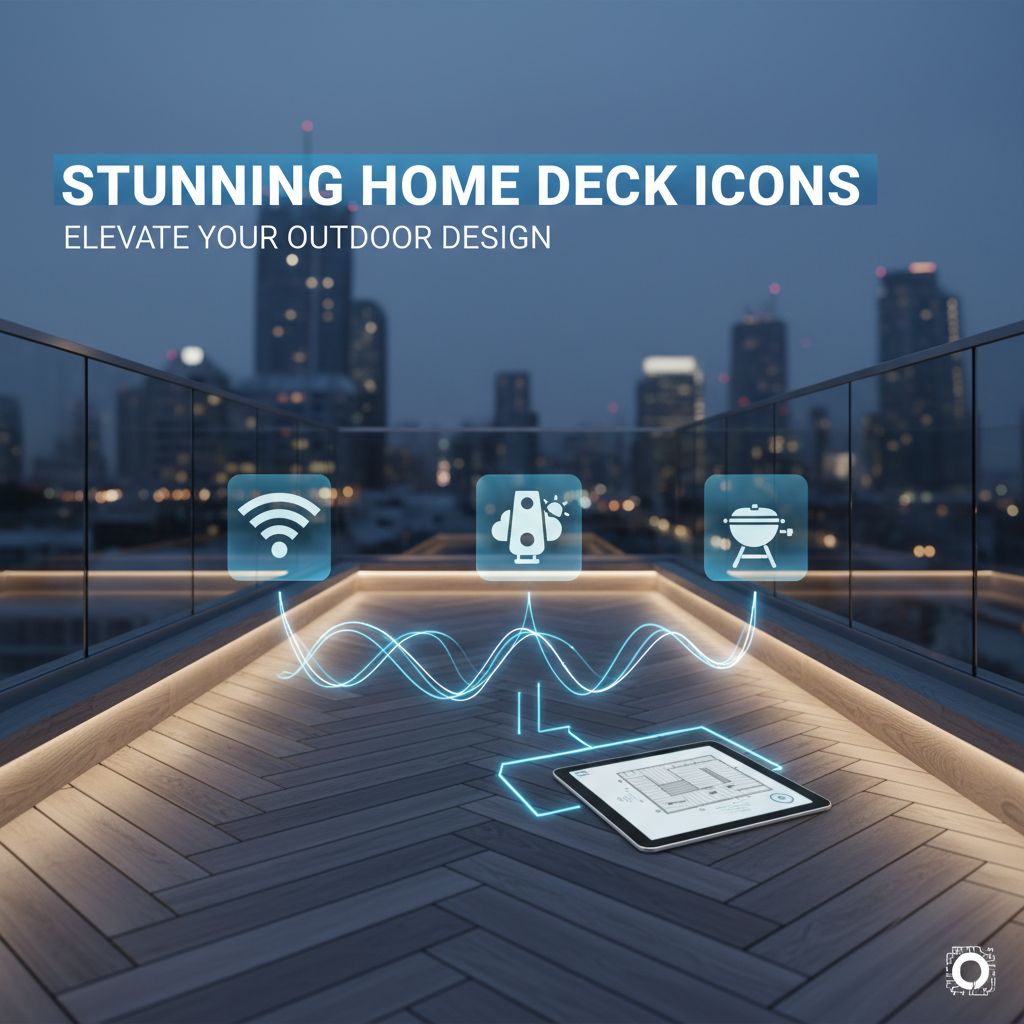


The following article delves into the art and science of creating stunning home decks, focusing on "icons" as quintessential elements and design principles that elevate outdoor living. It aims to provide a comprehensive guide for homeowners looking to transform their outdoor spaces into breathtaking extensions of their homes.
Stunning Home Deck Icons: Elevate Your Outdoor Design
In the realm of residential architecture and design, few elements offer the same blend of function, beauty, and lifestyle enhancement as a well-conceived deck. Far more than just a raised platform, a deck is an invitation – an open door to outdoor living, a stage for entertaining, a tranquil retreat, or a vibrant playground. It serves as a seamless transition between the enclosed comfort of your home and the untamed beauty of nature, blurring the lines and expanding your usable living space. For centuries, humans have sought to connect with the outdoors, and the modern deck stands as a testament to this enduring desire, evolving from simple wooden platforms to sophisticated, multi-functional outdoor rooms.
The journey to designing a truly stunning home deck is an exploration of personal style, practical needs, and architectural harmony. It’s about understanding the nuances of materials, mastering the art of spatial arrangement, and embracing the subtle power of light and shadow. When we speak of "icons" in deck design, we're not referring to digital symbols, but rather to those quintessential features, timeless aesthetics, and innovative solutions that define excellence and inspire awe. These are the elements that transcend fleeting trends, imbuing a deck with enduring character and functionality, ensuring it not only looks magnificent but also profoundly enriches the lives of those who use it. From the foundational choice of decking material to the intricate details of lighting and landscaping, every decision contributes to the overall narrative of your outdoor sanctuary. This comprehensive guide will navigate through these iconic elements, providing a blueprint for creating an outdoor space that is not just beautiful, but truly transformative.
The Foundation of Deck Design: Planning and Purpose – Laying the Groundwork for Greatness
Every magnificent structure, every enduring design, begins with a clear vision and meticulous planning. A stunning home deck is no exception. Before a single board is cut or a single nail driven, homeowners must embark on a thoughtful process of introspection and investigation to define the deck's purpose and integrate it harmoniously with their lifestyle and property. This foundational stage is arguably the most critical, as it dictates the subsequent choices in materials, layout, and features, ensuring that the finished product is not only aesthetically pleasing but also profoundly functional and sustainable for years to come.
Defining Your Vision: Lifestyle, Needs, and Aesthetic Aspirations
The initial step in this planning phase is to envision how you intend to use your deck. Is it primarily for lavish entertaining, hosting large gatherings that spill from the kitchen to the outdoors? Or perhaps it's conceived as a serene oasis, a quiet retreat for morning coffee, evening contemplation, and intimate family dinners. Will it serve as an extension of an outdoor kitchen, demanding robust space for grilling stations, prep areas, and dining zones? Or is its role more recreational, incorporating space for children's play, a hot tub, or even an outdoor cinema? Understanding these primary functions will directly influence the deck's size, shape, and the types of built-in features it will require. For instance, a deck designed for large-scale entertaining will necessitate expansive open areas, robust dining furniture, and potentially multiple access points, while a tranquil reading nook might only require a cozy corner, a comfortable chaise lounge, and perhaps a small, integrated planter for soothing greenery.
Beyond functionality, the aesthetic appeal is paramount. What architectural style does your home embody? Is it a modern minimalist dwelling, a rustic farmhouse, a traditional colonial, or a charming craftsman? The deck should ideally act as a natural extension of this architectural language, complementing rather than clashing with the existing structure. Consider the overall mood you wish to evoke: sleek and contemporary with clean lines and monochromatic palettes, warm and inviting with natural wood tones and lush plantings, or perhaps a blend of styles that creates a unique, personalized statement. Sketching ideas, collecting inspirational images from magazines or online platforms, and even creating mood boards can be invaluable exercises at this stage, helping to solidify your vision and communicate it effectively to designers or builders.
Site Analysis: Harnessing Nature's Gifts and Mitigating Its Challenges
Once the conceptual vision begins to take shape, the practicalities of the site itself come into sharp focus. A thorough site analysis is crucial for optimizing the deck's placement and design. This involves evaluating several key environmental factors:
- Sunlight Exposure: Understanding the sun's path throughout the day and across seasons is vital. Does a particular area receive intense afternoon sun, warranting shade structures like pergolas or retractable awnings? Or does another part of the yard benefit from soft morning light, making it ideal for a breakfast nook? Maximizing desirable sunlight and mitigating harsh glare will significantly enhance the deck's comfort and usability.
- Wind Patterns: Prevailing winds can make an otherwise beautiful deck unbearable. Identifying these patterns allows for strategic placement of windbreaks, such as privacy screens, solid railings, or even thoughtfully planted trees and shrubs, to create more sheltered and comfortable zones.
- Views and Vistas: Does your property boast stunning natural panoramas, a charming garden, or an interesting architectural feature? The deck should be oriented to capitalize on these views, perhaps through low-profile railings, strategically placed seating, or even elevated platforms. Conversely, if there are undesirable views, the design can incorporate screening elements to obscure them, creating a more intimate and private atmosphere.
- Privacy Considerations: For decks in close proximity to neighbors, privacy becomes a primary concern. This can be addressed through the strategic use of solid wall sections, lattice panels, living screens of dense foliage, or even the careful placement of the deck itself to minimize direct lines of sight from neighboring properties.
- Existing Landscape and Topography: The existing terrain plays a significant role in design. A sloping yard might lend itself beautifully to a multi-level deck, creating distinct zones and visual interest, while a flat expanse might call for a simpler, single-level design. Integrating the deck with existing trees, garden beds, or water features can create a more cohesive and naturalistic outdoor environment. Understanding drainage patterns is also critical to prevent water accumulation and ensure the long-term integrity of the deck structure.
Navigating Regulations and Permits: A Crucial, Often Overlooked Step
While the creative aspects of deck design are undeniably exciting, the regulatory framework is a non-negotiable component of the planning process. Most municipalities have strict building codes and zoning ordinances that govern the construction of outdoor structures, including decks. These regulations are in place to ensure public safety, structural integrity, and neighborhood harmony. Ignoring them can lead to significant delays, costly redesigns, fines, or even the forced demolition of an illegally built structure.
Before any construction begins, homeowners must investigate and secure the necessary permits. This typically involves submitting detailed architectural plans, site surveys, and structural calculations to the local building department. Common requirements may include: setbacks from property lines, maximum height restrictions, specific foundation requirements (e.g., footings below the frost line), railing height and spacing standards, and material specifications. Depending on your location, environmental regulations or homeowners' association (HOA) covenants might also impose additional restrictions or design guidelines. Engaging a reputable contractor or architect who is familiar with local building codes can be invaluable in navigating this complex landscape, ensuring all paperwork is correctly filed and all regulatory requirements are met, thus safeguarding your investment and providing peace of mind. This meticulous attention to detail in the planning phase sets the stage for a successful and enduring deck project.
Iconic Decking Materials: The Canvas of Your Outdoor Oasis – Crafting the Core of Your Deck
Once the vision is clear and the site meticulously assessed, the focus shifts to the very essence of the deck: the decking material itself. This choice is foundational, as it not only dictates the aesthetic character of your outdoor space but also profoundly impacts its durability, maintenance requirements, and overall cost. Each material possesses its own unique set of advantages and disadvantages, offering a diverse palette from which to craft the canvas of your outdoor oasis. Understanding these iconic material options is key to making an informed decision that aligns with your design aspirations, lifestyle, and budget.
Natural Wood: Timeless Appeal, Enduring Charm, and the Warmth of Nature
Natural wood remains an enduring favorite for deck construction, celebrated for its organic beauty, tactile warmth, and the timeless appeal that only real timber can provide. However, not all woods are created equal, and specific species offer distinct characteristics:
- Cedar: Renowned for its aromatic qualities and natural resistance to rot, decay, and insect infestation, cedar is a popular choice for its beautiful, straight grain and rich, reddish-brown hues that gradually weather to an elegant silver-grey if left untreated. It is relatively soft, making it easy to work with, but also more susceptible to scratches and dents than harder woods. While cedar decks require regular sealing and staining to maintain their color and protective properties, their classic charm and natural resilience make them a cherished option.
- Redwood: Similar to cedar in its natural beauty and decay resistance, redwood boasts a stunning deep red color that can be preserved with proper maintenance. It is highly stable, resisting warping and cracking, and offers a smooth, fine grain. However, redwood is typically more expensive and less readily available outside of the western United States, making it a premium choice for those seeking unparalleled natural elegance.
- Pressure-Treated Wood: This is arguably the most common and budget-friendly decking material. Typically made from Southern Yellow Pine, it is chemically treated to resist rot, fungal decay, and insect infestation, making it exceptionally durable in outdoor environments. While initially having a greenish tint, it weathers to a natural grey. Pressure-treated wood requires regular sealing and staining to prevent splintering, cracking, and to maintain its appearance. Its widespread availability and affordability make it an excellent choice for homeowners seeking a cost-effective yet robust decking solution, though its aesthetic is often considered less refined than premium woods or composites.
Composite Decking: The Modern Marvel of Low Maintenance and Sustainable Design
Composite decking has revolutionized the outdoor living industry, emerging as a leading iconic material for homeowners prioritizing durability, minimal maintenance, and often, environmental responsibility. These materials are typically manufactured from a blend of recycled plastics and wood fibers, creating a dense, rot-proof, splinter-free, and fade-resistant product.
- The Appeal of Low Maintenance: The primary draw of composite decking is its virtually maintenance-free nature. Unlike natural wood, it never needs sanding, staining, or sealing. A simple occasional cleaning with soap and water is usually sufficient to keep it looking pristine. This translates to significant savings in time, labor, and ongoing material costs over the lifetime of the deck.
- Eco-Friendly Options: Many composite brands incorporate a high percentage of recycled content, making them an attractive choice for environmentally conscious consumers. By repurposing waste materials, they help reduce landfill burden and demand for virgin timber.
- Variety of Colors and Textures: Modern composite decking comes in an astonishing array of colors, from earth tones to vibrant hues, and can convincingly mimic the grain and texture of various natural woods, as well as offering sleek, contemporary finishes. This versatility allows designers and homeowners unparalleled freedom to match the deck to their home's aesthetic or create a bold design statement. Advanced capping technologies provide enhanced stain, scratch, and fade resistance, further cementing composite's status as a premium, long-lasting solution.
Exotic Hardwoods: Unrivaled Luxury, Unmatched Durability, and Distinctive Beauty
For those seeking the pinnacle of natural beauty, density, and longevity, exotic hardwoods represent an iconic, high-end choice. These dense timbers are naturally resistant to rot, insects, and decay, often outperforming even pressure-treated wood in terms of sheer resilience.
- Ipe (Brazilian Walnut): Widely considered one of the hardest and most durable decking materials available, Ipe is celebrated for its incredibly dense grain, rich olive-brown to reddish-brown coloration, and exceptional resistance to scratches, dents, and splintering. It has a Class A fire rating, similar to concrete, and can last 50 years or more with proper care. While it is significantly more expensive and harder to work with (requiring specialized tools and pre-drilling), its unparalleled longevity and luxurious appearance make it a favorite for high-end projects.
- Cumaru (Brazilian Teak): Another highly durable exotic hardwood, Cumaru offers a beautiful golden-brown to reddish-brown color that can rival Ipe. It shares Ipe’s impressive density and resistance to decay and insects, providing a long-lasting and visually striking deck surface. Like Ipe, it requires minimal maintenance to preserve its natural beauty but benefits from occasional oiling to retain its deep color.
Aluminum/PVC Decking: The Modernist's Choice for Ultra-Low Maintenance and Contemporary Aesthetics
For those who prioritize ultra-low maintenance, sleek aesthetics, and non-combustible properties, aluminum and PVC decking offer compelling, albeit less traditional, iconic alternatives.
- Aluminum Decking: This material is lightweight, incredibly strong, non-combustible, and completely impervious to rot, insects, and moisture. It offers a very modern, industrial aesthetic, often with a powder-coated finish in various colors. Aluminum decks are slip-resistant, cool to the touch, and require virtually no maintenance beyond occasional cleaning. While more expensive upfront, their extreme longevity and zero-maintenance profile can offer long-term value.
- PVC Decking (Cellular PVC): Made entirely from plastic, PVC decking is 100% moisture-resistant, making it impervious to mold, mildew, and rot. It is lightweight, available in a wide range of colors and woodgrain textures, and requires no sealing or staining. Unlike some composite products, it contains no wood fibers, eliminating potential for rot. PVC offers excellent stain and scratch resistance and is often cooler underfoot than darker composites. It presents a robust, low-maintenance option for those seeking a modern, high-performance deck surface.
The choice of decking material is a profound statement about your priorities—whether it’s the timeless allure of natural wood, the convenience of composites, the luxury of exotics, or the modern efficiency of synthetics. Each iconic material forms the literal foundation upon which the rest of your stunning deck will be built, setting the stage for every subsequent design decision.
Architectural Icons: Shaping the Deck's Form and Function – Beyond the Flat Surface
A truly stunning home deck transcends the simple notion of a flat, rectangular surface. It becomes an architectural statement, carefully sculpted to integrate with the surrounding environment and the home, while maximizing both aesthetic appeal and functional utility. These architectural "icons" transform a mere platform into a dynamic, engaging outdoor room, offering varied experiences and defining distinct zones within the larger space. By thoughtfully employing these design principles, homeowners can elevate their deck from functional to phenomenal.
Multi-Level Decks: Creating Zones and Visual Interest
One of the most powerful architectural icons in deck design is the multi-level configuration. Instead of a single, expansive plane, a multi-level deck introduces changes in elevation, creating distinct "rooms" or zones without the need for physical walls. This approach is particularly effective for properties with sloping terrain, where it can elegantly follow the natural contours of the landscape, but it also works beautifully on flat sites to inject visual drama and functional separation.
- Defining Purposeful Zones: A higher level might be positioned to take advantage of a specific view or to provide direct access from a main living area, serving as a formal dining area or an elegant lounge. A lower level, perhaps just a few steps down, could become a more casual space for a fire pit, a hot tub, or a play area for children, offering a sense of intimacy and seclusion. The transition between levels often incorporates wide, inviting steps that double as informal seating, enhancing the communal feel.
- Visual Dynamics: The varying heights add immense visual interest, breaking up the monotony of a large flat surface and creating a sense of depth and architectural complexity. Different railing styles or materials can further delineate these zones, reinforcing their individual characters while maintaining overall coherence. The interplay of light and shadow across different planes throughout the day also contributes to the deck's dynamic appeal.
Wraparound Decks: Maximizing Views, Access, and the Sense of Openness
For homes with expansive views or multiple access points, the wraparound deck is an iconic design that offers unparalleled connectivity and an immersive outdoor experience. As its name suggests, this deck literally "wraps" around multiple sides of a house, extending the living space and offering panoramic vistas from various angles.
- Seamless Indoor-Outdoor Flow: A wraparound deck typically connects to several rooms—perhaps the living room, kitchen, and master bedroom—allowing residents to step directly onto the deck from multiple points. This creates a remarkable sense of fluidity between indoor and outdoor living, making the deck feel like an integral part of the home's overall footprint.
- Optimizing Views and Sun Exposure: By extending along different facades, a wraparound deck can capture various views throughout the day, from sunrise to sunset. It also allows occupants to chase or avoid the sun as desired, offering shaded retreats or sun-drenched lounges depending on the time of day or season.
- Enhanced Functionality: Different sections of a wraparound deck can be assigned distinct functions—a dining area off the kitchen, a quiet reading nook off the bedroom, and an entertaining zone off the living room. This maximizes the utility of the outdoor space, making it a truly versatile extension of the home.
Floating Decks: Modern Minimalism and Unconventional Elegance
The floating deck is an iconic design choice for contemporary homes and landscapes, characterized by its detached nature from the main house structure. Often built low to the ground, sometimes even just inches above it, it creates the illusion of "floating" within the garden or landscape, hence its name.
- Sleek, Uncluttered Aesthetics: This design typically features clean lines and a minimalist aesthetic, often without railings (if low enough to meet code) to maintain an unobstructed view and a sense of openness. It can be particularly striking in modern garden designs, serving as a focal point or a tranquil island amidst lush planting.
- Versatility in Placement: Because it doesn't need to be attached to the house, a floating deck offers incredible flexibility in placement. It can be positioned in a sunny corner, nestled under a shade tree, or even cantilevered over a water feature, creating unexpected and delightful outdoor rooms in previously unused parts of the yard.
- Simpler Permitting: In some jurisdictions, low-lying detached decks may have fewer stringent permitting requirements compared to elevated, attached structures, potentially simplifying the construction process.
Built-in Features: Integrating Function and Form
To truly elevate a deck beyond a simple platform, incorporating built-in features is an iconic design strategy. These integrated elements enhance convenience, improve aesthetics, and make the deck feel more like a custom-designed outdoor room.
- Integrated Benches: Built-in seating not only provides ample space for guests but also eliminates the need for movable furniture, keeping the deck uncluttered. They can be designed with storage underneath, perfect for cushions, gardening tools, or children's toys.
- Planters: Built-in planters seamlessly merge the deck with the surrounding landscape, bringing greenery and floral beauty directly onto the living surface. They can also serve as low-level privacy screens or delineate different zones.
- Storage Solutions: Cleverly integrated storage benches, cabinets, or even hidden compartments under trapdoors can keep outdoor essentials neatly tucked away, maintaining a tidy and sophisticated appearance.
- Outdoor Kitchenettes/Bars: For the ultimate entertaining experience, built-in outdoor kitchenettes with sinks, refrigerators, and grilling stations, or sleek outdoor bars, transform the deck into a culinary and social hub.
Pergolas and Gazebos: Adding Shade, Structure, and Focal Points
Overhead structures are iconic architectural elements that dramatically enhance a deck's usability and visual appeal, offering both practical benefits and design flair.
- Pergolas: These open-roofed structures, typically with a lattice of beams and rafters, provide partial shade, create a sense of enclosure without entirely blocking the sky, and offer a perfect framework for climbing plants like wisteria or grapevines. They define outdoor rooms, add architectural interest, and can be integrated with lighting fixtures or fans.
- Gazebos: Enclosed on several sides with a solid roof, gazebos offer more complete protection from sun and rain. They serve as charming focal points, providing a sheltered retreat for dining, relaxing, or simply enjoying the view, often evoking a romantic, classic garden aesthetic.
By thoughtfully incorporating these architectural icons, a deck becomes far more than just an outdoor surface; it transforms into a curated environment, a dynamic extension of the home that is both beautiful to behold and a joy to inhabit, reflecting a masterful blend of form and function.
Safety and Aesthetics: Iconic Railing Designs – The Edge of Elegance
While often viewed primarily through the lens of safety and building code compliance, deck railings are, in fact, powerful design elements that significantly contribute to the overall aesthetic and character of your outdoor space. They are the frame that defines the edge of your outdoor room, offering opportunities to enhance views, provide privacy, and make a distinct stylistic statement. The choice of railing design is an iconic decision that balances safety requirements with artistic vision, ensuring that your deck is not only secure but also breathtakingly beautiful.
Classic Balusters: Timeless Charm and Versatile Aesthetics
Traditional baluster railings remain an enduring and iconic choice, offering a wide range of styles and materials to suit any architectural aesthetic.
- Wood Balusters: The quintessential choice for many decks, wood balusters offer a warm, natural look that can be stained or painted to match or complement the deck's surface and the home's exterior. They can be simple square pickets, turned spindles with intricate details, or even custom-cut designs, allowing for significant personalization. While requiring regular maintenance (painting/staining) to preserve their appearance and prevent rot, wood balusters provide a classic, inviting feel.
- Composite Balusters: Designed to pair seamlessly with composite decking, these balusters offer the same low-maintenance benefits – no painting, staining, or splintering. They come in various colors and profiles, often mimicking the look of painted wood but with superior durability and fade resistance, making them an excellent choice for a cohesive, long-lasting deck system.
- Metal Balusters: Often crafted from aluminum or powder-coated steel, metal balusters offer a sleek, contemporary alternative to wood. They are strong, durable, and require minimal maintenance. Available in square, round, or ornate designs, they can provide a striking contrast to wood decking or integrate seamlessly with modern architectural styles. Many metal balusters are thin, allowing for improved sightlines compared to thicker wood options.
Cable Railings: Modern Transparency and Unobstructed Views
For decks situated to capture magnificent views, cable railings have emerged as an iconic and highly desirable design solution. They are the epitome of modern elegance and visual minimalism.
- Maximizing Vistas: The defining feature of cable railings is their ability to provide an almost invisible barrier. Thin, horizontal stainless steel cables are strung tautly between robust posts, creating a railing system that minimally obstructs the view. This is particularly valuable for decks overlooking oceans, mountains, lakes, or beautifully landscaped gardens.
- Contemporary Aesthetic: Cable railings exude a sleek, industrial-chic appeal that perfectly complements modern, contemporary, and minimalist homes. The combination of metal posts (often stainless steel, aluminum, or wood-wrapped steel) and polished cables creates a sophisticated and understated elegance.
- Durability and Low Maintenance: Stainless steel cables are incredibly strong, corrosion-resistant, and require very little maintenance beyond occasional cleaning. This makes them a durable and long-lasting choice for any climate.
Glass Panel Railings: Seamless Integration and Wind Protection
Glass panel railings represent another iconic design choice for homeowners who prioritize unobstructed views and a luxurious, seamless aesthetic, often with the added benefit of wind protection.
- Crystal Clear Views: These railings utilize tempered glass panels, often frameless or with minimal hardware, to create a virtually invisible barrier. They offer the clearest possible views, making the deck feel more expansive and directly connected to the surrounding landscape.
- Modern Elegance: Glass railings project an image of high-end, sophisticated design. Their clean lines and reflective surfaces contribute to a sleek, contemporary look that can elevate any deck into a truly stunning outdoor room.
- Wind and Sound Barrier: Beyond aesthetics, glass panels provide an effective windbreak, making the deck more comfortable on breezy days. They can also offer a degree of sound dampening, creating a more tranquil environment.
- Maintenance Considerations: While durable, glass panels do require regular cleaning to maintain their pristine appearance, especially in dusty or coastal environments. Fingerprints, smudges, and water spots can detract from their beauty if not regularly addressed.
Metal Railings (Wrought Iron, Aluminum): Durability, Decorative Options, and Architectural Accents
Metal railings, distinct from metal balusters used within wood or composite systems, are comprehensive railing systems made entirely of metal, offering immense strength, durability, and a wide array of decorative possibilities.
- Wrought Iron: For decks aiming for a classic, ornate, or traditional aesthetic, wrought iron railings are an iconic choice. They offer immense strength and can be custom-fabricated into intricate patterns, scrolls, and decorative elements, evoking a sense of old-world charm and craftsmanship. While durable, they require regular painting or powder-coating to prevent rust, especially in humid climates.
- Aluminum Railings: Lightweight, extremely strong, and virtually maintenance-free, aluminum railings are a popular contemporary option. They are powder-coated in a vast spectrum of colors, resisting rust, fading, and chipping. Aluminum offers clean lines and a modern profile, often incorporating integrated lighting. It’s a versatile choice that can mimic the look of wrought iron with less maintenance or provide a sleek, minimalist barrier.
Privacy Screens: Combining Function and Style
While not always a full railing system, integrated privacy screens are an iconic feature that can be part of the railing design, offering both aesthetic appeal and practical benefits.
- Strategic Seclusion: For decks that are overlooked by neighbors or desire a more intimate feel, privacy screens are invaluable. They can be solid panels of wood, composite, or metal, lattice structures, or even living walls of climbing plants.
- Design Integration: Privacy screens can be seamlessly integrated into the deck's railing system, extending upwards to create partial walls that define separate zones or shield specific areas from view. They can also serve as architectural accents, adding texture, color, and depth to the overall design.
By carefully considering these iconic railing designs, homeowners can choose a system that not only meets safety standards but also enhances their deck's unique character, frames their views beautifully, and contributes significantly to the overall aesthetic appeal of their outdoor sanctuary.
Lighting Icons: Illuminating Your Outdoor Evenings – Crafting Ambiance After Dark
As the sun dips below the horizon, a well-designed deck should not retreat into darkness but rather transform into an enchanting nocturnal wonderland, alive with carefully orchestrated light. Outdoor lighting is not merely a functional necessity; it is an iconic design element, an art form that sculpts the night, creates mood, ensures safety, and extends the usability of your outdoor space long after dusk. By understanding the different types and applications of lighting, homeowners can master the art of illumination, making their deck as captivating by night as it is by day.
Ambient Lighting: Setting the Mood and Defining the Space
Ambient lighting provides the general illumination that defines the overall mood and boundaries of your deck, creating a warm and inviting glow without harsh glare.
- String Lights (Fairy Lights/Bistro Lights): Perhaps the most charming and versatile ambient lighting icon, string lights instantly infuse a festive, whimsical, or romantic atmosphere. Strung overhead in crisscross patterns, along railings, or woven through pergolas, they cast a soft, enchanting glow, perfect for parties, intimate dinners, or simply relaxing under the stars. Available in various bulb sizes, colors, and power sources (including solar), they are an accessible way to add significant character.
- Path Lights and Post Cap Lights: These functional yet decorative fixtures guide movement and define the deck's perimeter. Path lights can be strategically placed along walkways leading to and from the deck, while post cap lights are specially designed to sit atop railing posts, casting a gentle downward glow that illuminates the deck surface and enhances the railing's architectural details. They contribute to safety by highlighting edges and steps while also creating a subtle, inviting ambiance.
- Integrated Deck Strip Lighting: For a clean, modern aesthetic, LED strip lights can be recessed beneath railings, benches, or steps. These discreet fixtures provide a continuous, soft wash of light that highlights the deck's architectural features, creating a sophisticated floating effect. They are particularly effective for defining edges and creating a sense of depth without visible light sources.
Task Lighting: Functionality Where It Matters Most
Task lighting is specifically designed to illuminate areas where particular activities take place, ensuring functionality and safety for specific tasks.
- Grill Lights: Essential for any outdoor kitchen or grilling station, dedicated grill lights are positioned to brightly illuminate the cooking surface. These can be integrated into overhead structures, mounted on the side of the grill, or portable, ensuring precise visibility for safe and effective meal preparation after dark.
- Step Lights: A critical safety feature, step lights are recessed into the risers or side panels of deck stairs. They provide focused illumination on each step, preventing trips and falls, and are a non-negotiable component for any deck with multiple levels or stairs. Beyond safety, they add a beautiful, subtle glow to the stair structure.
- Outdoor Kitchen Counter Lights: Similar to indoor kitchen lighting, task lighting for outdoor countertops, sinks, and prep areas ensures that cooking and serving can be done efficiently and safely. These often take the form of under-cabinet lighting or small, focused spotlights.
Accent Lighting: Highlighting Features and Creating Drama
Accent lighting is the artistry of outdoor illumination, used to highlight specific features, create focal points, and add depth and drama to the deck and surrounding landscape.
- Uplighting: Strategically placed uplights can illuminate architectural elements of the home, nearby trees, or decorative planters, casting dramatic shadows and drawing attention to their textures and forms. This technique adds vertical interest and integrates the deck more closely with its environment.
- Recessed Deck Lights: Small, unobtrusive LED puck lights can be flush-mounted directly into the deck surface. These provide a subtle, starry effect, highlighting pathways or outlining seating areas, without creating any tripping hazards. They are particularly effective for creating an elegant, understated ambiance.
- Water Feature Lighting: For decks incorporating fountains, ponds, or other water features, submersible lights can create mesmerizing effects, illuminating cascading water or glowing from beneath the surface, adding a dynamic and tranquil element to the nighttime scene.
Smart Lighting Systems: Control, Convenience, and Dynamic Ambiance
The advent of smart home technology has ushered in an iconic era for outdoor lighting, offering unprecedented levels of control, customization, and convenience.
- Integrated Control: Smart lighting systems for decks allow homeowners to control individual lights or entire zones remotely via smartphone apps, voice assistants, or pre-set schedules. This means you can turn lights on/off, dim them, or even change colors from anywhere, enhancing convenience and security.
- Dynamic Scenarios: Imagine setting a "dinner party" scene where ambient lights dim, task lights for the outdoor kitchen activate, and string lights twinkle. Or a "romantic evening" scene with warm, subtle glows. Smart systems allow for the creation of endless personalized scenarios, transforming the deck's ambiance with a tap of a button.
- Energy Efficiency: Many smart lighting systems utilize energy-efficient LED technology and can be programmed with timers or motion sensors, further reducing energy consumption.
In the intricate dance of modern home automation, the diverse components of a smart deck – from LED strips and post cap lights to automated awnings and misters – need a sophisticated means of communication. This is where the concepts of an API (Application Programming Interface) and a gateway become crucial, even for an outdoor living space. Essentially, a smart lighting controller might expose an API that allows a central smart home hub to "talk" to it, sending commands like "turn on," "dim to 50%," or "change color to blue." The smart home hub itself often acts as a gateway, a central point that translates these commands from various user interfaces (like your smartphone app or a voice assistant) into the specific language that each smart device on your deck understands. Without a robust gateway to manage these diverse APIs, your smart deck components would operate in isolation, lacking the seamless integration that defines true smart living. Just as sophisticated home automation systems rely on robust infrastructure to connect diverse devices and services, platforms like APIPark provide the backbone for managing these digital interactions, even when extending to outdoor smart features. APIPark simplifies the integration and management of various APIs, offering a unified approach to service orchestration that is crucial in complex smart environments.
Furthermore, envisioning a comprehensive smart outdoor ecosystem, which integrates lighting with sound systems, climate control (like smart fans or heaters), and even irrigation, requires a broader management strategy. This is where the analogy of an MCP (Multi-Component Platform) becomes relevant. An MCP for a smart deck implies a unified system that can manage and orchestrate all these disparate smart components from a single interface or logical framework. It allows for the creation of complex routines and automations that involve multiple devices simultaneously, ensuring that all aspects of your stunning deck operate in perfect harmony, enhancing comfort, convenience, and the overall experience. This level of integrated control ensures that every "icon" of your deck, especially its lighting, works together to create an unparalleled outdoor environment.
Furniture and Decor Icons: Personalizing Your Outdoor Sanctuary – Comfort, Style, and Expression
Beyond the structural elements and ambient lighting, the true soul of a stunning home deck often resides in its furniture and decor. These are the "icons" that imbue your outdoor space with personality, comfort, and a profound sense of welcome. They transform a beautifully built platform into a living, breathing extension of your home, reflecting your individual style and catering to your specific needs for relaxation, entertainment, and aesthetic pleasure. The careful selection and arrangement of these elements are paramount to creating a cohesive, inviting, and truly personalized outdoor sanctuary.
Comfortable Seating: The Heart of Outdoor Living
The cornerstone of any inviting deck is comfortable seating, encouraging prolonged relaxation and social interaction. These pieces are not just functional but also significant design statements.
- Outdoor Sofas and Sectionals: Mimicking the comfort of indoor living rooms, outdoor sofas and sectionals create luxurious lounge areas perfect for unwinding, reading, or engaging in lively conversations. Available in weather-resistant materials like woven resin, aluminum, and teak, with durable, quick-drying cushions, they offer deep seating and plush comfort. Arranged around a coffee table or a fire feature, they form the central hub of an outdoor living room.
- Dining Sets: For those who relish al fresco meals, a dedicated outdoor dining set is an iconic necessity. From rustic farmhouse tables to sleek modern ensembles, dining sets should be chosen to accommodate the typical number of guests and complement the deck's overall style. Materials like aluminum, wrought iron, teak, or high-quality composites ensure durability against the elements.
- Chaise Lounges and Daybeds: For ultimate relaxation, chaise lounges invite sunbathing and napping, while outdoor daybeds offer a truly luxurious retreat, perfect for curling up with a book or enjoying a quiet moment. These pieces add a resort-like feel, enhancing the deck's potential as a personal escape.
- Adirondack Chairs: An American classic, the Adirondack chair with its wide armrests and reclined back offers iconic comfort and a relaxed, rustic charm. Often made of wood or weather-resistant composite, these chairs are perfect for casual lounging and enjoying the view.
Fire Features: Warmth, Ambiance, and a Natural Gathering Point
Few elements possess the magnetic appeal of fire, making integrated fire features an iconic addition that draws people together and extends the usability of a deck into cooler evenings.
- Fire Pits: The most popular choice, fire pits come in various forms – built-in stone or concrete structures, portable metal bowls, or elegant gas-powered tables. They provide warmth, a mesmerizing focal point, and an irresistible invitation for conversation, s'mores, and stargazing. The crackle of wood or the gentle flicker of gas flames creates an instant atmosphere of coziness and communion.
- Outdoor Fireplaces: For a grander, more architectural statement, an outdoor fireplace brings the majesty of an indoor hearth to the open air. Often constructed of stone or brick, they create a dramatic backdrop, offer significant warmth, and can anchor an outdoor living room, providing a sense of permanence and luxury.
Water Features: Tranquility, Sound, and Visual Serenity
The gentle sound and shimmering presence of water can transform a deck into a serene oasis, making water features iconic elements for relaxation and sensory delight.
- Small Fountains: A compact fountain, whether a wall-mounted piece, a tiered pedestal, or a self-contained bubbling sphere, introduces the soothing sound of flowing water, masking urban noise and creating a calming ambiance.
- Integrated Ponds or Water Gardens: For larger, more elaborate decks, a carefully integrated pond or water garden, perhaps with aquatic plants and even koi fish, can create a stunning natural focal point, blurring the lines between the deck and the surrounding landscape.
Planters and Greenery: Integrating Nature and Adding Life
Bringing plant life onto the deck is an iconic way to soften hard architectural lines, add color and texture, and seamlessly integrate the outdoor room with its natural surroundings.
- Strategic Planters: Large, durable planters made of ceramic, metal, or wood can house a variety of plants, from vibrant annuals and fragrant herbs to sculptural grasses and dwarf trees. They can be used to define zones, add privacy, or simply inject bursts of natural beauty. Consider self-watering planters for convenience.
- Living Walls/Vertical Gardens: For smaller decks or to create a dramatic green backdrop, living walls offer an innovative way to introduce abundant greenery without occupying valuable floor space. They are vertical panels embedded with pockets for plants, creating a stunning visual display.
- Container Gardens: The flexibility of container gardens allows homeowners to regularly change the deck's aesthetic, rotating seasonal flowers, experimenting with different foliage, or cultivating a fresh herb garden within easy reach of the outdoor kitchen.
Outdoor Kitchens/Bars: The Ultimate Entertaining Hub
For the serious entertainer or culinary enthusiast, a fully equipped outdoor kitchen or a stylish bar is the ultimate iconic addition, elevating the deck to a premier destination for hospitality.
- Fully Equipped Outdoor Kitchens: These can range from a sophisticated grilling station with integrated side burners and ample prep space to a full-fledged kitchen complete with a sink, refrigerator, pizza oven, and even a dishwasher. Built-in cabinetry provides storage and creates a streamlined, highly functional cooking zone.
- Outdoor Bars: Whether a simple wet bar with a cooler and serving counter or an elaborate setup with multiple taps, a built-in refrigerator, and comfortable bar stools, an outdoor bar transforms the deck into a lively social hub, perfect for mixing cocktails and enjoying beverages with guests.
The selection of furniture and decor pieces is where your deck truly comes alive, becoming a reflection of your personality and a sanctuary tailored to your outdoor lifestyle. These iconic elements work in concert to create an environment that is not only visually stunning but also profoundly comfortable, functional, and deeply inviting, drawing you and your guests outdoors to savor every moment.
The Role of Technology in Modern Deck Design: Smart Spaces for Seamless Living
As our homes become increasingly intelligent, it’s only natural for this technological evolution to extend to our outdoor living spaces. Modern deck design now frequently incorporates smart technologies, transforming traditional platforms into sophisticated, responsive environments. This integration of technology represents a new set of "icons" in outdoor design, offering unprecedented levels of convenience, control, and personalization. From automated lighting and climate control to integrated entertainment systems, technology is enabling decks to become truly seamless extensions of the smart home, enhancing every aspect of the outdoor experience.
Smart Home Integration for Decks: Extending Intelligence Outdoors
The core of modern deck technology lies in its ability to integrate with existing smart home ecosystems. This means your outdoor elements can be controlled and automated just like your indoor ones, creating a cohesive and intuitive living environment.
- Automated Lighting: As discussed earlier, smart lighting systems are paramount. Imagine ambient string lights turning on automatically at sunset, path lights illuminating when motion is detected, or task lights for the grill activating with a voice command. This level of automation enhances both convenience and security. Systems can be programmed for different moods, times of day, or specific events, transitioning your deck from a bright daytime oasis to a softly lit evening retreat effortlessly.
- Climate Control: Smart fans mounted on pergolas can automatically turn on when temperatures rise, or radiant heaters can provide warmth on a cool evening, all managed through a central app or smart thermostat. Automated pergolas and retractable awnings can extend or retract based on sun intensity, wind speed, or a pre-set schedule, providing dynamic shade or protection from rain. This ensures optimal comfort regardless of external conditions.
- Integrated Sound Systems: Weather-resistant outdoor speakers, often disguised as rocks or integrated into railings and pergolas, can deliver high-fidelity audio controlled from your smartphone. Imagine setting the perfect background music for a dinner party or enjoying your favorite podcast while lounging by the fire pit, all without unsightly wires or cumbersome equipment.
- Smart Irrigation: For decks with integrated planters or surrounding garden beds, smart irrigation systems can monitor local weather forecasts and soil moisture levels, precisely watering plants when needed. This optimizes water usage, keeps plants healthy, and frees you from manual watering tasks.
- Security and Monitoring: Outdoor cameras integrated into your home security system can keep an eye on your deck, providing peace of mind. Smart locks on gates can control access, and motion sensors can trigger lights or alerts, enhancing safety for both your property and your loved ones.
The Power of APIs and Gateways in Smart Deck Orchestration
At the heart of any integrated smart home, and by extension, a smart deck, lies the fundamental concept of communication. Different devices, from various manufacturers, speaking different digital languages, need a way to interact and cooperate. This is precisely where APIs (Application Programming Interfaces) and gateways play a pivotal role.
Consider your smart deck's lighting system, its automated awning, and your outdoor speaker setup. Each of these might be from a different brand, each with its own app or control mechanism. To create a seamless experience – for example, pressing a single "relax" button that dims the lights, extends the awning, and plays soft jazz – these devices need to exchange information. This exchange happens through APIs. An API is essentially a set of rules and protocols for building and interacting with software applications. In simple terms, it's how one piece of software (like your smart home hub) asks another piece of software (like the lighting controller) to perform a task. It defines the commands that can be sent and the responses that can be expected.
However, managing dozens of individual APIs for every single device can become complex. This is where the gateway comes in. A smart home gateway acts as a central translator and orchestrator. It connects to all your smart deck devices, understands their individual APIs, and provides a single, unified interface for your commands. When you tell your voice assistant "Set the deck to evening mode," the command goes to the gateway. The gateway then translates this single command into a series of specific API calls for each device: "Dim lights to 30%," "Extend awning," "Play playlist 'Chill Vibes' on outdoor speakers." This centralized management simplifies user interaction and allows for complex automation scenarios to be built with ease. It's the digital brain that ensures all the "smart" components of your deck work together in harmony.
To further illustrate the sophisticated management of these digital interactions, especially in scenarios involving a multitude of services, whether they be for smart homes or broader enterprise applications, platforms like APIPark offer powerful solutions. APIPark is an open-source AI gateway and API management platform designed to help developers and enterprises manage, integrate, and deploy AI and REST services with ease. In the context of a smart deck, while APIPark might be overkill for a single homeowner, its underlying principles are directly relevant: it provides a unified management system for various APIs, standardizes invocation formats, and offers end-to-end API lifecycle management. This means if you were to build a truly bespoke, hyper-integrated smart deck system that pulls data from weather services, controls various outdoor devices, and even uses AI for adaptive lighting, a platform like APIPark would provide the robust architecture needed to manage all those disparate API connections efficiently and securely.
MCP (Multi-Component Platform) for Integrated Deck Management
Extending the concept of a gateway, an MCP (Multi-Component Platform) for a smart deck describes an overarching framework or system capable of seamlessly managing and integrating not just different smart devices, but diverse types of components and services that contribute to the deck's functionality. This moves beyond merely connecting devices and encompasses a holistic approach to the outdoor environment.
Think of an MCP as the comprehensive operating system for your smart deck. It's a platform that can handle:
- Diverse Device Types: Lights, speakers, heaters, fans, sensors (temperature, humidity, motion), security cameras, automated awnings, and even irrigation controllers.
- Multiple Interaction Channels: Control via smartphone apps, voice commands, physical wall panels, scheduled automations, and even environmental triggers (e.g., rain sensors).
- Service Integration: Potentially pulling in weather data APIs to adjust climate control, linking to music streaming services, or connecting to home security alerts.
- User Profiles and Preferences: Allowing different family members to have personalized settings and control access.
An MCP enables a truly integrated and adaptive outdoor living experience. It allows for the creation of intricate "scenes" (e.g., "Dinner Party Mode" or "Relaxation Mode") that simultaneously adjust lighting, music, and climate. It can trigger automations based on real-world events (e.g., if a rain sensor detects precipitation, the awning automatically retracts and the outdoor furniture covers deploy). This level of unified control, facilitated by robust APIs and a powerful gateway, transforms a collection of smart gadgets into a truly intelligent, responsive outdoor living space. It makes the deck not just "smart," but intuitively integrated into your lifestyle, offering unparalleled comfort and convenience with minimal effort. The elegance of an MCP lies in its ability to bring all these disparate components together under a single, cohesive management strategy, much like a conductor orchestrates an entire symphony.
Maintenance and Longevity: Preserving Your Deck Icons – Sustaining Beauty and Function
A truly stunning home deck is not merely built; it is meticulously maintained. Just as an iconic work of art requires preservation, your deck, with its carefully chosen materials and thoughtful design, demands ongoing care to sustain its beauty, ensure its longevity, and protect your investment. Neglecting maintenance can quickly degrade even the most robust materials, diminish aesthetic appeal, and compromise structural integrity. Understanding the key maintenance practices is an iconic responsibility of every deck owner, ensuring that their outdoor sanctuary remains a source of pride and enjoyment for decades to come.
Cleaning and Sealing: The First Line of Defense Against the Elements
Regular cleaning and protective sealing are the most fundamental aspects of deck maintenance, acting as the first line of defense against the relentless assault of weather, dirt, and biological growth.
- Routine Cleaning: Throughout the year, especially after periods of heavy use or harsh weather, your deck will accumulate dirt, pollen, leaves, and other debris. Regular sweeping or using a leaf blower is essential to prevent buildup. Periodically, a thorough cleaning with a deck cleaner (specifically formulated for your material type) and a stiff brush or a pressure washer (used with caution and at a low setting to avoid damaging the surface) will remove ingrained grime, mildew, and algae. For composite decks, this often involves simply soap and water. Neglecting this step can lead to slippery surfaces, staining, and the accelerated deterioration of materials.
- Staining and Sealing (for Wood Decks): Natural wood decks are particularly vulnerable to moisture damage, UV radiation, and rot. Applying a high-quality stain or sealant every one to three years (depending on climate, exposure, and product type) is critical. Stains provide color and UV protection, while sealants create a barrier against moisture. This process prevents warping, cracking, splintering, and grey discoloration, preserving the wood's natural beauty and extending its lifespan. Before staining or sealing, the deck must be thoroughly cleaned and allowed to dry completely.
- Annual Inspection: Beyond cleaning, a detailed annual inspection is paramount. Check for loose boards, protruding nails or screws, damaged railings, and signs of rot or insect infestation. Address these issues promptly to prevent minor problems from escalating into costly repairs. Pay particular attention to the ledger board (where the deck attaches to the house) and the posts, ensuring their integrity.
Repairs and Upgrades: Sustaining Beauty and Function
Even with diligent maintenance, wear and tear are inevitable. Prompt and appropriate repairs are an iconic part of preserving your deck's structural soundness and aesthetic appeal.
- Addressing Loose or Damaged Boards: Replace any warped, splintered, or rotted deck boards immediately. Loose fasteners should be tightened or replaced. Ignoring these issues can create tripping hazards and compromise the overall stability of the deck.
- Railing Integrity: Check railings for any looseness, wobbling, or damage. Tighten bolts, replace broken balusters, or reinforce posts. Railings are a critical safety feature, and their integrity is non-negotiable.
- Hardware and Fasteners: Inspect all metal hardware, including joist hangers, bolts, and screws. Replace any rusted or corroded fasteners. Use exterior-grade, corrosion-resistant hardware specifically designed for deck construction to ensure long-term stability.
- Upgrades and Enhancements: Maintenance isn't just about repairs; it can also be an opportunity for upgrades. As technology evolves, consider integrating new lighting systems, smart climate controls, or enhancing your outdoor kitchen. Upgrading components like railings to a more modern style (e.g., cable or glass) can refresh the deck's aesthetic and prolong its iconic status.
Winterization: Preparing for the Elements and Extending Seasonal Enjoyment
For decks in regions with harsh winters, proper winterization is an iconic practice that protects your investment from freezing temperatures, heavy snow, and ice.
- Thorough Cleaning and Drying: Before the first frost, give the deck a final, thorough cleaning. Remove all leaves, dirt, and debris. Ensure the deck is completely dry before winter sets in to prevent moisture from freezing and expanding within the wood or composite, which can cause cracking.
- Clear Drainage: Ensure all drainage channels and gaps between deck boards are clear to allow melting snow and ice to drain freely, preventing standing water.
- Store or Cover Furniture and Decor: Bring all movable furniture, cushions, decor items, and portable fire pits indoors or cover them with heavy-duty, waterproof covers. This protects them from harsh winter conditions and extends their lifespan.
- Protect Plants and Water Features: For integrated planters, consider wrapping delicate plants or bringing them indoors. Drain and cover any water features to prevent freezing damage to pumps and plumbing.
- Snow Removal: If possible, remove heavy snow accumulation from your deck. While decks are built to withstand snow loads, prolonged, heavy snow can stress the structure. Use a plastic shovel to avoid scratching the deck surface.
By embracing these iconic maintenance practices, homeowners are not just performing chores; they are actively investing in the longevity, safety, and enduring beauty of their outdoor sanctuary. A well-maintained deck remains a stunning and functional extension of the home, providing countless hours of enjoyment and enhancing property value for years to come.
Iconic Decking Materials Comparison
To further aid in the decision-making process for the core of your stunning deck, here's a comparative overview of some iconic decking materials, highlighting their key attributes:
| Feature/Material | Natural Wood (Cedar/Redwood) | Pressure-Treated Wood | Composite Decking | Exotic Hardwoods (Ipe/Cumaru) | Aluminum Decking |
|---|---|---|---|---|---|
| Aesthetics | Rich, natural grain; weathers to silver-grey; classic | Initially greenish, weathers to grey; less refined look | Wide range of colors/textures; can mimic wood grain | Deep, rich tones; incredibly dense grain; luxurious | Sleek, modern, often powder-coated; industrial elegance |
| Durability | Good natural resistance to rot/insects; moderate hardness | Excellent resistance to rot/insects due to treatment | Highly resistant to rot, insects, fading, splintering | Exceptional hardness, rot, insect, and decay resistance | Extreme resistance to rot, insects, moisture, fire |
| Maintenance | Regular cleaning, sealing/staining (1-3 years) | Regular cleaning, sealing/staining (1-3 years) | Low: Occasional cleaning with soap and water | Low: Occasional cleaning, optional oiling to retain color | Very Low: Occasional cleaning with soap and water |
| Cost (Relative) | High | Low to Moderate | Moderate to High | Very High | High |
| Workability | Easy to cut, fasten | Easy to cut, fasten | Moderate: Requires specific fasteners/techniques | Hard: Requires specialized tools, pre-drilling | Moderate: Specific fasteners, can be trickier for DIY |
| Eco-Friendliness | Renewable resource, but requires treatment | Treated with chemicals | Often made from recycled materials, but not recyclable itself | Slow-growing, often responsibly sourced (check certifications) | Recyclable |
| Longevity | 15-20 years (with maintenance) | 20-30 years (with maintenance) | 25-30 years | 50+ years | 30+ years |
| Key Advantage | Natural beauty, classic appeal | Affordability, widespread availability | Low maintenance, wide selection, splinter-free | Unrivaled durability, luxurious look, extreme longevity | Ultra-low maintenance, fireproof, modern aesthetic |
Conclusion: Crafting Your Enduring Outdoor Legacy
The journey of designing and realizing a stunning home deck is an intricate and rewarding endeavor, one that culminates in the creation of an enduring outdoor legacy. It’s a testament to the power of thoughtful planning, informed material choices, and a keen eye for architectural and decorative detail. From the initial spark of inspiration to the meticulous process of site analysis and permit acquisition, every step contributes to the ultimate success and longevity of your outdoor sanctuary.
We've explored the "icons" that define excellence in deck design: the timeless warmth of natural woods, the convenience of advanced composites, and the luxurious resilience of exotic hardwoods that form the very foundation. We delved into architectural icons like multi-level configurations and wraparound layouts that shape function and flow, and the subtle yet powerful impact of built-in features and overhead structures. The elegance and safety of diverse railing designs, from classic balusters to modern glass and cable, were highlighted as crucial elements that frame your views and secure your space. And as dusk falls, the artistry of lighting icons transforms the deck into an enchanting nocturnal retreat, further enhanced by the intelligent integration of smart technologies through APIs, gateways, and multi-component platforms that deliver unparalleled convenience and personalization. Finally, the commitment to diligent maintenance ensures that these iconic elements retain their beauty and structural integrity for generations.
A truly stunning deck is more than just an addition to your home; it's an extension of your lifestyle, a stage for cherished memories, and a bridge to the natural world. It’s a place where laughter echoes, where quiet contemplation finds its space, and where the beauty of your surroundings can be fully embraced. By understanding and embracing these iconic principles of design, you possess the knowledge and inspiration to craft an outdoor space that not only elevates your home's aesthetic but profoundly enriches your daily life. Let your imagination soar, embark on this creative journey, and transform your outdoor dreams into a tangible, breathtaking reality – an enduring icon of your personal paradise.
5 FAQs
1. What is the best decking material for low maintenance and longevity? For the best balance of low maintenance and longevity, composite decking is often highly recommended. It resists rot, insects, fading, and splintering, and typically only requires occasional cleaning with soap and water. Exotic hardwoods like Ipe or Cumaru also offer exceptional longevity and resistance but come with a higher upfront cost and slightly more involved installation. Aluminum decking is another ultra-low maintenance, long-lasting option, perfect for modern aesthetics.
2. How do I ensure my deck design complements my home's architectural style? To ensure design harmony, carefully consider your home's existing architectural style (e.g., modern, traditional, rustic). Mimic design elements like clean lines for modern homes or ornate details for traditional ones. Use materials that blend with or complement your home's exterior palette, whether it's wood, stone, or stucco. Integrating rooflines, window styles, and colors will create a seamless transition, making the deck feel like a natural extension of your house rather than an afterthought.
3. Are there specific lighting considerations for safety on multi-level decks? Yes, safety is paramount for multi-level decks. Integrated step lights, recessed into the risers or side panels of stairs, are crucial to illuminate each individual step and prevent tripping hazards after dark. Additionally, post cap lights or low-level strip lighting along railings can define the perimeter and different levels, enhancing visibility and ensuring safe navigation throughout the deck. Always ensure lighting is adequately bright but avoids harsh glare.
4. What are the key planning steps before building a new deck? Key planning steps include: 1. Defining your vision and purpose: How will you use the deck? 2. Conducting a site analysis: Evaluate sun exposure, wind patterns, views, and privacy. 3. Checking local building codes and securing permits: This is non-negotiable and ensures safety and legal compliance. 4. Budgeting: Determine a realistic budget that covers materials, labor, and potential unforeseen costs. 5. Choosing a reputable contractor/designer: Professional expertise can be invaluable for design, material selection, and navigating regulations.
5. How can smart technology enhance my outdoor deck experience? Smart technology can dramatically enhance your deck by offering convenience, control, and personalization. This includes automated lighting systems (for ambiance and security), integrated sound systems, smart climate control (fans, heaters), and even automated awnings or misters. These systems can be controlled via smartphone apps, voice commands, or programmed schedules, allowing you to effortlessly create different moods or optimize comfort. The integration relies on technologies like APIs and gateways, which enable various smart devices to communicate and work together seamlessly, transforming your deck into a truly intelligent outdoor living space.
🚀You can securely and efficiently call the OpenAI API on APIPark in just two steps:
Step 1: Deploy the APIPark AI gateway in 5 minutes.
APIPark is developed based on Golang, offering strong product performance and low development and maintenance costs. You can deploy APIPark with a single command line.
curl -sSO https://download.apipark.com/install/quick-start.sh; bash quick-start.sh

In my experience, you can see the successful deployment interface within 5 to 10 minutes. Then, you can log in to APIPark using your account.

Step 2: Call the OpenAI API.