Top Home Deck Icons: Designs That Inspire
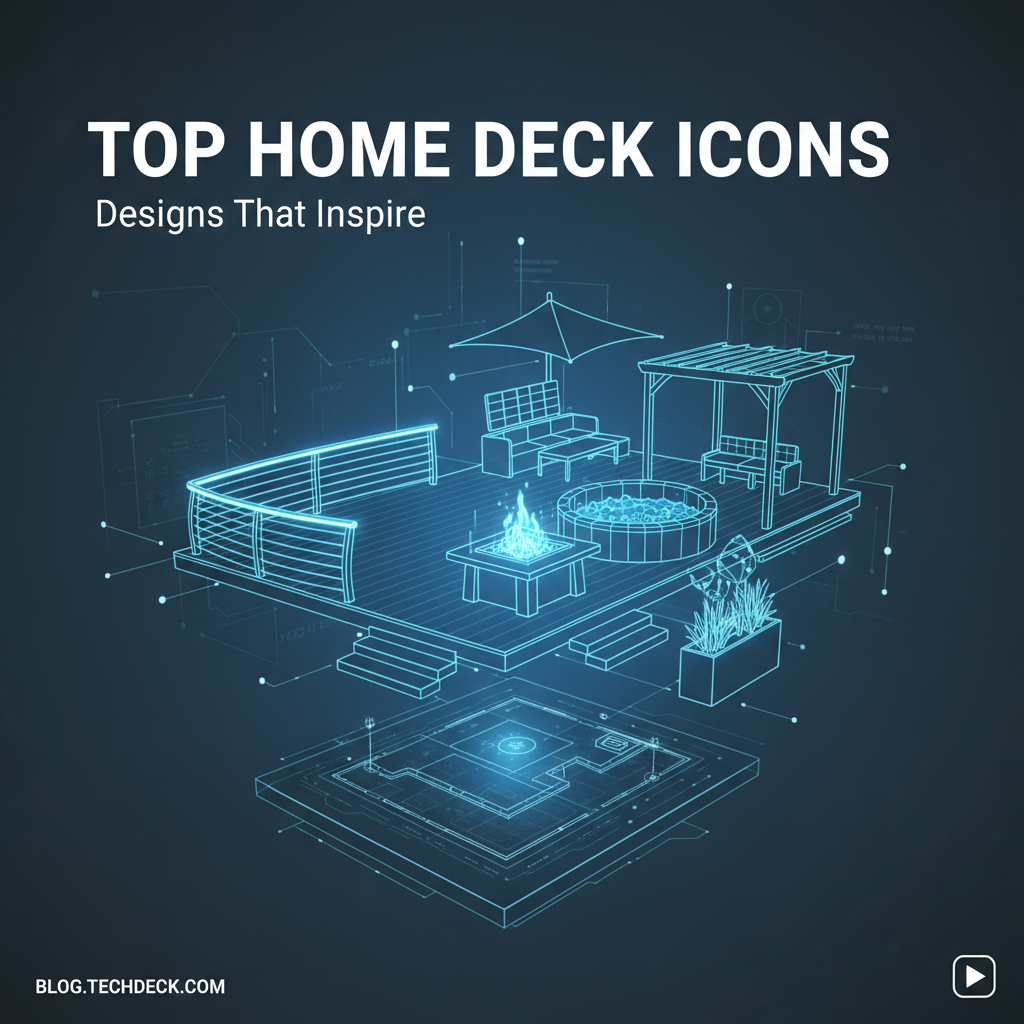


The very essence of a home extends beyond its four walls. It spills out, embracing the natural world, breathing life into outdoor spaces that become extensions of our indoor lives. Among these, the deck stands as a quintessential emblem of comfort, connection, and elevated living. More than just a simple platform, an iconic home deck is a meticulously crafted masterpiece, a testament to thoughtful design that harmonizes with its surroundings, enhances lifestyles, and endures through time. These aren't just structures; they are stages for life's most cherished moments, open-air sanctuaries that invite relaxation, vibrant venues for celebration, and quiet nooks for contemplation.
To embark on a journey through the world of top home deck icons is to explore the pinnacles of outdoor design – those extraordinary creations that transcend mere functionality to become sources of profound inspiration. We delve into designs that speak to diverse aesthetics, from the rustic charm of a timber retreat nestled in a forested landscape to the sleek sophistication of a minimalist urban oasis perched high above a bustling city. Each iconic deck design tells a story, reflecting the aspirations, values, and architectural sensibilities of its creators, while simultaneously offering practical lessons and boundless creativity for homeowners dreaming of their own elevated outdoor haven. From the choice of materials that whisper tales of durability and sustainability to the intricate layouts that define distinct zones for dining, lounging, and play, every element contributes to a cohesive vision that elevates the humble deck into an enduring symbol of domestic bliss and architectural brilliance.
In this expansive exploration, we will dissect the characteristics that elevate a deck from ordinary to iconic, examining how innovative construction techniques, imaginative material selections, and a deep understanding of human interaction with space converge to create truly inspiring outdoor environments. We'll look at how these designs seamlessly integrate with the natural landscape, leverage views, and incorporate features that extend the usability and enjoyment of the home year-round. Beyond the aesthetics, we will also touch upon the evolving landscape of home integration, where even the most traditional design principles can be enhanced by modern technological advancements, enabling a new era of interactive and intelligent living spaces. This thoughtful fusion of timeless design and forward-thinking innovation is key to understanding why certain decks not only captivate our imagination but also set benchmarks for future outdoor living trends.
I. The Enduring Allure of Deck Design: An Outdoor Sanctuary
For centuries, humanity has sought to bridge the gap between indoor comfort and outdoor splendor. From ancient Roman peristyles to Japanese engawa, the desire to commune with nature from the comfort of one's abode is deeply ingrained. In modern residential architecture, the deck has emerged as a cornerstone of this desire, evolving far beyond its rudimentary origins as a mere raised platform. Today, a well-designed deck is an indispensable component of contemporary living, serving as an extension of the home's living space, dining area, or even a private retreat for quiet contemplation. Its enduring appeal lies in its unparalleled versatility and its profound ability to enhance our connection to the environment.
The appeal of a deck is multi-faceted. Psychologically, it offers a crucial transition zone, a liminal space where the boundaries between the built environment and the natural world blur. This allows residents to experience the changing seasons, feel the warmth of the sun, or listen to the gentle rustle of leaves, all while retaining the comfort and security of home. Practically, decks significantly increase usable living space, often at a fraction of the cost and complexity of a traditional room addition. They provide an ideal setting for a myriad of activities: al fresco dining under the stars, lively gatherings with friends and family, a quiet morning coffee routine, or an expansive play area for children. The aesthetic value of a thoughtfully designed deck cannot be overstated either; it can dramatically enhance a home's curb appeal, complement its architectural style, and even increase its market value. The materials chosen, the flow of the layout, the integration with existing landscaping, and the incorporation of features like pergolas, built-in seating, or fire pits all contribute to a cohesive outdoor experience that is both functional and beautiful.
Historically, decks were often simple wooden structures, utilitarian in nature. However, advancements in materials science, construction techniques, and architectural philosophy have propelled deck design into an exciting era of innovation. Homeowners now have an unprecedented array of choices, from traditional pressure-treated lumber and rich hardwoods to low-maintenance composites and exotic metals. Designs can range from expansive multi-tiered structures that cascade down a hillside to intimate, elevated patios perfectly suited for urban balconies. This evolution reflects a broader cultural shift towards prioritizing outdoor living and recognizing the profound impact that well-designed exterior spaces have on our well-being and lifestyle. A deck is no longer an afterthought; it is an integral part of the home's identity, a carefully considered element that enriches daily life and fosters a deeper appreciation for the environment just beyond the doorstep.
II. Defining "Deck Icons": What Makes a Design Truly Iconic?
In the vast panorama of home design, certain creations transcend the ordinary, earning the distinguished title of "iconic." For decks, this status is not merely bestowed upon the largest or most expensive structures, but rather upon those that embody a profound harmony of form, function, and inspiration. An iconic deck is a masterclass in design, a structure that captivates the eye, satisfies practical needs, and, most importantly, evokes a sense of timeless beauty and innovative spirit. It's a design that not only serves its immediate purpose but also inspires countless others, influencing trends and setting benchmarks for outdoor living.
Several key characteristics coalesce to forge a truly iconic deck design. Firstly, Innovation plays a pivotal role. This doesn't necessarily mean employing futuristic materials or never-before-seen shapes, but rather a fresh approach to common challenges or an ingenious solution that redefines how an outdoor space can be utilized. This might involve clever multi-level zoning, unexpected material combinations, or the seamless integration of smart features that enhance comfort and convenience. An iconic deck often pushes the boundaries of conventional thinking, offering a glimpse into new possibilities for outdoor living.
Secondly, Timelessness is paramount. Fads come and go, but an iconic design possesses an inherent quality that allows it to remain relevant and aesthetically pleasing for decades. This often stems from a commitment to classic proportions, thoughtful material choices that age gracefully, and a design philosophy that prioritizes enduring elegance over fleeting trends. Such decks do not feel dated after a few years; instead, they become cherished fixtures that stand the test of time, adapting gracefully to changing tastes and lifestyles.
Thirdly, Functionality is non-negotiable. While beauty is essential, an iconic deck must first and foremost serve its purpose brilliantly. This means considering the flow of traffic, the provision of comfortable seating, adequate space for desired activities like dining or entertaining, and the integration of practical elements like shade structures, lighting, and storage. Every design decision on an iconic deck is rooted in enhancing the user experience, ensuring that the space is not only beautiful but also eminently usable and enjoyable. The design intuitively guides users through the space, making every corner feel purposeful and inviting.
Fourthly, Aesthetic Appeal is undeniable. An iconic deck is visually stunning, drawing the eye with its thoughtful composition, harmonious material palette, and meticulous attention to detail. Whether it's the sweeping curve of a railing, the intricate pattern of the decking boards, or the deliberate placement of planters, every element contributes to a cohesive and captivating visual narrative. The deck should complement the architectural style of the home and the natural landscape, creating a seamless transition between the built and natural environments. It should feel like an organic extension of the property, not an awkward add-on.
Finally, Integration with the Environment is crucial. The most iconic decks don't simply sit upon the landscape; they engage with it. This involves maximizing stunning views, navigating challenging topography with grace, incorporating existing trees or rock formations into the design, and utilizing materials that either blend harmoniously with the natural surroundings or provide a striking, complementary contrast. An iconic deck understands its place in the broader ecosystem, respecting and enhancing the natural beauty that surrounds it. This thoughtful contextualization ensures the deck feels like an inherent part of the property, not an imposition. Together, these elements converge to create a deck that transcends mere construction, becoming a true icon of outdoor living design.
III. Top Home Deck Icons: Designs That Inspire
The world of deck design is rich with inspiring examples, each offering a unique perspective on how to craft an outdoor haven. These "deck icons" serve as blueprints for aspiration, showcasing how different architectural styles, material choices, and lifestyle considerations can culminate in truly remarkable spaces. Let's explore some of these archetypal designs that continue to captivate and influence homeowners and designers alike.
A. The Classic Timber Sanctuary: Enduring Warmth and Versatility
The classic timber deck remains an undisputed icon, a timeless expression of rustic charm and inherent warmth. Its appeal lies in the organic beauty of natural wood, which patinas gracefully over time, telling a story of seasons passed and memories made. These decks often feature traditional construction, utilizing materials like cedar, redwood, pressure-treated pine, or even exotic hardwoods such as Ipe or Tigerwood. Each wood type offers a unique grain pattern, color, and level of durability, allowing for a personalized touch.
Designs in this category frequently embrace multi-level layouts, which not only add visual interest but also help to delineate distinct functional zones. A lower level might be dedicated to lounging around a fire pit, while an upper level offers a prime spot for al fresco dining with a view. Built-in seating, crafted from the same timber as the deck, creates a seamless and inviting aesthetic, often incorporating storage underneath. Pergolas, draped with climbing vines or sheer fabric, provide essential shade and add an architectural element that frames the outdoor space, enhancing its sanctuary-like feel. The railing systems for classic timber decks are typically constructed from wood balusters, though cable railing or metal components can be introduced for a subtle contemporary twist while maintaining the overall rustic elegance. The beauty of the classic timber sanctuary lies in its adaptability; it can feel equally at home nestled in a lush suburban garden or overlooking a vast natural landscape, always exuding an inviting, comfortable ambiance that speaks to our innate desire for connection with nature. Regular maintenance, including cleaning, staining, and sealing, ensures the longevity and beauty of these wooden masterpieces, allowing them to remain iconic symbols of outdoor living for generations.
B. Modern Minimalist Marvels: Sleek Lines and Uncluttered Serenity
In stark contrast to the rustic charm of timber, modern minimalist decks champion a philosophy of "less is more," creating serene outdoor spaces characterized by clean lines, uncluttered surfaces, and a sophisticated material palette. These decks often utilize low-maintenance materials such as composite decking, PVC, or even sleek concrete pavers, which offer superior durability and resistance to fading, scratching, and rot. The choice of materials not only contributes to the minimalist aesthetic but also aligns with a desire for effortless living.
The design principles are centered on simplicity and functionality, eliminating superfluous ornamentation in favor of purposeful elements. Railings are often made from clear glass panels, which offer unobstructed views and a sense of expansive openness, or from slim, horizontal metal cables that virtually disappear into the background. Hidden fastener systems are almost universally employed to ensure a smooth, unblemished deck surface, further enhancing the clean aesthetic. Color palettes tend to be muted, featuring shades of gray, charcoal, white, or natural tones, allowing the surrounding landscape or carefully chosen furniture to provide pops of color. Integration with smart home technology is a natural fit for these designs; intelligent lighting systems can be programmed to create various moods, automated awnings offer instant shade, and discreet outdoor audio systems provide ambient music without visual clutter. These decks often feature subtle elevation changes or carefully placed planters to define zones without resorting to bulky partitions. Modern minimalist marvels are particularly popular in urban environments or contemporary homes, where their understated elegance and sophisticated simplicity create an oasis of calm and order amidst the surrounding complexity. They represent a forward-thinking approach to outdoor living, where design is not just about aesthetics but also about optimizing ease of use and integrating seamlessly with technological advancements to enhance the living experience.
C. Rustic Retreats: Blending Seamlessly with Nature
Rustic retreats are the embodiment of harmony between the built environment and the untamed beauty of nature. These decks are designed not to stand out but to blend in, creating a natural extension of the landscape rather than an imposition upon it. Material choices are paramount here, favoring natural, earthy elements that echo the surrounding environment. Rough-hewn timbers, natural stone accents, and reclaimed wood are frequently used, celebrated for their imperfections and organic textures. The color palette is often dictated by the local environment, incorporating shades of brown, green, and gray found in the regional flora and rock formations.
The layout of a rustic retreat is typically organic and flowing, often incorporating existing natural features such as large trees, rock outcroppings, or uneven terrain into the design. Multi-tiered structures might gracefully follow the contours of a hillside, seemingly emerging from the earth itself. Water features, like small ponds or bubbling rock fountains, are commonly integrated, providing soothing sounds and attracting local wildlife. Large, natural stone fire pits become focal points, inviting communal gatherings and storytelling under the stars. Pergolas made from substantial, untreated timbers or natural branches add to the wild, unrefined charm. Furniture is often robust and crafted from natural materials, such as heavy wood benches or wicker chairs with plush, weather-resistant cushions in muted tones. Railings, if necessary, are usually simple and unobtrusive, made from heavy timber posts and rails, or even tree branches creatively integrated. These decks are not about pristine perfection but about embracing the raw, unfiltered beauty of the outdoors, offering a true escape where one can feel deeply connected to the natural world. They are often found in mountainous regions, lakeside properties, or heavily wooded areas, where their design philosophy truly shines, offering an authentic, unpretentious outdoor living experience that celebrates the wilderness.
D. Urban Oasis: Maximizing Space in Concrete Jungles
Creating an urban oasis is a testament to ingenuity and intelligent design, transforming compact city spaces – rooftops, balconies, and small backyards – into functional and inviting outdoor havens. These decks are characterized by their clever use of limited square footage, often employing multi-functional elements and vertical gardening solutions to maximize every inch. The design challenge here is to create a sense of spaciousness and tranquility within a dense, often noisy, environment.
Materials for urban decks are chosen for their durability, low maintenance, and aesthetic appeal in a contemporary setting. Composite decking, tile, or even synthetic turf can provide a clean and resilient surface. Vertical gardens, featuring trellises with climbing plants or wall-mounted planters, bring essential greenery and a touch of nature without consuming valuable floor space. Built-in benches with hidden storage are ubiquitous, offering both seating and practical solutions for stowing away cushions, tools, or other outdoor essentials. Railings are often sleek and contemporary, such as glass panels for unobstructed city views, or metal railings that add a touch of industrial chic. Lighting is crucial for evening ambiance and safety, with integrated LED strips, wall sconces, and strung lights creating a warm and inviting glow. Portable fire pits or compact water features can add charm and focal points without overwhelming the space. The color palette often leans towards modern neutrals with vibrant accents from plants and outdoor decor. Urban oasis decks often feature designated zones for dining and lounging, even in the smallest footprints, achieved through clever furniture arrangements and modular pieces. The emphasis is on creating a sense of retreat and escape from the hustle and bustle, a private sanctuary where residents can unwind and reconnect in the heart of the city. These decks exemplify how thoughtful design can transform even the most challenging spaces into cherished outdoor living areas, proving that iconic design is not limited by size.
E. Entertainment Hubs: Grand Stages for Social Gatherings
For those who love to host, the entertainment hub deck is the ultimate iconic design, conceived as a grand stage for social gatherings, parties, and family celebrations. These decks are typically expansive, multi-functional spaces engineered to accommodate a crowd and provide a diverse range of activities. The design philosophy centers on hospitality, comfort, and providing an unforgettable outdoor experience for guests.
The core of an entertainment hub is often a dedicated outdoor kitchen, complete with a built-in grill, sink, refrigerator, and ample counter space for food preparation. Adjacent dining areas feature large tables capable of seating many, often shaded by a substantial pergola or retractable awning. Beyond the culinary zone, separate lounge areas with comfortable, weather-resistant sofas and chairs invite relaxation and conversation. Fire pits, often custom-built and substantial, serve as natural gathering points, especially on cooler evenings. Integrated sound systems provide ambient music or can be amped up for dancing. For the ultimate in luxury, hot tubs or even small plunge pools can be incorporated directly into the deck structure, offering a resort-like amenity. Lighting design is sophisticated, with a mix of ambient, task, and accent lighting creating different moods and highlighting key features. Materials are chosen for both their aesthetic appeal and durability, able to withstand heavy foot traffic and various weather conditions. Composite decking, high-quality hardwoods, and durable pavers are common choices. The layout often encourages movement and interaction, with clear pathways connecting different zones while still allowing for intimate conversation areas. These decks are meticulously planned down to the last detail, ensuring every guest feels comfortable and entertained. The iconic entertainment hub deck is a testament to the joy of shared experiences, turning a simple backyard into a vibrant social destination that truly comes alive when friends and family gather.
F. Sustainable & Eco-Friendly Decks: Harmony with the Planet
As environmental consciousness grows, the sustainable and eco-friendly deck has emerged as a powerful icon, representing a commitment to responsible living and harmonious integration with the planet. These designs prioritize minimizing environmental impact through material selection, construction methods, and integration with natural ecosystems. The beauty of these decks lies not only in their aesthetic appeal but also in their inherent ethical value.
Material selection is critical in sustainable deck design. Recycled composite decking, made from reclaimed wood fibers and recycled plastics, offers an excellent, low-maintenance alternative to virgin timber. Sustainably harvested wood, certified by organizations like the Forest Stewardship Council (FSC), ensures that timber comes from responsibly managed forests. Other eco-conscious choices include bamboo, a rapidly renewable resource, and reclaimed lumber, which gives new life to old materials. Beyond the decking surface, sustainable practices extend to the substructure, with recycled steel or aluminum frames often chosen for their longevity and recyclability. Designs frequently incorporate permeable surfaces, such as gravel pathways or strategically placed pavers with gaps for grass, which allow rainwater to infiltrate the ground rather than contributing to runoff. Native landscaping is a cornerstone, using plants that are indigenous to the region, requiring less water, fertilizer, and pest control. Solar-powered lighting systems provide illumination without drawing on the grid, and rainwater harvesting systems can be integrated to collect water for irrigation. The layout often works with the existing topography and natural features, minimizing excavation and disturbance to the soil. Biophilic design principles are frequently employed, bringing elements of nature into the built space to enhance well-being and connection to the environment. These decks are often complemented by composting systems, natural pest deterrents, and even small vegetable gardens or herb beds, further blurring the lines between the deck and a productive landscape. The sustainable and eco-friendly deck is more than just a structure; it's a statement, a lifestyle choice that demonstrates how beauty and functionality can coexist with environmental stewardship, inspiring a greener approach to outdoor living.
G. The "Smart" Deck of Tomorrow: Integrating Intelligence and Experience
The advent of smart home technology has ushered in an exciting new era for outdoor living, giving rise to the "smart" deck – an iconic design that seamlessly integrates intelligence and sensory experience. This category represents the cutting edge of deck design, where convenience, comfort, and personalization are elevated through technological innovation. Imagine a deck that anticipates your needs, responds to your commands, and transforms its ambiance with a touch.
At the heart of the smart deck lies a sophisticated ecosystem of interconnected devices. Automated lighting systems can be programmed to create specific moods, from vibrant party scenes to subdued evening glows, or even respond to motion sensors for security. Climate control features, such as automated pergolas with louvers that adjust to block the sun, or integrated misters for cooling, ensure comfort regardless of the weather. Outdoor sound systems are discreetly integrated, offering high-fidelity audio that can be controlled wirelessly. Even heating elements, like infrared heaters or built-in fire tables, can be remotely activated. Beyond these immediate comforts, smart decks are beginning to incorporate predictive elements, perhaps adjusting lighting based on sunset times or even pre-heating a hot tub before your arrival.
The true marvel of these intelligent outdoor spaces lies in their seamless integration and unified control. Just as an API Gateway streamlines complex digital interactions, enabling seamless communication between different software services, designers are increasingly looking for ways to create similarly integrated physical spaces. Imagine a future where your smart deck's lighting, audio, and climate control seamlessly interact, powered by an underlying framework that allows diverse systems to "talk" to each other, much like the way an API gateway simplifies the api landscape. This level of sophisticated integration requires robust management, a challenge that platforms like APIPark, an open-source AI gateway and API management platform, address in the digital realm, enabling quick integration and unified control over a multitude of AI models and REST services. For the smart deck, this translates into a single intuitive interface – perhaps a smartphone app or voice command system – that orchestrates every element, from turning on the ambient lighting and starting the outdoor heater to cueing up a playlist. The focus shifts from individual smart devices to a cohesive, intelligent environment that enhances the outdoor living experience, making it more intuitive, more personalized, and undeniably futuristic. These "smart" decks are not just about adding gadgets; they are about designing an integrated experience, turning the deck into a responsive, intuitive extension of the smart home, and thus solidifying its place as an iconic design of the future.
APIPark is a high-performance AI gateway that allows you to securely access the most comprehensive LLM APIs globally on the APIPark platform, including OpenAI, Anthropic, Mistral, Llama2, Google Gemini, and more.Try APIPark now! 👇👇👇
IV. Elements of Iconic Deck Design: The Building Blocks of Inspiration
Crafting an iconic deck involves a meticulous selection and thoughtful arrangement of various components, each contributing to the overall aesthetic, functionality, and longevity of the space. Understanding these building blocks is crucial for both designers and homeowners seeking to create a truly inspiring outdoor environment.
A. Materials: The Foundation of Form and Function
The choice of decking material is perhaps the most fundamental decision, influencing not only the look and feel but also the durability, maintenance requirements, and overall cost.
- Natural Wood:
- Pressure-Treated Pine: A common, cost-effective choice, treated to resist rot and insects. Requires regular sealing and staining.
- Cedar/Redwood: Naturally resistant to rot and insects, known for their aromatic qualities and beautiful grain. They weather to a silvery-gray if left unstained. Require less maintenance than pine but are softer.
- Tropical Hardwoods (e.g., Ipe, Tigerwood): Extremely dense, durable, and naturally resistant to rot, insects, and decay. Offer rich, exotic colors and long lifespans but are typically more expensive and harder to work with. They also require oiling to maintain their original color.
- Composite Decking:
- Made from a blend of recycled wood fibers and plastic. Offers exceptional durability, low maintenance (no staining or sealing), and resistance to rot, insects, and fading. Available in a wide range of colors and textures, often mimicking natural wood. Higher upfront cost but lower long-term maintenance.
- PVC Decking:
- Purely plastic (polyvinyl chloride). Offers the highest level of stain, scratch, and mold resistance, making it virtually maintenance-free. Lightweight and cool to the touch. Can be more expensive than composite.
- Other Materials:
- Aluminum: Lightweight, strong, fire-resistant, and low-maintenance. Can be cool to the touch and available in various finishes.
- Stone/Pavers: Often used for ground-level patios or integrated into multi-level decks. Durable and natural-looking, but can be heavy and require a solid foundation.
Each material brings its own set of advantages and disadvantages, and the iconic deck often makes a deliberate choice to align the material with the overall design philosophy and environmental context.
| Material Type | Key Characteristics | Durability | Maintenance Level | Typical Aesthetic | Price Range (Relative) |
|---|---|---|---|---|---|
| Pressure-Treated Pine | Rot/insect resistant, readily available, natural look | Moderate | High | Traditional, rustic | Low |
| Cedar/Redwood | Natural resistance, beautiful grain, aromatic | Good | Medium | Natural, classic, warm | Medium |
| Tropical Hardwoods | Extremely dense, very durable, rich colors | Excellent | Medium | Luxurious, exotic, high-end | High |
| Composite Decking | Recycled materials, rot/stain/fade resistant, consistent | Very Good | Low | Modern, versatile, wood-look | Medium to High |
| PVC Decking | Fully synthetic, highest resistance to elements, cool | Excellent | Very Low | Modern, sleek, consistent | High |
| Aluminum | Lightweight, strong, fire-resistant, sleek | Excellent | Low | Contemporary, industrial, minimalist | High |
B. Railings: Safety, Views, and Style
Railings are not just safety features; they are critical design elements that define the deck's perimeter and impact sightlines.
- Traditional Picket Railings: Classic vertical balusters, typically made of wood or composite, offering a timeless look.
- Glass Panel Railings: Provide unobstructed views, creating an expansive feel. Ideal for maximizing scenic vistas. Modern and sleek.
- Cable Railings: Horizontal or vertical stainless steel cables offer a minimalist look with good visibility. Contemporary and durable.
- Metal Railings (e.g., Wrought Iron, Aluminum): Offer diverse design possibilities from intricate patterns to sleek modern lines. Durable and low-maintenance.
- Custom Designs: Integrated planters, built-in benches that double as railings, or unique artistic elements.
C. Lighting: Ambiance, Safety, and Extended Use
Lighting transforms a deck from a daytime space into an enchanting evening retreat, enhancing both ambiance and safety.
- Ambient Lighting: Soft, indirect lighting (e.g., LED strip lighting under railings, string lights, solar path lights) creates a welcoming glow.
- Task Lighting: Focused light for specific areas like outdoor kitchens or dining tables.
- Accent Lighting: Highlights architectural features, landscaping, or unique design elements.
- Stair Lighting: Essential for safety, typically integrated into risers or posts.
- Smart Lighting Systems: Dimmable, color-changing, and programmable options controlled via apps or voice commands, as discussed in the "Smart" Deck section.
D. Built-in Features: Enhancing Functionality and Flow
Integrated features optimize space and elevate the deck's functionality.
- Seating: Built-in benches save space and create cohesive design. Can incorporate storage.
- Planters: Integrated planters bring greenery onto the deck, softening edges and adding natural beauty.
- Outdoor Kitchens/Bars: Essential for entertainment hubs, complete with grills, sinks, and refrigeration.
- Fire Pits/Tables: Provide warmth, ambiance, and a natural gathering point. Can be gas-powered or wood-burning.
- Pergolas/Awnings: Offer shade, protection from elements, and define outdoor rooms. Can be fixed, retractable, or louvered.
E. Landscaping Integration: A Seamless Transition
The most iconic decks don't exist in isolation; they are deeply connected to their surrounding landscape.
- Softening Edges: Using plants to blur the line between deck and garden.
- Maximizing Views: Strategic placement and railing choices to frame attractive vistas.
- Addressing Topography: Stepped designs, retaining walls, and creative foundations to navigate slopes gracefully.
- Privacy Screening: Tall plantings or trellises to create secluded areas.
F. Accessibility: Decks for Everyone
An iconic deck is inclusive, designed to be enjoyed by people of all abilities.
- Ramps: Integrating gentle slopes for wheelchair or stroller access.
- Wider Doorways: Ensuring smooth transitions from indoor to outdoor spaces.
- Level Changes: Minimizing steps or providing clear, safe transitions between different deck levels.
By meticulously considering and harmonizing these diverse elements, designers can transcend the ordinary, transforming a simple platform into an iconic outdoor masterpiece that inspires and delights for years to come.
V. Crafting Your Own Iconic Deck: A Design Journey
The allure of an iconic deck is undeniable, prompting many homeowners to dream of creating their own inspiring outdoor sanctuary. This journey, from initial vision to a tangible structure, is a rewarding process that combines personal aspirations with practical considerations and expert guidance. Crafting your own iconic deck isn't merely a construction project; it's a design adventure that culminates in a personalized extension of your home and lifestyle.
The first crucial step in this journey is planning and envisioning. Before any boards are cut or foundations laid, invest significant time in understanding your needs, desires, and the unique characteristics of your property. Begin by asking yourself key questions: How will you primarily use the deck? Is it for intimate family dinners, large social gatherings, quiet relaxation, or a combination? What architectural style is your home, and how can the deck complement it? What are the best views from your property, and how can the deck be oriented to maximize them? Consider sun exposure throughout the day, prevailing winds, and privacy concerns. Sketch out ideas, collect inspiration photos from magazines or online platforms, and begin to articulate the "feel" you want to create – be it a rustic haven, a sleek modern retreat, or a vibrant entertainment zone. This visionary phase is where the seeds of an iconic design are truly sown, as you begin to translate abstract desires into concrete concepts for your outdoor space.
Next comes the vital stage of considering lifestyle, budget, and environment. Your lifestyle will heavily influence the layout and features; an active family with children might prioritize open play areas and durable materials, while a couple seeking tranquility might opt for multiple secluded seating nooks and lush plantings. Budget is a practical constraint that guides material choices, size, and the inclusion of premium features. Be realistic about what you can afford, but also consider the long-term value and enjoyment an investment in quality design can bring. The local environment is another critical factor. What climate challenges do you face (heavy snow, intense sun, high humidity)? How can your deck design work with the existing topography, trees, and natural elements rather than against them? Local building codes and regulations must also be thoroughly researched and adhered to, ensuring safety and compliance. These practical considerations act as a necessary framework, guiding your creative vision towards a viable and sustainable reality.
Working with professionals is often an indispensable part of creating an iconic deck. While DIY projects can be rewarding for simpler designs, complex layouts, multi-level structures, or integrations with challenging landscapes greatly benefit from the expertise of architects, landscape designers, and experienced deck builders. A professional designer can translate your vision into detailed plans, navigate zoning laws, and offer innovative solutions you might not have considered. They can help optimize flow, select appropriate materials, and integrate features seamlessly. A skilled builder ensures the deck is structurally sound, adheres to all safety standards, and is built to last. Collaboration with these experts ensures that the execution matches the ambition of your design, transforming your concepts into a beautifully engineered and enduring outdoor space. Their knowledge of construction techniques, material performance, and aesthetic principles is invaluable in elevating a good idea to an iconic reality.
Finally, remember that an iconic deck, once built, requires ongoing maintenance. Even the most durable materials benefit from regular cleaning, and natural wood requires periodic sealing or staining to protect it from the elements and maintain its beauty. Smart features need occasional checks to ensure they are functioning optimally. Proactive maintenance preserves the deck's structural integrity, aesthetic appeal, and prolongs its lifespan, ensuring it remains a source of inspiration and enjoyment for many years. Crafting an iconic deck is a significant undertaking, but by approaching it with thoughtful planning, a clear vision, and the right team, you can create an outdoor space that not only fulfills your dreams but also becomes a cherished part of your home's enduring legacy.
VI. The Future of Deck Design: Embracing Innovation
The landscape of home design is in a perpetual state of evolution, and outdoor spaces, particularly decks, are at the forefront of this transformation. As our understanding of human well-being, environmental responsibility, and technological capabilities expands, the future of deck design promises even more innovative, integrated, and intelligent solutions. The iconic decks of tomorrow will not only be beautiful and functional but also deeply responsive to our needs and the planet's health.
One of the most significant emerging trends is biophilic design, which seeks to connect occupants more closely to nature through direct and indirect nature experiences. Future decks will likely feature even more extensive integration of living elements: vertical gardens that create lush green walls, permeable surfaces that allow natural stormwater management, and designs that thoughtfully preserve and incorporate existing trees and plant life. The goal is to blur the lines between inside and outside entirely, making the deck feel like a seamless extension of the natural world, rather than a separate structure. This will involve the use of natural materials, organic shapes, and a palette inspired by the local ecosystem, creating spaces that promote calm, reduce stress, and enhance overall well-being.
Modularity and adaptability are also set to define future deck designs. As living situations become more dynamic, homeowners will seek decks that can evolve with their needs. This might involve modular decking systems that can be easily reconfigured or expanded, integrated shading solutions that adapt to changing sun patterns, or multi-functional furniture that transforms to serve different purposes. The emphasis will be on flexible spaces that can transition effortlessly from a quiet yoga retreat in the morning to a vibrant social hub in the evening, maximizing utility without sacrificing aesthetics. This adaptability also speaks to a broader trend towards more efficient use of space, especially in urban environments where square footage is at a premium.
Perhaps the most transformative aspect of future deck design lies in the continued and deeper integration of smart technology. Beyond the existing automated lighting and audio, we can anticipate more sophisticated environmental controls, such as responsive climate systems that automatically adjust temperatures, misting, or heating based on real-time weather data and user preferences. Advanced sensor technology could monitor air quality, UV levels, and even soil moisture in integrated planters, providing data for optimal plant care and human comfort. Imagine decks that generate their own power through integrated solar panels, or those that feature embedded augmented reality capabilities, allowing for interactive games or virtual landscape changes. This level of pervasive technology will require robust, invisible infrastructure, turning the deck into a truly intelligent environment.
The ability to manage and orchestrate these diverse technological components will become paramount. Just as an AI Gateway manages a multitude of artificial intelligence models and an API gateway provides a unified interface for various software services, the smart home of the future, including its deck, will rely on similar architectural principles for seamless operation. Platforms like APIPark, an open-source AI gateway and API management platform, showcase the power of centralized management for complex digital ecosystems. In the future of smart decks, while the specific product may differ, the underlying concept of an "API Gateway" for managing and integrating disparate smart home apis (e.g., lighting, heating, audio, security sensors, automated pergolas) will be essential. This unified approach will ensure that all elements of the deck and home interact harmoniously, creating a truly intuitive and responsive living experience. The future of deck design is thus not just about aesthetics or materials; it's about creating intelligent, adaptable, and ecologically conscious outdoor spaces that are deeply integrated with our homes and lifestyles, offering unprecedented levels of comfort, convenience, and connection to the natural world. These forward-thinking designs will undoubtedly become the next generation of iconic home deck inspirations.
Conclusion: Crafting Legacies, One Deck at a Time
The journey through the world of iconic home deck designs reveals a profound truth: a deck is far more than a simple structure attached to a house. It is a canvas for lifestyle, a stage for memories, and a bridge to the natural world. From the timeless embrace of a classic timber sanctuary to the sleek intelligence of a modern minimalist marvel, and the eco-conscious ethos of a sustainable retreat, each iconic design archetype offers unique inspiration, demonstrating how thoughtful planning, creative material selection, and a deep understanding of human interaction with space can transform an outdoor area into a cherished extension of the home.
What binds these diverse inspirations together is a shared commitment to excellence – a relentless pursuit of harmony between aesthetics and functionality, innovation and timelessness, and the built environment with its natural surroundings. Whether homeowners are drawn to the comforting familiarity of natural wood, the unblemished serenity of composite surfaces, or the promise of a technologically integrated smart oasis, the principles of iconic design remain constant: purpose-driven layouts, meticulous attention to detail, and an unwavering focus on enhancing the human experience.
As we look towards the future, the evolution of deck design promises even greater integration with nature, enhanced adaptability, and the seamless incorporation of smart technologies that will make our outdoor spaces more intuitive and responsive than ever before. These forthcoming designs, leveraging advanced materials and intelligent systems, will continue to push the boundaries of what a deck can be, redefining our relationship with our homes and the environment.
Ultimately, crafting an iconic deck is a personal and deeply rewarding endeavor. It's about translating dreams into tangible spaces, creating legacies of outdoor living that will be enjoyed and admired for generations. By drawing inspiration from these top home deck icons and embracing the exciting innovations on the horizon, every homeowner has the opportunity to create an outdoor masterpiece – a space that not only enhances their daily life but also stands as a testament to the enduring power of design to inspire, connect, and elevate the very essence of home.
FAQ
1. What are the most important factors to consider when designing an iconic home deck? The most important factors include understanding your primary usage (e.g., entertaining, relaxation, dining), the architectural style of your home, your budget, the local climate and environment, and local building codes. A truly iconic design harmonizes form, function, and environment, creating a space that is both beautiful and highly practical for your specific needs. Maximizing views, ensuring privacy, and selecting durable, appropriate materials are also crucial.
2. How do I choose the best material for my deck? The "best" material depends on your priorities. Natural woods (cedar, redwood, tropical hardwoods) offer organic beauty but require more maintenance. Composite and PVC decking provide excellent durability, low maintenance, and come in various styles, often mimicking wood, but have a higher upfront cost. Consider factors like desired aesthetic, maintenance commitment, budget, and local climate conditions when making your selection.
3. What are some key features that can make a deck more functional and inspiring? Key features that enhance functionality and inspiration include multi-level designs to define distinct zones, built-in seating for space efficiency and continuity, integrated lighting for ambiance and safety, outdoor kitchens or bars for entertainment, and pergolas or awnings for shade and architectural interest. Thoughtful landscaping integration also softens the edges and connects the deck to the garden.
4. How can I ensure my deck design is both timeless and adaptable to future needs? To achieve timelessness, opt for classic lines, quality materials that age gracefully, and a neutral primary color palette. For adaptability, consider modular elements, flexible furniture arrangements, and incorporating infrastructure (like electrical outlets or conduit for wiring) that can support future technological upgrades or changes in usage. Focusing on fundamental principles of good design rather than fleeting trends will help ensure its longevity.
5. How can smart home technology be integrated into a deck design? Smart home technology can be integrated through automated lighting systems (for ambiance and security), integrated outdoor sound systems, automated pergolas or awnings for climate control, and even smart heating elements. The key is unified control through a central system (metaphorically, an API gateway for your smart home devices) to ensure seamless operation. This integration elevates comfort, convenience, and personalization, making the deck a truly intelligent extension of your living space.
🚀You can securely and efficiently call the OpenAI API on APIPark in just two steps:
Step 1: Deploy the APIPark AI gateway in 5 minutes.
APIPark is developed based on Golang, offering strong product performance and low development and maintenance costs. You can deploy APIPark with a single command line.
curl -sSO https://download.apipark.com/install/quick-start.sh; bash quick-start.sh

In my experience, you can see the successful deployment interface within 5 to 10 minutes. Then, you can log in to APIPark using your account.

Step 2: Call the OpenAI API.