Top Home Deck Icons: Elevate Your Outdoor Living
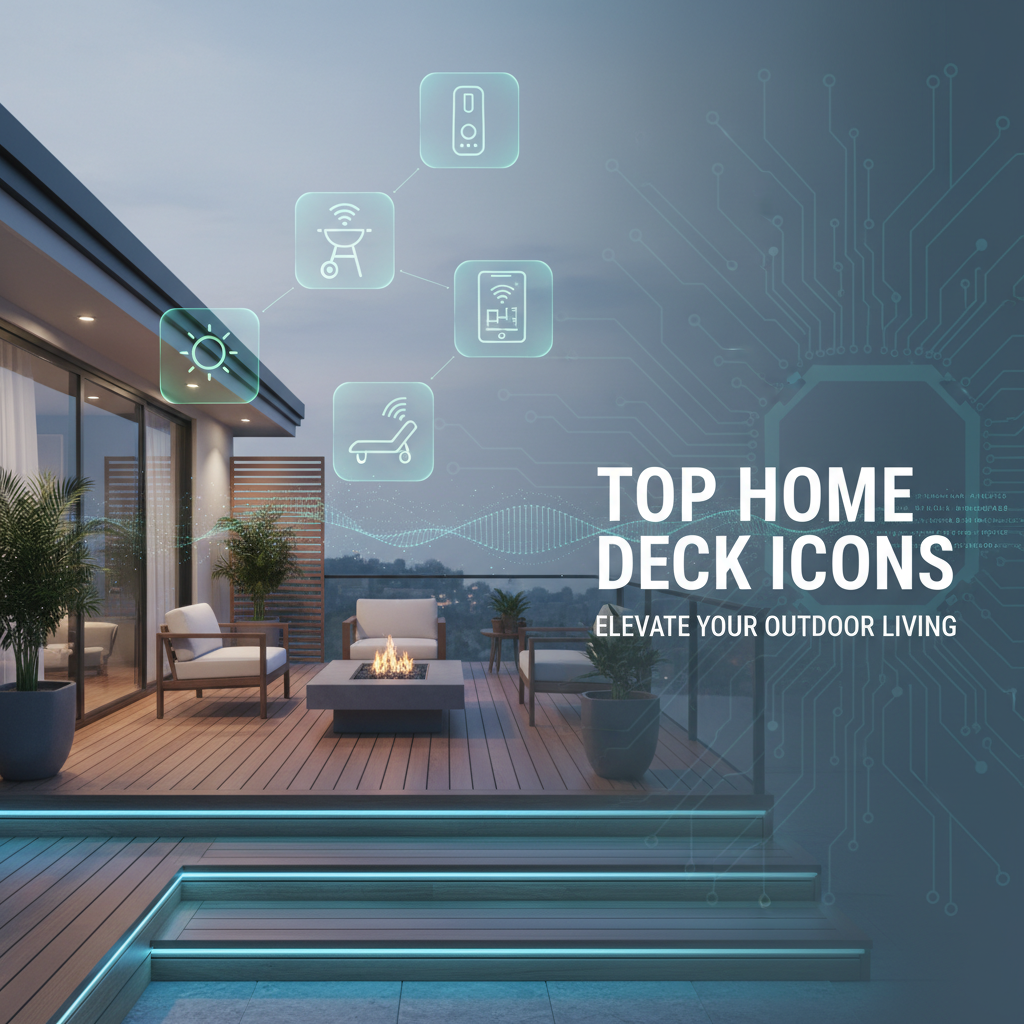


The allure of outdoor living has never been stronger. In an increasingly fast-paced world, the home deck stands as a sanctuary, a canvas for connection, relaxation, and personal expression. It’s more than just an extension of your house; it’s a thoughtfully curated space that seamlessly blends the comforts of indoor living with the refreshing embrace of the natural world. This comprehensive guide delves deep into the elements that define the "Top Home Deck Icons"—those timeless, impactful, and often innovative features that transform a simple outdoor platform into a truly elevated living experience. From foundational materials to intricate design details, we will explore how each choice contributes to a deck that is not just functional but also a true icon of style, sustainability, and sophisticated outdoor enjoyment.
The journey to creating an iconic deck begins with a vision—a clear understanding of how this space will serve your lifestyle, complement your home's architecture, and resonate with the surrounding landscape. It's about crafting an outdoor room that feels both distinct and intrinsically linked to your indoor environment, blurring the lines between the two and expanding your usable living area. We’ll cover everything from the bedrock decisions like material selection, which impacts aesthetics, durability, and maintenance, to the finishing touches that imbue personality and warmth. Prepare to discover how careful consideration of every detail can culminate in an outdoor haven that is not merely built but thoughtfully brought to life, an enduring testament to the joy of elevated outdoor living.
The Philosophy of Outdoor Living: Why Decks Reign Supreme
Before diving into the specifics of design and materials, it's crucial to understand the fundamental role a deck plays in modern living. A deck is not merely a structural addition; it is a lifestyle enhancement, a deliberate investment in well-being, social connection, and property value. Its primary function is to bridge the gap between the enclosed comfort of your home and the expansive beauty of the outdoors, offering a transitional space that invites exploration and relaxation. This liminal zone fosters a unique psychological benefit, allowing inhabitants to decompress, breathe fresh air, and connect with nature without leaving the convenience of their property. For many, the deck becomes an outdoor living room, dining area, or even a personal retreat, reflecting a growing societal appreciation for fresh air and natural light.
The enduring appeal of the deck lies in its versatility. It can be a vibrant hub for entertaining, a tranquil spot for morning coffee, a sun-drenched space for reading, or a romantic setting for evening dinners under the stars. This adaptability makes it an invaluable asset for any homeowner, promoting a healthier, more balanced lifestyle. Furthermore, a well-designed deck significantly enhances a home's curb appeal and market value, presenting a highly desirable feature for potential buyers. It speaks to a quality of life, a commitment to leisure, and an appreciation for the environment that resonates deeply in today's housing market. The philosophy of outdoor living, therefore, centers on maximizing these benefits, transforming an often-underutilized exterior space into a cherished extension of the home, a place where memories are made and everyday moments are elevated. It is this core understanding that guides the selection of every "iconic" feature, ensuring that the finished deck is not just beautiful but deeply purposeful and resonant with the homeowner's aspirations.
Fundamental "Icons" of Deck Design: The Bedrock of Beauty and Durability
The very foundation of an iconic deck lies in the careful selection of its primary material. This choice dictates not only the initial aesthetic but also the long-term maintenance, durability, and even the environmental footprint of your outdoor living space. Each material comes with its own set of characteristics, appeal, and considerations, making the decision a pivotal step in the design process.
1. The Enduring Charm of Wood Decking
Wood remains a perennial favorite for deck construction, cherished for its natural beauty, warmth, and versatility. The tactile experience of real wood underfoot and its organic integration into any landscape are unmatched. However, not all wood is created equal, and understanding the nuances of different species is key to making an informed choice.
- Pressure-Treated Pine: This is perhaps the most common and budget-friendly decking material. Pine boards are chemically treated to resist rot, decay, and insect infestation, making them suitable for outdoor use. While initially affordable, pressure-treated wood requires regular maintenance—cleaning, sanding, and re-sealing or staining—to prevent warping, splitting, and fading. Its aesthetic can be somewhat rustic, and while durable, it may not possess the same refined look or longevity as some other wood options without diligent care.
- Cedar: Renowned for its aromatic scent and beautiful reddish-brown hues, cedar is naturally resistant to rot, decay, and insects due to its inherent oils. It’s lighter than many other woods, making it easier to work with, and takes stains beautifully. Cedar weathers to a charming silvery-gray if left untreated, a look many homeowners desire. While more expensive than pressure-treated pine, its natural resistance and appealing aesthetics often justify the cost. However, it is a softer wood, making it more prone to scratches and dents, and still benefits from regular sealing to maintain its color and extend its lifespan.
- Redwood: Similar to cedar in its natural resistance and rich coloration, redwood is a premium decking material known for its exceptional beauty and stability. It resists warping and checking better than many other woods and offers a luxurious appearance. Like cedar, it contains natural oils that deter pests and decay. Redwood is generally more expensive and less widely available than cedar, especially in certain regions. Its maintenance requirements are similar, involving periodic cleaning and sealing to preserve its vibrant color and protect against UV degradation.
- Exotic Hardwoods (Ipe, Cumaru, Tigerwood, Garapa): These magnificent woods, often sourced from sustainably managed forests in South America, represent the pinnacle of natural wood decking.
- Ipe (Brazilian Walnut): Often hailed as one of the hardest and most durable woods in the world, Ipe boasts an incredibly dense grain, making it exceptionally resistant to rot, insects, scratches, and even fire. Its rich, deep brown color can be maintained with UV inhibitors or allowed to weather to a graceful silver patina. Ipe's density makes it challenging to work with (pre-drilling is a must), and it comes at a premium price. However, its unparalleled longevity and minimal maintenance requirements (aside from occasional oiling for color retention) make it a truly iconic choice for luxury decks.
- Cumaru (Brazilian Teak): A more affordable alternative to Ipe, Cumaru offers similar impressive hardness and durability. It features beautiful reddish-brown to golden-brown tones and is also highly resistant to insects and decay. Like Ipe, it's dense and requires special tooling but delivers exceptional performance and a sophisticated look.
- Tigerwood (Goncalo Alves): Distinctive for its dramatic striping pattern, Tigerwood offers a bold aesthetic alongside excellent durability. Its colors range from light brown to reddish-brown with dark contrasting streaks, which darken over time when exposed to sunlight. It's a hard and dense wood, requiring similar installation considerations as other exotic hardwoods.
- Garapa: A lighter, golden-toned exotic hardwood, Garapa offers good durability and resistance to rot and insects at a more accessible price point than Ipe or Cumaru. It has a smoother grain and can be a good choice for those seeking the benefits of exotic wood with a brighter aesthetic.
Exotic hardwoods typically require less maintenance than softer woods, often just an annual cleaning and reapplication of a UV-inhibiting oil if you wish to preserve their original color. If left to weather, they develop a beautiful silver-gray patina that requires even less intervention.
2. The Rise of Composite Decking
Composite decking has revolutionized the industry, offering a compelling alternative to traditional wood. Made from a blend of recycled plastic and wood fibers, composites are engineered for durability, low maintenance, and environmental responsibility.
- Composition and Benefits: The unique blend of materials in composite decking results in boards that are highly resistant to rot, decay, insects, splinters, and warping. This makes them incredibly low maintenance, requiring only periodic cleaning with soap and water. The absence of sanding, staining, or sealing saves homeowners significant time and money over the lifespan of the deck. Many composite boards are capped with a durable polymer shell, providing enhanced stain, fade, and scratch resistance.
- Aesthetics and Versatility: Modern composite decking has come a long way from its early, often artificial-looking iterations. Today, manufacturers offer a vast array of colors, textures, and grain patterns that convincingly mimic the look and feel of natural wood, as well as unique contemporary styles. This aesthetic versatility allows composite decks to integrate seamlessly with various architectural designs, from rustic to ultra-modern.
- Environmental Impact: A significant advantage of composite decking is its contribution to sustainability. By utilizing recycled plastics and wood waste, it reduces landfill burden and demand for virgin timber, making it an eco-conscious choice for many homeowners.
- Cost and Installation: While the initial cost of composite decking is generally higher than pressure-treated wood, its long-term cost of ownership is often lower due to reduced maintenance expenses. Installation can be similar to wood, though some brands offer hidden fastening systems for a cleaner, screw-free surface.
- Considerations: Early generations of composites sometimes experienced issues with fading, mold, or heat retention. However, technological advancements, particularly capped composites, have largely addressed these concerns. It's still wise to research specific brands and product lines to ensure quality and performance.
3. The Durability of PVC/Vinyl Decking
Pure PVC (polyvinyl chloride) or vinyl decking offers the ultimate in low-maintenance performance. Unlike composites, these boards contain no wood fibers, making them impervious to moisture, mold, and insects.
- Unrivaled Durability and Low Maintenance: PVC decking is exceptionally resistant to scratches, stains, fading, and mildew. It will not rot, warp, or splinter, and requires virtually no maintenance beyond occasional cleaning. This makes it an ideal choice for areas with harsh weather conditions or for homeowners seeking a truly "set it and forget it" solution.
- Aesthetics and Safety: Modern PVC decking is available in a variety of colors and textures, some even mimicking wood grain, though it typically has a more uniform, often slightly shinier, appearance than wood or composite. Many PVC options offer excellent slip resistance, which can be a key safety feature, particularly around pools or in wet climates.
- Environmental Note: While incredibly durable, PVC is a petroleum-based product, and its environmental footprint is a consideration for some homeowners, though many manufacturers now offer recycled content.
- Cost: PVC decking tends to be at the higher end of the decking material price spectrum, but its longevity and minimal upkeep offer significant long-term value.
4. The Modern Edge of Aluminum and Steel Decking
For homeowners seeking a distinct, ultra-modern aesthetic or superior strength and fire resistance, aluminum and steel decking are emerging as iconic choices.
- Aluminum: Lightweight yet incredibly strong, aluminum decking is known for its sleek, contemporary look and exceptional durability. It's fire-resistant, impervious to insects, rot, and rust (when properly coated), and offers a non-combustible, non-slip surface. Aluminum decks often feature interlocking designs that create a watertight surface below, making them ideal for multi-story decks or creating dry storage/living spaces underneath. While typically more expensive upfront, aluminum requires minimal maintenance and can last for decades.
- Steel: Primarily used for the substructure of decks, galvanized or powder-coated steel joists and beams offer unparalleled strength, stability, and longevity compared to traditional wood framing. This allows for longer spans, fewer support posts, and the creation of more open and expansive under-deck spaces. While the deck surface itself might be wood or composite, a steel substructure is an iconic choice for robust, long-lasting, and structurally impressive deck designs, especially for larger or multi-level projects. Steel decking panels are also available for specific architectural applications, offering extreme durability and a industrial-chic aesthetic.
Choosing the right decking material is the foundational step in creating an iconic outdoor living space. It's a balance between budget, aesthetic preference, maintenance tolerance, and environmental considerations, all culminating in a choice that will define the character and longevity of your deck.
Design Styles and Architectural Integration: Crafting a Cohesive Vision
Beyond the material, the overarching design style and how seamlessly the deck integrates with your home's architecture and the surrounding landscape are paramount to achieving an iconic status. A truly remarkable deck doesn't just sit next to the house; it flows from it, enhancing the overall aesthetic and functionality of the property.
1. Traditional/Classic Deck Styles
These decks draw inspiration from historical architectural periods, emphasizing symmetry, elegant details, and a timeless appeal.
- Victorian Influence: Often characterized by intricate railings, decorative balusters, and sometimes rounded edges or octagonal sections. Materials like cedar or redwood are favored, stained in rich, deep tones. The overall feel is one of grace and formality, often complemented by ornate outdoor furniture and lush planting.
- Colonial Simplicity: Emphasizes clean lines, straightforward layouts, and a focus on functionality. Railings are typically simple pickets or classic cross-hatches. Pressure-treated wood or cedar painted white or a muted color is common. These decks offer a welcoming, understated elegance that complements traditional home styles.
- Craftsman Elegance: Features sturdy, proportioned elements, often with broader posts and balusters, sometimes incorporating stone or brick accents into the foundation or steps. Overhanging rooflines or pergolas are common, providing shade and architectural interest. Natural wood tones or earth-toned composite materials blend seamlessly with the Craftsman aesthetic.
2. Modern/Contemporary Deck Designs
These styles prioritize clean lines, minimalist aesthetics, and often innovative use of materials and space.
- Minimalist Chic: Characterized by uncluttered surfaces, simple geometric forms, and a muted color palette. Hidden fasteners for decking, sleek metal or cable railings, and integrated lighting are common. Materials like Ipe, composite in gray or dark tones, or even aluminum are popular. The focus is on spatial flow and an unobstructed view.
- Architectural Artistry: Contemporary decks often feature asymmetrical designs, multi-directional decking patterns, and striking cantilevers. They might incorporate elements like built-in benches that double as planters, floating steps, or custom-designed privacy screens. The design itself becomes a sculptural element, a deliberate extension of modern architecture.
- Urban Sophistication: For city dwellers, rooftop decks or small urban patios are transformed into vibrant outdoor rooms. Materials chosen for durability and low maintenance are key, alongside clever space-saving solutions like built-in seating, vertical gardens, and compact fire features. The design maximizes every square foot for both utility and style.
3. Rustic/Farmhouse Decks
These styles evoke a sense of warmth, comfort, and connection to nature, often with a relaxed, informal feel.
- Natural Harmony: Rustic decks often feature rough-sawn wood or distressed-look composites, embracing imperfections and an organic aesthetic. Thick, sturdy railings, often with cross-buck designs, are common. The focus is on integrating the deck with the natural landscape, using planters with native vegetation and stone accents.
- Farmhouse Charm: Combines rustic elements with a touch of curated comfort. Wider boards, painted or stained in weathered tones, are popular. String lights, comfortable oversized furniture, and perhaps a porch swing or an antique-style outdoor lantern add to the cozy, inviting atmosphere. Pergolas or covered sections are common, providing shelter and a classic farmhouse feel.
4. Specialized Deck Configurations
Certain deck layouts become iconic due to their unique function or grand scale.
- Multi-Level/Tiered Decks: These designs are perfect for properties with sloped terrain, allowing for different functional zones (e.g., dining level, lounge level, hot tub level) and creating visual interest. The transition between levels often incorporates wide, inviting steps, integrated lighting, and varied landscaping, transforming a challenging landscape into a dynamic outdoor experience. Each tier can have its own purpose and aesthetic, creating a journey through the outdoor space.
- Wraparound Decks: Evoking a classic Southern charm, wraparound decks extend along multiple sides of a house, offering continuous access and varied views. They provide ample space for diverse activities and create a strong architectural statement, blending seamlessly with traditional or farmhouse-style homes. The generous proportions allow for multiple seating arrangements, creating intimate nooks and expansive gathering areas.
- Pool Decks: Decks surrounding a pool must prioritize safety, slip resistance, and durability against water and chemicals. Materials like PVC, composite, or certain treated woods (like Ipe) are popular choices. Integrated seating, shade structures, and discreet storage for pool equipment are common features, along with thoughtful drainage solutions to manage splashing.
- Rooftop Decks: A true urban oasis, rooftop decks maximize living space in compact environments. They demand careful structural engineering, lightweight materials, and often incorporate privacy screens, built-in planters for greenery, and sophisticated lighting. The design focuses on maximizing views while creating a comfortable and private retreat high above the city.
- Decking for Small Spaces: Even a small balcony or patio can be transformed into an iconic outdoor retreat. Modular decking tiles, foldable furniture, vertical gardens, and clever lighting solutions can make a compact space feel expansive and inviting. The key is efficient design and multi-functional elements that maximize utility without sacrificing style.
The art of deck design lies in understanding these styles and configurations, then thoughtfully adapting them to your home's unique character and your personal desires. An iconic deck is one that feels tailor-made, an authentic reflection of both its architectural context and the lifestyle it supports.
Key Structural and Aesthetic "Icons": Elements that Define Excellence
Beyond the primary decking material and overall design style, it is the integration of specific structural and aesthetic elements that truly elevates a deck to iconic status. These features not only enhance functionality and safety but also contribute significantly to the deck's visual appeal and character.
1. Railings: Safety Meets Style
Railings are often the most visible structural component after the deck surface itself, serving crucial safety functions while offering immense opportunities for design expression.
- Wood Railings: Classic and versatile, wood railings can range from simple vertical pickets to more elaborate balusters and decorative top rails. Cedar, redwood, or pressure-treated wood can be stained or painted to match or contrast with the deck boards. While offering warmth and a traditional aesthetic, wood railings require regular maintenance, just like wood decking.
- Metal Railings (Aluminum, Wrought Iron, Steel Cable):
- Aluminum: Lightweight, durable, and low maintenance, aluminum railings come in a variety of styles, from traditional picket to sleek contemporary designs. They are often powder-coated for color and corrosion resistance, offering excellent longevity. Their slender profiles can help preserve views.
- Wrought Iron: Provides a classic, ornate, and often elegant look, particularly for traditional or Mediterranean-style homes. Wrought iron is extremely durable but can be prone to rust if not properly maintained with regular painting or sealing. It makes a strong visual statement.
- Steel Cable Railings: A hallmark of modern and contemporary decks, steel cable railings offer an unobstructed view due to their thin, horizontal cables. They provide a minimalist aesthetic, are highly durable, and require minimal maintenance. They are particularly popular for decks with scenic views, creating a feeling of openness.
- Glass Railings (Frameless, Semi-Frameless): For truly panoramic views and a luxurious, contemporary feel, glass railings are an iconic choice.
- Frameless: Offers the ultimate in unobstructed views, with thick tempered glass panels securely mounted without visible posts. This creates a seamless, elegant barrier that virtually disappears.
- Semi-Frameless: Uses minimal posts (often metal) to support the glass panels, offering a similar aesthetic with slightly more structural definition. Both types are highly durable and easy to clean, though they come at a premium cost.
- Composite Railings: Designed to match or complement composite decking, these railings offer the same low-maintenance benefits and durability. They are available in various styles and colors, often replicating the look of painted wood without the need for repainting.
- Innovative/Hybrid Railings: Blending different materials, such as wood posts with metal infills, or stone pillars with glass panels, allows for unique and personalized railing designs that can become distinctive "icons" of a specific deck.
2. Stairs: Functional Pathways with Architectural Grace
Deck stairs are not merely a means of access; they are integral design elements that provide flow, safety, and visual appeal.
- Design Considerations: Wide, sweeping stairs can create a grand entrance, while floating treads add a modern, sculptural touch. Incorporating landings on longer stair runs improves safety and comfort. The rise and run of each step should be consistent and comfortable for natural walking.
- Safety Features: Handrails are essential for safety, especially on longer or steeper staircases. Anti-slip treads, contrasting nosings, and proper lighting are also critical, particularly for evening use.
- Lighting Integration: Recessed lighting on risers, post cap lights, or subtle strip lighting along the handrail not only enhances safety but also creates a dramatic, inviting ambiance after dark.
3. Pergolas & Arbors: Shade, Structure, and Serenity
These overhead structures are iconic for defining spaces, offering shade, and adding architectural interest.
- Pergolas: Typically open-roofed structures with a lattice or slat top, pergolas provide dappled shade and create a sense of enclosure without blocking light entirely. They can be freestanding or attached to the house. Often adorned with climbing plants like wisteria or grapevines, they soften the structure and integrate it with nature. Modern pergolas can also feature adjustable louvers for variable shade.
- Arbors: Smaller, often arched structures primarily designed to support climbing plants or to mark an entranceway. They add a romantic, whimsical touch and guide pathways.
4. Built-in Seating & Storage: Maximizing Space and Functionality
Integrating seating and storage into the deck design is a hallmark of intelligent, iconic outdoor spaces.
- Built-in Benches: Provide permanent, space-saving seating that can be designed to match the deck material and aesthetic. They eliminate the need for movable furniture and can incorporate hinged tops for hidden storage, perfect for cushions, pool toys, or gardening tools.
- Planter Boxes: Built directly into the deck, these create seamless transitions for greenery and offer a structured way to introduce plants, herbs, or flowers, blurring the lines between the built environment and nature.
5. Outdoor Kitchens & Bars: The Heart of Al Fresco Dining
For the ultimate in entertaining, a dedicated outdoor kitchen or bar area transforms a deck into a culinary destination.
- Components: These can range from a simple grill station with prep space to elaborate setups featuring built-in grills, refrigerators, sinks, ice makers, pizza ovens, and even dishwashers. The material choice for countertops (granite, concrete, stainless steel) and cabinetry (marine-grade polymer, stainless steel, stone veneer) is crucial for durability and aesthetics.
- Utilities: Proper plumbing, electrical wiring, and gas lines are essential for a fully functional outdoor kitchen, requiring careful planning and professional installation.
- Bar Areas: A dedicated bar can include seating, beverage coolers, and custom shelving for glassware, making the deck a perfect spot for cocktails and socializing.
6. Fire Features: Warmth, Ambiance, and Gathering Points
A fire feature instantly creates a focal point and adds warmth and magical ambiance to any deck.
- Fire Pits: The most common option, available in wood-burning, natural gas, or propane versions. They can be portable or built-in, with surrounds made from stone, concrete, or metal. They are perfect for s'mores, storytelling, and chilly evenings.
- Outdoor Fireplaces: Provide a more formal and architectural statement, often mirroring indoor fireplace designs. They can be built from stone, brick, or stucco and often include chimneys, offering a grand focal point.
7. Water Features: Serenity and Sound
The soothing sound and visual appeal of water can transform a deck into a tranquil oasis.
- Small Ponds or Water Gardens: Integrate natural elements and attract local wildlife.
- Fountains: Provide calming sounds and visual interest, ranging from simple bubbling features to multi-tiered cascades.
- Hot Tubs/Spas: Built-in or freestanding, a hot tub becomes a luxurious retreat, requiring careful structural support within the deck design. Integrating it seamlessly with the decking material and perhaps a privacy screen enhances the experience.
8. Lighting: Setting the Mood and Ensuring Safety
Strategic lighting is arguably one of the most transformative elements, making a deck usable and beautiful after dark.
- Ambient Lighting: Creates a general glow, often achieved with string lights, lantern-style fixtures, or wall sconces.
- Task Lighting: Illuminates specific areas like grill stations or outdoor kitchen countertops.
- Accent Lighting: Highlights architectural features, landscaping, or art.
- Safety Lighting: Crucial for stairs, pathways, and changes in elevation, using recessed stair lights, post cap lights, or discreet path lights.
- Smart Lighting Systems: Modern decks often incorporate smart lighting that can be controlled via apps, allowing for dimming, color changes, and scheduling, enhancing both convenience and ambiance.
9. Shade Solutions: Comfort and Protection
Providing adequate shade is essential for enjoying a deck during sunny days.
- Umbrellas: Versatile and portable, available in cantilever or center-pole designs.
- Retractable Awnings: Offer on-demand shade and can be manually or electrically operated, extending from the house.
- Shade Sails: Modern and architectural, these fabric sails can be configured in various shapes and angles to provide targeted shade, adding a sculptural element.
- Gazebos: More permanent, freestanding structures with solid or fabric roofs, offering full shade and a defined outdoor room.
10. Privacy Screens: Creating Intimate Retreats
Privacy is often a key concern for deck users, especially in urban or suburban settings.
- Materials: Can be made from wood slats, lattice, metal panels, or even living walls of climbing plants.
- Design: From simple panels to intricate patterns, privacy screens can be functional barriers or decorative elements that define zones and add visual interest.
11. Planters & Landscaping Integration: Blurring Indoor/Outdoor Lines
Integrating planting directly into or around the deck creates a seamless transition between the built environment and nature.
- Built-in Planters: As mentioned, these provide a structured way to introduce greenery.
- Tiered Landscaping: Using different heights of plants and shrubs around the deck helps ground the structure and soften its edges.
- Vertical Gardens: Maximize greenery in small spaces, adding a lush backdrop to seating areas.
Each of these "icons" represents an opportunity to infuse a deck with greater functionality, beauty, and personality. The thoughtful combination and execution of these elements are what truly transform a simple outdoor platform into a sophisticated, highly livable extension of the home.
APIPark is a high-performance AI gateway that allows you to securely access the most comprehensive LLM APIs globally on the APIPark platform, including OpenAI, Anthropic, Mistral, Llama2, Google Gemini, and more.Try APIPark now! 👇👇👇
Deck Accessories and Furnishings: The Art of Outdoor Comfort and Style
Once the structure and core features of an iconic deck are in place, the selection of accessories and furnishings is crucial for imbuing the space with personality, comfort, and ultimate usability. These elements are the finishing touches that transform a beautifully designed platform into a truly inviting outdoor room.
1. Outdoor Furniture: Comfort that Lasts
The choice of furniture is paramount, as it directly impacts comfort, functionality, and the overall aesthetic of your deck.
- Materials:
- Wicker/Rattan (Natural or Synthetic): Natural wicker offers a classic, earthy feel but requires protection from the elements. Synthetic (all-weather) wicker, made from resin, provides the same look with superior durability and weather resistance, often over an aluminum frame.
- Teak: A premium hardwood renowned for its exceptional durability, weather resistance, and beautiful aging process. Teak weathers to a graceful silvery patina if left untreated, or can be maintained with periodic oiling to preserve its golden-brown hue. It is an investment that lasts for decades.
- Aluminum: Lightweight, rust-proof, and modern, aluminum furniture is easy to move and maintain. It's often powder-coated in various colors and can be paired with comfortable cushions for seating.
- Wrought Iron: Heavy and durable, wrought iron furniture offers a timeless, elegant, and often ornate look. It requires periodic maintenance to prevent rust.
- Recycled Plastic/HDPE: An eco-friendly option that is incredibly durable, weather-resistant, and requires virtually no maintenance. Available in a wide range of colors, often mimicking painted wood.
- Styles:
- Sectionals and Sofas: Create a comfortable lounge area, akin to an indoor living room.
- Dining Sets: For al fresco meals, ranging from intimate bistro sets to large communal tables.
- Chaises and Daybeds: Perfect for sunbathing, reading, and ultimate relaxation.
- Accent Chairs and Stools: Provide flexible seating options and add visual interest.
- Cushions and Upholstery: High-quality outdoor fabrics (like Sunbrella) are essential. They are designed to resist fading, mildew, and moisture, ensuring comfort and longevity. The choice of colors and patterns significantly impacts the deck's ambiance.
2. Outdoor Rugs and Textiles: Defining Zones and Adding Warmth
Outdoor rugs instantly define spaces, add a layer of comfort, and introduce color and texture.
- Material: Made from weather-resistant synthetics (polypropylene, PET) that can withstand UV exposure and moisture.
- Function: They create distinct zones (e.g., dining area, lounge area), protect the deck surface, and provide a soft feel underfoot.
- Pillows and Throws: Outdoor pillows in coordinating or contrasting patterns add comfort and a touch of luxury. Weather-resistant throws are perfect for chilly evenings, encouraging longer stays outdoors.
3. Decorations and Art: Personalizing Your Outdoor Sanctuary
Just like interior spaces, decks benefit from decorative elements that reflect personal style.
- Planters and Pottery: Beyond built-in planters, strategically placed decorative pots with vibrant flowers, herbs, or small trees add life and color. Material choices like terracotta, glazed ceramic, or lightweight resin can complement the deck's design.
- Outdoor Art and Sculptures: Weather-resistant artwork, wall hangings, or sculptures can create a focal point and extend the artistic expression of your home into the outdoors.
- Mirrors: Strategically placed outdoor mirrors can reflect light and views, making smaller spaces feel larger and brighter.
- Wind Chimes and Water Bells: Introduce subtle auditory elements, enhancing the sensory experience of the deck.
4. Technology Integration: The Smart Deck
The modern iconic deck seamlessly integrates technology for enhanced convenience and entertainment.
- Outdoor Sound Systems: Weatherproof speakers, either freestanding or discreetly integrated into the deck structure or landscaping, provide high-quality audio for parties or quiet relaxation. Wireless streaming capabilities are a must.
- Outdoor TVs: Specifically designed for outdoor use, these TVs are brighter, more durable, and weather-resistant. They can be mounted under a covered patio or in a dedicated outdoor entertainment area.
- Smart Home Integration: Connecting deck lighting, fans, shade systems, and even fire features to a central smart home system allows for effortless control via voice commands or smartphone apps.
- Charging Stations: Discreetly integrated outdoor outlets or USB charging stations are increasingly popular for convenience.
Maintenance and Longevity: Preserving Your Deck Icon
Even the most iconic deck requires diligent care to maintain its beauty, structural integrity, and longevity. Proactive maintenance prevents costly repairs and ensures your outdoor living space remains a source of joy for years to come.
1. Regular Cleaning: The First Line of Defense
- Sweeping and Blowing: Regularly clear leaves, dirt, and debris to prevent moisture buildup and staining.
- Washing: At least once a year (more often in dusty or humid environments), give your deck a thorough wash. For most materials, a mild detergent (like dish soap) and water with a soft-bristle brush or a low-pressure power washer (used carefully, especially on wood) will suffice. Avoid harsh chemicals that can damage finishes or materials.
- Spot Cleaning: Address spills and stains promptly, especially on composite or PVC decking, to prevent permanent marks.
2. Sealing and Staining (for Wood Decks): Protection and Beauty
- Protection from Elements: Wood decks require regular sealing or staining to protect them from UV radiation, moisture, and fungal growth. UV rays cause fading and graying, while moisture can lead to rot, warping, and cracking.
- Frequency: Typically, wood decks should be re-sealed or re-stained every 1-3 years, depending on the type of wood, climate, and product used. Test a small, inconspicuous area first to see if water beads on the surface; if it soaks in, it’s time to reapply.
- Preparation: Before sealing or staining, the deck must be thoroughly cleaned and dry. Any old, peeling finish should be removed, and the surface should be sanded smooth if necessary.
3. Inspecting and Repairing: Addressing Issues Proactively
- Annual Inspection: Conduct a thorough inspection of your deck every spring.
- Structure: Check for loose or damaged fasteners, wobbly railings, cracked or rotting boards, and signs of insect damage (especially for wood). Pay close attention to joists, beams, and support posts.
- Drainage: Ensure water is draining effectively from the deck surface and away from the house foundation. Clear any clogged gutters or downspouts that might direct water onto the deck.
- Vegetation: Trim back any bushes or trees that are growing too close to the deck, as they can retain moisture and promote rot or pest infestation.
- Addressing Repairs: Promptly replace any damaged boards, tighten loose fasteners, and repair any structural issues. Small problems can quickly escalate if neglected.
4. Winterization: Preparing for Colder Months
- Clear Debris: Before winter sets in, ensure the deck is completely clear of leaves and debris, which can trap moisture and lead to ice formation or rot.
- Store Furniture and Accessories: Store outdoor furniture, cushions, rugs, and portable fire pits in a dry, sheltered location to protect them from harsh winter weather.
- Cover Built-in Features: If you have an outdoor kitchen or built-in fire pit, use custom-fit covers to protect appliances and components from snow and ice.
- Disconnect Water Lines: Ensure all outdoor water lines for sinks, ice makers, or irrigation are drained and disconnected to prevent freezing and bursting.
5. Common Issues and Prevention
- Mold and Mildew: Prevent by ensuring good air circulation, regular cleaning, and proper sealing (for wood).
- Warping and Splitting: Primarily an issue for wood. Prevent by using high-quality materials, proper installation techniques, and consistent sealing.
- Fading: All materials can fade over time from UV exposure. Choose UV-resistant materials or apply UV-inhibiting sealants/oils.
- Pest Infestation: Wood decks are susceptible to termites and other wood-boring insects. Regular inspections and proper treatment (for pressure-treated wood) are key.
By embracing a routine of thoughtful maintenance, your iconic deck will not only retain its aesthetic appeal but also its structural integrity, providing a safe and beautiful outdoor haven for decades to come.
Planning and Construction Considerations: Laying the Groundwork for Excellence
The journey to an iconic deck culminates in its careful planning and expert construction. These stages involve critical decisions that impact budget, safety, regulatory compliance, and the ultimate success of your outdoor living space.
1. Budgeting: Realistic Expectations for Investment
- Material Costs: As discussed, decking materials vary significantly in price (pressure-treated being the least, exotic hardwoods and high-end composites/PVC being the most). Factor in not just the decking boards but also the substructure lumber, fasteners, and any special adhesives.
- Labor Costs: Professional installation can account for 30-50% or more of the total project cost. This varies based on geographic location, deck complexity, and the contractor's experience.
- Features and Accessories: Built-in seating, railings, pergolas, outdoor kitchens, lighting, fire pits, and water features all add to the overall cost. Prioritize which "icons" are most important to your vision.
- Permits and Fees: Don't overlook the cost of necessary building permits and inspections, which can vary by municipality.
- Contingency: Always allocate an additional 10-15% of your budget for unforeseen expenses, as construction projects often encounter surprises.
2. Regulations and Permits: Ensuring Safety and Compliance
- Local Building Codes: Decks are structural additions that must comply with local building codes, which govern everything from foundation depth and joist spacing to railing height and stair dimensions. These codes are in place to ensure safety and structural stability.
- Permit Application: Nearly all decks require a building permit before construction can begin. The application process typically involves submitting detailed plans, drawings, and sometimes engineering reports.
- Inspections: Throughout the construction process, various inspections (e.g., foundation, framing, final) will be required by local authorities to ensure compliance with approved plans and codes.
- HOA Rules: If you live in a community with a Homeowners Association, you will likely need to obtain approval from them before starting any exterior modification, including deck construction.
3. Hiring Professionals vs. DIY: A Critical Decision
- Hiring a Professional Deck Builder:
- Expertise: Experienced contractors bring knowledge of building codes, structural engineering, material science, and efficient construction techniques.
- Efficiency: Professionals can complete the project faster and often with fewer errors.
- Peace of Mind: They handle permits, inspections, and often offer warranties on their work.
- Cost: Higher upfront cost, but often saves money in the long run by preventing mistakes and ensuring longevity.
- DIY (Do-It-Yourself):
- Cost Savings: Significant savings on labor costs.
- Personal Satisfaction: The pride of building something yourself.
- Time and Skill Requirements: Requires significant time commitment, a good understanding of carpentry, tools, and local building codes. Mistakes can be costly and dangerous.
- Complexity: Simple, low-level decks might be suitable for experienced DIYers, but multi-level, complex designs with integrated features are best left to professionals.
4. Site Preparation and Drainage: The Invisible Foundations of Success
- Grading and Drainage: Proper site preparation is crucial. Ensure the ground slopes away from the house and the deck foundation to prevent water accumulation, which can lead to structural damage, rot, and pest issues. Install French drains or improve existing grading if necessary.
- Foundation: The deck's foundation (concrete piers, footings) must be properly sized and dug to the correct depth (below the frost line in cold climates) to prevent movement and ensure stability.
- Clearance: Maintain adequate clearance between the deck joists and the ground to allow for proper ventilation, preventing moisture buildup and wood rot.
- Utilities: Identify the location of any underground utility lines (gas, water, electrical) before digging to prevent dangerous and costly damage.
5. Sustainability and Eco-Friendly Choices: Building with Conscience
- Recycled/Sustainable Materials: Opt for composite decking made from recycled plastics and wood fibers, or PVC decking with recycled content. Choose sustainably harvested wood (FSC-certified) if using natural timber.
- Longevity: Investing in high-quality, durable materials reduces the need for frequent replacement, lessening environmental impact over time.
- Water Management: Incorporate rain harvesting systems for irrigation of deck-side planters, or permeable paving for ground-level patios to reduce stormwater runoff.
- Energy Efficiency: Design for natural shade and ventilation to reduce the need for artificial cooling indoors. Use energy-efficient LED lighting for the deck.
By giving due attention to these planning and construction considerations, you establish a solid framework for creating an iconic deck that is not only beautiful and functional but also safe, compliant, and built to last. It's the thoughtful execution of these often-unseen details that truly elevates a deck from a simple structure to an enduring masterpiece of outdoor living.
The "Smart Deck" of Tomorrow: Innovation and Integrated Living
As technology continues to advance at an unprecedented pace, the concept of the "smart home" is rapidly extending its reach into our outdoor living spaces. The "smart deck" represents the next frontier in elevating outdoor experiences, seamlessly integrating automation, connectivity, and intelligent design to create environments that are not just comfortable and beautiful, but also responsive and intuitive. This evolution moves beyond simple outdoor lighting control to encompass a complex ecosystem of connected devices and systems.
Imagine a deck where the ambiance adjusts automatically as dusk settles, where misters activate on the hottest days, and where your favorite music streams effortlessly, all controlled with a simple voice command or tap on a smartphone. This level of sophisticated integration transforms the deck into a truly intelligent extension of your living space.
The backbone of such interconnected environments relies heavily on robust communication and management systems. As homes become smarter, integrating various systems from automated lighting to irrigation, and even complex outdoor entertainment, the underlying infrastructure relies on robust data exchange. This is where concepts like an AI Gateway or an API Gateway become critical, even for seemingly disparate systems. While their primary application is often in enterprise settings for managing complex AI and REST services, platforms like ApiPark exemplify the power of centralized management for diverse digital interactions. They offer a unified approach, reminiscent of how a master deck builder orchestrates various elements into a cohesive outdoor masterpiece. For advanced users or commercial smart home developers, understanding how a Model Context Protocol facilitates seamless communication between different AI models is essential for creating truly integrated smart environments. The ability to manage and orchestrate these digital interactions is key to creating a truly responsive and adaptive outdoor living space, ensuring that all components, from lighting to sound to climate control, work in harmonious concert.
This integration allows for unprecedented convenience and personalization. Sensors can detect light levels to dim or brighten exterior lighting, motion detectors can activate security features or pathway lights, and weather stations can trigger retractable awnings or adjust irrigation schedules. Voice assistants can control everything from the outdoor sound system to a smart fire pit, allowing you to tailor your outdoor environment with effortless ease. The future of the iconic deck is one where technology blends so seamlessly with design that it enhances the experience without ever feeling intrusive, creating an outdoor space that is not just aesthetically pleasing but also dynamically responsive to your needs and preferences, an ultimate testament to elevated outdoor living.
Conclusion: Crafting Your Enduring Outdoor Icon
The journey to creating an iconic home deck is a multifaceted one, encompassing a blend of artistic vision, practical considerations, and an unwavering commitment to quality. From the foundational decision of material selection to the intricate details of railings, lighting, and integrated technology, every choice contributes to a holistic outdoor living experience that is both functional and deeply personal. We've explored the diverse palette of wood, composite, and PVC decking, each offering unique advantages in terms of aesthetics, durability, and maintenance. We delved into architectural styles, from traditional elegance to modern minimalism, emphasizing how a deck should seamlessly extend the character of your home.
The true hallmarks of an iconic deck lie in the thoughtful integration of structural and aesthetic features: the safety and style of railings, the grace of well-designed stairs, the shade and structure of pergolas, the comfort of built-in seating, the allure of fire and water features, and the transformative power of strategic lighting. Accessories and furnishings complete the picture, infusing the space with personality and inviting comfort. Furthermore, the longevity and sustained beauty of your deck are ensured through diligent maintenance and a proactive approach to potential issues. Finally, embracing the emerging trends of the "smart deck" points towards a future where technology enhances convenience and personalization, making our outdoor spaces more responsive and intuitive than ever before.
Ultimately, an iconic deck is more than just a beautifully constructed platform; it is a meticulously crafted extension of your home and your lifestyle. It's a sanctuary where memories are forged, where relaxation flourishes, and where the boundary between indoor comfort and natural beauty gracefully dissolves. By thoughtfully considering each of these "top home deck icons" and meticulously planning every detail, you can create an outdoor living space that is not only elevated in its design and functionality but also endures as a cherished testament to the art of sophisticated outdoor living for years to come. May your outdoor haven be a source of endless joy, connection, and inspiration.
FAQ (Frequently Asked Questions)
1. What are the most durable decking materials for an iconic deck? For ultimate durability, exotic hardwoods like Ipe or Cumaru, and high-quality PVC decking are excellent choices. These materials offer exceptional resistance to rot, insects, and weathering, often lasting for decades with minimal maintenance. Premium capped composite decking also provides excellent durability and is highly resistant to fading, stains, and scratches.
2. How often should a wooden deck be maintained compared to a composite deck? Wooden decks typically require more frequent and intensive maintenance, including cleaning, sanding, and re-sealing or re-staining every 1-3 years depending on the wood type and climate. Composite decks, on the other hand, are significantly lower maintenance, generally only needing periodic cleaning with soap and water to remove dirt and mildew. They do not require sanding, staining, or sealing.
3. What is the average cost difference between building a wood deck and a composite deck? The initial cost of composite decking is generally higher than traditional pressure-treated wood, often ranging from 1.5 to 3 times more per linear foot. However, when factoring in the long-term maintenance costs (stains, sealants, labor for upkeep) over the lifespan of the deck, the overall cost of ownership for a composite deck can often be comparable to or even lower than a wood deck. Exotic hardwoods tend to be the most expensive upfront.
4. What are some essential elements to include for a "smart deck" design? A smart deck typically includes integrated, controllable elements such as smart lighting systems (with dimming and color-changing capabilities), outdoor audio systems (weatherproof speakers), smart shade solutions (retractable awnings), and possibly smart fire pits or outdoor climate control. These are often connected to a central smart home hub or controlled via smartphone apps for seamless operation and personalized ambiance.
5. Do I need a permit to build a new deck or make significant changes to an existing one? In almost all cases, yes. Decks are considered structural additions to your home and must comply with local building codes to ensure safety. Building permits are typically required for new deck construction, significant expansions, or structural modifications. It's crucial to check with your local municipality or county building department and any applicable Homeowners Association (HOA) before starting any deck project to understand the specific requirements and obtain necessary approvals.
🚀You can securely and efficiently call the OpenAI API on APIPark in just two steps:
Step 1: Deploy the APIPark AI gateway in 5 minutes.
APIPark is developed based on Golang, offering strong product performance and low development and maintenance costs. You can deploy APIPark with a single command line.
curl -sSO https://download.apipark.com/install/quick-start.sh; bash quick-start.sh

In my experience, you can see the successful deployment interface within 5 to 10 minutes. Then, you can log in to APIPark using your account.

Step 2: Call the OpenAI API.