Top Home Deck Icons: Must-Have Features for Outdoor Living
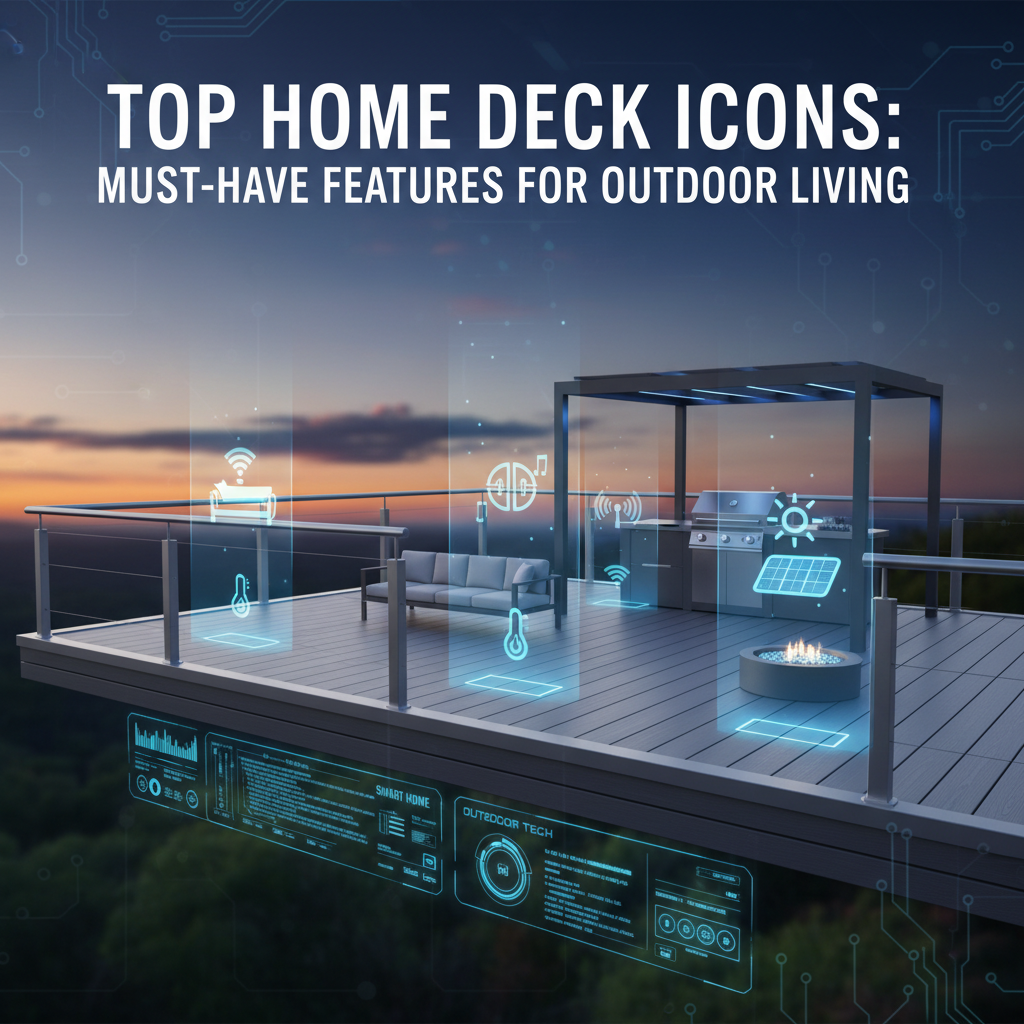


The concept of home has evolved far beyond the four walls and a roof; it now encompasses the entire property, with the outdoor living space playing an increasingly pivotal role in defining comfort, entertainment, and personal sanctuary. Among these extensions of our domestic bliss, the home deck stands as a quintessential icon, transforming mere backyard real estate into a vibrant hub for relaxation, social gatherings, and intimate moments under the open sky. Far from being a simple wooden platform, today's iconic decks are meticulously designed ecosystems, boasting a confluence of features that blend aesthetic appeal with unparalleled functionality, durability, and often, cutting-edge technology. Crafting such a space is an art and a science, requiring thoughtful consideration of materials, layout, amenities, and the seamless integration of indoor comforts with the refreshing embrace of the outdoors. This extensive guide delves deep into the must-have features that elevate a conventional deck into an extraordinary outdoor living experience, ensuring it becomes not just an addition to your home, but an integral, beloved part of your lifestyle.
I. The Foundation of Functionality: Structural Integrity and Material Excellence
The journey to an iconic deck begins beneath the surface and at its very core: the structural integrity and the choice of primary materials. These are the bedrock upon which all other features rest, dictating the deck’s longevity, safety, maintenance requirements, and overall aesthetic. A deck built on a flimsy foundation or with unsuitable materials, no matter how adorned with luxuries, will ultimately fail to deliver on its promise of an enduring outdoor haven.
A. Decking Materials: The Canvas of Your Outdoor Space
The selection of decking material is perhaps the most visible and impactful decision in deck design. It sets the tone, defines the maintenance schedule, and significantly influences the budget. Each material presents a unique blend of characteristics, catering to different priorities, be it natural beauty, minimal upkeep, or environmental sustainability.
1. Wood Decking: Timeless Charm and Natural Beauty
Wood remains a perennial favorite for its classic appeal, natural warmth, and versatility. It offers a tangible connection to nature, with its unique grain patterns and earthy hues.
- Pressure-Treated Wood: This is the most common and economical choice, typically pine or fir treated with chemicals to resist rot, decay, and insect infestation. It's incredibly durable and readily available, making it an excellent base for many projects. However, it requires regular staining or sealing to maintain its appearance and prevent splintering and warping. The initial green tint often fades to a grayish hue if not properly maintained, necessitating diligent upkeep to preserve its charm. Its rough texture, while sometimes desired for a rustic look, can be a downside for those seeking a smoother finish.
- Cedar and Redwood: These softwoods are naturally resistant to decay and insects due to their inherent oils. They boast a rich, aromatic scent and a beautiful reddish-brown color that weathers gracefully to a silver-gray if left unstained. Both are relatively lightweight and easy to work with, making them popular choices for DIY enthusiasts and professionals alike. Cedar is particularly sought after for its knotty character, lending a rustic elegance, while redwood offers a more refined, straighter grain. While naturally more durable than untreated pine, they still benefit from periodic sealing to protect against UV damage and moisture, extending their vibrant life and preventing surface checking.
- Exotic Hardwoods (Ipe, Cumaru, Tigerwood): For those seeking unparalleled durability, strength, and a luxurious aesthetic, exotic hardwoods are the ultimate choice. These dense woods, hailing from South America, are incredibly resistant to rot, insects, scratches, and fire. Their natural colors range from deep reds to rich browns, often with striking grain patterns, providing a high-end, sophisticated look that ages beautifully. However, their density makes them harder to work with, often requiring specialized tools and pre-drilling. They are also significantly more expensive than other options. While remarkably low-maintenance in terms of structural integrity, a periodic application of UV inhibitor oil is recommended to preserve their vibrant natural colors and prevent them from weathering to a silvery patina.
2. Composite Decking: The Epitome of Low Maintenance
Composite decking has surged in popularity as a formidable alternative to wood, particularly for homeowners prioritizing minimal maintenance and extended lifespan. Manufactured from a blend of wood fibers and recycled plastics, composites mimic the look of natural wood without many of its drawbacks.
- Durability and Longevity: Composite boards are engineered to resist rot, decay, insects, splintering, and warping. They are designed for extreme weather conditions and heavy foot traffic, maintaining their structural integrity and appearance for decades with little intervention. Many manufacturers offer extensive warranties, often exceeding 25 years.
- Aesthetic Variety: Modern composites come in a vast array of colors, textures, and grain patterns, convincingly replicating various wood species, from light oak to dark walnut. Multi-tonal boards, often capped with a protective polymer shell, provide a realistic variegated look, resisting fading, staining, and mold. This capping also enhances scratch resistance, making them ideal for high-traffic areas or homes with pets.
- Environmental Considerations: Many composite products utilize recycled materials, such as plastic bags and reclaimed wood fibers, making them an environmentally friendlier option by diverting waste from landfills and reducing demand for virgin timber.
- Cost vs. Value: While the initial cost of composite decking can be higher than pressure-treated wood, the long-term savings on maintenance (no staining, sealing, or frequent repairs) often make it a more cost-effective choice over its lifespan. The "set it and forget it" appeal for busy homeowners is a significant value proposition.
3. PVC Decking: Extreme Durability and Moisture Resistance
Pure PVC (polyvinyl chloride) decking represents the pinnacle of synthetic decking materials. Unlike composites, it contains no wood fibers, making it impervious to moisture, mold, and mildew.
- Unrivaled Performance: PVC decks are virtually indestructible in terms of environmental stressors. They do not rot, splinter, or swell, even in constantly wet conditions. This makes them ideal for poolside decks, waterfront properties, or areas prone to heavy rain. They are also incredibly stain-resistant, making spills easy to clean.
- Lightweight and Consistent: PVC boards are lighter than composite or wood, simplifying installation. Their consistent composition ensures no variations in quality or performance, board to board.
- Color Retention: High-quality PVC decking often features advanced UV inhibitors, ensuring superior color retention and fade resistance compared to many other materials, even in intense sun.
- Environmental Considerations (and Misconceptions): While often criticized for being plastic-based, many PVC decking products are now made with recycled content and are themselves recyclable. The extreme longevity also means fewer replacement materials over time.
4. Aluminum Decking: Modern, Fire-Resistant, and Ultra-Low Maintenance
For a sleek, contemporary look and unmatched performance characteristics, aluminum decking offers a distinct advantage.
- Modern Aesthetics and Performance: Aluminum planks provide a clean, modern aesthetic, often with a powder-coated finish in various colors. They are incredibly strong yet lightweight, making them easy to install. Aluminum is naturally fire-resistant, impervious to insects, rot, and rust (when properly finished), and extremely durable.
- Waterproof Options: Many aluminum decking systems are designed with interlocking planks that create a watertight surface below, making them ideal for creating dry outdoor living spaces underneath a raised deck. This unique feature adds significant value and extends the usable outdoor area.
- Cost and Niche Appeal: While one of the most expensive decking materials upfront, its virtually zero-maintenance profile and extreme longevity can offset costs over decades. It's a niche choice, appealing to those who prioritize modern design, fire safety, and absolute minimal upkeep.
5. Stone/Tile Overlays (for Ground-Level Patios/Decks): Blurring Lines
While traditionally associated with patios, advances in outdoor tile and structural support systems now allow for their use on low-profile decks, blurring the lines between deck and patio.
- Sophisticated Look: Porcelain, natural stone, or concrete pavers can create a highly sophisticated, durable, and unique surface. They offer an incredible range of colors, patterns, and textures, from rustic flagstone to polished modern tiles.
- Durability and Fire Resistance: These materials are exceptionally durable, resistant to scratches, fading, and fire. They are also very stable in various climates.
- Installation Considerations: Installation is more complex than traditional decking, often requiring a robust, stable substructure specifically designed for the weight and rigidity of tiles. Proper drainage and grout selection are critical for longevity. This option is typically reserved for ground-level or very low-rise decks where weight distribution can be adequately managed.
B. Substructure and Framing: The Unseen Hero
While the decking material captures the eye, the substructure is the true workhorse of any deck. Its proper construction is paramount for safety, stability, and the longevity of the entire outdoor living space. Ignoring building codes or cutting corners here is not just ill-advised, it’s dangerous.
- Importance of Proper Construction: A robust substructure, consisting of footings, posts, beams, and joists, provides the necessary support for the deck's weight, its occupants, and any furnishings or features. This framework must be engineered to withstand static loads (the deck's own weight) and live loads (people, furniture, snow, etc.).
- Footings and Posts: These are the foundation. Footings must extend below the frost line in colder climates to prevent heaving due to freeze-thaw cycles. They distribute the deck's weight evenly into the soil. Posts, typically made of pressure-treated lumber, rise from the footings to support the beams.
- Beams and Joists: Beams carry the load from the joists and transfer it to the posts. Joists are the horizontal framing members that directly support the decking boards. Proper spacing and sizing of joists are crucial to prevent bounce and ensure a flat, stable surface.
- Ledger Board: For decks attached to the house, the ledger board is a critical component, securely fastening the deck to the home's rim joist. Improper attachment of the ledger board is a common cause of deck collapses, emphasizing the need for robust flashing and appropriate fasteners.
- Permits and Codes: Nearly all deck construction, especially if it's elevated or attached to the house, requires building permits. These permits ensure that the design and construction adhere to local building codes, which are in place to guarantee safety and structural integrity. Consulting with a professional architect or contractor and obtaining the necessary permits before starting any work is non-negotiable.
C. Railings and Balustrades: Safety Meets Style
Railing systems are dual-purpose icons of deck design: they are fundamental safety features, preventing falls from elevated decks, and powerful aesthetic elements that define the deck's character and view.
- Material Options:
- Wood Railings: Classic and versatile, wood railings can match or complement the deck's material. They offer a warm, natural look but require ongoing maintenance like staining and sealing.
- Composite Railings: Similar to composite decking, these offer low maintenance and come in various colors and styles, often mimicking wood. They are highly durable and resist rot, splinters, and fading.
- Metal Railings (Aluminum, Wrought Iron): Aluminum railings are lightweight, durable, and available in sleek, modern designs with powder-coated finishes. Wrought iron offers a classic, ornate, and very robust option, often seen in more traditional or formal settings. Both are low maintenance, though wrought iron may require occasional repainting to prevent rust.
- Glass Railings: For unobstructed views, glass panels offer a sophisticated and modern aesthetic. They are incredibly strong (tempered glass) and easy to clean but can be more expensive and may require more frequent cleaning to maintain clarity.
- Cable Railings: A contemporary choice, cable railings use thin, horizontal or vertical stainless steel cables strung between posts. They provide a sleek look, offer minimal obstruction to views, and are highly durable and low maintenance.
- Design Trends: Railing designs range from traditional vertical pickets to modern horizontal designs, intricate balusters, or even privacy panels integrated within the railing system. The choice often depends on the architectural style of the home and the desired visual impact.
- Code Compliance: Railings must meet strict building codes regarding height, picket spacing (to prevent children from falling through), and structural integrity. These regulations vary by jurisdiction but are universally aimed at ensuring occupant safety. For instance, most codes require a minimum height of 36 inches for residential decks, with baluster spacing no wider than 4 inches.
II. Elevating Aesthetics: Design Elements for Visual Impact
Beyond the foundational elements, the true artistry of an iconic deck lies in its design elements. These features transform a functional platform into a visually captivating and harmonious extension of the home, meticulously crafted to enhance both beauty and utility.
A. Multi-Level Decks: Dynamic Outdoor Zones
Multi-level decks are a hallmark of sophisticated outdoor living, particularly for properties with varying topography or those seeking to create distinct functional zones within a single space.
- Creating Distinct Areas: By incorporating different heights and platforms, a multi-level deck can artfully delineate areas for dining, lounging, a dedicated cooking zone, or even a cozy fire pit area. This architectural stratification adds immense visual interest and a sense of discovery, making the deck feel more like a series of interconnected outdoor "rooms" rather than one flat expanse.
- Visual Interest and Flow: The interplay of different levels, connected by integrated steps or gentle ramps, creates dynamic sightlines and improves the overall flow of movement across the deck. It breaks up monotony and allows for varied perspectives of the surrounding landscape. Steps can be wide and inviting, acting as additional informal seating, or subtly integrated with lighting for safety and ambiance.
- Adapting to Terrain: For sloped yards, multi-level decks are not just an aesthetic choice but often a practical necessity, allowing the deck to seamlessly follow the natural contours of the land, minimizing extensive excavation and maximizing usable space. This approach blends the structure more organically into the landscape.
B. Integrated Seating and Planters: Seamless Utility
One of the most elegant ways to enhance both the functionality and beauty of a deck is through the incorporation of built-in features that merge utility with design.
- Built-in Benches and Storage: Integrated benches offer permanent, space-saving seating that aligns perfectly with the deck's design. They eliminate the need for cumbersome freestanding furniture, contributing to a cleaner, more organized look. Many built-in benches can be designed with hinged lids, providing valuable hidden storage for cushions, toys, or outdoor essentials, helping to maintain a clutter-free environment. This creates a cohesive design where the seating feels like an intrinsic part of the deck structure rather than an afterthought.
- Integrated Garden Beds and Herb Gardens: Bringing greenery directly onto the deck surface softens the hard lines of the structure and seamlessly blends it with the natural environment. Built-in planters, designed to match the deck's materials, can house decorative plants, vibrant flowers, or even a practical herb garden right within reach of the outdoor kitchen. This not only enhances the aesthetic appeal but also provides opportunities for personal gardening and a sensory experience through fragrant herbs and colorful blooms. The integration avoids the visual clutter of multiple pots and ensures the plants are at an accessible height.
C. Pergolas and Gazebos: Architectural Accents and Shade Solutions
These freestanding or attached structures are architectural marvels that define spaces, provide much-needed shade, and inject a significant dose of style and grandeur into any deck.
- Defining Spaces and Providing Shade: A pergola, with its open lattice roof, creates a sense of enclosure and intimacy without fully blocking the sky. It's perfect for delineating a dining area or a cozy lounge spot. The open structure allows filtered light to pass through, offering dappled shade that can be enhanced by climbing vines or retractable fabric canopies for more substantial sun protection. A gazebo, typically a fully roofed, often octagonal structure, provides complete shade and shelter from light rain, creating a truly dedicated outdoor room for relaxation or dining.
- Aesthetic Appeal and Design Integration: Both pergolas and gazebos serve as prominent architectural accents, adding vertical interest and a focal point to the deck. They can be built from matching deck materials (wood, composite, metal) or contrasting ones to create visual drama. Their design should complement the architectural style of the home, whether it’s a rustic wooden structure for a farmhouse or a sleek metal design for a modern minimalist residence. Integrating lighting into these structures further enhances their beauty and functionality after dark.
D. Outdoor Kitchens and Bars: Culinary Delights Al Fresco
The ultimate expression of outdoor living luxury is the fully equipped outdoor kitchen and bar, transforming the deck into an epicurean paradise and the ultimate entertainment hub.
- Grills, Sinks, Refrigerators, and Countertops: A basic outdoor kitchen starts with a high-quality grill, but iconic decks take this further. Built-in gas grills, often with side burners and rotisseries, form the heart of the operation. Seamlessly integrated sinks with hot and cold running water provide convenience for food prep and cleanup. Outdoor-rated refrigerators keep beverages and ingredients chilled, minimizing trips indoors. Ample countertop space, often crafted from durable materials like granite, quartz, or stainless steel, provides essential prep areas and serving surfaces. Storage cabinets, typically waterproof and weather-resistant, keep cooking tools, dishes, and condiments organized and protected.
- Bar Seating and Entertainment Zones: Extending the kitchen with a dedicated bar area, complete with comfortable stools, encourages guests to gather and socialize with the chef. This creates a lively, interactive environment. A built-in ice maker, a kegerator, or a wine cooler further elevates the bar's functionality, ensuring refreshing drinks are always at hand. The design should encourage mingling and ease of access, making it a central point of activity during gatherings. These areas transform the deck from a passive space into an active culinary and social destination.
III. Comfort and Convenience: Crafting a Luxurious Experience
An iconic deck is not merely beautiful; it is profoundly comfortable and convenient, designed to extend the usability of the space throughout the day and into the evening, across seasons. These features are about enhancing the sensory experience and making outdoor living truly effortless.
A. Lighting Design: Setting the Mood and Enhancing Safety
Thoughtful lighting design is paramount for transforming a deck after sunset, impacting both ambiance and safety. It's an art form that layers different types of illumination to create a multi-dimensional effect.
- Ambient Lighting: This provides general illumination, creating a soft glow that defines the space. Post cap lights, integrated into railing posts, offer a subtle upward and downward wash. Stair riser lights are recessed into the vertical face of steps, providing crucial safety by illuminating treads. Under-rail lighting, discreetly placed beneath the handrail, casts a gentle, indirect light across the deck surface, enhancing depth and warmth. These lights often use low-voltage LED technology, offering energy efficiency and long life.
- Task Lighting: Focused illumination is essential for functional areas. Over-grill lights provide clear visibility for cooking, ensuring culinary precision. Dining areas benefit from overhead pendants or strategically placed spotlights that brighten the table without harsh glare, facilitating comfortable meal times.
- Accent Lighting: This highlights specific features, adding drama and visual interest. Spotlights can accentuate architectural elements like pergolas, water features, or prized landscaping. Uplighting on plants or textured walls creates intriguing shadows and depth. Color-changing LED lights can introduce dynamic visual themes, allowing homeowners to customize the mood for different occasions.
- Smart Lighting Systems: Modern decks often integrate smart lighting, allowing control via smartphone apps, voice commands, or automated schedules. This enables homeowners to adjust brightness, change colors, create custom scenes, and turn lights on/off remotely, enhancing both convenience and security. Smart sensors can also automate lighting based on occupancy or ambient light levels.
B. Heating and Cooling Solutions: Extending the Season
The desire to use outdoor spaces for more than just a few warm months has driven innovation in climate control solutions, allowing decks to be comfortable almost year-round.
- Patio Heaters: For cooler evenings, patio heaters provide localized warmth. Propane-fueled freestanding heaters are portable and offer immediate heat, while electric radiant heaters can be mounted overhead or on walls for more discreet, consistent warmth. Natural gas heaters, permanently plumbed, offer the ultimate convenience with limitless fuel supply. Modern designs often incorporate sleek, architectural elements that blend seamlessly with the deck's aesthetic.
- Outdoor Fireplaces and Fire Pits: These are not just heat sources but also powerful focal points that draw people together. An outdoor fireplace, typically a built-in stone or brick structure, provides a grand, traditional ambiance, often complete with a chimney. Fire pits, whether gas-fueled with decorative fire glass or wood-burning for a more rustic experience, encourage intimate gatherings and s'mores sessions. They offer a comforting glow and warmth, turning chilly nights into cozy evenings. Gas fire pits offer instant ignition and adjustable flames, while wood-burning options provide the crackling sounds and smoky aroma of a traditional campfire.
- Misting Systems and Fans: In hotter climates, cooling solutions are invaluable. Misting systems, strategically installed around the perimeter of a covered deck or pergola, release a fine spray of water that evaporates, effectively dropping ambient temperatures. Outdoor-rated ceiling fans, mounted under pergolas or covered sections, create a refreshing breeze and help deter flying insects, making hot days much more bearable. These can often be integrated into smart home systems for automated control.
C. Outdoor Audio-Visual Systems: Entertainment Unbound
Bringing entertainment to the outdoors transforms the deck into a vibrant extension of the home theater or party space, providing enjoyment for all senses.
- Weather-Resistant Speakers and Soundbars: High-quality, weather-resistant speakers are essential for delivering rich, immersive sound outdoors. These can be discreetly mounted on walls, under eaves, or even camouflaged as rocks within landscaping. In-ground subwoofers provide deep bass without visual intrusion. Outdoor soundbars, often paired with outdoor TVs, offer a compact and powerful audio solution. Multi-zone audio systems allow different music to be played in various areas of the deck or property, all controllable from a smartphone.
- Outdoor TVs and Projection Screens: For the ultimate cinematic experience or to catch the big game al fresco, outdoor-rated televisions are designed to withstand extreme temperatures, humidity, and direct sunlight. They feature enhanced brightness and anti-glare screens for optimal viewing even in daylight. For larger-than-life viewing, retractable projection screens, paired with weather-resistant projectors, can transform a wall or a dedicated screen area into an impressive outdoor cinema, perfect for movie nights under the stars. These systems require careful planning for power, signal cables, and protection from the elements.
D. Privacy Solutions: Your Secluded Retreat
Even the most beautiful deck can feel less inviting if it lacks a sense of privacy. Crafting a secluded retreat from neighbors or street views is a key aspect of luxurious outdoor living.
- Privacy Screens and Trellises with Climbing Plants: Built-in privacy screens, constructed from materials like wood, composite, metal, or even decorative panels, offer immediate visual barriers. These can be solid or louvered for varied airflow and light. Trellises, either standalone or integrated with screens, provide a framework for climbing plants like ivy, jasmine, or grapevines to create living, green walls that offer both privacy and natural beauty, softening the deck's edges.
- Strategic Planting and Hedges: Landscaping plays a crucial role in creating natural privacy. Tall, dense shrubs, evergreen trees, or bamboo (in contained planters to prevent spreading) can form effective living screens around the deck perimeter. Layered planting, combining plants of different heights and textures, can create a lush, enveloping feel.
- Curtains and Outdoor Blinds: For a more flexible and adjustable privacy solution, outdoor curtains or retractable blinds can be installed around pergolas or covered deck areas. Made from weather-resistant fabrics, they can be drawn for immediate privacy or shade, then retracted to open up the space. These add a touch of resort-like elegance and softness to the hardscaping.
IV. Smart Integration and Future-Proofing: The Deck of Tomorrow
As our homes become increasingly connected and intelligent, the modern deck is also evolving into a sophisticated, automated extension of the smart home ecosystem. Future-proofing a deck means anticipating technological advancements and building in the infrastructure to support seamless integration, transforming mundane tasks into effortless experiences. This is where the lines between traditional construction and cutting-edge technology begin to blur.
A. Automated Systems for Effortless Living
The integration of automated systems into deck design takes convenience to an unprecedented level, allowing homeowners to manage their outdoor environment with a touch of a button or a simple voice command.
- Smart Lighting Control: Beyond simply turning lights on and off, smart lighting systems allow for granular control over brightness, color temperature, and even color palettes. Homeowners can program dynamic lighting scenes for different occasions – a bright, functional setting for grilling, a soft, warm glow for intimate dinners, or a festive, color-changing display for parties. These systems can be scheduled to activate at sunset, dim based on ambient light sensors, or respond to motion detection for security and convenience. The ability to control all outdoor lighting from a smartphone app, even when away from home, adds a layer of security and energy efficiency.
- Automated Awnings and Pergola Louvers: Retractable awnings or motorized louvered pergolas offer instant shade or sun exposure control. With automated systems, these can be extended or retracted at the touch of a button, via a remote control, or even programmed to respond to weather conditions (e.g., retracting automatically during high winds or rain, or extending when sunlight is intense). This eliminates manual effort and ensures optimal comfort regardless of the elements.
- Smart Irrigation for Integrated Planters: For built-in garden beds and planters, smart irrigation systems can monitor soil moisture levels and local weather forecasts to deliver precise amounts of water, preventing over-watering or under-watering. This ensures the health of deck plants while conserving water, all without manual intervention.
- Remote Monitoring of Security Cameras: Integrating outdoor security cameras into the deck's smart ecosystem allows homeowners to monitor their outdoor space remotely. These cameras can detect motion, send alerts to smartphones, and even provide two-way audio communication, adding peace of mind, especially when away from home or for keeping an eye on children and pets playing on the deck.
B. The Connected Outdoor Space: A Hub of Innovation
The vision of a fully integrated outdoor living space often involves a complex interplay of various devices and services, from smart speakers and outdoor TVs to climate controls and security systems. Orchestrating these diverse components into a cohesive, user-friendly experience is where the next generation of outdoor technology truly shines.
As our homes become smarter, so too do our outdoor spaces. Imagine a future where your deck's various systems – lighting, heating, entertainment, even security – are seamlessly orchestrated, responding intelligently to your presence, preferences, and the environment. This level of sophisticated control often relies on robust backend infrastructures, particularly when integrating devices from different manufacturers or when leveraging advanced capabilities like voice control or predictive adjustments. In such a complex ecosystem, an AI Gateway might serve as the central brain, processing intricate commands, analyzing sensor data, and translating user intentions into actionable instructions across a multitude of devices. This gateway acts as an intelligent intermediary, unifying disparate communication protocols and ensuring smooth operation.
Furthermore, for developers and integrators building such immersive smart home and outdoor living experiences, the ability for different devices and services to communicate effectively is paramount. This communication frequently occurs through a standardized API (Application Programming Interface), which defines the rules and protocols for how software components interact. When you adjust the deck lights from your smartphone, or ask a voice assistant to start the outdoor fireplace, these actions are often routed through APIs that connect your control interface to the underlying hardware. Managing these diverse APIs efficiently, ensuring their security, reliability, and scalability, becomes a critical challenge in creating truly integrated smart environments. This is where platforms like APIPark come into play. APIPark offers an open-source AI gateway and API management solution that facilitates the integration and deployment of AI and REST services, enabling developers to unify diverse smart systems. It streamlines the complex task of managing multiple API endpoints, standardizing data formats, and ensuring secure access, which is crucial for orchestrating a truly smart outdoor oasis. By providing a unified management system for authentication and cost tracking, and by allowing prompt encapsulation into REST API, APIPark simplifies the creation and maintenance of sophisticated, interconnected outdoor environments. This means that whether you're integrating an advanced weather station that automatically adjusts the pergola, or a voice-controlled entertainment system, the underlying API management is handled efficiently.
Moreover, as AI becomes more prevalent in automating and personalizing these experiences—for example, an AI predicting your preferred outdoor lighting based on the time of day and your past activities—defining how different AI components interact and exchange information becomes crucial. This is where something like a Model Context Protocol (MCP) might come into play. An MCP would ensure consistent and efficient communication across various intelligent systems controlling your outdoor oasis, allowing different AI models (e.g., one for lighting, one for climate control) to share context and coordinate their actions harmoniously. Such a protocol would be essential for preventing conflicts and ensuring that all automated systems work together towards a unified, personalized outdoor experience, rather than operating in isolated silos. By enabling seamless data exchange and command execution, an MCP would empower an AI Gateway to manage an even more sophisticated and responsive smart deck.
APIPark is a high-performance AI gateway that allows you to securely access the most comprehensive LLM APIs globally on the APIPark platform, including OpenAI, Anthropic, Mistral, Llama2, Google Gemini, and more.Try APIPark now! 👇👇👇
V. Accessibility and Safety: A Deck for Everyone
An iconic deck is not just about luxury and aesthetics; it is fundamentally about inclusivity and safety. A truly exceptional outdoor living space is designed to be accessible and secure for all users, regardless of age or physical ability, ensuring peace of mind and universal enjoyment.
A. Ramps and Wider Pathways: Universal Design
Incorporating universal design principles ensures that the deck is welcoming and navigable for everyone.
- Ramps: For individuals using wheelchairs, walkers, or those with mobility challenges, a gently sloping ramp provides seamless access to and between deck levels. Ramps should adhere to ADA (Americans with Disabilities Act) guidelines for slope, width, and handrail requirements, even for residential applications, to ensure they are genuinely usable and safe. A ramp also makes it easier to move heavy objects, strollers, or furniture on and off the deck.
- Wider Pathways: Main pathways and thoroughfares on the deck should be generously wide, typically at least 36 inches, but preferably 42-48 inches, to accommodate two people walking side-by-side or a wheelchair. Avoiding narrow bottlenecks ensures smooth flow and prevents congestion, making the deck feel more open and inviting.
B. Secure Railings and Gates: Peace of Mind
Beyond basic code compliance, iconic decks prioritize robust and well-designed safety barriers.
- Robust Railings: Railings must be securely fastened and able to withstand significant force. Regular inspection of posts, balusters, and handrails is crucial to ensure they remain structurally sound. The height should be consistent and meet local building codes (typically 36-42 inches for elevated decks) to prevent accidental falls.
- Self-Closing Gates with Latches: For decks with stairs leading to a yard, especially in homes with young children or pets, a sturdy, self-closing, and self-latching gate is an indispensable safety feature. These gates prevent unsupervised access to areas of potential hazard, such as pools or play zones, providing parents and pet owners with invaluable peace of mind. The latch mechanism should be simple for adults to operate but challenging for small children.
C. Non-Slip Surfaces: Preventing Accidents
Wet surfaces can be dangerously slick, making non-slip features critical for preventing falls.
- Textured Decking Materials: Many composite and PVC decking products are manufactured with textured surfaces or embossed wood grain patterns that provide enhanced traction, even when wet. For wood decks, specific non-slip finishes or deck paints with grit additives can be applied.
- Traction Strips: For areas prone to wetness or on high-traffic stairs, adhesive non-slip traction strips or integrated rubberized inserts can provide additional grip, significantly reducing the risk of slips and falls.
- Proper Drainage: Ensuring the deck surface has a slight slope away from the house, or that decking boards are installed with small gaps, allows rainwater to drain effectively, preventing puddling and minimizing slick spots.
D. Adequate Lighting: Navigating Safely After Dark
Good lighting isn't just for ambiance; it's a fundamental safety requirement after dark.
- Even Illumination: Pathways, stairs, and transitions between deck levels must be evenly illuminated without creating harsh shadows or glare. Low-level, diffused lighting is often ideal.
- Stair Lighting: As mentioned earlier, stair riser lights, recessed step lights, or integrated LED strips on the underside of handrails are critical for clearly delineating each step, preventing missteps in the dark.
- Edge Lighting: Lights placed along the perimeter of the deck help define its boundaries, preventing accidental falls off the edge, especially for decks that transition directly to a drop-off or garden. Motion-activated lights in key areas can also provide an extra layer of security and convenience.
VI. Maintenance and Longevity: Preserving Your Investment
Even the most thoughtfully designed and robustly constructed deck requires ongoing care to maintain its beauty, extend its lifespan, and protect your investment. Diligent maintenance is not just about aesthetics; it's about preserving structural integrity and ensuring continued safety.
A. Regular Cleaning and Inspection: The Ounce of Prevention
Routine cleaning and thorough inspections are the cornerstones of deck maintenance, identifying potential issues before they escalate.
- Seasonal Cleaning: At least once a year, typically in spring, the entire deck should be thoroughly cleaned. This involves removing all furniture and debris, sweeping away leaves and dirt, and then washing the surface. For most decking materials, a gentle power wash (on a low setting, especially for wood or certain composites) or a good scrub with a deck cleaner and a stiff brush will remove accumulated dirt, grime, mildew, and algae. For wood decks, specific deck cleaning solutions designed to brighten wood and kill mildew are recommended. For composite and PVC, milder soaps and water are often sufficient.
- Post-Cleaning Inspection: After cleaning, conduct a detailed inspection of the entire deck structure. Check for loose or rusted fasteners (nails, screws, bolts), ensuring all connections are secure. Examine deck boards for signs of rot, splintering, cracks, or warping. Pay close attention to the ledger board connection to the house, checking for any signs of water intrusion or loosening. Inspect railings for wobbles or damage, and ensure all balusters are firmly in place. Check joists and beams from underneath for any signs of decay, insect damage, or structural compromise. Early detection of issues can prevent costly repairs down the line.
B. Staining and Sealing: Protecting Your Deck's Beauty
For wood decks, regular staining and sealing are vital protective measures that dramatically impact both appearance and longevity.
- Protection Against Elements: Stains and sealants create a protective barrier against UV radiation, which causes wood to gray and degrade, and moisture, which leads to rot, mildew, and warping. They penetrate the wood fibers, fortifying them from within.
- Enhanced Aesthetics: Stains come in a wide range of colors, from clear sealers that highlight natural wood grain to semi-transparent and solid stains that can completely change the deck's hue, enhancing its curb appeal. A fresh coat of stain can rejuvenate an old, weathered deck, making it look new again.
- Frequency: The frequency of staining or sealing depends on the type of wood, the product used, and local climate conditions. Generally, wood decks require re-sealing every 1-3 years and re-staining every 2-5 years. Areas with harsh sun exposure or heavy precipitation may need more frequent applications.
C. Pest Control: Guarding Against Unwanted Guests
Decks can be attractive habitats for various pests, from termites and carpenter ants to wasps and spiders. Proactive pest control is essential.
- Termites and Carpenter Ants: These wood-destroying insects can cause significant structural damage. Ensure there is adequate ventilation under the deck and that wood components are not in direct contact with the soil. Professional pest inspections and treatments may be necessary, especially in areas prone to these pests.
- Wasps and Spiders: Regular cleaning helps deter these common nuisances. Removing spider webs and wasp nests (with caution) as they appear is effective. For persistent problems, consider non-toxic repellents or professional pest management.
- Rodents: Keep the area around and under the deck clean and free of food debris to discourage rodents. Seal any potential entry points into the home from the deck area.
D. Professional Maintenance: When to Call the Experts
While many maintenance tasks can be handled by the homeowner, certain situations warrant professional expertise.
- Structural Concerns: If you notice significant sagging, excessive wobbling, widespread rot, or any other signs of structural compromise, it's crucial to consult a qualified deck builder or structural engineer immediately. Attempting to fix major structural issues without proper knowledge can be dangerous.
- Extensive Repairs: For large-scale board replacement, railing system overhauls, or substructure repairs, professional help ensures the work is done correctly and safely, adhering to all building codes.
- Specialized Treatments: Certain exotic hardwoods may require specialized cleaning or oiling techniques. Complex composite deck stains or repairs may also benefit from professional application to maintain warranty validity.
- Permit-Required Work: Any significant modification or addition to the deck (e.g., adding a pergola, expanding the footprint) will likely require permits and should be overseen by professionals to ensure compliance.
VII. Personalization: Infusing Your Style
The final layer of creating an iconic deck is personalization—infusing the space with your unique style, personality, and comfort preferences. These are the details that transform a well-designed structure into a beloved, living extension of your home.
A. Furniture and Decor: The Finishing Touches
Outdoor furniture and decor are to a deck what interior design is to a living room: they define the mood, comfort, and aesthetic.
- Comfortable Seating: Invest in high-quality, weather-resistant outdoor furniture that suits your lifestyle. Deep-seated sofas and armchairs with plush, quick-drying cushions create a luxurious lounge area. Dining sets should be sturdy and comfortable for long meals. Consider ergonomic designs that encourage relaxation. Materials like wicker, teak, aluminum, and all-weather fabric offer durability and style.
- Outdoor Rugs: An outdoor rug can anchor a seating area, add a pop of color and texture, and define zones, much like an indoor rug. Made from synthetic fibers, they are durable, easy to clean, and resistant to fading and mildew.
- Decorative Accents: Pillows, throws, lanterns, and sculptures add personality and warmth. Choose weather-resistant versions that can withstand the elements. These small touches make the deck feel cozy and inviting.
- Umbrellas and Awnings: For flexible shade, large patio umbrellas or retractable awnings are essential. They can be adjusted as the sun moves, ensuring comfort throughout the day. Choose colors and styles that complement your deck's aesthetic.
B. Landscaping Integration: Blending with Nature
A truly iconic deck doesn't just sit on the landscape; it integrates with it, blurring the lines between built structure and natural environment.
- Strategic Planting Around the Perimeter: Soften the deck's edges with lush planting beds that blend the deck into the surrounding garden. Use plants of varying heights, textures, and colors to create visual interest. Tall grasses, flowering shrubs, and small trees can provide privacy and shade while adding a natural backdrop.
- Container Gardens: For added flexibility and splashes of color, use attractive pots and planters on the deck itself. Grouping different sizes and styles can create dynamic displays. Rotate seasonal flowers and herbs to keep the look fresh throughout the year.
- Trellises and Green Walls: Utilize trellises with climbing vines (like clematis, wisteria, or climbing roses) to add vertical greenery, create natural screens, or soften harsh walls. Vertical gardens can also be integrated for a modern, space-saving green element.
C. Water Features: Sound and Serenity
The gentle sound of flowing water has a universally calming effect, adding a layer of tranquility to your outdoor space.
- Deck-Integrated Fountains: Small, self-contained fountains can be placed directly on the deck, providing soothing sounds and a focal point. Wall-mounted fountains or those integrated into a planter box offer discreet elegance.
- Adjacent Ponds or Waterfalls: For larger properties, a small pond or a natural-looking waterfall adjacent to the deck creates a more dramatic and immersive water feature, enhancing the sense of a natural oasis. The sound of running water can also help mask undesirable background noise, creating a more peaceful environment. These features attract local wildlife, adding to the deck's natural appeal.
Conclusion: Your Iconic Outdoor Living Space Awaits
Crafting an iconic home deck is a journey of thoughtful design, meticulous planning, and the careful selection of features that transform a simple structure into a personalized outdoor sanctuary. From the foundational choices of durable materials and robust substructures to the refined aesthetics of multi-level layouts and integrated plantings, every element plays a crucial role. The integration of comfort-enhancing amenities like sophisticated lighting, climate control, and advanced audio-visual systems extends the deck's usability and enjoyment across seasons and times of day. Furthermore, with the accelerating pace of smart home technology, future-proofing your deck through automated systems and robust connectivity, possibly managed by sophisticated tools like an AI Gateway and API management platforms, ensures your outdoor space remains at the forefront of innovation.
Ultimately, an iconic deck is a testament to the homeowner's vision for a life lived well, blending the comforts of indoor living with the refreshing embrace of the outdoors. It is a space designed not just for utility, but for fostering connection, creating memories, and offering a profound sense of peace and relaxation. By thoughtfully considering these must-have features, you can elevate your outdoor living experience from ordinary to extraordinary, creating a deck that truly stands as an icon of your home, a cherished extension of your lifestyle, and a source of enduring enjoyment for years to come.
Comparative Analysis of Popular Decking Materials
| Feature | Pressure-Treated Wood | Composite Decking | PVC Decking | Exotic Hardwood (e.g., Ipe) | Aluminum Decking |
|---|---|---|---|---|---|
| Primary Material | Treated Pine/Fir | Wood Fibers & Plastic | Virgin/Recycled PVC | Dense Tropical Hardwood | Powder-Coated Aluminum |
| Initial Cost | Low | Medium to High | High | High | Very High |
| Durability | Good (with maintenance) | Excellent | Superior | Exceptional | Superior |
| Maintenance | High (stain/seal every 1-3 yrs, clean) | Low (periodic cleaning) | Very Low (periodic cleaning) | Medium (oil to retain color, clean) | Very Low (periodic cleaning) |
| Appearance | Natural wood grain, fades to grey if not treated | Wide variety of colors & textures, mimics wood | Consistent color & texture, modern | Rich, natural colors, fine grain | Sleek, modern, metallic finish |
| Rot/Insect Resist. | Good (due to treatment) | Excellent | Impervious | Excellent (natural oils) | Impervious |
| Splintering | Yes (can splinter) | No | No | No | No |
| Fading/Staining | Prone to fading & staining if not treated | Highly resistant (especially capped) | Highly resistant | Prone to graying if not oiled | Highly resistant |
| Environmental | Can use sustainable forestry, but chemicals | Often made with recycled content | Can be recycled, some with recycled content | Can be responsibly sourced (FSC), but slow growth | Recyclable, long lifespan |
| Slip Resistance | Moderate | Good (textured surfaces) | Good (textured surfaces) | Good | Good (textured surfaces) |
| Fire Resistance | Moderate | Moderate (some Class A rated) | Moderate (some Class A rated) | High | Excellent (non-combustible) |
| Weight | Medium | Heavy | Lightweight | Very Heavy | Lightweight |
| Special Features | Classic look | Low maintenance, variety | Moisture-proof, stain-proof | Extreme density, natural beauty | Waterproof, interlocking planks, modern |
5 FAQs About Home Decks
1. What is the best material for a low-maintenance deck?
For minimal maintenance, composite decking and PVC decking are generally considered the best options. These materials are engineered to resist rot, insects, splintering, and warping, and they typically require only occasional cleaning with soap and water. High-quality composite decks, especially those with a protective capping, are also highly resistant to fading and staining. While their initial cost may be higher than traditional wood, the long-term savings on staining, sealing, and repairs often make them a more cost-effective and convenient choice for homeowners seeking to maximize their enjoyment and minimize upkeep.
2. How often should I clean and seal my deck?
The frequency of cleaning and sealing depends heavily on the decking material and local climate. For most wood decks (pressure-treated, cedar, redwood), it's recommended to clean them annually, typically in the spring, to remove dirt, mildew, and algae. Sealing should ideally be done every 1-3 years, and staining every 2-5 years, to protect the wood from UV damage, moisture, and to maintain its appearance. Composite and PVC decks, being low-maintenance, usually only require annual or semi-annual cleaning with a mild deck cleaner or soap and water, and do not need to be sealed or stained. Regular inspection after cleaning is crucial for all deck types to catch any potential issues early.
3. Do I need a permit to build a deck?
In almost all cases, yes, you will need a building permit to construct or significantly modify a deck, especially if it's elevated or attached to your house. Building codes are in place to ensure the safety and structural integrity of your deck, protecting both your property and its occupants. The specific requirements for permits, including design specifications, materials, and inspections, will vary by your local municipality or county. It is always advisable to consult with your local building department or a professional contractor before starting any deck project to understand and comply with all necessary regulations. Failure to obtain proper permits can result in fines, forced demolition, or issues with home insurance and resale.
4. What are some popular smart features for modern decks?
Modern decks are increasingly integrating smart home technology for enhanced convenience, ambiance, and security. Popular smart features include: * Smart Lighting Systems: Allowing control over brightness, color, and scheduling via smartphone apps or voice commands. * Automated Awnings/Pergola Louvers: Retracting or extending at the touch of a button or based on weather conditions. * Outdoor Audio-Visual Systems: Weather-resistant speakers and outdoor TVs controlled remotely. * Smart Security Cameras: For remote monitoring and motion detection. * Integrated Climate Control: Such as smart patio heaters or misting systems for extending seasonal use. These features enhance the deck's functionality, making it a truly effortless and enjoyable extension of the smart home.
5. How can I ensure my deck is safe for children and pets?
Ensuring deck safety for children and pets involves several key considerations: * Secure Railings: Ensure railings are at the correct height (typically 36-42 inches) with baluster spacing narrow enough (usually no more than 4 inches) to prevent children from slipping through. * Self-Closing Gates: Install sturdy, self-latching gates at the top of stairs or at any access points to areas of concern (e.g., pools, busy roads). * Non-Slip Surfaces: Choose decking materials with textured surfaces or apply non-slip strips to stairs and high-traffic areas to prevent falls, especially when wet. * Adequate Lighting: Ensure all pathways, stairs, and edges are well-lit after dark to prevent missteps. * Chemical Storage: Keep all deck cleaning solutions, pest control products, and grill accessories securely stored away and out of reach. * Regular Inspections: Periodically check the deck for splinters, loose boards, protruding nails, or any other hazards that could cause injury. Following these guidelines will help create a safer environment for everyone to enjoy.
🚀You can securely and efficiently call the OpenAI API on APIPark in just two steps:
Step 1: Deploy the APIPark AI gateway in 5 minutes.
APIPark is developed based on Golang, offering strong product performance and low development and maintenance costs. You can deploy APIPark with a single command line.
curl -sSO https://download.apipark.com/install/quick-start.sh; bash quick-start.sh

In my experience, you can see the successful deployment interface within 5 to 10 minutes. Then, you can log in to APIPark using your account.

Step 2: Call the OpenAI API.