Unlock the Secrets of JWT.io: Ultimate Guide to Secure Authentication


Introduction
In the digital age, secure authentication is the backbone of any robust API. JSON Web Tokens (JWT) have emerged as a popular choice for achieving this security, providing a way to securely transmit information between parties as a JSON object. JWT.io, an API for managing JWT tokens, is a powerful tool that streamlines the process of token generation, validation, and expiration. This guide will delve into the world of JWT and JWT.io, offering a comprehensive understanding of their workings, benefits, and best practices for secure authentication.
What is JWT?
Definition and Components
A JSON Web Token (JWT) is an open standard (RFC 7519) that defines a compact and self-contained way for securely transmitting information between parties as a JSON object. JWTs consist of three parts separated by dots (.), each part base64url encoded:
- Header (alg, typ): Describes the signing algorithm (alg) and the type of the token (typ).
- Payload (claims): Contains claims about the user, including user identification, expiration time, and other information.
- Signature (signature): Secures the header and payload, using a secret or public/private key pair.
Key Characteristics
- Stateless: JWT does not require server-side storage, making it scalable and suitable for distributed systems.
- Portable: JWTs can be transmitted over any unsecured or secure channel, including HTTP.
- Self-contained: All the information required to verify and trust the JWT is contained within the token itself.
JWT.io: The Comprehensive JWT API
JWT.io is a powerful tool designed to manage JWT tokens. It offers a range of functionalities that make it an essential component of any secure authentication system.
Key Features
- Token Generation: JWT.io can generate tokens with the necessary claims and expiration time.
- Token Validation: It validates the signature and claims of JWTs, ensuring their authenticity and integrity.
- Token Decryption: If using a public/private key pair, JWT.io can decrypt the token for further processing.
- Token Expiration Management: It allows for the automatic expiration of tokens, reducing the risk of unauthorized access.
Benefits
- Streamlined Token Management: JWT.io simplifies the process of token generation, validation, and expiration.
- Increased Security: By providing a secure way to manage JWTs, JWT.io helps protect sensitive information.
- Improved Scalability: Since JWTs are stateless, JWT.io can handle a large number of tokens efficiently.
APIPark is a high-performance AI gateway that allows you to securely access the most comprehensive LLM APIs globally on the APIPark platform, including OpenAI, Anthropic, Mistral, Llama2, Google Gemini, and more.Try APIPark now! 👇👇👇
Implementing JWT Authentication
Implementing JWT authentication involves several steps:
1. Generate a JWT
When a user logs in, generate a JWT containing their user ID, expiration time, and any other necessary claims.
import jwt

def generate_jwt(user_id):
    payload = {
        'user_id': user_id,
        'exp': datetime.utcnow() + timedelta(hours=1)
    }
    token = jwt.encode(payload, 'secret', algorithm='HS256')
    return token
2. Validate the JWT
When a user attempts to access a protected resource, validate the JWT to ensure its authenticity and integrity.
def validate_jwt(token):
    try:
        payload = jwt.decode(token, 'secret', algorithms=['HS256'])
        return payload
    except jwt.ExpiredSignatureError:
        return None
    except jwt.InvalidTokenError:
        return None
3. Protect Endpoints
Use the validated JWT to protect your endpoints, allowing access only to users with valid tokens.
from flask import Flask, request, jsonify

app = Flask(__name__)

@app.route('/protected')
def protected():
    token = request.headers.get('Authorization')
    payload = validate_jwt(token)
    if payload:
        return jsonify({'message': 'Access granted'})
    else:
        return jsonify({'message': 'Access denied'}), 403
Best Practices for Secure Authentication
To ensure the security of your authentication system, follow these best practices:
- Use Strong Secrets: Store your secret key securely and use a strong, randomly generated key.
- Implement Token Expiration: Tokens should expire after a certain period to reduce the risk of unauthorized access.
- Use HTTPS: Always use HTTPS to encrypt the data transmitted between the client and server.
- Regularly Update Dependencies: Keep your JWT library up to date to ensure any security vulnerabilities are patched.
The Role of APIPark in JWT Management
APIPark, an open-source AI gateway and API management platform, can play a significant role in managing JWT tokens. By integrating JWT.io with APIPark, you can:
- Automate Token Generation and Validation: APIPark can automatically generate and validate JWTs, reducing the workload on your servers.
- Centralize Token Management: Store and manage your JWTs in a central location, making it easier to track and audit them.
- Enhance Security: APIPark provides additional security features, such as rate limiting and access control, to protect your JWTs.
Conclusion
JWT and JWT.io offer a powerful and efficient way to implement secure authentication for APIs. By following this guide and best practices, you can create a robust authentication system that protects your data and provides a seamless user experience. And with the help of APIPark, you can take your JWT management to the next level.
FAQ
Q1: What is the difference between JWT and OAuth 2.0? A1: JWT is a token format, while OAuth 2.0 is an authorization framework. JWTs are used to securely transmit information between parties, while OAuth 2.0 is used to delegate user authorization to third-party services.
Q2: Can JWTs be used for single sign-on (SSO)? A2: Yes, JWTs can be used for SSO. By generating a JWT containing user information and sharing it between services, you can allow users to log in once and access multiple services without needing to re-authenticate.
Q3: How can I store JWTs securely? A3: Store JWTs securely using a combination of encryption and access controls. Consider using a hardware security module (HSM) or a secure key management service to protect your secrets.
Q4: What is the recommended algorithm for signing JWTs? A4: The recommended algorithm for signing JWTs is HMAC SHA-256 (HS256). It is widely supported and offers a good balance between security and performance.
Q5: Can JWTs be used for authentication and authorization? A5: Yes, JWTs can be used for both authentication and authorization. By including the necessary claims in the payload, you can use JWTs to verify a user's identity and grant or deny access to specific resources.
🚀You can securely and efficiently call the OpenAI API on APIPark in just two steps:
Step 1: Deploy the APIPark AI gateway in 5 minutes.
APIPark is developed based on Golang, offering strong product performance and low development and maintenance costs. You can deploy APIPark with a single command line.
curl -sSO https://download.apipark.com/install/quick-start.sh; bash quick-start.sh
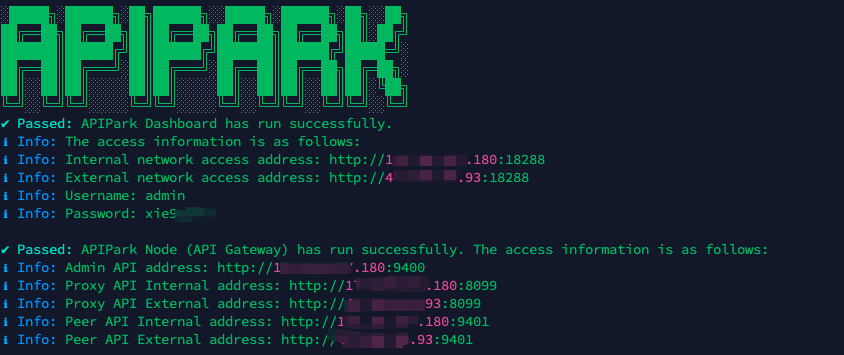
In my experience, you can see the successful deployment interface within 5 to 10 minutes. Then, you can log in to APIPark using your account.
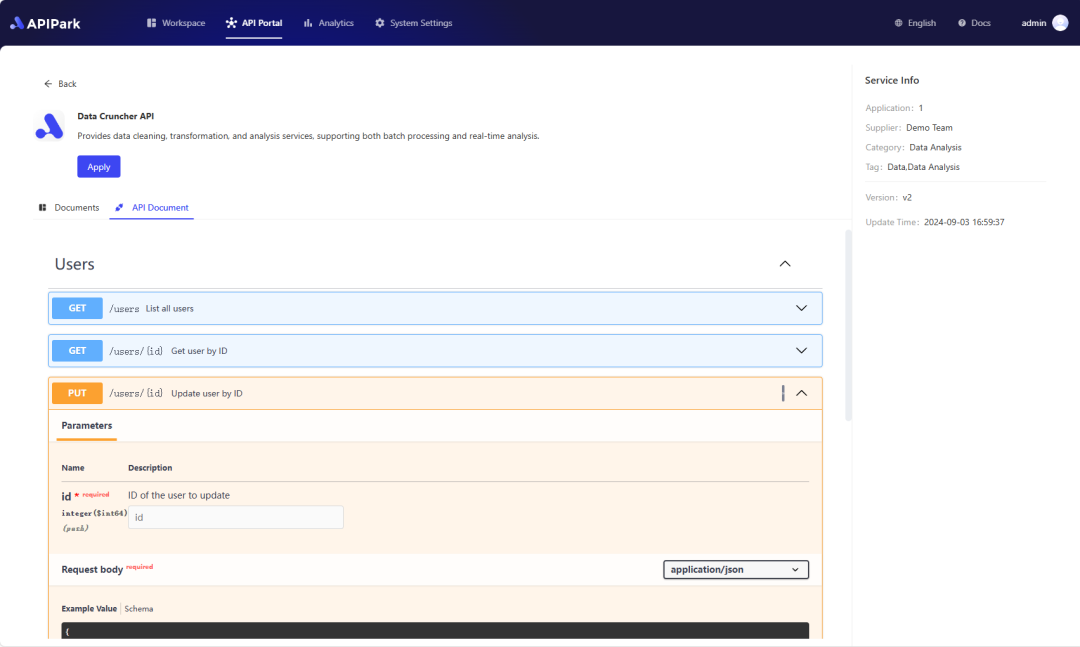
Step 2: Call the OpenAI API.