Decoding the Leaders: Gartner Magic Quadrant Companies


In the intricate and ever-evolving tapestry of the global technology market, discerning true innovation from fleeting trends can be an arduous task for enterprises. Decision-makers, navigating a labyrinth of vendor claims and diverse product offerings, often seek a compass to guide their strategic investments. This is precisely where the Gartner Magic Quadrant emerges as an indispensable analytical tool, offering a meticulously researched, qualitative assessment of the competitive landscape in specific technology markets. It serves as a visual snapshot, providing deep insights into the strengths and positioning of technology providers, allowing organizations to make informed decisions that align with their strategic objectives and operational realities. For decades, the Magic Quadrant has been a trusted benchmark, helping businesses worldwide identify the leaders, visionaries, challengers, and niche players in critical sectors, from cloud infrastructure to enterprise applications and specialized services.
The significance of achieving a position in the "Leaders" quadrant cannot be overstated. It is a coveted distinction, a testament to a vendor's comprehensive vision, robust execution capabilities, and profound impact on the market. These companies are not merely participants; they are market shapers, setting the pace for innovation, defining best practices, and often dictating the direction of future technological advancements. Their offerings are typically characterized by a broad portfolio, deep functionality, superior scalability, and a proven track record of customer success. Enterprises aspiring to leverage cutting-edge technology and secure a competitive advantage often turn to these Leaders, confident in their ability to deliver reliable, high-performance, and future-proof solutions. This article will meticulously decode the characteristics that propel companies into the esteemed Leaders quadrant of the Gartner Magic Quadrant, exploring the critical technological underpinnings and strategic imperatives that define their success. We will delve into how these market frontrunners harness foundational technologies like robust API management, including sophisticated api gateway solutions, and are now increasingly embracing next-generation innovations such as the AI Gateway, to maintain their market dominance and drive transformative business outcomes.
Understanding the Gartner Magic Quadrant: A Framework for Strategic Evaluation
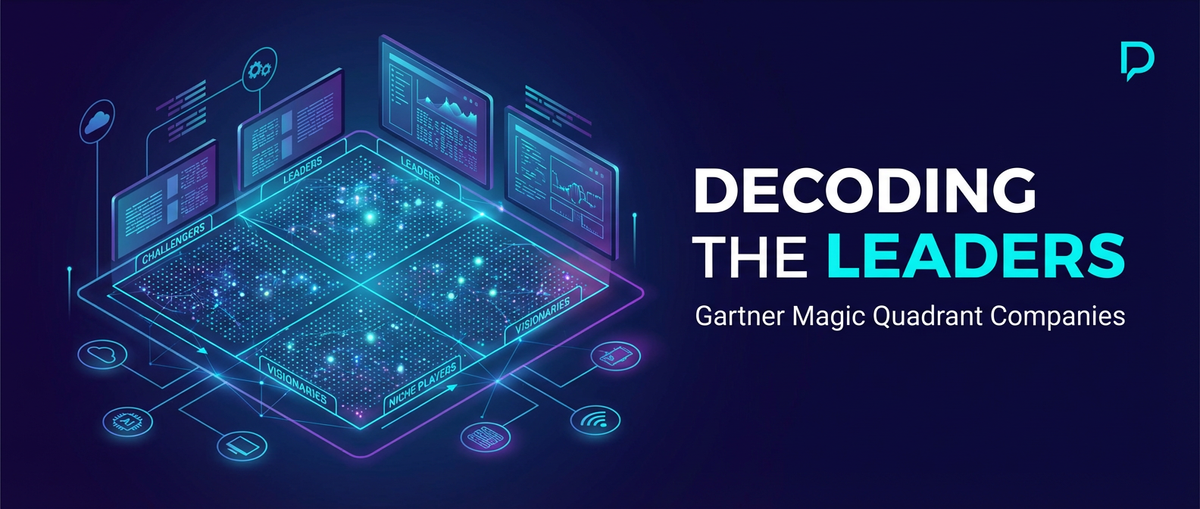
The Gartner Magic Quadrant is more than just a graph; it's a proprietary research methodology designed to provide a qualitative analysis of the market and its directions, maturity, and participants. It offers a broad overview of technology providers' relative positions in markets where growth is high and provider differentiation is distinct. This analytical framework is constructed around two primary axes: "Completeness of Vision" and "Ability to Execute," each representing a spectrum of critical evaluation criteria that Gartner analysts apply to each vendor within a defined market segment.
The Axes of Evaluation: Vision and Execution
Completeness of Vision measures how well a vendor understands the market's direction, its ability to innovate, and its strategic foresight. This axis assesses a provider's potential to influence the market's evolution and its capacity to anticipate future customer needs and technological shifts. Key criteria under this axis include:
- Market Understanding: Does the vendor comprehend buyer needs and translate them into products and services? Do they demonstrate a clear understanding of their competitors and the broader market dynamics?
- Marketing Strategy: How clearly articulated and effective is the vendor's strategy for reaching and influencing its target audience? This includes messaging, market awareness, and brand perception.
- Sales Strategy: The effectiveness of the vendor's approach to selling, including its channel strategy, sales methodologies, and overall go-to-market plan.
- Offering (Product) Strategy: The vendor's approach to product development and delivery, encompassing its feature set, architecture, scalability, and integration capabilities. This also includes their roadmap and commitment to innovation.
- Business Model: The soundness and viability of the vendor's business model, including pricing, revenue streams, and sustainability.
- Innovation: The vendor's commitment to research and development, its ability to introduce new and differentiated capabilities, and its influence on market direction.
- Geographic Strategy: The vendor's strategy to address the needs of various geographic regions, including localization, regional partnerships, and compliance with local regulations.
Ability to Execute focuses on a vendor's capacity to deliver on its vision and promises, demonstrating the tangible results of its strategies. This axis assesses the practical efficacy and operational excellence of a provider. Key criteria under this axis include:
- Product/Service: The quality, functionality, usability, and competitive differentiation of the vendor's offerings. This is about the concrete capabilities and performance of what they provide.
- Overall Viability: The vendor's financial health, organizational stability, and long-term commitment to the market. This includes considerations like employee retention, investment in future development, and revenue growth.
- Sales Execution/Pricing: The vendor's ability to sell effectively, its track record in winning new deals, customer acquisition costs, and the competitiveness of its pricing model.
- Market Responsiveness/Track Record: The vendor's ability to respond to changing market conditions, adapt to new challenges, and deliver consistent results over time. This also encompasses their history of product delivery and customer satisfaction.
- Customer Experience: The quality of the vendor's customer support, professional services, training, and overall satisfaction levels among its customer base. This is a critical indicator of reliability and trust.
- Operations: The efficiency of the vendor's internal processes, infrastructure, and ability to meet its commitments. This includes deployment capabilities, service level agreements (SLAs), and operational resilience.
The Four Quadrants: A Spectrum of Market Positions
These two axes divide the market into four distinct quadrants, each representing a different category of vendor:
- Leaders: Positioned in the upper-right quadrant, Leaders possess both a high "Completeness of Vision" and a strong "Ability to Execute." These vendors are typically mature, well-established, and offer robust, comprehensive solutions that are widely adopted. They are known for their strong market presence, innovation, and proven customer success. Companies in this quadrant are often the safest choice for enterprises seeking reliable, long-term partners. They influence the market direction and set the standard for others to follow.
- Challengers: Located in the upper-left quadrant, Challengers have a strong "Ability to Execute" but a lower "Completeness of Vision." These vendors often have a large customer base and significant market share, excelling at current product delivery. However, they might lack the visionary aspect of market innovation or a broad understanding of emerging trends. They are powerful competitors, but their future direction might be less clearly defined compared to Leaders.
- Visionaries: Found in the lower-right quadrant, Visionaries exhibit a high "Completeness of Vision" but a lower "Ability to Execute." These vendors are forward-thinking and innovative, often introducing disruptive technologies or novel approaches to existing problems. While they have a strong grasp of future market needs, their current product offerings might not yet be fully mature, or their market presence might be less established. They are often good choices for organizations willing to take a calculated risk on emerging technologies.
- Niche Players: Occupying the lower-left quadrant, Niche Players have a lower "Completeness of Vision" and a lower "Ability to Execute." These vendors often focus on a specific market segment, geographic region, or limited set of functionalities. While they might excel in their specialized area, their overall market impact is typically smaller. They can be suitable for organizations with very specific requirements that align perfectly with the niche vendor's offerings.
Why the "Leaders" Quadrant Matters
The "Leaders" quadrant holds immense significance for both vendors and buyers. For vendors, it is a validation of their strategic direction and operational excellence, providing a powerful marketing tool and a signal of their market authority. It attracts talent, investors, and potential customers, solidifying their reputation as reliable and innovative partners.
For enterprises, the Leaders quadrant acts as a critical filter, simplifying the complex vendor selection process. It provides a shorthand for identifying providers who:
- Offer Proven Solutions: Leaders have a track record of successful deployments and satisfied customers. Their products are typically mature, stable, and extensively tested in real-world scenarios.
- Possess Strategic Vision: They are not just reacting to market demands but are actively shaping the future of their respective industries, ensuring that their solutions remain relevant and cutting-edge.
- Provide Robust Support: Excellence in customer experience, technical support, and professional services is a hallmark of Leaders, critical for successful long-term partnerships.
- Ensure Long-Term Viability: Their financial stability and commitment to ongoing investment in research and development mean they are reliable partners for critical enterprise initiatives.
By understanding this rigorous evaluation framework, enterprises can critically assess Gartner's recommendations and apply them to their unique strategic context, ensuring that their technology investments are sound, forward-looking, and aligned with their business objectives. The insights gleaned from a Magic Quadrant report extend beyond a simple ranking; they offer a deep dive into the market dynamics, technological trends, and the strategic positioning of the key players defining the industry.
Key Technological Pillars of Modern Enterprise Leadership
The journey to becoming a Leader in the Gartner Magic Quadrant is paved with more than just a grand vision; it demands a relentless commitment to technological excellence and strategic innovation. Modern enterprises, particularly those striving for leadership, understand that their competitive edge hinges on their ability to adopt, integrate, and master a set of core technological pillars. These foundational technologies not only enable operational efficiency but also unlock new avenues for customer engagement, product innovation, and market expansion. Without a robust and adaptive technology stack, even the most brilliant business strategies can falter.
Cloud Computing and Hybrid IT: The Foundation of Agility
At the very bedrock of modern enterprise IT lies cloud computing. Leaders in every sector have not just embraced the cloud; they have integrated it as a fundamental component of their IT strategy, leveraging its inherent scalability, flexibility, and cost-efficiency. Public cloud platforms, with their pay-as-you-go models and vast service portfolios, allow enterprises to innovate rapidly, scale resources on demand, and significantly reduce capital expenditure. However, the reality for many large organizations is a complex ecosystem of legacy systems, sensitive data, and stringent regulatory requirements that necessitate a more nuanced approach. This is where hybrid IT strategies come into play, seamlessly blending public cloud services with private cloud infrastructure and on-premises data centers.
Gartner Magic Quadrant Leaders excel in offering solutions that thrive in these hybrid environments. Their platforms are designed for cloud-native deployments, often containerized and orchestrated with tools like Kubernetes, ensuring portability and consistent performance across diverse infrastructures. They provide robust management layers that abstract away the underlying complexity, allowing developers to focus on building applications rather than managing infrastructure. Furthermore, these leaders offer comprehensive security and compliance frameworks tailored for multi-cloud and hybrid deployments, addressing concerns around data sovereignty, regulatory adherence, and threat detection. Their solutions are engineered for resilience, ensuring high availability and disaster recovery across distributed environments, which is paramount for mission-critical enterprise applications that cannot afford downtime.
Data Analytics and AI/ML: Driving Intelligence and Innovation
In the digital age, data is often hailed as the new oil, and enterprises that can extract, refine, and leverage it effectively are the ones that command market leadership. Gartner Leaders demonstrate profound capabilities in data analytics and artificial intelligence/machine learning (AI/ML), transforming raw data into actionable insights that inform strategic decisions and drive innovation. Their platforms incorporate advanced analytics engines capable of processing massive datasets (big data), performing real-time analysis, and generating predictive models. This enables businesses to understand customer behavior with unprecedented granularity, optimize operational processes, identify emerging market trends, and even anticipate potential disruptions.
Furthermore, these leaders are at the forefront of integrating AI and ML capabilities directly into their product offerings. This isn't just about providing tools for data scientists; it's about embedding intelligence into every facet of the enterprise. Examples include AI-powered recommendations in e-commerce, predictive maintenance in industrial IoT, intelligent automation in business processes, and sophisticated fraud detection systems in financial services. Leaders invest heavily in democratizing AI, providing intuitive interfaces and low-code/no-code platforms that allow a broader range of users to build and deploy AI models. They also address the critical challenges of AI governance, ensuring models are fair, transparent, and compliant with ethical guidelines, which is becoming an increasingly important factor in responsible AI adoption.
Cybersecurity and Resilience: Protecting the Digital Frontier
As enterprises become increasingly digitalized and interconnected, the threat landscape expands exponentially. Cybersecurity is no longer an afterthought but a strategic imperative that underpins all digital initiatives. Gartner Magic Quadrant Leaders are distinguished by their holistic and proactive approach to cybersecurity and organizational resilience. They recognize that security is not a single product but an interwoven fabric of processes, technologies, and human expertise. Their solutions encompass a broad spectrum of capabilities, including advanced threat detection, identity and access management (IAM), data loss prevention (DLP), network security, endpoint protection, and cloud security posture management (CSPM).
Beyond defensive measures, Leaders also focus on resilience, enabling organizations to withstand, respond to, and recover from cyberattacks and other disruptive events with minimal impact. This includes robust backup and recovery strategies, business continuity planning, and sophisticated incident response frameworks. They often leverage AI and machine learning themselves to enhance threat intelligence, identify anomalous behavior, and automate responses, moving beyond signature-based detection to predict and prevent sophisticated zero-day attacks. Moreover, Leaders emphasize security by design, embedding security controls and best practices throughout the entire software development lifecycle (SDLC) and ensuring that their own platforms meet the highest security standards. Compliance with global regulations such as GDPR, HIPAA, and CCPA is also a non-negotiable aspect of their offerings, demonstrating a commitment to data privacy and regulatory adherence.
API Economy and Connectivity: The Interconnected Enterprise
Perhaps one of the most transformative shifts in modern enterprise architecture has been the rise of the API economy. Application Programming Interfaces (APIs) are the fundamental building blocks of modern digital services, acting as the connective tissue that allows disparate systems, applications, and services to communicate and exchange data seamlessly. From mobile apps interacting with backend systems to partners integrating their services, and even internal microservices communicating with each other, APIs are omnipresent. Gartner Leaders not only understand the importance of APIs but actively champion them, providing robust platforms that enable the design, publication, management, and consumption of APIs at scale.
The Indispensable Role of the API Gateway
At the heart of any mature API strategy lies the api gateway. This critical component acts as the single entry point for all API calls, sitting between the client and the backend services. Its functions are multifaceted and crucial for enterprise-grade API management:
- Security: An api gateway enforces security policies, including authentication (e.g., OAuth, API keys), authorization, and rate limiting to prevent abuse and protect backend services from malicious attacks. It can also encrypt traffic and validate API requests.
- Traffic Management: It handles request routing, load balancing, and traffic shaping, ensuring optimal performance and availability of services, especially under high load. This prevents individual backend services from being overwhelmed.
- Policy Enforcement: The api gateway applies various policies, such as caching to reduce latency and backend load, request/response transformation to standardize data formats, and logging for auditing and analytics.
- Monitoring and Analytics: It collects metrics on API usage, performance, and errors, providing valuable insights into API health, consumer behavior, and potential issues. This data is essential for optimization and capacity planning.
- Version Management: It facilitates graceful API versioning, allowing multiple versions of an API to coexist and be managed simultaneously, easing the transition for consumers when new versions are introduced.
Leaders provide sophisticated api gateway solutions that are highly scalable, secure, and developer-friendly. They offer features like visual policy editors, comprehensive developer portals, and deep integration with existing CI/CD pipelines, making it easy for organizations to manage their entire API lifecycle from design to deprecation.
The Emergence of the AI Gateway: Unifying AI Operations
While the traditional api gateway is essential for RESTful services, the burgeoning field of artificial intelligence introduces a new layer of complexity. Enterprises are increasingly integrating multiple AI models—from large language models (LLMs) to specialized computer vision or natural language processing (NLP) models—into their applications. Managing these diverse models, each with its own API, authentication methods, and data formats, can quickly become a monumental challenge. This is where the concept of the AI Gateway emerges as a transformative solution, serving as a specialized gateway designed to streamline and standardize the invocation and management of AI models.
An AI Gateway provides a unified interface for interacting with various AI services, abstracting away the underlying complexities of different model providers or deployment environments. It allows organizations to:
- Standardize AI Invocation: A key benefit is the ability to unify the request data format across all AI models. This means that changes in an underlying AI model, or even the choice of a different AI provider, do not necessitate changes in the application code. This significantly simplifies development, reduces maintenance costs, and promotes agility in AI strategy.
- Centralize Authentication and Cost Tracking: Managing access and monitoring usage costs for multiple AI services can be cumbersome. An AI Gateway centralizes authentication, authorization, and provides granular cost tracking for all AI model invocations, offering better governance and control.
- Prompt Encapsulation: For generative AI models, prompts are critical. An AI Gateway can encapsulate custom prompts with specific AI models, quickly creating new, specialized APIs (e.g., a sentiment analysis API, a translation API, or a data summarization API) without writing complex backend code. This accelerates the creation of AI-powered features.
- Lifecycle Management for AI Services: Just like traditional APIs, AI services need robust lifecycle management, from design and publication to invocation monitoring and decommission. The AI Gateway provides tools for versioning AI services, managing traffic forwarding, and load balancing across different model instances or providers.
In the burgeoning field of AI integration, solutions like ApiPark exemplify the innovative spirit required. As an open-source AI gateway and API management platform, APIPark addresses the complex challenges of managing AI models, offering unified invocation formats, prompt encapsulation, and robust lifecycle management for both AI and traditional REST services. Its capability to integrate over 100+ AI models, ensure performance rivaling Nginx (achieving over 20,000 TPS with modest resources), and provide detailed logging and powerful analytics positions it as a significant tool for enterprises looking to harness the power of AI efficiently and securely. APIPark’s emphasis on team sharing, independent tenant management, and approval-based access further strengthens its appeal for enterprise deployments, allowing for centralized display of all API services, streamlining API resource access and enhancing overall governance. It enables businesses to quickly trace and troubleshoot issues in API calls and analyze historical call data for preventive maintenance, ensuring system stability and data security. The ease of deployment, a single command line for quick start, highlights its user-centric design, making advanced API and AI management accessible to a wider range of developers and organizations.
The ability of Gartner Magic Quadrant Leaders to provide comprehensive, scalable, and secure api gateway and AI Gateway solutions is a defining characteristic of their market leadership. They enable enterprises to build highly interconnected, intelligent, and agile digital ecosystems, leveraging the full potential of both their existing services and emerging AI capabilities.
Strategic Characteristics of Gartner Magic Quadrant Leaders
Beyond their technological prowess, Gartner Magic Quadrant Leaders are defined by a set of overarching strategic characteristics that enable them to consistently innovate, execute, and maintain their market dominance. These are not merely operational advantages but fundamental pillars of their organizational philosophy, guiding their decisions and shaping their interactions with customers, partners, and the broader market. Understanding these strategic attributes provides a holistic view of what it truly means to be a market leader in the technology sector.
Innovation and Vision: Shaping the Future
Leaders are not content with merely reacting to market trends; they are proactive architects of the future. Their "Completeness of Vision" score reflects a deep commitment to research and development, often investing significant portions of their revenue back into innovating their product portfolio. This manifests in several ways:
- Anticipatory R&D: Leaders possess a keen ability to anticipate future customer needs and technological shifts, often investing in technologies years before they become mainstream. They are typically early adopters or even creators of next-generation solutions, consistently pushing the boundaries of what is possible. For instance, while others might still be refining traditional api gateway functionalities, Leaders are already exploring the frontiers of AI gateway technologies or quantum computing integrations.
- Disruptive Offerings: They are not afraid to disrupt their own established product lines if it means delivering superior value or opening up new market segments. This often involves making strategic bets on emerging paradigms like serverless computing, edge AI, or Web3 technologies.
- Thought Leadership: Leaders often publish extensive research, contribute to industry standards, and share their insights through whitepapers, conferences, and expert panels. This establishes them as authorities, influencing market discourse and guiding customer expectations. Their vision is not just internal; it shapes the entire industry's understanding of future possibilities.
This forward-thinking mindset ensures that their product roadmaps are robust and strategically aligned with long-term industry evolution, providing customers with solutions that are not only effective today but also future-proof.
Customer Centricity: Building Enduring Relationships
A core differentiator for Leaders is their unwavering focus on the customer. They understand that success is not just about selling a product, but about fostering long-term, mutually beneficial relationships. This customer-centric approach permeates every aspect of their organization:
- Deep Customer Understanding: Leaders invest heavily in understanding their customers' business challenges, operational workflows, and strategic goals. This often involves close collaboration, extensive feedback loops, and dedicated customer advisory boards.
- Exceptional Support and Services: From pre-sales consultations to post-implementation support, Leaders provide world-class customer service. This includes comprehensive documentation, responsive technical support, professional services for complex deployments, and ongoing training programs. The goal is to ensure customers maximize the value derived from their investments.
- Customer Success Programs: Beyond traditional support, Leaders often establish proactive customer success programs that monitor adoption, identify potential issues, and guide customers through optimization strategies. This ensures high retention rates and turns customers into advocates.
- Feedback Integration: Leaders have mature processes for capturing customer feedback and integrating it directly into their product development cycles. This agile response to user needs ensures that their offerings remain highly relevant and user-friendly, directly addressing pain points and enhancing usability.
By prioritizing customer satisfaction and success, Leaders build a loyal base that acts as a powerful testament to their "Ability to Execute" and their commitment to partnership.
Ecosystem and Partnerships: Amplifying Reach and Value
No single company can be an expert in everything. Gartner Magic Quadrant Leaders recognize the power of collaboration and actively cultivate a vibrant ecosystem of partners. These partnerships extend their reach, enhance their offerings, and provide more comprehensive solutions to customers:
- Strategic Alliances: Leaders forge deep strategic alliances with other technology providers, integrators, and industry specialists. This could involve co-developing solutions, ensuring seamless integrations, or jointly going to market to target specific industries or customer segments. For example, a cloud leader might partner with a specialized cybersecurity vendor or an industry-specific application provider.
- Developer Communities: They invest in building and nurturing robust developer communities around their platforms and APIs. This empowers external developers to build extensions, integrations, and complementary applications, vastly increasing the utility and stickiness of the core product. A strong developer community around an api gateway or AI gateway solution signifies a healthy and expanding ecosystem.
- Channel Partners: Leaders leverage extensive networks of channel partners, including resellers, distributors, and managed service providers (MSPs), to extend their market reach, particularly into new geographies or niche markets that might be challenging to address directly.
- Open Source Contributions: Many Leaders actively contribute to and participate in open-source projects. This not only demonstrates technical leadership and community engagement but also helps to drive innovation and establish de facto standards, as seen with platforms like APIPark being an open-source AI gateway.
These strategic collaborations allow Leaders to offer a more complete and integrated solution portfolio, providing customers with a holistic approach to their digital transformation journeys.
Global Reach and Scalability: Operating Without Borders
Modern enterprises operate in a globalized world, and their technology partners must be able to support operations across diverse geographies, regulatory environments, and market scales. Gartner Magic Quadrant Leaders exhibit profound capabilities in global reach and scalability:
- International Presence: They have established offices, support centers, and sales teams in key regions worldwide, providing localized services and cultural understanding. This includes offering multilingual support and adapting solutions to local market nuances.
- Cloud Infrastructure: Leveraging global cloud infrastructure providers, Leaders ensure that their platforms can be deployed and managed close to their customers, minimizing latency and maximizing performance. This also helps in addressing data residency requirements in various jurisdictions.
- Scalable Architecture: Their solutions are designed with scalability at their core, capable of handling exponential growth in user numbers, data volumes, and transaction throughput without compromising performance or stability. This is particularly crucial for technologies like the api gateway that sit at the core of massive digital interactions.
- Compliance Expertise: Leaders possess deep expertise in navigating the complex web of international regulations, data privacy laws (e.g., GDPR, CCPA, LGPD), and industry-specific compliance standards. They ensure their products and services meet these requirements, offering peace of mind to their global clientele.
The ability to operate and scale globally is a critical enabler for enterprises seeking to expand their own international footprint, relying on partners who can grow with them.
Product Breadth and Depth: Comprehensive Solutions
Rather than offering point solutions, Gartner Leaders provide comprehensive platforms that address a broad spectrum of enterprise needs within their market segment. Their products are characterized by both breadth (covering many related functions) and depth (offering rich, advanced capabilities within each function):
- Integrated Platforms: Leaders typically offer integrated suites of products and services that work seamlessly together, reducing the complexity of managing multiple disparate tools from different vendors. This often includes end-to-end solutions for processes like API lifecycle management, from design and testing to deployment and monitoring.
- Rich Functionality: Within each product, Leaders provide a deep set of features and advanced functionalities that cater to the most demanding enterprise requirements. This goes beyond basic capabilities, offering sophisticated customization options, granular controls, and intelligent automation.
- Modularity and Extensibility: While integrated, their platforms are often modular, allowing customers to adopt specific components as needed and easily extend functionality through APIs or third-party integrations. This flexibility ensures that solutions can be tailored to unique organizational structures and evolving needs.
- Vertical-Specific Solutions: Many Leaders develop industry-specific solutions or templates that address the unique challenges and compliance requirements of particular verticals (e.g., finance, healthcare, manufacturing), demonstrating a deep understanding of specialized use cases.
This combination of breadth and depth positions Leaders as strategic partners capable of supporting complex, multifaceted enterprise initiatives across various departments and business units.
Financial Viability and Stability: A Secure Foundation
Finally, the financial health and stability of a vendor are critical factors for long-term partnership, particularly for mission-critical enterprise systems. Leaders are typically well-funded, profitable, and demonstrate consistent growth:
- Strong Financial Performance: Gartner evaluates a vendor's financial stability, revenue growth, profitability, and access to capital. A strong financial footing ensures the vendor can continue to invest in R&D, maintain high levels of customer support, and withstand economic fluctuations.
- Sustainable Business Model: Leaders operate with sustainable business models, often recurring revenue streams, that support long-term innovation and operational excellence. This includes clear pricing structures and a focus on delivering measurable ROI for customers.
- Commitment to Longevity: Customers investing in enterprise-grade solutions require assurance that their vendor will be around for the long haul to provide ongoing support, updates, and future enhancements. Leaders typically have a proven track record of longevity and commitment to their market segment.
By assessing these strategic characteristics alongside technological capabilities, the Gartner Magic Quadrant provides a comprehensive lens through which enterprises can confidently identify and partner with the true leaders in their respective technology markets. These companies embody a rare combination of visionary thinking, operational excellence, and a deep commitment to customer success, making them invaluable allies in the relentless pursuit of digital transformation and sustained competitive advantage.
APIPark is a high-performance AI gateway that allows you to securely access the most comprehensive LLM APIs globally on the APIPark platform, including OpenAI, Anthropic, Mistral, Llama2, Google Gemini, and more.Try APIPark now! 👇👇👇
Illustrative Examples: The Embodiment of Leadership
To further concretize the abstract concepts of Gartner Magic Quadrant leadership, let's consider hypothetical scenarios or generalized examples across different technology markets. These illustrations will highlight how a blend of visionary technology—including advanced api gateway and AI gateway solutions—and strategic organizational attributes propels companies to the forefront of their industries. While these examples are generalized, they reflect the types of companies and strategies often seen in Gartner's Leaders quadrant.
Case Study 1: Cloud Infrastructure and Platform Services (CIPS) Leader
Imagine a dominant player in the Cloud Infrastructure and Platform Services (CIPS) Magic Quadrant. This company, let's call them "SkyNet Innovations," consistently ranks as a Leader due to its unparalleled ability to execute and its far-reaching vision.
Technological Prowess: SkyNet Innovations offers a comprehensive suite of cloud services, ranging from compute, storage, and networking to advanced data analytics, serverless functions, and machine learning platforms. Their foundational infrastructure is built for extreme scalability and resilience, supporting multinational corporations with diverse and demanding workloads. Crucially, SkyNet Innovations provides a highly sophisticated and fully managed api gateway service, deeply integrated with all their cloud services. This api gateway acts as the central nervous system for millions of API calls daily, ensuring robust security through advanced threat detection, dynamic rate limiting, and seamless integration with their IAM services. It enables customers to expose their microservices and data securely, with granular control over access and performance.
Beyond traditional APIs, SkyNet Innovations was an early mover in the AI gateway space. They recognized that while their cloud offered powerful AI/ML services, customers struggled with integrating diverse models, managing prompts, and standardizing invocation. Their proprietary AI gateway solution provides a unified endpoint for accessing various first-party and third-party AI models hosted on their platform. It automatically handles prompt engineering, response parsing, and provides advanced features like model versioning, A/B testing for AI model deployment, and detailed cost attribution for AI inference. This allows their enterprise customers to switch between different large language models or specialized AI services with minimal code changes, drastically accelerating AI adoption and reducing operational overhead. The gateway also features powerful analytics, giving developers insights into AI model performance, usage patterns, and potential biases, reinforcing responsible AI practices.
Strategic Characteristics: SkyNet Innovations’ leadership stems from several strategic factors:
- Unrivaled R&D Investment: They pour billions into R&D annually, constantly launching new services and enhancing existing ones, often anticipating market demands years in advance. Their vision for "Ambient Intelligence" – where AI is seamlessly integrated into every digital interaction – drives their innovation pipeline.
- Developer-First Ecosystem: They have cultivated an enormous global developer community through extensive documentation, SDKs, open-source contributions, and a vibrant marketplace. This ecosystem fuels innovation and ensures that customers can easily find talent and tools compatible with SkyNet Innovations.
- Global Footprint and Compliance: With data centers in virtually every major global region, they cater to stringent data residency and sovereignty requirements. Their deep expertise in global compliance (GDPR, HIPAA, SOC 2, etc.) allows enterprises to migrate sensitive workloads with confidence.
- Customer-Obsessed Support: Their enterprise support model is renowned, offering dedicated account managers, technical architects, and 24/7 premium support, ensuring high customer satisfaction and minimal downtime for mission-critical applications.
This combination of an innovative and comprehensive cloud platform, stellar api gateway and AI gateway solutions, and a customer-centric global strategy firmly positions SkyNet Innovations as a Leader.
Case Study 2: Enterprise Integration Platform as a Service (EiPaaS) Leader
Consider "ConnectBridge Solutions," a consistent Leader in the Enterprise Integration Platform as a Service (EiPaaS) Magic Quadrant. ConnectBridge's strength lies in its ability to seamlessly connect disparate applications, data sources, and business processes across complex enterprise environments.
Technological Prowess: ConnectBridge offers a robust, cloud-native EiPaaS that supports a vast array of integration patterns, including application-to-application, B2B, cloud-to-on-premises, and IoT integration. At its core, ConnectBridge features a highly advanced and resilient api gateway that is integral to its integration flows. This api gateway manages all inbound and outbound API traffic for the entire platform, providing centralized governance, security policies, and performance monitoring for hundreds of thousands of integrations. It ensures that every data exchange, whether internal or external, adheres to strict security protocols, often performing real-time data transformations and validations.
Recognizing the growing imperative for AI integration, ConnectBridge has extended its platform with an innovative AI gateway component. This allows enterprises to easily infuse AI capabilities into their existing integration workflows. For example, a customer relationship management (CRM) system can connect to an AI sentiment analysis model (managed through the AI gateway) to evaluate customer feedback in real-time, then route positive or negative feedback to different support queues or trigger automated responses. The AI gateway abstracts the complexities of managing various AI model APIs, providing a standardized interface for developers to integrate machine learning inference into their business processes, regardless of the underlying AI provider. It also offers features like AI model lineage tracking and explainability, crucial for auditing and compliance in regulated industries.
Strategic Characteristics: ConnectBridge’s strategic advantages include:
- Breadth and Depth of Connectors: They offer an unparalleled library of pre-built connectors for hundreds of enterprise applications, databases, and cloud services, drastically reducing integration time and complexity for customers.
- Low-Code/No-Code Empowerment: Their platform emphasizes ease of use with intuitive drag-and-drop interfaces and low-code integration capabilities, democratizing integration for citizen integrators while still providing powerful tools for professional developers.
- Robust Governance and Monitoring: ConnectBridge provides comprehensive dashboards for monitoring the health, performance, and security of all integrations, with AI-driven anomaly detection to preemptively identify and resolve issues. Their governance framework ensures compliance and auditability across all integration points, especially vital for their api gateway and AI gateway offerings.
- Hybrid Integration Capabilities: They excel in enabling seamless data flows between on-premises legacy systems and modern cloud applications, addressing the hybrid IT realities of large enterprises.
By providing a powerful, comprehensive, and user-friendly EiPaaS, underpinned by sophisticated api gateway and AI gateway technologies, ConnectBridge Solutions empowers enterprises to build a truly connected and intelligent digital ecosystem, earning its spot as a Leader.
Example Table: Key Feature Comparison for API/AI Gateways
To illustrate the detailed capabilities that Leaders offer in the api gateway and AI gateway space, here's a comparative table of advanced features that might differentiate top-tier solutions from basic offerings:
| Feature Category | Basic API Gateway Offering | Leader-level API Gateway Offering | Leader-level AI Gateway Offering (Specialized) |
|---|---|---|---|
| Core Functions | Request routing, basic authentication, rate limiting. | Advanced routing (path, header, query based), circuit breakers, request/response transformation, caching. | AI model routing, unified AI invocation format, prompt encapsulation (e.g., for LLMs), AI model versioning. |
| Security | API key authentication, simple access control. | OAuth2, JWT validation, IP whitelisting/blacklisting, WAF integration, advanced threat protection, anomaly detection. | AI-specific access control (per model/endpoint), data masking for sensitive AI inputs/outputs, PII detection. |
| Performance | Manual scaling, basic load balancing. | Auto-scaling based on traffic/load, intelligent load balancing (e.g., weighted, sticky sessions), performance tuning. | AI model inference optimization, asynchronous AI invocation, batch processing for AI, hardware acceleration integration. |
| Management | Basic dashboard, manual policy configuration. | Centralized policy management (declarative), visual policy editor, CI/CD integration, developer portal. | AI model lifecycle management (publish, deprecate), AI service catalog, integration with MLOps pipelines. |
| Monitoring & Analytics | Request count, error rates. | Real-time analytics dashboards, custom metrics, detailed transaction logs, alerting, integration with SIEM. | AI model usage analytics, cost tracking per AI model/user, latency monitoring for AI inference, bias detection (experimental). |
| Extensibility | Limited plugin support. | Custom plugin framework, WebAssembly support, scripting for custom logic, integration with serverless functions. | Dynamic prompt injection, custom AI model integration (e.g., bring-your-own-model), integration with vector databases. |
| Deployment Options | On-premises, basic cloud VMs. | Hybrid cloud, multi-cloud, Kubernetes-native, serverless deployment. | Containerized AI model deployment, edge AI gateway support, distributed inference across regions. |
| Value Add | Simple API exposure. | API monetization, partner ecosystem enablement, fraud prevention, regulatory compliance features. | AI skill marketplace, intelligent automation workflows, ethical AI governance tooling, explainable AI (XAI) features. |
This table underscores that Leaders don't just offer functional solutions; they provide comprehensive, advanced, and often innovative capabilities that solve complex enterprise problems, whether it's managing a vast array of traditional APIs or navigating the nuanced world of AI model integration. Their offerings are designed for scale, security, and strategic advantage, enabling enterprises to build future-ready digital foundations.
Challenges and Future Trends for Leaders
Even for Gartner Magic Quadrant Leaders, the journey is one of perpetual motion, fraught with new challenges and continuously evolving technological frontiers. Maintaining a leadership position is often more demanding than achieving it, requiring constant vigilance, strategic adaptation, and an unwavering commitment to innovation. The very qualities that define their leadership – vision and execution – must be continually sharpened to navigate an increasingly complex and rapidly changing digital landscape.
The Relentless Pressure to Innovate and Adapt
The primary challenge for Leaders is the inherent paradox of success: past achievements can sometimes breed complacency, while the market demands ceaseless innovation. Challengers and Visionaries are constantly nipping at their heels, often specializing in emerging technologies or offering more agile, cost-effective solutions in specific niches. Leaders must therefore:
- Avoid Stagnation: They cannot rest on their laurels. Continuous investment in R&D, fostering a culture of experimentation, and being willing to cannibalize their own successful products are crucial for staying ahead. This means actively exploring next-generation paradigms, even before they reach widespread adoption.
- Balance Core and Edge Innovation: Leaders must simultaneously maintain and enhance their core, established product lines (which generate significant revenue) while investing in nascent, potentially disruptive technologies at the edge. Striking this balance is critical, as neglecting either can lead to market erosion.
- Respond to Shifting Customer Needs: Customer expectations are constantly rising, driven by advancements in consumer technology and the accelerating pace of digital transformation. Leaders must not only meet these evolving needs but anticipate them, offering solutions that proactively address future pain points. This might mean rapidly integrating new features into their api gateway or significantly expanding the capabilities of their AI gateway to support unforeseen AI models or interaction patterns.
Emerging Technologies: The Next Wave of Disruption
Several emerging technologies are poised to reshape the digital landscape, presenting both opportunities and existential threats for current Leaders. These include:
- Quantum Computing: While still in its nascent stages, quantum computing has the potential to solve problems currently intractable for classical computers. Leaders need to monitor its progress, understand its implications for cryptography and data processing, and potentially invest in quantum-safe algorithms or early-stage quantum solutions.
- Web3 and Decentralized Technologies: Blockchain, decentralized autonomous organizations (DAOs), and non-fungible tokens (NFTs) are foundational to Web3. These technologies could fundamentally alter how data is owned, exchanged, and secured. Leaders must assess how these decentralized paradigms might impact their existing centralized services, particularly their api gateway and data management offerings, and how they can participate in or even shape this new internet.
- Advanced Edge Computing: As IoT devices proliferate and real-time processing becomes critical, the shift of computation closer to the data source (the "edge") will accelerate. Leaders must enhance their offerings to support distributed architectures, lightweight gateway solutions for edge devices, and enable AI inference directly at the edge, reducing latency and bandwidth consumption. This requires rethinking data synchronization, security, and management paradigms for highly distributed environments.
- Spatial Computing and Metaverse: The development of augmented reality (AR), virtual reality (VR), and mixed reality (MR) technologies, collectively forming the basis of the metaverse, will create new interaction models and demand for real-time, immersive experiences. Leaders in cloud, AI, and connectivity will need to provide the underlying infrastructure, rendering capabilities, and API frameworks to power these complex environments.
Ethical AI and Data Governance: The Imperative for Responsibility
As AI becomes more pervasive, the ethical implications and governance challenges are growing in prominence. Leaders are under increasing scrutiny to ensure their AI technologies are developed and deployed responsibly. This includes:
- Fairness and Bias Mitigation: Ensuring AI models are fair, unbiased, and do not perpetuate or amplify societal inequities. Leaders must invest in tools and methodologies for detecting and mitigating bias in training data and model outputs, especially crucial for AI gateway solutions that abstract model interactions.
- Transparency and Explainability (XAI): Providing clear insights into how AI models arrive at their decisions. This is vital for trust, compliance, and debugging, particularly in regulated industries where accountability is paramount. Leaders must integrate Explainable AI (XAI) features into their platforms.
- Privacy and Data Security: With AI models often requiring vast amounts of data, protecting user privacy and securing sensitive information remains a critical concern. Leaders must implement robust data governance frameworks, privacy-preserving AI techniques (e.g., federated learning, differential privacy), and stringent security measures within their AI platforms and AI gateway infrastructure.
- Regulatory Compliance: Governments worldwide are developing new regulations for AI (e.g., the EU AI Act). Leaders must proactively adapt their products and practices to comply with these evolving legal and ethical standards, demonstrating leadership not just in technology, but in responsible stewardship.
The future for Gartner Magic Quadrant Leaders is not just about technological advancement; it's about navigating these complex challenges with foresight, agility, and a strong sense of ethical responsibility. Those who successfully blend groundbreaking innovation with robust execution and a commitment to responsible technology will not only maintain their leadership but also define the contours of the digital future.
Conclusion
The Gartner Magic Quadrant stands as an enduring beacon for enterprises navigating the tumultuous seas of technological innovation. It distills complex market dynamics into a digestible, actionable framework, providing invaluable insights into the strategic positioning and operational excellence of technology vendors. For companies aspiring to secure a sustainable competitive advantage, understanding the criteria and characteristics that define a "Leader" in these reports is paramount. These organizations are not merely providers; they are architects of the future, demonstrating an unparalleled fusion of visionary thinking and impeccable execution.
As we have meticulously explored, the path to Magic Quadrant leadership is paved with several critical elements. Technologically, it demands mastery over foundational pillars such as scalable cloud computing, insightful data analytics, pervasive cybersecurity, and critically, a sophisticated command of the api economy. The modern enterprise, striving for agility and interconnectedness, relies heavily on robust api gateway solutions to secure, manage, and optimize its digital interactions. Furthermore, the burgeoning era of artificial intelligence necessitates the evolution of these foundational components, giving rise to specialized solutions like the AI Gateway, which streamlines the complex orchestration of diverse AI models, ensuring unified invocation, simplified management, and accelerated AI adoption. Products like ApiPark exemplify this forward-thinking approach, offering an open-source AI gateway and API management platform that addresses these contemporary challenges with a focus on ease of integration, performance, and comprehensive lifecycle governance.
Beyond the technological stack, Gartner Leaders distinguish themselves through a constellation of strategic attributes. Their relentless commitment to innovation and foresight enables them to shape, rather than merely react to, market trends. A profound dedication to customer centricity fosters deep, enduring relationships, while strategic partnerships and a thriving ecosystem amplify their reach and value proposition. Global scalability ensures their solutions can meet the demands of enterprises worldwide, and a rich, deep product portfolio addresses a comprehensive spectrum of needs. All of this is underpinned by robust financial viability, assuring customers of a stable and reliable long-term partnership.
In an environment where digital transformation is no longer an option but an imperative, enterprises must critically evaluate their technology partners. By aligning with Gartner Magic Quadrant Leaders, organizations gain access to proven, cutting-edge solutions that are backed by strategic vision and operational excellence. These Leaders not only equip businesses with the tools to navigate today's challenges but also empower them to proactively shape their own future, driving innovation, enhancing efficiency, and securing their place at the forefront of their respective industries. The insights gleaned from the Magic Quadrant are not just a snapshot; they are a strategic roadmap for making informed decisions that propel businesses toward sustained growth and market dominance in an ever-evolving digital world.
5 Frequently Asked Questions (FAQs)
1. What is the Gartner Magic Quadrant and why is it important for enterprises? The Gartner Magic Quadrant is a series of market research reports that provide a qualitative analysis of the competitive landscape in specific technology markets. It evaluates technology providers based on two main criteria: "Completeness of Vision" and "Ability to Execute," positioning them into four quadrants: Leaders, Challengers, Visionaries, and Niche Players. It's important for enterprises because it acts as a trusted guide for making informed technology purchasing decisions, helping them identify vendors that align with their strategic needs, innovation goals, and operational requirements, particularly highlighting market leaders and innovators.
2. What characteristics define a "Leader" in the Gartner Magic Quadrant? Gartner Magic Quadrant Leaders are characterized by both a high "Completeness of Vision" and a strong "Ability to Execute." This means they not only have a clear understanding of market direction and a robust innovation strategy but also demonstrate excellent product delivery, customer experience, sales execution, and overall viability. They are typically mature, well-established vendors offering comprehensive, scalable, and reliable solutions that are widely adopted and actively shape the market.
3. How do API Gateway solutions contribute to a company's leadership position? API Gateway solutions are crucial for leadership because they are fundamental to the modern API economy, enabling secure, scalable, and efficient management of digital interactions. A sophisticated API Gateway provides essential functionalities like security (authentication, authorization, rate limiting), traffic management (routing, load balancing), policy enforcement (caching, transformation), and detailed monitoring. By providing a robust gateway for their digital services, companies enhance developer experience, ensure performance, and protect backend systems, all of which are critical for market success and customer satisfaction.
4. What is an AI Gateway and why is it becoming increasingly important for enterprises? An AI Gateway is a specialized gateway designed to manage and standardize the invocation of various artificial intelligence models (like LLMs, NLP, computer vision). It provides a unified interface, abstracting away the complexities of different AI model APIs, authentication methods, and data formats. It's increasingly important because enterprises are integrating multiple AI models into their operations, and an AI Gateway simplifies this process, reduces development and maintenance costs, centralizes AI model management, ensures consistent performance, and enables features like prompt encapsulation and AI model versioning, accelerating responsible AI adoption and innovation.
5. How can an open-source solution like APIPark help enterprises with API and AI management? An open-source solution like APIPark can significantly help enterprises by providing a flexible, cost-effective, and transparent platform for managing both traditional APIs and AI models. As an open-source AI gateway and API management platform, APIPark offers key features such as quick integration of 100+ AI models, a unified API format for AI invocation, prompt encapsulation into REST APIs, and end-to-end API lifecycle management. Its open-source nature allows for greater customization and community support, while its robust performance, detailed logging, and powerful data analysis capabilities ensure enterprise-grade reliability and security, democratizing advanced API and AI governance for businesses of all sizes.
🚀You can securely and efficiently call the OpenAI API on APIPark in just two steps:
Step 1: Deploy the APIPark AI gateway in 5 minutes.
APIPark is developed based on Golang, offering strong product performance and low development and maintenance costs. You can deploy APIPark with a single command line.
curl -sSO https://download.apipark.com/install/quick-start.sh; bash quick-start.sh

In my experience, you can see the successful deployment interface within 5 to 10 minutes. Then, you can log in to APIPark using your account.

Step 2: Call the OpenAI API.