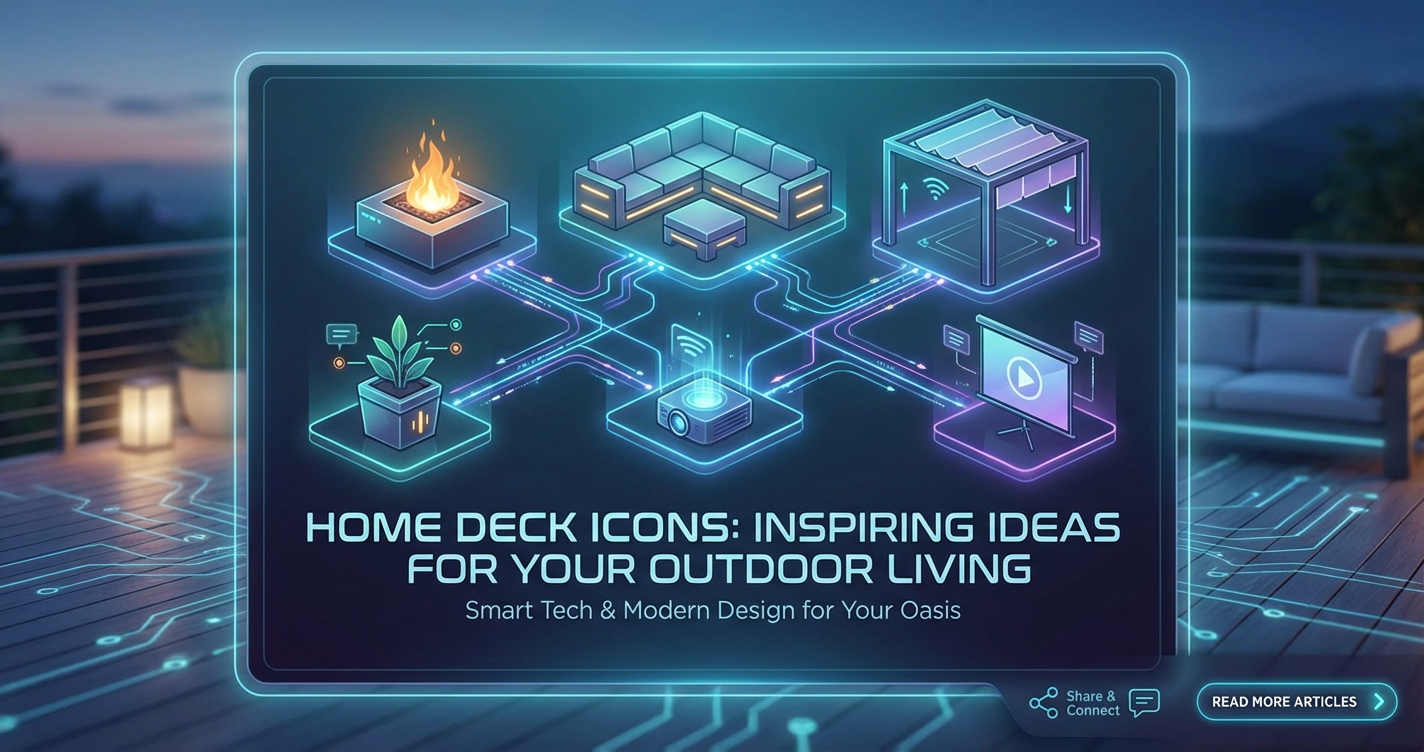
Home Deck Icons: Inspiring Ideas for Your Outdoor Living
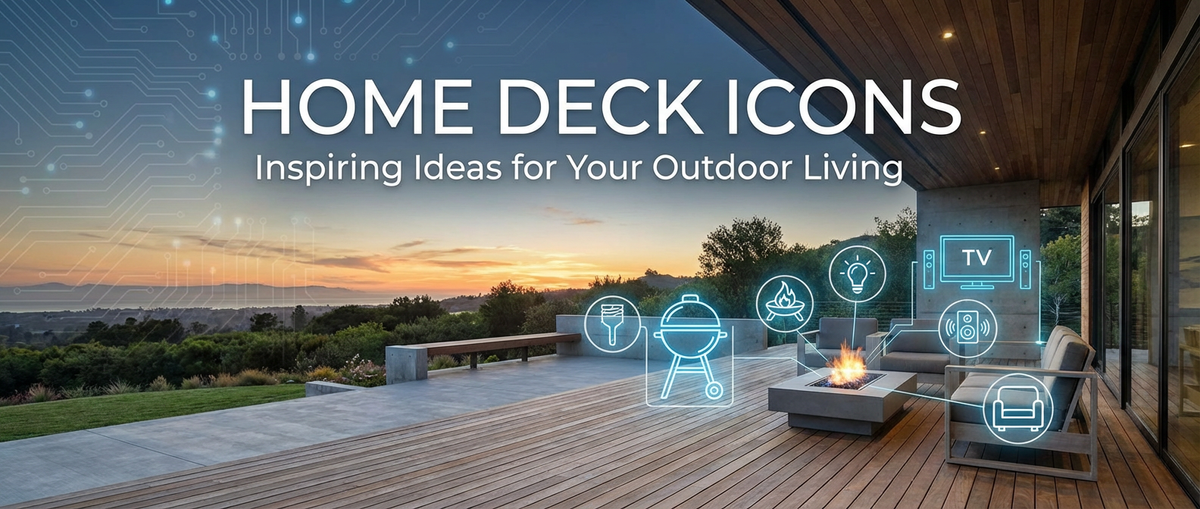


The allure of the outdoor living space is undeniable, transforming a mere backyard into an extension of the home’s comfort and style. At the heart of this transformation often lies the deck – a versatile platform that invites relaxation, entertainment, and connection with nature. More than just a collection of planks, an iconic home deck is a meticulously crafted sanctuary, a testament to thoughtful design and the pursuit of an enriched lifestyle. It's a place where memories are forged, sunrises are savored, and evenings are lingered over under a canopy of stars. This comprehensive exploration delves into the world of "Home Deck Icons," uncovering inspiring ideas that transcend fleeting trends to establish timeless outdoor havens, examining everything from foundational design principles and material choices to integrated features and the subtle nuances that elevate a simple structure into a cherished outdoor landmark.
The Philosophy of the Outdoor Icon: What Elevates a Deck?
What truly makes a deck iconic? It's a question that goes beyond mere aesthetics or size. An iconic deck embodies a harmonious blend of form and function, seamlessly integrating with its natural surroundings while reflecting the unique personality and needs of its inhabitants. It's about creating a sense of place, a destination within the home that evokes emotion and provides a distinct experience. From a philosophical standpoint, an iconic deck is a testament to human ingenuity and our innate desire to connect with the outdoors, offering a curated viewpoint and a comfortable platform from which to appreciate the beauty of our environment. It’s a space that feels intentional, where every detail, from the grain of the wood to the direction of a vista, contributes to a cohesive and inspiring narrative. These spaces often become focal points for family gatherings, quiet contemplation, or vibrant social events, enriching daily life and serving as a backdrop for countless cherished moments. The enduring quality of an iconic design lies in its ability to inspire, to function flawlessly, and to maintain its aesthetic appeal through changing seasons and evolving personal styles, proving that true beauty is both timeless and deeply personal.
Chapter 1: Elevated Escapes – Multi-Level Deck Designs
For homes perched on slopes or those boasting expansive backyards, multi-level deck designs offer a dramatic and highly functional solution, transforming a simple outdoor area into a dynamic architectural statement. These elevated escapes create distinct zones, each serving a unique purpose while maintaining a visual flow that encourages exploration and movement. Imagine a main dining area on the upper tier, seamlessly accessible from the kitchen, offering panoramic views of the garden or beyond. A few steps down, a more intimate lounge area might unfold, perhaps equipped with comfortable seating and a cozy fire pit, perfect for evening gatherings. Further still, a lower tier could host a private hot tub sanctuary or a dedicated sunbathing zone, tucked away for ultimate relaxation. The beauty of multi-level designs lies in their ability to maximize usable space on uneven terrain, turning what might otherwise be a challenging landscape into an opportunity for creative expression.
The design of stairs and railings becomes paramount in multi-level decks, not just for safety but also as key aesthetic elements. Wide, sweeping staircases can act as grand entrances, while strategically placed landings offer additional seating or display areas for planters and decorative elements. Railings, whether crafted from elegant glass panels that preserve views, robust metal balusters offering modern appeal, or classic wooden spindles providing timeless charm, play a crucial role in defining the character of each level. Careful planning ensures that each tier relates harmoniously to the others, forming a cohesive outdoor living environment that feels both expansive and inviting. Furthermore, integrating subtle lighting into steps and along railings can transform the deck's ambiance after dusk, guiding movement and highlighting architectural features, ensuring the space remains functional and enchanting long after the sun sets, creating a truly luxurious and versatile outdoor experience.
Chapter 2: Seamless Transitions – Ground-Level & Floating Decks
In contrast to the grandeur of elevated structures, ground-level and floating decks champion the philosophy of seamless integration, blurring the lines between interior and exterior living spaces. These designs are particularly well-suited for homes with walk-out basements or those on flat plots where a raised structure isn isn't necessary, or even desirable. A ground-level deck, by its very nature, invites an effortless transition from the indoors to the garden, often feeling like a natural extension of a patio or lawn. This accessibility is a major advantage, making the space feel open, welcoming, and inherently connected to the surrounding landscape, ideal for families with young children or those seeking barrier-free access.
Floating decks, a sophisticated variant of ground-level designs, take this concept a step further by appearing to hover just above the ground, often without visible supports or railings on all sides (where code allows and safety permits). This creates an exceptionally modern and minimalist aesthetic, allowing the deck to recede into the landscape and emphasize the surrounding greenery or architectural features of the home. Material choices are critical for these designs; expansive, uniform decking boards in rich hardwoods, durable composites, or even elegant stone tiles can enhance the sense of unbroken flow. Landscaping around ground-level and floating decks is equally important, often incorporating soft plantings, decorative gravel, or subtle lighting to frame the deck and reinforce its connection to the earth, making it feel less like an addition and more like an organic part of the environment. The result is an understated elegance that prioritizes openness, accessibility, and a profound connection to the immediate outdoor world, fostering a serene and harmonious living experience.
Chapter 3: The Hearth of the Outdoors – Decks with Fire Features
There's an primal allure to fire that transcends seasons, making a deck integrated with a fire feature an undeniable "icon" of outdoor living. Whether it's a crackling fire pit, a majestic outdoor fireplace, or a sleek, modern linear fire table, the presence of flame instantly transforms a deck into a cozy gathering spot, an outdoor hearth where stories are shared and memories are kindled. A fire pit, perhaps the most common iteration, offers a communal focal point, drawing guests together in a warm embrace, perfect for roasting marshmallows or simply enjoying the mesmerizing dance of the flames. Integrated directly into the deck surface, or as a standalone piece with surrounding built-in seating, it becomes the heart of evening entertainment.
Outdoor fireplaces, on the other hand, lend a more architectural and substantial presence, often mimicking their indoor counterparts with grand stone or brick facades. These structures provide not only warmth and ambiance but also a significant visual anchor for the deck, offering privacy and a backdrop for outdoor furnishings. They can be equipped with mantels for decorative displays or even built-in wood storage, enhancing their functionality and aesthetic appeal. Modern linear fire tables, fueled by natural gas or propane, offer a contemporary twist, providing clean lines and instant warmth without the hassle of wood. Regardless of the chosen style, meticulous planning for safety is paramount, including proper clearances from combustible materials, adequate ventilation, and easily accessible shut-off valves. When thoughtfully designed, a fire feature elevates the deck from a simple platform to a year-round destination, extending the usability of the outdoor space well into cooler evenings and colder months, ensuring warmth, charm, and an inviting glow that beckons relaxation and conversation.
Chapter 4: Culinary Corners – Decks Designed for Outdoor Kitchens & Dining
For many, the ultimate outdoor living experience includes the joy of al fresco dining and entertaining, making decks designed with dedicated culinary corners true icons of hospitality. Moving beyond a simple grill, a full outdoor kitchen transforms the deck into a fully functional gastronomic hub, allowing hosts to prepare and serve entire meals without ever stepping inside. These sophisticated setups can include integrated grills, side burners, refrigerators, sinks, ample counter space for prep work, and even pizza ovens or smokers, creating a chef's paradise under the open sky. The convenience of having everything at arm's reach while socializing with guests is a luxury that truly enhances the outdoor entertaining experience.
Ergonomics and material durability are key considerations when designing an outdoor kitchen. Countertops must withstand the elements, with choices ranging from weather-resistant granite and quartz to more industrial stainless steel or concrete. Cabinetry needs to be equally robust, often constructed from marine-grade polymers, stainless steel, or treated hardwoods that can endure temperature fluctuations and moisture. Proper utility integration, including plumbing for sinks and gas lines for grills, requires meticulous planning during the initial construction phase to ensure seamless operation and safety. Beyond the cooking zone, a well-designed outdoor dining area complements the culinary corner, featuring comfortable seating and a generously sized table that accommodates both intimate family meals and larger gatherings. Whether it’s a rustic farmhouse table, a sleek modern ensemble, or built-in banquet seating, the dining space becomes a central stage for shared meals and memorable conversations. These culinary-centric decks not only enhance the functionality of the outdoor space but also elevate the entire dining experience, making every meal a special occasion immersed in the beauty of the outdoors.
Chapter 5: Water Wonders – Decks Integrating Pools, Spas, or Water Features
Integrating water elements into deck design epitomizes luxury and leisure, transforming an outdoor space into a personal resort. Decks that seamlessly merge with pools, hot tubs, or sophisticated water features are unequivocally iconic, offering both visual splendor and an abundance of recreational opportunities. A deck built around a swimming pool acts as an expansive lounging area, providing easy access to the water for a refreshing dip on a hot day, and ample space for sunbathing, reading, or supervising children. The transition from deck to pool should feel natural and safe, often achieved through thoughtful edge detailing, non-slip surfaces, and integrated steps or ladders.
Hot tubs and spas, whether sunken into the deck for a sleek, integrated look or positioned adjacent to it, create an inviting sanctuary for relaxation and therapeutic enjoyment. Surrounding the spa with built-in seating or privacy screens enhances the sense of seclusion and comfort, making it a perfect spot for unwinding after a long day or enjoying a quiet moment with loved ones. Beyond recreational water, decorative water features like fountains, koi ponds, or cascading waterfalls can add a tranquil auditory and visual dimension to the deck. The gentle sound of trickling water promotes a sense of calm and serenity, enhancing the overall ambiance of the outdoor space. However, integrating water elements presents unique design and structural challenges. Moisture management is paramount to prevent rot and structural damage to the deck, requiring careful flashing, drainage, and material selection. Structural integrity must be rigorously engineered to support the immense weight of filled pools or spas. Safety considerations, especially with children and pets, dictate the need for secure fencing, gates, and non-slip surfaces. When these challenges are expertly navigated, the synergy of a deck with a water feature creates an unparalleled oasis, a truly immersive outdoor experience that delights the senses and offers endless opportunities for enjoyment and rejuvenation.
Chapter 6: Covered Comforts – Pergolas, Gazebos, and Covered Decks
Extending the usability of a deck beyond fair-weather days requires thoughtful consideration of shelter, making covered comforts like pergolas, gazebos, and fully covered decks truly iconic additions. These structures provide essential protection from the elements, whether it's the harsh midday sun, an unexpected drizzle, or even light snow, thereby significantly expanding the time spent enjoying the outdoor space. A pergola, with its open lattice roof, offers a graceful balance of shade and sunlight, allowing dappled light to filter through while providing a sense of enclosure without feeling entirely walled off. It's an ideal structure for training climbing plants like wisteria or grapevines, which further enhance its natural beauty and provide additional natural shade, creating a living ceiling that evolves with the seasons. Pergolas can range from rustic timber constructions to sleek, modern metal designs, adaptable to any architectural style.
Gazebos, with their more enclosed and often octagonal or circular form, offer a more substantial and traditional shelter, typically featuring a solid roof and often built-in seating. They create a distinct outdoor room, a charming focal point within the landscape that provides a cozy retreat for intimate conversations or quiet contemplation. For those seeking maximum protection and an outdoor space that truly mirrors an indoor room, a fully covered deck offers the ultimate solution. These designs often feature solid roofs that match the home’s architecture, providing complete shelter from rain and direct sun. They can be further enhanced with screens to keep insects at bay, outdoor heaters for cooler evenings, and integrated lighting and ceiling fans, creating an exceptionally comfortable and versatile outdoor living room that can be enjoyed nearly year-round. The design styles for these covered structures are as diverse as the homes they adorn, ranging from rustic and traditional to sleek and contemporary. Each option aims to create a protected microclimate on the deck, ensuring that the outdoor living experience remains enjoyable, comfortable, and inviting, regardless of what the weather brings, solidifying their status as indispensable elements of iconic deck design.
APIPark is a high-performance AI gateway that allows you to securely access the most comprehensive LLM APIs globally on the APIPark platform, including OpenAI, Anthropic, Mistral, Llama2, Google Gemini, and more.Try APIPark now! 👇👇👇
Chapter 7: Material Matters – The Foundation of Icon Status
The choice of decking material is not merely a practical decision; it is a fundamental design statement that dictates the aesthetic, durability, maintenance requirements, and overall character of an iconic deck. The foundation of any enduring outdoor space begins with materials that resonate with the home's architecture, withstand local climate conditions, and align with the homeowner's lifestyle and values.
Natural Wood: * Cedar and Redwood: Renowned for their natural beauty, rich colors, and inherent resistance to rot and insects. They offer a classic, warm aesthetic that weathers gracefully to a soft gray if left unstained. These woods are soft, making them easy to work with but also prone to dents. Regular staining or sealing is crucial to maintain their vibrant color and protect against the elements. * Pressure-Treated Wood: A cost-effective and widely available option, treated with chemicals to resist rot, fungal decay, and insect infestation. While it lacks the natural beauty of cedar or redwood, it provides exceptional longevity and stability. Its appearance can be enhanced with stains or paints, and it's often the workhorse for structural components beneath more aesthetically pleasing surfaces. * Exotic Hardwoods (e.g., Ipe, Teak, Cumaru): The pinnacle of natural decking materials, these dense woods boast incredible durability, natural resistance to insects and rot, and stunning variations in color and grain. Ipe, for instance, is often referred to as "ironwood" due to its extreme hardness and longevity, making it an excellent choice for high-traffic areas. While more expensive upfront, their minimal maintenance (beyond occasional cleaning) and decades-long lifespan often justify the investment, providing a luxurious and virtually indestructible surface.
Composite and Synthetic Decking: * Composite Decking: A blend of recycled plastic and wood fibers, engineered for superior durability and minimal maintenance. Composites resist rot, insects, splinters, and fading, offering a consistent color and texture without the need for staining or sealing. Advances in technology have led to capped composites, which feature a protective polymer shell that further enhances stain and fade resistance, mimicking the look of natural wood grain with remarkable realism. They represent a significant leap in convenience and longevity for homeowners. * PVC Decking: Made entirely from cellular polyvinyl chloride, PVC decking offers the ultimate in low maintenance. It's completely impervious to moisture, insects, and mold, making it an excellent choice for wet climates or areas around pools. PVC is also very lightweight, cool to the touch, and comes in a wide array of colors and textures, often replicating exotic hardwoods without any of the associated upkeep.
Alternative Materials: * Stone and Concrete Pavers: For a highly modern, minimalist, or industrial aesthetic, large format stone or concrete pavers can be laid over a deck frame, creating a solid, durable, and fire-resistant surface. These materials offer unique textures and colors, providing a sophisticated alternative to traditional decking. * Aluminum Decking: While less common, aluminum decking offers exceptional durability, fire resistance, and is virtually maintenance-free. Its sleek, contemporary look can complement modern architectural designs, and it often features interlocking designs for a waterproof surface below.
Railing Choices: Beyond the deck surface, railing materials profoundly influence the overall aesthetic and safety. * Glass Railings: Provide unobstructed views, offering a sleek, modern, and almost invisible barrier. * Cable Railings: Feature thin stainless steel cables stretched horizontally or vertically, offering a contemporary look that maintains openness while providing robust safety. * Metal Railings (Aluminum, Wrought Iron): Durable and versatile, available in a myriad of styles from ornate wrought iron to clean-lined aluminum, offering customization and longevity. * Wood Railings: Classic and timeless, matching the deck material for a cohesive look or contrasting for visual interest.
The selection of these materials, from the decking boards to the railings, is a deliberate act of design that crafts the deck's identity. It's about balancing aesthetic aspirations with practical considerations, ensuring that the chosen materials contribute to the deck's iconic status, promising both enduring beauty and functionality for decades to come.
Chapter 8: Lighting the Way – Ambiance and Functionality
Lighting is the unsung hero of iconic deck design, transforming an outdoor space from a daytime amenity into an enchanting evening sanctuary. Beyond mere illumination, strategic lighting sculpts the ambiance, highlights architectural features, ensures safety, and extends the usability of the deck well into the night. It's a layer of design that adds depth, drama, and a magical quality, making the deck feel inviting and intimate after dark.
Types of Lighting: * Accent Lighting: Designed to draw attention to specific features, such as a beautifully textured stone wall, a dramatic planter, or the subtle grain of the decking material. Small, focused spotlights or recessed deck lights can create intriguing shadows and highlights, adding visual interest. * Path and Step Lighting: Absolutely crucial for safety, especially on multi-level decks or those with integrated stairs. Low-level path lights embedded into the deck surface or risers of steps guide movement, preventing trips and falls while adding a soft, inviting glow. These lights are often designed to be subtle, providing just enough illumination without being overly bright or distracting. * Task Lighting: Essential for functional areas like outdoor kitchens or dining zones. Brighter, more focused lights – perhaps integrated under upper cabinets in an outdoor kitchen, or strategically placed overhead above a dining table – ensure that cooking and dining can proceed comfortably and safely after sunset. * Ambient Lighting: Creates the overall mood and atmosphere. This can be achieved through a variety of fixtures: string lights strung overhead for a festive glow, lanterns placed on tables, or even integrated LED strips under railings or benches that provide a soft, diffused light, enveloping the space in a warm, welcoming embrace.
Technology and Control: Modern deck lighting solutions heavily leverage advancements in technology: * LEDs (Light Emitting Diodes): Energy-efficient, long-lasting, and available in a spectrum of colors, LEDs offer unparalleled flexibility in design. They are ideal for recessed fixtures, strip lighting, and even color-changing systems that can adapt to different moods or occasions. * Solar-Powered Lights: An eco-friendly and convenient option, particularly for remote areas of the deck where running electrical wiring might be challenging. While they offer less intense illumination, they are perfect for accentuating paths or providing gentle background light. * Low-Voltage Systems: Safer and easier to install than high-voltage alternatives, low-voltage lighting provides ample power for most deck lighting needs and allows for greater flexibility in fixture placement. * Smart Lighting Systems: Integrated with home automation, these systems allow for precise control over brightness, color, and scheduling via smartphone apps or voice commands. Imagine dimming the lights for a romantic dinner or setting a vibrant color scheme for a party with a simple tap or verbal instruction. These systems can even integrate with weather sensors, automatically adjusting based on ambient light conditions.
The masterful orchestration of these lighting elements transforms a deck after dusk, ensuring that it remains a vibrant, functional, and aesthetically captivating space. It is through this intelligent application of light that an iconic deck truly comes alive at night, offering a unique sensory experience that extends the joy of outdoor living into the twilight hours and beyond.
Chapter 9: Smart Decks – Integrating Technology into Outdoor Living
As our homes become increasingly intelligent, the concept of a "smart deck" emerges as a frontier for iconic outdoor living. Integrating technology into a deck goes beyond simple lighting; it encompasses a sophisticated network of devices that enhance comfort, convenience, and entertainment, transforming the outdoor space into a seamlessly controlled environment. This chapter delves into how a smart deck can leverage various technologies, creating an unparalleled user experience, and highlights the underlying infrastructure that makes such integration possible.
Imagine a deck where intelligent lighting systems automatically adjust brightness and color based on the time of day, ambient light, or even your mood, all controllable from a central interface or voice command. High-fidelity outdoor sound systems discreetly blend into the architecture, delivering crystal-clear audio for parties or a tranquil backdrop for relaxation. Automated pergolas can retract or extend their louvers to provide optimal shade or sun exposure at the touch of a button, while integrated outdoor heaters and fans maintain a comfortable climate year-round. Beyond these common features, smart decks can incorporate irrigation systems for planters, advanced security cameras, and even sophisticated insect repellent systems, all working in concert to create an effortless and enjoyable outdoor experience.
The magic of these smart features lies in their ability to communicate and interact with each other, often across different brands and platforms. This is where the concept of an API Gateway becomes critically important, even for advanced home automation. Just as a modern enterprise relies on an API Gateway to manage, secure, and route requests to various backend services and microservices, a truly integrated smart home, especially a smart deck with numerous disparate devices (e.g., Philips Hue for lighting, Sonos for sound, Somfy for pergolas, Nest for climate control), benefits from a conceptual or actual "gateway" layer. This "API Gateway" acts as a single entry point for all external calls, abstracting the complexity of the underlying systems. It ensures that a command from your smartphone app—like "set the deck to party mode"—can trigger a cascade of actions: turning on party lights, playing upbeat music, and perhaps even closing a smart screen, by routing specific instructions to each device's respective API. Without such a gateway, managing these individual device APIs directly would be cumbersome and prone to integration issues, making the overall system less robust and harder to scale.
For developers and smart home enthusiasts seeking robust solutions to manage such complex integrations, products like APIPark offer an open-source AI gateway and API management platform that could be invaluable. APIPark is designed to help manage, integrate, and deploy AI and REST services with ease, providing a unified system for authentication and cost tracking across various models. Imagine integrating a custom AI assistant into your smart deck that understands natural language commands like "Make the deck cozy for a movie night," and then translating that into specific device actions. APIPark’s capability to quickly integrate 100+ AI models and standardize the API format for AI invocation means that future advancements in smart home AI could be seamlessly incorporated without requiring extensive re-coding of your home's control systems. This also speaks to the role of an LLM Gateway – an infrastructure that provides a unified interface for interacting with various Large Language Models. In the future of smart decks, an LLM Gateway could be the central brain processing complex voice commands ("Adjust the ambient lighting to match the sunset's warmth and play some chill jazz from the 70s") and translating them into actionable API calls to diverse smart devices, significantly simplifying the user interaction with a highly sophisticated environment. This kind of advanced integration allows for truly intuitive and powerful control, making the smart deck responsive to context and preference rather than just predefined commands.
Moreover, the successful implementation of such a sophisticated system requires MCP, or Master Control Point, a term that can also be interpreted as "Multi-Component Planning" or "Mastery of Complex Protocols" in this context. It refers to the central intelligence or comprehensive planning required to manage all the diverse components and their interactions effectively. This involves not just setting up individual devices, but designing the entire system architecture, ensuring interoperability, and establishing robust security measures. For developers, APIPark’s end-to-end API lifecycle management capabilities and its performance, rivaling Nginx (achieving over 20,000 TPS with an 8-core CPU and 8GB of memory), make it a powerful tool for designing such resilient and responsive smart home ecosystems. Detailed API call logging and powerful data analysis features also enable homeowners or system integrators to monitor system health, troubleshoot issues, and understand usage patterns, ensuring optimal performance and proactive maintenance of their smart deck.
The integration of advanced technology transforms a deck from a static structure into a dynamic, responsive living space. From automated climate control to AI-powered personal assistants managing the ambiance, a smart deck represents the pinnacle of outdoor luxury and convenience, ensuring that every moment spent outdoors is as effortless and enjoyable as possible. This seamless blend of architecture and innovation cements its place as a truly iconic component of modern outdoor living, demonstrating how carefully planned technology, managed by robust platforms like APIPark, can enhance everyday experiences.
| Smart Deck Feature Category | Example Technologies/Devices | Benefits for Outdoor Living | Key Integration Challenges |
|---|---|---|---|
| Ambiance Lighting | Smart LEDs (Philips Hue, Lutron), In-deck lights, String lights | Dynamic scenes, color customization, energy efficiency, mood setting | Interoperability between brands, outdoor rating for fixtures, wiring complexity |
| Audio & Entertainment | Outdoor speakers (Sonos, Bose), Smart TVs, Projectors | High-fidelity sound, seamless music streaming, outdoor cinematic experience | Weatherproofing, Wi-Fi range, sound bleed to neighbors, power supply |
| Climate Control | Automated pergolas/louvers, Outdoor heaters (infrared), Misting systems, Ceiling fans | Extended seasonal use, comfort management, shade/sun optimization | Power requirements, weather sensors, structural integration, remote control |
| Security & Safety | Outdoor cameras (Arlo, Ring), Smart locks (gate), Motion sensors | Enhanced safety, remote monitoring, access control, intruder deterrence | Wi-Fi reliability, power sourcing, privacy concerns, weather resilience |
| Environmental Monitoring | Weather stations, Soil moisture sensors, Air quality monitors | Optimized irrigation, proactive protection from elements, health monitoring | Data integration, sensor accuracy, power for continuous operation |
| Automated Irrigation | Smart sprinkler controllers (Rachio), Drip systems | Efficient watering for planters/gardens, water conservation, remote management | Plumbing integration, water pressure, sensor calibration, freeze protection |
| Connectivity & Control | Outdoor Wi-Fi extenders, Smart hubs (Apple HomeKit, Google Home, Alexa), Voice assistants | Seamless connectivity, centralized control, voice commands, remote access | Network stability, device compatibility, user interface design, security |
Chapter 10: Sustainability and Longevity – Eco-Friendly Decking
In an era of increasing environmental consciousness, iconic deck designs are moving beyond mere aesthetics to embrace principles of sustainability and longevity. An eco-friendly deck is not only responsible but also often more durable, requiring less maintenance and offering a healthier outdoor environment for its inhabitants. The philosophy here is to minimize environmental impact from material sourcing to end-of-life, ensuring the deck is a testament to mindful living.
Material Sourcing and Choices: * Recycled and Reclaimed Materials: Opting for decking made from recycled plastics, wood composites, or even reclaimed timber significantly reduces demand for virgin resources and diverts waste from landfills. Recycled plastic decking is incredibly durable, rot-proof, and requires virtually no maintenance, making it a highly sustainable choice. Reclaimed wood, salvaged from old buildings or structures, tells a unique story with its weathered character and prevents deforestation. * Sustainably Harvested Wood: If natural wood is preferred, choosing products certified by organizations like the Forest Stewardship Council (FSC) ensures that the timber comes from responsibly managed forests, promoting biodiversity and protecting ecosystems. Species like cedar and redwood, known for their natural resistance to pests and rot, also have a lower environmental footprint compared to chemically treated options when sourced sustainably. * Bamboo: While technically a grass, bamboo flooring is engineered into durable decking boards. It's an incredibly fast-growing, renewable resource, making it an excellent sustainable alternative. Its hardness and unique aesthetic are also appealing.
Design for Durability and Minimal Impact: * Longevity through Quality: Investing in high-quality materials and expert construction is perhaps the most sustainable choice of all. A deck built to last for decades, rather than requiring frequent replacement, significantly reduces resource consumption over its lifecycle. * Water Management: Incorporating thoughtful drainage solutions into deck design prevents water pooling and reduces runoff, protecting the deck's longevity and minimizing environmental impact on surrounding landscapes. Rainwater harvesting systems integrated with the deck can even provide water for garden irrigation. * Permeable Surfaces: While the deck itself is solid, considering permeable pathways or surrounding landscaping allows rainwater to infiltrate the ground naturally, reducing stormwater runoff and replenishing groundwater. * Eco-Friendly Finishes: Choosing low-VOC (volatile organic compound) stains, sealers, and paints minimizes the release of harmful chemicals into the environment and improves air quality around the deck. Natural oils can also be used to protect certain wood types.
Energy Efficiency: * Shade Structures: Integrating pergolas with climbing plants, strategically placed awnings, or solid roofs not only enhances comfort but also reduces the energy required to cool adjacent indoor spaces by blocking direct sunlight. * LED Lighting: As discussed in Chapter 8, LED lighting is inherently energy-efficient, consuming significantly less power than traditional bulbs and lasting much longer, further reducing energy consumption and waste.
By prioritizing sustainable materials and practices throughout the design, construction, and maintenance phases, an iconic deck becomes more than just a beautiful space; it stands as a symbol of responsible living, contributing positively to the environment while offering a long-lasting, healthy, and beautiful outdoor sanctuary for years to come.
Chapter 11: Personal Touches – Furnishings, Art, and Landscaping
While the structure and integrated features form the backbone of an iconic deck, it is the personal touches – the carefully selected furnishings, thoughtful art, and harmonious landscaping – that truly imbue the space with character, comfort, and a sense of "home." These elements transform a mere outdoor platform into a vibrant extension of one's personality and lifestyle, inviting lingering and interaction.
Furnishings: The Outdoor Living Room: The selection of outdoor furniture is paramount, dictating both the functionality and aesthetic of different deck zones. For dining areas, robust tables and comfortable chairs designed for outdoor use create an inviting setting for meals, while lounge areas call for plush sofas, deep-seated armchairs, and ottomans that mimic indoor comfort. Consider weather-resistant materials like woven resin, powder-coated aluminum, teak, or synthetic wicker that can withstand the elements without sacrificing style. Strategic placement of side tables, coffee tables, and console tables provides convenient surfaces for drinks, books, and decorative accents. Layering with outdoor rugs can define areas, add warmth, and introduce color and texture, transforming hard surfaces into soft, inviting zones. Cushions and pillows in fade-resistant fabrics add pops of color and pattern, injecting personality and ensuring maximum comfort for hours of relaxation.
Art and Decor: Adding Soul to the Outdoors: Just as in an indoor living space, outdoor art and decorative elements can elevate a deck from functional to truly inspirational. This might include weather-resistant sculptures, wall hangings, or even large-format outdoor paintings that add visual interest and focal points. Strategically placed planters bursting with vibrant flowers, lush foliage, or fragrant herbs bring life and a connection to nature directly onto the deck. Decorative lanterns, string lights, or solar-powered accents contribute to the evening ambiance, while stylish planters and pottery elevate even the simplest greenery. Unique bird baths or feeders can attract local wildlife, adding a dynamic and natural element to the space. The key is to select pieces that resonate with personal taste and are suitable for the outdoor environment, ensuring they maintain their beauty through changing seasons.
Landscaping: Integrating with Nature: The transition from the deck to the surrounding landscape should be seamless and intentional. Softening the edges of the deck with strategically planted shrubs, perennials, or ornamental grasses helps to integrate the structure into its natural environment, making it feel less like an imposition and more like an organic part of the garden. Privacy screens crafted from living walls of climbing plants, bamboo hedges, or strategically placed trees can create intimate nooks and shield the deck from prying eyes, fostering a sense of seclusion and tranquility. Incorporating raised garden beds directly adjacent to the deck provides an opportunity for accessible gardening, while the scent of fragrant blossoms or herbs can infuse the outdoor air, enhancing the sensory experience. Landscaping also plays a crucial role in framing views, directing the eye towards scenic vistas, or creating beautiful backdrops that enhance the deck's aesthetic appeal. By carefully curating these personal touches, the deck transcends its architectural form, becoming a deeply personal and richly layered outdoor sanctuary that reflects the homeowner's unique vision and passion for outdoor living.
Chapter 12: Maintenance for Mastery – Preserving Your Icon
The creation of an iconic home deck is an investment in lifestyle and property value, but its enduring beauty and functionality depend critically on consistent and thoughtful maintenance. Just as a masterpiece requires preservation, a cherished outdoor living space demands ongoing care to withstand the relentless assault of weather, wear, and time. Neglecting routine maintenance can quickly diminish a deck's aesthetic appeal, compromise its structural integrity, and drastically shorten its lifespan, turning a source of pride into a costly burden. Mastery of deck maintenance is about proactive care, understanding the needs of your materials, and executing timely interventions that preserve the deck’s iconic status for decades to come.
Regular Cleaning: The most fundamental aspect of deck maintenance is regular cleaning. Debris such as leaves, dirt, pollen, and environmental fallout can accumulate, leading to mildew, mold, and staining, especially in shaded or damp areas. A simple sweep or blow-off several times a week prevents buildup. For deeper cleaning, a soft-bristle brush and a mild, deck-specific cleaner (or a mixture of oxygen bleach and water for stubborn mold/mildew) applied with a garden sprayer, followed by a thorough rinse, is typically sufficient. Pressure washing can be effective but must be used with extreme caution and at appropriate settings, especially on softer woods or composites, as excessive pressure can damage the surface, strip finishes, and even cause splintering or etching. Annual deep cleaning, ideally in spring, sets the stage for a season of enjoyment.
Sealing and Staining: For natural wood decks, sealing or staining is paramount for protection against UV radiation, moisture absorption, and general wear. UV rays can cause wood to gray and degrade, while moisture leads to swelling, shrinking, cracking, and rot. * Sealants: Penetrate the wood to create a water-repellent barrier, preventing moisture damage while allowing the wood to breathe. They typically offer clear or transparent finishes, allowing the natural beauty of the wood grain to show through. * Stains: Offer both protection and color, enhancing or changing the wood's appearance. Transparent and semi-transparent stains allow some grain visibility, while solid stains provide opaque coverage, acting more like paint and offering maximum UV protection. The frequency of reapplication depends on the product, deck exposure, and climate, typically every 1-3 years for sealants and semi-transparent stains, and longer for solid stains. Proper preparation, including thorough cleaning and often light sanding, is crucial for optimal adhesion and finish quality. Composite and PVC decks generally do not require sealing or staining, offering a significant advantage in terms of low maintenance, but still benefit from regular cleaning.
Inspecting for Repairs: Routine inspections are vital for identifying potential issues before they escalate. * Structural Integrity: Annually check posts, beams, joists, and ledger boards for signs of rot, insect damage, or loose connections. Pay close attention to the ledger board where the deck attaches to the house, as improper flashing or fastening can lead to severe water damage to the home's structure. * Decking Boards: Look for loose, cracked, splintered, or warped boards. Replace or re-secure damaged boards promptly to prevent trips and further deterioration. Ensure proper spacing between boards for drainage and ventilation. * Fasteners: Inspect nails and screws to ensure they are flush or slightly recessed. Over time, fasteners can pop up, creating tripping hazards or allowing water intrusion. * Railings and Stairs: Test the stability of all railings, balusters, and newel posts. Loose railings are a significant safety concern. Check stair treads and risers for damage or excessive wear. * Drainage: Ensure that water drains effectively away from the deck and the house foundation. Clear gutters above the deck and ensure proper grading beneath.
Pest Control: While natural wood decks are susceptible to termites and carpenter ants, regular inspections can identify infestations early. Prompt treatment by a professional pest control service is essential to prevent extensive structural damage. Composites are largely impervious to insect damage, another point in their favor.
By embracing a proactive and systematic approach to maintenance, homeowners can ensure their iconic deck remains a beautiful, safe, and functional extension of their living space for many years, preserving their investment and the countless memories made upon it. This commitment to care is the final, essential layer in achieving true outdoor living mastery.
Conclusion: Crafting Your Personal Outdoor Sanctuary
Our journey through the realm of "Home Deck Icons" has revealed that a deck is far more than a simple structure; it is a meticulously crafted extension of our living space, an outdoor sanctuary designed to inspire, entertain, and connect us with the natural world. From the architectural grandeur of multi-level designs that command panoramic views to the subtle elegance of ground-level decks that seamlessly merge with the landscape, each iconic concept offers a unique pathway to enhancing outdoor living. We've explored the comforting embrace of fire features, the convivial promise of outdoor kitchens, the luxurious tranquility of water integrations, and the essential protection offered by covered comforts. The very foundation of these icons lies in the thoughtful selection of materials, each choice weaving a narrative of durability, aesthetics, and sustainability. Furthermore, the magic of intelligent lighting transforms a deck after dusk, and the integration of smart technologies, managed by robust platforms like APIPark, propels the outdoor space into the future, offering unparalleled convenience and control. Finally, the truly iconic deck is sustained by a commitment to personal touches – the furnishings, art, and landscaping that imbue it with soul – and diligently preserved through meticulous maintenance, ensuring its enduring beauty and functionality for generations.
The inspiration for your own outdoor haven is boundless, whether you envision a sophisticated entertainment hub, a peaceful meditation retreat, or a vibrant family gathering place. The path to creating an iconic deck is a deeply personal one, guided by your unique lifestyle, aesthetic preferences, and the specific characteristics of your home and landscape. It is about understanding the delicate balance between structural integrity and design artistry, between practical utility and emotional resonance. As you embark on the exciting endeavor of designing or reimagining your deck, remember that the goal is not merely to build a structure, but to craft an experience – a timeless space where life unfolds, memories are forged, and the simple joy of outdoor living is celebrated every single day. Let these inspiring ideas serve as your guide, empowering you to create a deck that not only stands as a beautiful testament to design but also becomes a cherished, iconic cornerstone of your home for years to come. Start planning your deck today, and unlock the full potential of your outdoor world.
Frequently Asked Questions (FAQs)
1. What are the most important factors to consider when designing a multi-level deck? When designing a multi-level deck, several factors are crucial. First, terrain and elevation changes dictate the feasibility and configuration of different tiers; steep slopes often benefit most. Second, consider the functional zoning you desire – separate areas for dining, lounging, and perhaps a hot tub or fire pit. Third, egress and flow are paramount; well-designed stairs and pathways ensure easy, safe movement between levels. Fourth, structural integrity for elevated sections is critical, requiring robust framing and careful engineering. Finally, views and sunlight exposure should guide the placement and orientation of each level to maximize enjoyment throughout the day and year.
2. How do I choose the best material for my deck to ensure longevity and minimize maintenance? Choosing the best deck material involves balancing initial cost, desired aesthetic, and long-term maintenance. For maximum longevity with minimal upkeep, composite decking (especially capped composites) or PVC decking are excellent choices. They resist rot, insects, splinters, and fading, typically requiring only occasional cleaning. If you prefer natural wood, exotic hardwoods like Ipe or Teak offer exceptional durability and beauty with moderate maintenance (periodic oiling). Pressure-treated wood is budget-friendly and durable for structural elements, but requires regular staining/sealing to maintain appearance and enhance its lifespan. Always consider your local climate and sun exposure, as these significantly impact material performance.
3. What smart technologies can truly enhance a deck, and how are they integrated? Smart technologies can transform a deck into a sophisticated outdoor living space. Key enhancements include smart lighting systems (LEDs with dimming, color-changing capabilities, and scheduling), outdoor sound systems (weatherproof speakers integrated with smart hubs), and automated climate control (motorized pergolas, misters, and outdoor heaters). Integration typically involves a central smart home hub (like Apple HomeKit, Google Home, or Alexa) that communicates with individual devices via Wi-Fi, Bluetooth, or Z-Wave/Zigbee protocols. For complex setups involving many different brands and potentially AI-driven control, an API Gateway, such as offered by platforms like APIPark, becomes invaluable for orchestrating seamless communication and managing various device APIs.
4. What are the essential safety considerations for decks with fire features or integrated water elements? Safety is paramount for decks with fire or water features. For fire features (fire pits, outdoor fireplaces), ensure proper clearances from combustible materials (decking, house siding, overhanging trees) as per local building codes. Use non-combustible surrounds, have a fire extinguisher readily available, and never leave fires unattended. For integrated water elements (pools, spas), structural integrity to support immense weight is critical. Non-slip surfaces around water are a must. Secure fencing, self-latching gates, and pool alarms are often legally required and crucial for preventing accidental drowning, especially for homes with children or pets. Regular maintenance of pumps, filters, and water chemistry is also vital for health and safety.
5. How can I ensure my deck design is sustainable and eco-friendly? To ensure your deck design is sustainable, prioritize materials that have a low environmental impact. Opt for recycled or reclaimed decking materials, or sustainably harvested wood certified by organizations like the Forest Stewardship Council (FSC). Choose low-VOC (volatile organic compound) stains and sealants to minimize chemical emissions. Integrate energy-efficient LED lighting and consider solar-powered options. Design for longevity by using high-quality materials and construction techniques to reduce the need for frequent replacement. Incorporate water management solutions like good drainage and permeable surrounding landscapes to reduce runoff and protect the environment.
🚀You can securely and efficiently call the OpenAI API on APIPark in just two steps:
Step 1: Deploy the APIPark AI gateway in 5 minutes.
APIPark is developed based on Golang, offering strong product performance and low development and maintenance costs. You can deploy APIPark with a single command line.
curl -sSO https://download.apipark.com/install/quick-start.sh; bash quick-start.sh

In my experience, you can see the successful deployment interface within 5 to 10 minutes. Then, you can log in to APIPark using your account.

Step 2: Call the OpenAI API.