Secure Your API: Blacklist IPs to Prevent Unauthorized Access
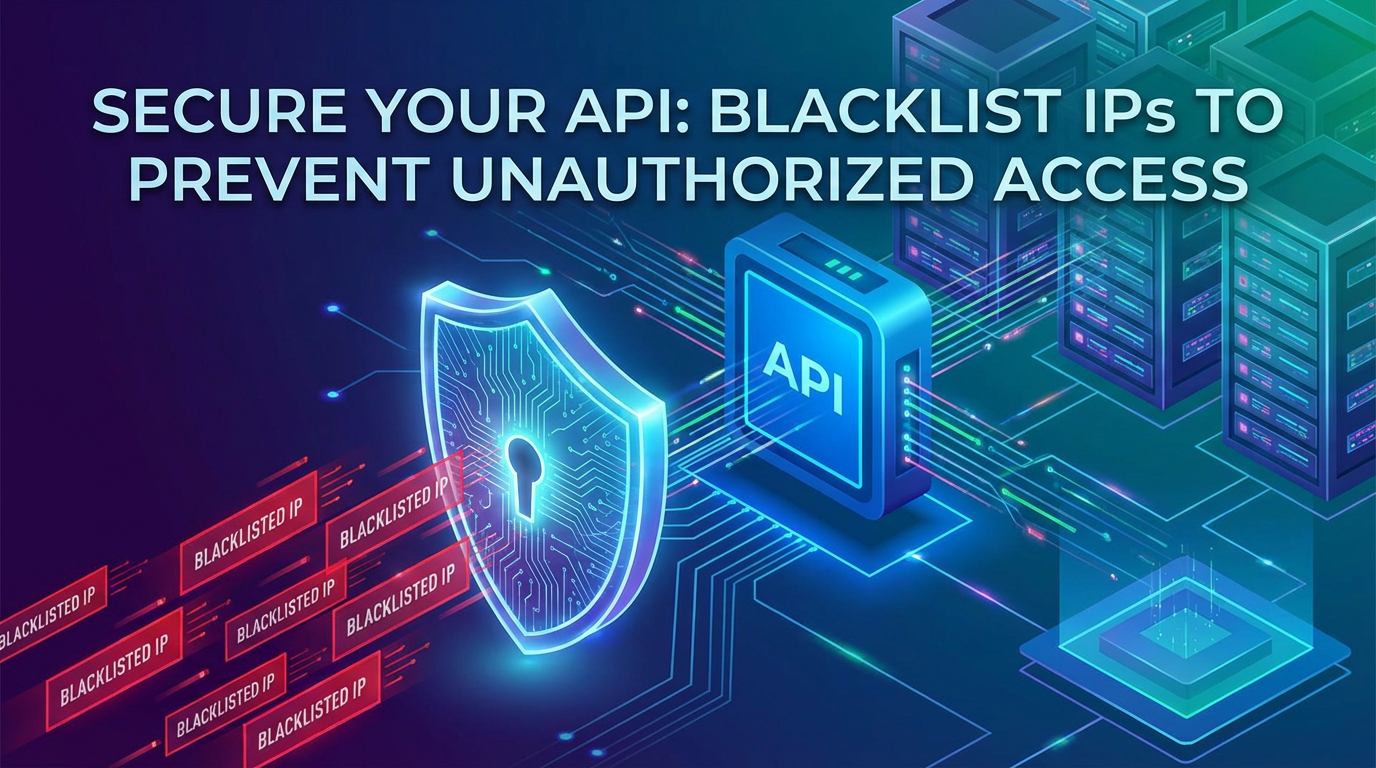


In the hyper-connected digital era, Application Programming Interfaces (APIs) have become the fundamental building blocks of modern software architecture. From mobile applications and web services to IoT devices and inter-organizational data exchange, APIs facilitate seamless communication and enable unprecedented levels of innovation and efficiency. However, this omnipresence also positions APIs as prime targets for malicious actors seeking unauthorized access, data breaches, service disruptions, or resource exploitation. The stakes are incredibly high; a compromised API can lead to severe financial losses, reputational damage, regulatory penalties, and a complete erosion of customer trust.
Safeguarding these critical interfaces demands a multifaceted and robust security strategy, one that is continuously evolving to counter sophisticated and persistent threats. While authentication, authorization, and encryption form the bedrock of API security, these measures are often complemented by perimeter defenses designed to filter out known bad actors before they even reach the core application logic. Among these essential perimeter defenses, IP blacklisting stands out as a fundamental, yet powerful, mechanism. It acts as a digital bouncer, identifying and blocking network requests originating from specific IP addresses that have been flagged as malicious, suspicious, or simply unauthorized.
This comprehensive guide delves deep into the critical role of IP blacklisting in fortifying your API security posture. We will explore its underlying principles, implementation mechanisms, the crucial part played by an API gateway in its effectiveness, and the best practices for building and maintaining an intelligent blacklist. We will also address the inherent challenges and limitations of this approach, emphasizing why it must be integrated into a broader, layered security framework. By understanding how to effectively leverage IP blacklisting, organizations can significantly reduce their attack surface, conserve valuable resources, and take a proactive stance against a relentless barrage of digital threats, ultimately ensuring the integrity and availability of their most valuable digital assets.
The Evolving Threat Landscape for APIs: Why Proactive Defense is Non-Negotiable
The sheer volume and complexity of API interactions today have unfortunately been met with an equally sophisticated and persistent array of cyber threats. Attackers are constantly refining their methods, probing for vulnerabilities, and exploiting misconfigurations to gain unauthorized access to sensitive data and critical functionalities. Understanding this evolving threat landscape is the first step towards building resilient API security. Without a clear picture of what you're defending against, any security measure, including IP blacklisting, risks being a shot in the dark.
One of the most prevalent threats is the Distributed Denial of Service (DDoS) attack. In a DDoS scenario, attackers flood an API with an overwhelming volume of traffic from multiple compromised sources, aiming to exhaust server resources, saturate network bandwidth, and ultimately make the API unavailable to legitimate users. While not always directly aimed at data theft, a successful DDoS attack can lead to significant operational disruptions, loss of revenue, and severe damage to an organization's brand reputation. Similarly, Denial of Service (DoS) attacks from a single source can also cripple an API, though they are generally easier to mitigate through simple IP blocking.
Beyond service disruption, malicious actors frequently target APIs for data exfiltration and unauthorized resource access. Brute-force attacks involve systematically trying a multitude of password combinations or API keys until the correct one is found. This is often coupled with credential stuffing, where attackers use lists of compromised credentials (stolen from other breaches) to test against your API, hoping users have reused passwords. If successful, these attacks grant full access to user accounts or system functionalities, leading to data theft, financial fraud, or further system compromise.
Injection attacks, such as SQL injection, NoSQL injection, or command injection, exploit vulnerabilities in how APIs process user input. By injecting malicious code into input fields, attackers can trick the API into executing unintended commands, revealing sensitive data from databases, or even taking control of the underlying server. Similarly, Cross-Site Scripting (XSS) vulnerabilities, though more common in web applications, can also manifest in API responses that are then rendered in client-side applications, allowing attackers to inject client-side scripts to steal session tokens or user data.
API abuse is another growing concern, encompassing a range of activities from excessive data scraping to business logic flaws. Attackers might exploit weak rate limits to scrape vast amounts of data, perform competitive intelligence, or even create fake accounts. Logical flaws in an API's design can be exploited to bypass authorization checks, access data they shouldn't, or manipulate business processes without proper permissions. For instance, an API designed to update a user's profile might be manipulated to update another user's profile by simply changing an ID in the request, assuming insufficient authorization checks.
Furthermore, attackers leverage sophisticated tools and botnets to automate these attacks at scale. These automated threats can rapidly scan for vulnerabilities, launch thousands of login attempts per second, or generate massive volumes of traffic, making manual detection and response incredibly challenging. The rapid pace of modern development and the widespread use of third-party APIs also introduce new vectors for attack, as organizations often inherit the security posture of their dependencies.
Given this relentless and diverse array of threats, relying solely on reactive measures is no longer sufficient. Organizations must adopt a proactive, layered security approach, where initial defenses are designed to filter out known bad actors and suspicious traffic before it can even reach the application logic. This is precisely where IP blacklisting plays its foundational role, acting as an early warning system and a primary deterrent against a significant portion of these attacks. By understanding the threats, we can better appreciate the necessity of robust perimeter controls that an API gateway can effectively enforce.
Understanding IP Blacklisting in API Security: The Digital Bouncer
At its core, IP blacklisting is a fundamental security mechanism designed to restrict access to network resources, including APIs, by explicitly blocking network requests originating from specific Internet Protocol (IP) addresses. Think of it as a digital bouncer standing at the entrance to your private club (your API), armed with a list of individuals who are absolutely forbidden from entering. Any request attempting to pass through that comes from an IP address on this "blacklist" is immediately rejected, denied access, and prevented from interacting further with your services.
What it is and How it Works:
An IP blacklist is essentially a dynamically managed list of IP addresses that are known or suspected to be associated with malicious activities, unauthorized access attempts, or other undesirable behaviors. When an incoming network request arrives at your system (typically at the network perimeter, a firewall, or an API gateway), its source IP address is checked against this blacklist. If a match is found, the connection is instantly terminated or the request is dropped, without any further processing by your backend API services. This pre-emptive blocking is crucial for conserving server resources and preventing potential attacks from ever reaching the application layer.
This mechanism contrasts sharply with IP whitelisting, which operates on the principle of explicit permission: only requests from IP addresses specifically listed on the whitelist are allowed access, while all others are implicitly denied. While whitelisting offers a stronger security posture by default, it is typically suitable only for internal APIs or those consumed by a very limited, known set of clients. For public-facing APIs, where clients are diverse and unknown, whitelisting is impractical. Blacklisting, therefore, becomes the more pragmatic choice for broader API exposure, allowing general access while specifically excluding identified threats.
Purpose of IP Blacklisting:
The primary purposes of implementing IP blacklisting in an API security strategy include:
- Preventing Known Attackers: If an organization identifies an IP address or range as the source of repeated brute-force attempts, credential stuffing, or other malicious activities, adding it to a blacklist ensures that future attempts from that source are immediately thwarted.
- Mitigating DoS/DDoS Attacks: During a Denial of Service attack, traffic often originates from a limited set of IP addresses (in DoS) or a larger, but identifiable, set of compromised machines (in DDoS). Quickly blacklisting these source IPs can significantly reduce the attack's impact by cutting off a portion of the malicious traffic.
- Enforcing Access Policies: For geographically sensitive APIs or services where access is restricted to certain regions, blacklisting entire countries or geographical areas (geofencing) can enforce these policies at the network edge.
- Resource Preservation: Malicious requests, even if ultimately blocked by authentication or authorization, still consume server resources (CPU, memory, network bandwidth) for processing. By blocking traffic at the IP level, these resources are freed up for legitimate users, improving API performance and resilience.
- Combating Spam and Abuse: IP blacklisting can be used to block sources of spam, fraudulent sign-ups, or excessive data scraping, protecting the integrity and quality of your API data and services.
Granularity and Scope:
IP blacklists can vary in their granularity and scope:
- Individual IP Addresses: Blocking a single, specific IP address (e.g., 192.168.1.100). This is useful for precise targeting of a known malicious host.
- IP Subnets (CIDR Blocks): Blocking a range of IP addresses (e.g., 192.168.1.0/24, which covers 256 IP addresses). This is effective when an attacker is rotating IPs within a specific network segment, or when a entire network segment is known to be compromised.
- Autonomous System Numbers (ASNs): In more advanced scenarios, it's possible to block traffic originating from an entire Autonomous System, which represents a collection of IP networks operated by one or more network operators. This is usually reserved for very broad, severe threats.
- Dynamic vs. Static: Blacklists can be static (manually updated) or dynamic (automatically updated based on real-time threat intelligence and behavioral analysis). Dynamic blacklists are crucial for keeping pace with rapidly evolving threats.
The implementation of IP blacklisting typically occurs at strategic points in the network infrastructure. Firewalls, Web Application Firewalls (WAFs), and crucially, API gateways, are common platforms for enforcing these rules. An API gateway, positioned at the forefront of your API infrastructure, is particularly adept at this task, offering a centralized point for policy enforcement, traffic management, and security controls, making it an indispensable component of a secure API ecosystem. We will explore its role in greater detail in subsequent sections.
Why IP Blacklisting is a Critical Component of Your API Security Strategy
In the intricate tapestry of modern cyber defense, no single security measure is a panacea. However, IP blacklisting emerges as an exceptionally critical and foundational component, providing essential front-line defense for your APIs. Its strategic importance stems from its ability to intercept threats at the earliest possible point, before they can consume valuable resources or interact with more sensitive parts of your system. Understanding its indispensable role is key to building a robust and resilient API security posture.
1. The First Line of Defense: Blocking Threats at the Edge
IP blacklisting acts as the outer perimeter of your API's security architecture. It's the first gatekeeper that an incoming request encounters. By identifying and rejecting known malicious IPs at this initial stage, you prevent these unwanted guests from even knocking on the inner doors of your application. This is a highly efficient form of defense, as it significantly reduces the attack surface that more complex security measures (like authentication and authorization mechanisms) need to protect. Instead of your backend services wasting cycles processing requests from known attackers, those requests are simply dropped, often before any application-level processing even begins. This early interception is a fundamental principle of defense-in-depth.
2. Mitigation of Known Threats and Repeat Offenders
One of the most immediate benefits of IP blacklisting is its effectiveness against identified threats. If an attacker's IP address is known to be associated with brute-force attempts, suspicious scanning, or an ongoing DoS attack, adding it to the blacklist instantly shuts down that specific vector of attack. This is particularly valuable for combating persistent attackers who repeatedly try to breach your defenses. Rather than continually challenging their attempts with CAPTCHAs or rate limits, blacklisting offers a definitive "no entry" signal, forcing them to find alternative, more costly, and often less effective methods. For an API gateway, this means it can efficiently filter out noise, allowing legitimate traffic to proceed unimpeded.
3. Reduced Attack Surface and Enhanced Resource Preservation
Every request, legitimate or malicious, consumes a certain amount of computational resources: CPU cycles, memory, network bandwidth, and database connections. While your API is designed to handle legitimate load, a flood of malicious requests, even if ultimately denied access, can still degrade performance or even lead to resource exhaustion for legitimate users. IP blacklisting minimizes this overhead by filtering out malicious traffic before it can tax your backend services. By dropping traffic from blacklisted IPs at the gateway or firewall level, these precious resources are conserved, ensuring your API remains responsive and available for its intended purpose. This improved efficiency is critical for maintaining high availability and positive user experience, especially under pressure.
4. Enhancing Rate Limiting and Throttling Effectiveness
While distinct, IP blacklisting works in powerful synergy with rate limiting and throttling. Rate limiting restricts the number of requests an IP (or user) can make within a given timeframe, preventing abuse. However, a determined attacker can still exhaust rate limit quotas before being fully blocked. By blacklisting IPs that persistently violate rate limits or exhibit clearly malicious patterns after triggering initial rate limits, you can permanently remove these sources of abuse. This allows your rate limit mechanisms to focus on managing legitimate or borderline abusive traffic, rather than being constantly challenged by outright malicious actors. An API gateway is the perfect place to enforce both blacklisting and rate limiting, offering a unified control plane.
5. Compliance and Regulatory Advantages
In many industries, compliance with data protection regulations (like GDPR, HIPAA, CCPA) or industry standards requires organizations to implement robust security measures to protect sensitive data. While IP blacklisting may not always be explicitly mandated, its role in preventing unauthorized access and mitigating common attack vectors contributes significantly to an overall secure posture. Demonstrating proactive measures like IP blacklisting, especially when integrated with threat intelligence, can help organizations meet audit requirements and showcase a strong commitment to security best practices, reducing legal and financial risks associated with breaches.
6. Geofencing and Policy Enforcement
For businesses operating in specific geographical markets or those needing to restrict access to their APIs from certain regions due to legal, compliance, or business reasons, IP blacklisting facilitates geofencing. By blacklisting entire IP ranges associated with specific countries or geographical areas, organizations can enforce regional access policies at the network edge. This prevents unwanted traffic from non-target regions from even attempting to interact with the API, simplifying management and adding another layer of policy enforcement that an API gateway can expertly manage.
In essence, IP blacklisting isn't just about blocking bad actors; it's about intelligent resource management, proactive threat mitigation, and reinforcing the entire security chain. It empowers your API gateway to be an efficient and vigilant sentry, ensuring that your valuable APIs are protected from the onslaught of known digital threats, allowing legitimate users to interact with confidence and without interruption.
Implementing IP Blacklisting: Mechanisms and Technologies
The effectiveness of IP blacklisting hinges on its proper implementation using the right tools and strategies. While the concept is simple – block specific IPs – the practical execution involves choosing the appropriate technological layer and integrating it seamlessly into your existing infrastructure. This section explores the common mechanisms and technologies employed for implementing IP blacklisting, highlighting where each fits within a comprehensive security strategy.
1. Firewalls (Network Firewalls & Web Application Firewalls)
Network Firewalls: These are the traditional first line of defense, operating at the network layer (Layer 3/4 of the OSI model). They filter traffic based on source IP address, destination IP address, port number, and protocol. Network firewalls can effectively implement basic IP blacklisting by configuring rules to drop or reject all incoming connections from specified IP addresses or CIDR blocks. They are highly efficient but typically lack application-layer context.
Web Application Firewalls (WAFs): A WAF operates at the application layer (Layer 7) and is specifically designed to protect web applications and APIs from various attacks. WAFs are significantly more intelligent than network firewalls because they can analyze the content of HTTP/HTTPS requests and responses. This allows them to implement more sophisticated blacklisting rules, often integrating with threat intelligence feeds, detecting malicious patterns, and even automatically adding suspicious IPs to a blacklist based on real-time traffic analysis.
- Features for Blacklisting: WAFs can block IPs based on:
- Direct configuration of malicious IPs.
- Reputation scores from integrated threat intelligence.
- Automated rules triggered by known attack signatures (e.g., SQL injection attempts, XSS payloads).
- Behavioral analysis, such as an IP making an unusual number of requests or exhibiting patterns indicative of bot activity.
- Advantage: Provides application-layer context, protecting against more sophisticated threats that bypass basic network firewalls.
- Disadvantage: Can be more resource-intensive and require careful tuning to avoid false positives.
2. API Gateways: The Centralized Enforcement Point
An API gateway sits between clients and your backend API services, acting as a single entry point for all API traffic. This strategic position makes it an ideal and highly effective location for implementing IP blacklisting and a wide array of other security measures. Unlike a generic WAF, an API gateway is purpose-built for API traffic, often providing richer context about the API itself (e.g., specific endpoints, rate limits per API key, user roles).
- How API Gateways Implement Blacklisting:
- Centralized Policy Enforcement: All incoming API requests pass through the gateway, allowing for a single point of control to apply IP blacklisting rules consistently across all APIs.
- Integration with Other Security Features: API gateways typically integrate blacklisting with authentication, authorization, rate limiting, and traffic management features. An IP can be blacklisted not just because it's on a static list, but also dynamically if it fails authentication too many times, exceeds rate limits repeatedly, or attempts to access unauthorized resources.
- Dynamic Blacklisting Capabilities: Advanced API gateways can automatically add IPs to a temporary or permanent blacklist based on observed malicious behavior, reducing manual intervention and enabling real-time threat response. For instance, if an IP address makes 50 failed login attempts in 60 seconds, the gateway can automatically blacklist it for a defined period.
- APIPark is an excellent example of an API gateway that provides robust API management and security features. Its comprehensive platform facilitates end-to-end API lifecycle management, including traffic forwarding, load balancing, and crucially, strong security policies. With APIPark, organizations can centralize their API governance, making it an ideal platform for implementing and managing sophisticated IP blacklisting rules alongside other critical security controls to prevent unauthorized access and protect sensitive data.
- Advantage: Unifies security enforcement, provides API-specific context, enables dynamic blacklisting, and improves overall API management and performance.
- Disadvantage: Requires proper configuration and management; can become a single point of failure if not highly available.
3. Load Balancers
Some enterprise-grade load balancers, particularly those with advanced application-layer features (like application delivery controllers), can also perform basic IP blacklisting. They sit in front of a group of servers, distributing incoming traffic. By configuring rules on the load balancer, traffic from specific source IPs can be rejected before it reaches the backend servers.
- Advantage: Highly scalable, often part of existing infrastructure.
- Disadvantage: Generally less sophisticated in their blacklisting capabilities compared to WAFs or API gateways, lacking deep API context or dynamic threat intelligence integration.
4. Network Access Control Lists (ACLs) / Cloud Security Groups
Network ACLs: These are stateless packet filters configured on routers or switches that permit or deny traffic based on IP addresses and port numbers. They provide a very granular, low-level form of blacklisting.
Cloud Security Groups (e.g., AWS Security Groups, Azure Network Security Groups): In cloud environments, security groups act as virtual firewalls for instances or network interfaces. They allow you to define inbound and outbound rules based on source/destination IP addresses, ports, and protocols. This is a common and effective way to blacklist IPs at the infrastructure level in cloud deployments.
- Advantage: Highly efficient, close to the network infrastructure, often free or low-cost in cloud environments.
- Disadvantage: Stateless (for ACLs), lacks application-layer context, manual management can be cumbersome for large, dynamic blacklists.
5. Custom Application Logic (Least Recommended)
It is technically possible to implement IP blacklisting directly within your API application code. For example, your application could check the incoming request's source IP against a stored list and deny access if a match is found.
- Advantage: Complete control over logic.
- Disadvantage: Inefficient (malicious requests consume application resources), difficult to scale, ties security logic to application code, and makes maintenance harder. This approach is generally discouraged for anything beyond very small, simple APIs, as it offloads a perimeter security concern onto the application itself, where it's least efficient to handle.
In practice, a layered approach is often the most effective. Basic IP blocking might occur at the network firewall or security group level, while more intelligent, dynamic blacklisting and integration with other security policies are handled by an API gateway or WAF. This distributed but coordinated strategy ensures that threats are caught at the most appropriate layer, maximizing security and efficiency.
Building and Managing an Effective IP Blacklist
Creating an IP blacklist is simple, but building and managing an effective one is a continuous process that requires strategic thinking, reliable data sources, and automation. A poorly managed blacklist can either miss critical threats or, worse, block legitimate users, leading to operational disruptions and user dissatisfaction. This section delves into the methodologies and best practices for developing and maintaining a robust IP blacklist.
Sources of Blacklist Data: Fueling Your Defenses
The intelligence that populates your blacklist is paramount. It dictates how effectively you can identify and thwart malicious actors. This intelligence can be gathered from various sources:
- Internal Threat Intelligence: This is the most direct and relevant source of information about threats specifically targeting your APIs.
- Logs and Monitoring Systems: Analyze API gateway logs, web server logs, application logs, and security event logs. Look for patterns indicative of attacks:
- Failed Login Attempts: An unusually high number of login attempts from a single IP, especially with different usernames, points to brute-force or credential stuffing.
- Unusual Request Patterns: IPs making an excessive number of requests to non-existent endpoints, rapid-fire requests to sensitive endpoints, or requests with malformed payloads.
- Suspicious User-Agents: Requests from automated tools, known botnets, or uncommon, generic user-agents.
- Error Codes: IPs consistently triggering server errors (5xx) or unauthorized errors (401/403) after multiple attempts.
- Rate Limit Violations: IPs that consistently breach your API rate limits, indicating scraping or abuse.
- Intrusion Detection/Prevention Systems (IDS/IPS): These systems monitor network traffic for suspicious activity and can flag source IPs involved in known attack signatures.
- Honeypots: Decoy systems designed to lure attackers. Any IP interacting with a honeypot is by definition malicious and can be added to your blacklist.
- Logs and Monitoring Systems: Analyze API gateway logs, web server logs, application logs, and security event logs. Look for patterns indicative of attacks:
- External Threat Intelligence Feeds: Proactive defense often involves leveraging aggregated threat data from across the internet.
- Commercial Feeds: Many cybersecurity vendors offer subscription-based threat intelligence feeds that provide regularly updated lists of known malicious IPs, botnet C2 servers, spam sources, phishing sites, and IPs associated with specific attack campaigns. These feeds are often curated and highly reliable.
- Open-Source Feeds: Various community-driven and public projects share lists of malicious IPs (e.g., Blocklist.de, Emerging Threats, AbuseIPDB). While valuable, these lists might require more vetting to ensure relevance and minimize false positives for your specific context.
- Cloud Provider Threat Intelligence: Major cloud providers (AWS, Azure, Google Cloud) often offer their own threat intelligence services that integrate with their security products, identifying and blocking known threats specific to their platforms.
- TOR Exit Node Lists: If your API does not legitimately serve users who route traffic through the Tor network, blocking known Tor exit nodes can be a way to deter attackers attempting to anonymize their source.
Automation: The Necessity for Real-time Response
Given the dynamic nature of threats and the sheer volume of data, manual blacklist management is unsustainable and inefficient. Automation is crucial for:
- Real-time Updates: Automatically adding IPs that trigger specific security rules (e.g., too many failed logins) to a temporary blacklist.
- Integration with SIEM/SOAR: Security Information and Event Management (SIEM) and Security Orchestration, Automation, and Response (SOAR) platforms can ingest logs, correlate events, identify malicious IPs, and automatically push them to your API gateway or firewall for blocking.
- Feed Ingestion: Automatically parsing and updating your blacklist with IPs from external threat intelligence feeds.
- Expiration and Removal: Implementing logic to automatically remove IPs from temporary blacklists after a defined period (e.g., 24 hours), or to remove entries from permanent lists that are no longer deemed malicious, reducing the risk of false positives.
Granularity and Scope: Precision in Blocking
Deciding whether to block an individual IP, a subnet, or an entire range is critical.
- Individual IP: Best for targeting a single, known malicious host.
- IP Subnet (CIDR Block): Use when an attacker is rotating IPs within a specific network or if an entire network segment (e.g., a known malicious hosting provider) is compromised. Be cautious with broad subnet blocks, as they increase the risk of false positives.
- Geographical Blocking: For certain APIs, if you have no legitimate business or users in specific countries, blocking entire country IP ranges can be an effective policy enforcement. This is often managed through GeoIP databases integrated with your API gateway or WAF.
Dynamic vs. Static Blacklists: Agility in Defense
- Static Blacklists: Manually curated lists of IPs. While useful for permanently blocking known egregious offenders, they are slow to update and quickly become outdated in the face of dynamic threats.
- Dynamic Blacklists: These are automatically updated based on real-time threat intelligence, behavioral analysis, and automated security rules. They are essential for responsive threat mitigation. For example, an API gateway can dynamically blacklist an IP after it triggers a certain number of security alerts within a short timeframe.
Monitoring and Alerting: Staying Informed
Implementing IP blacklisting is only half the battle. You need robust monitoring and alerting mechanisms to:
- Track Blacklist Effectiveness: Monitor how many requests are being blocked by the blacklist. A high number indicates active threats or a very effective blacklist.
- Detect False Positives: Log and review instances where legitimate users might have been blocked. This helps in refining your rules.
- Alert on New Threats: Receive alerts when new patterns of suspicious activity are detected that warrant adding new IPs to the blacklist.
- Confirm Blockage: Verify that blacklisted IPs are indeed being blocked at the intended enforcement points (e.g., API gateway).
By systematically building and managing your IP blacklist with a combination of internal and external intelligence, robust automation, and continuous monitoring, you can transform it into a highly effective, dynamic defense layer for your APIs, significantly enhancing your overall security posture.
APIPark is a high-performance AI gateway that allows you to securely access the most comprehensive LLM APIs globally on the APIPark platform, including OpenAI, Anthropic, Mistral, Llama2, Google Gemini, and more.Try APIPark now! 👇👇👇
The Role of an API Gateway in Advanced IP Blacklisting
The strategic positioning of an API gateway at the forefront of your API infrastructure makes it an indispensable component for implementing and managing advanced IP blacklisting. More than just a simple proxy, an API gateway acts as a centralized enforcement point, a traffic manager, and an intelligent security layer that can significantly elevate the effectiveness of your IP blacklisting strategy. Its capabilities extend far beyond basic IP blocking, integrating seamlessly with a broader security ecosystem to provide nuanced and dynamic threat protection.
Centralized Policy Management and Enforcement
One of the most compelling advantages of an API gateway is its ability to centralize all API security policies. Instead of configuring IP blocking rules across various individual APIs or disparate network devices, an API gateway provides a single control plane. This means:
- Consistency: IP blacklisting rules are applied uniformly to all managed APIs, reducing the risk of security gaps.
- Simplicity: Security teams can manage and update blacklists from a single interface, streamlining operations and reducing administrative overhead.
- Scalability: As your API landscape grows, adding new APIs or services automatically benefits from the existing, centrally managed blacklist.
Real-time Analytics and Behavioral Monitoring
Advanced API gateways collect extensive telemetry data on every incoming request. This data—including source IP, request headers, timestamps, request rates, authentication status, and response codes—is invaluable for identifying suspicious patterns that warrant IP blacklisting.
- Traffic Monitoring: Gateways can track request volumes from individual IPs, identify sudden spikes, or detect unusual access patterns (e.g., an IP rapidly accessing multiple unrelated endpoints).
- Behavioral Anomaly Detection: By analyzing historical data, a gateway can establish a baseline of normal behavior. Deviations from this baseline, such as an IP generating an abnormally high number of errors or failed authentication attempts, can trigger an automatic blacklisting action.
- Fraud Detection: In scenarios involving payment or financial APIs, a gateway can monitor transactions for patterns indicative of fraud (e.g., multiple transactions from a blacklisted IP using different credentials) and proactively block suspicious IPs.
Integration with WAF, SIEM, and Threat Intelligence
An API gateway doesn't operate in isolation. It often integrates with other critical security tools, creating a more cohesive and intelligent defense system:
- Web Application Firewall (WAF) Integration: While some API gateways have built-in WAF capabilities, others integrate with standalone WAFs. This combination allows for both network-level and application-level threat detection, enriching the data available for dynamic blacklisting.
- SIEM/SOAR Integration: API gateways can feed detailed logs and security events into SIEM platforms for advanced correlation and analysis. If a SIEM identifies a broader attack campaign involving multiple indicators of compromise, it can instruct the gateway (via SOAR) to immediately blacklist associated IPs across the entire API estate.
- Threat Intelligence Feeds: Gateways can subscribe to external threat intelligence feeds, automatically ingesting lists of known malicious IPs and applying these rules in real-time. This proactive approach ensures your APIs are protected against threats identified globally, even before they target your specific infrastructure.
Dynamic and Contextual Blacklisting
The true power of an API gateway in blacklisting lies in its ability to implement dynamic and contextual rules, moving beyond static lists.
- Automated Response: If an IP triggers specific threshold violations (e.g., 5 failed authentication attempts in 30 seconds, 100 rate limit breaches in a minute), the gateway can automatically add that IP to a temporary blacklist for a configurable duration. This real-time response significantly hinders automated attacks like brute-force and credential stuffing.
- Contextual Blocking: Blacklisting can be based not just on the IP, but also on the context of the request. For example, an IP might be allowed to access public APIs, but blacklisted if it tries to access sensitive administrative APIs without proper authentication. The gateway can analyze headers, user agents, request payloads, and even geographical data to make more informed blocking decisions.
- Geofencing: As mentioned earlier, an API gateway can effortlessly implement geofencing, blocking entire countries or regions based on the source IP's geographical location, a crucial feature for regulatory compliance or targeted market strategies.
Enhanced Performance and Resource Preservation
By acting as the primary enforcement point, the API gateway ensures that malicious traffic is dropped as early as possible. This offloads the burden from backend services, which would otherwise have to process and eventually reject these requests.
- Efficiency: Malicious requests are terminated at the gateway before consuming resources further down the stack, preserving backend capacity for legitimate traffic.
- Scalability: A high-performance API gateway can handle massive volumes of traffic, filtering out the bad while efficiently routing the good, ensuring your APIs remain responsive even under attack.
Consider how products like APIPark exemplify these capabilities. As an open-source AI gateway and API management platform, APIPark is designed to provide robust security features, including the ability to enforce sophisticated access controls. Its "API Resource Access Requires Approval" feature, for instance, adds an approval workflow that inherently prevents unauthorized calls. Furthermore, APIPark's "Detailed API Call Logging" and "Powerful Data Analysis" capabilities are fundamental to building effective blacklists, allowing organizations to analyze historical call data, identify suspicious patterns, and proactively implement blocking policies. By offering end-to-end API lifecycle management, APIPark positions itself as a comprehensive solution where advanced blacklisting is just one facet of a broader, integrated security strategy that ensures the integrity and security of your API ecosystem. The platform's ability to manage traffic forwarding and load balancing also ensures that security measures like blacklisting are applied efficiently and at scale.
In conclusion, an API gateway elevates IP blacklisting from a static, reactive measure to a dynamic, intelligent, and deeply integrated component of your API security framework. It provides the necessary visibility, control, and automation to effectively identify and neutralize threats at the edge, ensuring the security, performance, and reliability of your valuable APIs.
Challenges and Considerations for IP Blacklisting
While IP blacklisting is a powerful and essential tool in the API security arsenal, it is not without its challenges and limitations. Organizations must approach its implementation with careful consideration, understanding that a poorly managed blacklist can introduce new problems, including blocking legitimate users or being easily circumvented by determined attackers. Recognizing these considerations is crucial for designing an effective and resilient security strategy.
1. The Peril of False Positives: Blocking Legitimate Users
This is arguably the most significant challenge of IP blacklisting. A false positive occurs when a legitimate user or service is mistakenly identified as malicious and subsequently blocked. This can lead to:
- Service Disruption: Legitimate users are unable to access your API, causing frustration and potentially impacting business operations.
- Reputational Damage: Users may perceive your API as unreliable or inaccessible, leading to a loss of trust.
- Operational Overhead: Security teams waste time investigating and resolving false positive reports.
False positives often arise due to: * Shared IP Addresses: Many legitimate users access the internet from shared IP addresses, such as those provided by large ISPs, public Wi-Fi networks, or corporate VPNs. If one user on a shared IP behaves maliciously, blacklisting that IP can inadvertently block many innocent users. * Dynamic IP Addresses: Many ISPs assign dynamic IP addresses, meaning a user's IP can change periodically. If a dynamic IP is blacklisted, it might later be assigned to a legitimate user, leading to a false positive. Conversely, an attacker can simply get a new dynamic IP to bypass a block. * VPNs and Proxy Services: While often used by legitimate users for privacy or accessing geo-restricted content, VPNs and proxies are also heavily utilized by attackers to obscure their true origin. Blocking entire VPN or proxy provider IP ranges can lead to widespread false positives for legitimate users.
2. IP Address Spoofing: A Stealthy Evasion Tactic
IP spoofing involves an attacker forging the source IP address in network packets to impersonate another device or to hide their true identity. While effective for simple, connectionless attacks (like certain DoS types or UDP floods), maintaining an ongoing, stateful connection (like an HTTP request to an API) with a spoofed IP is significantly harder. This is because the response packets would be routed back to the spoofed IP, not the attacker's actual IP. However, sophisticated attackers might employ techniques to overcome this, making simple source IP checking less reliable in certain contexts, particularly at lower network layers.
3. Dynamic IP Addresses and Attacker Agility
As mentioned, dynamic IP addresses pose a dual challenge. For legitimate users, they risk being caught in a blacklist intended for a previous malicious occupant of that IP. For attackers, dynamic IPs provide a simple means of evasion: if their current IP is blocked, they can often simply reset their router or reconnect to their ISP to obtain a new one, bypassing a static blacklist with minimal effort. This highlights the need for dynamic and behavioral blacklisting rather than relying solely on static lists.
4. Proxy and VPN Abuse: The Double-Edged Sword
The increasing use of proxies and VPNs by both legitimate users and attackers creates a complex challenge. While blocking known malicious proxies or entire VPN services might seem like a good idea, it's a blunt instrument that often catches legitimate users who are simply trying to enhance their privacy or access your API from a corporate network via a VPN. Carefully assessing the business impact of blocking such services is crucial. For globally accessible APIs, broad VPN blocks are often impractical.
5. Maintenance Overhead and List Bloat
Static blacklists, especially if manually managed, can quickly become unwieldy. The internet is vast, and malicious IPs are constantly emerging and changing. Without automation, maintaining an up-to-date and accurate blacklist is a significant operational burden. An overly long or outdated blacklist can also introduce performance overhead, as every incoming request needs to be checked against a potentially massive list. Furthermore, IPs that were once malicious might become legitimate over time, or be re-assigned, necessitating periodic review and pruning of the blacklist to prevent stale entries from causing false positives.
6. Evasion Techniques: Attackers Always Adapt
Attackers are resourceful and constantly develop new methods to bypass security controls. Simple IP blacklisting can be circumvented through:
- IP Rotation: Using botnets or proxy networks to rapidly switch between a large pool of IP addresses, making it difficult to blacklist them all.
- Compromised Hosts: Launching attacks from legitimate, but compromised, user devices or servers, which may have clean IP reputations.
- Cloud Hosting Providers: Abusing free tiers or trial accounts on cloud platforms to launch attacks from reputable IP ranges, often making it hard to distinguish malicious traffic from legitimate cloud service usage.
- Distributed Attacks: A truly distributed attack (e.g., a large DDoS) often involves so many unique source IPs that blacklisting them all becomes impractical, requiring more advanced DDoS mitigation strategies.
7. Not a Silver Bullet: The Need for Layered Security
Perhaps the most important consideration is that IP blacklisting is merely one layer in a comprehensive security strategy. It is not, and should never be treated as, a standalone solution. It helps filter out known bad actors at the perimeter but does not address:
- Authenticated Attacks: If an attacker gains legitimate credentials, IP blacklisting alone will not stop them.
- Application-Layer Vulnerabilities: SQL injection, XSS, insecure deserialization, business logic flaws – these attacks exploit vulnerabilities within the application code itself, which IP blacklisting cannot prevent.
- Insider Threats: Malicious actors within your organization will likely originate from whitelisted or internal IPs.
In conclusion, while IP blacklisting offers significant benefits in preventing unauthorized access and mitigating known threats, it demands careful design and continuous management to avoid common pitfalls. Its efficacy is maximized when integrated into a broader, layered security framework, leveraging an API gateway for intelligent, dynamic enforcement, and complementing it with authentication, authorization, rate limiting, and robust application-level security controls.
Best Practices for Maximizing IP Blacklisting Effectiveness
To transform IP blacklisting from a rudimentary blocking mechanism into a highly effective, dynamic defense layer, organizations must adhere to a set of best practices. These practices emphasize a balanced approach, combining proactive threat intelligence with vigilant monitoring and a commitment to continuous refinement. Implementing these strategies will help mitigate the challenges, reduce false positives, and ensure your IP blacklist genuinely enhances your API security posture.
1. Embrace a Layered Security Approach (Defense-in-Depth)
The most crucial best practice is to recognize that IP blacklisting is one component of a larger security strategy. It should never be seen as a standalone solution. * Combine with Authentication and Authorization: Blacklisting blocks at the perimeter. Strong authentication (e.g., OAuth, API keys, JWTs) verifies user identity, and robust authorization (e.g., RBAC, ABAC) ensures users only access resources they are permitted to. Even if a blacklisted IP somehow bypasses, these layers should still protect your API. * Integrate with Rate Limiting and Throttling: These controls prevent abuse and resource exhaustion from legitimate (or not-yet-blacklisted) IPs. Blacklisting can then be triggered for IPs that consistently violate these limits. * Utilize Web Application Firewalls (WAFs): WAFs provide application-layer protection against injection attacks, XSS, and other common vulnerabilities that IP blacklisting cannot address. An API gateway often incorporates or integrates with WAF functionalities. * Implement Intrusion Detection/Prevention Systems (IDS/IPS): These systems monitor for malicious activity at various network layers, providing valuable data for dynamic blacklisting. * Encrypt Traffic (TLS/SSL): Ensure all API communication is encrypted to prevent eavesdropping and data tampering.
2. Prioritize Dynamic and Contextual Blacklisting
Static blacklists quickly become outdated and are easily circumvented. Embrace automation and intelligence for real-time defense. * Automate Blacklist Updates: Use scripts, SIEM/SOAR platforms, or API gateway features to automatically add IPs to the blacklist based on predefined triggers (e.g., multiple failed logins, consistent rate limit violations, detected attack signatures). * Leverage Threat Intelligence Feeds: Integrate with reputable commercial or open-source threat intelligence feeds to automatically ingest lists of known malicious IPs. This provides proactive protection against threats identified globally. * Implement Behavioral Analytics: Monitor API traffic for anomalous behavior. If an IP suddenly deviates from its typical pattern of usage (e.g., accessing unusual endpoints, making requests at odd hours), it could be dynamically blacklisted. * Contextual Blocking: Make blocking decisions based on more than just the IP. Consider the user agent, geographical origin, API endpoint being accessed, time of day, and the history of the IP's interactions with your API.
3. Thorough Logging, Monitoring, and Alerting
Visibility is paramount for effective security. * Comprehensive Logging: Log all API requests, including source IP, request details, response codes, and any security alerts (e.g., rate limit breaches, WAF blocks). Crucially, log instances where IPs are added to or removed from the blacklist, and when blacklisted IPs attempt access. * Real-time Monitoring: Set up dashboards and alerts to monitor key metrics, such as the volume of traffic from blacklisted IPs, the number of successful blocks, and potential false positives. * Alert on Suspicious Activities: Configure alerts for high volumes of failed authentication attempts, unusual traffic spikes from single IPs, or repeated attempts to access unauthorized APIs. These alerts should trigger investigations and potential dynamic blacklisting. APIPark, for example, offers "Detailed API Call Logging" and "Powerful Data Analysis" features, which are foundational for effective monitoring and identifying suspicious patterns that necessitate blacklisting.
4. Regular Review and Maintenance of Blacklists
Blacklists are living documents and require constant care to remain effective and accurate. * Periodic Audit: Regularly review your blacklist entries. Remove IPs that are no longer deemed malicious or those that have been found to cause false positives. * Temporary Blocks for Suspected Threats: For newly identified suspicious IPs, consider starting with temporary blacklists (e.g., for 24-72 hours). This allows for further investigation before implementing a permanent block, reducing the risk of false positives. * Graceful Handling of False Positives: Implement a clear process for users to report being incorrectly blocked. Have mechanisms to quickly investigate and unblock legitimate users.
5. Consider Geofencing with Caution
If your API has no legitimate users or business presence in specific countries or geographical regions, geofencing (blocking entire country IP ranges) can be an effective policy enforcement tool, especially when implemented at the API gateway level. * Assess Business Impact: Before implementing geofencing, thoroughly evaluate the potential impact on legitimate users who might be traveling or using VPNs from those regions. * Granularity: Use reliable GeoIP databases for accurate geographical mapping of IP addresses.
6. Educate and Train Your Security Team
Ensure your security team understands the nuances of IP blacklisting, including its benefits, limitations, and the potential for false positives. They should be proficient in using the API gateway's security features, interpreting logs, and responding to alerts.
7. Start Specific, Expand Cautiously
For public-facing APIs, it's generally safer to start with blocking very specific, known malicious IP addresses or small, verified malicious subnets. Avoid aggressively blocking broad IP ranges unless there's a clear and present threat justification, as this significantly increases the risk of false positives. As your confidence and intelligence grow, you can expand the scope more cautiously.
By integrating these best practices, organizations can build a robust, intelligent, and dynamic IP blacklisting capability that serves as a powerful initial defense layer, significantly contributing to the overall security and resilience of their API infrastructure. This proactive approach ensures that your APIs remain secure, available, and performant for legitimate users, while effectively deterring and blocking malicious attempts.
Case Studies and Real-World Scenarios for IP Blacklisting
The theoretical benefits of IP blacklisting become much clearer when examined through the lens of real-world scenarios. These examples illustrate how organizations leverage this fundamental security measure, often in conjunction with an API gateway, to protect their APIs from a diverse range of threats.
Case Study 1: Mitigating a Brute-Force/Credential Stuffing Attack
Scenario: A popular e-commerce platform exposes an API for user login. An attacker obtains a list of thousands of email/password combinations from a data breach on another site and attempts to use these credentials against the e-commerce platform's login API to gain unauthorized access to user accounts. This typically involves rapidly trying different credential pairs.
Without IP Blacklisting: The API's authentication service would be overwhelmed by these requests. Even if most attempts fail, each request consumes server resources, potentially degrading performance for legitimate users. If a few accounts are compromised, it could lead to fraud or data theft. Rate limiting might slow down the attack, but a distributed brute-force could still bypass it.
With IP Blacklisting (and an API Gateway): 1. Detection: The API gateway (or an integrated WAF/IDS) is configured to monitor login attempts. It detects an abnormally high rate of failed login attempts originating from a specific IP address (or a small cluster of IPs). 2. Automated Response: The gateway's security policy immediately triggers an action: if an IP makes more than 10 failed login attempts within 60 seconds, it is dynamically added to a temporary blacklist for 30 minutes. 3. Blocking: Subsequent requests from the blacklisted IP are immediately dropped at the gateway level, without ever reaching the authentication service. This conserves backend resources and effectively shuts down that attack vector. 4. Forensics and Permanent Block: Security analysts review logs (easily accessible through a platform like APIPark's "Detailed API Call Logging") and confirm the malicious activity. If the IP is part of a known botnet or shows persistent malicious intent, it can be added to a permanent blacklist.
Outcome: The brute-force attack is swiftly mitigated, preventing account compromises, preserving API performance, and protecting user data. The API gateway acts as the crucial enforcement point, centralizing the detection and blocking logic.
Case Study 2: Preventing API Scraping and Data Exfiltration
Scenario: A news aggregation service offers a public API to access news articles. A competitor or malicious actor attempts to scrape all article content from the API by making thousands of rapid-fire requests to download every article, violating the service's terms of use and potentially impacting server load.
Without IP Blacklisting: The scraper could consume a significant amount of bandwidth and computational resources, leading to higher hosting costs and slower response times for legitimate users. While rate limiting would eventually kick in, the initial burst of traffic could still be damaging.
With IP Blacklisting (and an API Gateway): 1. Detection: The API gateway monitors request rates per unique IP address for content API endpoints. It identifies an IP making an extremely high number of requests to the article retrieval endpoint, far exceeding normal user behavior or even typical partner usage. 2. Threshold Violation: The gateway's rate limiting policy (e.g., 100 requests per minute) is triggered. The IP is initially throttled. 3. Dynamic Blacklisting: If the IP continues to violate the rate limit despite throttling, exhibiting persistent scraping behavior, the gateway automatically adds it to a temporary blacklist for a few hours. 4. Blocking: All further requests from that IP are blocked by the gateway, effectively stopping the scraping operation. 5. Policy Adjustment: Based on the incident, the organization might refine its rate limiting policies or introduce more sophisticated bot detection mechanisms at the gateway.
Outcome: The API scraping is stopped at its source, protecting the integrity of the data, conserving resources, and maintaining the quality of service for legitimate users. The API gateway's ability to combine rate limiting with dynamic blacklisting proves invaluable.
Case Study 3: Geo-Blocking for Compliance or Business Policy
Scenario: A financial services company offers an API for currency exchange rates, but due to regulatory restrictions, it is not permitted to serve users or display data in certain high-risk countries.
Without IP Blacklisting/Geofencing: The company would have to implement complex logic within its backend APIs to check the user's origin for every request, consuming backend resources and potentially leading to compliance violations if a check is missed.
With IP Blacklisting/Geofencing (and an API Gateway): 1. Configuration: The API gateway is configured with a geofencing policy using a reliable GeoIP database. A blacklist rule is created to deny all traffic originating from specific country IP ranges (e.g., based on ISO country codes). 2. Pre-emptive Blocking: Any request coming from an IP address identified as belonging to one of the blacklisted countries is immediately rejected by the gateway before it even reaches the backend API. 3. Compliance: This ensures that the API strictly adheres to regulatory requirements by preventing access from unauthorized regions at the network edge.
Outcome: The financial API remains compliant with international regulations, and valuable backend resources are not wasted on processing requests from prohibited regions. The API gateway acts as a central enforcement point for geographical access policies.
These case studies underscore the practical utility of IP blacklisting. When implemented strategically through an API gateway, it provides a powerful, efficient, and dynamic defense mechanism, protecting APIs from a wide array of threats while preserving resources and ensuring compliance. The effectiveness lies in its ability to quickly identify and neutralize known threats at the earliest possible stage, allowing the rest of the security infrastructure to focus on more complex, application-level challenges.
Beyond IP Blacklisting: A Holistic API Security Framework
While IP blacklisting is an indispensable foundational layer for preventing unauthorized access and mitigating known threats, it is by no means a standalone solution. The multifaceted nature of API security demands a comprehensive, layered approach, where blacklisting works in concert with a suite of other robust controls. A truly secure API ecosystem integrates these measures, typically orchestrated and enforced by a powerful API gateway, to protect against a wide spectrum of attacks, from network-level probes to sophisticated application-layer exploits.
Here's an overview of the critical components that form a holistic API security framework:
1. API Authentication: Verifying Identity
Authentication is the process of verifying the identity of the client or user attempting to access an API. It's the first and most critical gatekeeping mechanism, ensuring only known entities can initiate interactions. * API Keys: Simple tokens often used for public APIs, primarily for identification and rate limiting. Less secure for sensitive data as they only identify the application, not the end user. * OAuth 2.0: An industry-standard framework for delegated authorization, allowing third-party applications to access resources on behalf of a user without exposing user credentials. Ideal for user-facing APIs. * JSON Web Tokens (JWTs): Compact, URL-safe means of representing claims to be transferred between two parties. Often used with OAuth 2.0 or for stateless authentication, where the token contains user identity and permissions. * Mutual TLS (mTLS): Provides two-way authentication, where both the client and the server verify each other's digital certificates, establishing a highly secure, encrypted channel. Essential for high-security environments.
2. API Authorization: Defining Access Permissions
Authorization determines what an authenticated user or application is allowed to do once access is granted. * Role-Based Access Control (RBAC): Assigns permissions based on predefined roles (e.g., admin, user, guest). * Attribute-Based Access Control (ABAC): Grants permissions based on a combination of attributes of the user, resource, and environment, offering more granular control. * Policy-Based Access Control: Defines policies that dictate access based on a set of rules and conditions. An API gateway is the ideal place to enforce these policies, ensuring that even authenticated requests are checked against fine-grained permissions before reaching the backend service. For example, APIPark's "API Resource Access Requires Approval" feature can be seen as an extension of authorization, adding a workflow layer to explicitly grant resource access.
3. Rate Limiting and Throttling: Preventing Abuse and Overload
These mechanisms control the number of requests a client can make to an API within a given timeframe. * Rate Limiting: Sets a hard limit on requests (e.g., 100 requests per minute per IP or API key) to prevent abuse, DDoS attacks, and resource exhaustion. * Throttling: Allows for a flexible limit, perhaps delaying requests once a certain threshold is hit, rather than outright rejecting them, to manage server load gracefully. An API gateway is perfectly positioned to implement and enforce these policies efficiently across all APIs.
4. Input Validation and Sanitization: Guarding Against Injection Attacks
This involves meticulously checking all incoming data from client requests to ensure it conforms to expected formats and does not contain malicious code. * Validation: Ensuring data types, lengths, and patterns match expectations. * Sanitization: Cleaning or escaping potentially harmful characters (e.g., angle brackets, quotes) to prevent injection attacks like SQL injection, XSS, and command injection. While primarily an application-level concern, an intelligent WAF or API gateway can perform some basic input validation and sanitization before requests reach the backend.
5. Encryption in Transit (TLS/SSL): Securing Data in Motion
All API communication, especially over public networks, must be encrypted using Transport Layer Security (TLS) or its predecessor, Secure Sockets Layer (SSL). * HTTPS: Ensures data confidentiality and integrity, protecting against eavesdropping and tampering. * Strong Ciphers and Protocols: Use up-to-date TLS versions (e.g., TLS 1.2, 1.3) and strong cryptographic cipher suites to prevent known vulnerabilities. An API gateway typically handles TLS termination, ensuring secure communication between clients and the gateway, and often re-encrypting for backend communication.
6. API Observability: Logging, Monitoring, and Tracing
Robust observability is crucial for detecting, diagnosing, and responding to security incidents and performance issues. * Comprehensive Logging: Record detailed information about every API call, including request/response headers, payloads (with sensitive data masked), timestamps, and user IDs. Platforms like APIPark excel here with their "Detailed API Call Logging" feature, providing the granular data necessary for security audits and incident response. * Real-time Monitoring: Use dashboards and alerts to track API health, performance metrics, error rates, and security events. This allows for proactive identification of anomalies. * Distributed Tracing: For microservices architectures, tracing requests across multiple services helps identify bottlenecks and pinpoint the source of issues or attacks. * Data Analysis: Leveraging tools for "Powerful Data Analysis" (as offered by APIPark) on historical call data can reveal long-term trends, identify new attack patterns, and inform preventative security measures.
7. Security Audits and Penetration Testing: Proactive Vulnerability Discovery
Regularly test your APIs for vulnerabilities. * Penetration Testing: Ethical hackers attempt to exploit vulnerabilities to uncover weaknesses before malicious actors do. * Security Audits: Review code, configurations, and security policies for compliance and best practices. * Vulnerability Scanning: Automated tools scan for known security flaws.
8. Web Application Firewalls (WAFs) and DDoS Protection
- WAFs: Provide application-layer protection against common web vulnerabilities, often integrating with API gateways to offer enhanced security.
- DDoS Protection Services: Specialized services (e.g., Cloudflare, Akamai) can absorb and filter massive volumes of malicious traffic, protecting your APIs from overwhelming attacks.
The Orchestrating Role of an API Gateway
An API gateway is the linchpin of this holistic framework. It serves as the central control point for enforcing many of these security measures: * Unified Policy Enforcement: It allows for the consistent application of authentication, authorization, rate limiting, and blacklisting across all your APIs. * Traffic Management: It handles traffic forwarding, load balancing, and versioning of APIs, ensuring security policies are applied efficiently at scale. * Visibility and Analytics: By aggregating all API traffic, the gateway provides a single source of truth for monitoring, logging, and analyzing API usage and security events, crucial for threat detection and response. * APIPark embodies this holistic approach, offering "End-to-End API Lifecycle Management" encompassing design, publication, invocation, and decommission, all while supporting comprehensive security policies. Its architecture supports cluster deployment for high performance, rivalling Nginx, ensuring that these security measures don't become performance bottlenecks.
In conclusion, while IP blacklisting is a vital first line of defense, a truly secure API ecosystem requires a robust, multi-layered security framework. By intelligently combining authentication, authorization, rate limiting, input validation, encryption, comprehensive observability, and regular security testing—all orchestrated by an advanced API gateway like APIPark—organizations can build an impregnable defense against the ever-evolving landscape of API threats.
Conclusion
In an increasingly API-driven world, the security of these digital connectors is paramount. The pervasive nature of APIs, facilitating everything from mobile app functionalities to critical business operations, simultaneously exposes them to a relentless barrage of threats ranging from brute-force attacks and data scraping to sophisticated distributed denial of service attempts. Ensuring the integrity, availability, and confidentiality of your APIs is no longer an option but an imperative for maintaining business continuity, protecting customer trust, and avoiding severe financial and reputational damage.
IP blacklisting stands as a foundational and indispensable component within this critical security posture. As we have thoroughly explored, it acts as a vigilant digital sentry, capable of identifying and blocking malicious or unauthorized traffic at the very edge of your network. By pre-emptively rejecting requests from known bad actors, suspicious IP ranges, or regions deemed out of policy, IP blacklisting significantly reduces your API's attack surface, conserves valuable backend resources, and mitigates a substantial portion of common threats before they can even touch your application logic. This efficiency and proactive defense capability make it a core element of any robust API security strategy.
However, the true power of IP blacklisting is unlocked when it is intelligently implemented and managed. This involves leveraging a blend of internal and external threat intelligence to build and continuously update dynamic blacklists. It demands robust automation to ensure real-time response to emerging threats, moving beyond static, manually curated lists that quickly become outdated. Crucially, the role of an advanced API gateway emerges as central to this effectiveness. An API gateway provides the centralized control, real-time analytics, and integration capabilities necessary to enforce blacklisting policies consistently, contextually, and at scale across your entire API ecosystem. Platforms like APIPark, with their comprehensive API management and security features, exemplify how a dedicated gateway can transform IP blacklisting into a dynamic, intelligent defense mechanism.
Yet, it is equally vital to acknowledge the inherent challenges. The risk of false positives, the agility of attackers employing IP rotation or proxy services, and the sheer maintenance overhead of an unautomated blacklist are real concerns. These limitations underscore the fundamental truth that IP blacklisting is not a "silver bullet." It is a powerful tool, but one that must be integrated into a comprehensive, layered security framework.
A truly holistic API security strategy extends far beyond IP blacklisting, encompassing robust authentication and authorization mechanisms, intelligent rate limiting and throttling, meticulous input validation, end-to-end encryption (TLS/SSL), and comprehensive observability through detailed logging, monitoring, and tracing. Regular security audits, penetration testing, and the deployment of Web Application Firewalls (WAFs) and DDoS protection services further fortify this multi-layered defense.
In conclusion, securing your APIs against unauthorized access is an ongoing battle in a constantly evolving digital landscape. By strategically implementing IP blacklisting as a core component of a broader, layered security framework, empowered by the intelligent capabilities of an API gateway, organizations can significantly enhance their defensive posture. This proactive, adaptive approach is not merely about preventing breaches; it's about building resilient, trustworthy digital services that can confidently drive innovation and growth in the connected world. Proactive defense is, and will remain, the cornerstone of secure API operations.
Frequently Asked Questions (FAQ)
1. What is IP blacklisting and why is it important for API security?
IP blacklisting is a security measure where specific IP addresses identified as malicious or unauthorized are denied access to your APIs. It's crucial because it acts as a first line of defense, blocking known attackers and suspicious traffic at the network edge before they can consume server resources or interact with your backend services. This prevents various attacks like brute-force, DoS/DDoS, and data scraping, significantly reducing the attack surface for your APIs and enhancing overall security.
2. How is IP blacklisting typically implemented for APIs?
IP blacklisting can be implemented at various layers, but it's most effective when managed by an API gateway or a Web Application Firewall (WAF). API gateways are ideal because they sit at the entry point for all API traffic, allowing for centralized policy enforcement, real-time analytics, and dynamic blacklisting based on observed malicious behavior. Network firewalls, load balancers, and cloud security groups (e.g., AWS Security Groups) can also perform basic IP blocking. Implementing it directly within the application code is generally discouraged for scalability and efficiency reasons.
3. What are the main challenges of using IP blacklisting, and how can they be mitigated?
The primary challenge is the risk of false positives, where legitimate users are accidentally blocked due to shared IPs, dynamic IPs, or VPN/proxy usage. Other challenges include attackers using dynamic IPs or IP rotation to bypass blocks, and the maintenance overhead of keeping blacklists updated. Mitigation strategies include: * Dynamic and Contextual Blacklisting: Using API gateways to automatically add IPs based on behavioral anomalies, rather than just static lists. * Layered Security: Combining blacklisting with authentication, authorization, and rate limiting. * Threat Intelligence: Integrating with external feeds for more accurate and up-to-date blacklist data. * Regular Review: Periodically auditing and pruning blacklists to remove outdated entries and minimize false positives. * Appeals Process: Providing a clear way for legitimate users to report being blocked.
4. How does an API gateway enhance the effectiveness of IP blacklisting?
An API gateway significantly enhances IP blacklisting by providing a centralized enforcement point for all API traffic. This allows for consistent application of rules across all APIs, real-time analytics to detect suspicious patterns, and automation for dynamic blacklisting. Gateways can integrate with WAFs, SIEM systems, and threat intelligence feeds to make more informed blocking decisions. They also ensure that blacklisting is applied efficiently at scale, protecting backend resources while maintaining API performance. Products like APIPark exemplify this by offering robust features for API management, security policies, detailed logging, and data analysis to effectively support dynamic blacklisting.
5. Is IP blacklisting a complete solution for API security?
No, IP blacklisting is not a complete solution, but it is an essential foundational layer. It effectively blocks known external threats at the perimeter but does not protect against attacks from compromised legitimate credentials, application-layer vulnerabilities (like SQL injection or XSS), or insider threats. A holistic API security framework requires a multi-layered approach that includes strong authentication and authorization, rate limiting, input validation, encryption (TLS/SSL), comprehensive logging and monitoring, and regular security audits and penetration testing, all typically orchestrated by an API gateway.
🚀You can securely and efficiently call the OpenAI API on APIPark in just two steps:
Step 1: Deploy the APIPark AI gateway in 5 minutes.
APIPark is developed based on Golang, offering strong product performance and low development and maintenance costs. You can deploy APIPark with a single command line.
curl -sSO https://download.apipark.com/install/quick-start.sh; bash quick-start.sh

In my experience, you can see the successful deployment interface within 5 to 10 minutes. Then, you can log in to APIPark using your account.

Step 2: Call the OpenAI API.