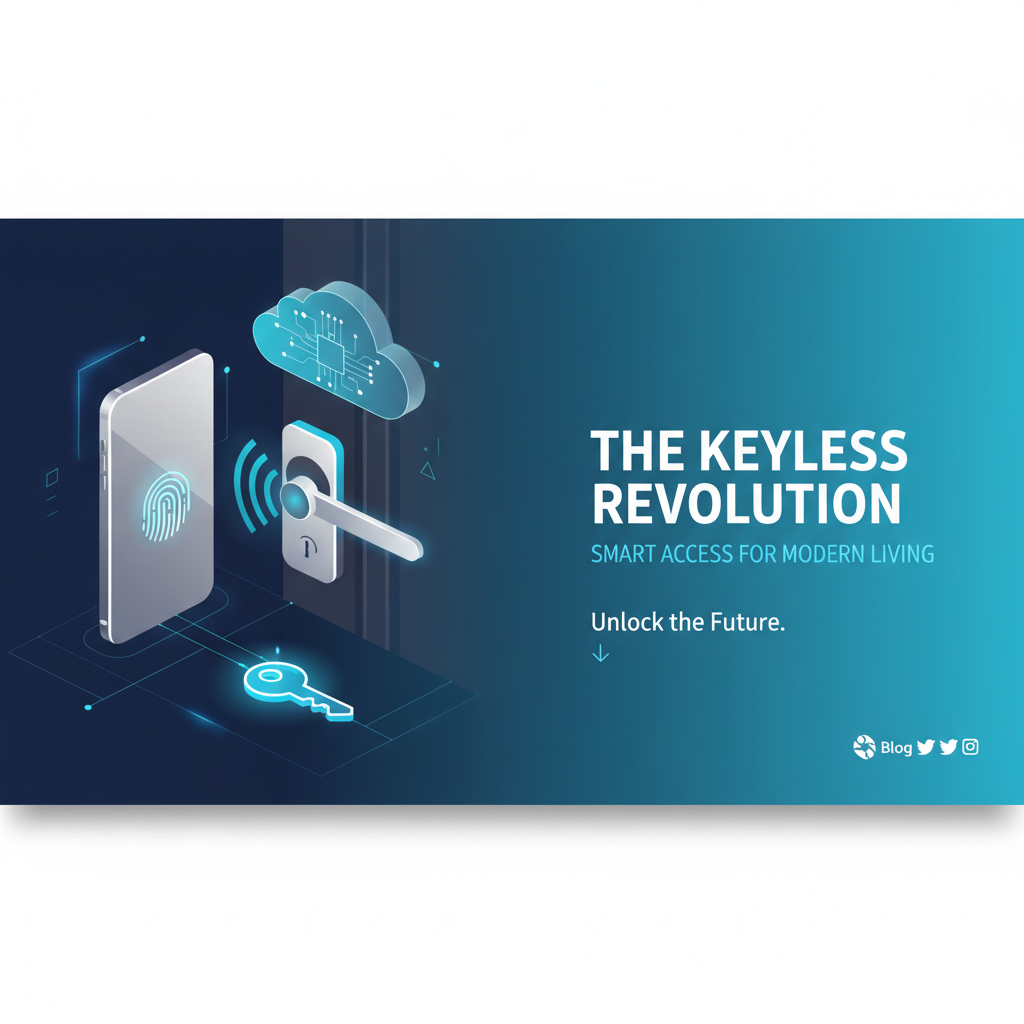
The Keyless Revolution: Smart Access for Modern Living
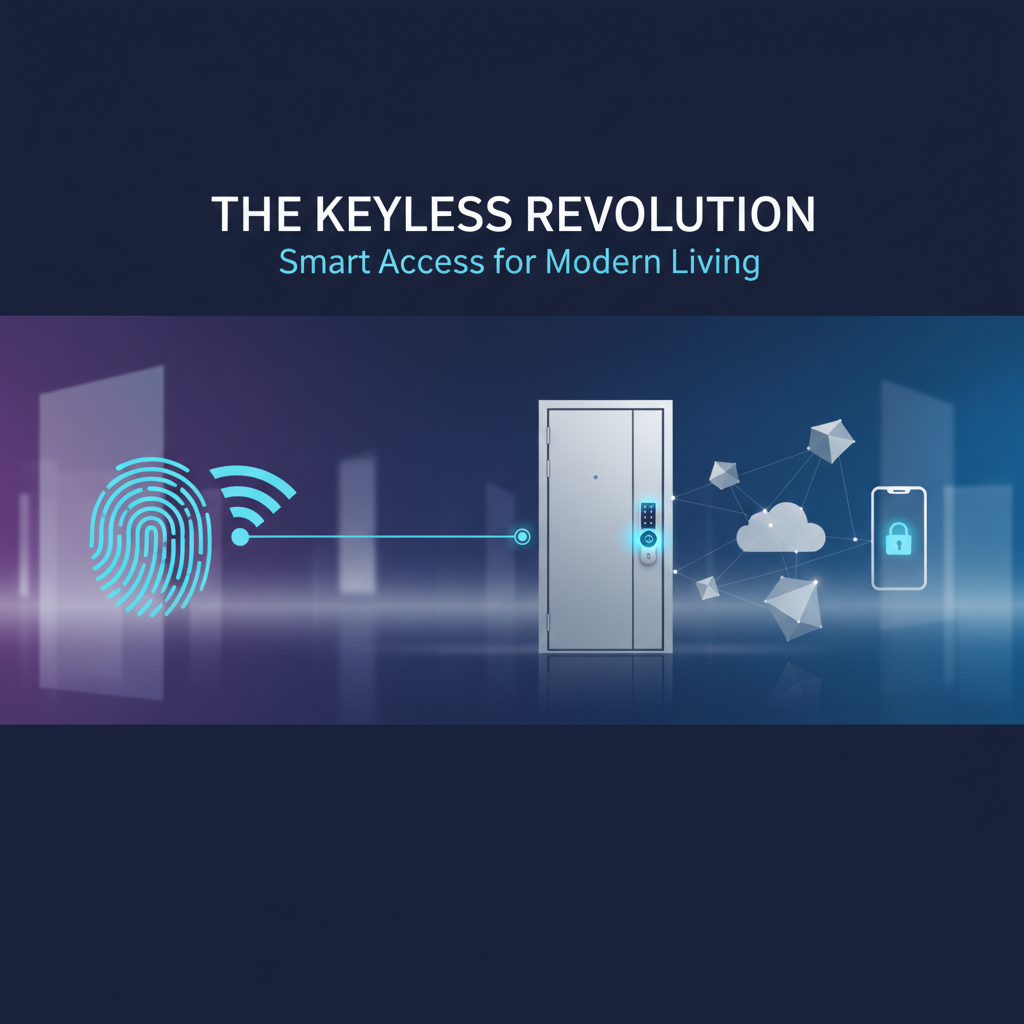


In an era defined by rapid technological advancement and an insatiable desire for convenience, security, and efficiency, few transformations are as profound and pervasive as the keyless revolution. This shift, from tangible metal keys to digital credentials, biometrics, and sophisticated access control systems, is fundamentally reshaping how we interact with our physical environments. It's not merely about replacing a traditional lock with a smart one; it's about re-imagining access, making it dynamic, intelligent, and deeply integrated into the fabric of modern living. This comprehensive exploration delves into the multifaceted dimensions of smart access, dissecting its underlying technologies, myriad benefits, widespread applications, inherent challenges, and promising future trajectories, all while underscoring the critical roles of APIs, gateways, and Open Platforms in making this revolution a tangible reality.
The Dawn of Digital Dominance: From Tumblers to Touchscreens
For millennia, the humble key has been the undisputed symbol of security and ownership. Its design, while evolving from rudimentary wooden mechanisms to intricate pin-tumbler systems, remained fundamentally mechanical. The ritual of fumbling for keys, the jingle in pockets, and the constant worry of misplacement were ingrained aspects of daily life. The first whispers of change emerged with the advent of electronic access control in the mid-20th century, primarily in high-security commercial environments. Keycards, initially magnetic stripe-based, offered a more flexible approach, allowing quick changes to access permissions without physically rekeying locks. These early systems, though primitive by today's standards, laid the groundwork for the digital transformation of access, demonstrating the potential for centralized management and granular control.
The true "keyless revolution," however, gained momentum with the proliferation of ubiquitous internet connectivity, powerful microprocessors, and sophisticated wireless communication protocols in the 21st century. The concept of a "smart lock" – a device capable of being controlled remotely, integrating with other smart devices, and offering diverse authentication methods – moved from science fiction to consumer reality. This evolution wasn't linear; it was a complex interplay of hardware innovation, software development, and a growing societal appetite for interconnected, intelligent living spaces. The transition represented a paradigm shift: from a static, physical object to a dynamic, digital credential, capable of adapting to changing needs and providing unprecedented levels of control and insight. This foundational change is underpinned by layers of technology, where each component, from the mechanical lock mechanism to the cloud-based management software, must communicate seamlessly and securely. The reliability of these communication pathways and the integrity of the data exchanged are paramount, transforming what was once a simple mechanical act into a sophisticated digital ballet.
The Pillars of Smart Access Technology: Connectivity, APIs, and Gateways
At the heart of every smart access system lies a complex ecosystem of technologies, each playing a vital role in ensuring functionality, security, and interoperability. Understanding these core components is crucial to appreciating the sophistication and potential of the keyless revolution.
Connectivity: The Wireless Web of Access
The ability of a smart lock to communicate with other devices, the internet, and its users is fundamental. Various wireless protocols underpin this connectivity, each with its strengths and typical applications:
- Bluetooth (BLE - Bluetooth Low Energy): Ideal for short-range communication, typically between a smartphone and a smart lock. It's energy-efficient, making it suitable for battery-powered devices, but its limited range means direct internet control often requires an intermediary gateway.
- Wi-Fi: Offers direct internet connectivity, allowing remote control and real-time notifications without a separate gateway. However, Wi-Fi modules consume more power, potentially leading to shorter battery life for locks.
- Zigbee and Z-Wave: These are mesh networking protocols specifically designed for smart home devices. They operate on different radio frequencies (Zigbee often 2.4 GHz, Z-Wave typically 800-900 MHz in various regions) and create a network where devices can relay signals to extend range and reliability. They are energy-efficient and scalable, making them popular choices for comprehensive smart home ecosystems. Both typically require a central hub or gateway to connect to the internet.
- NFC (Near Field Communication): Primarily used for contactless authentication, where a smartphone or an NFC card is tapped against the lock. It's secure and fast for local access but doesn't facilitate remote control.
- Cellular (4G/5G): While less common for residential locks due to cost and power consumption, cellular connectivity is emerging for commercial and remote applications where Wi-Fi or local networks are unavailable or unreliable. It offers robust, independent internet access.
The choice of connectivity protocol significantly impacts a smart lock's features, battery life, and integration capabilities. Often, hybrid approaches are employed, where a lock might use Bluetooth for local control and a gateway for remote Wi-Fi or Zigbee/Z-Wave connectivity.
Authentication Methods: Beyond the Physical Key
The keyless revolution thrives on diverse and flexible authentication methods, moving beyond the simple cut of a metal key:
- Keypads/PIN Codes: A common and reliable method, allowing users to enter a numerical code. This offers flexibility for temporary access and doesn't require a smartphone.
- Smartphone Apps: The most prevalent method, leveraging Bluetooth or Wi-Fi to unlock doors, manage access, and monitor activity. Apps provide a rich user interface for scheduling access, viewing logs, and integrating with other smart devices.
- Biometrics (Fingerprint, Facial Recognition): Offers unparalleled convenience and security, as "you are the key." Fingerprint sensors are becoming increasingly common, while facial recognition, though more complex and computationally intensive, is emerging in high-end or specialized access systems. These methods eliminate the need for carrying anything or remembering codes.
- Key Fobs/Cards: Similar to traditional keycards but often using RFID or NFC technology, offering a simple tap-to-access experience. Useful for those without smartphones or specific commercial applications.
- Voice Control: Integration with smart assistants (Alexa, Google Assistant) allows for voice commands to lock or unlock doors, often with an additional PIN verification for security.
Each method caters to different user preferences and security requirements, contributing to the versatility of smart access systems.
APIs as the Backbone for Communication and Integration
At the architectural core of modern smart access systems, particularly those aiming for interoperability and extensibility, lie APIs (Application Programming Interfaces). An API is essentially a set of definitions and protocols for building and integrating application software. In the context of smart access, APIs enable different software applications and hardware devices to communicate and interact with each other.
Imagine a smart lock that needs to: 1. Receive an unlock command from a smartphone app. 2. Send a notification to a user when the door is opened. 3. Integrate with a smart home system to turn on lights when someone enters. 4. Share access logs with a property management system.
Each of these interactions is facilitated by APIs. The lock manufacturer provides APIs that allow third-party developers (e.g., smart home hub manufacturers, app developers, security service providers) to securely access and control the lock's functionalities. These APIs define: * How to send commands: E.g., POST /lock/{deviceId}/unlock * How to request status: E.g., GET /lock/{deviceId}/status * What data formats to use: E.g., JSON for requests and responses. * Security protocols: E.g., OAuth2 for authentication and authorization.
Without robust and well-documented APIs, smart access systems would exist in isolated silos, unable to communicate with the broader IoT ecosystem. They are the universal translators, allowing diverse devices and services to speak a common digital language. For developers and organizations venturing into the complex world of smart access, where countless APIs govern everything from lock status to user authentication and third-party integrations, managing these digital connections can be daunting. This is where platforms like ApiPark, an open-source AI gateway and API management platform, become invaluable. It helps streamline the integration, deployment, and management of both AI and REST services, providing a unified approach to what would otherwise be a chaotic network of individual APIs. Its capabilities in unifying API formats and managing the end-to-end API lifecycle directly address the complexities inherent in building robust and scalable smart access solutions, ensuring that the 'keyless revolution' can continue to evolve with stability and efficiency.
Gateways: Bridging the Physical and Digital Worlds
A gateway in the context of smart access is a device that acts as a bridge or translator between different communication protocols or networks. Its role is crucial for enabling seamless interaction, especially for devices that don't have direct internet connectivity (like many Zigbee or Z-Wave smart locks) or need to communicate across disparate systems.
Common functions of a smart access gateway include: * Protocol Translation: Converting signals from a local protocol (e.g., Zigbee, Z-Wave, Bluetooth) into an internet-compatible protocol (e.g., Wi-Fi, Ethernet) so that commands can be sent from a cloud server or a smartphone app anywhere in the world. * Local Processing/Automation: Some advanced gateways can perform local processing, allowing certain automations (e.g., "unlock when phone is nearby") to happen even without an internet connection, improving reliability and speed. * Centralized Control: Acting as a central hub for multiple smart devices, simplifying management and integration with broader smart home ecosystems. * Security Layer: Often incorporating security features like firewalls and encryption to protect the local network and the devices connected to it from external threats.
Without a gateway, many smart locks would be limited to short-range, local control. The gateway extends their reach, transforming them from isolated gadgets into integral components of a connected, intelligent living space. It's the critical juncture where local device commands meet the global internet, enabling the remote management and integration that defines modern smart access.
Table 1: Key Technologies and Their Role in Smart Access
| Technology Component | Primary Function in Smart Access | Typical Protocols/Methods | Importance for the Keyless Revolution |
|---|---|---|---|
| Connectivity | Enabling communication between devices and the network. | Bluetooth, Wi-Fi, Zigbee, Z-Wave, NFC, Cellular | Essential for remote control, notifications, and integration. |
| Authentication | Verifying user identity to grant access. | PIN Codes, Smartphone Apps, Biometrics (Fingerprint, Face), Key Fobs, Voice Control | Provides diverse, flexible, and secure access methods. |
| API (Application Programming Interface) | Standardized rules for software components to communicate and interact. | REST, GraphQL (for data exchange) | Crucial for interoperability, allowing smart locks to integrate with other smart home/building systems and third-party applications. |
| Gateway | Bridging different communication protocols and connecting local networks to the internet. | Wi-Fi to Zigbee/Z-Wave/Bluetooth | Enables remote access, centralized control, and integration of diverse devices. |
| Cloud Services | Hosting data, managing access, and providing remote control/monitoring. | AWS, Azure, Google Cloud (backend) | Facilitates global access, data storage, and advanced analytics. |
| User Interface | Means for users to interact with the system. | Smartphone Apps, Web Dashboards, Voice Assistants | Ensures ease of use and comprehensive control for end-users. |
This intricate dance of hardware, software, and communication protocols forms the bedrock of the keyless revolution, allowing for capabilities that were once unimaginable.
Benefits of Smart Access for Modern Living: A Paradigm Shift
The widespread adoption of smart access systems is not merely a technological fad; it is driven by a compelling suite of benefits that profoundly enhance convenience, security, flexibility, and efficiency across various aspects of modern life.
Unparalleled Convenience: Freedom from the Fob
The most immediately apparent benefit of smart access is the sheer convenience it offers. No longer do individuals need to carry a cumbersome set of keys, nor do they face the panic of a lost or forgotten key. With smartphone-based access, the device that rarely leaves one's side becomes the key. Remote unlocking capabilities mean doors can be opened for guests, deliveries, or family members even when no one is home. This eliminates missed appointments and the anxiety of waiting for someone to arrive. Temporary access codes can be generated and revoked with ease, ideal for dog walkers, housekeepers, or short-term rentals, providing access only for specific durations. This level of control translates into significant time savings and a reduction in daily friction, allowing individuals to manage their lives with greater fluidity and less logistical overhead. The ability to verify who is at the door through integrated video doorbells and then unlock it from anywhere offers a seamless and stress-free experience, fundamentally altering the traditional interaction with one's entryway.
Enhanced Security: Layers of Digital Protection
While some initial skepticism surrounded the security of digital locks, modern smart access systems often surpass traditional locks in terms of security features. They offer multiple layers of protection:
- Audit Trails: Every entry and exit is logged, providing a detailed record of who entered, when, and how. This audit trail is invaluable for accountability and security investigations, a feature impossible with mechanical locks.
- Tamper Alerts: Many smart locks are equipped with sensors that detect forced entry attempts or tampering, sending instant alerts to the homeowner's smartphone or a security monitoring service.
- Encryption: Communication between the lock, the gateway, and the cloud is typically encrypted using robust industry standards, protecting against eavesdropping and data interception.
- Dynamic Codes: PIN codes can be changed frequently, and temporary codes expire automatically, significantly reducing the risk associated with static, easily copied physical keys.
- Integration with Security Systems: Smart locks seamlessly integrate with broader smart home security systems, triggering alarms, activating cameras, or notifying authorities in case of a breach.
- Elimination of Physical Key Vulnerabilities: The risk of lost or stolen keys being used for unauthorized entry is eliminated. If a phone is lost, access can be revoked remotely, a stark contrast to the costly and disruptive process of rekeying.
These features collectively provide a more dynamic, proactive, and resilient security posture than traditional locks, empowering users with greater peace of mind and control over their physical spaces.
Unprecedented Flexibility: Dynamic Access Control
The flexibility offered by smart access systems is a game-changer for individuals and organizations alike. Property owners can grant access to service providers for specific hours on particular days, ensuring they only enter when authorized. For rental properties, new tenant access can be provisioned instantly upon move-in and revoked immediately upon move-out, eliminating the need for key handovers or lock changes. In workplaces, access permissions can be tailored to individual roles, departments, or projects, allowing employees to access only the areas relevant to their responsibilities. This granular control means that security protocols can be adjusted on the fly, responding to immediate needs or long-term operational changes without significant logistical hurdles. The ability to remotely manage and modify access schedules from anywhere in the world makes smart access an indispensable tool for property managers, business owners, and homeowners with dynamic needs.
Operational Efficiency: Streamlining Management and Reducing Costs
For businesses, property management companies, and hospitality providers, smart access translates into significant operational efficiencies and cost savings. The elimination of physical key management reduces administrative burdens, staffing costs associated with key distribution and collection, and the expense of rekeying or replacing locks. Audit trails simplify compliance and investigations. In hotels, digital keys delivered to smartphones enhance guest experience, reduce check-in times, and optimize staff deployment. Co-working spaces can manage access for a fluctuating number of members with ease, automatically granting and revoking access based on subscription status. This streamlining of access management processes allows organizations to reallocate resources to more value-added activities, improve customer satisfaction, and foster a more secure and efficient operating environment. The shift from reactive, manual key management to proactive, automated digital access transforms a significant operational challenge into a streamlined, data-driven process.
Enhanced Accessibility: Inclusive Design
Smart access systems can also significantly improve accessibility for individuals with disabilities. For those with limited mobility, the ability to unlock a door with a voice command or a tap on a smartphone eliminates the physical dexterity required for a traditional key. Biometric authentication offers a simple, hands-free method of entry. For individuals with visual impairments, audible feedback from smart locks or app-based controls can guide them. This inclusive design philosophy ensures that smart access is not just about convenience for the general population, but about creating more accessible and independent living environments for everyone. The potential to integrate with other assistive technologies further amplifies these benefits, making spaces more welcoming and navigable.
Applications Across Various Sectors: Pervasive Impact
The keyless revolution is not confined to residential homes; its transformative power is being harnessed across a diverse array of sectors, each leveraging smart access to address unique challenges and unlock new opportunities.
Residential Homes: The Smart Home Ecosystem
For homeowners, smart access is often the cornerstone of their broader smart home ecosystem. A smart lock integrated with a voice assistant allows for hands-free entry. When the door unlocks, it can trigger a cascade of automated actions: lights turn on, the thermostat adjusts, and music begins to play. This level of integration transforms a house into an intuitive, responsive living space. For families, it provides peace of mind, allowing parents to monitor children's arrivals and departures. For single-family homes, apartments, and condominiums, smart locks offer a scalable and adaptable solution that enhances security, convenience, and energy efficiency. The ability to grant temporary access to cleaners or maintenance personnel, or to remotely check if a door is locked, significantly simplifies household management, providing a layer of control that traditional locks simply cannot match. This integration moves beyond mere convenience, establishing the home as a truly intelligent environment.
Commercial Buildings: Redefining Workplace Access
In commercial settings, smart access systems are revolutionizing how businesses manage their premises. From large corporate campuses to small office buildings and co-working spaces, digital access control offers unprecedented control and flexibility.
- Corporate Offices: Employees can use their smartphones or badges for seamless entry, with access permissions dynamically updated based on their role or department. This eliminates the need for physical key distribution and collection, especially in high-turnover environments.
- Co-working Spaces: These flexible environments thrive on dynamic access. Smart access allows members to gain entry only during their paid hours or to specific zones (e.g., meeting rooms), all managed centrally through a digital platform. This provides a scalable solution for managing a constantly changing user base.
- Retail Stores: Beyond employee access, smart locks can secure stockrooms or specialized areas, with audit trails providing accountability for inventory management.
- Factories and Warehouses: Restricting access to hazardous areas or high-value inventory is critical. Smart access, often integrated with biometrics or advanced card systems, ensures only authorized personnel can enter, with every access event logged for safety and security compliance.
The benefits extend to visitor management, emergency protocols, and energy management, where building systems can react to occupancy data provided by the access system. The granular control over who accesses what, when, and how, combined with comprehensive audit trails, makes commercial smart access a powerful tool for operational efficiency and security.
Hospitality: Enhancing Guest Experience and Operations
The hospitality industry, encompassing hotels, resorts, and vacation rentals, is a prime beneficiary of the keyless revolution.
- Hotels: Digital keys delivered to guests' smartphones eliminate the need for physical check-in desks, reducing wait times and providing a seamless, contactless arrival experience. Guests can bypass the front desk and go straight to their room. Hotel staff can manage access for various services (e.g., room service, cleaning) with temporary, time-limited credentials.
- Vacation Rentals (Airbnb, VRBO): Smart locks are almost indispensable for short-term rental hosts. They allow hosts to remotely manage access for guests, provide unique codes for each booking, and automatically revoke access after check-out. This simplifies the logistics of key handovers, reduces the risk of lost keys, and enhances security for both guests and property owners. Automated messaging can deliver check-in instructions and access codes directly to guests, streamlining the entire process.
The ability to provide a personalized, convenient, and secure experience directly impacts guest satisfaction and operational overhead, marking smart access as a critical differentiator in a competitive industry.
Healthcare: Security and Compliance
In healthcare facilities, smart access plays a crucial role in maintaining security, patient privacy, and regulatory compliance. * Hospitals and Clinics: Restricting access to sensitive areas (e.g., pharmacies, data centers, operating rooms) to authorized personnel only is paramount. Smart access systems, often utilizing badges or biometrics, provide granular control and maintain detailed audit trails for regulatory compliance (e.g., HIPAA). * Elder Care Facilities: Smart locks can enhance security for residents while allowing controlled access for staff and approved visitors. They can also integrate with monitoring systems to provide alerts if a resident with specific needs attempts to leave unsupervised.
The blend of high security, detailed logging, and adaptable access management makes smart access an invaluable tool in the demanding environment of healthcare.
Industrial and Infrastructure: Remote Management and Monitoring
For industrial sites, utilities, and remote infrastructure, smart access offers solutions for challenging environments. * Remote Facilities: Telecommunications towers, power stations, and water treatment plants often need secure, auditable access for maintenance crews. Smart locks with remote management capabilities allow access to be granted on demand, reducing travel time for key handovers and providing a real-time log of activity. * Construction Sites: Managing access for various contractors and subcontractors can be complex. Smart locks offer a flexible solution to control site entry and specific areas within the site, with access revocable as projects progress.
In these contexts, the ability to manage access remotely and maintain a comprehensive audit trail is not just convenient but critical for security, safety, and operational continuity.
Automotive: Car Sharing and Fleet Management
The automotive sector is also embracing the keyless revolution, particularly in the growing segments of car sharing and fleet management. * Car Sharing Services: Smart access allows users to locate, unlock, and start shared vehicles using a smartphone app, eliminating the need for physical keys. This enables scalable, on-demand mobility services. * Fleet Management: Businesses can track vehicle usage, monitor driver access, and remotely lock/unlock vehicles in their fleet, enhancing security and optimizing resource allocation.
The keyless entry and start functionalities, once premium features, are becoming standard, paving the way for more integrated and flexible transportation solutions.
The Role of Open Platforms and Interoperability: Fostering Innovation
While the immediate benefits of smart access are evident, the long-term success and transformative potential of the keyless revolution hinge on the principles of Open Platforms and interoperability. In a rapidly evolving technological landscape, no single company can innovate in isolation to meet the diverse needs of consumers and businesses.
Why Open Standards Matter
An Open Platform approach, underpinned by open standards and well-documented APIs, is critical for several reasons:
- Innovation: When platforms are open, a larger community of developers can build new applications, features, and integrations on top of existing infrastructure. This accelerates innovation, leading to a richer ecosystem of services.
- Choice for Consumers: Open standards reduce vendor lock-in. Consumers are not tied to a single brand for all their smart devices; they can choose the best-of-breed products from different manufacturers, confident that they will work together.
- Future-Proofing: Technology evolves rapidly. Systems built on open standards are more adaptable and resilient to future changes, as they can more easily integrate new technologies and updates from diverse sources.
- Security: A wider community scrutinizing and contributing to open standards can often lead to more robust security protocols, as vulnerabilities are more likely to be identified and addressed.
Without open standards, the smart access market risks fragmentation, where devices from different manufacturers struggle to communicate, leading to a disjointed and frustrating user experience.
The Benefits of a Vibrant Ecosystem
An Open Platform fosters a vibrant ecosystem where: * Developers can create innovative solutions without rebuilding core infrastructure. For instance, a developer might create an API-driven app that integrates a smart lock with a local weather service to pre-heat a home only when a resident is confirmed to be returning. * Manufacturers can focus on their core competencies (e.g., lock hardware) while relying on a broader ecosystem for software integrations and additional services. * Users gain access to a wider range of integrated services and customized experiences, moving beyond basic lock/unlock functions to truly intelligent access management.
This collaborative environment is where the real intelligence of the keyless revolution will emerge, enabling complex automations and highly personalized interactions that go far beyond simple remote control.
Challenges of Fragmentation and Vendor Lock-in
Conversely, a lack of Open Platforms and standardized APIs leads to significant challenges:
- Limited Interoperability: Devices from different brands may not be able to communicate with each other, forcing users into single-brand ecosystems that might not offer the best solutions for all their needs.
- Increased Complexity: Integrating disparate systems becomes a bespoke, often costly, and fragile process, requiring custom coding for each connection.
- Stifled Innovation: If core functionalities are locked behind proprietary systems, external developers cannot build upon them, slowing down the pace of new feature development.
- Security Risks: Proprietary systems with closed APIs can sometimes harbor unnoticed vulnerabilities if not subjected to widespread review.
- Higher Costs: Vendor lock-in often leads to higher long-term costs for upgrades, maintenance, and expansion, as users have limited alternatives.
How APIs Facilitate Open Platform Development
APIs are the fundamental enablers of an Open Platform strategy. By exposing specific functionalities of a smart lock or an access control system through well-defined, public APIs, manufacturers allow third-party developers to: * Read data: Get lock status, access logs, battery levels. * Send commands: Lock/unlock doors, manage users, update firmware. * Receive notifications: Get real-time alerts for events like door opened/closed, tampering, low battery.
These APIs act as a contract, ensuring that developers can reliably interact with the system without needing to understand its internal workings. For instance, a smart home hub can use a lock's API to trigger an "Away" scene that locks all doors, arms the alarm, and turns off lights, all through a single command. The existence of comprehensive and accessible API documentation, coupled with strong developer support, is what truly defines an Open Platform in practice, empowering a collaborative and innovative ecosystem for smart access solutions. The commitment to open source, as seen in platforms like ApiPark, further exemplifies this ethos, providing developers with the underlying tools to manage and integrate the APIs that power these interconnected systems, fostering greater transparency, flexibility, and community-driven development in the broader smart access landscape.
APIPark is a high-performance AI gateway that allows you to securely access the most comprehensive LLM APIs globally on the APIPark platform, including OpenAI, Anthropic, Mistral, Llama2, Google Gemini, and more.Try APIPark now! 👇👇👇
Security and Privacy Concerns: Navigating the Digital Frontier
While smart access offers undeniable benefits, its reliance on digital technologies introduces a new set of security and privacy considerations that must be meticulously addressed. The convenience of keyless entry must not come at the cost of vulnerability.
Cybersecurity Threats: The New Lockpick
Digital locks, like any internet-connected device, are susceptible to cyberattacks. Potential threats include: * Hacking: Malicious actors could exploit software vulnerabilities to gain unauthorized access, either by remotely unlocking doors or by manipulating access logs. Weak passwords, outdated firmware, and unpatched security flaws are common entry points. * Man-in-the-Middle Attacks: Attackers could intercept communication between the smart lock, its gateway, and the cloud server to steal credentials or inject false commands. * Denial-of-Service (DoS) Attacks: Overwhelming the lock or its network with traffic could render it unresponsive, preventing legitimate users from gaining access or monitoring its status. * Brute-Force Attacks: Attempting numerous PIN combinations until the correct one is found, though most smart locks have lockout mechanisms after several failed attempts. * Physical Tampering with Digital Components: While less common, sophisticated attackers might attempt to physically access the lock's internal electronics to bypass its security.
Manufacturers are continually implementing robust security measures, including end-to-end encryption, multi-factor authentication, regular firmware updates, and secure boot processes to mitigate these risks. However, user awareness and best practices remain critical.
Privacy Implications: Who Knows Your Schedule?
The audit trails that offer enhanced security also raise privacy questions. Smart access systems collect data on: * Entry/Exit Times: When individuals enter and leave their premises. * User Identity: Who specifically gained access. * Access Methods: Whether a key code, app, or biometric was used. * Geographic Data: If the app uses location services, it might log where an unlock command originated.
This data, while invaluable for security and convenience, paints a detailed picture of an individual's movements and habits. Concerns arise regarding: * Data Storage and Access: Where is this data stored (locally, in the cloud)? Who has access to it (manufacturers, third-party partners, law enforcement)? * Data Sharing: Is this data shared with advertisers or other entities without explicit consent? * Unauthorized Access to Data: If the system is hacked, this sensitive personal data could be compromised.
Best Practices for Securing Smart Access Systems
To maximize security and protect privacy, users and system administrators should adhere to several best practices:
- Strong Passwords and Multi-Factor Authentication (MFA): Use complex, unique passwords for smart lock apps and cloud accounts. Enable MFA wherever possible (e.g., a code sent to a phone in addition to a password).
- Regular Firmware Updates: Always keep smart lock firmware and app software updated. Manufacturers frequently release patches to address newly discovered vulnerabilities.
- Secure Wi-Fi Network: Ensure the home or office Wi-Fi network is secured with WPA2/WPA3 encryption and a strong, unique password. Consider segmenting IoT devices onto a separate network if possible.
- Careful Access Granting: Only grant access to trusted individuals and for the shortest necessary duration. Regularly review and revoke unused access codes or permissions.
- Biometric Data Management: Understand how biometric data is stored (locally on the device vs. in the cloud) and the manufacturer's privacy policies.
- Review Privacy Policies: Read and understand the privacy policies of smart lock manufacturers and associated service providers to know how your data is collected, stored, and used.
- Physical Security Checks: Regularly inspect the physical lock for signs of tampering or damage.
- Professional Installation: For complex systems, consider professional installation to ensure correct setup and configuration.
- Integration with Reputable Platforms: When integrating with smart home hubs or other platforms, choose reputable services with strong security track records.
- VPN Usage: For highly sensitive remote management, consider using a Virtual Private Network (VPN) when accessing smart lock controls remotely, adding another layer of encryption.
By diligently addressing these security and privacy concerns, the keyless revolution can continue to flourish, offering its transformative benefits without compromising the trust and safety of its users.
Integrating Smart Access with the Broader IoT Ecosystem: A Unified Smart Environment
The true power of the keyless revolution is unleashed when smart access systems are not treated as standalone devices but as integral components of a wider Internet of Things (IoT) ecosystem. This integration elevates smart access from simple remote control to intelligent, automated, and context-aware functionality, creating truly unified smart environments.
Smart Home Hubs and Voice Assistants: The Central Command
At the nexus of many smart home ecosystems are central hubs and voice assistants. * Smart Home Hubs (e.g., SmartThings, Homey, Apple HomeKit): These devices act as central controllers, bridging different communication protocols (Zigbee, Z-Wave, Wi-Fi, Bluetooth) and providing a unified interface for managing all connected devices. A smart lock integrated with a hub means its status and control can be orchestrated alongside lights, thermostats, cameras, and entertainment systems. The hub often provides the necessary gateway functionality, consolidating multiple devices under one roof. * Voice Assistants (e.g., Amazon Alexa, Google Assistant): These platforms offer an intuitive, hands-free method of interaction. Users can simply say, "Alexa, lock the front door" or "Hey Google, is the back door locked?" For security-sensitive actions like unlocking, most systems require a spoken PIN or a confirmation through a smartphone, preventing unauthorized voice commands.
This integration allows users to manage their entire home environment from a single app or through natural voice commands, making the experience seamless and intuitive.
Automations and Routines: Context-Aware Living
The magic of integration lies in the ability to create automations and routines, where the smart lock becomes a trigger or an action in a chain of events:
- "Welcome Home" Scene: When the smart lock detects a family member's arrival (via an unlocked door or geofencing), it can trigger a routine: lights in the entryway turn on, the thermostat adjusts to a comfortable temperature, the smart speaker starts playing a favorite playlist, and the alarm system disarms.
- "Goodbye" Scene: Locking the front door from the app or keypad upon leaving can initiate a routine: all lights turn off, the thermostat goes into energy-saving mode, and the security system arms itself.
- Security Integration: If an intruder is detected by a motion sensor, the smart lock can automatically secure all doors, and an integrated camera can begin recording and send alerts.
- Guest Mode: When a temporary access code is used, it can not only unlock the door but also adjust the guest room thermostat, turn on specific lights, and even send a "welcome" message to the guest's phone via a smart messaging platform.
These automations enhance convenience, improve energy efficiency, and bolster security by making the home react intelligently to its occupants' presence and actions. The role of APIs here is paramount; each device exposes its functionalities through APIs, allowing the hub or automation platform to orchestrate complex sequences of actions. The more robust and standardized these APIs, the richer and more reliable the integrated experiences become. This interplay transforms a collection of smart gadgets into a cohesive, responsive "smart organism."
The Concept of a Unified Smart Environment
Ultimately, the goal is to create a truly unified smart environment where all connected devices and services work in harmony, anticipating needs and reacting intelligently. Smart access is a foundational element of this vision. It provides crucial context: knowing who is home, who has left, and who is at the door. This information can then be leveraged by other systems – security, climate control, entertainment, energy management – to optimize performance and personalize the user experience.
Imagine a future where: * Your smart lock communicates with your smart car, automatically unlocking the house door as you pull into the driveway. * Your office access system knows you're in a meeting and automatically forwards your calls to voicemail and silences notifications. * Your elderly parent's smart home uses access data to monitor their daily routine, alerting caregivers only if there's an unusual deviation, providing peace of mind without constant intrusion.
This level of integration, facilitated by powerful APIs and robust gateways, defines the advanced stages of the keyless revolution, moving beyond individual device control to holistic, intelligent living and working spaces. The ability to manage such a complex web of interactions efficiently and securely is where the real value of an Open Platform approach, offering flexible and scalable API management, truly shines.
The Future of Smart Access: Intelligence, Immersion, and Beyond
The keyless revolution is far from over; it is continuously evolving, driven by advancements in artificial intelligence, blockchain, and an ever-increasing demand for personalized, seamless experiences. The future of smart access promises even greater intelligence, immersion, and integration into our daily lives.
AI and Machine Learning: Predictive and Context-Aware Access
Artificial Intelligence (AI) and Machine Learning (ML) are poised to transform smart access systems, moving them from reactive controls to proactive, predictive intelligence:
- Behavioral Analysis: AI algorithms can learn user habits and routines. For example, if a user typically leaves for work at 8 AM, the system can automatically lock the door and arm the alarm without explicit command, or send a reminder if the routine is deviated from. It can also detect unusual access patterns that might indicate a security breach.
- Predictive Access: Imagine a system that recognizes your car approaching home and automatically unlocks the door as you step out of the vehicle, based on learned patterns and real-time location data.
- Enhanced Biometrics: AI will improve the accuracy and speed of facial recognition and fingerprint scanning, making these authentication methods even more reliable and robust, even in challenging conditions. Liveness detection will prevent spoofing attempts.
- Contextual Security: AI can analyze multiple data points (e.g., who is trying to access, time of day, current weather, unusual activity in the vicinity) to dynamically adjust security levels. For instance, if a rare guest tries to access at an unusual time, AI might request an additional verification step.
- Personalized Environments: Beyond access, AI can link entry events to highly personalized environment settings (e.g., preferred lighting, temperature, music) tailored to the individual entering the space.
This integration of AI will make smart access systems not just smart, but truly intelligent, anticipating needs and enhancing security with a level of sophistication impossible through rule-based programming alone.
Blockchain for Enhanced Security and Decentralized Identity
Blockchain technology, known for its decentralized, immutable, and transparent ledger, offers intriguing possibilities for enhancing the security and management of smart access:
- Decentralized Access Control: Instead of relying on a central server to store and manage access credentials, blockchain could enable a decentralized system where access rights are recorded on a distributed ledger. This eliminates a single point of failure and makes the system highly resistant to hacking.
- Immutable Audit Trails: Every access event, every grant, and every revocation of access could be immutably recorded on a blockchain. This provides an unalterable, cryptographically verifiable audit trail, enhancing accountability and trust, particularly in high-security environments.
- Self-Sovereign Identity: Users could manage their own digital identities and grant access permissions directly, without relying on third-party intermediaries. This gives individuals greater control over their data and privacy.
- Smart Contracts for Access: Access permissions could be encoded into smart contracts – self-executing contracts with the terms of the agreement directly written into code. For example, a smart contract could automatically grant access to a delivery driver for a 15-minute window upon proof of package arrival, and then automatically revoke it.
While still in early stages for mass adoption in smart access, blockchain has the potential to fundamentally redefine how we trust and manage digital access rights, adding layers of security and autonomy.
Hyper-Personalization: Access Tailored to the Individual
The future of smart access is about more than just opening doors; it's about creating deeply personalized experiences. Systems will learn individual preferences and adapt accordingly: * Individual Profiles: Each user will have a profile that dictates not just where they can go, but how the environment adjusts for them. * Dynamic Zoning: In commercial buildings, access to different zones could dynamically change based on an employee's current project or schedule, managed seamlessly through the system. * Health and Wellness Integration: In healthcare settings, smart access could integrate with biometric health monitors, ensuring access is granted only when a patient is stable or triggering alerts if specific health parameters are detected during entry.
This level of hyper-personalization transforms access into an extension of individual identity and needs, making spaces truly responsive.
Increased Adoption in Urban Planning and Smart Cities
Smart access systems will play a crucial role in the development of smart cities. * Public Infrastructure: Managing access to public utilities, transportation hubs, and communal spaces with dynamic, scalable smart access solutions. * Emergency Services: Providing rapid, secure, and auditable access for emergency responders to buildings and critical infrastructure. * Shared Urban Spaces: Facilitating access to shared mobility options (e-scooters, bike shares), urban co-living spaces, and community facilities.
The integration of smart access at an urban scale will contribute to safer, more efficient, and more responsive cities, driven by interconnected data and intelligent management.
The future of smart access is a convergence of advanced technologies creating a seamless, secure, and intelligent layer of control over our physical world. It promises an era where access is not just keyless, but truly intelligent, adaptive, and invisible, enhancing every facet of modern living. This evolution will heavily rely on robust APIs and agile API management platforms, enabling the complex integrations and data exchanges that power such sophisticated, interconnected systems, especially as the number of devices and intelligent services continues to explode.
Challenges and Overcoming Them: Paving the Way Forward
Despite the immense promise and ongoing advancements, the keyless revolution faces several challenges that must be addressed for widespread and successful adoption. Overcoming these hurdles requires a concerted effort from manufacturers, developers, policymakers, and users.
Cost and Accessibility
One of the primary barriers to entry for many consumers and small businesses is the initial cost of smart access systems. While prices are declining, a comprehensive setup involving multiple smart locks, a gateway, and potentially integration with a broader smart home system can still represent a significant investment compared to traditional mechanical locks. * Overcoming: Continued innovation and economies of scale are driving down hardware costs. The development of more affordable entry-level options and flexible subscription models (e.g., for advanced software features) can make smart access more accessible. Emphasizing the long-term cost savings (e.g., reduced rekeying expenses, improved efficiency) can also justify the initial investment.
Complexity and User Adoption
For many, especially those less tech-savvy, the setup, configuration, and ongoing management of smart access systems can seem daunting. The sheer number of choices, communication protocols, and integration options can be overwhelming, leading to user frustration and reluctance to adopt. * Overcoming: Manufacturers must prioritize user-friendly design, intuitive apps, and simplified installation processes. Clear, concise instructions and robust customer support are essential. Emphasizing plug-and-play solutions and guided setup processes can significantly lower the barrier to entry. The development of truly unified Open Platforms and standardized APIs will also reduce complexity by ensuring seamless interoperability without requiring users to troubleshoot disparate systems.
Standardization and Interoperability
As highlighted earlier, the lack of universal standards for communication protocols and APIs can lead to fragmentation, where devices from different brands struggle to communicate effectively. This vendor lock-in limits consumer choice and stifles innovation. * Overcoming: Industry-wide collaboration is crucial. Initiatives like Matter (an open-source standard for smart home devices) are promising steps towards greater interoperability. Continued development and adoption of open standards and well-documented APIs will enable a more cohesive ecosystem. Encouraging manufacturers to build on common platforms rather than proprietary ones will foster competition and innovation, ultimately benefiting the consumer. The widespread adoption of platforms that simplify API integration and management, like ApiPark, also plays a significant role in bridging these interoperability gaps by providing a unified layer for diverse services.
Security and Privacy Concerns (Revisited)
Despite advancements, persistent concerns about cybersecurity breaches and data privacy remain significant roadblocks for some. A single high-profile hack could erode public trust and slow adoption. * Overcoming: Continuous investment in cutting-edge security measures (e.g., advanced encryption, multi-factor authentication, robust vulnerability testing) is paramount. Regular, mandatory firmware updates are essential to patch vulnerabilities. Transparent privacy policies, clear explanations of data usage, and user control over data sharing are critical for building trust. Public education campaigns about best practices for digital security are also vital. Manufacturers need to clearly communicate the security measures in place and empower users to make informed decisions about their privacy settings.
Power Reliability and Redundancy
Smart locks rely on power, typically batteries, and connectivity. Battery failures or internet outages can potentially leave users locked out or compromise security. * Overcoming: Most smart locks include mechanical key overrides as a failsafe, ensuring access even during power outages or battery depletion. Battery life is constantly improving, and low-battery alerts are standard. For critical applications, redundant power sources (e.g., wired power with battery backup) and multiple connectivity options (e.g., Wi-Fi with cellular backup) can enhance reliability. Local processing capabilities in gateways can ensure basic functionalities even without internet connectivity.
Addressing these challenges systematically will be key to realizing the full potential of the keyless revolution, paving the way for a more secure, convenient, and interconnected future. It requires a holistic approach that balances technological innovation with user experience, robust security, and collaborative industry standards.
Conclusion: Unlocking the Future of Modern Living
The keyless revolution, marked by the widespread adoption of smart access systems, represents a profound re-imagining of how we interact with our physical spaces. It is a journey from the static, mechanical key to a dynamic, intelligent digital credential, fundamentally transforming our notions of convenience, security, and control. From smart homes that anticipate our needs to commercial buildings that optimize operational efficiency, and from hospitality venues that redefine guest experiences to urban landscapes that foster smarter cities, the impact of keyless access is pervasive and continually expanding.
At the core of this transformation lies an intricate tapestry of technological advancements. Robust wireless connectivity protocols like Bluetooth, Wi-Fi, Zigbee, and Z-Wave create the mesh of communication. Diverse authentication methods, ranging from PINs and smartphone apps to advanced biometrics, offer unparalleled flexibility and security. Crucially, APIs serve as the digital lingua franca, enabling seamless communication and integration between disparate devices and services. Gateways act as vital bridges, connecting local smart devices to the global internet, thereby empowering remote management and sophisticated automation.
However, this revolution is not without its complexities. The imperative for strong cybersecurity measures, transparent privacy policies, and a commitment to Open Platforms and standardized APIs remains paramount. Addressing concerns about cost, complexity, and interoperability is essential for broader adoption and sustained innovation. The future, however, shines brightly, promising an era where Artificial Intelligence will enable predictive access and hyper-personalization, where blockchain could secure decentralized identity and immutable audit trails, and where smart access seamlessly integrates into the fabric of truly intelligent, responsive environments.
The keyless revolution is more than just a technological upgrade; it is a paradigm shift towards a more connected, efficient, and secure way of life. By embracing the power of APIs, the bridge-building capacity of gateways, and the collaborative spirit of Open Platforms, we are not merely unlocking doors; we are unlocking the boundless potential for modern living, ushering in an era where access is not just a mechanism, but an intelligent, integral part of our future.
Frequently Asked Questions (FAQs)
1. What exactly is "smart access" in the context of the keyless revolution?
Smart access refers to systems that allow entry into a physical space using digital credentials rather than traditional mechanical keys. This typically involves smart locks that can be controlled via smartphones, keypads, biometrics (like fingerprints), or voice commands. These systems often connect to the internet, enabling remote control, monitoring, and integration with other smart home or building technologies. It's a fundamental shift from static, physical keys to dynamic, digital methods of entry and management.
2. How do smart access systems enhance security compared to traditional locks?
Smart access systems enhance security in several ways. They provide detailed audit trails, logging every entry and exit, which is impossible with mechanical locks. Many include tamper alerts that notify users of forced entry attempts. Communication is typically encrypted, and access can be revoked instantly and remotely, unlike physical keys which require rekeying. Multi-factor authentication can be employed, and the elimination of easily copied physical keys reduces common vulnerabilities. However, proper setup, strong passwords, and regular firmware updates are crucial for maintaining digital security.
3. What is the role of an API in smart access systems?
An API (Application Programming Interface) is fundamental to smart access systems, especially for interoperability. It acts as a set of rules and protocols that allows different software applications and hardware devices to communicate and interact. In smart access, APIs enable your smartphone app to send an unlock command to your lock, allow a smart home hub to integrate the lock into automation routines (e.g., turning on lights when the door unlocks), or permit a property management system to provision temporary access codes. They are the digital connectors that make intelligent, integrated access possible.
4. Why are gateways important for smart access?
A gateway serves as a critical bridge between your smart lock and the internet or other networks. Many smart locks use low-power protocols like Zigbee or Z-Wave, which don't have direct internet connectivity. The gateway translates these local signals into internet-compatible protocols (like Wi-Fi or Ethernet), allowing you to control and monitor your lock remotely from anywhere in the world. It often acts as a central hub, managing multiple smart devices and enabling complex automations, ensuring seamless communication across your entire smart ecosystem.
5. What does "Open Platform" mean in relation to smart access, and why is it beneficial?
An "Open Platform" in smart access refers to a system or ecosystem that uses open standards and well-documented APIs, allowing different manufacturers' devices and third-party software applications to communicate and integrate seamlessly. This is beneficial because it fosters innovation by letting a wider community of developers create new features and services. It also gives consumers more choice, preventing vendor lock-in, and generally leads to more robust and future-proof systems. An Open Platform ensures that smart access solutions can evolve and integrate with the broader IoT landscape, creating richer and more personalized user experiences.
🚀You can securely and efficiently call the OpenAI API on APIPark in just two steps:
Step 1: Deploy the APIPark AI gateway in 5 minutes.
APIPark is developed based on Golang, offering strong product performance and low development and maintenance costs. You can deploy APIPark with a single command line.
curl -sSO https://download.apipark.com/install/quick-start.sh; bash quick-start.sh

In my experience, you can see the successful deployment interface within 5 to 10 minutes. Then, you can log in to APIPark using your account.

Step 2: Call the OpenAI API.