The Power of LLM Proxy: Optimizing AI Performance & Costs


The dawn of artificial intelligence has ushered in an era of unprecedented innovation, transforming industries, reshaping business models, and fundamentally altering the way we interact with technology. At the heart of this revolution lies the Large Language Model (LLM), a sophisticated class of AI capable of understanding, generating, and manipulating human language with remarkable fluency and coherence. From generating creative content and automating customer service to powering complex data analysis and code generation, LLMs have become indispensable tools for modern enterprises and developers alike. However, harnessing the true potential of these powerful models is not without its intricate challenges. Organizations often grapple with a myriad of complexities, including the sheer diversity of models from various providers, the unpredictable and often escalating operational costs, the imperative for robust security and data privacy, and the demanding requirements for performance at scale. These challenges, if left unaddressed, can significantly impede the adoption and long-term viability of AI-driven initiatives, transforming promising ventures into costly and unmanageable endeavors.
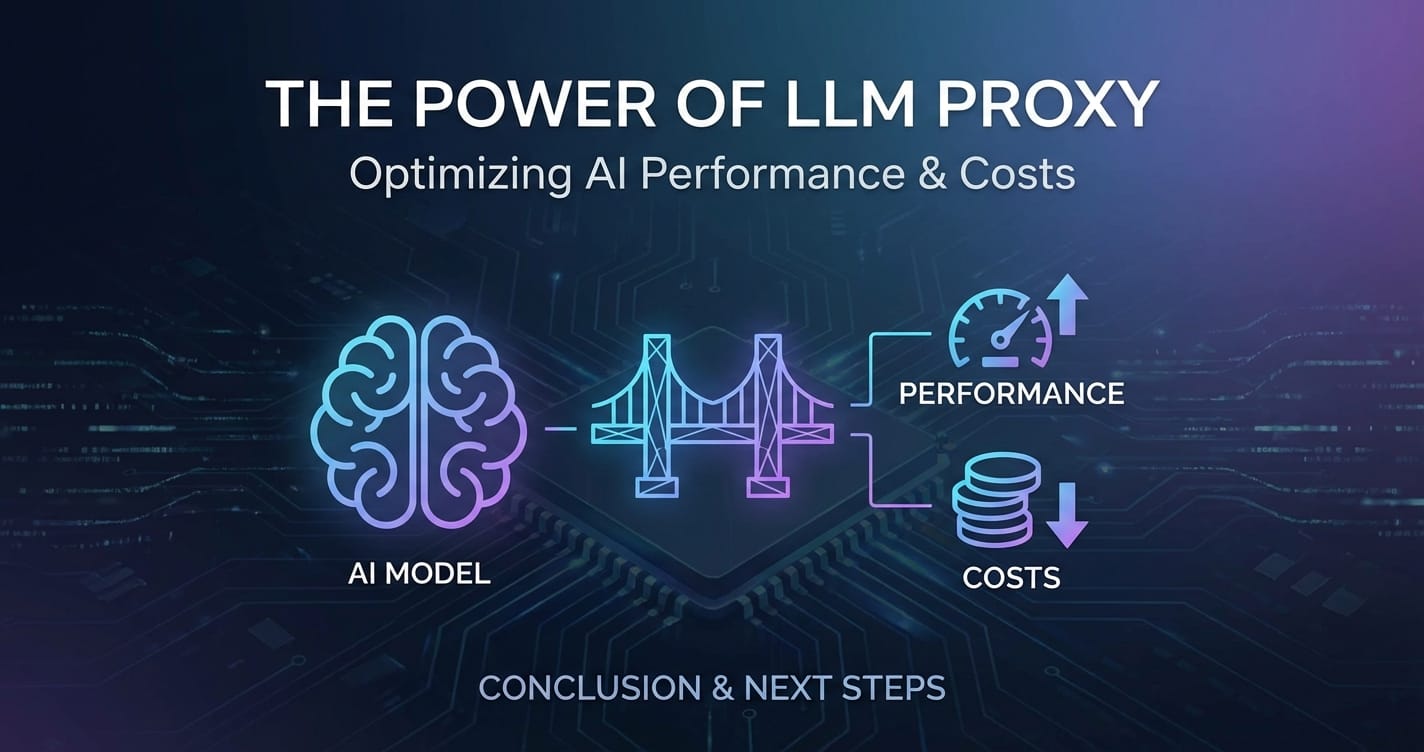
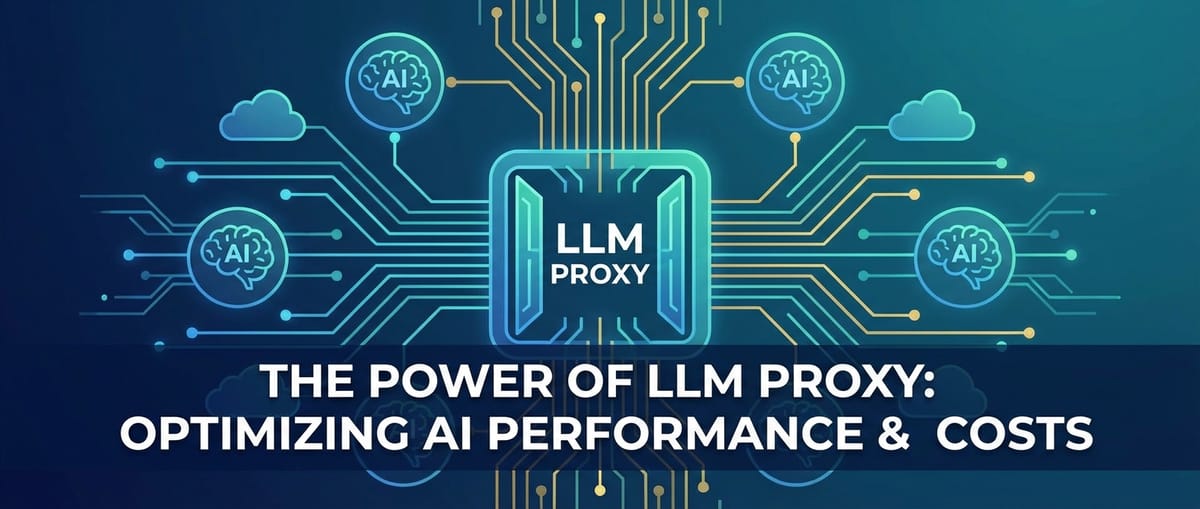
In response to this growing complexity, a critical infrastructural component has emerged as the linchpin for successful AI integration: the LLM Proxy, often interchangeably referred to as an LLM Gateway or AI Gateway. This intelligent intermediary layer acts as a sophisticated bridge between applications and the underlying LLMs, abstracting away much of the inherent complexity and introducing a much-needed layer of control, optimization, and security. By centralizing management and providing a unified interface, an LLM Proxy empowers organizations to unlock the full potential of their AI investments, ensuring that performance is optimized, costs are meticulously managed, and the entire AI ecosystem operates with enhanced resilience and predictability. This comprehensive article delves into the transformative power of the LLM Proxy, exploring its multifaceted capabilities, outlining its profound impact on both technical and business operations, and ultimately demonstrating why it has become an indispensable element in the architecture of any forward-thinking organization leveraging large language models. We will uncover how this crucial technology enables not just the efficient use of AI, but its strategic and sustainable deployment, paving the way for scalable and secure AI innovation across diverse applications and industries.
The Evolving Landscape of Large Language Models and Their Inherent Challenges
The trajectory of Large Language Models has been nothing short of astonishing, marked by rapid advancements that have propelled AI from niche academic research into the mainstream of technological innovation. What began with foundational models demonstrating basic text generation capabilities has evolved into a sophisticated ecosystem teeming with models of varying architectures, sizes, and specializations. From Google's groundbreaking Transformer architecture to the subsequent releases of OpenAI's GPT series, Anthropic's Claude, Meta's Llama, and a host of open-source alternatives, the landscape is rich and dynamic. These models, trained on vast datasets of text and code, exhibit emergent capabilities such as complex reasoning, multi-turn conversation, summarization, translation, and even code synthesis, pushing the boundaries of what machines can achieve. Enterprises now have an unprecedented array of choices, allowing them to select models tailored to specific tasks, performance requirements, and budgetary constraints.
However, this very abundance, while offering immense potential, also introduces a significant layer of operational complexity. Directly integrating and managing multiple LLMs from various providers presents a daunting set of challenges that can quickly overwhelm development teams and strain organizational resources. One of the most prominent issues is API sprawl and vendor lock-in. Each LLM provider typically offers its own unique API, complete with distinct request formats, authentication mechanisms, rate limits, and response structures. Integrating just a few of these models means grappling with multiple SDKs, differing data schemas, and disparate error handling logic. This fragmented approach not only increases development time and maintenance overhead but also makes it incredibly difficult to switch models or leverage a multi-model strategy without significant code refactoring, leading to potential vendor lock-in.
Another critical concern revolves around cost unpredictability and management. LLMs, particularly the most powerful commercial ones, operate on a token-based pricing model, where costs are directly proportional to the volume of input prompts and generated output. While this model scales well with usage, it introduces an element of unpredictability, especially in applications with high user interaction or iterative AI processes. Without granular visibility and control over token consumption, costs can quickly escalate beyond budgetary allocations, turning a promising AI initiative into an expensive liability. Monitoring actual spend, attributing costs to specific users or features, and implementing effective budgeting mechanisms become exceptionally challenging in a direct integration scenario.
Performance bottlenecks and reliability issues further complicate matters. Relying directly on external LLM APIs means applications are subject to the provider's latency, uptime, and rate limits. During peak usage periods, applications might experience slower response times, leading to a degraded user experience. Transient network errors, provider outages, or hitting API rate limits without a robust retry mechanism can lead to application failures and unreliability. Building in sophisticated retry logic, circuit breakers, and fallback strategies for each LLM integration is a non-trivial engineering task that diverts resources from core product development.
Security and data privacy represent another paramount concern. When sensitive user data or proprietary business information is sent to external LLMs, ensuring its confidentiality and integrity is critical. Organizations must implement stringent data governance policies, often requiring data masking or redaction before information leaves their perimeter. Managing API keys securely, controlling who has access to which models, and monitoring for potential data exfiltration or prompt injection vulnerabilities requires a centralized and robust security posture that is difficult to achieve when integrating directly with multiple external services.
Finally, the dynamic nature of LLMs introduces challenges in prompt management, model versioning, and continuous improvement. Prompts are essentially the "programming language" for LLMs, and their effectiveness can vary significantly. Managing a growing library of prompts, versioning them, A/B testing different variations, and ensuring consistency across applications becomes a complex task. Moreover, LLM providers frequently update their models, release new versions, or even deprecate older ones. Adapting applications to these changes in a direct integration model demands constant vigilance and potentially disruptive updates, impacting stability and developer productivity. Addressing these multifaceted challenges is precisely where the LLM Proxy emerges as an indispensable architectural component, offering a strategic solution to transform LLM integration from a cumbersome burden into a streamlined, secure, and cost-effective operation.
What is an LLM Proxy / LLM Gateway / AI Gateway? Defining the Essential Abstraction Layer
At its core, an LLM Proxy, often referred to interchangeably as an LLM Gateway or AI Gateway, is an intelligent intermediary service that sits between your applications and the various Large Language Models (LLMs) they consume. Its primary function is to act as a unified control plane, abstracting away the inherent complexities and diversities of multiple LLM providers and models. Think of it as a sophisticated traffic controller and translator for your AI requests, ensuring they reach the right destination, are handled optimally, and return the desired results, all while adding crucial layers of security, performance enhancement, and cost management.
The concept of a gateway is not new in software architecture; traditional API Gateways have long served a similar purpose for RESTful APIs, providing a single entry point for microservices, handling authentication, routing, rate limiting, and monitoring. An LLM Proxy extends this established architectural pattern specifically for the unique demands of large language models. While the terms "LLM Proxy," "LLM Gateway," and "AI Gateway" are largely synonymous in practice, they each subtly emphasize different aspects of this critical infrastructure component. An "LLM Proxy" often highlights its role in forwarding and potentially modifying requests, acting as a transparent layer. An "LLM Gateway" underscores its function as a centralized entry point and control mechanism, much like a network gateway. An "AI Gateway" broadens the scope to encompass not just LLMs, but potentially other AI services and models (e.g., computer vision, speech-to-text), signifying a more general-purpose AI management layer. Regardless of the nomenclature, the fundamental purpose remains the same: to create a resilient, efficient, and secure bridge between consuming applications and a diverse ecosystem of AI models.
The genesis of the LLM Proxy lies in the need to solve the problems outlined in the previous section. Without it, developers and architects are forced to manage direct integrations with each LLM provider, leading to fragmented codebases, duplicated logic, and significant operational overhead. An LLM Proxy simplifies this landscape by providing a single, standardized API interface for your applications to interact with, regardless of the underlying LLM provider (OpenAI, Anthropic, Google, Hugging Face, custom-hosted models, etc.). This standardization means that your application code doesn't need to know the specific nuances of each LLM's API; it only interacts with the proxy. The proxy then takes on the responsibility of translating your standardized request into the provider-specific format, handling authentication, routing the request to the appropriate LLM, and then translating the provider's response back into a consistent format for your application.
This core function of abstraction brings immediate benefits. It enables rapid iteration and experimentation, as developers can switch between different LLMs or even implement multi-model strategies without altering their application logic. It fosters a modular architecture where the AI interaction layer is decoupled from the business logic, making the system more resilient to changes in the LLM ecosystem. Furthermore, an LLM Proxy becomes the natural choke point where critical functionalities like caching, rate limiting, cost tracking, security policies, and observability can be centrally applied and managed, rather than being haphazardly implemented across various application components.
For instance, platforms like ApiPark serve precisely this role, offering an open-source AI gateway and API management platform designed to help developers and enterprises manage, integrate, and deploy AI services with ease. Such solutions embody the principles of an LLM Proxy, providing a unified management system for authentication, cost tracking, and standardizing the request data format across various AI models. This ensures that changes in underlying AI models or prompts do not necessitate alterations in the application or microservices, thereby simplifying AI usage and significantly reducing maintenance costs. By acting as this critical intermediary, an LLM Proxy transforms the complex, often chaotic world of LLM integration into a streamlined, controlled, and optimized operational domain, enabling organizations to focus on innovative AI application development rather than the intricate plumbing of model management.
Key Features and Capabilities of an LLM Proxy: A Deep Dive into Optimization and Control
The power of an LLM Proxy truly manifests in its comprehensive suite of features, each meticulously designed to address specific challenges in AI integration, from cost containment and performance enhancement to robust security and streamlined management. These capabilities elevate the proxy beyond a mere passthrough mechanism, transforming it into a strategic asset for any organization leveraging large language models.
Unified API Management and Abstraction
One of the most foundational and immediately impactful features of an LLM Proxy is its ability to provide a unified API for diverse LLM providers. In a world where OpenAI, Anthropic, Google, and numerous open-source models each offer distinct APIs, request formats, and authentication schemes, an LLM Proxy acts as a universal translator. It presents a single, consistent API endpoint to your applications, abstracting away the intricate differences of the underlying LLMs. This means your application code doesn't need to be aware of whether it's calling GPT-4, Claude 3, Gemini, or a locally hosted Llama 3 instance; it simply sends a standardized request to the proxy.
This abstraction layer dramatically simplifies development and reduces maintenance overhead. Developers can integrate new LLM providers or switch between models with minimal to no changes in their application code, primarily by configuring the proxy. For example, ApiPark explicitly highlights its capability for quick integration of over 100 AI models and providing a unified API format for AI invocation. This standardization ensures that architectural decisions about model choice become dynamic configurations at the proxy layer rather than hardcoded dependencies within the application. Furthermore, the proxy can handle prompt encapsulation into REST API. This allows users to combine an AI model with a custom prompt (e.g., "Summarize this text in three bullet points") and expose it as a simple REST API endpoint. This transforms complex AI tasks into easily consumable services, fostering reusability and simplifying integration for non-AI specialists. The proxy intelligently processes the incoming REST request, injects the predefined prompt, and formats the output for the consuming application.
Cost Optimization and Management
Perhaps one of the most compelling reasons for adopting an LLM Proxy is its profound impact on cost reduction and meticulous financial management. LLM usage, priced per token, can quickly become a significant and unpredictable expense. An LLM Proxy introduces several mechanisms to bring these costs under control:
- Caching: This is a cornerstone of cost optimization. For identical or semantically similar prompts, the proxy can store and retrieve previous responses instead of making redundant calls to the LLM provider. This drastically reduces token consumption for frequently asked questions, common summarization tasks, or repetitive data generation. Intelligent caching strategies, including time-to-live (TTL) and content-based keys, ensure cache freshness and effectiveness.
- Rate Limiting and Throttling: LLM providers impose strict rate limits to prevent abuse and ensure fair usage. An LLM Proxy allows organizations to centrally define and enforce custom rate limits, preventing applications from exceeding provider quotas and incurring expensive overage charges or service interruptions. Throttling mechanisms can queue requests during peak times, smoothing out traffic spikes and ensuring consistent access without overwhelming the LLM.
- Dynamic Routing and Load Balancing: A sophisticated LLM Proxy can intelligently route requests based on a variety of factors:
- Cost: Directing requests to the cheapest available LLM model or provider for a given task, based on real-time pricing data. This is particularly valuable in multi-cloud or multi-model scenarios.
- Performance: Sending requests to the fastest-responding model or one with lower latency for time-sensitive applications.
- Availability: Automatically failing over to an alternative LLM provider if the primary one is experiencing issues or outages, enhancing resilience.
- Capacity: Distributing requests across multiple instances of a self-hosted LLM or multiple providers to prevent any single endpoint from becoming overloaded.
- This capability enables organizations to implement sophisticated multi-model strategies, leveraging specialized or more cost-effective models for specific tasks (e.g., a cheaper model for simple classification, a premium model for complex reasoning).
- Cost Tracking and Analytics: The proxy acts as a centralized point for metering all LLM requests and responses. It can precisely track token usage, cost per request, and overall expenditure, often broken down by user, application, model, or department. This granular visibility is crucial for budget forecasting, cost attribution, and identifying areas for further optimization. Platforms like ApiPark provide detailed API call logging and powerful data analysis features, which are instrumental for this kind of cost transparency and trend analysis.
Performance Enhancement
Beyond cost savings, an LLM Proxy significantly boosts the performance and reliability of AI-powered applications:
- Request Retries and Fallbacks: Transient network issues or temporary LLM provider outages can cause requests to fail. The proxy can automatically implement intelligent retry mechanisms with exponential backoff, attempting the request again after a short delay, significantly improving the success rate of API calls without burdening the application logic. In more critical scenarios, a fallback strategy can be employed, where if a request fails after several retries with one LLM, the proxy automatically attempts the same request with an alternative, pre-configured LLM provider, ensuring continuity of service.
- Load Balancing: For self-hosted LLMs or multi-instance deployments, the proxy can distribute incoming requests across multiple backend instances, preventing any single instance from becoming a bottleneck. This ensures high throughput and low latency, even under heavy load.
- Asynchronous Processing: Some LLM tasks, like generating lengthy reports or complex code, can be time-consuming. The proxy can manage asynchronous request patterns, allowing the client application to submit a request and then poll for the result later, freeing up client resources and improving responsiveness for real-time interactions.
- Response Streaming Management: Many modern LLMs support streaming responses, where tokens are sent back to the client as they are generated, mimicking real-time human interaction. An LLM Proxy can effectively manage these streaming connections, ensuring efficient data flow and maintaining the low-latency user experience without introducing additional overhead.
Security and Access Control
Security is paramount when dealing with sensitive data and proprietary AI models. An LLM Proxy serves as a formidable security gatekeeper:
- Authentication and Authorization: The proxy centralizes the management of API keys, tokens, and other credentials required to access LLMs. Instead of distributing provider API keys to individual applications, applications authenticate with the proxy, which then securely manages and injects the correct provider credentials. This allows for role-based access control (RBAC), ensuring that only authorized users or applications can access specific LLMs or perform certain types of requests. ApiPark supports independent API and access permissions for each tenant, allowing for multi-team environments with separate security policies.
- Data Masking and Redaction: Before sensitive data (e.g., personally identifiable information, financial details, confidential business information) is sent to an external LLM, the proxy can apply rules to automatically identify and mask, redact, or anonymize portions of the input prompt. Similarly, it can process and sanitize responses from the LLM before they reach the consuming application, preventing inadvertent data exposure. This feature is critical for compliance with regulations like GDPR, HIPAA, and CCPA.
- Input/Output Validation and Sanitization: The proxy can validate incoming requests against predefined schemas to prevent malformed data from reaching the LLM, which could lead to errors or unexpected behavior. More critically, it can implement security sanitization against prompt injection attacks, where malicious users try to manipulate the LLM's behavior by embedding adversarial instructions within their input. By filtering or modifying suspicious inputs, the proxy acts as a crucial defensive layer.
- Logging and Auditing: Every interaction passing through the LLM Proxy can be meticulously logged, including the full request (with sensitive data potentially masked), the LLM's response, timestamps, originating IP, user ID, and any errors encountered. This comprehensive logging is invaluable for security audits, compliance reporting, forensic analysis in case of a breach, and troubleshooting. ApiPark's detailed API call logging capabilities underscore this essential function.
- API Resource Access Requires Approval: For enhanced security and control, some LLM Proxies, like ApiPark, offer subscription approval features. This ensures that callers must explicitly subscribe to an API exposed through the gateway and await administrator approval before they can invoke it. This prevents unauthorized API calls, minimizes potential data breaches, and provides a clear audit trail of who is accessing which AI resources.
Observability and Monitoring
Understanding the health, performance, and usage patterns of your LLM integrations is vital. An LLM Proxy provides a single point for comprehensive observability:
- Detailed Logging: As mentioned under security, the proxy captures extensive logs of all requests and responses, including metadata like latency, status codes, token counts, and error messages. These logs are indispensable for debugging, performance analysis, and security investigations.
- Metrics and Dashboards: The proxy can expose a rich set of metrics, such as request rates (RPS), error rates, average latency, token usage per model, cache hit ratios, and cost per application. These metrics can be integrated into existing monitoring systems (e.g., Prometheus, Datadog) and visualized on custom dashboards, providing real-time insights into the entire LLM ecosystem.
- Alerting: Based on the collected metrics, administrators can configure alerts for critical events, such as sustained high error rates, sudden spikes in latency, unusual token consumption patterns that might indicate budget overruns, or a specific LLM provider becoming unresponsive. Proactive alerting enables rapid response to issues, minimizing their impact. ApiPark's powerful data analysis can help identify long-term trends and performance changes, facilitating preventive maintenance.
Prompt Management and Versioning
Effective prompt engineering is crucial for getting the best results from LLMs, and an LLM Proxy can centralize this aspect:
- Centralized Prompt Storage: Instead of embedding prompts directly into application code, the proxy can store a repository of approved, versioned prompts. This makes it easier to manage, update, and reuse prompts across different applications.
- Prompt Templating: The proxy can support prompt templating, allowing dynamic variables to be injected into predefined prompt structures. For example, a sentiment analysis prompt can be templated to accept different input texts.
- A/B Testing Prompts: By routing a percentage of traffic to different versions of a prompt, the proxy enables A/B testing of prompt variations to determine which yields the best results (e.g., higher accuracy, better response quality) before rolling it out widely.
- Prompt Encapsulation into REST API: As mentioned earlier, this feature, offered by products like ApiPark, allows users to combine AI models with custom prompts to create new, specialized APIs (e.g., a "Customer Complaint Classifier" API). This simplifies prompt management by treating prompts as configuration for new services.
Developer Experience and Ecosystem Integration
A well-designed LLM Proxy also significantly enhances the developer experience and integrates seamlessly into the broader development ecosystem:
- Developer Portal and Documentation: Providing a developer portal where APIs exposed through the proxy are documented, along with examples, SDKs, and tutorials, makes it much easier for developers to discover and consume AI services. ApiPark promotes API service sharing within teams, making it easier for different departments to find and use required API services, which is a key aspect of a good developer experience.
- SDKs and Client Libraries: Offering language-specific SDKs that interact with the proxy's standardized API simplifies integration for various programming environments.
- End-to-End API Lifecycle Management: Beyond just the LLM interaction, a comprehensive AI Gateway often supports the full lifecycle of APIs, from design and publication to invocation, versioning, and decommissioning. This includes managing traffic forwarding, load balancing, and enforcing versioning policies for published APIs. ApiPark explicitly supports this end-to-end API lifecycle management, regulating API management processes.
- Integration with Existing CI/CD Pipelines: The configuration of the LLM Proxy (e.g., routing rules, rate limits, security policies, prompt versions) can be managed as code and integrated into continuous integration/continuous deployment (CI/CD) pipelines, enabling automated testing and deployment of AI infrastructure changes.
Performance Benchmarking and Scalability
A robust LLM Proxy must also be designed for high performance and scalability:
- High Throughput: The proxy itself must be capable of handling a massive volume of requests with minimal overhead. Solutions like ApiPark boast performance rivaling Nginx, capable of achieving over 20,000 Transactions Per Second (TPS) with modest hardware (8-core CPU, 8GB memory). This kind of performance ensures that the proxy itself does not become a bottleneck.
- Cluster Deployment: For mission-critical applications and large-scale traffic, the proxy must support cluster deployment, allowing multiple instances of the gateway to run in parallel, distributing the load and providing high availability and fault tolerance. This ensures that the AI infrastructure can scale horizontally to meet growing demands.
By consolidating these diverse capabilities into a single, intelligent layer, the LLM Proxy transforms the complex, resource-intensive task of managing LLMs into a streamlined, secure, and cost-effective operation. It empowers organizations to confidently experiment with new AI models, scale their AI applications, and maintain stringent control over their AI expenditures and data security posture, all while enhancing developer productivity and application reliability.
APIPark is a high-performance AI gateway that allows you to securely access the most comprehensive LLM APIs globally on the APIPark platform, including OpenAI, Anthropic, Mistral, Llama2, Google Gemini, and more.Try APIPark now! 👇👇👇
Use Cases and Applications of the LLM Proxy
The versatility and strategic advantages offered by an LLM Proxy make it an indispensable component across a wide array of use cases and applications, serving various stakeholders from enterprise architects to startup founders. Its ability to centralize, optimize, and secure AI interactions unlocks new possibilities and streamlines existing operations.
Enterprise AI Deployments
For large enterprises, the integration of AI typically involves a complex ecosystem of internal tools, legacy systems, and external services. An LLM Proxy becomes critical in managing AI for various internal functions:
- Customer Service Automation: Enterprises deploying LLMs for chatbots, virtual assistants, and sentiment analysis tools rely on the proxy to manage interactions with different LLM providers, ensuring consistent performance and cost control across potentially thousands of customer queries daily. The proxy can route simple queries to a cheaper, faster model and escalate complex ones to a more powerful, albeit more expensive, LLM, all while maintaining strict rate limits and logging for compliance.
- Internal Knowledge Management: Tools for internal search, document summarization, and content generation for employees can leverage an LLM Proxy to access various models. This provides a unified interface for employees, irrespective of which specific LLM is best suited for summarizing a legal document versus a technical specification. Security features like data masking become paramount here to protect internal confidential information.
- Developer Productivity Tools: For code generation, debugging assistance, or automated documentation, internal developer tools can use the proxy. This allows engineering teams to experiment with different coding LLMs (e.g., GitHub Copilot-like services, open-source code models) without hardcoding dependencies, facilitating quick iteration and ensuring consistent access for all developers within the organization, often under a unified budget.
SaaS Products with AI Features
SaaS companies are increasingly embedding AI capabilities into their platforms to enhance user experience and deliver novel features. An LLM Proxy is crucial for these businesses to remain agile and competitive:
- Avoiding Vendor Lock-in: SaaS providers need the flexibility to switch LLM providers or integrate new, emerging models without disrupting their service. The proxy's abstraction layer allows them to do this seamlessly, preventing reliance on a single vendor's pricing or technology roadmap. If one provider becomes too expensive or experiences a significant outage, the proxy can quickly reroute traffic to an alternative.
- Multi-tenancy and Cost Attribution: For SaaS platforms serving multiple clients, the LLM Proxy can track LLM usage and costs granularly for each tenant. This enables accurate cost attribution, allowing the SaaS provider to bill clients based on their specific AI consumption or to allocate internal budgets effectively. Features like ApiPark's independent API and access permissions for each tenant are invaluable in this context, ensuring data isolation and customized access policies.
- Performance and Scalability: As a SaaS product grows, the demand on its AI features can fluctuate significantly. The proxy's caching, load balancing, and rate-limiting capabilities ensure that AI features remain performant and scalable, preventing service degradation during peak usage and optimizing infrastructure spend.
AI Startups: Rapid Prototyping and Cost Control
AI startups often operate with lean teams and aggressive timelines. An LLM Proxy provides immediate benefits for these fast-paced environments:
- Rapid Prototyping and Experimentation: Startups can quickly test different LLMs for various product features without extensive integration work. The unified API allows them to swap models effortlessly, accelerating the discovery of the best-performing and most cost-effective solutions.
- Cost Control from Day One: With tight budgets, startups cannot afford uncontrolled LLM expenditures. The proxy's cost tracking, caching, and rate-limiting features are essential for monitoring and optimizing spend from the outset, ensuring that AI development remains financially sustainable.
- Focus on Core Product: By offloading the complexities of LLM management to a proxy, startups can free up their engineering talent to focus on building innovative core product features, rather than spending time on infrastructure plumbing.
Multi-model Strategies
One of the most sophisticated applications of an LLM Proxy is facilitating a multi-model strategy, leveraging the strengths of different models for optimized outcomes:
- Task-Specific Routing: Instead of using a single large model for all tasks, the proxy can intelligently route requests based on their nature. For instance, a simple classification task might go to a smaller, fine-tuned, and cheaper model, while a complex content generation task goes to a state-of-the-art, larger model. A code generation request might be routed to a model specialized in programming languages. This hybrid approach significantly improves efficiency and reduces overall costs.
- Hybrid On-Premise/Cloud Deployments: Organizations might run sensitive or highly specialized LLMs on-premise for data privacy or customization, while using public cloud LLMs for general tasks. The proxy can seamlessly bridge these environments, routing requests appropriately based on data sensitivity, cost, or performance requirements.
- Fallback and Resilience: In a multi-model strategy, the proxy can serve as a critical failover mechanism. If a primary LLM (e.g., a commercial API) experiences downtime, the proxy can automatically route requests to a secondary, perhaps open-source and self-hosted, model, ensuring continuous operation.
Edge AI Deployments and Latency-Sensitive Applications
While often associated with cloud-based LLMs, the principles of an AI Gateway can extend to edge deployments for latency-sensitive applications:
- Local Caching: For edge devices or local applications, a lightweight LLM proxy can cache responses locally, reducing round-trip times to cloud-based LLMs and improving responsiveness for repetitive queries.
- Pre-processing and Filtering at the Edge: The proxy can perform initial data filtering or sanitization at the edge before sending requests to central LLMs, minimizing data transfer costs and improving privacy by not sending irrelevant or sensitive information over the network.
The diverse applications of an LLM Proxy underscore its transformative role in the modern AI landscape. By providing a centralized point of control, optimization, and security, it enables organizations to harness the immense power of LLMs efficiently, responsibly, and at scale, turning complex AI challenges into manageable strategic advantages.
Choosing the Right LLM Proxy / AI Gateway Solution
Selecting the optimal LLM Proxy or AI Gateway solution is a strategic decision that can significantly impact an organization's AI initiatives. Given the burgeoning market of both open-source and commercial offerings, a careful evaluation of various factors is crucial to ensure the chosen solution aligns with specific business needs, technical requirements, and long-term strategic goals. This decision involves balancing immediate needs with future scalability, cost considerations, and the level of operational control desired.
Open-Source vs. Commercial Solutions
One of the primary decisions revolves around the choice between open-source and commercial LLM Proxy solutions:
- Open-Source Solutions:
- Advantages: Typically offer greater transparency, flexibility, and control. Organizations can inspect the code, customize it to specific requirements, and avoid vendor lock-in. They often benefit from a vibrant community that contributes to development and provides support. The initial cost is often zero for the software itself. ApiPark is a prime example of an open-source AI gateway, available under the Apache 2.0 license, providing a strong foundation for managing AI and REST services.
- Disadvantages: Requires internal expertise for deployment, maintenance, and ongoing support. While the software is free, the total cost of ownership (TCO) can include significant engineering resources for implementation, customization, and troubleshooting. Security patches and updates might require manual intervention.
- Commercial Solutions:
- Advantages: Offer turn-key solutions, often with robust features, professional support, regular updates, and enterprise-grade security. They typically provide managed services, reducing the operational burden on internal teams. This can lead to faster time-to-market and lower internal labor costs for setup and maintenance. Many commercial providers also offer advanced features that might not be available in open-source alternatives. ApiPark, while open-source, also offers a commercial version with advanced features and professional technical support for leading enterprises, demonstrating this hybrid approach.
- Disadvantages: Involves licensing fees or subscription costs, which can become substantial, especially at scale. Customization options might be limited compared to open-source, and there's a degree of vendor lock-in. Organizations are dependent on the vendor's roadmap and support.
The choice often depends on an organization's internal engineering capacity, budget, compliance requirements, and the desire for customization. Startups with strong engineering teams might lean towards open-source for cost efficiency and control, while larger enterprises prioritizing speed, managed services, and comprehensive support might prefer commercial offerings.
Scalability and Performance
The chosen LLM Proxy must be able to handle the current and anticipated future load of AI requests without becoming a bottleneck.
- Throughput and Latency: Evaluate the proxy's ability to process a high volume of requests per second (TPS) with minimal added latency. Look for benchmarks and real-world performance metrics. Solutions that boast performance rivaling high-performance web servers like Nginx are desirable. For instance, ApiPark highlights its capability to achieve over 20,000 TPS with an 8-core CPU and 8GB of memory, which is a strong indicator of its performance potential.
- Horizontal Scalability: Ensure the solution supports cluster deployment, allowing you to run multiple instances of the proxy to distribute load and provide high availability. This is crucial for handling sudden traffic spikes and ensuring resilience against single points of failure.
- Resource Footprint: Consider the hardware and software resources required to run the proxy effectively. An efficient proxy should offer high performance without demanding excessive CPU, memory, or network resources.
Feature Set Alignment with Needs
Carefully assess the features offered by each solution and how well they map to your specific requirements. Not every organization needs every advanced feature, but ensuring core functionalities are robust is critical.
- Core Abstraction and Routing: Does it seamlessly integrate with all your desired LLM providers (OpenAI, Anthropic, Google, Hugging Face, custom models)? Does it offer flexible routing rules (e.g., based on cost, performance, model type)?
- Cost Optimization: Are caching, rate limiting, and detailed cost tracking features robust enough for your budgeting and billing needs? Can it implement dynamic routing based on real-time cost data?
- Security Features: Does it offer strong authentication/authorization, data masking, input validation, and comprehensive logging? Are there features like subscription approval for controlled API access, as offered by ApiPark?
- Observability: Does it provide granular metrics, logging, and alerting capabilities that integrate with your existing monitoring stack? Can it offer powerful data analysis for long-term trends?
- Prompt Management: Does it support centralized prompt storage, versioning, and templating? Can it encapsulate prompts into easily consumable REST APIs?
- Developer Experience: Is there a developer portal, clear documentation, and easy-to-use SDKs? Does it facilitate API service sharing within teams?
Ease of Deployment and Management
The practical aspects of deploying, configuring, and maintaining the LLM Proxy are often overlooked but are crucial for long-term operational efficiency.
- Quick Start/Deployment: How quickly can you get the proxy up and running? Solutions that offer simplified deployment methods, such as a single command line installer, significantly reduce initial setup time. ApiPark boasts a 5-minute quick deployment with a simple
curl | bashcommand, making it highly accessible. - Configuration Flexibility: Is the configuration declarative (e.g., YAML files) or GUI-driven? How easy is it to manage complex routing rules, policies, and integrations?
- Maintenance Overhead: How frequently are updates released? How involved is the update process? Are there robust backup and recovery mechanisms?
- Integration with Existing Infrastructure: Does it integrate well with your current cloud environment, identity providers, and CI/CD pipelines?
Community Support / Vendor Support
The availability and quality of support are critical, especially when encountering complex issues or needing assistance with advanced configurations.
- Open-Source Community: For open-source solutions, assess the vibrancy of the community – active forums, GitHub issues, and Discord channels indicate good community support.
- Commercial Vendor Support: For commercial products, evaluate the service level agreements (SLAs), response times, and available support channels (e.g., email, phone, dedicated account manager).
Security Posture
Given the sensitive nature of data processed by LLMs, the security posture of the proxy itself is paramount.
- Security Audits and Certifications: Does the solution undergo regular security audits? Does it comply with relevant industry standards and certifications (e.g., SOC 2, ISO 27001)?
- Vulnerability Management: How does the vendor (or open-source community) address and patch security vulnerabilities?
- Data Handling Policies: Understand how the proxy itself handles and stores data, especially concerning encryption at rest and in transit.
By thoroughly evaluating these critical aspects, organizations can make an informed decision, selecting an LLM Proxy or AI Gateway that not only meets their current operational needs but also positions them for sustained growth and innovation in the rapidly evolving landscape of artificial intelligence. The right choice empowers them to leverage LLMs effectively, securely, and cost-efficiently, transforming potential liabilities into powerful strategic assets.
The Future of LLM Proxies: Evolving with the AI Landscape
As Large Language Models continue their relentless march of advancement, the role of the LLM Proxy is poised to evolve in parallel, becoming an increasingly sophisticated and indispensable component within the AI infrastructure stack. The future landscape will likely see these gateways transcend their current capabilities, integrating more deeply into the entire AI lifecycle and becoming central to addressing emerging challenges in AI governance, ethical considerations, and even the operationalization of more advanced AI concepts.
One significant area of evolution will be the incorporation of more advanced built-in guardrails and safety mechanisms. While current proxies offer input/output validation and data masking, future iterations will likely feature more intelligent, context-aware filtering. This could include real-time detection and mitigation of harmful content generation, bias detection and reduction, and more sophisticated prompt injection prevention techniques that go beyond pattern matching to understand intent. As AI becomes more autonomous, the proxy will serve as a critical control point for enforcing ethical guidelines and regulatory compliance, potentially integrating with external AI governance frameworks to ensure responsible AI deployment. This will be crucial for managing reputation risks and legal liabilities associated with AI outputs.
The management of advanced prompt engineering tools is another frontier. Beyond simple templating and versioning, future LLM Proxies might offer integrated development environments for prompt engineering, allowing for visual flow creation, dynamic prompt chaining, and automated evaluation of prompt effectiveness against specific datasets. They could incorporate techniques like "chain-of-thought" prompting or "tree-of-thought" prompting as configurable strategies, allowing developers to experiment with complex reasoning patterns without altering their application logic. The proxy could also play a role in managing the fine-tuning of models, acting as a gateway to fine-tuning services and managing different fine-tuned versions, ensuring that specialized models are always routed appropriately and securely.
As multi-model and multi-cloud strategies become the norm, LLM Proxies will likely develop more intelligent optimization engines. This includes advanced algorithms for real-time cost-performance arbitrage, predictive scaling based on historical usage patterns, and more sophisticated A/B testing frameworks that not only compare prompts but also different models and even different versions of the same model. The integration with existing MLOps pipelines will deepen, allowing for seamless deployment, monitoring, and retraining of AI models, with the proxy acting as a critical feedback loop for model performance and cost.
The concept of AI agent orchestration could also emerge as a key function. As AI systems evolve into more complex, multi-agent architectures (where several AI models collaborate to achieve a goal), the LLM Proxy could become the central orchestrator, managing the flow of information between different agents, ensuring secure communication, and applying overarching policies. This positions the proxy as a foundational element not just for accessing individual LLMs but for building and managing entire intelligent systems.
Finally, LLM Proxies will undoubtedly become an even more indispensable part of the core AI infrastructure stack. They will no longer be considered an optional add-on but a fundamental layer, as essential as traditional API gateways or load balancers are today for microservices architectures. This deeper integration will likely be reflected in cloud provider offerings and broader ecosystem support, solidifying their position as the critical control plane for all things AI. The ability to abstract, optimize, secure, and monitor AI interactions at scale will not just be a competitive advantage but a prerequisite for any organization serious about leveraging the transformative power of artificial intelligence sustainably and responsibly. The future of AI is inherently tied to the evolution of these intelligent gateways, ensuring that innovation can thrive without being stifled by complexity, cost, or security concerns.
Conclusion
In the dynamic and rapidly evolving landscape of artificial intelligence, Large Language Models represent a monumental leap forward, offering unparalleled capabilities to transform industries and redefine human-computer interaction. However, the path to fully harnessing these powerful tools is fraught with complexities, including the bewildering diversity of models, the ever-present challenge of cost unpredictability, the imperative for robust security, and the demanding requirements for scalable performance. These obstacles, if left unaddressed, can severely undermine the strategic value and operational viability of AI initiatives.
It is within this intricate environment that the LLM Proxy, interchangeably known as an LLM Gateway or AI Gateway, emerges not merely as a convenience but as an absolutely critical architectural component. This intelligent intermediary layer provides the essential abstraction, control, and optimization necessary to navigate the complexities of LLM integration successfully. By acting as a unified control plane, it simplifies the interaction with diverse AI models, standardizing API calls, and centralizing the management of authentication, routing, and error handling.
The transformative power of an LLM Proxy is evident in its multifaceted capabilities: * It delivers significant cost reduction through intelligent caching, dynamic routing to the most economical models, and meticulous real-time cost tracking, allowing organizations to maintain strict budgetary control over their AI spend. * It achieves substantial performance optimization by implementing robust rate limiting, load balancing, intelligent retries, and fallbacks, ensuring applications remain responsive, reliable, and highly available even under peak demand or transient provider issues. * It provides enhanced security by centralizing authentication and authorization, enabling data masking and redaction for sensitive information, and fortifying defenses against prompt injection attacks, thereby safeguarding proprietary data and ensuring compliance with stringent regulatory requirements. * It facilitates simplified management through centralized prompt versioning, comprehensive logging and monitoring, and an improved developer experience, allowing teams to focus on innovation rather than infrastructure plumbing. Solutions like ApiPark exemplify these benefits, offering an open-source, high-performance AI gateway that streamlines integration and provides crucial observability.
In essence, the LLM Proxy serves as the crucial connective tissue between ambitious AI applications and the intricate ecosystem of large language models. It empowers enterprises and developers to confidently experiment, scale, and innovate with AI, transforming potential operational headaches into strategic advantages. As AI continues its pervasive integration across all facets of business and technology, the role of the LLM Proxy will only grow in importance, solidifying its status as an indispensable foundation for building robust, scalable, secure, and future-proof AI applications that are ready for the challenges and opportunities of tomorrow.
Frequently Asked Questions (FAQ)
1. What is the primary purpose of an LLM Proxy / AI Gateway?
The primary purpose of an LLM Proxy, also known as an LLM Gateway or AI Gateway, is to act as an intermediary layer between your applications and various Large Language Models (LLMs). It abstracts away the complexities of integrating with multiple LLM providers, offering a unified API, and introducing critical functionalities for cost optimization, performance enhancement, security, and centralized management. This enables organizations to use LLMs more efficiently, securely, and scalably without being locked into a single provider.
2. How does an LLM Proxy help in optimizing costs?
An LLM Proxy optimizes costs through several mechanisms: * Caching: It stores responses for identical or similar prompts, reducing redundant calls to LLM providers and saving token usage. * Rate Limiting: It prevents applications from exceeding provider rate limits, avoiding expensive overage charges. * Dynamic Routing: It can intelligently route requests to the most cost-effective LLM model or provider based on real-time pricing and task requirements. * Detailed Cost Tracking: It provides granular visibility into token consumption and expenditure, enabling better budget management and cost attribution.
3. What security benefits does an LLM Proxy offer?
LLM Proxies provide robust security enhancements by: * Centralized Authentication and Authorization: Managing API keys and access permissions in one place, reducing exposure. * Data Masking and Redaction: Automatically sanitizing sensitive information from prompts and responses before they interact with external LLMs. * Input/Output Validation: Protecting against prompt injection attacks and malformed data. * Comprehensive Logging: Providing an auditable trail of all AI interactions for compliance and incident response. * Access Approval: Features like API subscription approval (as seen in ApiPark) prevent unauthorized access to AI resources.
4. Can an LLM Proxy improve the performance of my AI applications?
Yes, an LLM Proxy significantly improves performance by: * Caching: Reducing latency by serving cached responses instantly for repetitive queries. * Load Balancing: Distributing requests across multiple LLM instances or providers for higher throughput. * Request Retries and Fallbacks: Enhancing reliability by automatically retrying failed requests or routing them to alternative LLMs during outages. * Optimized Routing: Directing requests to faster-responding models or those with lower latency. * Asynchronous Processing: Efficiently handling long-running AI tasks without blocking client applications.
5. Is an LLM Proxy suitable for both open-source and commercial LLMs?
Absolutely. A well-designed LLM Proxy is built to integrate seamlessly with a wide range of LLMs, encompassing both proprietary commercial models (like OpenAI's GPT, Anthropic's Claude, Google's Gemini) and open-source models (such as Meta's Llama series, Mistral, etc.) that can be self-hosted. It provides a unified interface regardless of the underlying model's origin or deployment method, giving organizations the flexibility to leverage the best model for each specific use case, optimize costs, and maintain vendor independence. For example, ApiPark is designed for quick integration of over 100 AI models.
🚀You can securely and efficiently call the OpenAI API on APIPark in just two steps:
Step 1: Deploy the APIPark AI gateway in 5 minutes.
APIPark is developed based on Golang, offering strong product performance and low development and maintenance costs. You can deploy APIPark with a single command line.
curl -sSO https://download.apipark.com/install/quick-start.sh; bash quick-start.sh

In my experience, you can see the successful deployment interface within 5 to 10 minutes. Then, you can log in to APIPark using your account.

Step 2: Call the OpenAI API.